Artwork
Portrait of Oede Seyl (c. 1571-after 1634)
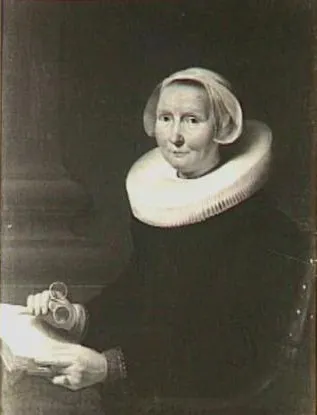
Portrait of Oede Seyl (c. 1571-after 1634) is an oil painting by the Dutch Golden Age artist Peter Danckerts de Rij. It dates from 1634 and is held in the collection of the Royal Museums of Fine Arts of Belgium.
About this work
The level of detail in the woman's clothing and the desk she is sitting at is impressive, indicating a high level of skill on the part of the artist.
The painting depicts a woman sitting at a desk, holding a piece of paper and a quill pen. She is dressed in dark clothing with a white collar and head covering. The background of the painting is dark, with a subtle gradient of colors.
The woman's attire and the style of the painting suggest that it may be a portrait from the 17th century. The level of detail in the woman's clothing and the desk she is sitting at is impressive, indicating a high level of skill on the part of the artist.
This painting is part of the collection at the Royal Museums of Fine Arts of Belgium.
Overview
Painted in 1634 by Peter Danckerts de Rij, this oil portrait captures Oede Seyl, a woman active in the early 17th century. Danckerts, a Dutch artist working across Northern Europe, executed the work during his time in the Polish–Lithuanian Commonwealth and Sweden. The painting is now part of the Royal Museums of Fine Arts of Belgium’s collection, representing the quiet dignity of portraiture in the Dutch Golden Age.
Subject & Meaning
Oede Seyl is depicted seated at a desk, holding a quill and a sheet of paper, suggesting literacy and engagement with written communication. Her composed posture and modest attire reflect the values of restraint and intellectual seriousness common among women of her social standing. The inclusion of writing tools implies agency in correspondence or record-keeping, subtly affirming her role beyond domestic spheres.
Technique & Style
Danckerts employed fine brushwork to render the textures of fabric, paper, and wood with precision. The dark, softly graded background isolates the figure, drawing attention to her face and hands. The contrast between the matte black garments and the crisp white collar enhances the portrait’s clarity. The lighting is even and naturalistic, avoiding theatricality in favor of quiet realism characteristic of Northern European portraiture.
History & Provenance
The painting entered the Royal Museums of Fine Arts of Belgium’s collection through documented acquisitions in the 19th or early 20th century. Its attribution to Danckerts de Rij is supported by stylistic analysis and archival records linking him to patrons in the Low Countries and beyond. No earlier provenance is publicly recorded, but its survival suggests it remained in private hands until institutional acquisition.
Context
In the early 1600s, portraits of women engaged in intellectual activities were uncommon but not unprecedented, particularly in Protestant regions where literacy was valued. Danckerts, working outside the Dutch Republic, adapted local conventions to suit his patrons’ tastes. This portrait aligns with broader trends in Northern Europe where domestic and scholarly identity were increasingly visualized in art.
Legacy
The portrait endures as a quiet testament to the visibility of educated women in early modern Europe. While Danckerts is less known than his contemporaries, this work exemplifies his ability to convey character through subtle detail. It contributes to scholarly understanding of gender, literacy, and portraiture beyond the major artistic centers of the Dutch Republic.
Artist & collection
Artist
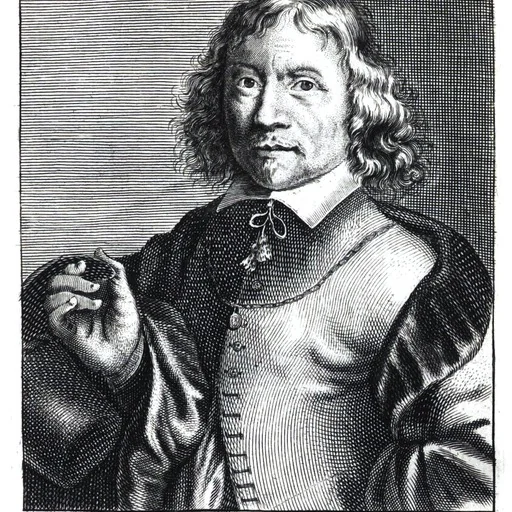
Pieter, Peeter, or Peter Danckerts de Rij, Dankers de Ry, or Peteris Dankersas (1605, in Amsterdam – buried 15 December 1660, Amsterdam). was a Dutch Golden Age painter mostly active in the Polish–Lithuanian Commonwealth and Sweden.

Museum
Royal Museums of Fine Arts of Belgium
Continue through works from the same source collection.
 Portrait of a Woman holding a Book
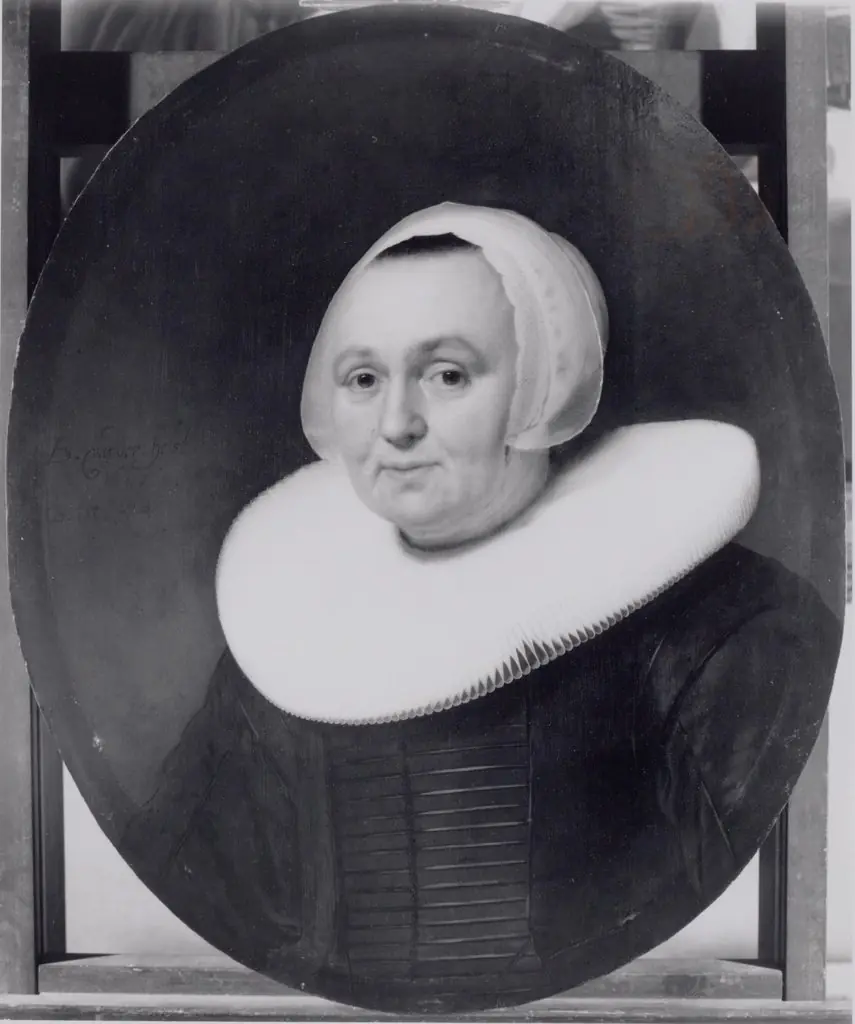 Portrait of Maritge Jansdr. Pesser
 Portrait of a Lady Aged 55
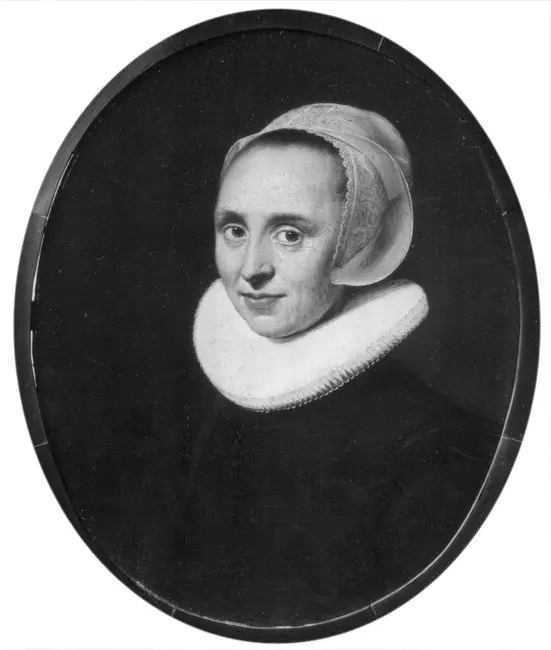 Portrait of the sister of Dirck Baltus
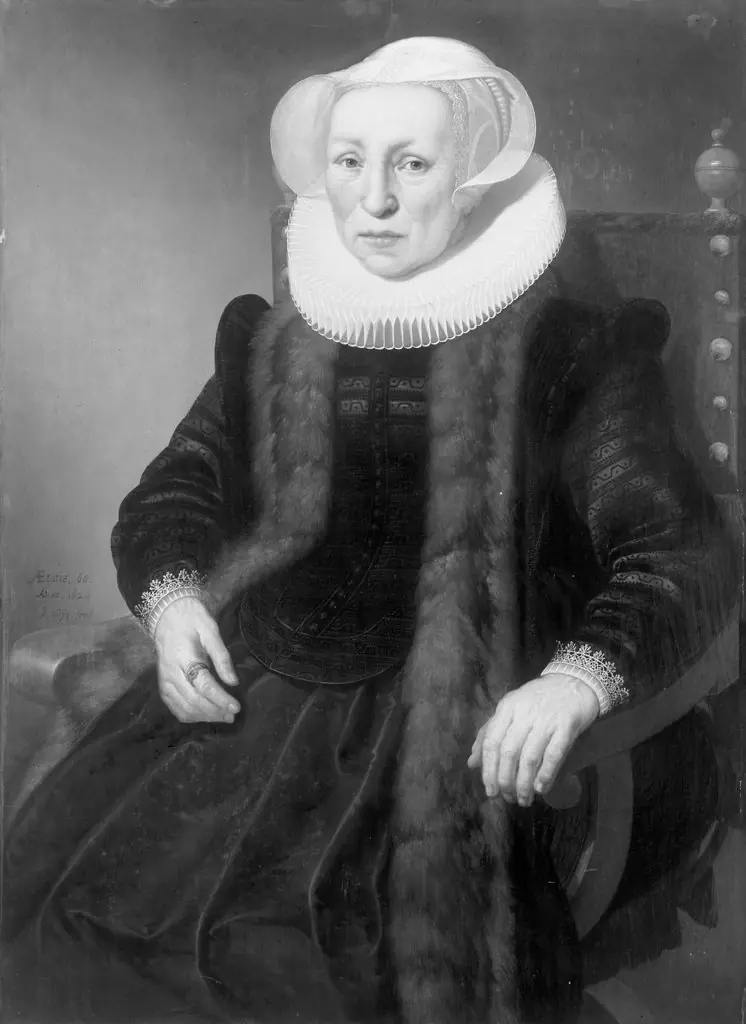 Portrait of an Old Woman
 Portret de femeie în vechi costum german
 Portrait of the mother of the artist Justus Sustermans
 Portrait of a Woman Standing beside a Chair
 Portrait of Maria Carré (d1613)
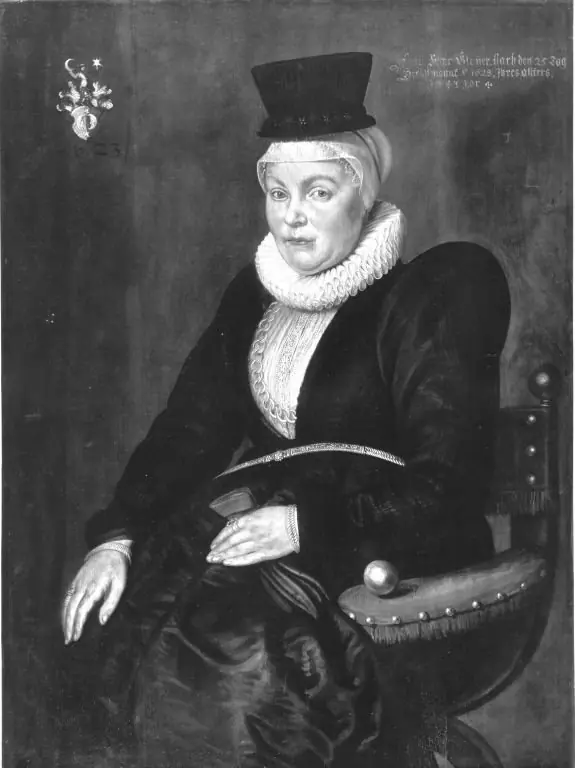 Bildnis einer Frau
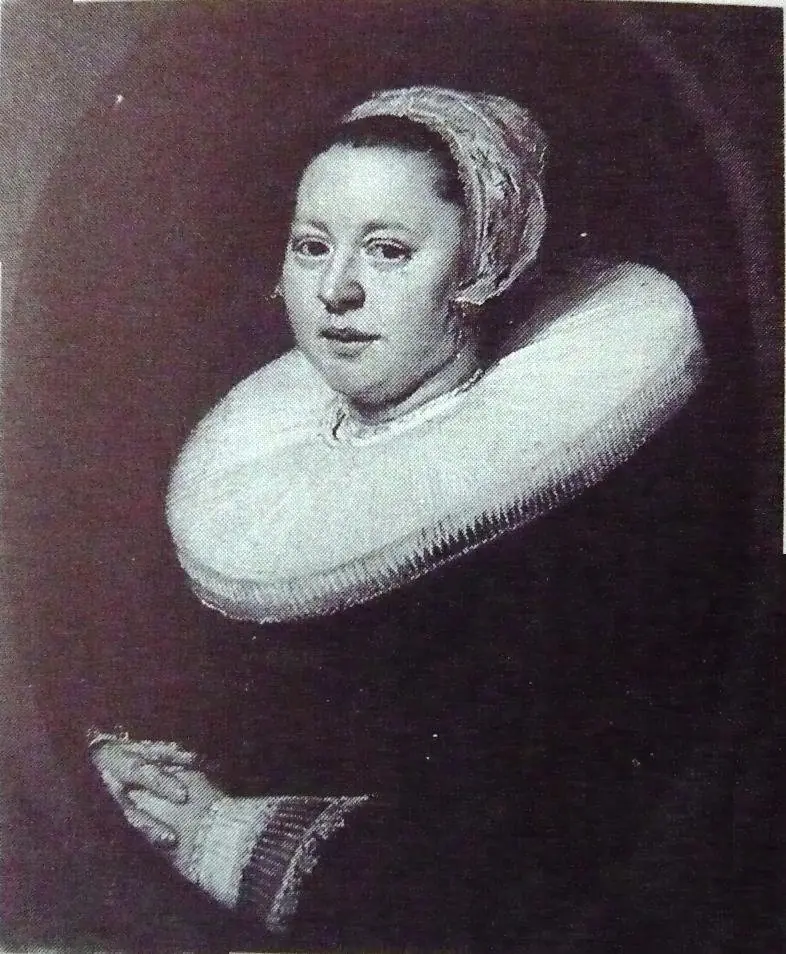 Portrait of a Woman
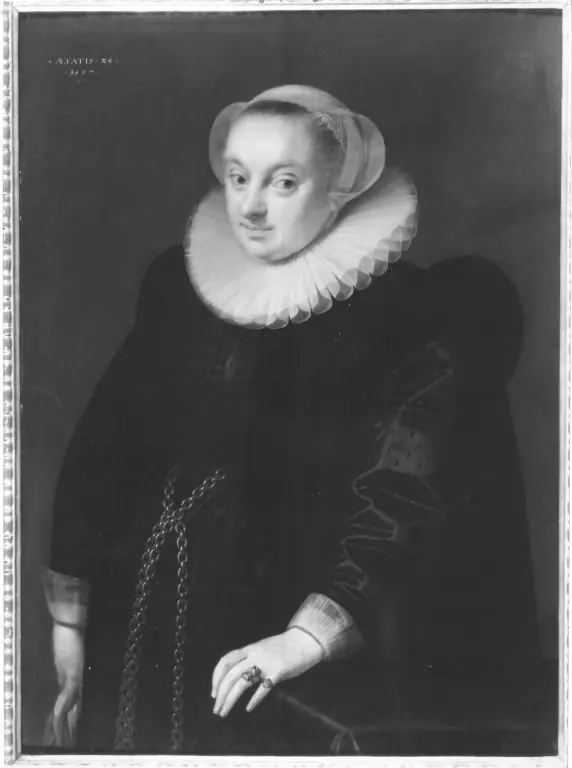 Portrait of a woman