Artwork
Kurfürst Friedrich I. der Siegreiche
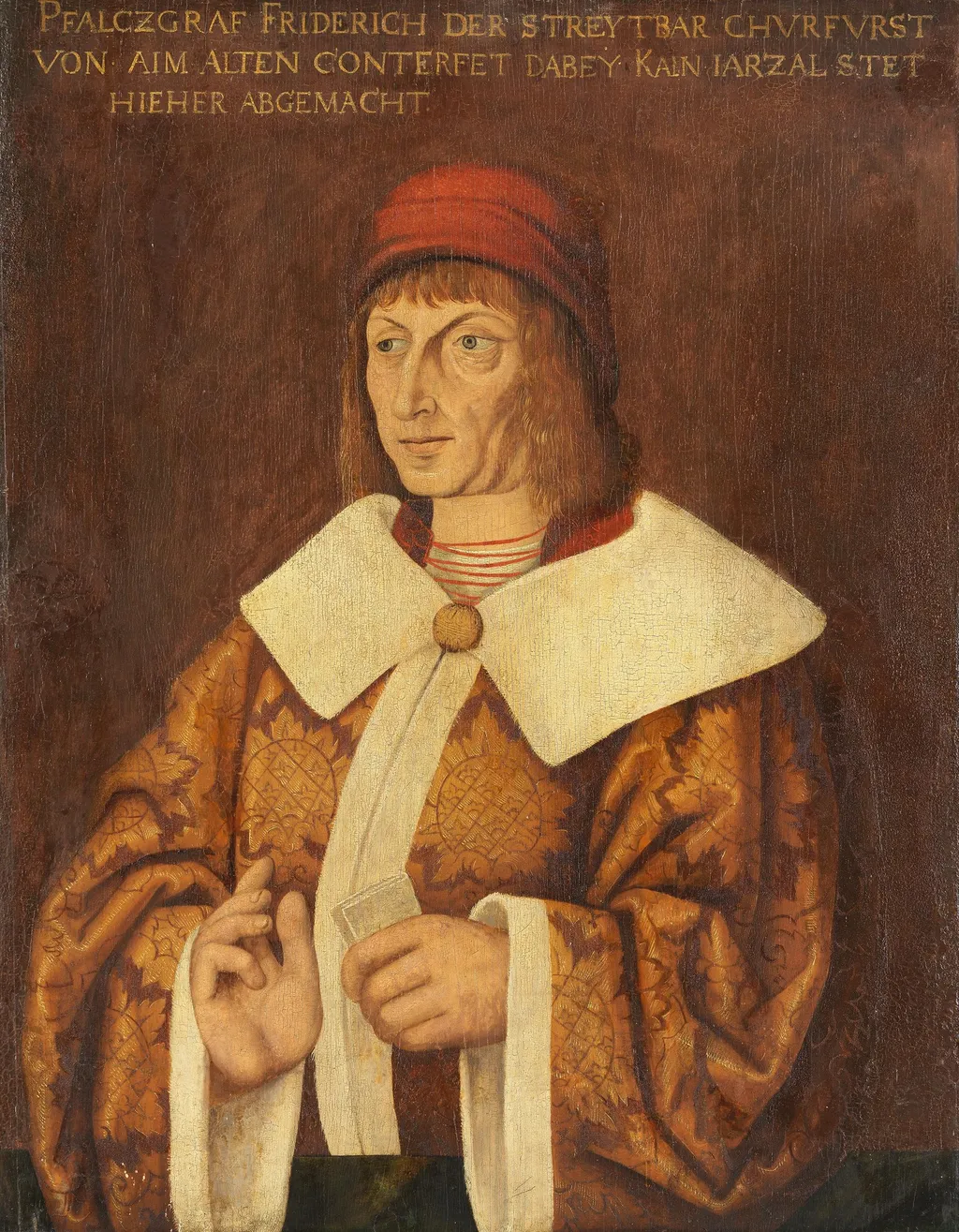
Kurfürst Friedrich I. der Siegreiche is an unspecified painting by Peter Gertner. It dates from 1531 and is held in the collection of the Bavarian State Painting Collections.
About this work
Overview
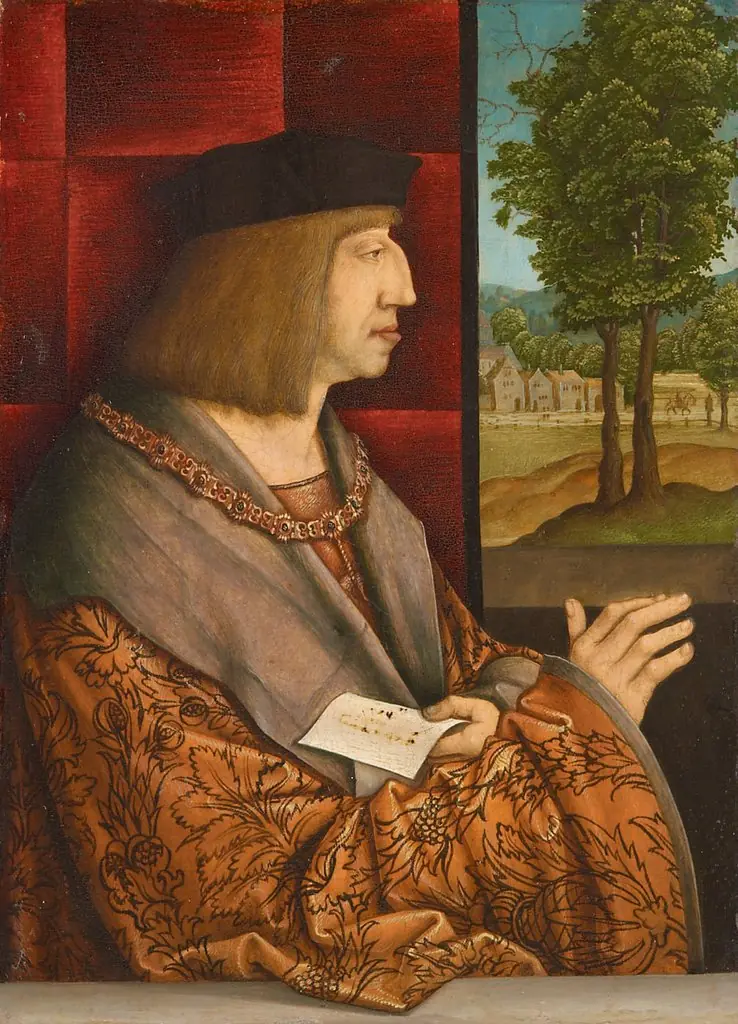
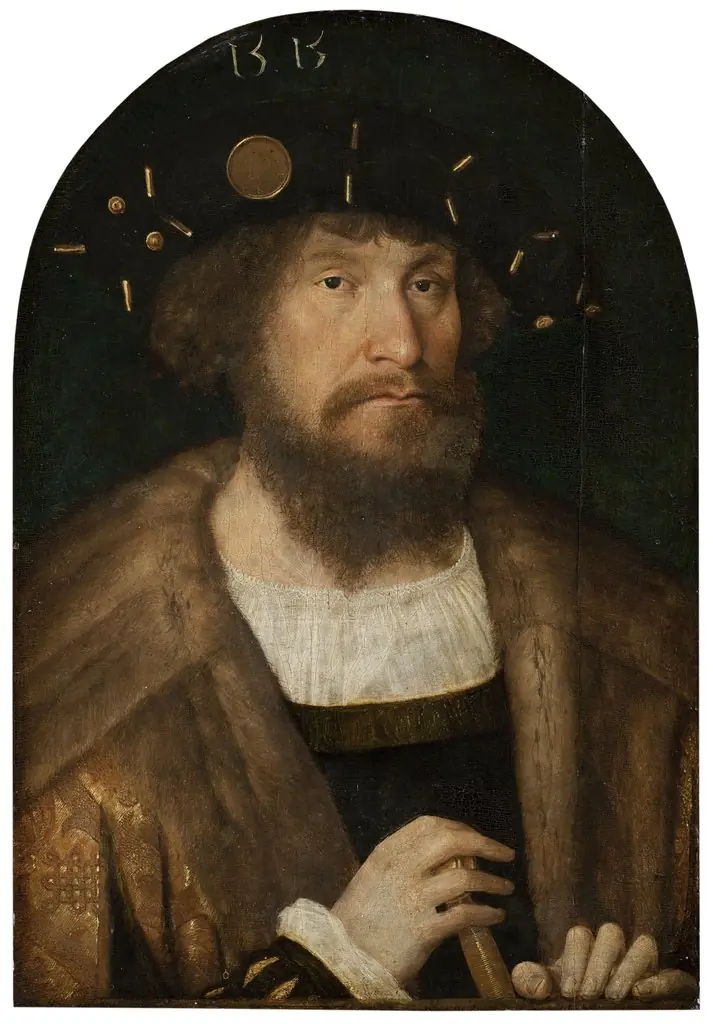
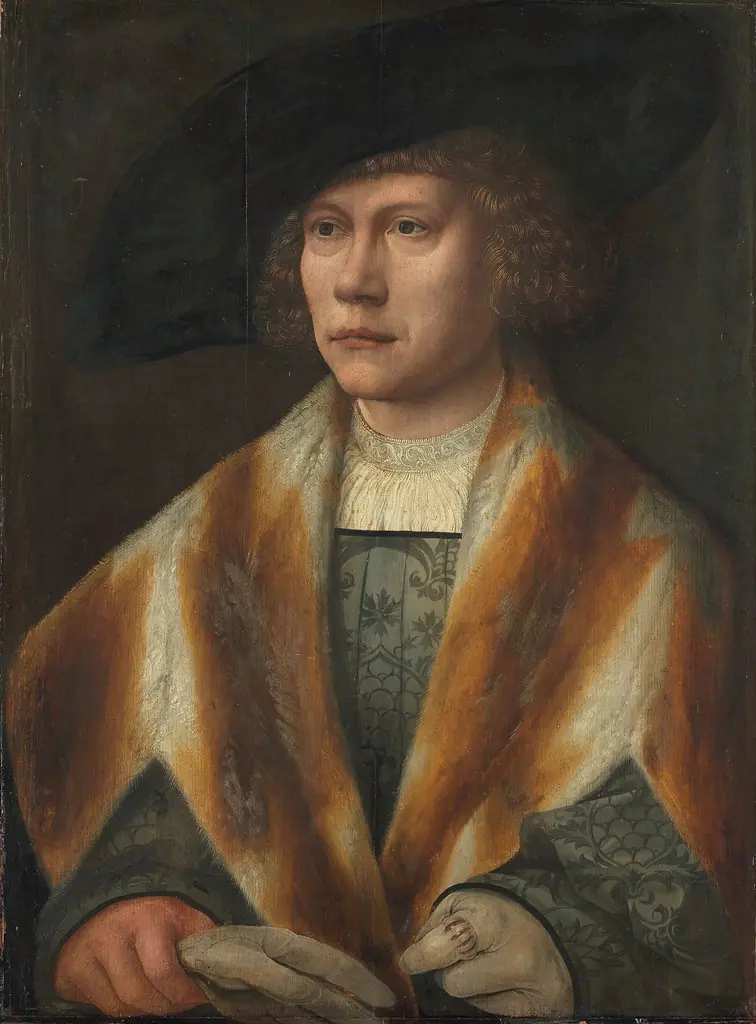
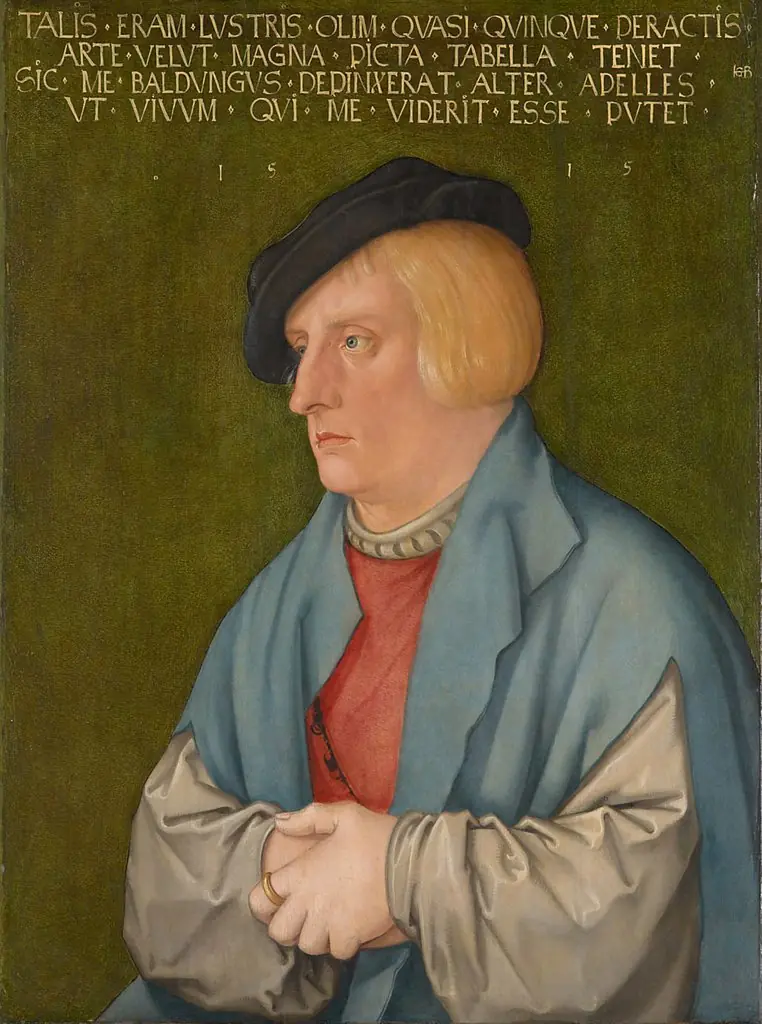
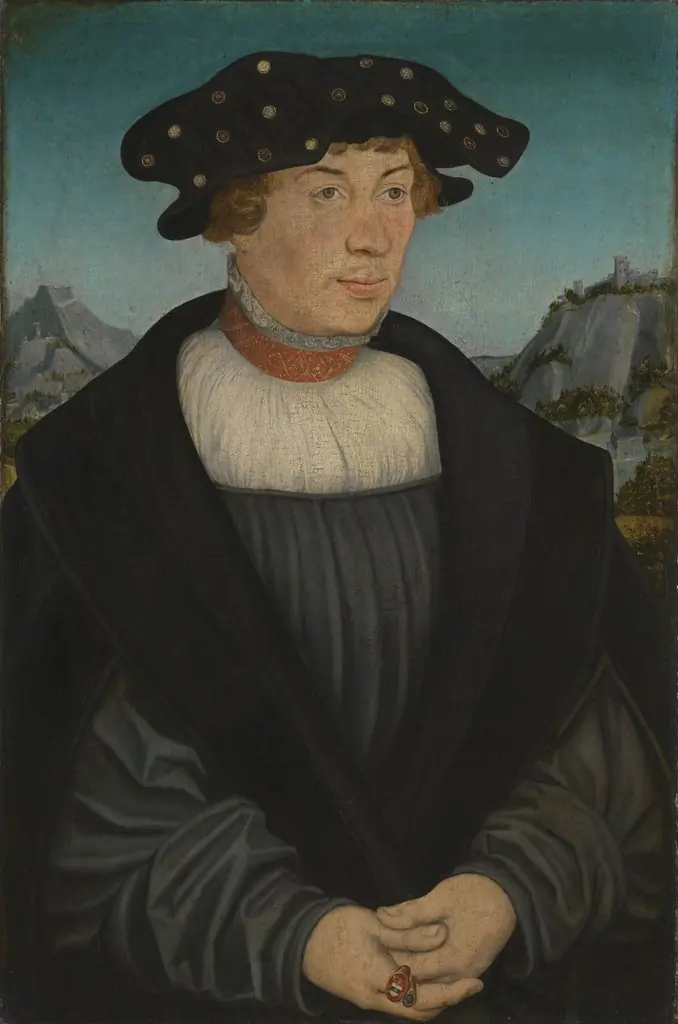
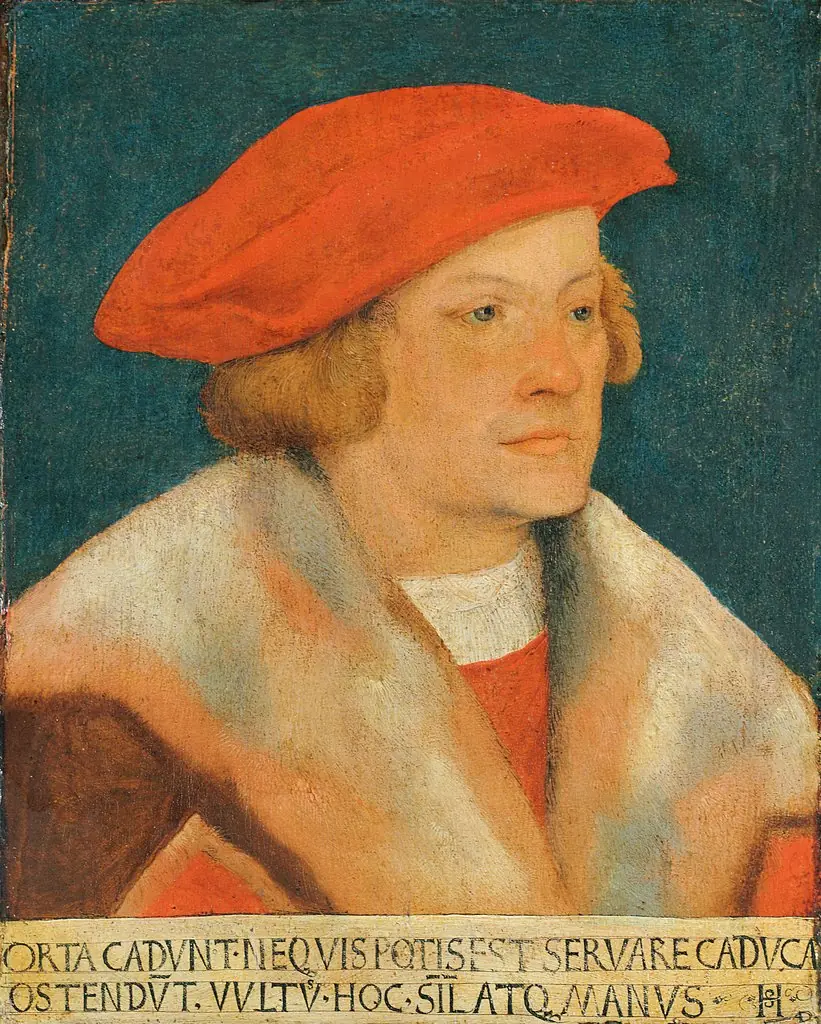
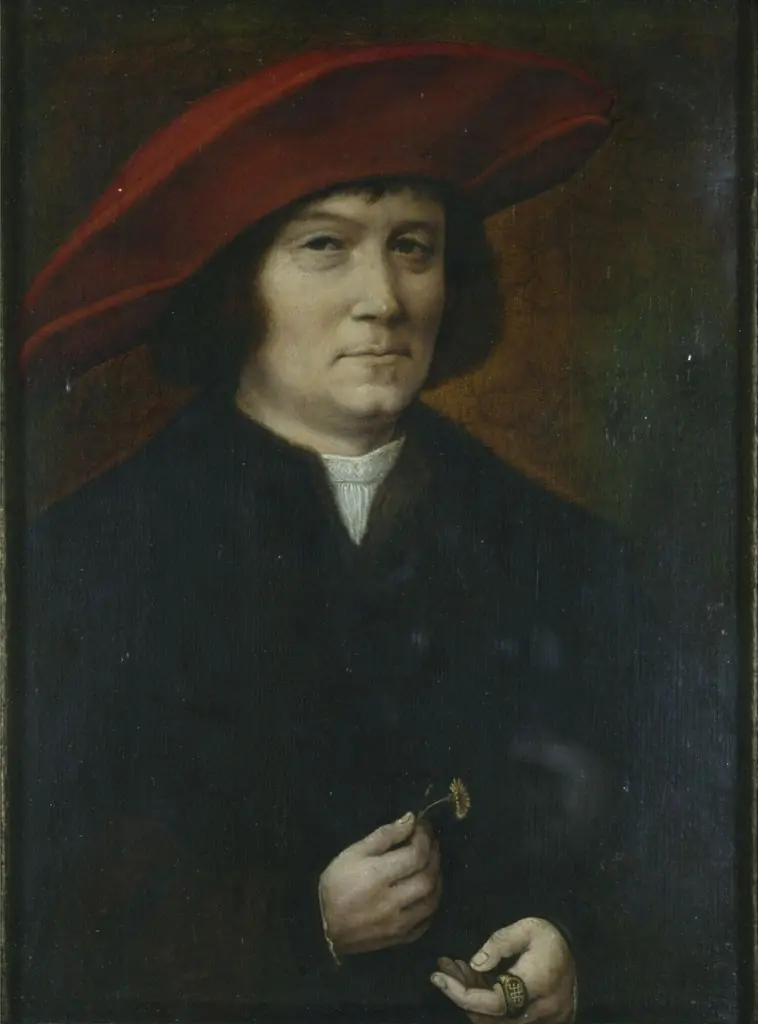
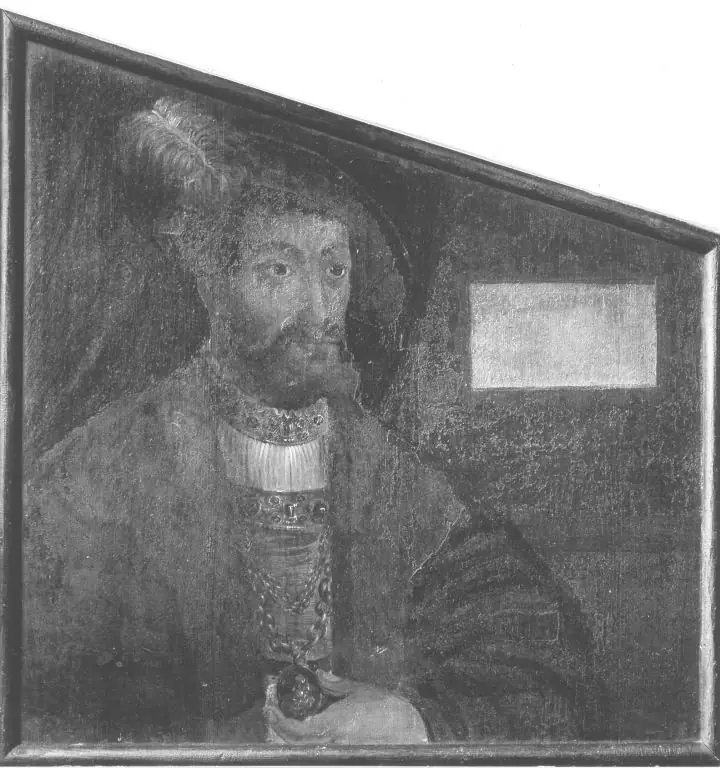
Painted around 1531 by Peter Gertner, this portrait depicts Friedrich I, Elector Palatine, known as Friedrich the Victorious.
Painted around 1531 by Peter Gertner, this portrait depicts Friedrich I, Elector Palatine, known as Friedrich the Victorious. The work is part of the collection at the Alte Pinakothek in Munich. Rendered in oil on panel, it presents the subject in a straightforward, frontal pose against a plain brown background, emphasizing his status through careful attention to costume and demeanor rather than elaborate setting.
Subject & Meaning
Friedrich I, Elector Palatine, is shown in his later years, dressed in the attire of a nobleman of the early Reformation era. The red cap and brown robe with a white collar reflect his rank and the modesty expected of Protestant leaders. The small object in his right hand, possibly a book or religious token, suggests his role as a patron of reform and learning, aligning his image with intellectual and spiritual authority.
Technique & Style
Gertner employs a restrained, precise technique typical of early 16th-century German portraiture. The rendering of the fabric’s texture, the fall of light on the collar, and the fine detail of the hair convey a quiet realism. The solid brown background eliminates distraction, focusing attention on the subject’s face and attire. The brushwork is controlled, avoiding theatricality in favor of dignified presence.
History & Provenance
The painting entered the Bavarian royal collection in the 18th century and was later transferred to the Alte Pinakothek upon its founding. Its attribution to Peter Gertner, a lesser-known court painter active in the Palatinate, is based on stylistic comparison and archival records linking him to commissions for the Elector’s circle. The work has remained in institutional hands since at least the late 1700s.
Context
Created during the early years of the Protestant Reformation, the portrait reflects the shifting identity of German nobility. Friedrich I, a key supporter of Martin Luther, used portraiture to project legitimacy and reformist values. Unlike Catholic rulers who favored grandeur, Protestant leaders often opted for restrained imagery—this painting embodies that shift through its simplicity and focus on personal character.
Legacy
Though not widely reproduced, the portrait remains a significant example of early Reformation-era portraiture in southern Germany. It contributes to the understanding of how Protestant elites visually constructed authority without relying on religious iconography. Gertner’s work, though overshadowed by contemporaries like Cranach, offers insight into the regional artistic responses to religious and political change.
Own this work as a print
Artist & collection

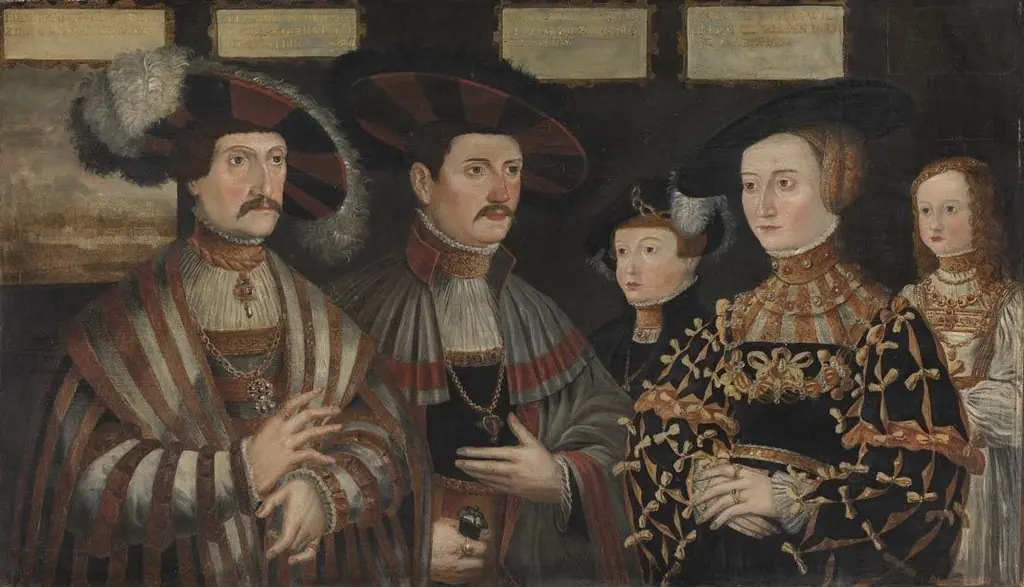 Family Portrait of Ludwig II
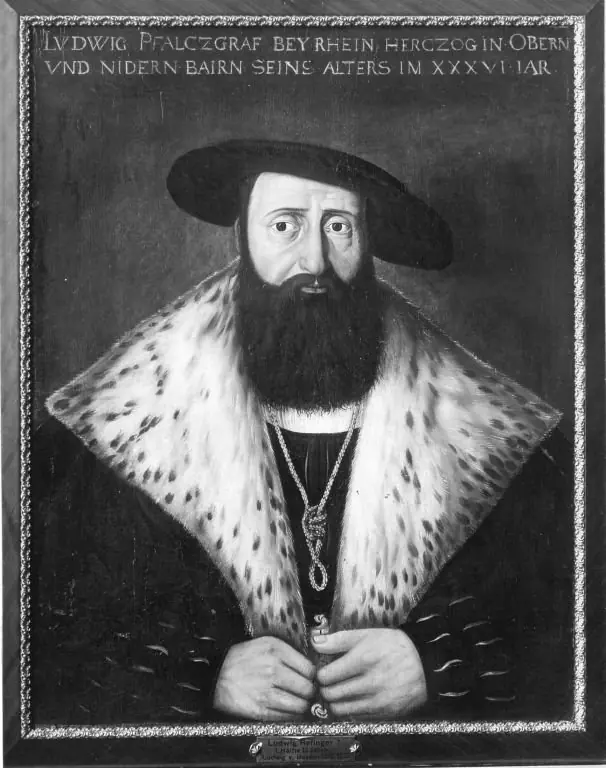 Portrait of Louis X of Bavaria
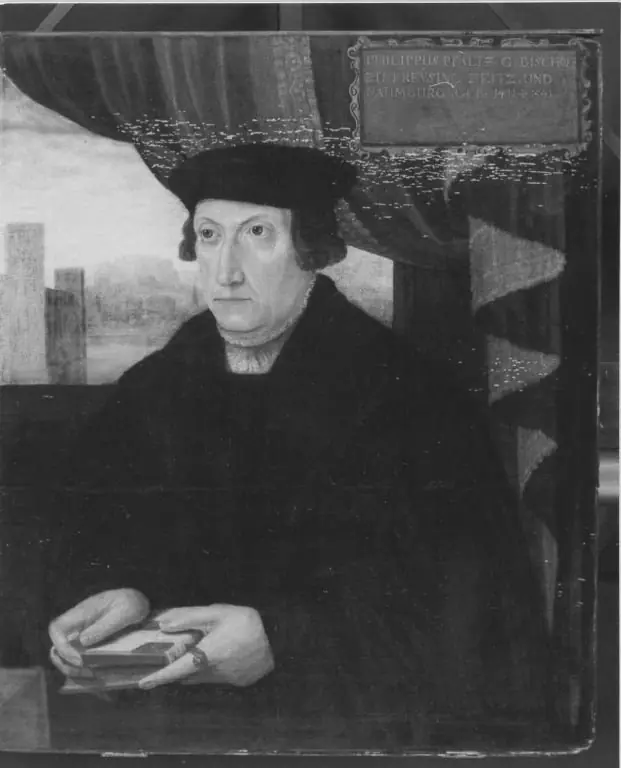 Portrait of Count Palatine Philip, Bishop of Freising
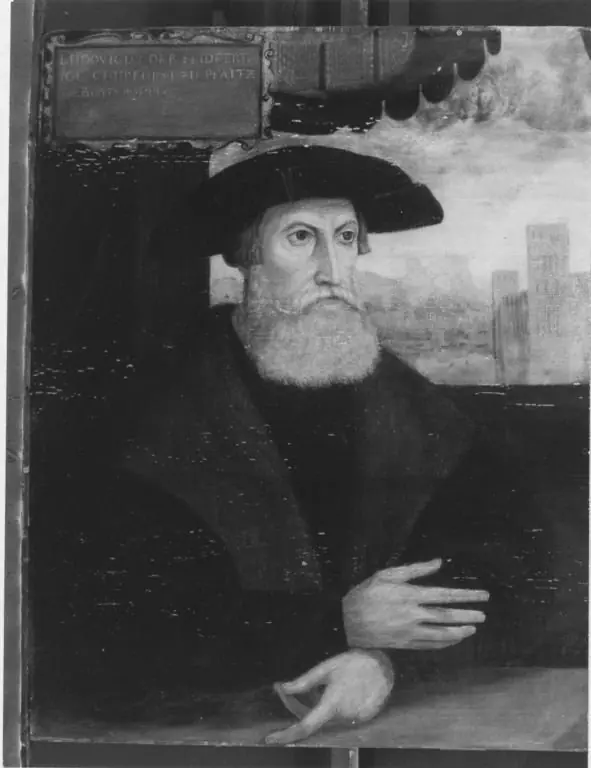 Portrait of Elector Ludwig V von der Pfalz, the Peacefull
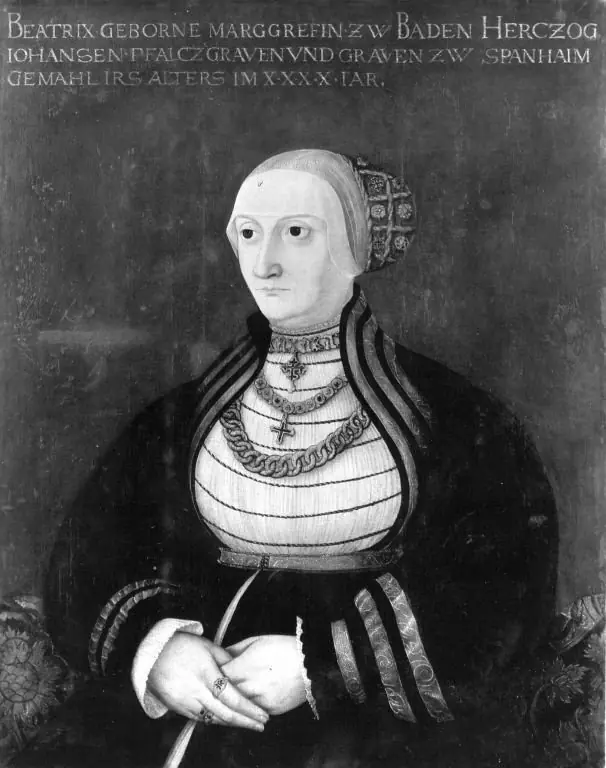 Beatrix Markgräfin von Baden, Gemahlin des Pfalzgrafen Johann II. von Sponheim
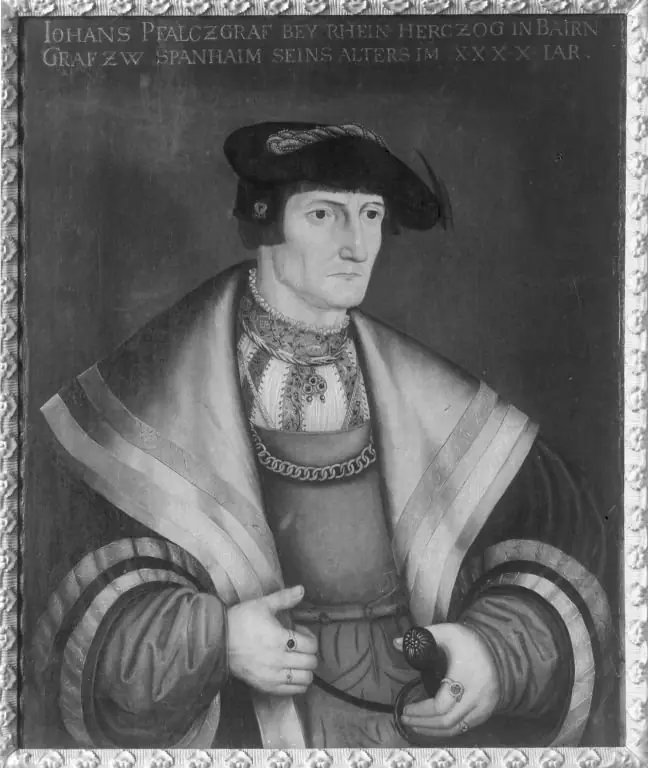 Pfalzgraf Johann II. von Simmern-Sponheim
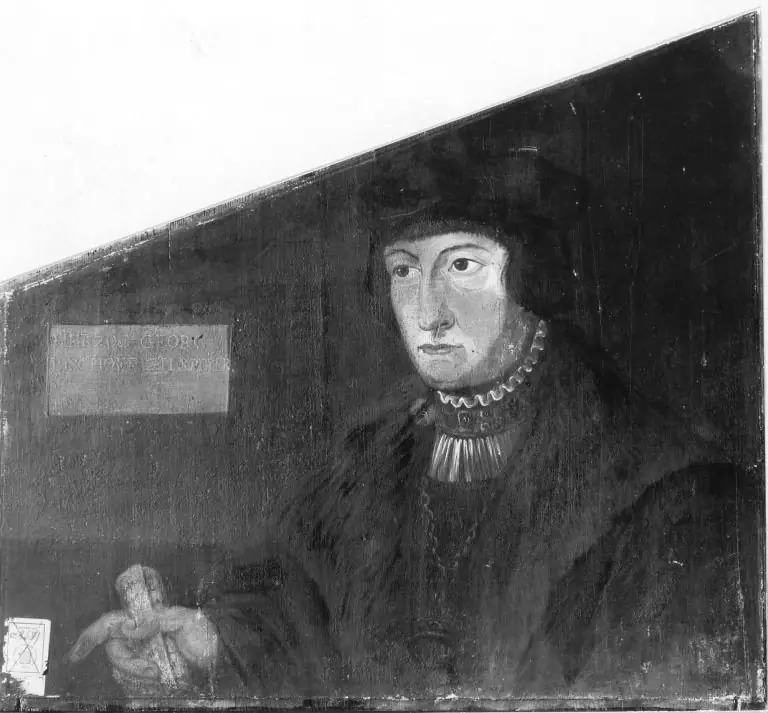 Georg, Bischof von Speyer (wohl Pfalzgraf Philipp, Bischof zu Freising) (Kopie nach)
 Pfalzgraf Wolfgang von Neuburg (Kopie nach)