Artwork
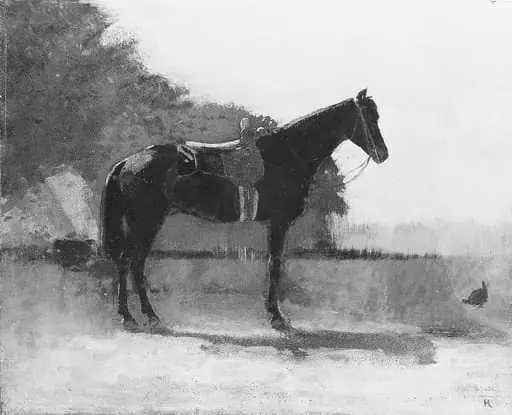
Horse, Fort Stanton, New Mexico
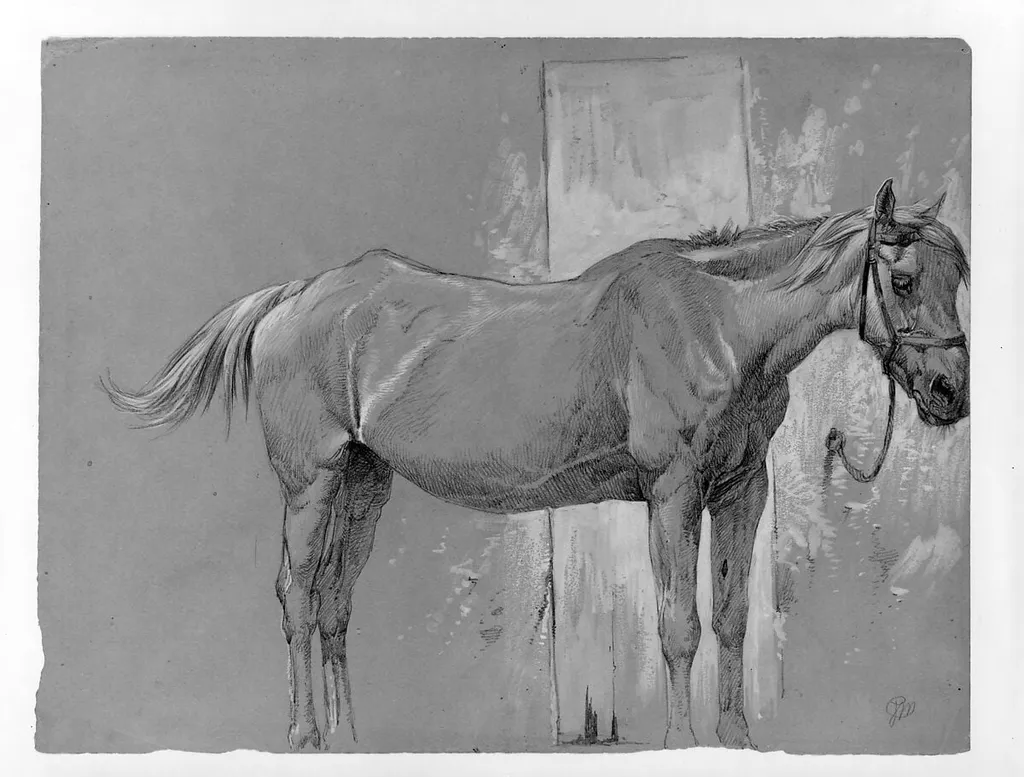
Horse, Fort Stanton, New Mexico is a gouache drawing by the Romanticist artist Peter Moran. It dates from 1877 and is held in the collection of the Metropolitan Museum of Art.
About this work
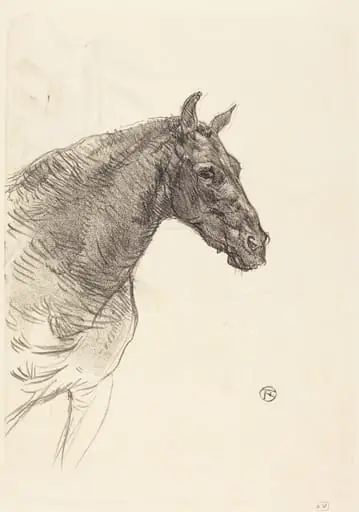
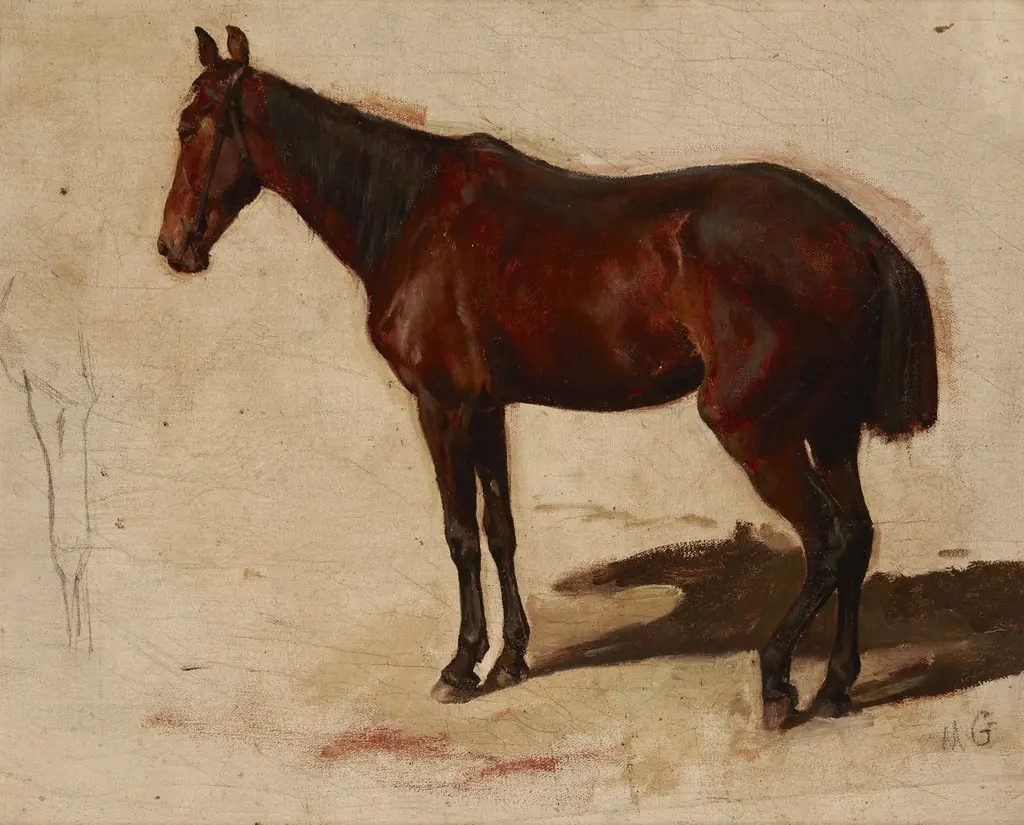
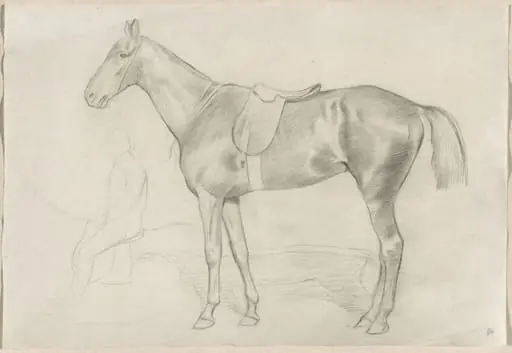
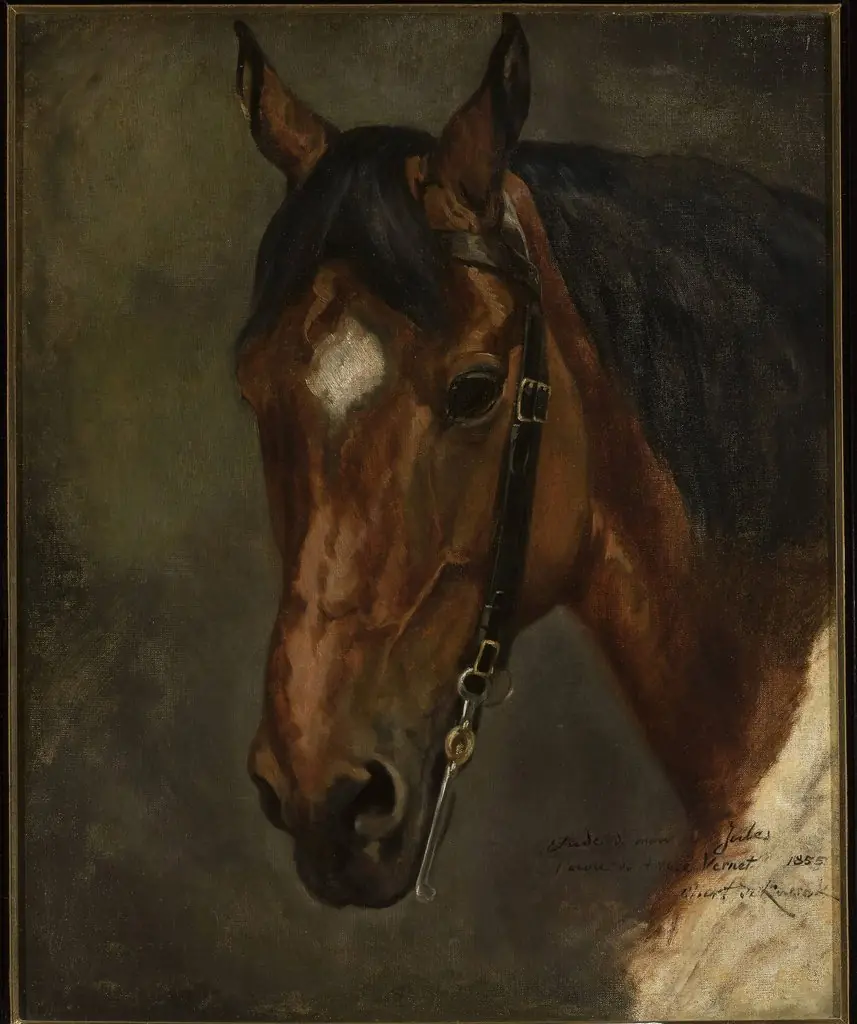
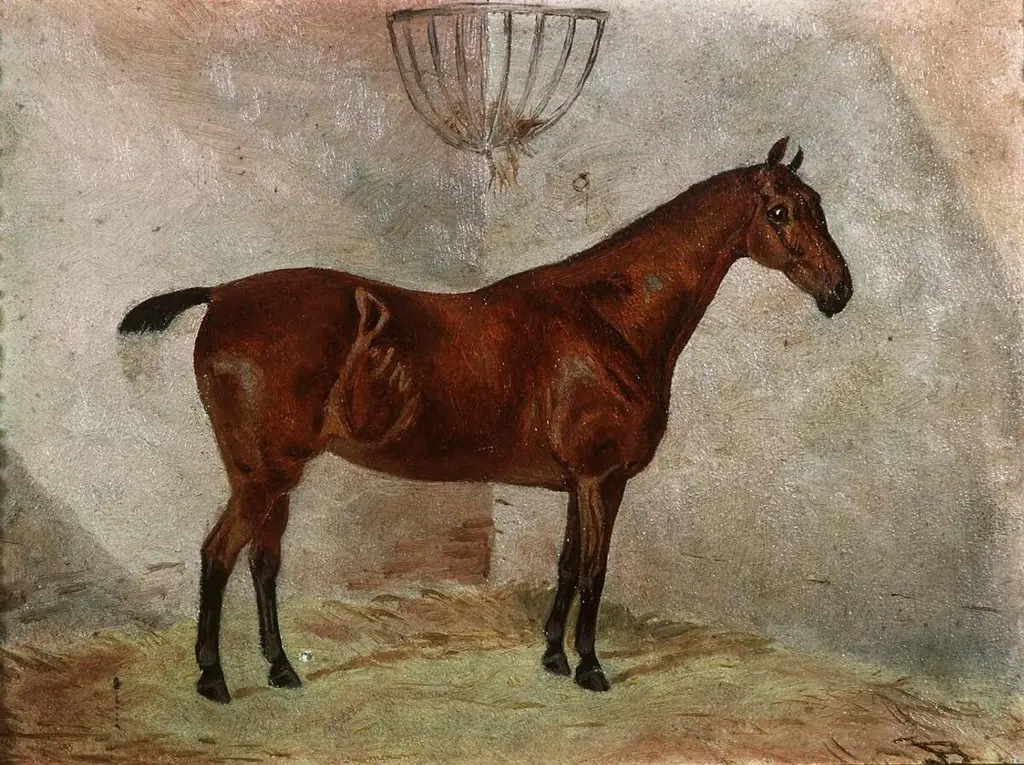
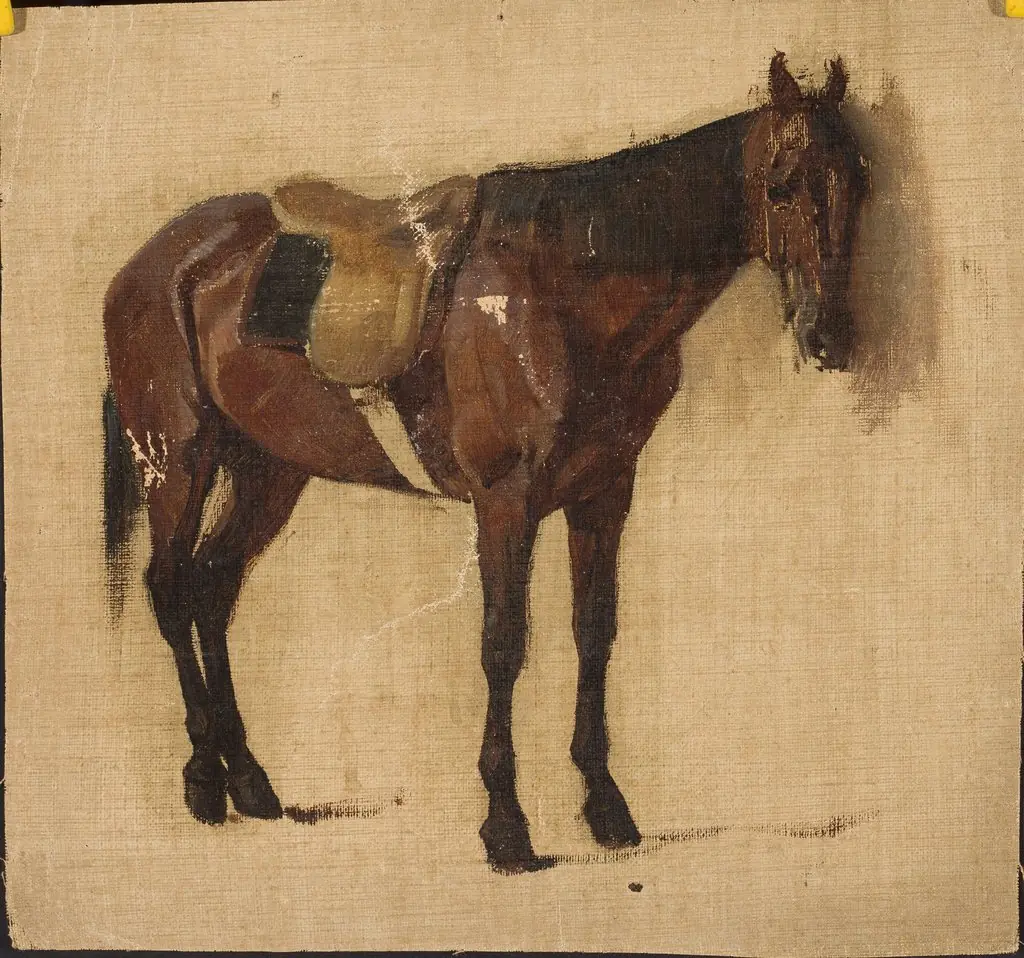
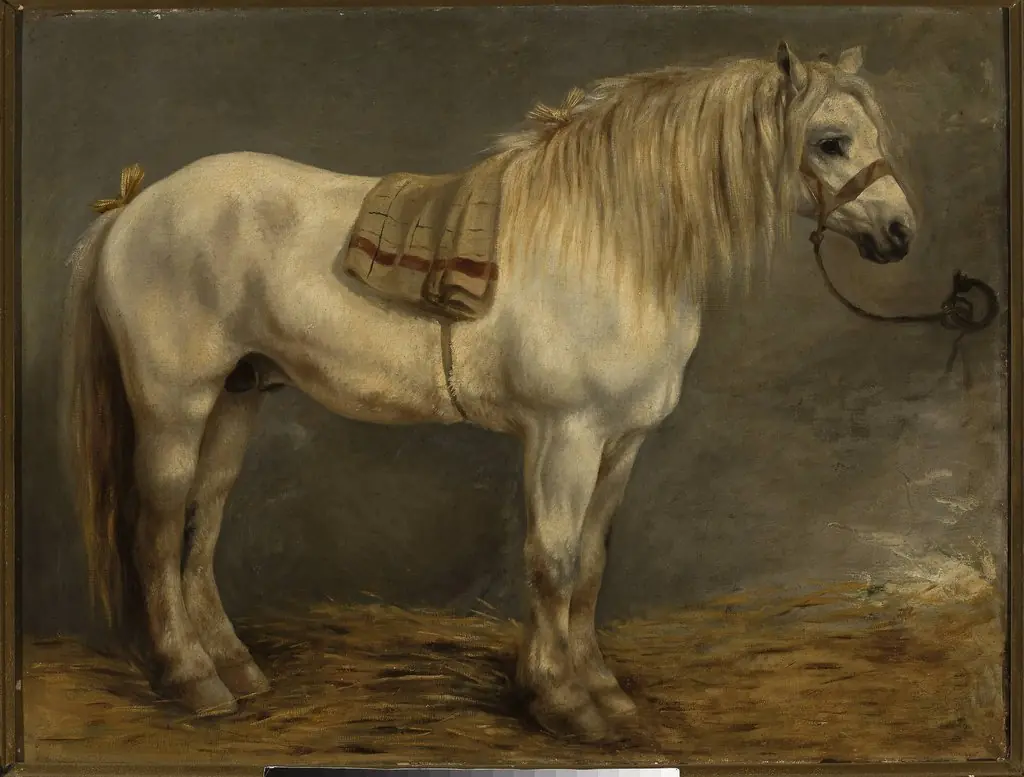
A horse stands in a dusty corral, ears pricked, one hoof lifted.
Peter Moran drew this in 1875 while traveling through New Mexico. The gray-green paper lets the white gouache—opaque watercolor—pop like sunlight on the animal’s coat. Moran was part of a family of artists, but he focused on the American West when most painters still looked to Europe.
Look up the subject: horses.
Overview
Created in 1875 during a journey through New Mexico, this drawing by Peter Moran captures a single horse in a quiet moment of stillness.
Created in 1875 during a journey through New Mexico, this drawing by Peter Moran captures a single horse in a quiet moment of stillness. Executed in graphite and white gouache on gray-green wove paper, the work reflects Moran’s interest in American landscapes and rural life, diverging from the European subjects favored by many of his contemporaries. The choice of materials and tone suggests a direct, observational approach to his subject.
Subject & Meaning
The horse stands in a sparse corral, one hoof slightly raised, ears alert, as if sensing movement beyond the frame. There is no human presence, no narrative context—only the animal’s quiet vigilance. This focus on the horse as an independent subject reflects Moran’s attention to the natural rhythms of the American West, where livestock was both practical and symbolic of frontier life.
Technique & Style
Moran used graphite for fine linear detail and white gouache to suggest highlights catching the desert light. The gray-green paper serves as a midtone ground, allowing the white pigment to glow like sunlight on the horse’s coat. The restrained palette and deliberate brushwork convey texture and form without embellishment, emphasizing observation over theatricality.
History & Provenance
Moran produced this work during a trip to Fort Stanton, a military outpost in New Mexico Territory. He was traveling as part of a broader engagement with the American West, documenting its people and animals. The drawing entered the collection of the American Wing through established acquisition channels, likely linked to his growing reputation in American art circles by the late 19th century.
Context
While European academic traditions dominated American art institutions, Moran and his brothers turned their attention to domestic subjects. His focus on Western landscapes and animals aligned with a broader, though still emerging, interest in regional identity. This drawing predates the peak of the etching revival but shows the same commitment to detail and naturalism that would define his later prints.
Legacy
Though less known than his etchings, this drawing exemplifies Moran’s early commitment to capturing the American West with quiet precision. It stands as a quiet counterpoint to grander frontier narratives, offering instead a grounded, intimate portrait of an animal integral to life on the frontier. His work contributed to a shift in American art toward local observation over imported aesthetics.
Artist & collection
Artist
Peter Moran (March 4, 1841 – November 9, 1914) was a British-born American painter and etcher.