Artwork
Bacchanalia
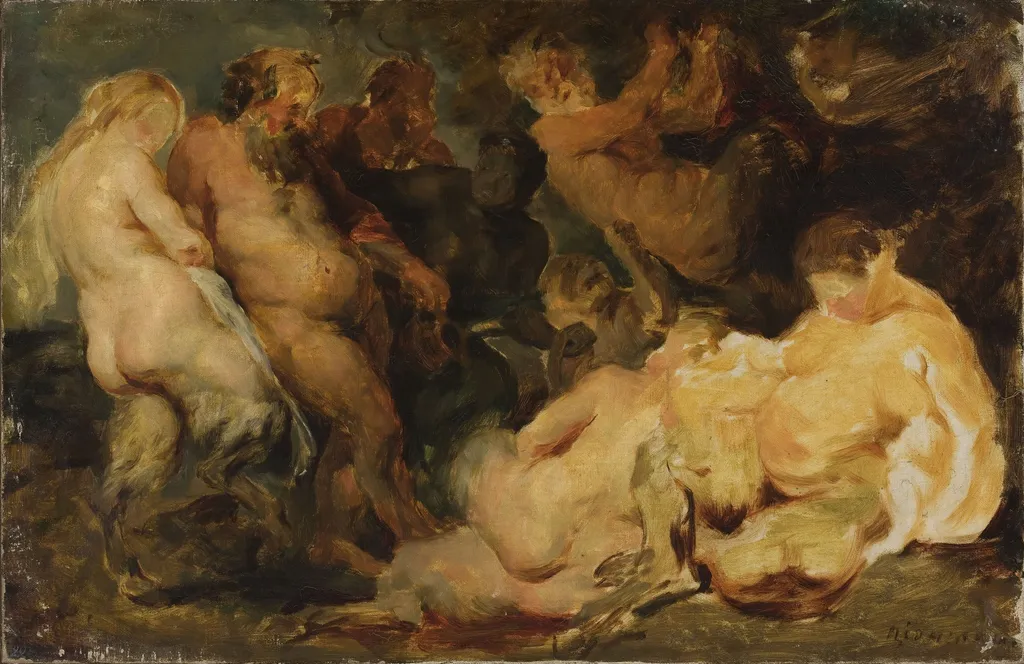
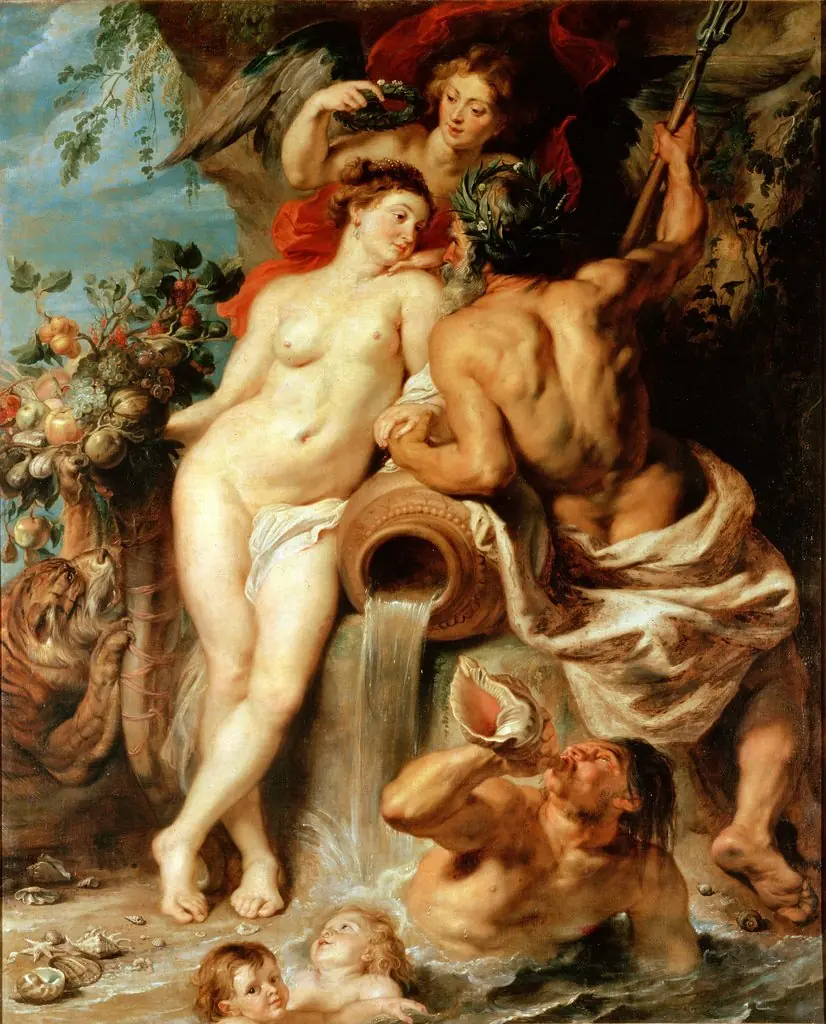
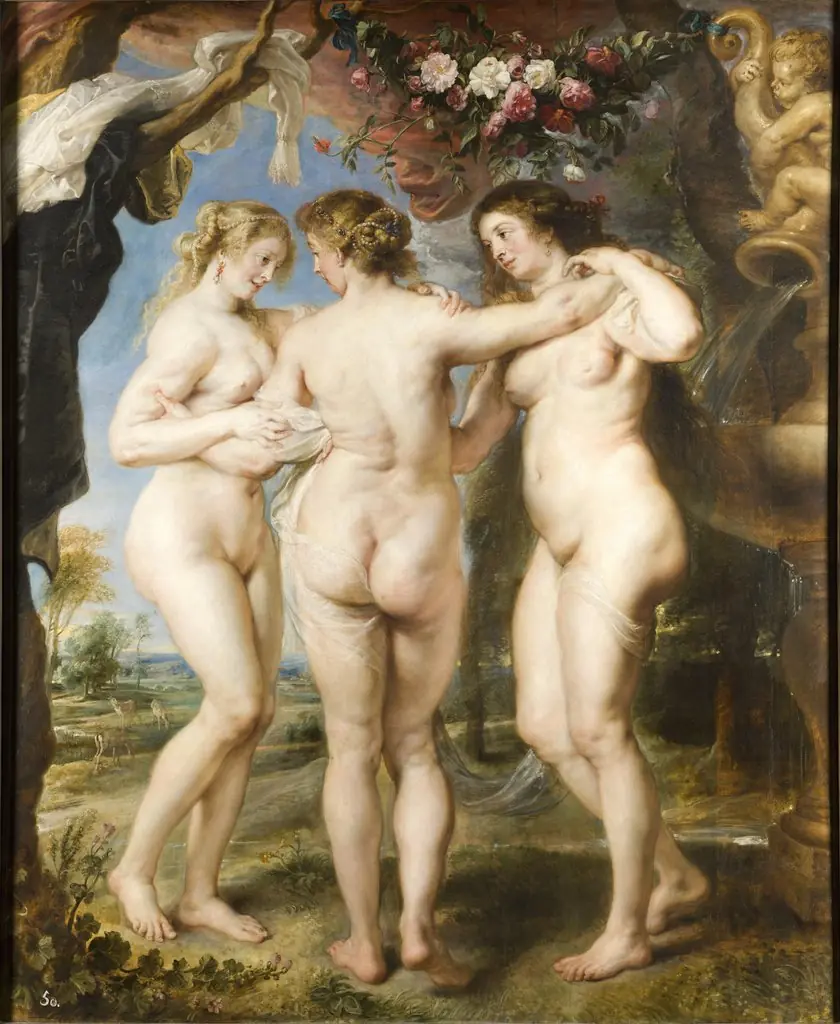
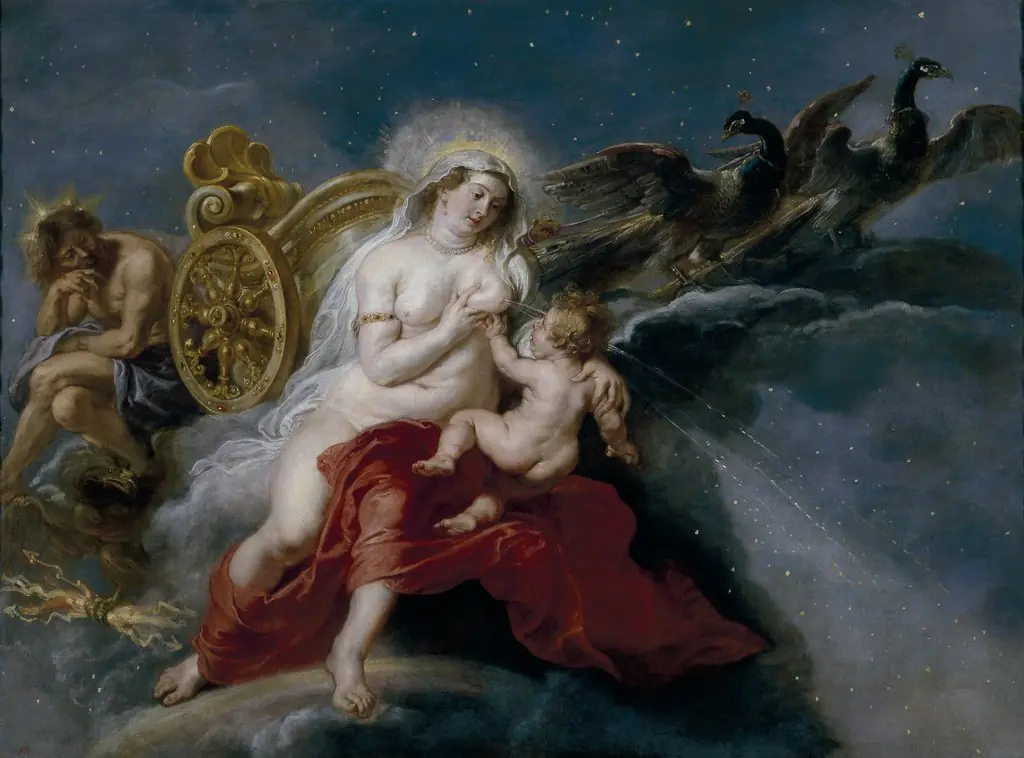
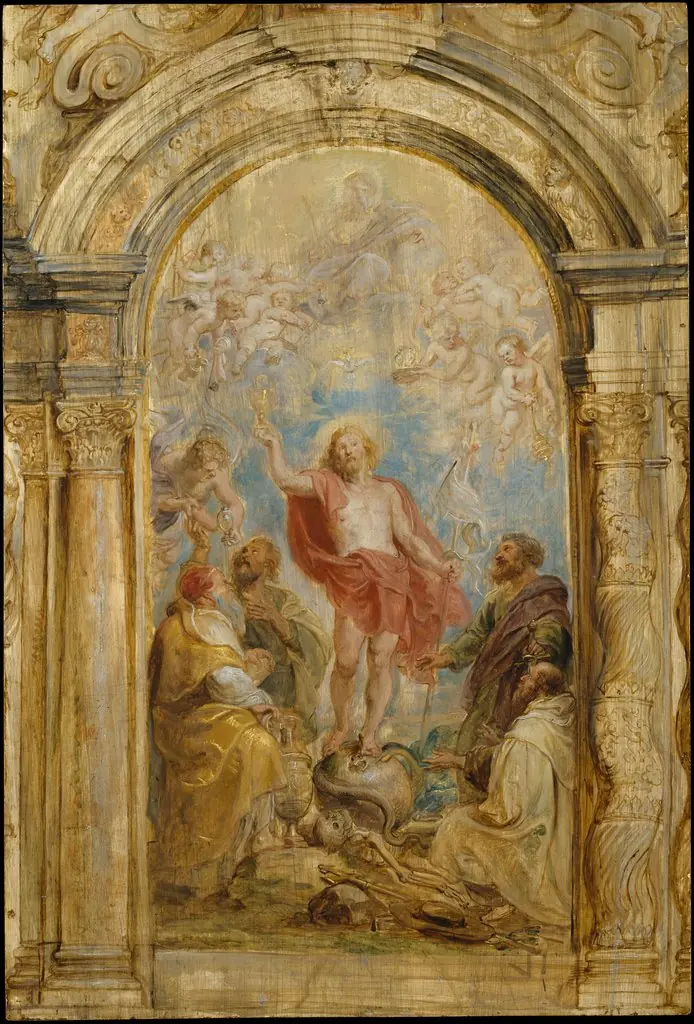
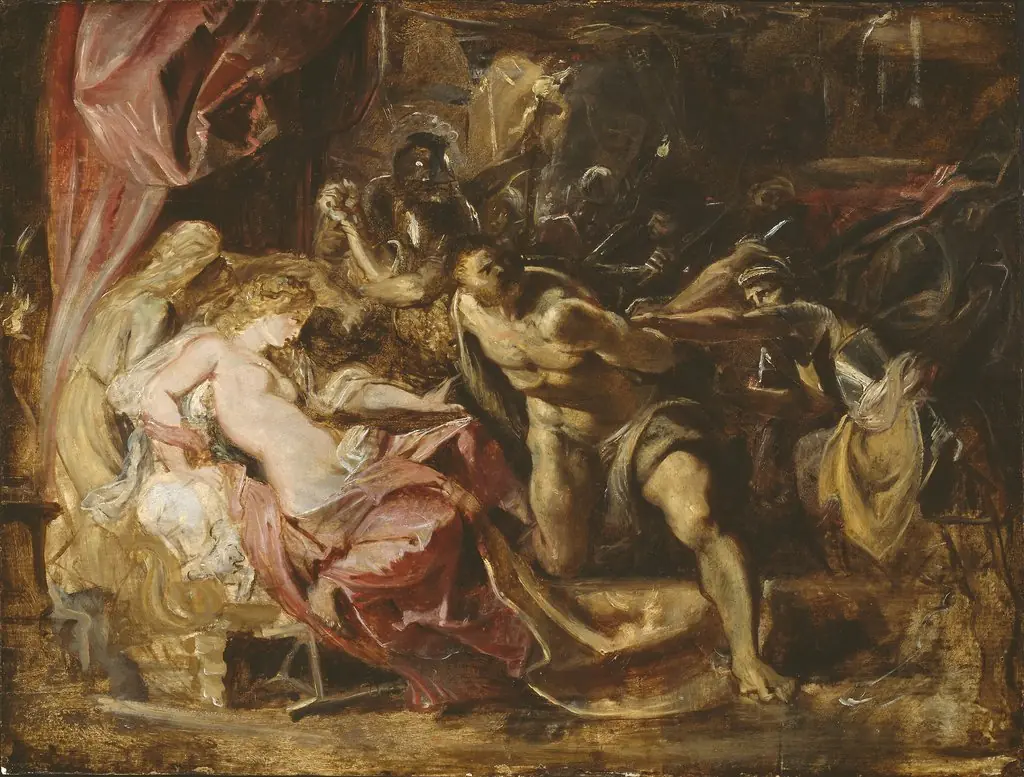
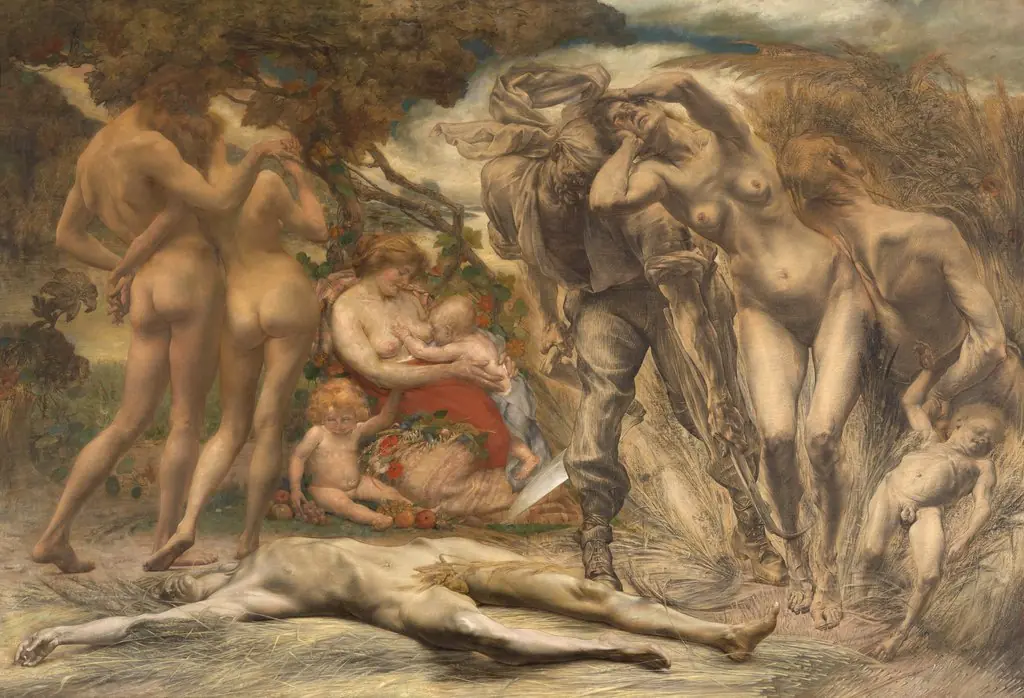
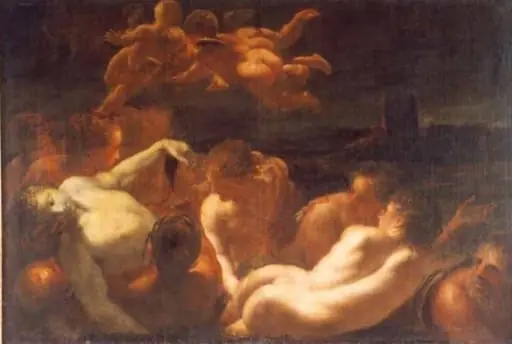
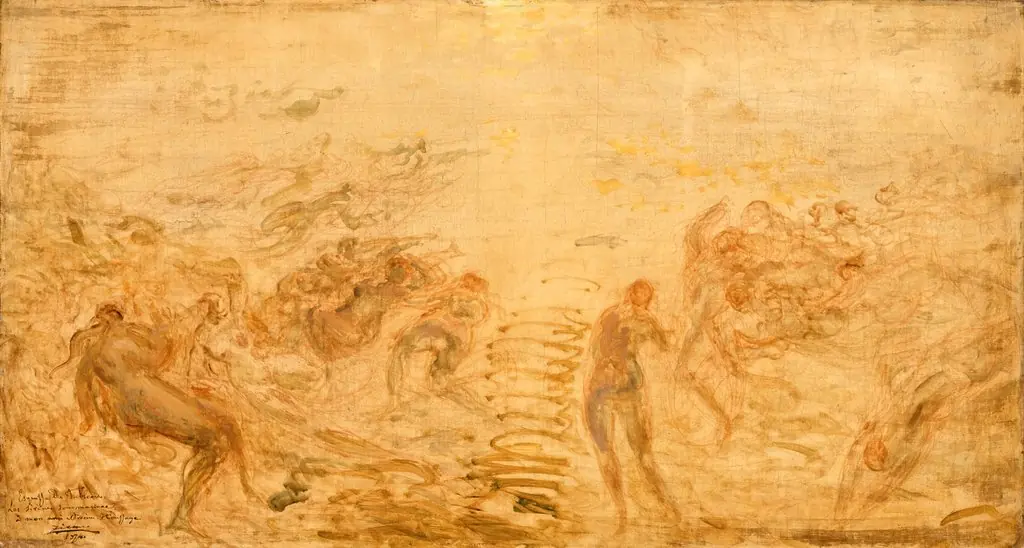
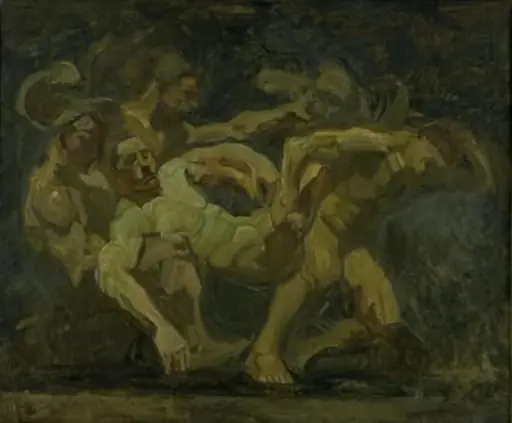
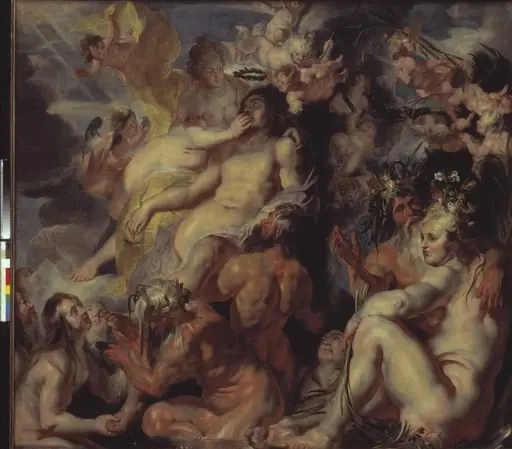
Bacchanalia is an oil painting by the Flemish Baroque painting artist Peter Paul Rubens. It dates from 1618 and is held in the collection of the National Museum in Warsaw.
About this work
Overview
It belongs to a series of mythological scenes Rubens produced during his mature years, reflecting his engagement with classical antiquity.
Painted around 1618 by Peter Paul Rubens, *Bacchanalia* is an oil on canvas work from the Flemish Baroque period. It belongs to a series of mythological scenes Rubens produced during his mature years, reflecting his engagement with classical antiquity. The painting is currently held in the National Museum in Warsaw, where it remains a key example of his approach to narrative and movement in mythological subjects.
Subject & Meaning
The scene portrays a gathering of figures associated with Bacchus, the Roman god of wine and revelry. Nude and semi-nude individuals are arranged in a loose, informal circle, suggesting a moment of suspended celebration rather than a specific mythological episode. The absence of clear narrative action shifts focus to the human form and the atmosphere of communal indulgence, evoking themes of earthly pleasure and natural abundance.
Technique & Style
Rubens employs thick, fluid brushwork and a rich, earth-toned palette with subtle highlights on skin to model forms in soft light. The composition avoids rigid structure, instead using overlapping bodies and diagonal gestures to create a sense of organic movement. His handling of texture and tone reflects a deep understanding of Venetian colorism and classical sculpture, filtered through his own dynamic sensibility.
History & Provenance
The painting entered the collection of the National Museum in Warsaw in the 19th century, likely through acquisitions made during the period of Polish nobility’s engagement with European art. Its origins before this are not fully documented, but it aligns stylistically with works Rubens produced after his return to Antwerp in 1608, when he began producing mythological scenes for private patrons.
Context
In early 17th-century Flanders, mythological themes like this were favored by collectors seeking to display cultural sophistication. Rubens, deeply versed in classical literature and humanist thought, reinterpreted ancient rituals through a contemporary lens. His depictions of bacchanals were not merely decorative but engaged with Renaissance ideas about nature, emotion, and the body’s expressive potential.
Legacy
Though less famous than Rubens’s larger mythological cycles, *Bacchanalia* exemplifies his ability to convey vitality through informal groupings and tactile realism. It influenced later artists interested in the human figure in naturalistic settings and remains a quiet testament to his skill in balancing classical reference with intimate, unscripted moments of human presence.
Own this work as a print
Artist & collection
Artist
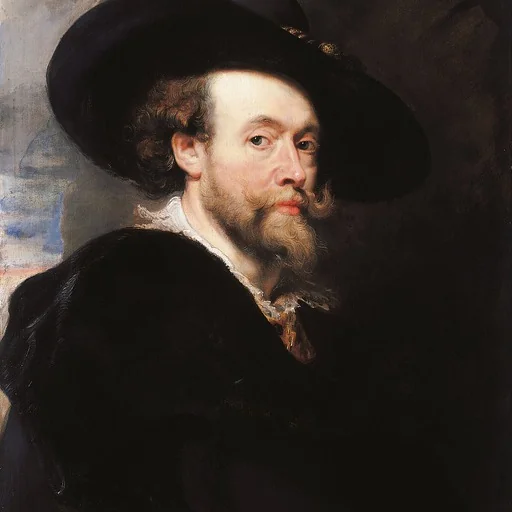
Sir Peter Paul Rubens ( ROO-bənz; Dutch: ; 28 June 1577 – 30 May 1640) was a Flemish artist and diplomat.