Artwork
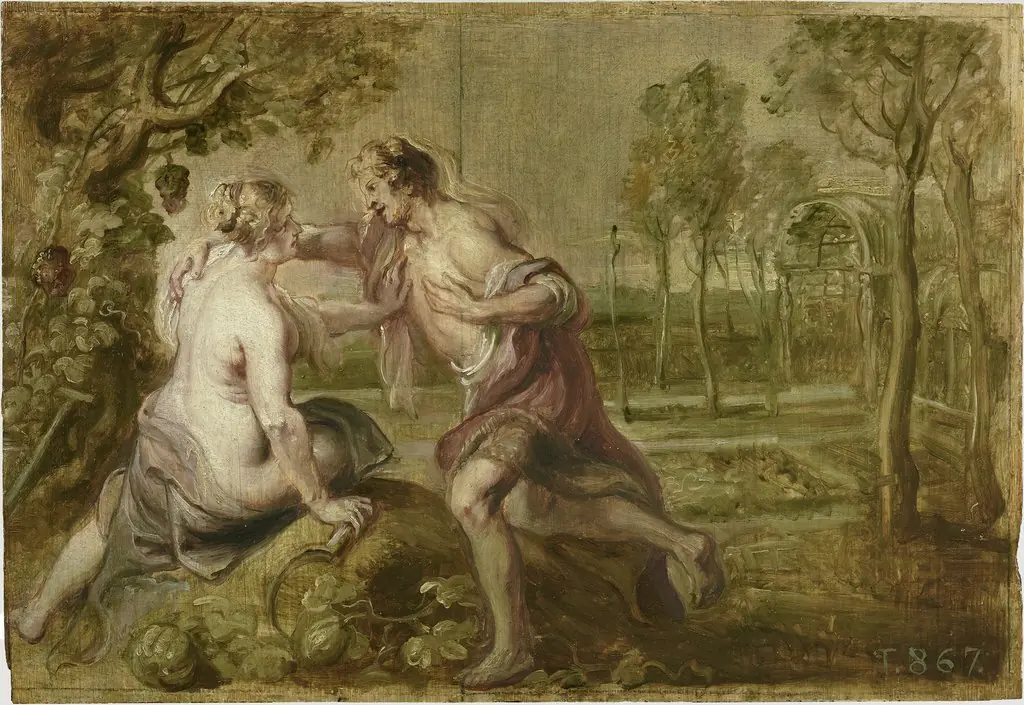
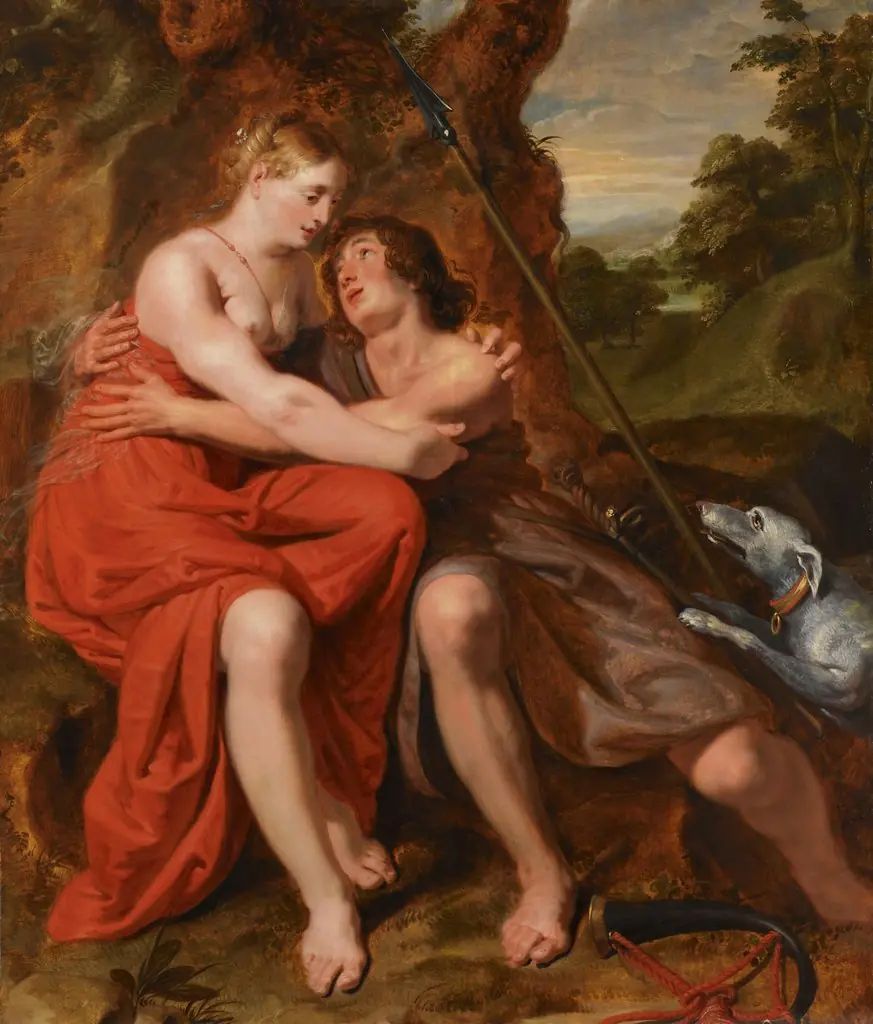
Cephalus and Procris (study)
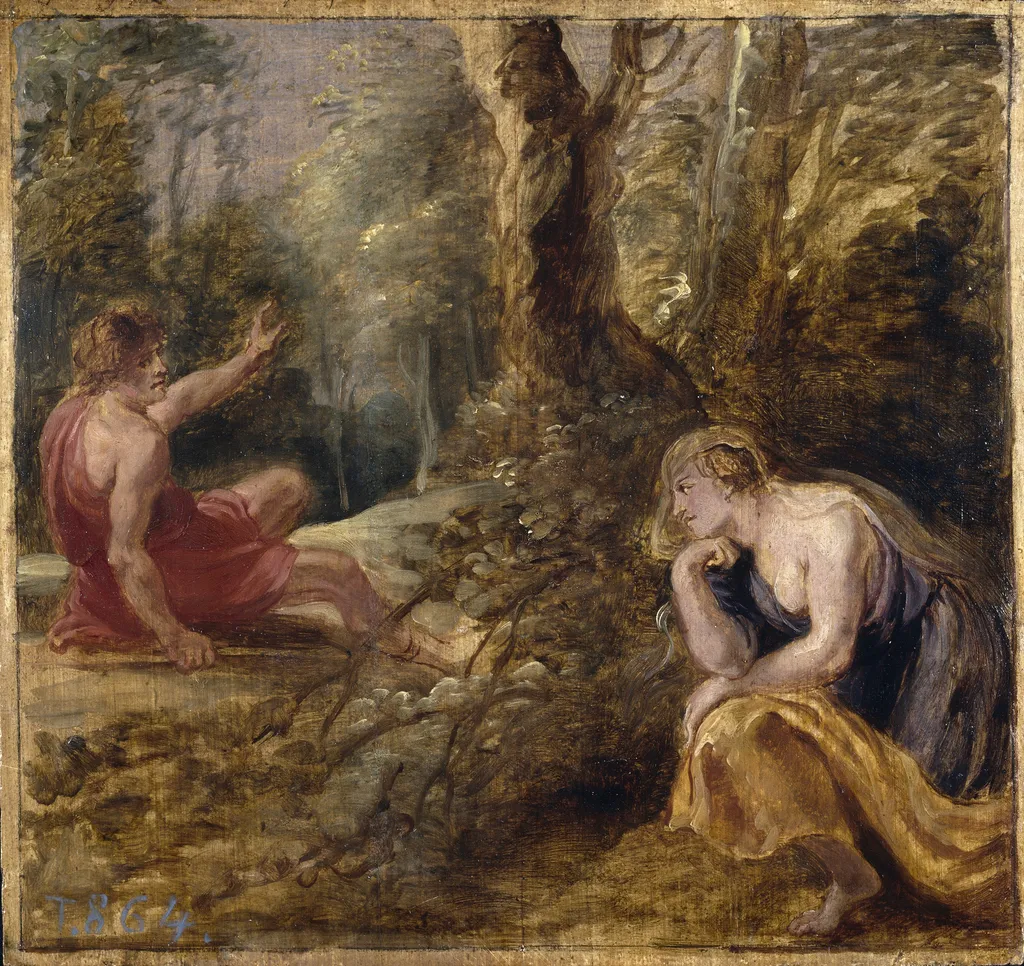
Cephalus and Procris (study) is an oil painting by the Flemish Baroque painting artist Peter Paul Rubens. It dates from 1636 and is held in the collection of the Museo del Prado.
About this work
Overview
Cephalus and Procris (study) is an oil painting created by Peter Paul Rubens in 1636. As a leading figure of the Flemish Baroque, Rubens’ work typically combines dynamic composition, rich color, and sensuality, often drawing from classical and Christian themes.
Subject & Meaning
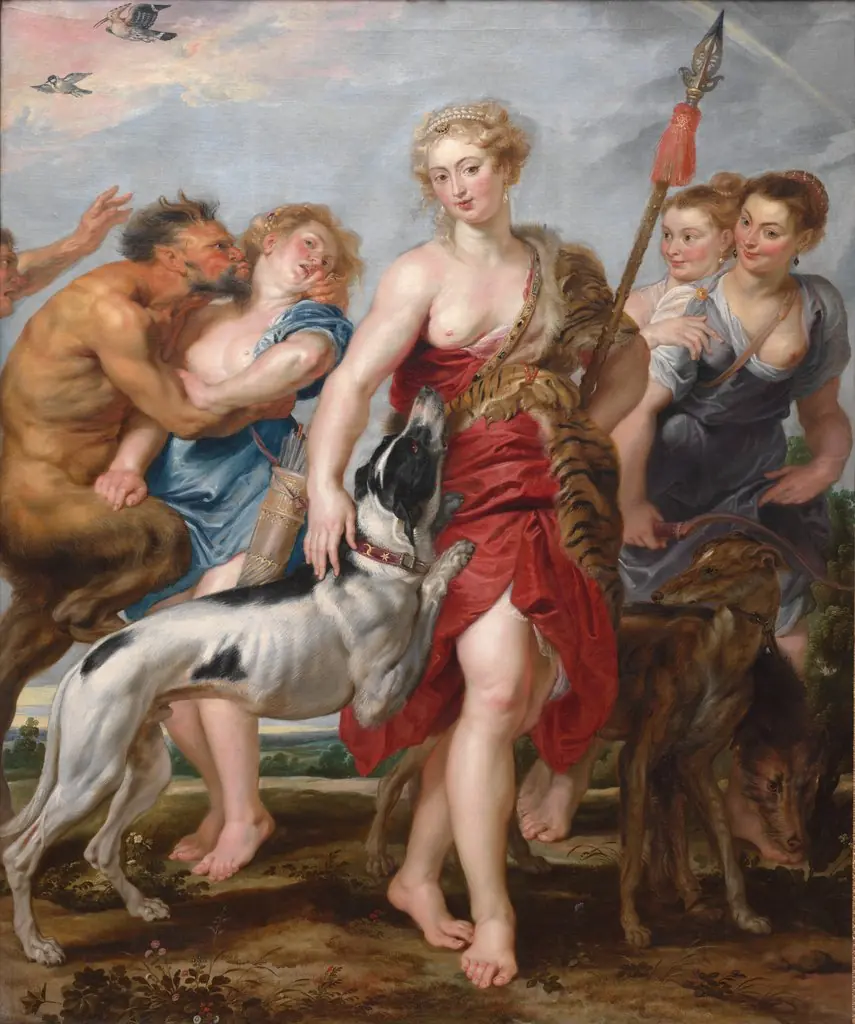
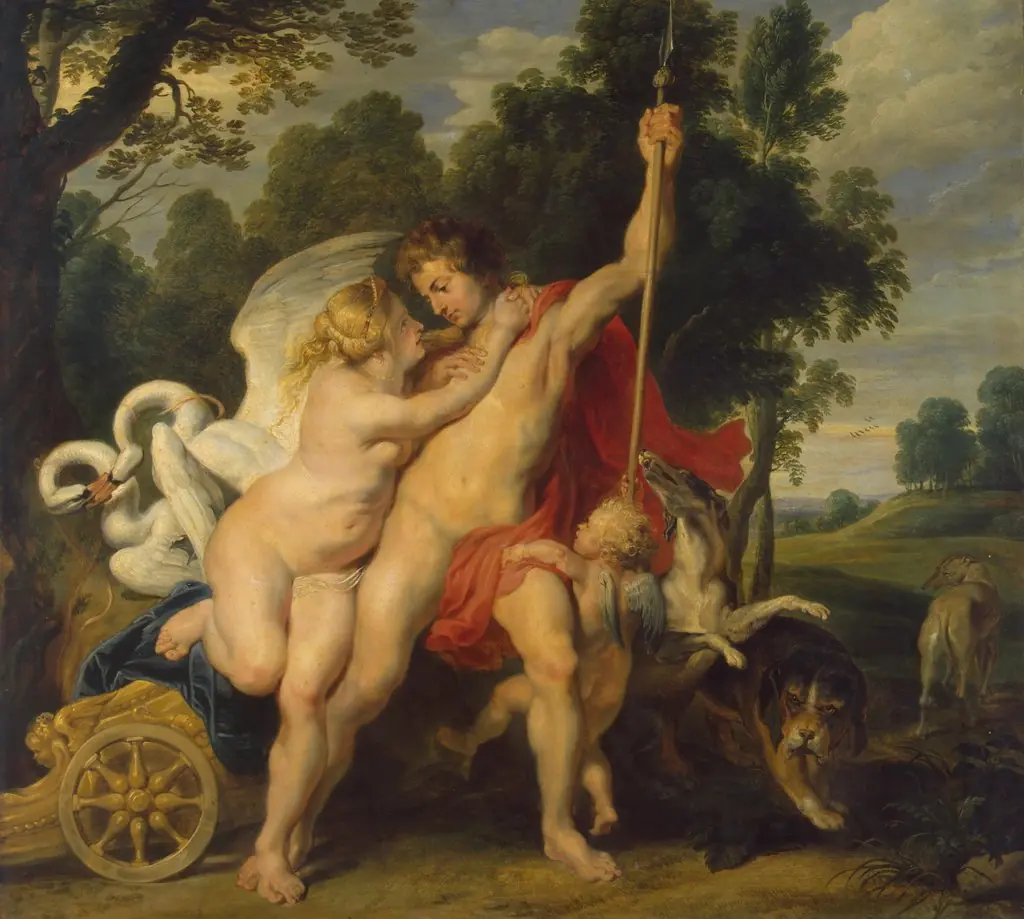
The painting depicts a mythological scene of Cephalus and Procris in a wooded setting, with the male figure in a red toga seated on a rock and the female figure in purple, kneeling in contemplation. The mythological subject reflects Rubens’ penchant for allegorical and historical narratives.
Technique & Style
Rubens employs chiaroscuro to create depth and dimensionality, guiding the viewer’s eye to the central figures. The overall atmosphere is one of introspection, characteristic of the Baroque emphasis on expressive intensity.
History & Provenance
Created in 1636, this study exemplifies the Baroque movement’s dramatic and immediate expressive qualities, particularly relevant within the Counter-Reformation context. Provenance details are not specified.
Context
As part of the Flemish Baroque tradition, this work aligns with the movement’s values of emotional depth and visual richness, while its mythological theme situates it within Rubens’ broader engagement with classical sources.
Legacy
As a work by Rubens, Cephalus and Procris (study) contributes to the enduring influence of Flemish Baroque on Western art, though its specific impact as a study rather than a final work may be more nuanced within Rubens’ overall oeuvre.
Own this work as a print
Artist & collection
Artist
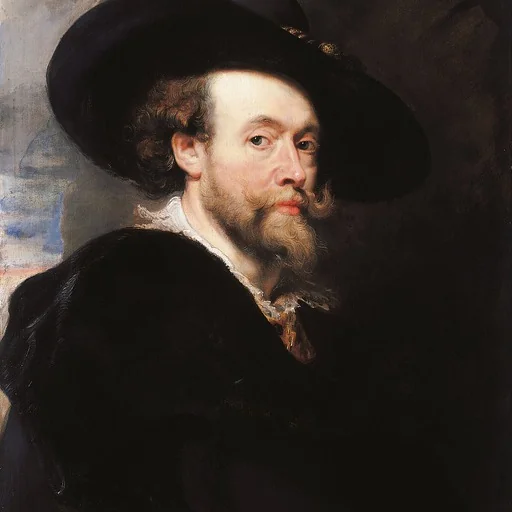
Sir Peter Paul Rubens ( ROO-bənz; Dutch: ; 28 June 1577 – 30 May 1640) was a Flemish artist and diplomat.