Artwork
Christ dead on the cross
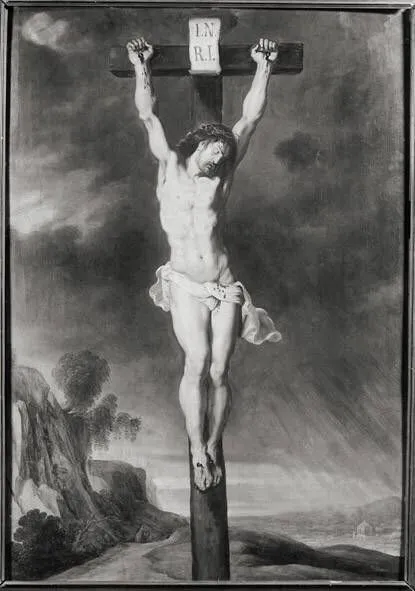
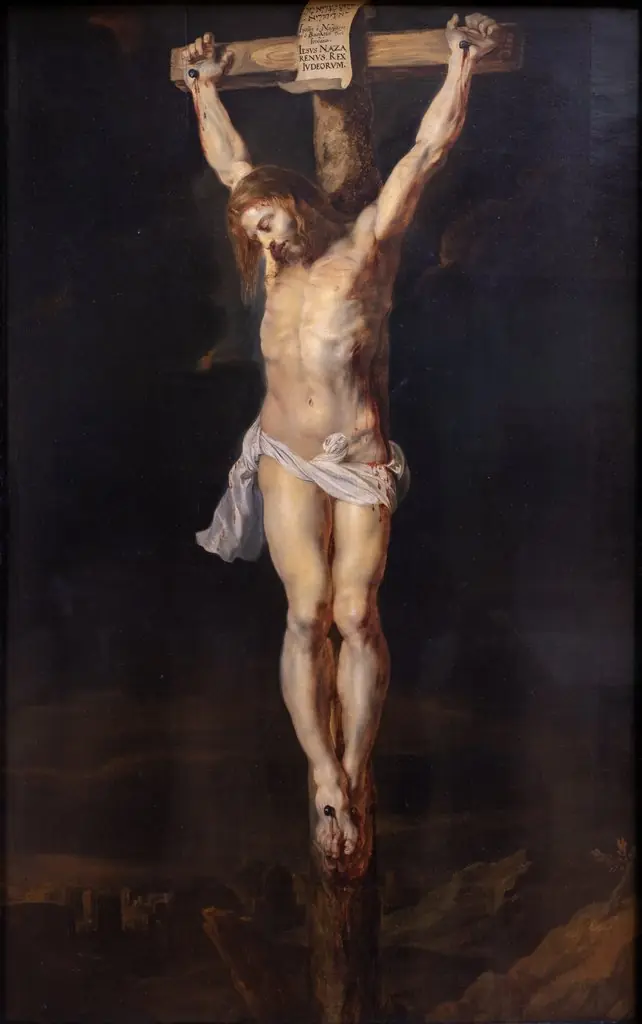
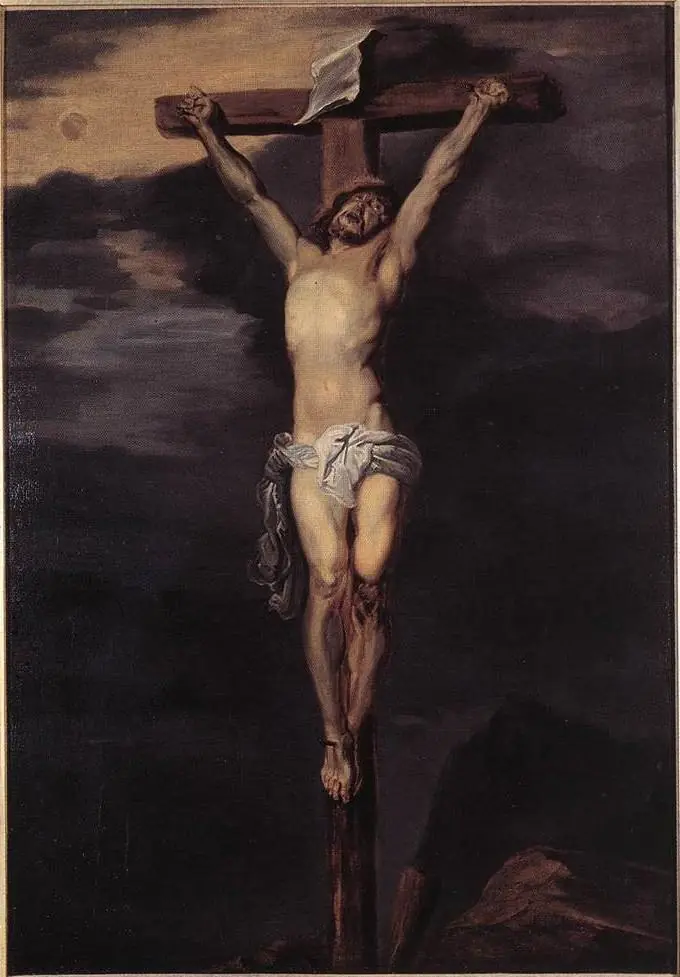
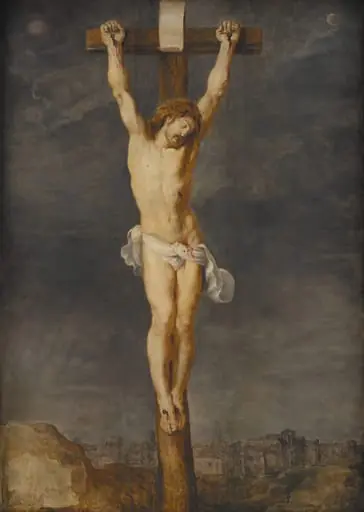
Christ dead on the cross is an unspecified painting by the Flemish Baroque painting artist Peter Paul Rubens. It dates from 1608 and is held in the collection of the Bavarian State Painting Collections.
About this work
Overview
Created in 1608 by the Flemish painter and diplomat Peter Paul Rubens, this oil work portrays the crucifixion of Jesus Christ. Executed within the flourishing Flemish Baroque period, the canvas now belongs to the collection of Munich’s Alte Pinakothek, where it is displayed among other works of the era.
Subject & Meaning
The composition centers on the dead Christ suspended on a cross, his torso contorted and limbs outstretched. The figure’s tilted head and clenched hands convey the physical agony of the Passion, while the bleak sky and distant landscape evoke a sense of spiritual desolation and redemption inherent to the Christian narrative.
Technique & Style
Rubens employs a pronounced chiaroscuro, allowing a stark light to strike the body and delineate muscular form against a dark, storm‑laden background. This contrast creates a three‑dimensional effect that heightens the immediacy of suffering. The painter’s characteristic vigor, rich coloration, and dynamic arrangement reflect the dramatic expressiveness typical of Baroque art.
History & Provenance
The painting was produced early in Rubens’s career, shortly after his return to Antwerp from Italy, when he was consolidating his reputation as the leading exponent of the Flemish Baroque. It entered the Alte Pinakothek’s holdings in the 19th century, where it has remained part of the museum’s permanent collection.
Artist & collection
Artist
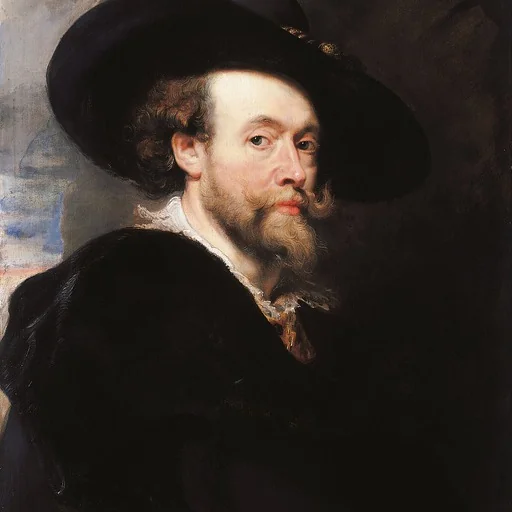
Sir Peter Paul Rubens ( ROO-bənz; Dutch: ; 28 June 1577 – 30 May 1640) was a Flemish artist and diplomat.