Artwork
Constantius appoints Constantine as his successor
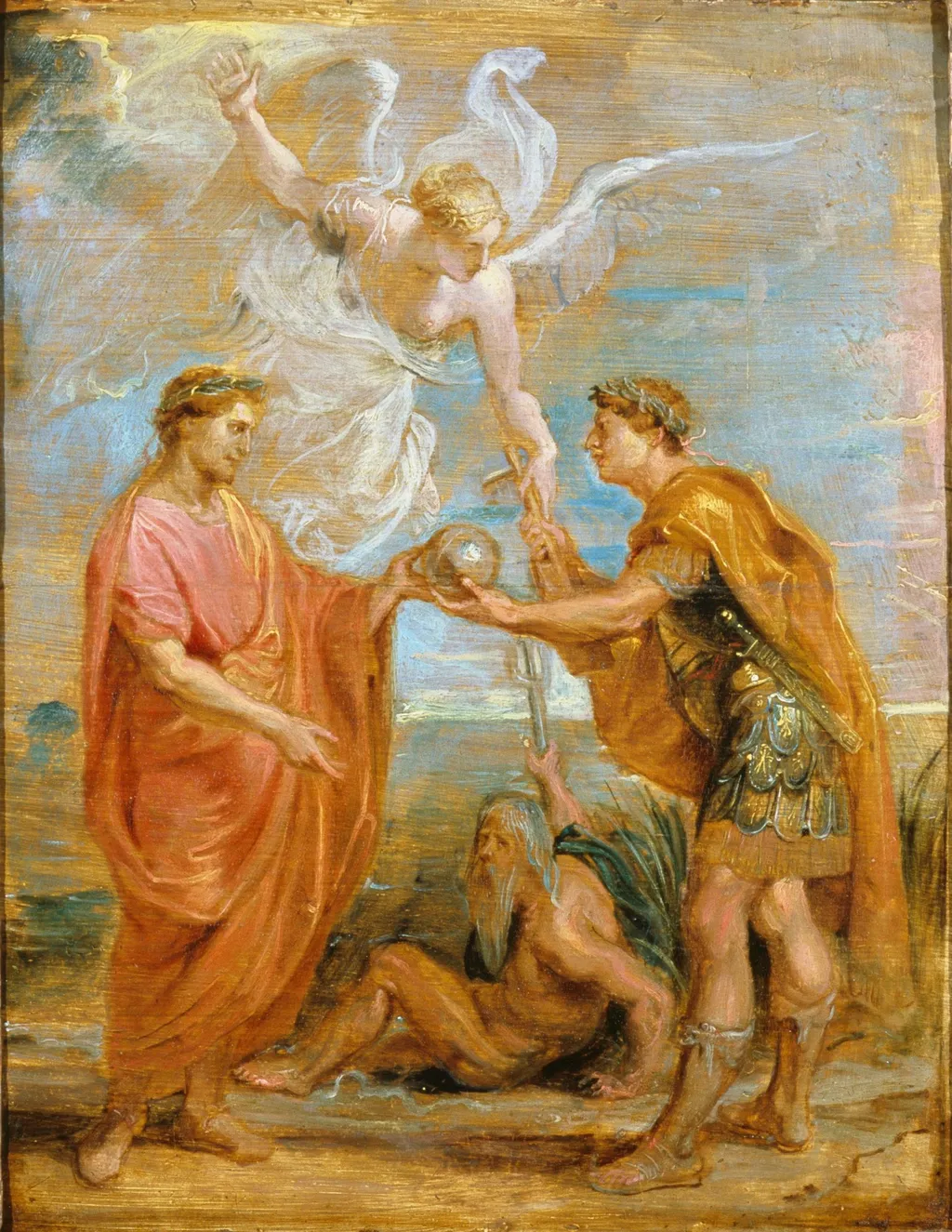
Constantius appoints Constantine as his successor is an oil painting by the Flemish Baroque painting artist Peter Paul Rubens. It dates from 1622 and is held in the collection of the Art Gallery of New South Wales.
About this work
Overview
Commissioned as part of a series on Roman emperors, the work exemplifies Rubens’s Baroque approach—dynamic figures, rich color, and theatrical lighting.
Painted in 1622 by Peter Paul Rubens, this oil on canvas depicts a moment of imperial transition in late antiquity. Commissioned as part of a series on Roman emperors, the work exemplifies Rubens’s Baroque approach—dynamic figures, rich color, and theatrical lighting. It was created during his mature period, when his diplomatic career and artistic practice intersected, reinforcing his reputation as a leading painter of historical narratives in early 17th-century Europe.
Subject & Meaning
The scene illustrates Constantius Chlorus, Roman emperor, bestowing authority upon his son Constantine. The figure in gold, holding a sword and globe, represents the emperor transferring imperial power. Above, a winged figure symbolizes divine sanction, while a seated man at lower left may signify the old order or a personified virtue. The composition merges secular rulership with spiritual legitimacy, reflecting the era’s fusion of Christian and classical ideals in political imagery.
Technique & Style
Rubens employs vigorous brushwork, layered impasto, and strong chiaroscuro to animate the figures and enhance emotional intensity. The red robe of Constantine contrasts with the gold of his father, drawing the eye to the transfer of power. The floating angel is rendered with soft edges against the turbulent sky, while the ground figures are shadowed for depth. His handling of fabric, skin, and atmosphere demonstrates mastery of Venetian color and Flemish realism.
History & Provenance
Commissioned for a private collection in the early 1620s, the painting entered the Art Gallery of New South Wales in the 20th century. It was likely part of a larger cycle of Roman imperial scenes intended to convey continuity between ancient authority and contemporary monarchical ideals. Its survival through centuries of private ownership and eventual public acquisition reflects its enduring status as a significant example of Flemish Baroque historiography.
Context
Created during the Counter-Reformation, the painting aligns with Catholic efforts to use art as a tool of moral and political instruction. Rubens, deeply engaged with humanist scholarship, drew from classical texts and Christian historiography to legitimize rule through divine favor. The work resonates with contemporary European courts seeking to anchor their power in the legacy of Rome, blending myth, history, and theology into a single visual narrative.
Legacy
Though less frequently exhibited than Rubens’s mythological works, this painting remains a key example of his historical commissions and his ability to synthesize political symbolism with painterly vigor. It influenced later generations of artists in the use of allegory and imperial iconography. Today, it contributes to scholarly understanding of how Baroque art mediated between ancient authority and early modern statecraft.
Own this work as a print
Artist & collection
Artist
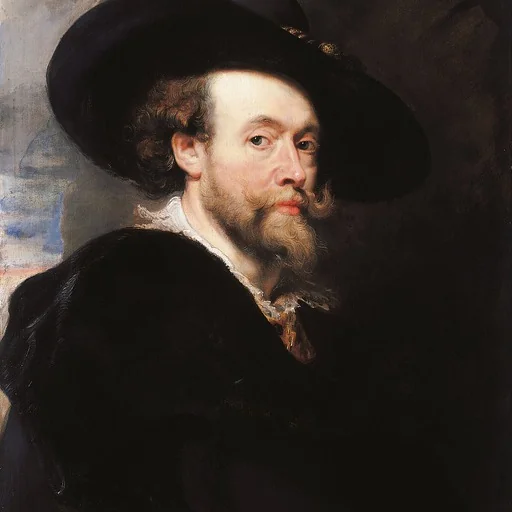
Sir Peter Paul Rubens ( ROO-bənz; Dutch: ; 28 June 1577 – 30 May 1640) was a Flemish artist and diplomat.

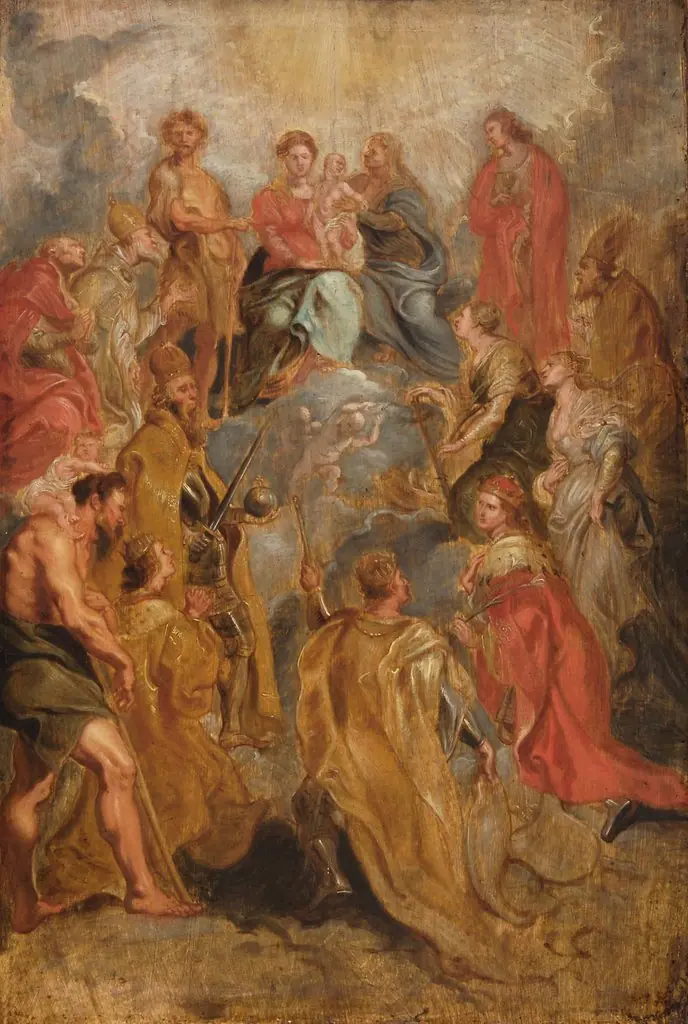 Madonna and Child with Saint Anne
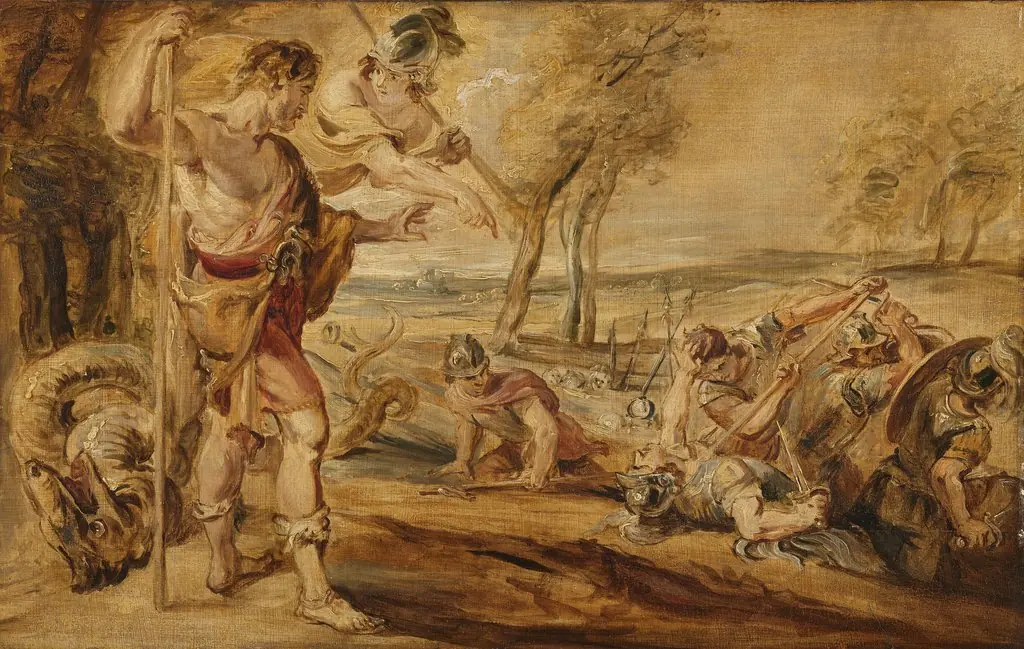 Cadmus sowing dragon's teeth
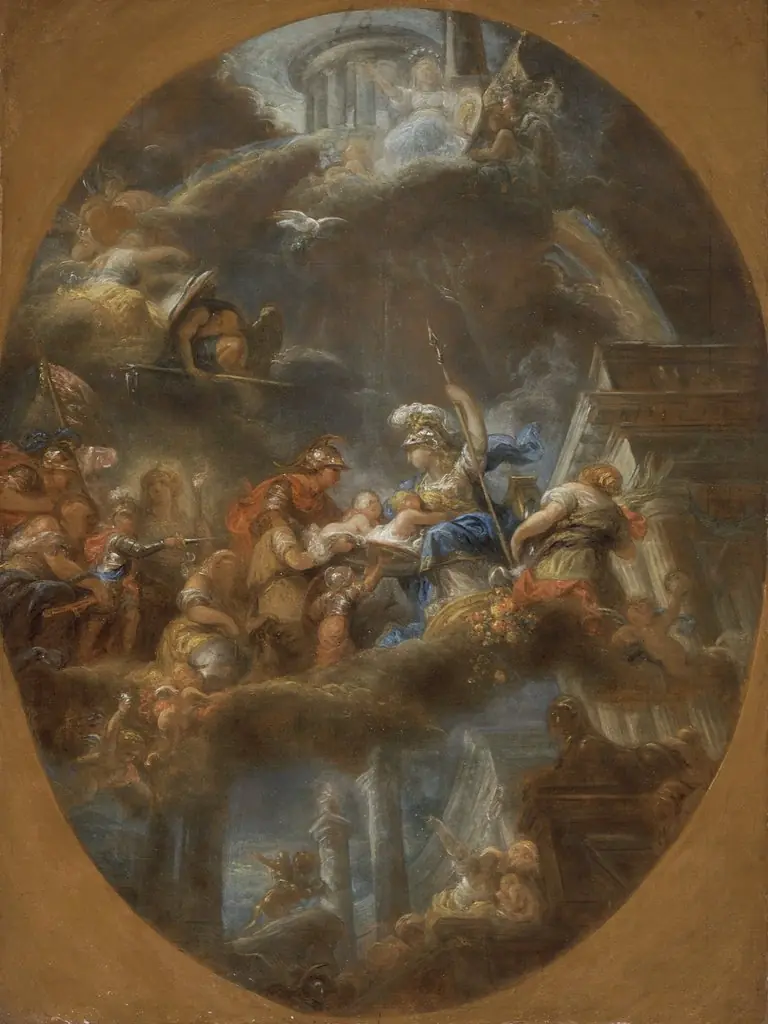 Nobility Offering the Imperial Russian Children to Minerva
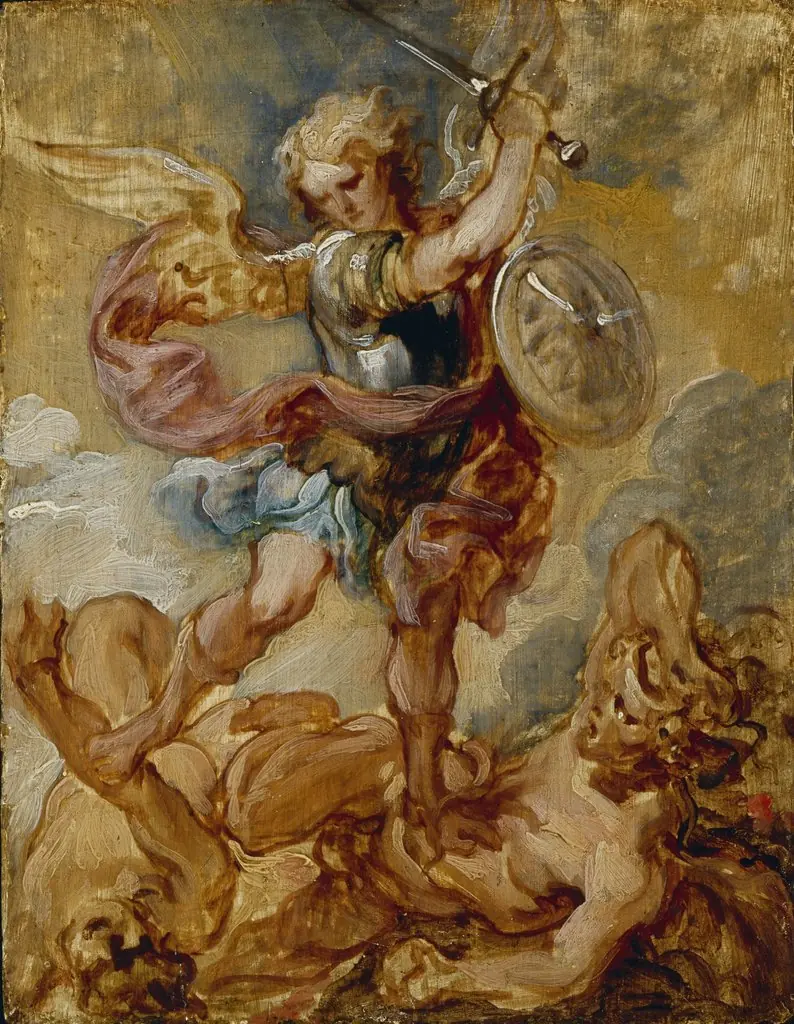 Saint Michael
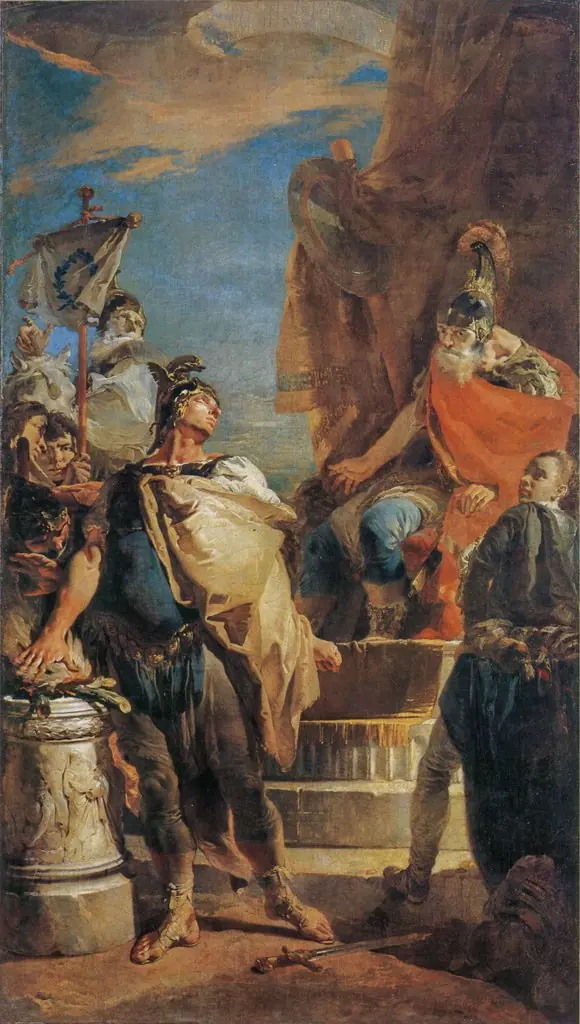 Mucius Scaevola before Porsenna
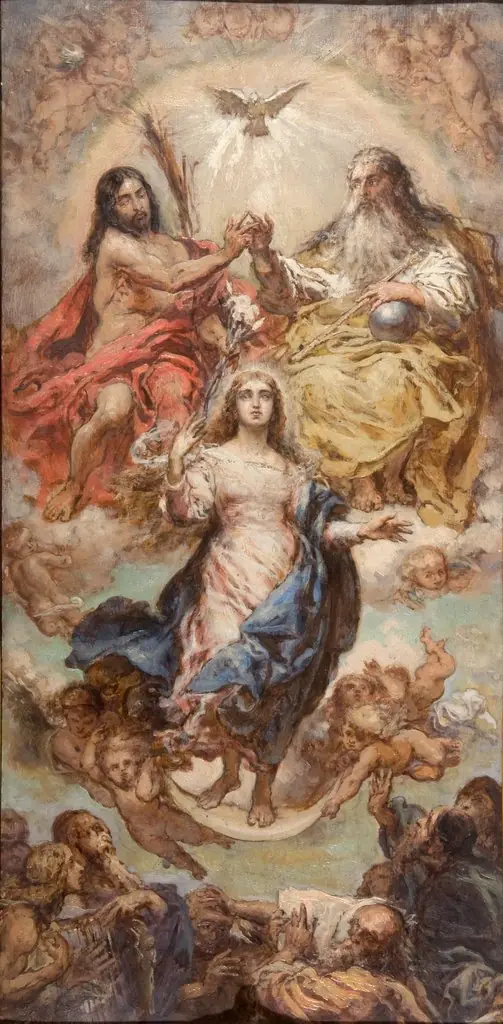 Wniebowzięcie Najświętszej Marii Panny
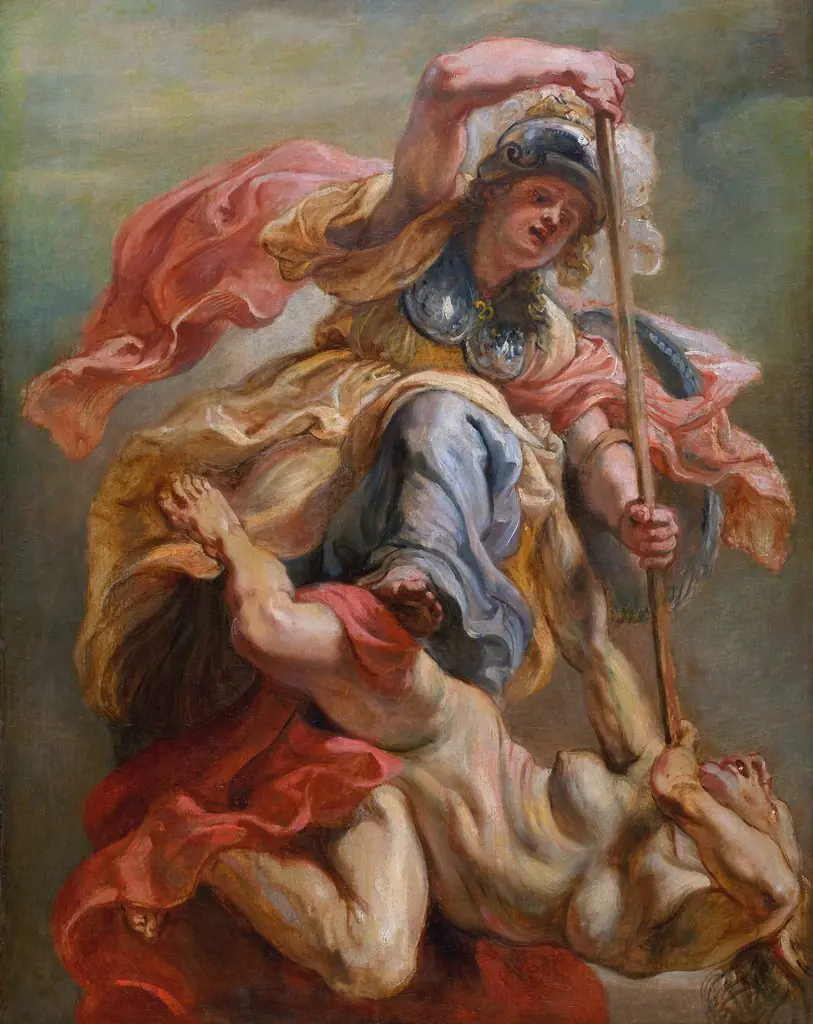 Minerva overcoming Ignorance
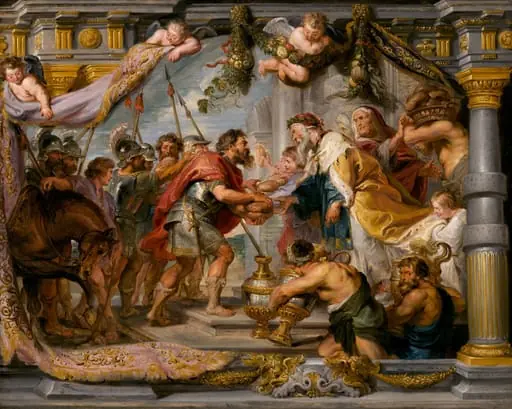 The Meeting of Abraham and Melchizedek
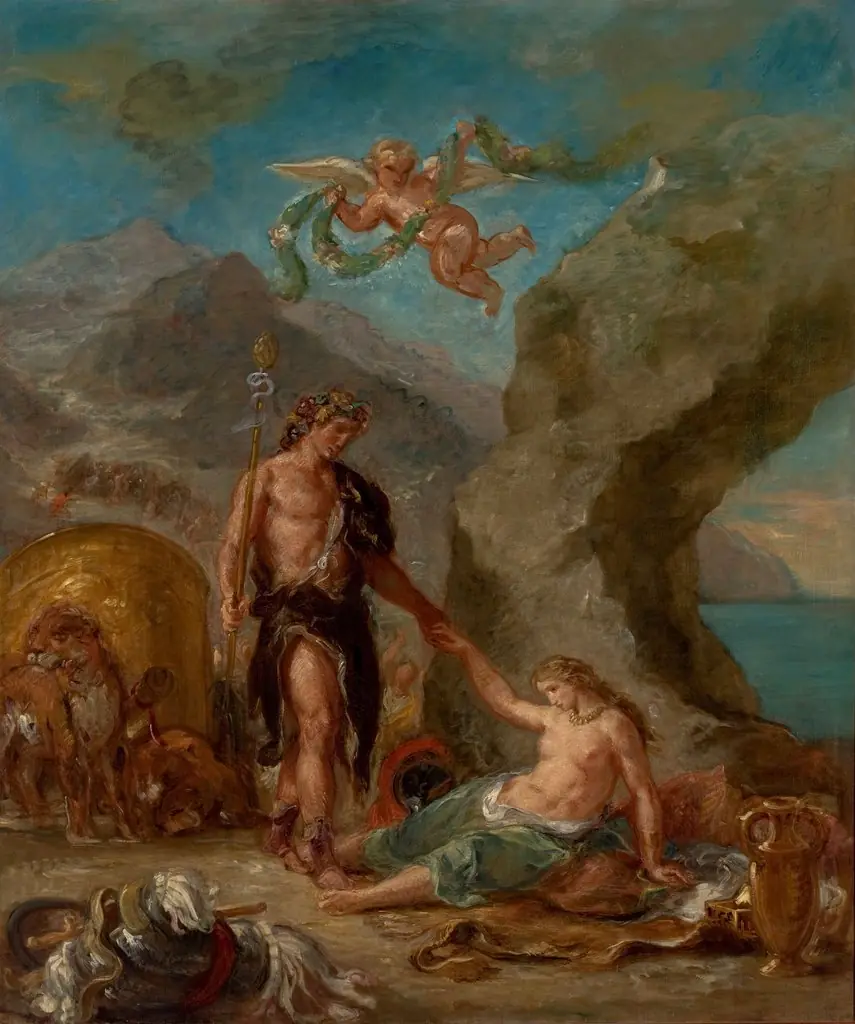 The Autumn - Baccus and Ariadne
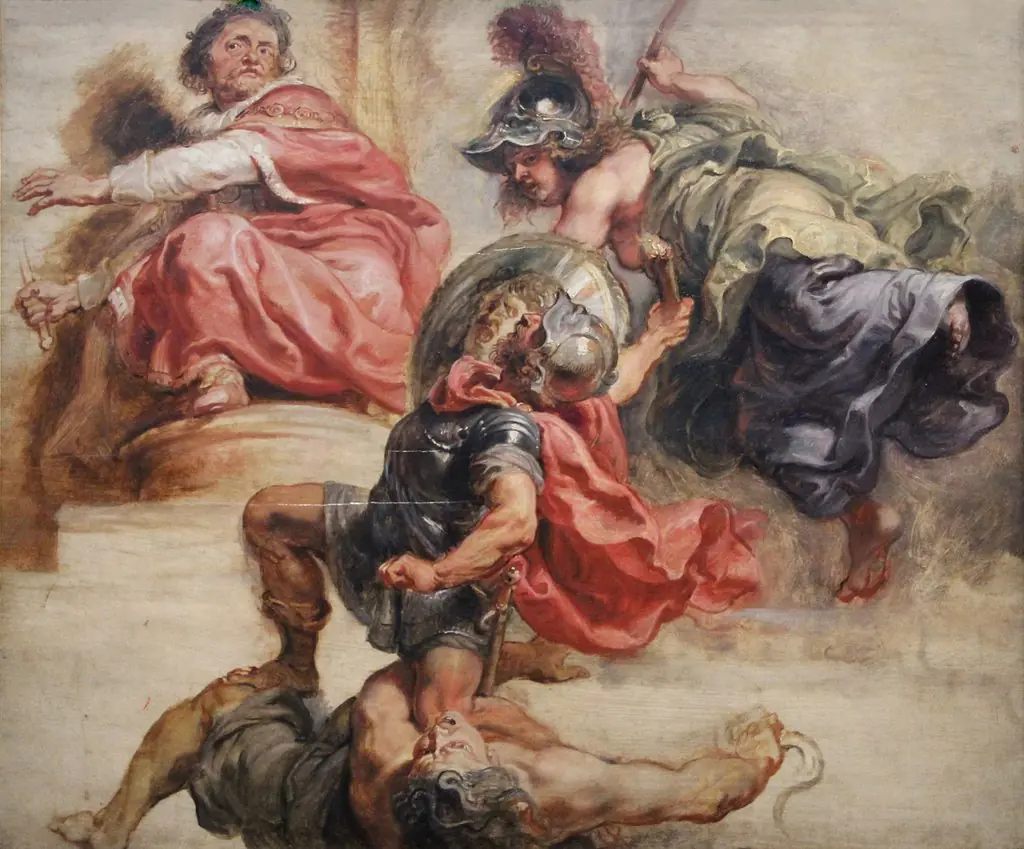 Wisdom triumphant over war and discord under the government of James I of England