Artwork
Mucius Scaevola before Porsenna
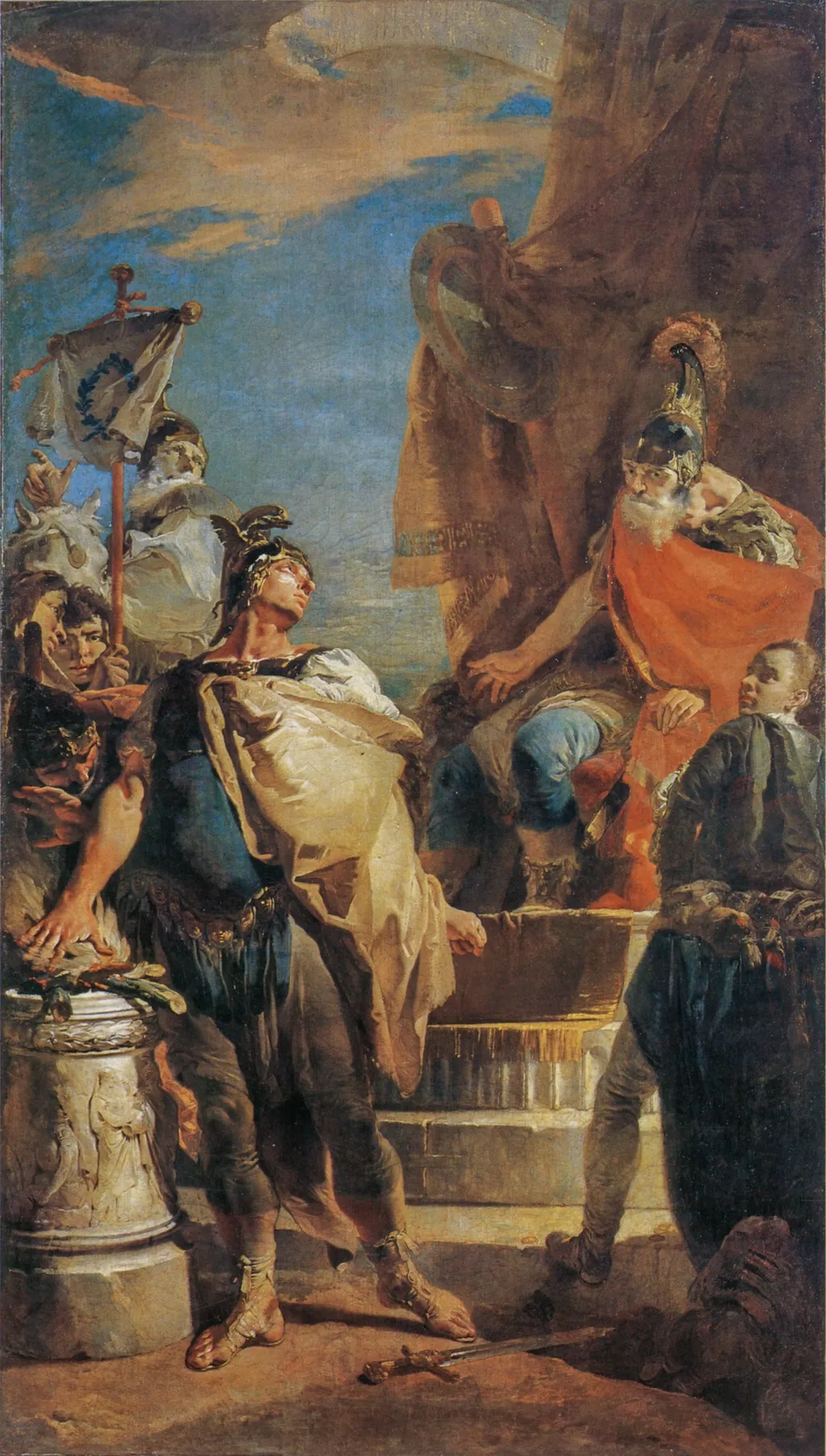
Mucius Scaevola before Porsenna is an oil painting by the Rococo painting artist Giovanni Battista Tiepolo. It dates from 1728 and is held in the collection of the Hermitage Museum.
About this work
Overview
Giovanni Battista Tiepolo painted *Mucius Scaevola before Porsenna* in 1728. Executed on canvas, the work now belongs to the collection of the State Hermitage Museum in St. Petersburg. The composition captures a pivotal moment from Roman legend, rendered with the artist’s characteristic vigor and theatricality.
Subject & Meaning
The central figure, a young Roman clad in a white toga and a helmet, stands defiantly before a group of seated onlookers. He represents Mucius Scaevola, the youth who threatened the Etruscan king Porsenna with self‑immolation to prove Roman resolve. The surrounding figures’ attentive postures underscore the tension of the narrative.
Technique & Style
Tiepolo employs a strong chiaroscuro, contrasting illuminated flesh against darker surroundings to model volume and heighten drama. The sky above is rendered in a luminous blue, its clouds diffusing light across the scene. Brushwork remains fluid, with swift strokes that suggest movement while maintaining a clear, balanced arrangement of forms.
History & Provenance
Created during the height of Tiepolo’s early career, the painting entered the Hermitage’s holdings as part of the museum’s 18th‑century acquisitions of European art. Its presence in the Russian collection reflects the broader European appetite for Baroque narrative paintings that celebrated heroic antiquity.
Artist & collection

Artist
Giovanni Battista Tiepolo, also known as Giambattista Tiepolo, was an Italian painter and printmaker from the Republic of Venice who painted in the Rococo style, considered an important member of the 18th-century Venetian school.

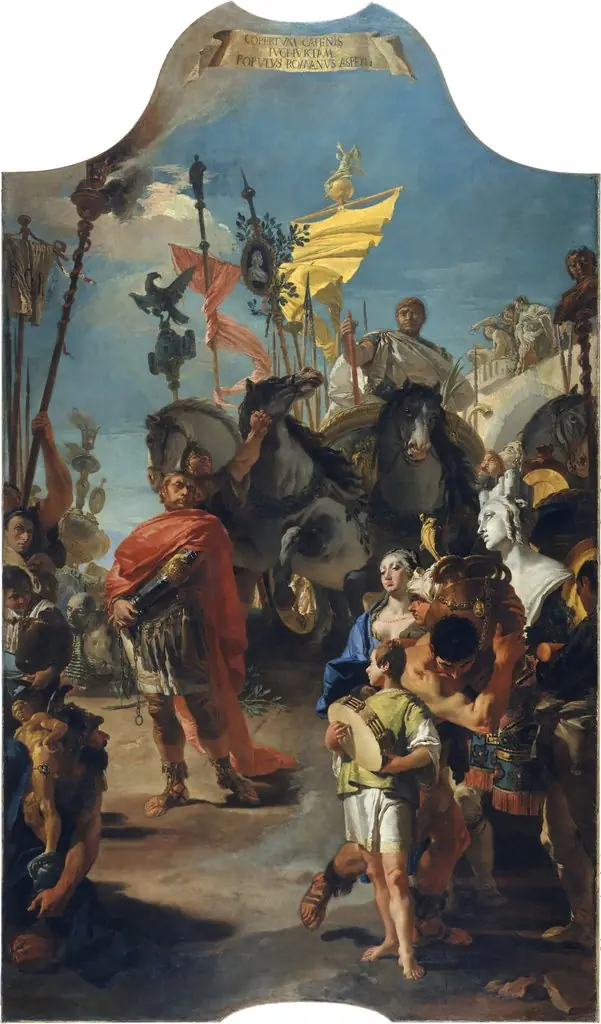
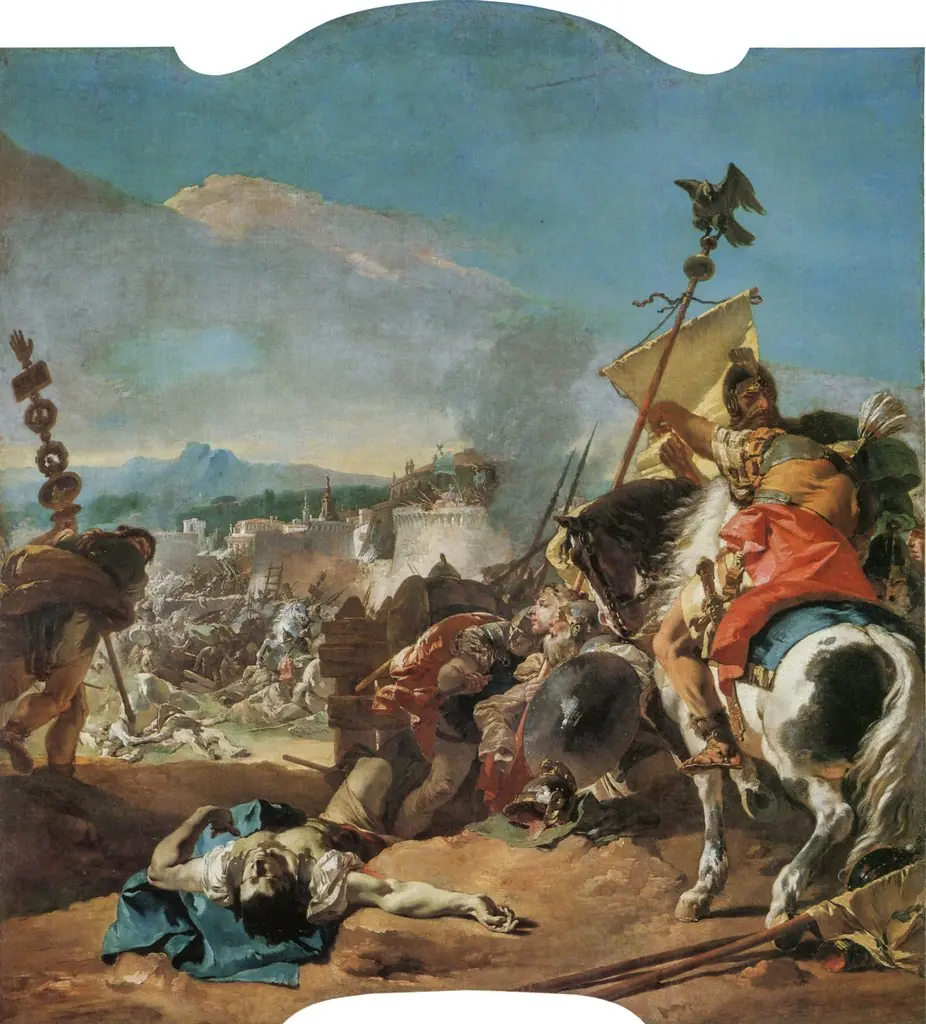
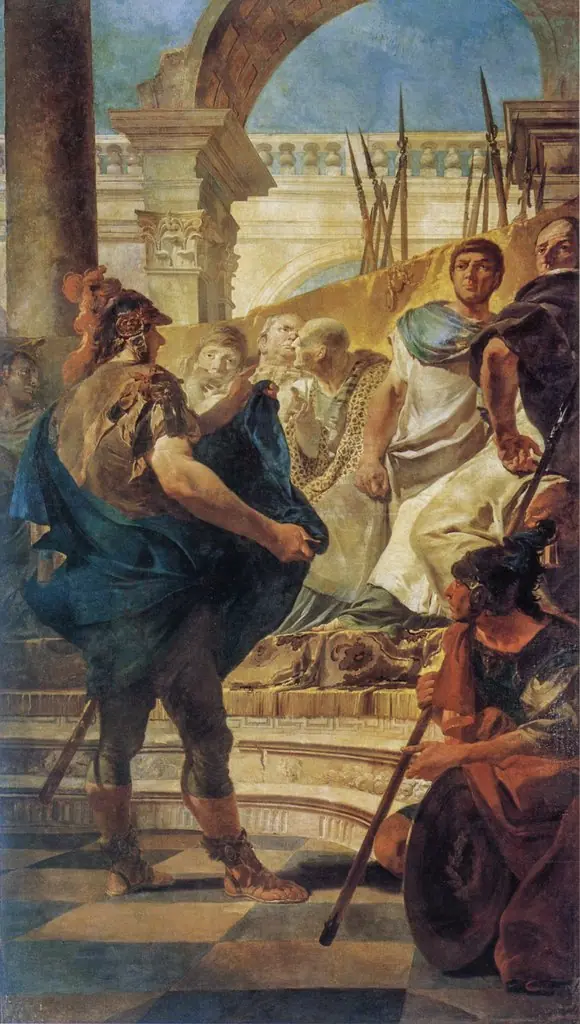 Quintus Fabius Maximus Before the Senate of Carthage
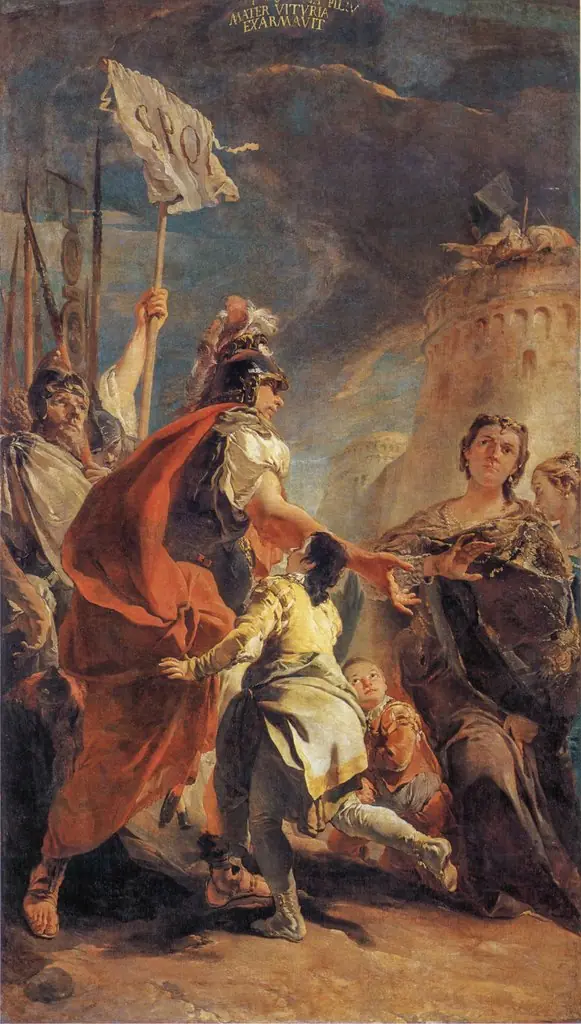 Coriolanus at the Walls of Rome
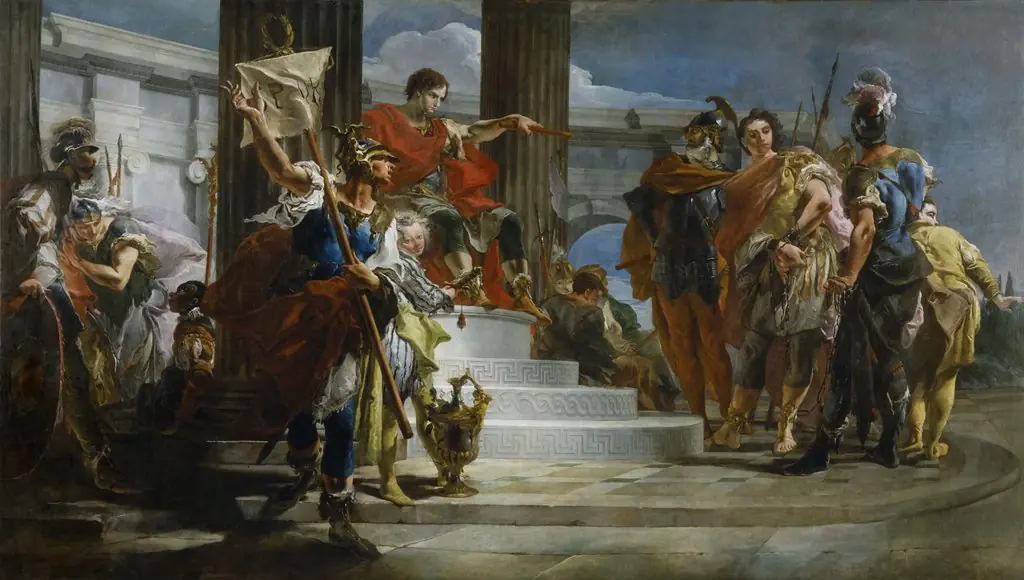 Scipio Africanus Freeing Massiva
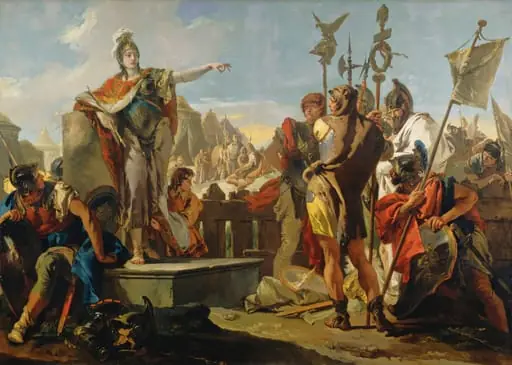 Queen Zenobia Addressing Her Soldiers
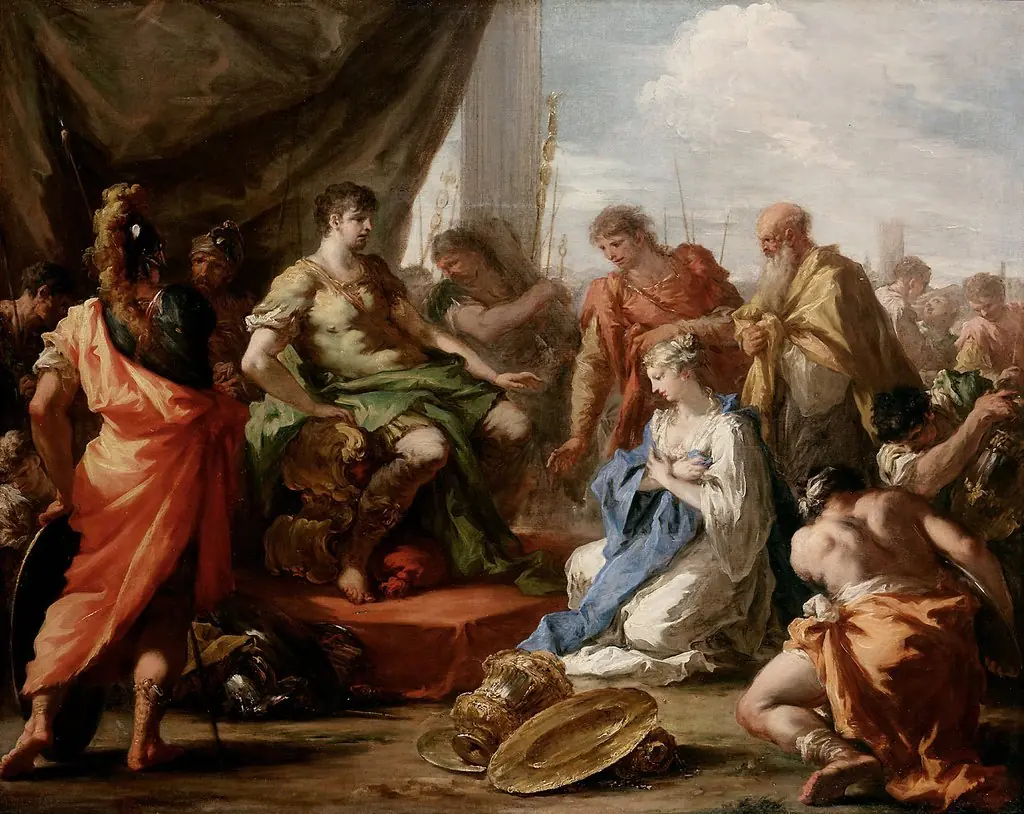 Enthaltsamkeit des Scipio
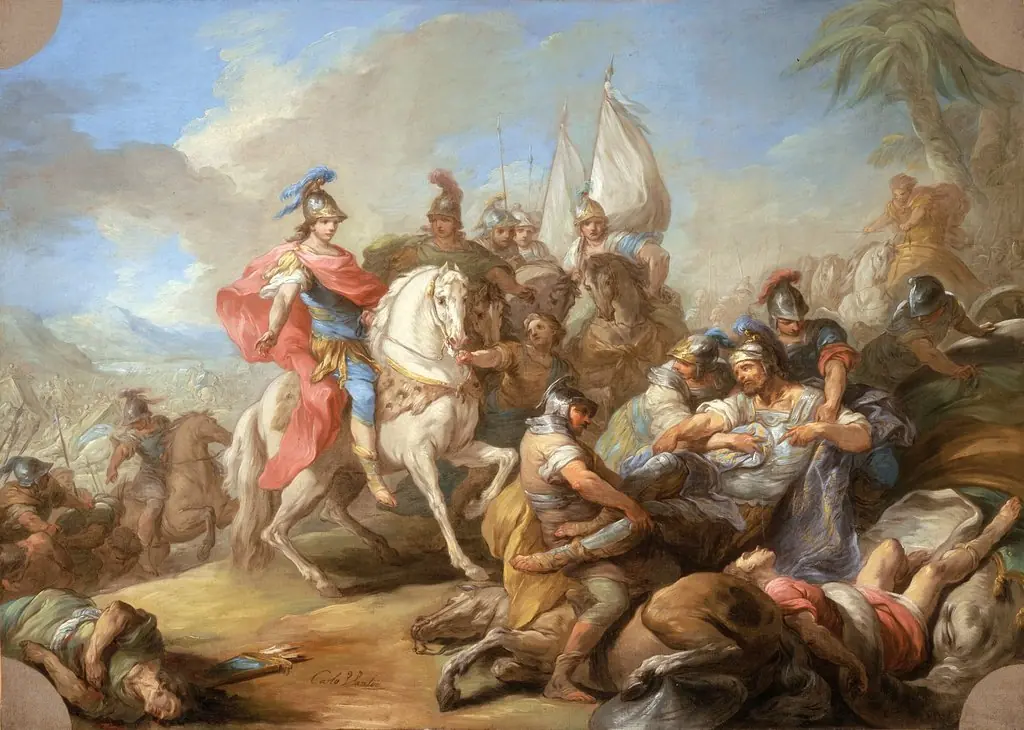 The Victory of Alexander over Porus
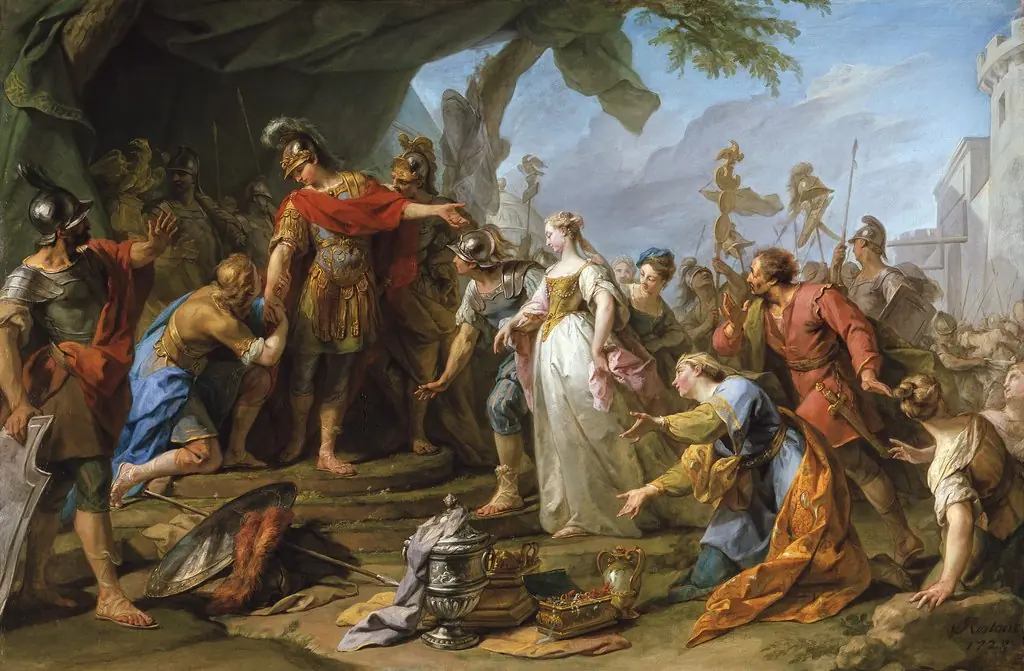 The Generosity of Scipio
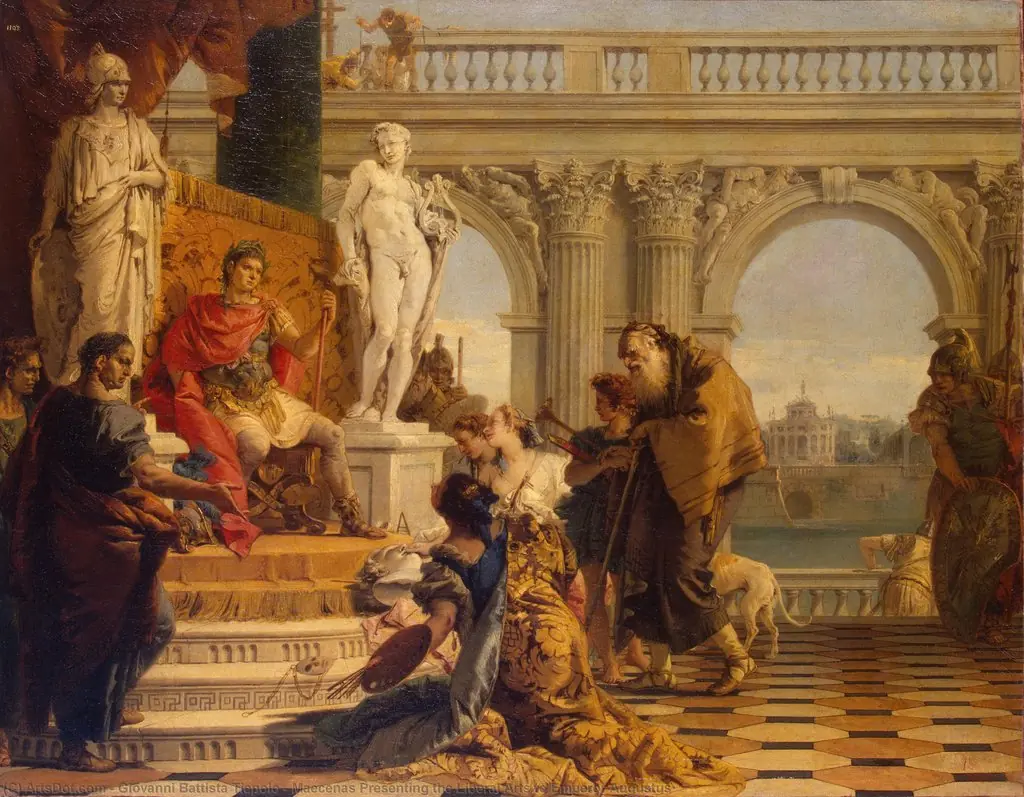 Maecenas Presenting the Liberal Arts to Emperor Augustus
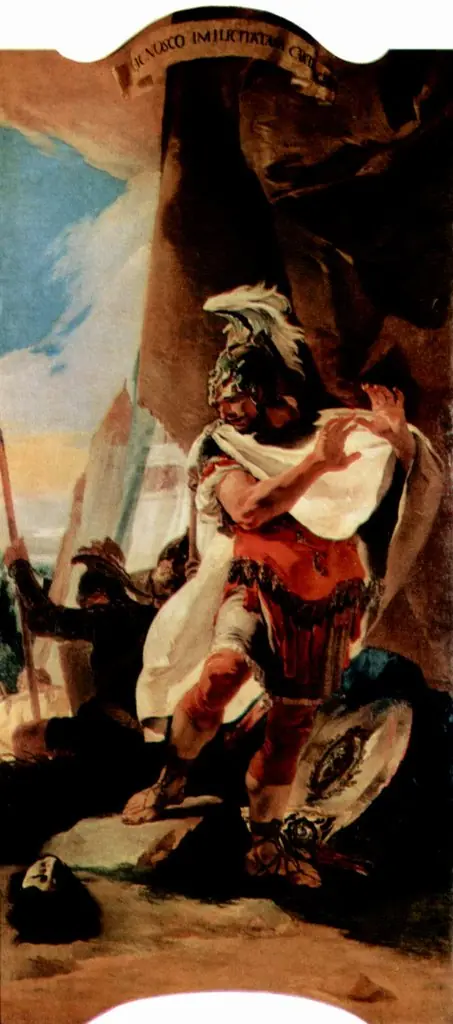 Hannibal recognises the head of his brother Hasdrubal
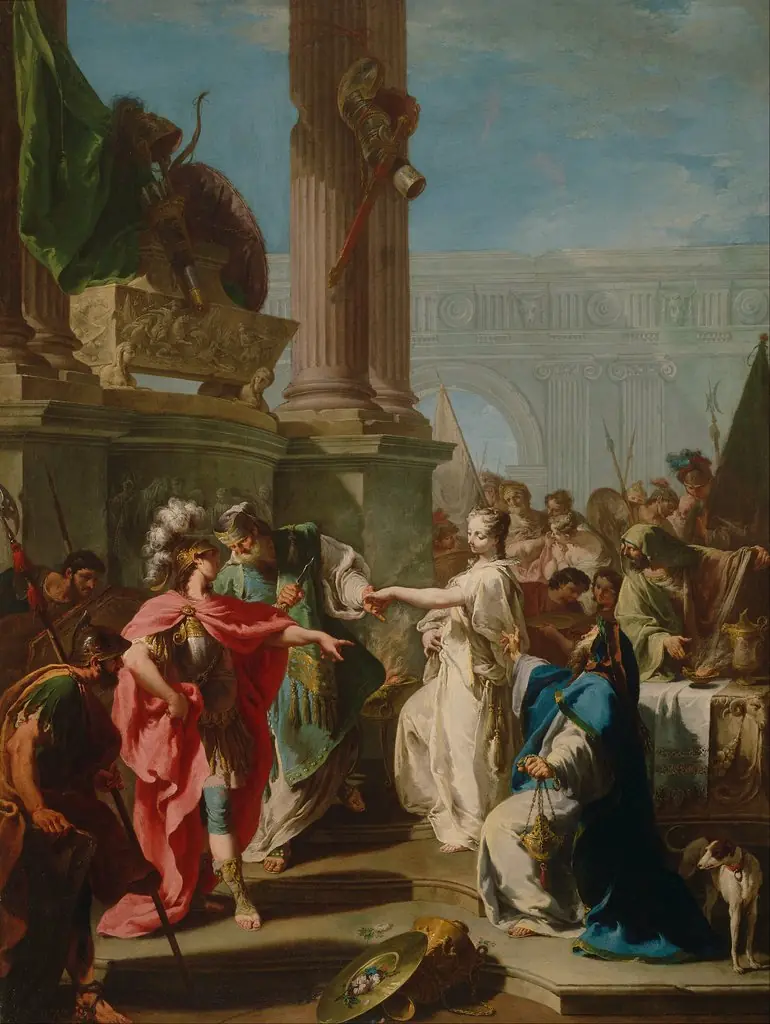 The Sacrifice of Polyxena in Malibu
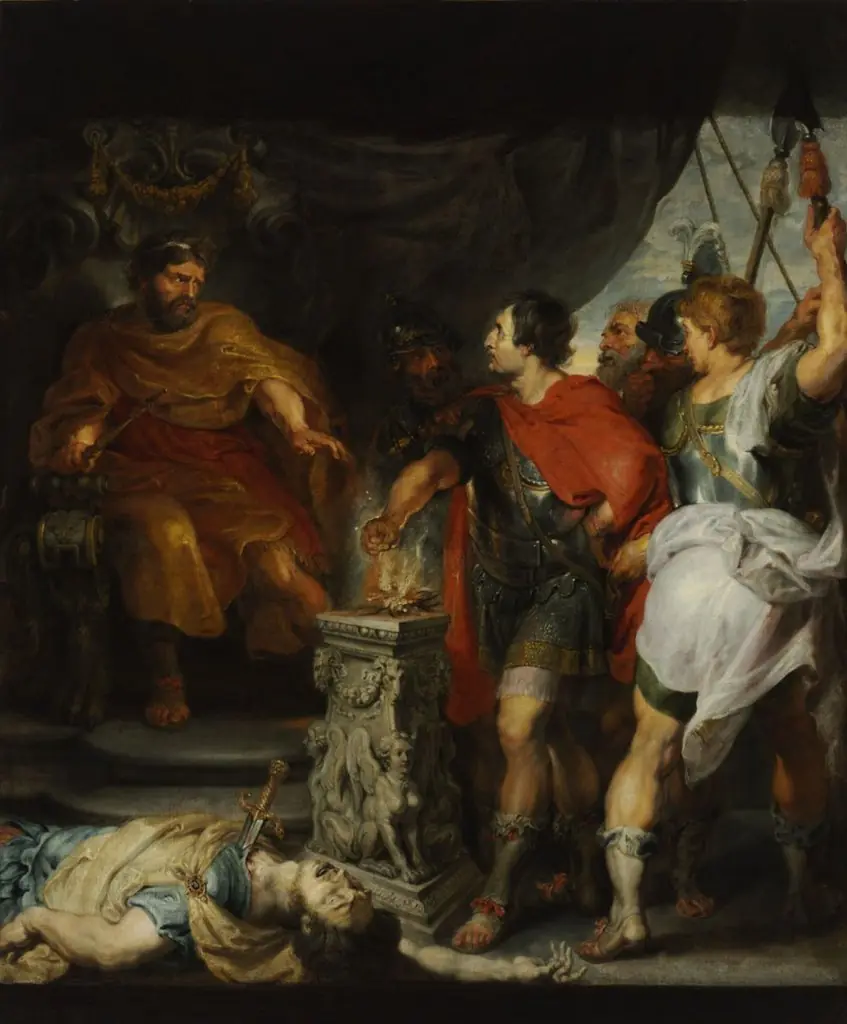 Mucius Scaevola before Lars Porsenna