Artwork
Diogenes seeking a True Man
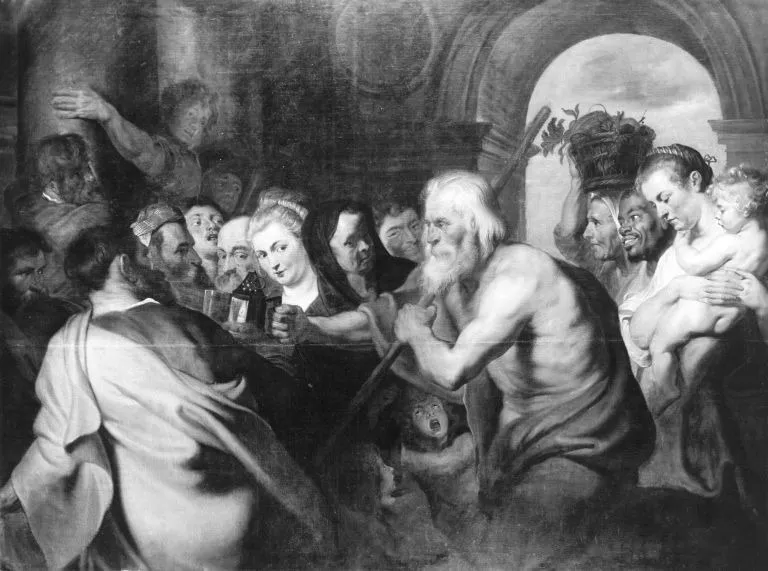
Diogenes seeking a True Man is an oil painting by the Flemish Baroque painting artist Peter Paul Rubens. It dates from 1608 and is held in the collection of the Bavarian State Painting Collections.
About this work
Overview
Peter Paul Rubens painted Diogenes Seeking a True Man in 1608. Executed in oil on canvas, the work belongs to the Baroque period and is part of the Alte Pinakothek’s collection. It depicts the ancient philosopher Diogenes wandering a nocturnal city street, lantern in hand, surrounded by curious onlookers.
Subject & Meaning
The central figure is Diogenes, the Cynic sage famed for searching for an honest man. His lantern, held aloft, symbolizes the quest for moral clarity amid the bustle of urban life. The surrounding crowd, reacting with interest or suspicion, underscores the tension between philosophical ideals and everyday society.
Technique & Style
Rubens employs a dramatic chiaroscuro, allowing the lantern’s warm glow to illuminate the faces and textures of nearby figures while the surrounding architecture recedes into shadow. The composition is animated, with vigorous gestures and rich, saturated colors characteristic of Rubens’s dynamic Baroque approach.
History & Provenance
Created early in Rubens’s career, the painting reflects his engagement with classical subjects and the Counter‑Reformation’s emphasis on moral narrative. After remaining in private hands, it entered the Alte Pinakothek in Munich, where it has been displayed as part of the museum’s Baroque holdings.
Context
Rubens often merged classical mythology with Christian moralizing, and this work follows that pattern by presenting a pagan philosopher in a setting that invites contemplation of virtue. The nocturnal urban scene also mirrors the period’s interest in everyday life as a backdrop for allegorical messages.
Artist & collection
Artist
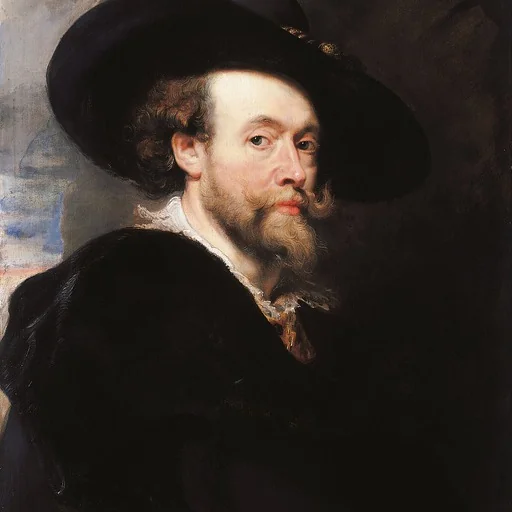
Sir Peter Paul Rubens ( ROO-bənz; Dutch: ; 28 June 1577 – 30 May 1640) was a Flemish artist and diplomat.

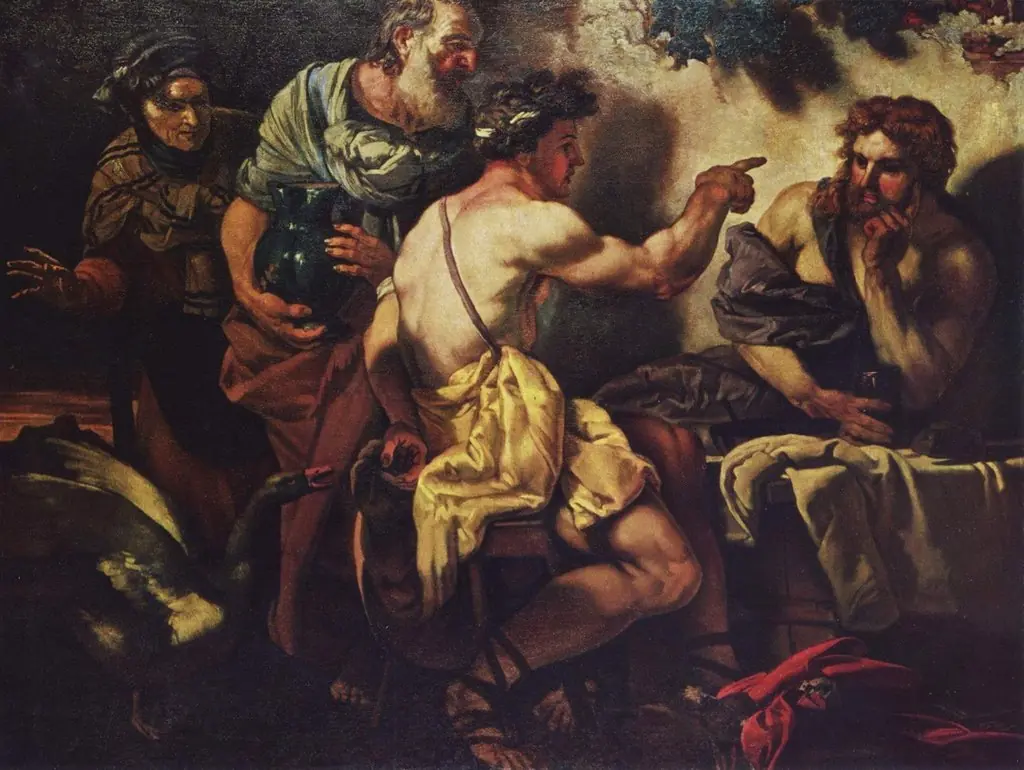 Jupiter and Mercury at Philemon and Baucis
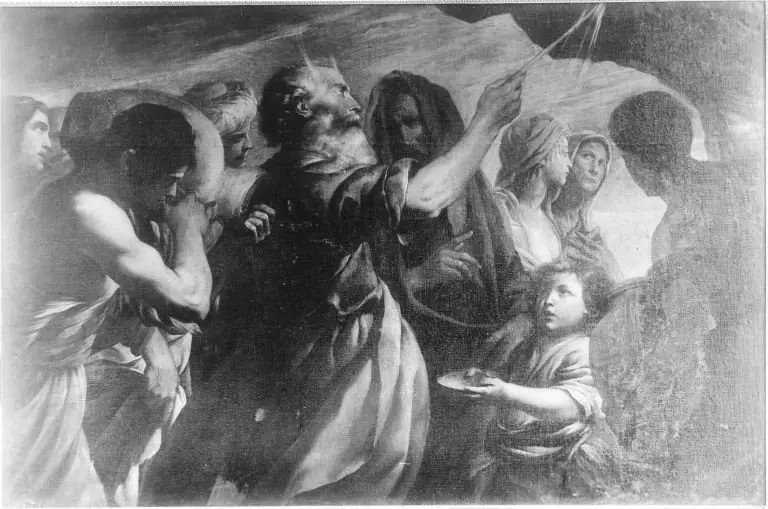 Moses schlägt Wasser aus dem Felsen
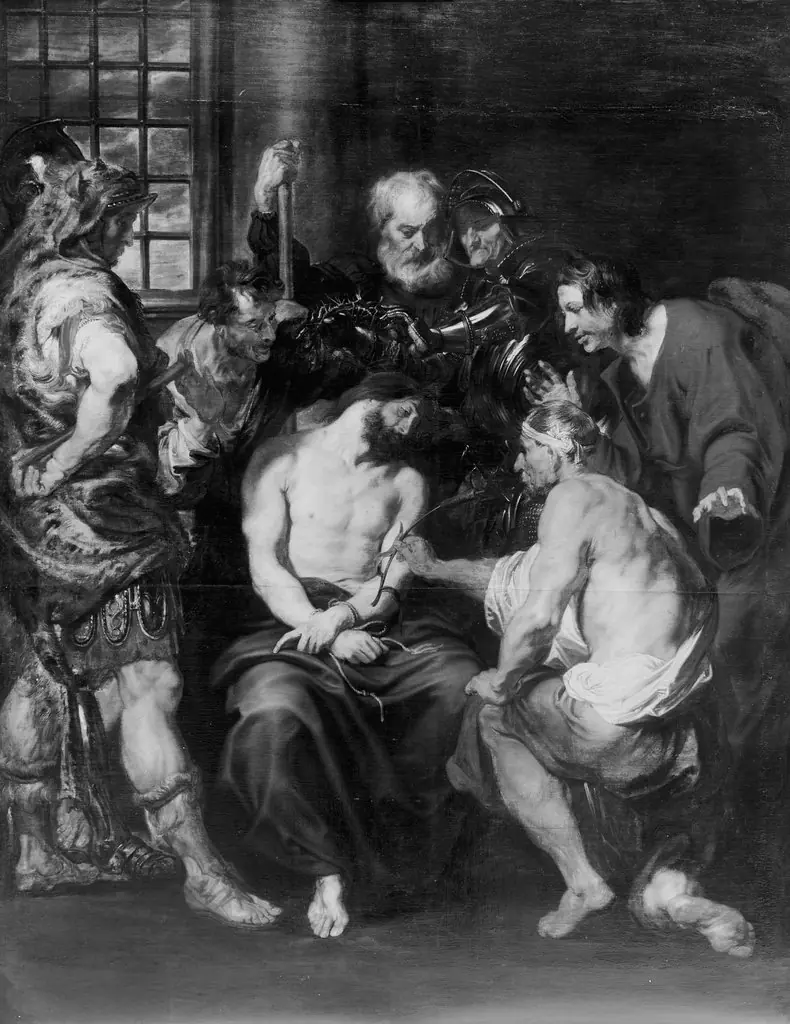 Christ is mocked by soldiers, c. 1618
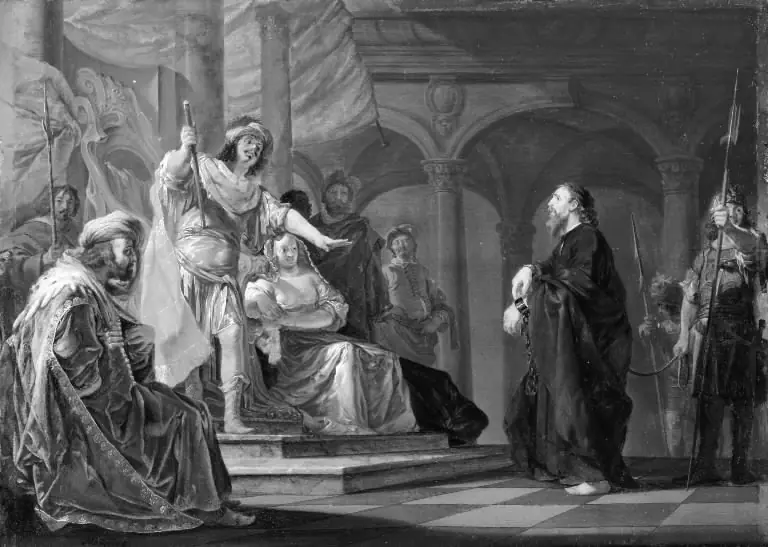 Paulus the Apostle defending himself at the Trial in Caesarea
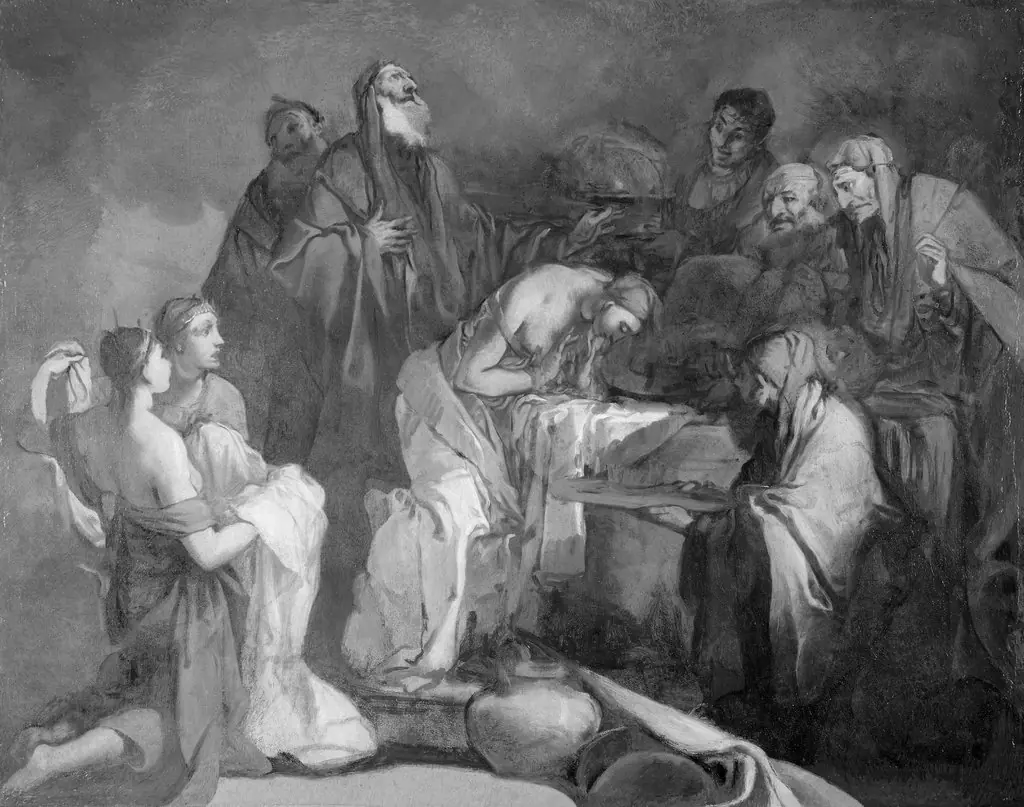 The Sacrifice of Polyxena
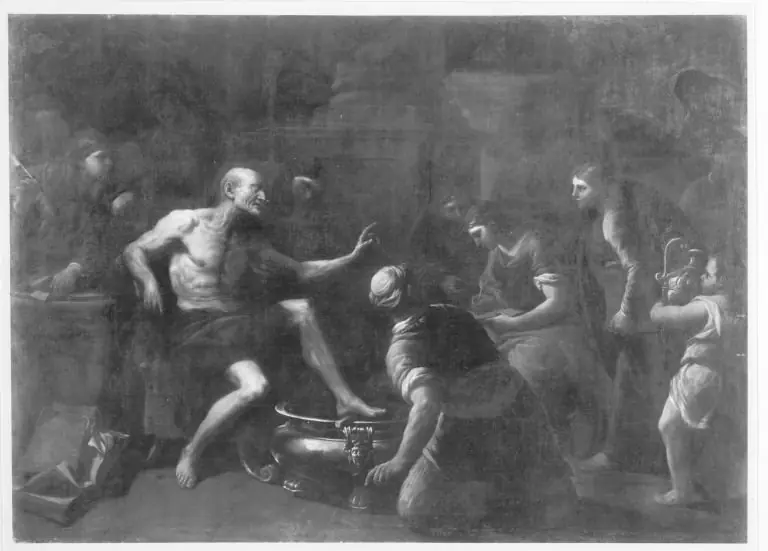 The dying Seneca
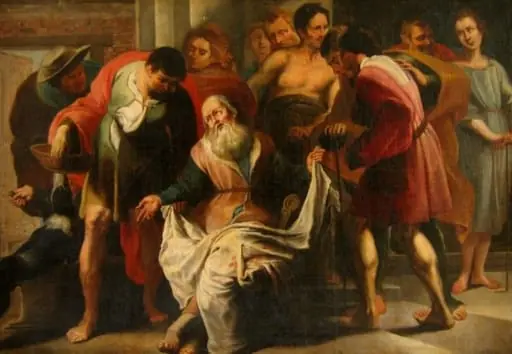 Fiii lui Iacob aduc hainele însângerate ale lui Iosif
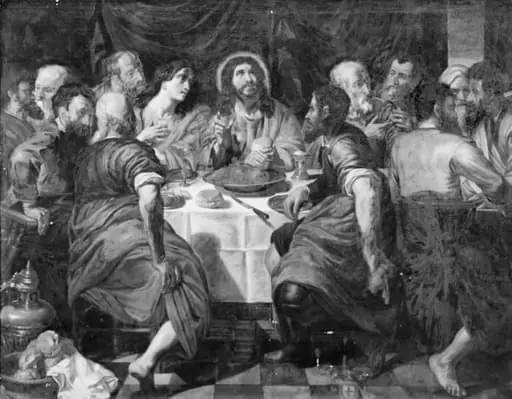 The Last Supper
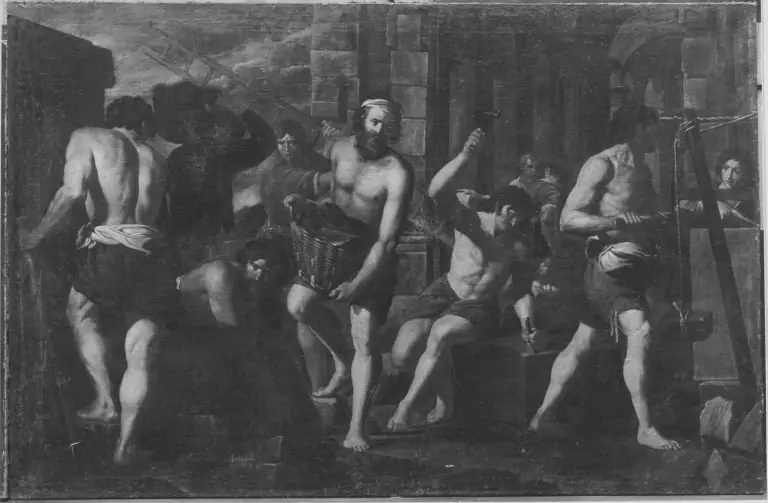 Bauleute am Werk
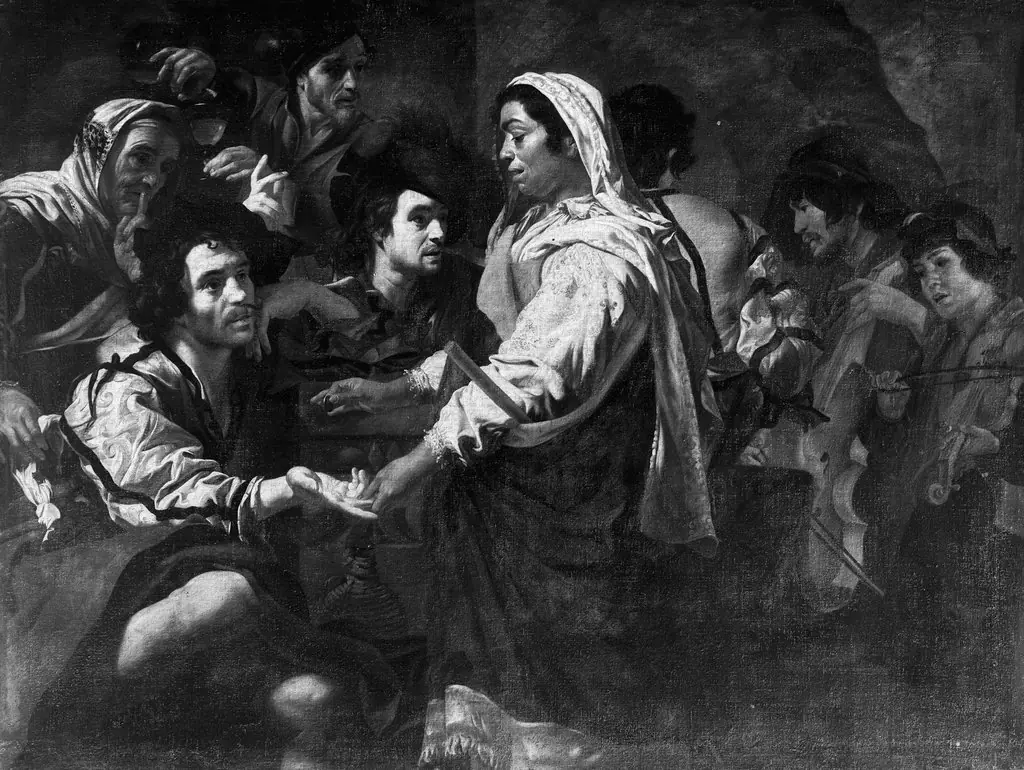 The Fortune teller
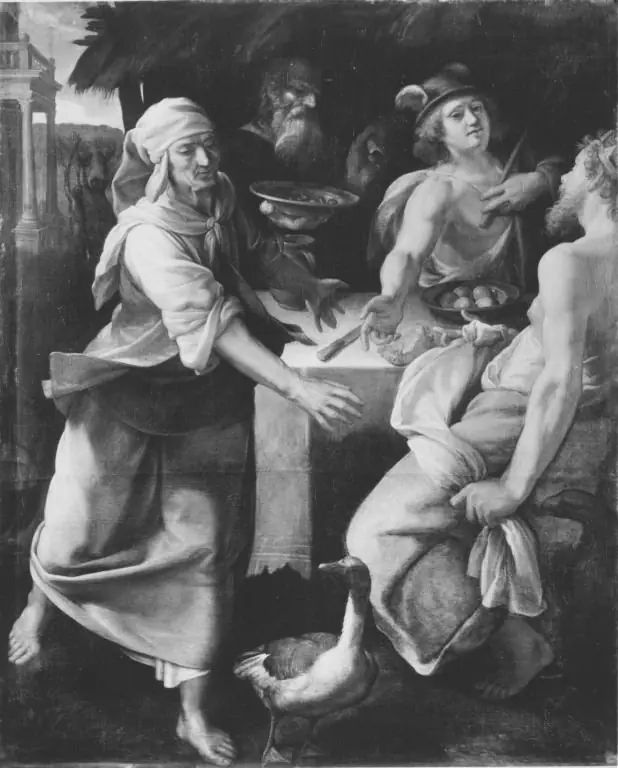 Jupiter und Merkur
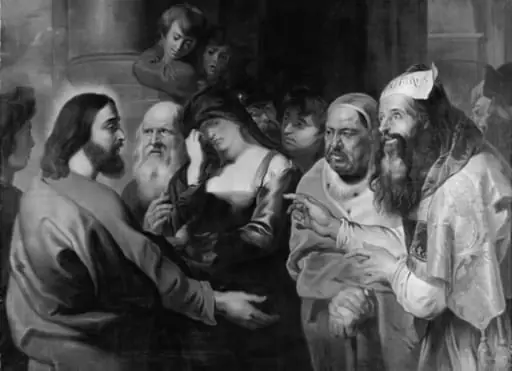 Kristus og synderinden