Artwork
Jupiter and Mercury at Philemon and Baucis
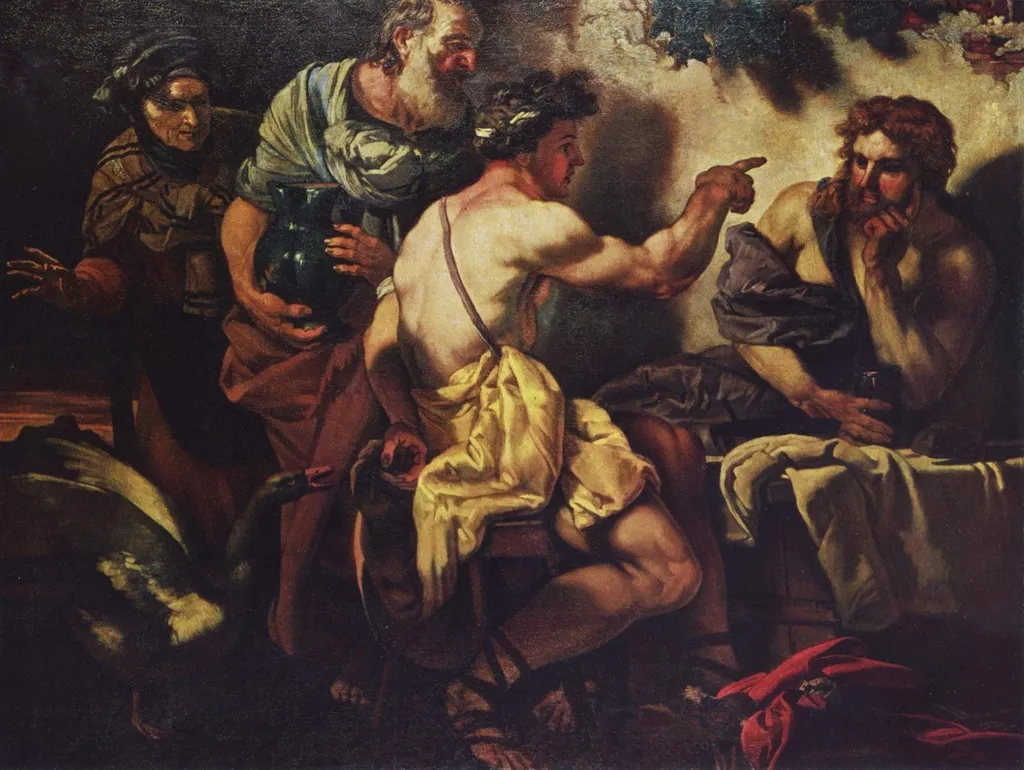
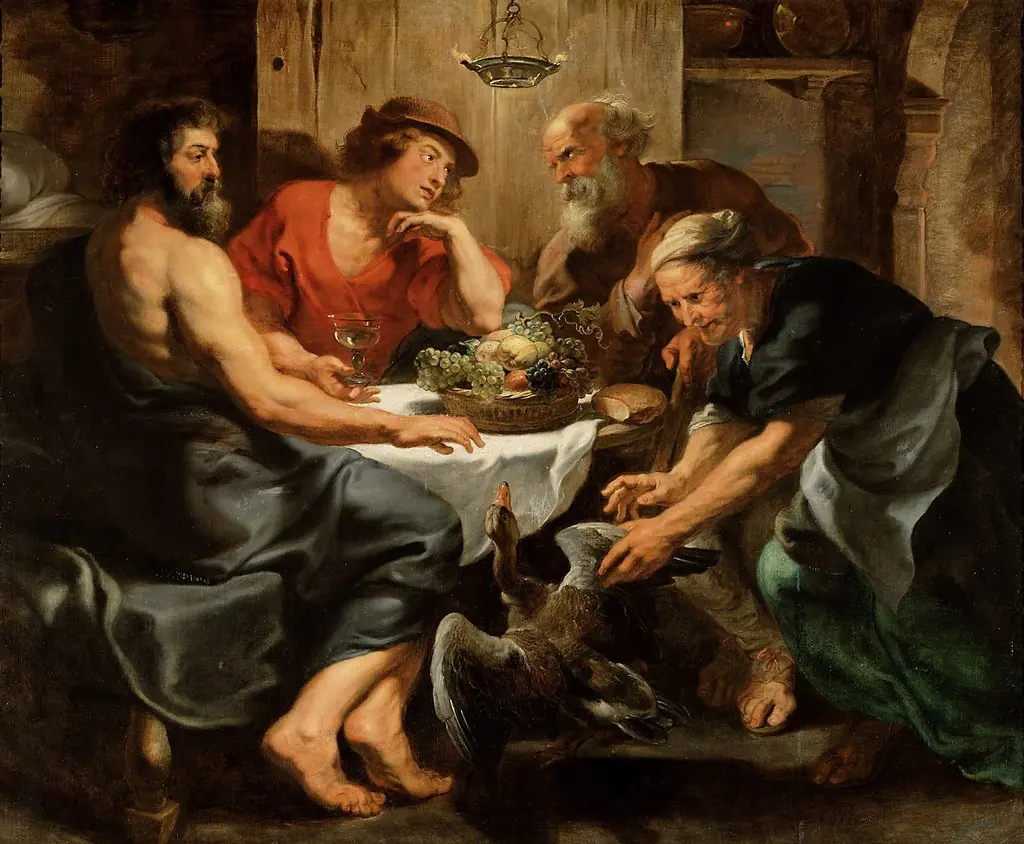
Jupiter and Mercury at Philemon and Baucis is an oil painting by the Flemish Baroque painting artist Johann Carl Loth. It dates from 1660 and is held in the collection of the Kunsthistorisches Museum.
About this work
Overview
The composition centers on the revelation of their true identities, rendered with theatrical intensity and a focus on human reaction to the supernatural.
Painted in 1660 by Johann Carl Loth, this oil on canvas depicts a moment from Ovid’s Metamorphoses. The scene captures the divine visitation of Jupiter and Mercury in human form, arriving at the humble home of the elderly couple Philemon and Baucis. The composition centers on the revelation of their true identities, rendered with theatrical intensity and a focus on human reaction to the supernatural.
Subject & Meaning
The painting illustrates the myth in which Jupiter and Mercury, disguised as travelers, are denied shelter by all but the poor but pious Philemon and Baucis. As their divinity is revealed, the couple’s humility is rewarded. The figures’ gestures and expressions convey awe, fear, and recognition, emphasizing virtue rewarded and the sacredness of hospitality—a core value in classical and early modern thought.
Technique & Style
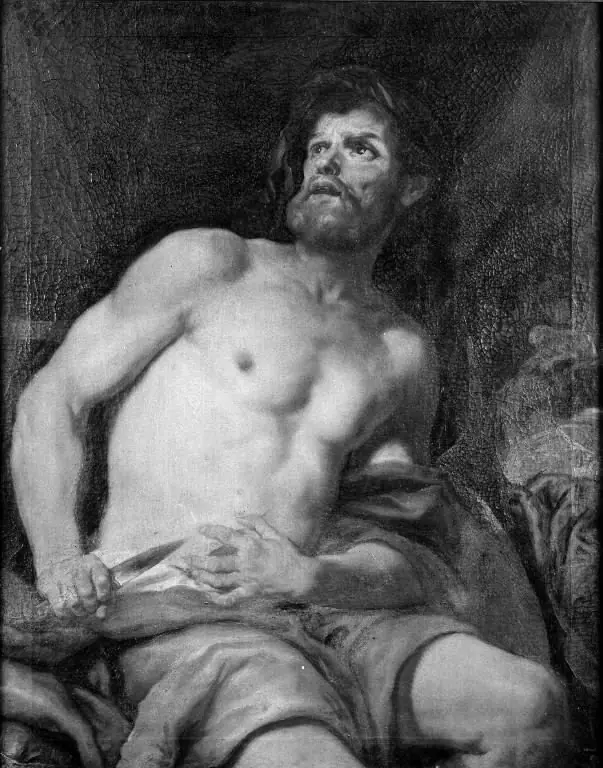
Loth employs chiaroscuro to heighten emotional tension, contrasting deep shadows with a single source of celestial light that illuminates the hovering figures above. The shirtless man, likely Jupiter, is rendered with muscular tension, while the surrounding figures react with visceral immediacy. The palette is muted except for the glowing sky and the golden drapery, drawing the eye to the divine intervention and reinforcing the scene’s spiritual gravity.
History & Provenance
The painting entered the collection of the Kunsthistorisches Museum in Vienna, likely through Habsburg acquisitions in the 17th or early 18th century. It reflects the period’s interest in classical mythology as moral allegory and aligns with the tastes of aristocratic patrons who favored dramatic religious and mythological narratives. Its preservation suggests consistent appreciation within imperial collections.
Context
Created during the Baroque era, the work aligns with a broader European trend of using mythological subjects to explore human virtue and divine justice. Loth, trained in Venice and active in Munich, absorbed the dramatic lighting of Caravaggio and the compositional dynamism of Venetian colorism. This synthesis is evident in the painting’s emotional immediacy and theatrical staging.
Legacy
Though not widely reproduced, the painting remains a representative example of Central European Baroque mythological painting. It contributes to the understanding of how classical narratives were adapted to convey ethical messages through visual drama. Its continued presence in the Kunsthistorisches Museum underscores its role as a document of 17th-century artistic values and devotional aesthetics.
Own this work as a print
Artist & collection

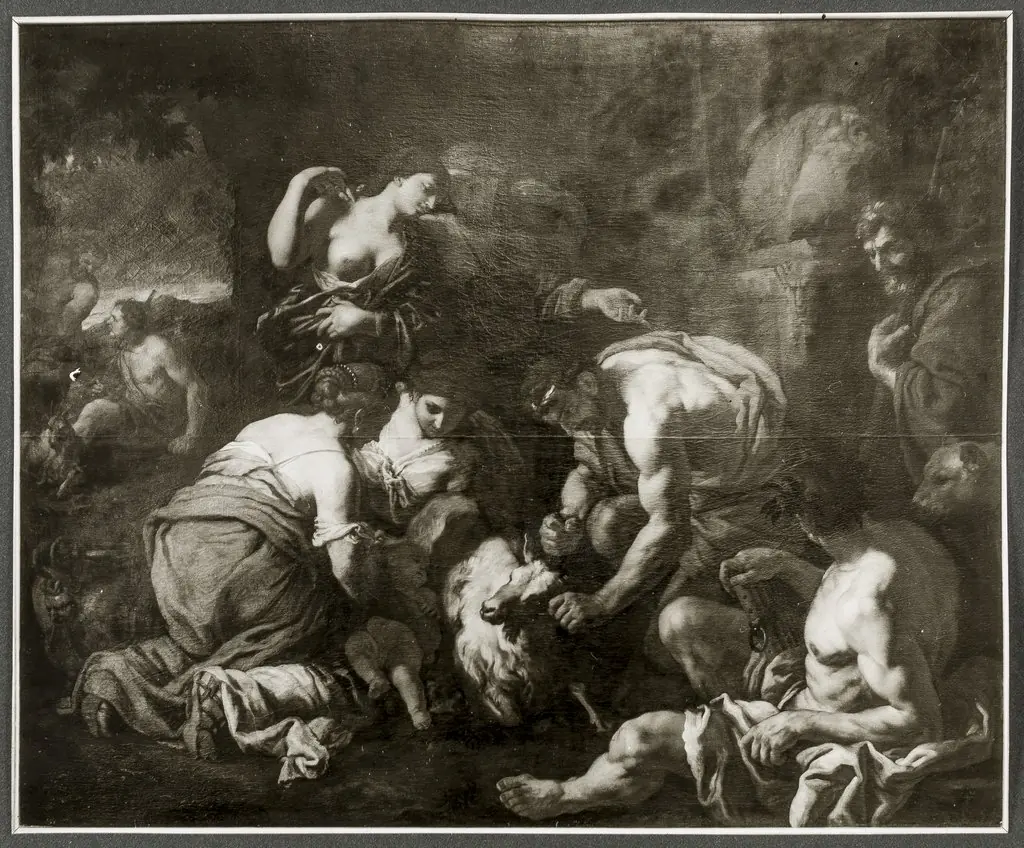
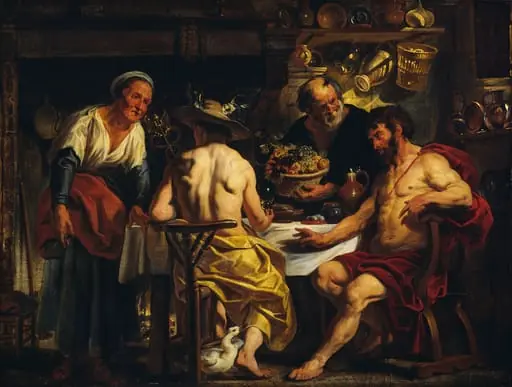 Jupiter ja Merkurius Filemonin ja Bauciin vieraina
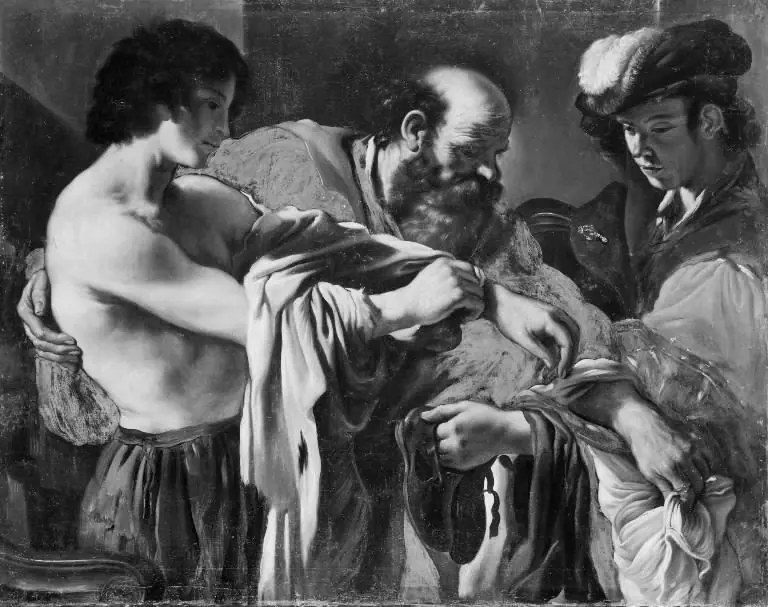 The Return of the Prodigal son
 The Prodigal Son
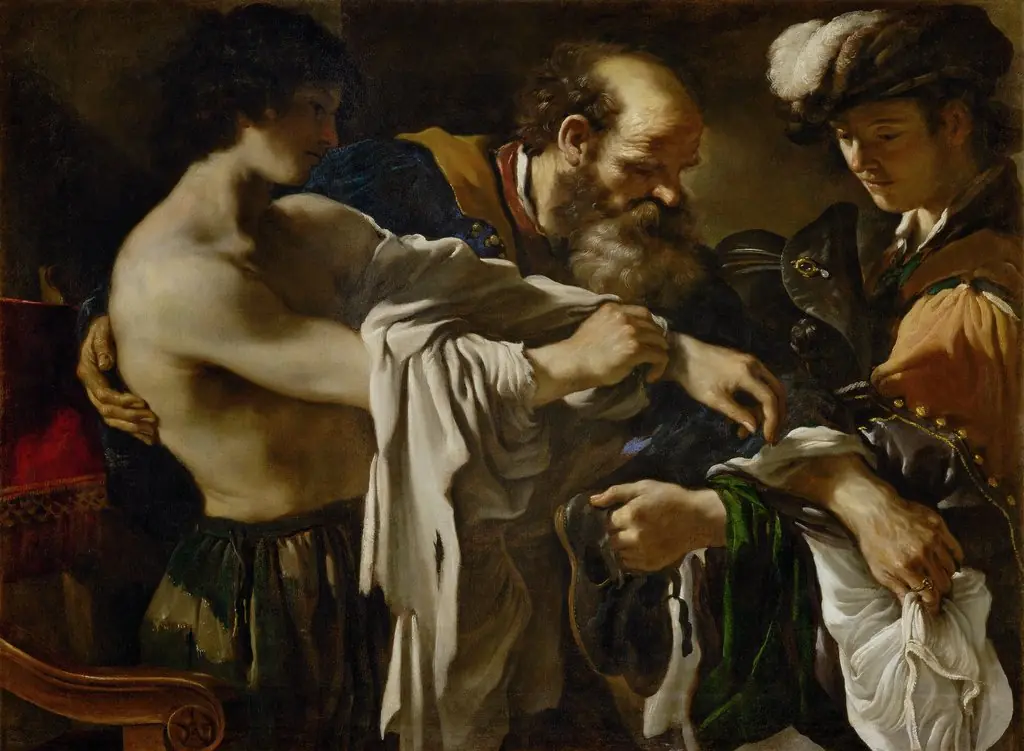 The Return of the Prodigal Son
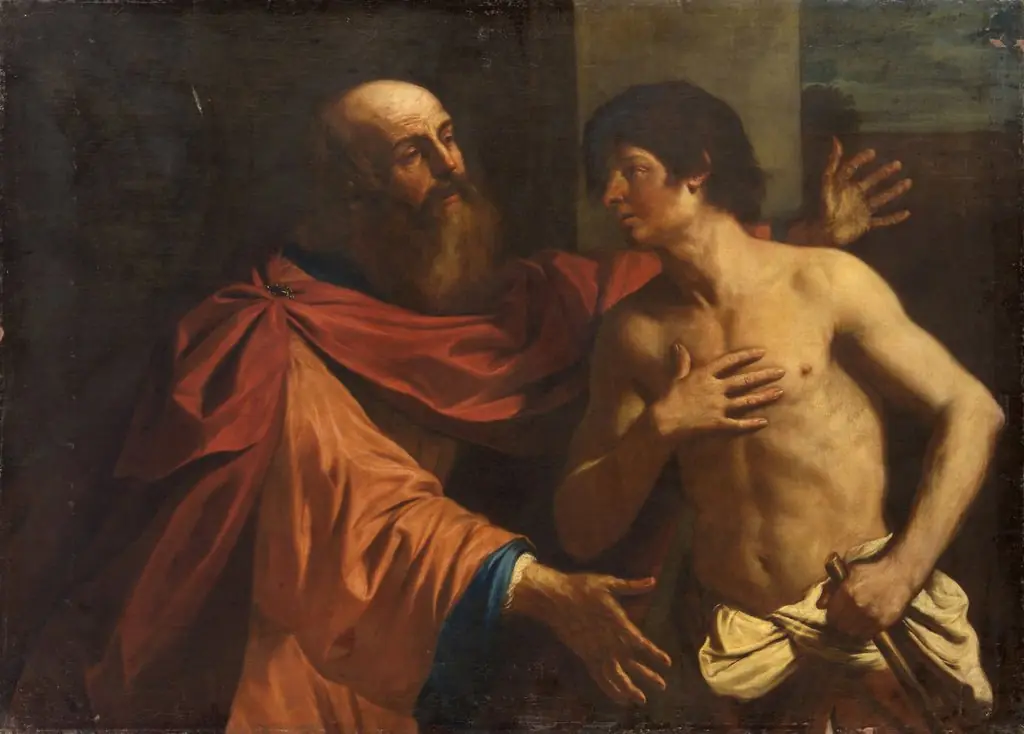 The Return of the Prodigal son
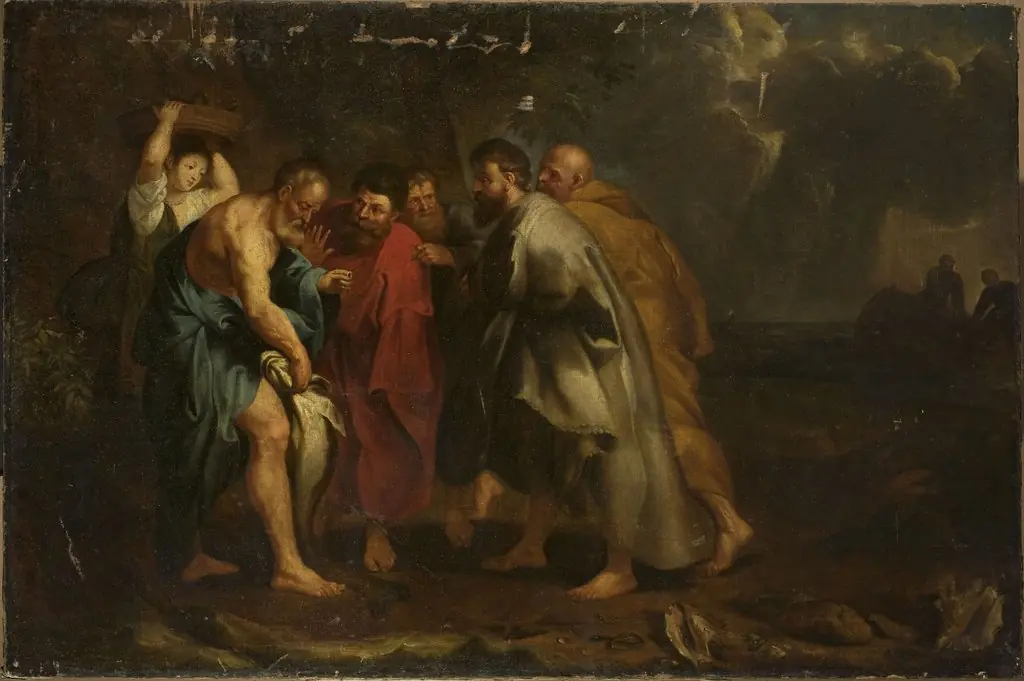 Apostles finding a coin inside a fish (Matthew 17:27)
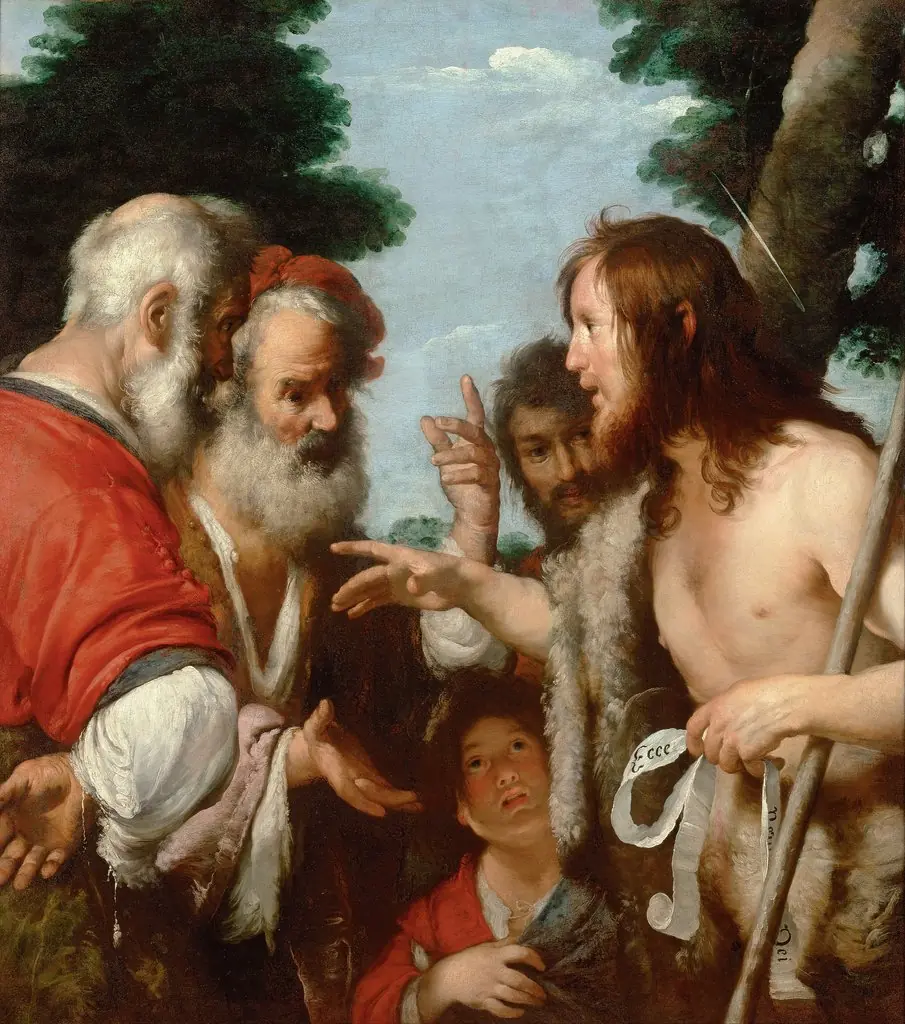 The Sermon of St. John the Baptist
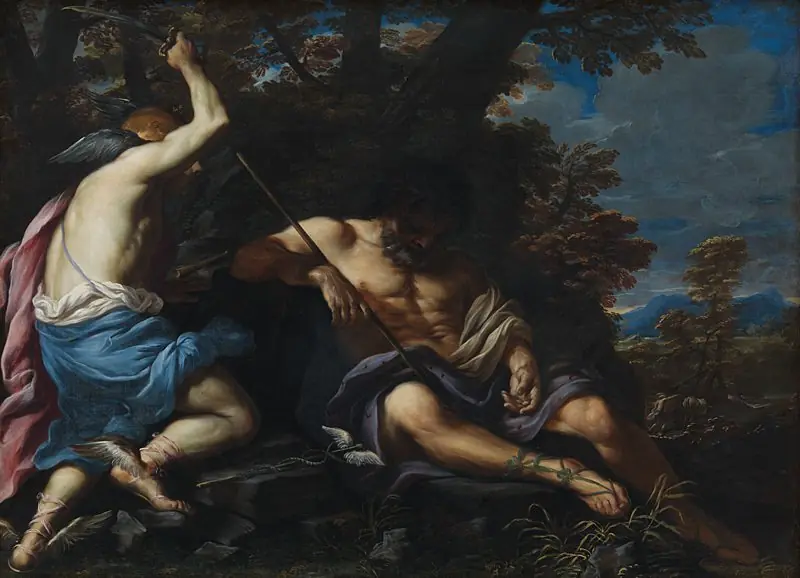 Mercury Killing Argus
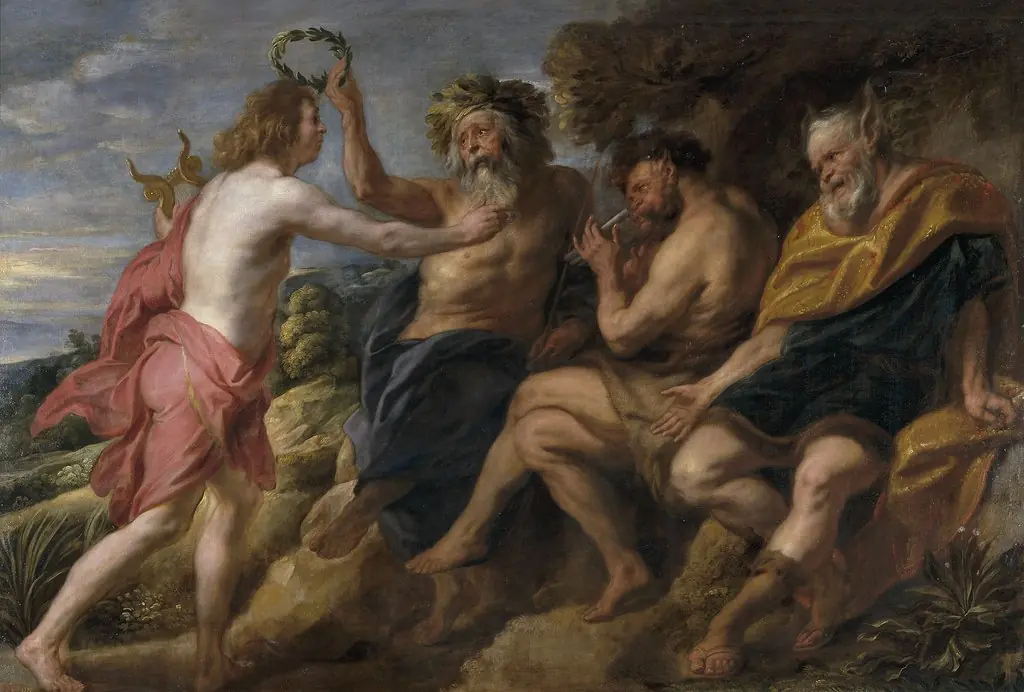 Apollo as Victor over Pan
 Mercury Killing Argus
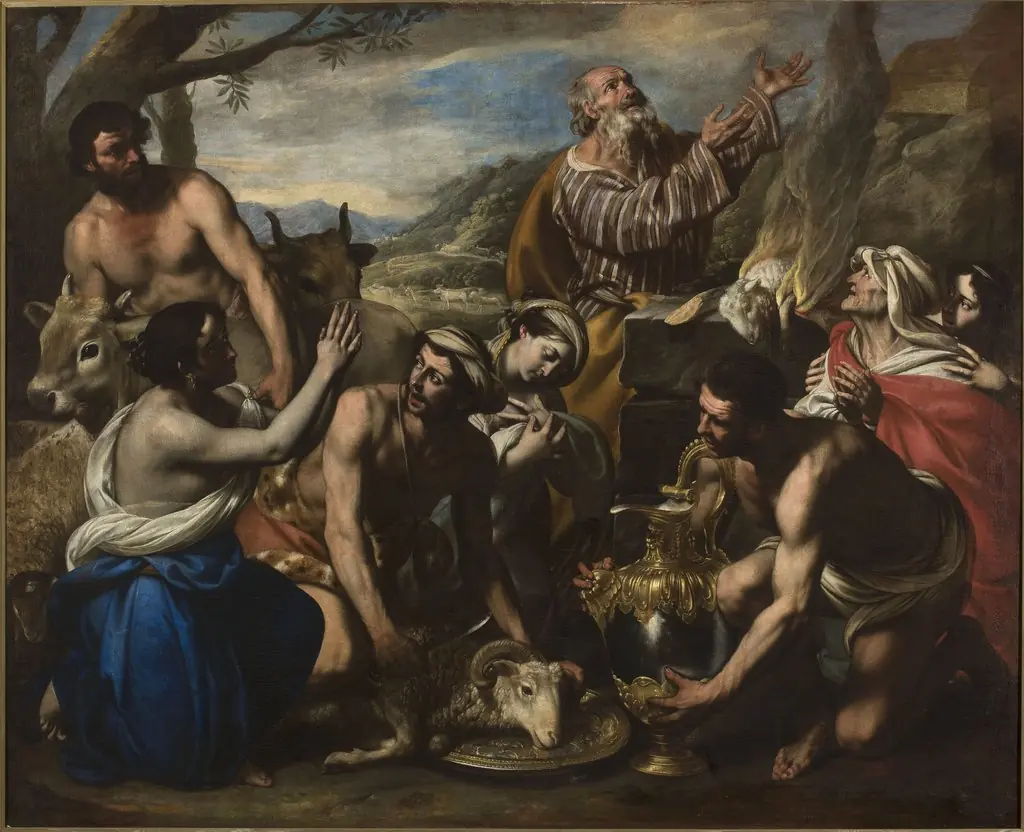 Sacrifice of Noah
 Jupiter and Mercury at Philemon and Baucis