Artwork
Henri IV at the battle of Arques
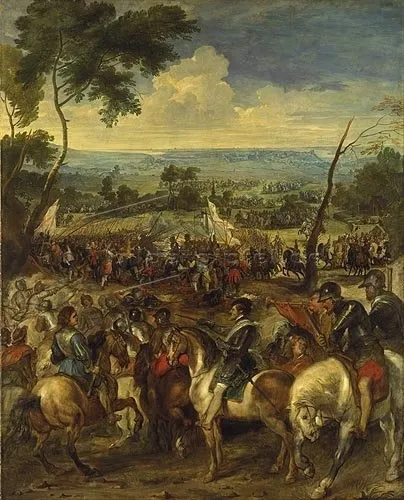
Henri IV at the battle of Arques is an oil painting by the Flemish Baroque painting artist Peter Paul Rubens. It dates from 1630 and is held in the collection of the Bavarian State Painting Collections.
About this work
Overview
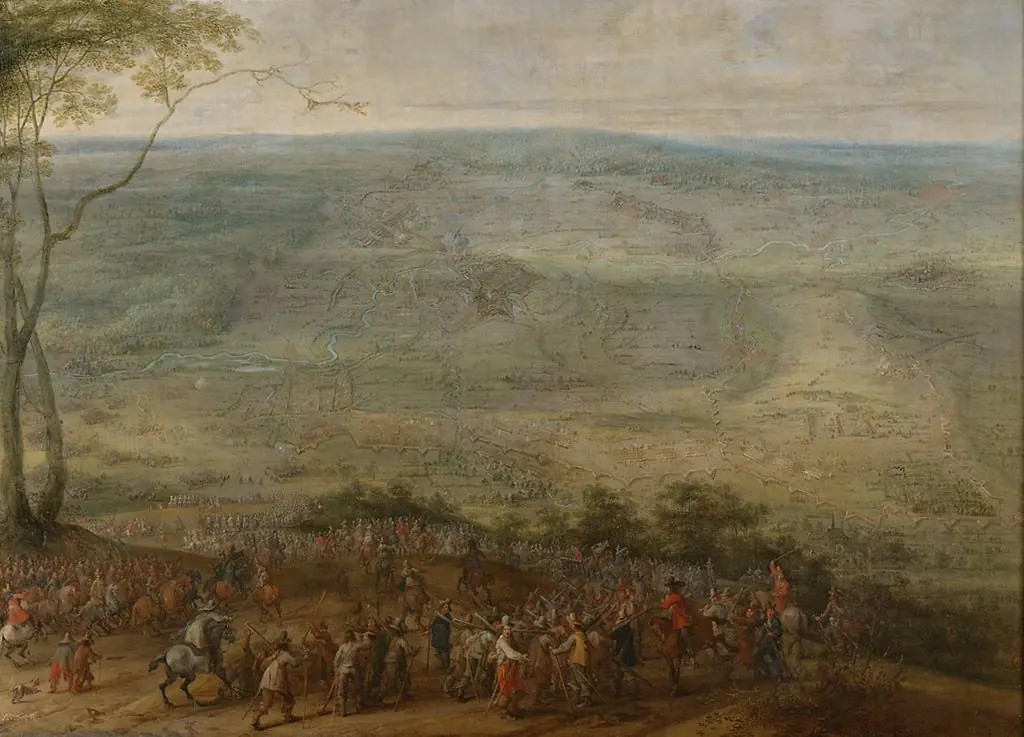
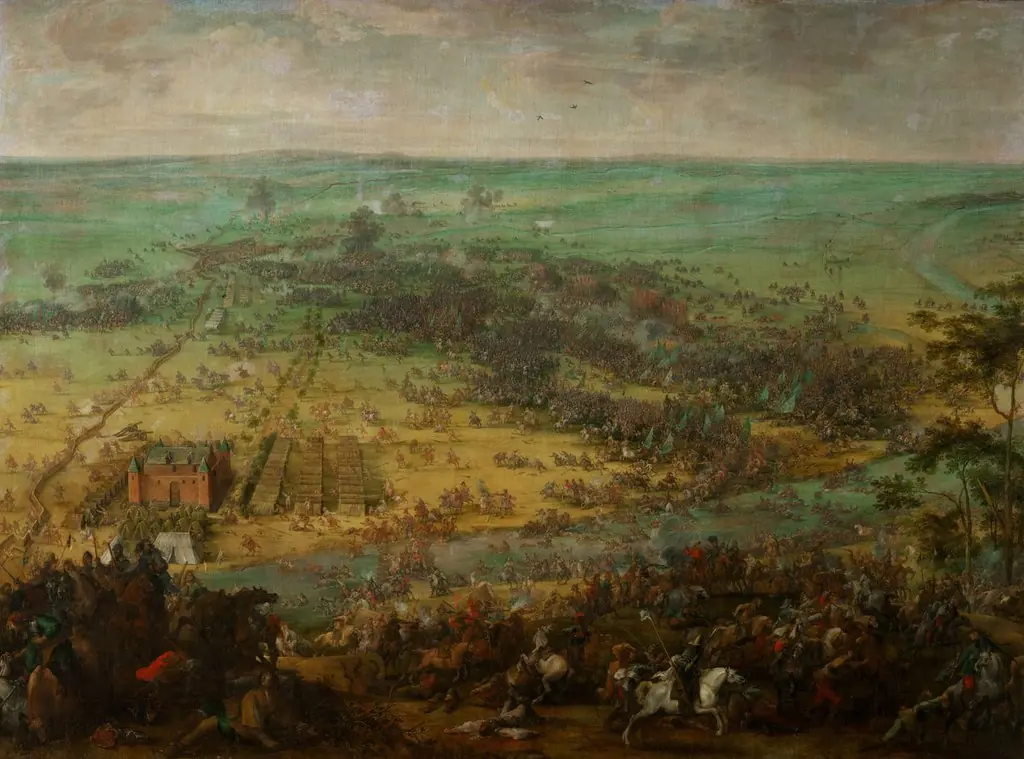
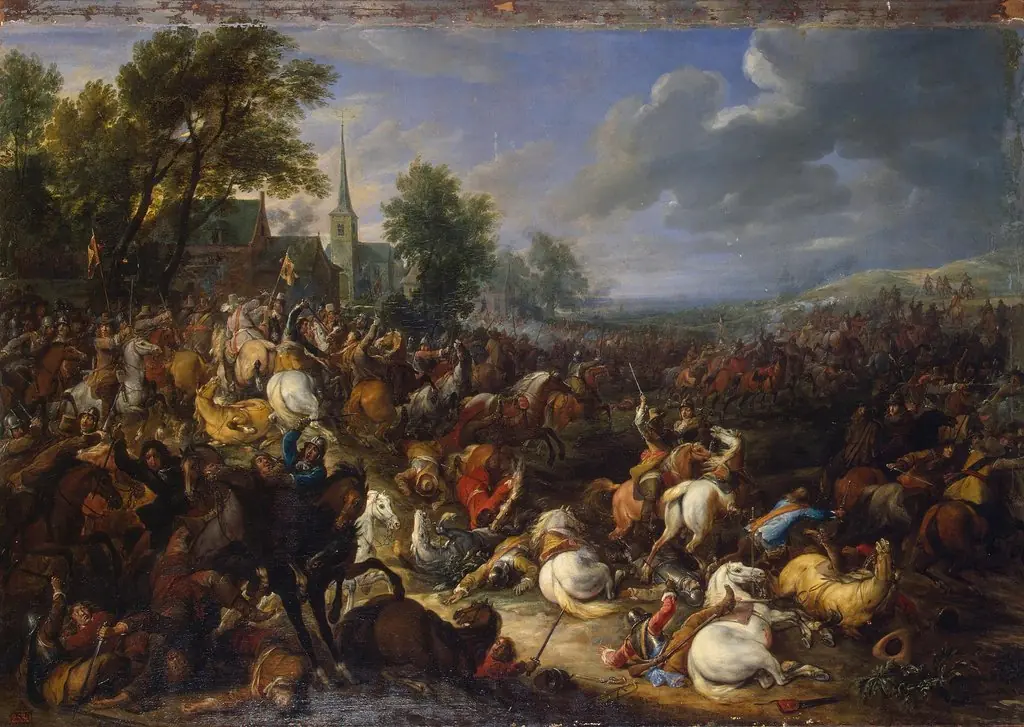
Painted in 1630 by Peter Paul Rubens, this oil-on-canvas work depicts King Henry IV of France during the Battle of Arques in 1589.
Painted in 1630 by Peter Paul Rubens, this oil-on-canvas work depicts King Henry IV of France during the Battle of Arques in 1589. Created in the Flemish Baroque style, it belongs to the tradition of history painting, which elevated historical and military narratives to the highest rank in academic art. Rubens, known for his diplomatic roles as well as his artistic output, rendered the scene with energetic motion and rich coloration, aligning with the dramatic sensibilities of his era.
Subject & Meaning
The painting captures a pivotal moment in Henry IV’s campaign to secure the French throne, showing him surrounded by officers and soldiers amid the chaos of battle. Though not a literal record, the scene emphasizes leadership and resolve, reinforcing Henry’s image as a unifying monarch. The composition directs attention to the central figure, whose presence anchors the turmoil, suggesting order emerging from conflict—a theme resonant with the political stability sought in early 17th-century Europe.
Technique & Style
Rubens employed oil paint to achieve fluid brushwork and layered pigments, enhancing the sense of movement and texture across armor, fabric, and landscape. Chiaroscuro is used deliberately to model forms and deepen spatial recession, with light striking figures against shadowed backgrounds. The dynamic arrangement of riders and horses creates diagonal energy, while the atmospheric sky and distant trees ground the scene in a tangible, if idealized, environment.
History & Provenance
Commissioned as part of a larger series celebrating French monarchs, the painting entered the collection of the Alte Pinakothek in Munich in the early 19th century. It had previously been owned by the Spanish royal family, reflecting the international circulation of Rubens’s works among European courts. Its preservation in a major European museum underscores its status as a significant example of Baroque historical narrative painting.
Context
Rubens painted this work during a period of renewed interest in French royal history, partly to strengthen diplomatic ties between the Spanish Netherlands and France. The Counter-Reformation’s emphasis on emotional intensity and grandeur influenced his approach, blending historical accuracy with theatrical presentation. The painting reflects not only a military event but also the political messaging favored by ruling elites seeking to legitimize authority through visual culture.
Legacy
Though less widely known than Rubens’s mythological scenes, this painting exemplifies his ability to merge historical narrative with expressive form. It contributed to the enduring visual language of leadership in Western art and influenced later depictions of military heroism. Its presence in the Alte Pinakothek ensures continued scholarly attention, particularly in studies of Baroque historiography and the intersection of art and politics.
Artist & collection
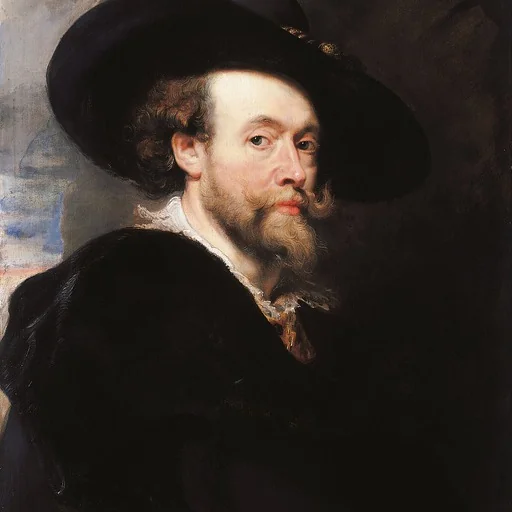
Artist
Sir Peter Paul Rubens ( ROO-bənz; Dutch: ; 28 June 1577 – 30 May 1640) was a Flemish artist and diplomat.