Artwork
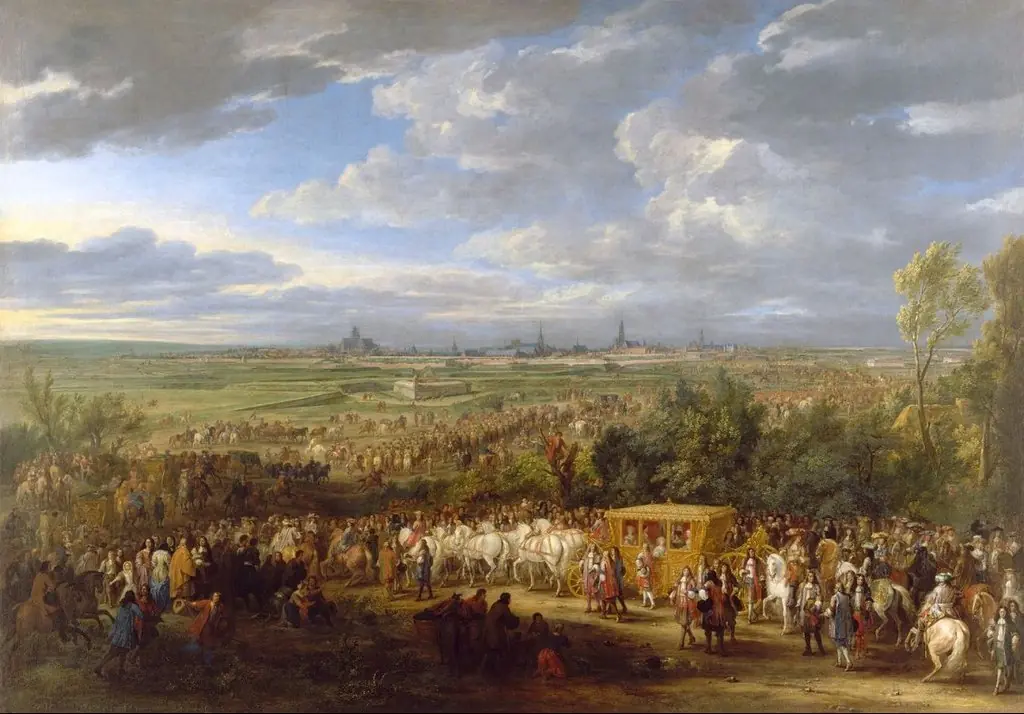
Arrival of Louis XIV in front of Douai, July 2, 1667
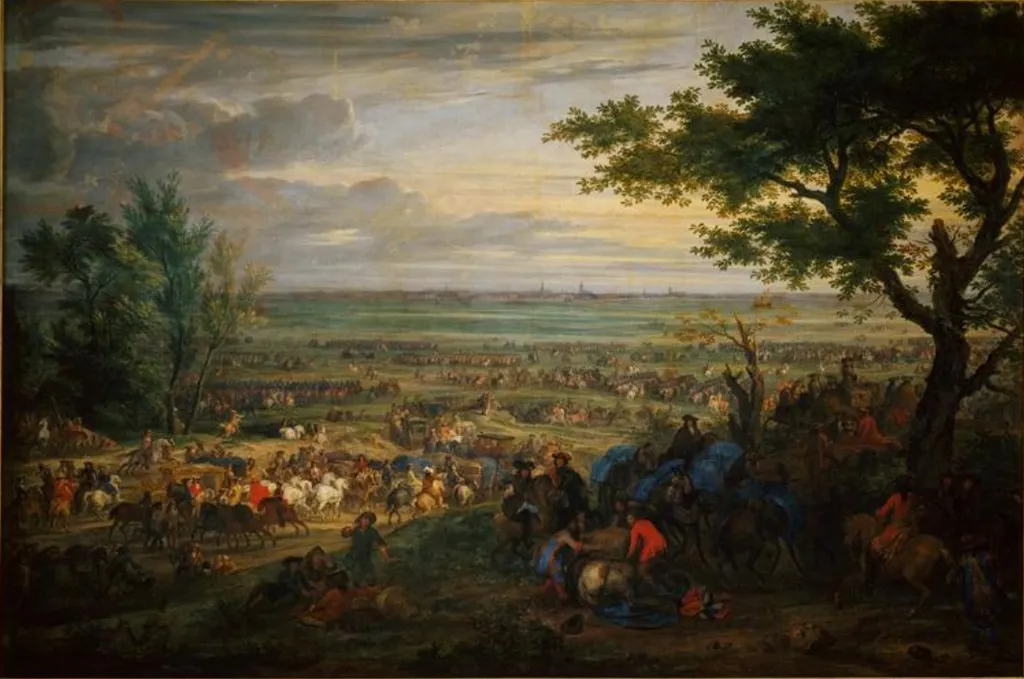
Arrival of Louis XIV in front of Douai, July 2, 1667 is an oil painting by the Flemish Baroque painting artist Adam Frans van der Meulen. It dates from 1672 and is held in the collection of the Palace of Versailles.
About this work
The level of detail in the painting is impressive, with intricate depictions of the king's clothing and the architecture of the city.
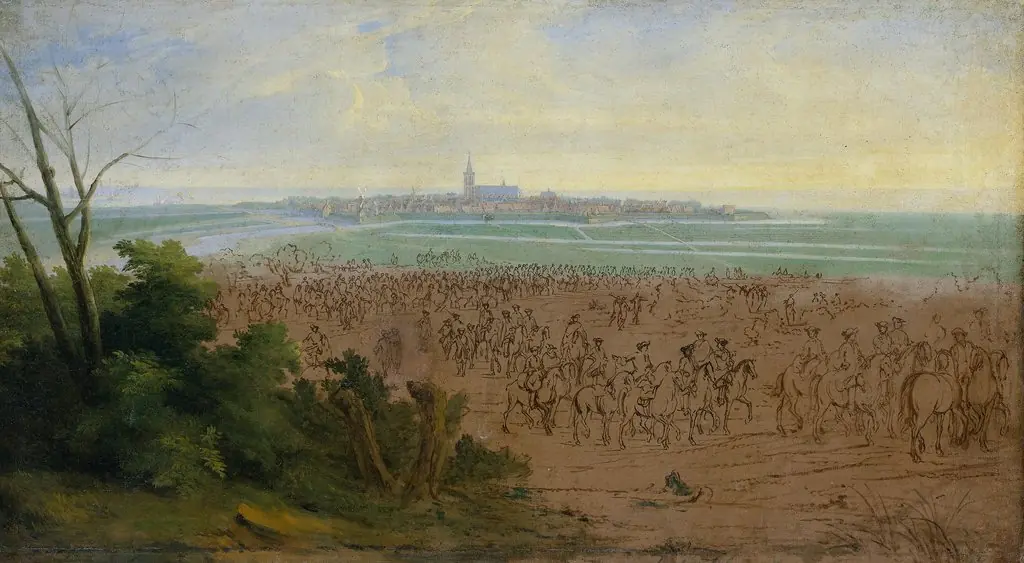
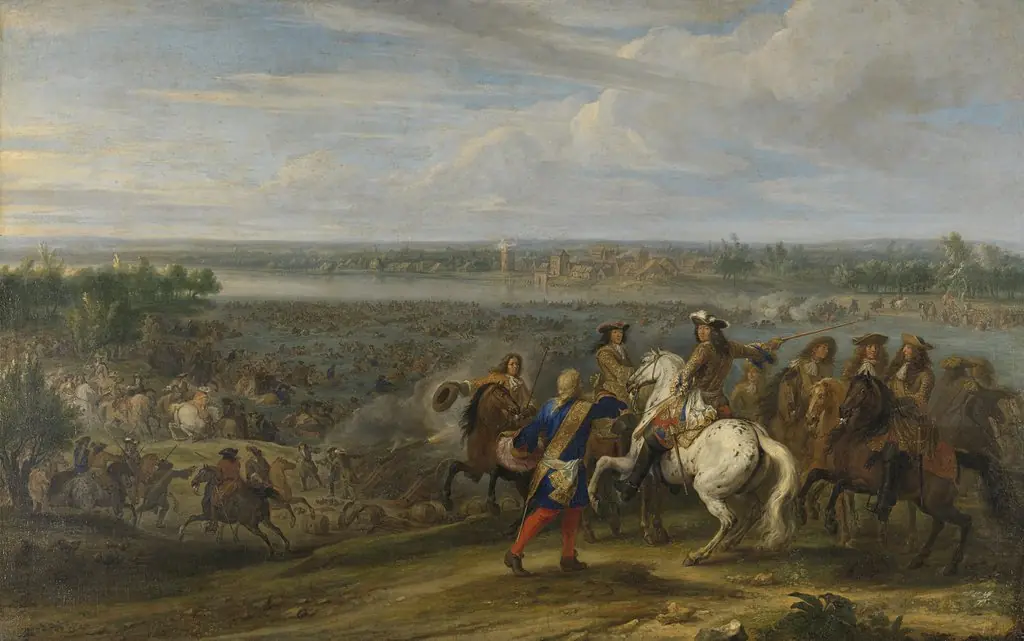
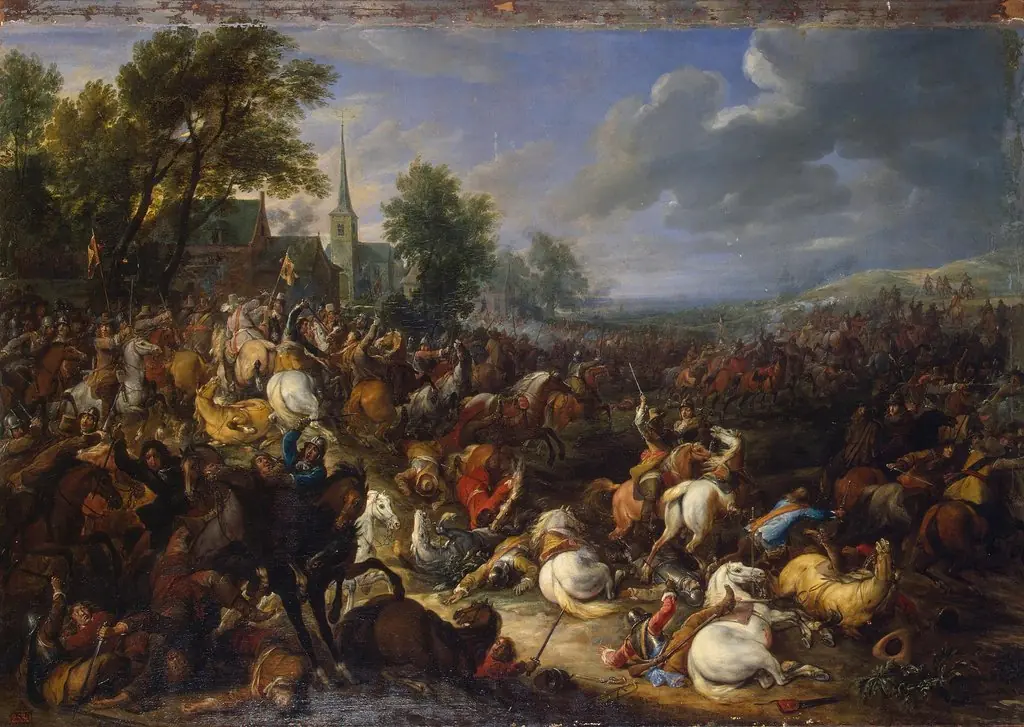
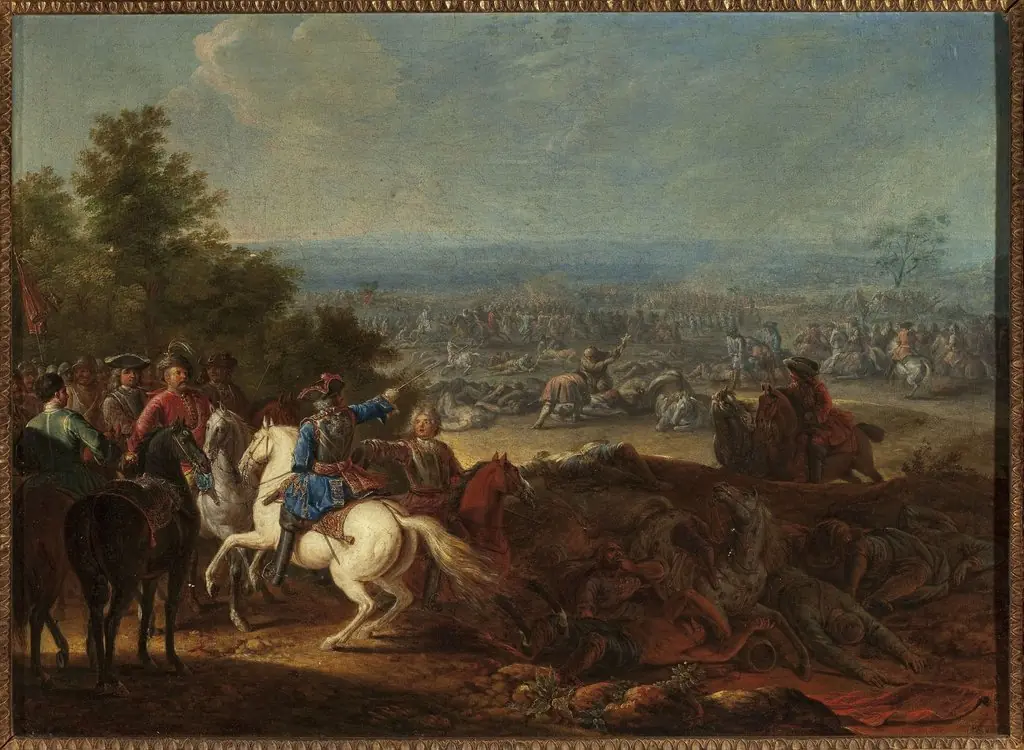
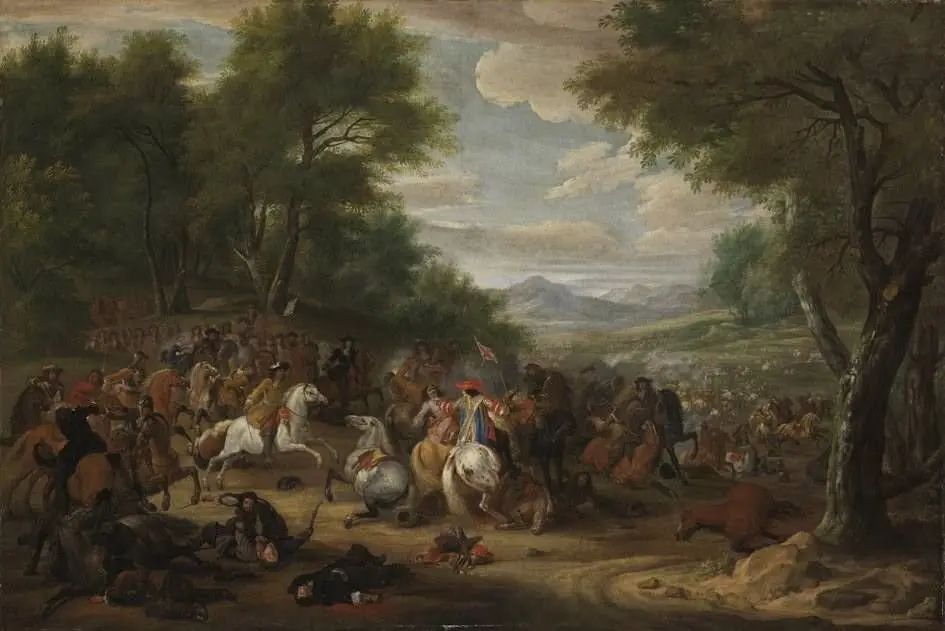
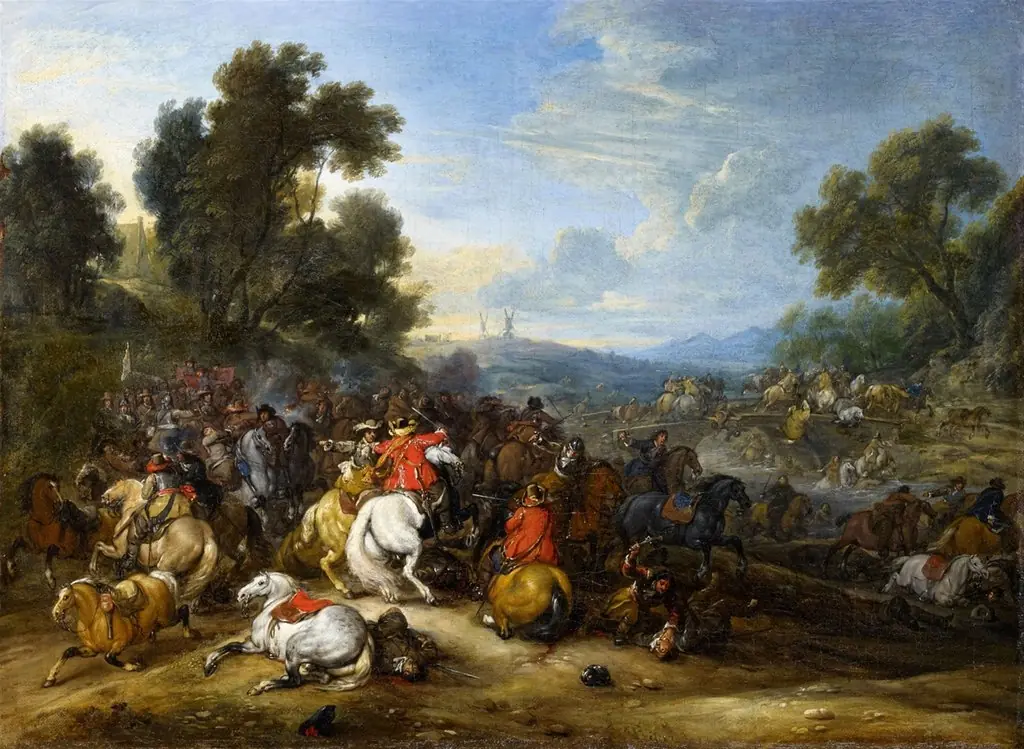
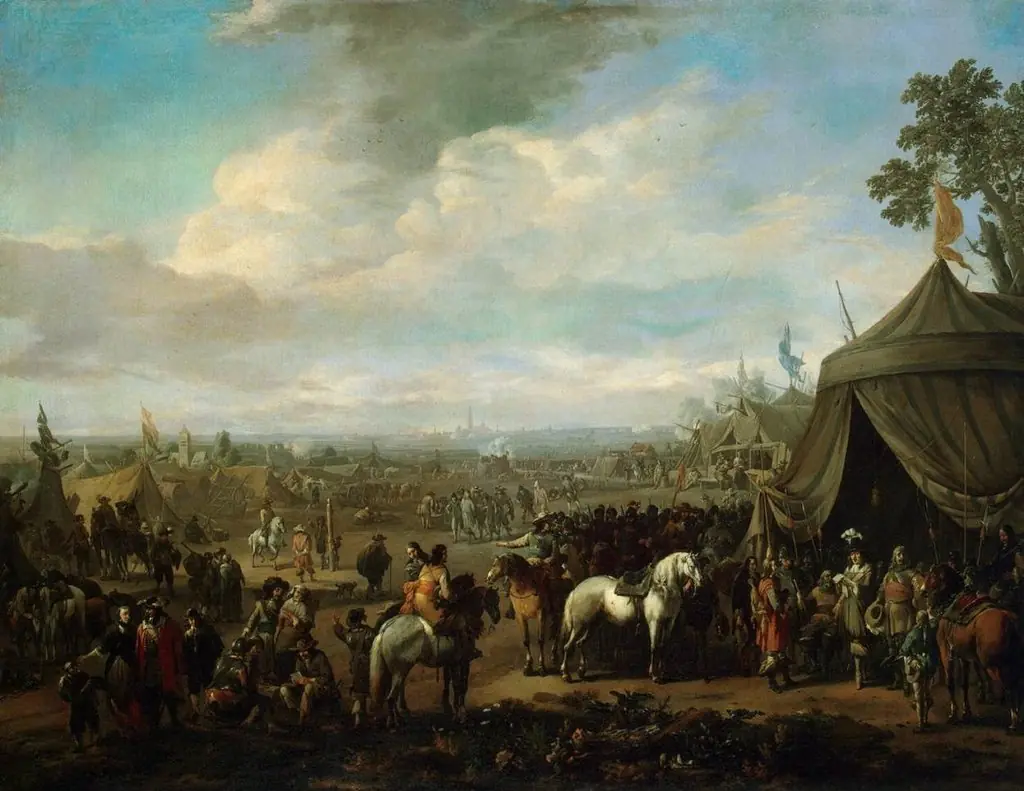
This painting depicts a grand scene of Louis XIV arriving in front of Douai on July 2, 1667. The king is shown on horseback, surrounded by his retinue, with the city of Douai visible in the background. The scene is set against a backdrop of rolling hills and a cloudy sky.
The painting is rendered in oil paint and features a mix of warm and cool colors, with the king's red cloak standing out against the more subdued tones of the landscape. The level of detail in the painting is impressive, with intricate depictions of the king's clothing and the architecture of the city.
The artist's use of chiaroscuro adds depth and dimension to the scene, drawing the viewer's eye to the king and his retinue. To learn more about the technique of chiaroscuro, look up the artist Adam Frans van der Meulen.
Overview
Adam Frans van der Meulen’s oil painting, titled *Arrival of Louis XIV in front of Douai, July 2, 1667*, was completed in 1672. Executed for the French court, the work records the monarch’s ceremonial entrance into the recently seized city of Douai during the War of Devolution, presenting the event as a triumphal procession.
Subject & Meaning
The composition centers on Louis XIV astride a horse, flanked by members of his entourage, while the fortified town of Douai looms behind them. By foregrounding the king’s red cloak against a muted landscape, the image emphasizes royal authority and the celebratory nature of the conquest, reinforcing the narrative of a sovereign victorious in war.
Technique & Style
Van der Meulen employs the Flemish Baroque vocabulary of dynamic movement and dramatic lighting. A balanced palette of warm and cool tones models the figures and architecture, while chiaroscuro creates depth, directing attention to the monarch. The meticulous rendering of textiles, armor, and the city’s buildings demonstrates the artist’s skill in rendering detail within a broad, atmospheric setting.
History & Provenance
Created while van der Meulen served the French crown, the painting entered the royal collection and is now housed in the Palace of Versailles. Its presence in the palace underscores its original function as visual propaganda, intended to celebrate Louis XIV’s military achievements and to be viewed by courtiers and visitors alike.
Context
The work belongs to a series of canvases documenting Louis XIV’s campaigns, a common practice in the 17th‑century French court to legitimize power through visual narrative. The War of Devolution (1667‑1668) marked the first major expansion of French territory under the Sun King, and Douai’s capture was a key early victory.
Artist & collection
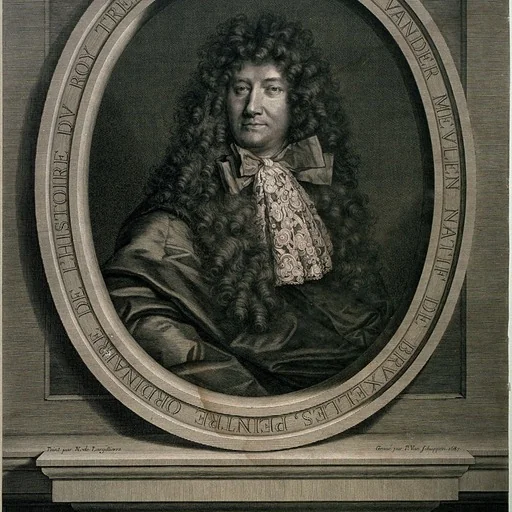
Artist
Adam Frans van der Meulen or Adam-François van der Meulen (11 January 1632 – 15 October 1690) was a Flemish painter and draughtsman who was particularly known for his scenes of military campaigns and conquests.