Artwork
Portrait of a Monk
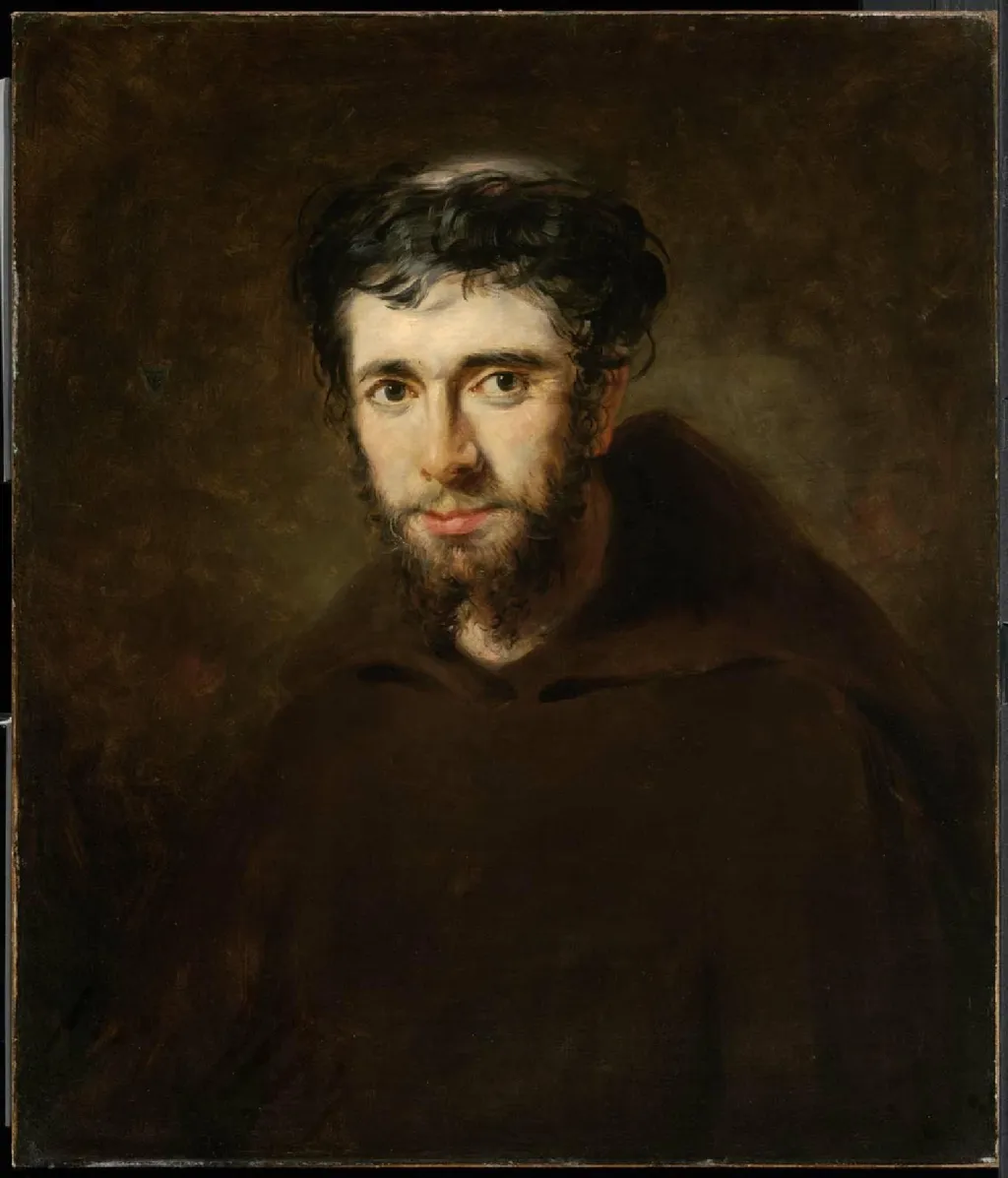
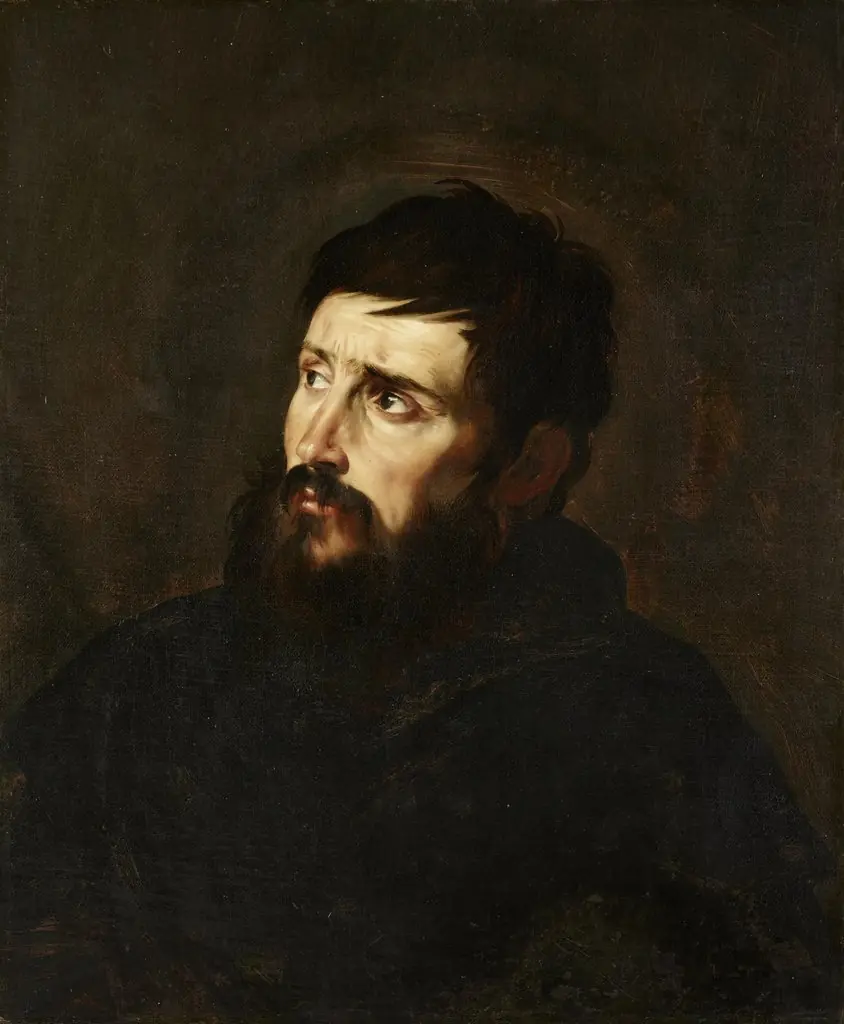
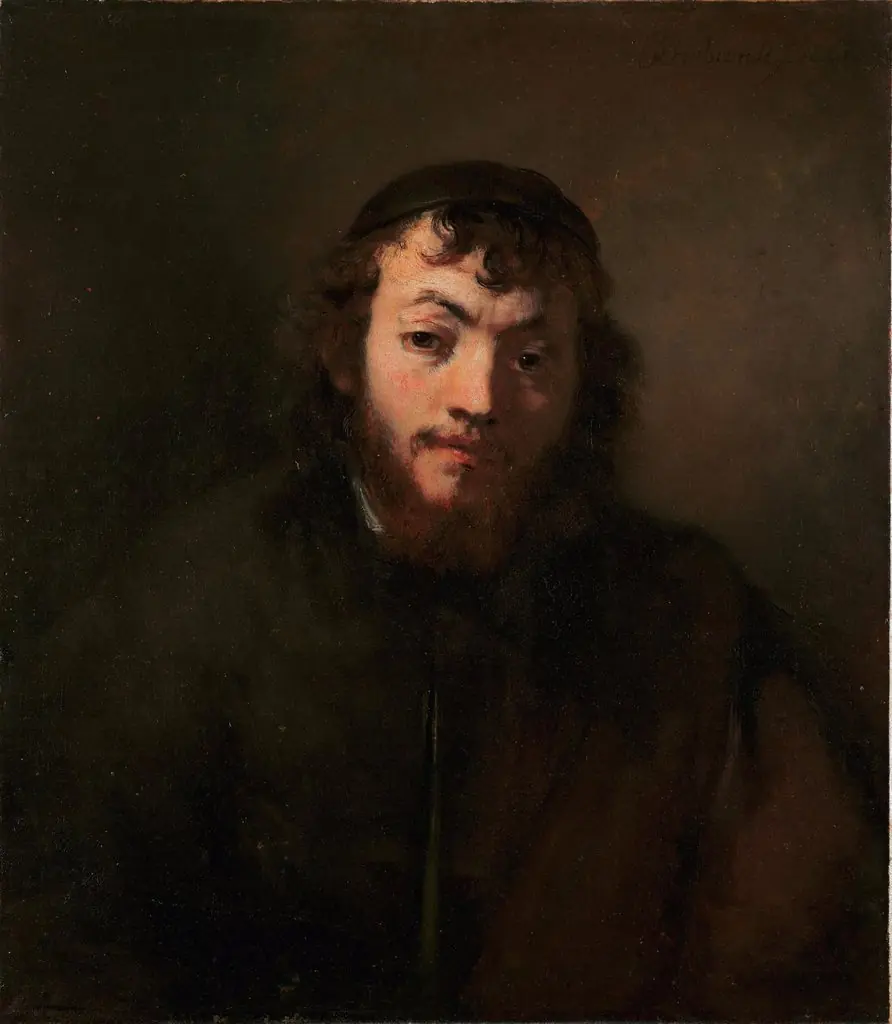
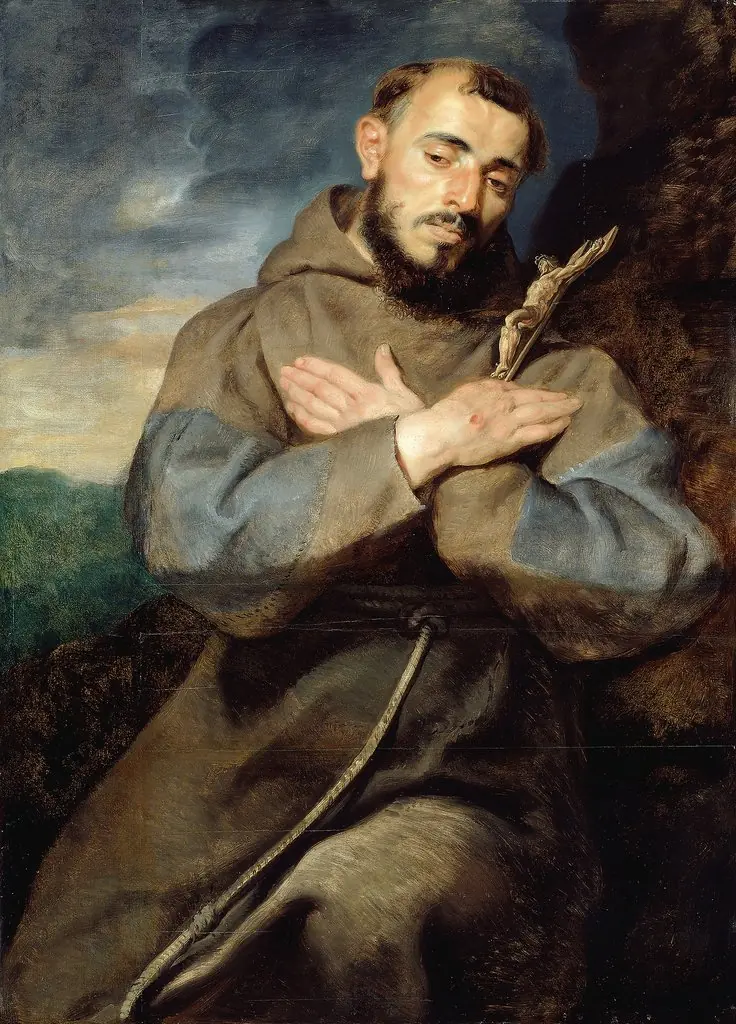
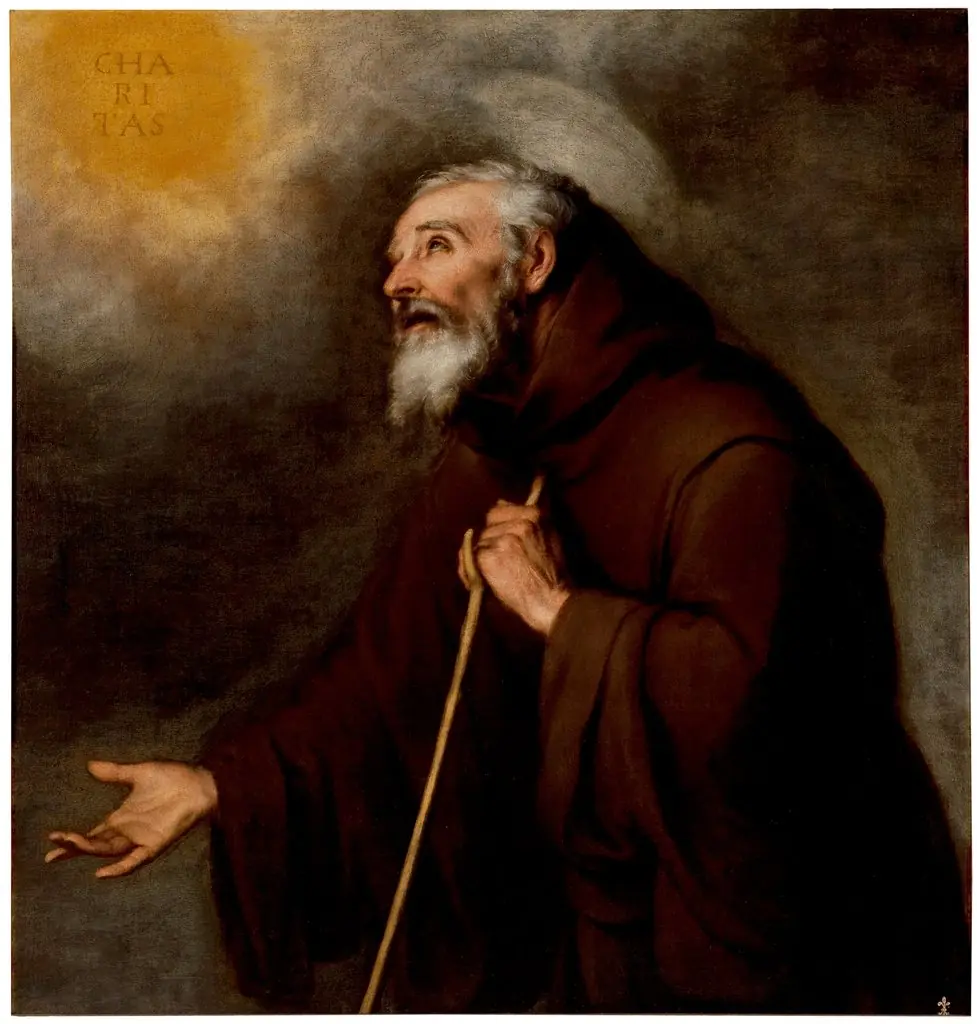
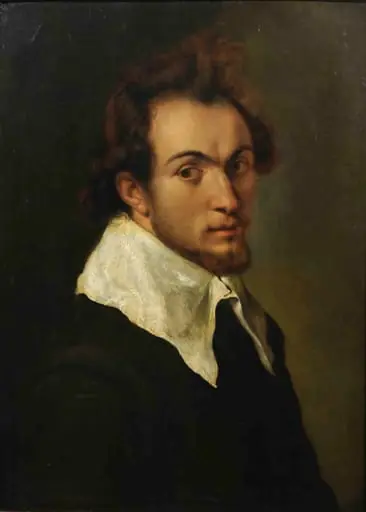
Portrait of a Monk is an oil painting by the Flemish Baroque painting artist Peter Paul Rubens. It dates from 1618 and is held in the collection of the Museum of Fine Arts Boston.
About this work
Overview
Created during Rubens’s mature period in Antwerp, the work exemplifies his mastery of oil technique and psychological nuance.
Painted around 1618, this oil portrait by Peter Paul Rubens captures a monk in quiet contemplation. Created during Rubens’s mature period in Antwerp, the work exemplifies his mastery of oil technique and psychological nuance. Though not a commissioned portrait of a known figure, it reflects the artist’s interest in individual character, a focus common in his secular and religious portraiture alike.
Subject & Meaning
The subject is a monk, identified by his dark, simple robe and shaved head beneath curly hair and a beard. His neutral expression and averted gaze suggest introspection rather than engagement with the viewer. The absence of identifying symbols or context invites interpretation as a study of inner life, aligning with Counter-Reformation ideals that valued personal devotion and emotional sincerity in religious figures.
Technique & Style
Rubens employs chiaroscuro to model the monk’s face and hands with soft gradations of light, contrasting them against the deep, muted tones of the robe. The brushwork is precise yet fluid, capturing texture in skin and fabric without overt detail. The background, a flat brown, isolates the figure, enhancing the focus on his presence and the subtle play of light across his features.
History & Provenance
The painting entered the collection of the Museum of Fine Arts, Boston, in the early 20th century. Its earlier ownership is undocumented, but its style and technique firmly place it within Rubens’s output from the 1610s. It was likely painted in his Antwerp studio, possibly as a study or private commission, and has remained in public hands since its acquisition by the museum.
Context
In early 17th-century Flanders, religious imagery was shaped by the Counter-Reformation’s call for accessible, emotionally resonant art. While Rubens is best known for grand altarpieces, his portraits of clergy reflect a parallel interest in human dignity and spiritual gravity. This work aligns with broader trends in Flemish painting that valued psychological depth over idealization.
Legacy
Though less celebrated than Rubens’s mythological or historical scenes, this portrait contributes to understanding his range as a portraitist. It demonstrates his ability to convey quiet humanity with minimal gesture, influencing later generations of artists who sought realism in religious and monastic subjects. Its preservation in a major museum ensures continued scholarly attention.
Artist & collection
Artist
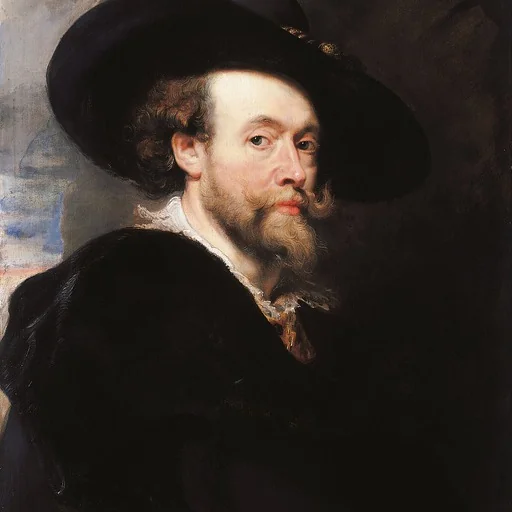
Sir Peter Paul Rubens ( ROO-bənz; Dutch: ; 28 June 1577 – 30 May 1640) was a Flemish artist and diplomat.