Artwork
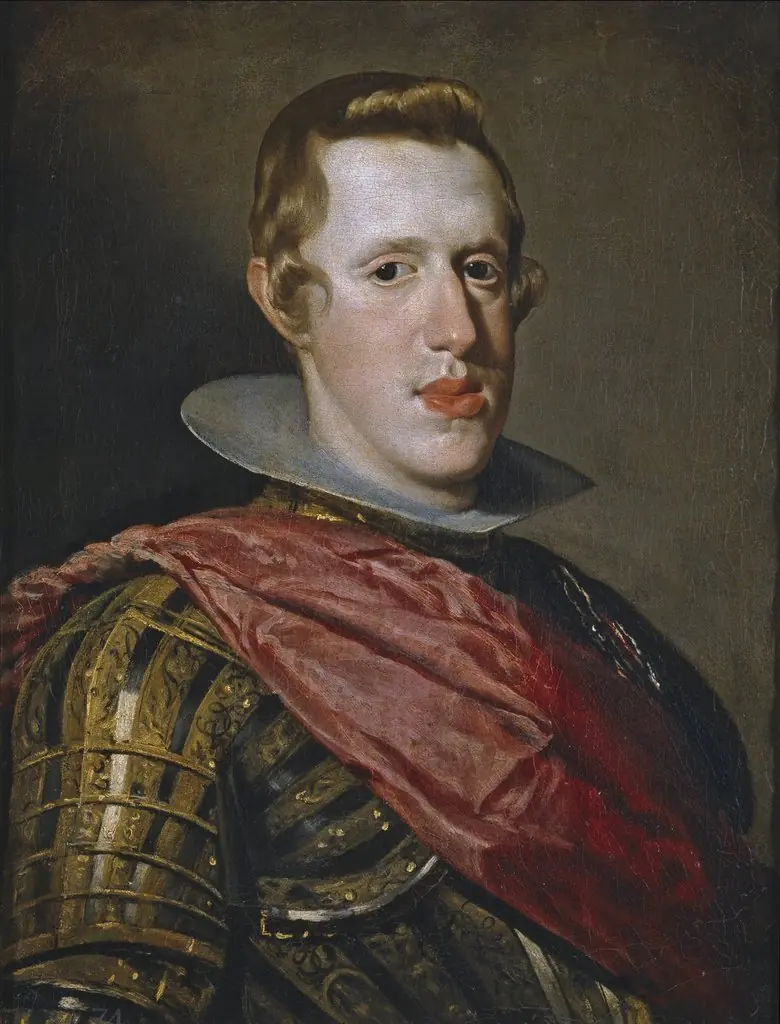
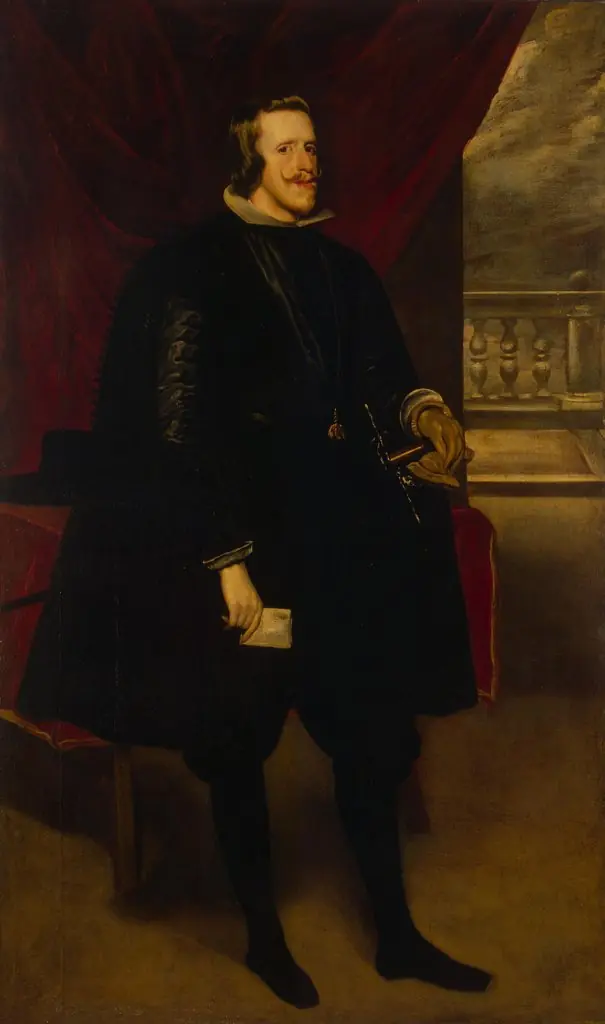
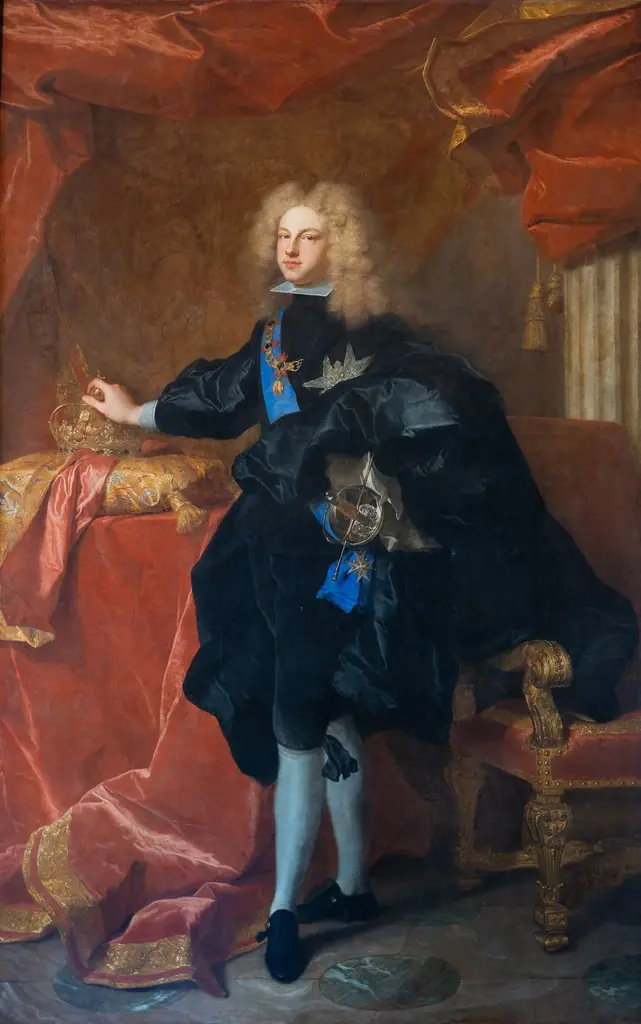
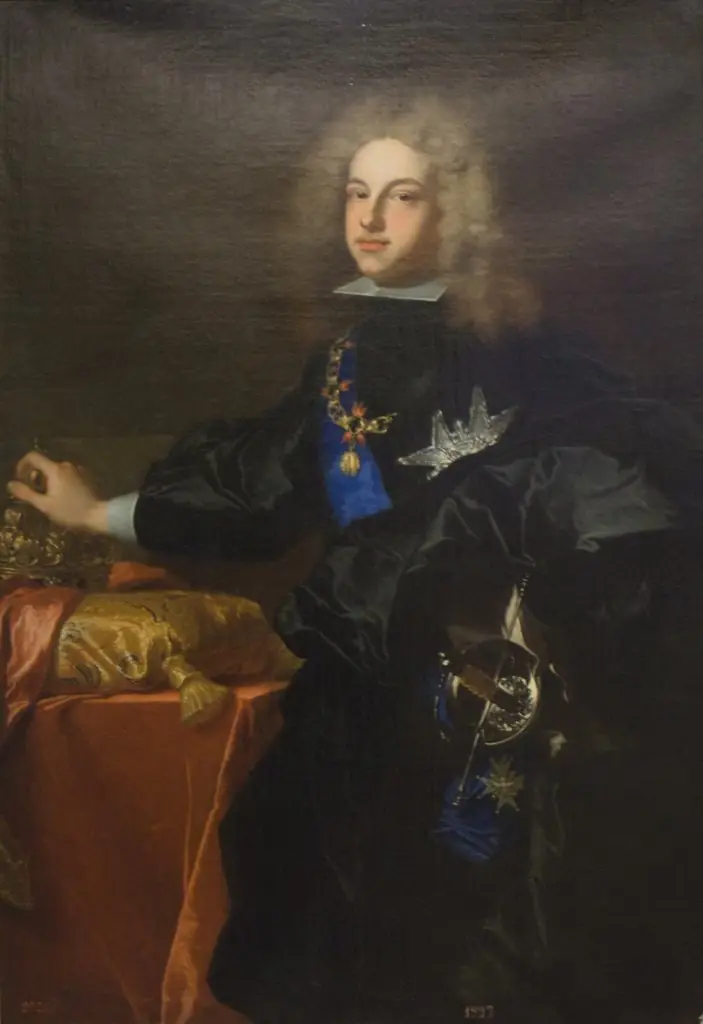
Portrait of Philip IV (1605-1665), King of Spain
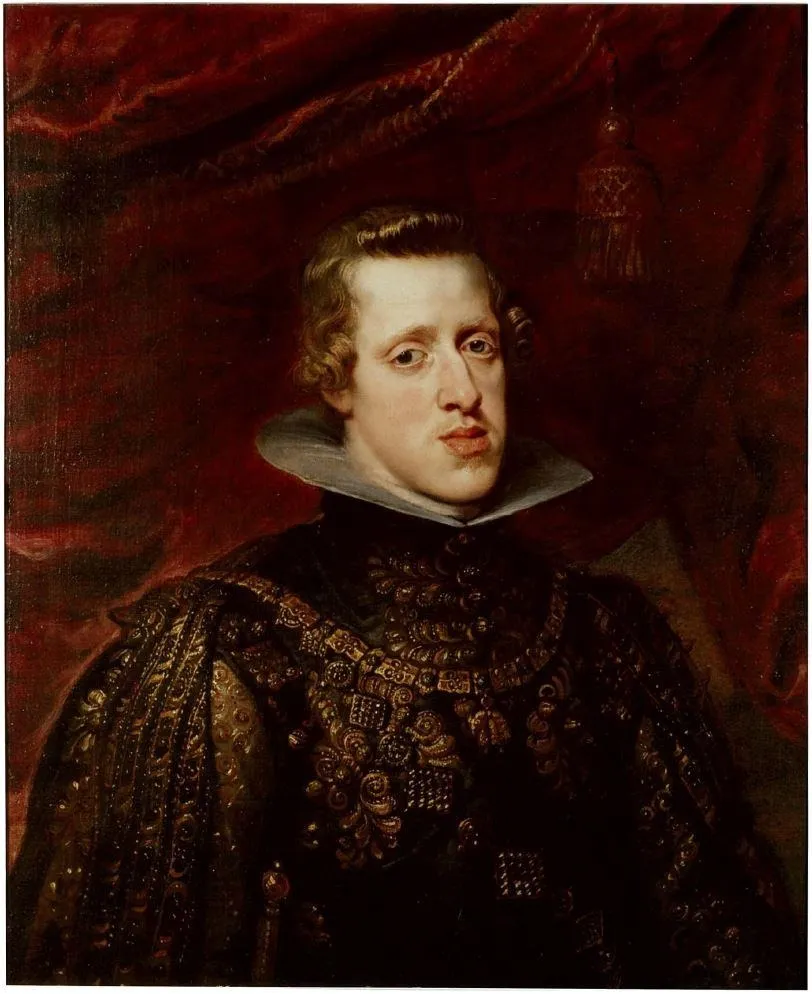
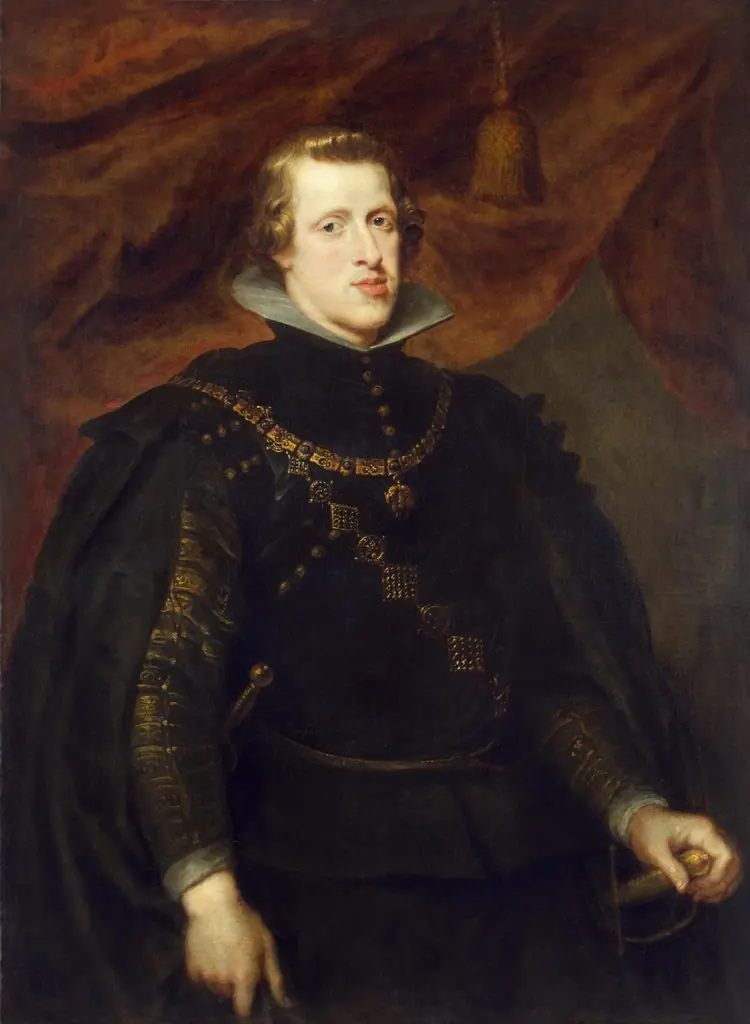
Portrait of Philip IV (1605-1665), King of Spain is an oil painting by the Flemish Baroque painting artist Peter Paul Rubens. It dates from 1628 and is held in the collection of the Kunsthaus Zürich.
About this work
Overview
Peter Paul Rubens painted a portrait of Philip IV, King of Spain, in 1628. Executed in oil on canvas, the work exemplifies the Flemish Baroque style for which Rubens is renowned. It is part of the permanent collection of the Kunsthaus Zürich.
Subject & Meaning
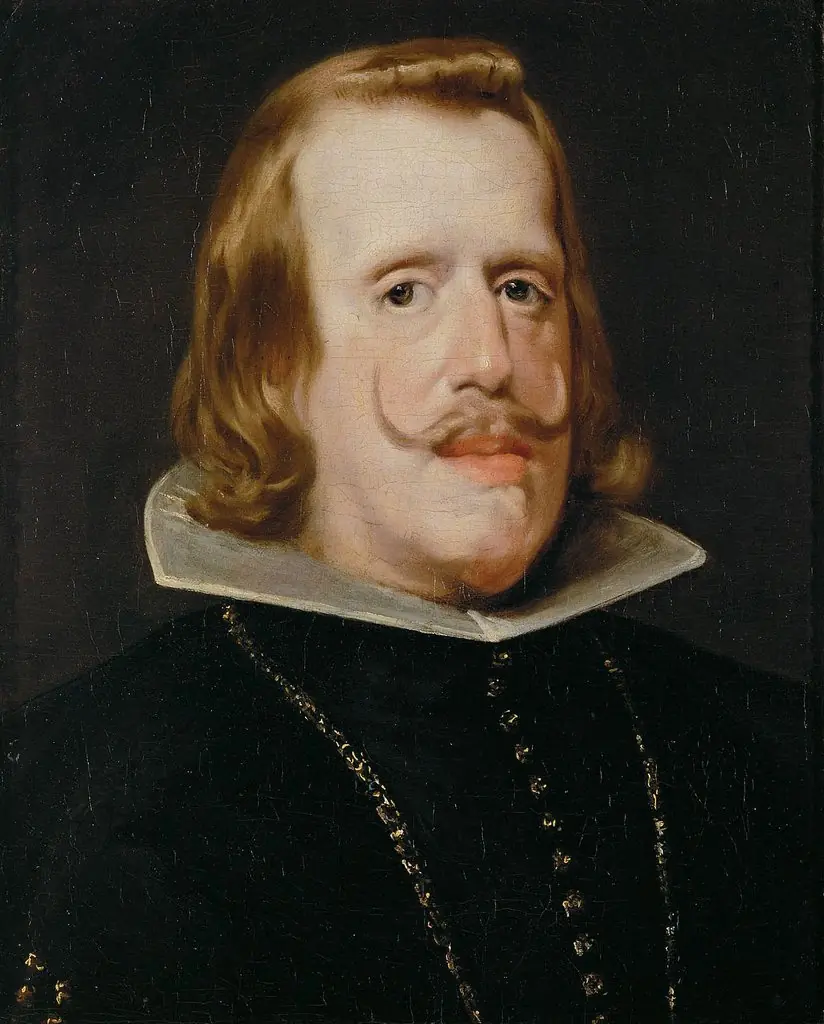
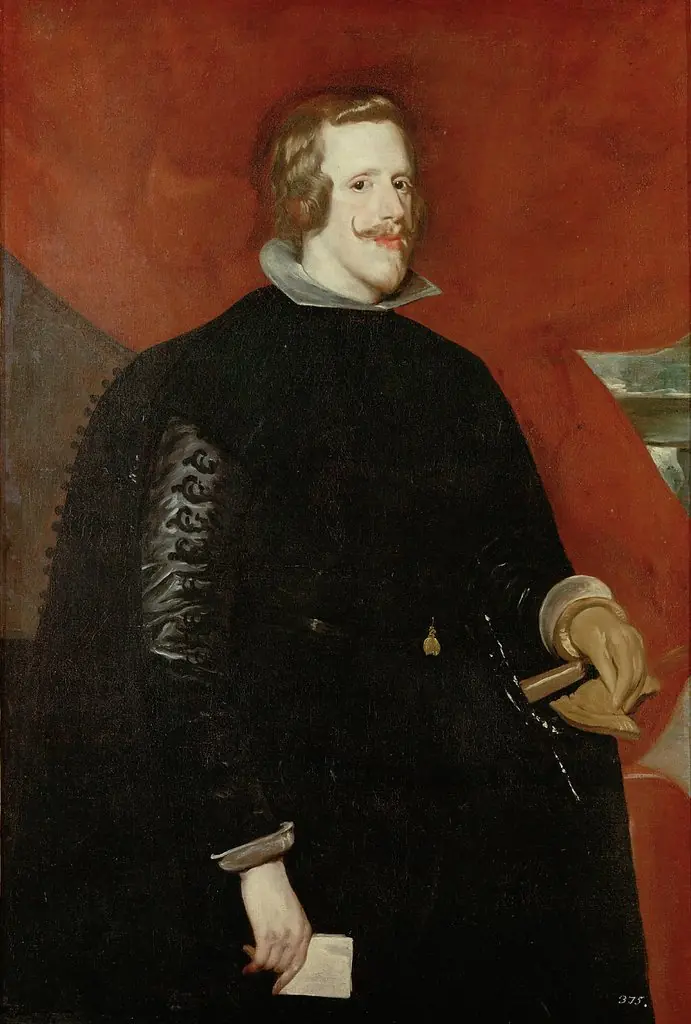
The sitter is Philip IV, shown with curly brown hair and a solemn expression. He wears a dark, elaborately embroidered robe trimmed with gold, complemented by a crisp white collar. The composition conveys the monarch’s authority and dignified bearing within a formal courtly context.
Technique & Style
Rubens employs the dramatic chiaroscuro and vigorous brushwork typical of Baroque painting, creating depth through contrast between the richly colored background and the illuminated figure. The meticulous rendering of the gold embroidery and the tactile quality of the fabric demonstrate his skillful handling of impasto.
History & Provenance
Created during Rubens’s diplomatic missions to Spain, the portrait entered the Kunsthaus Zürich’s holdings in the 20th century, where it remains on display. Its provenance reflects the artist’s role as both painter and envoy between the Spanish and Flemish courts.
Context
The portrait belongs to a period when Rubens produced a range of works—including altarpieces, landscapes, and historical scenes—while serving as a cultural intermediary. Its formal attire and sumptuous setting align with the visual language of royal portraiture in early‑17th‑century Europe.
Artist & collection
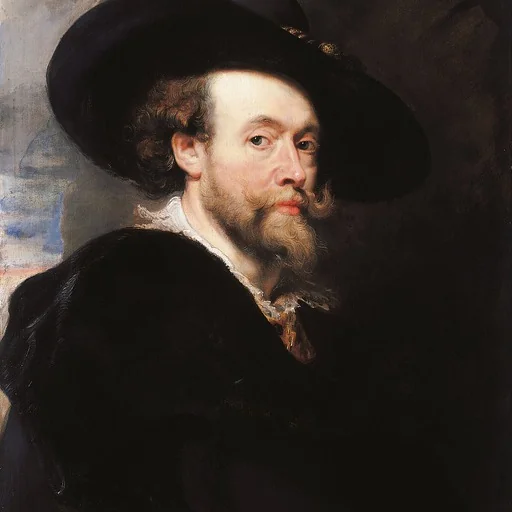
Artist
Sir Peter Paul Rubens ( ROO-bənz; Dutch: ; 28 June 1577 – 30 May 1640) was a Flemish artist and diplomat.