Artwork
Study for the Head of a Moorish King
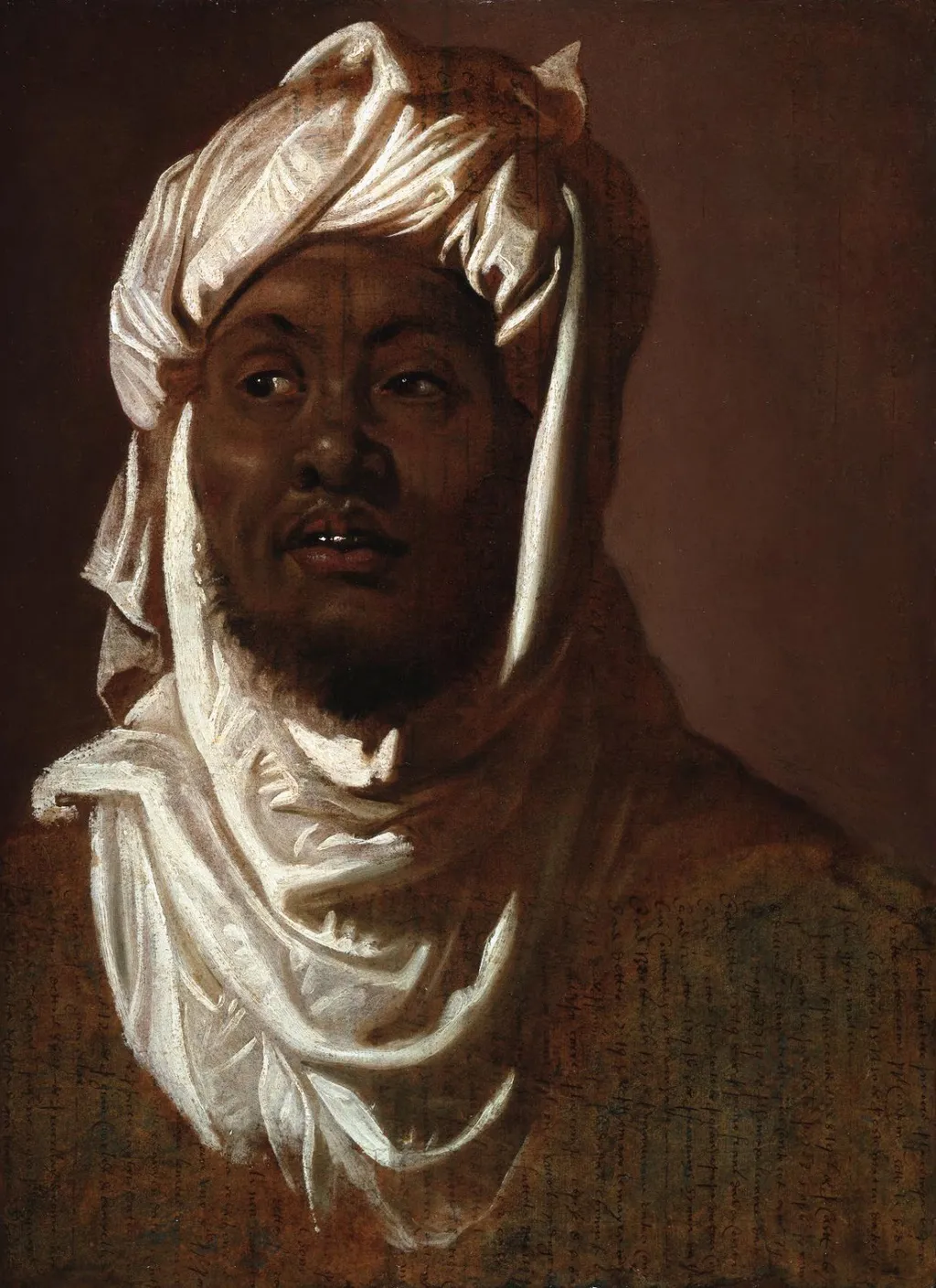
Study for the Head of a Moorish King is an oil painting by the Flemish Baroque painting artist Peter Paul Rubens. It dates from 1628 and is held in the collection of the J. Paul Getty Museum.
About this work
Overview
Peter Paul Rubens executed this oil study in 1628, producing a portrait of a man whose head and shoulders are rendered against a dark, brown‑toned background. The work focuses on the sitter’s face, turned slightly left, and a white turban that dominates the composition, showcasing Rubens’s skill in rendering texture and light.
Subject & Meaning
The figure is presented as a Moorish king, indicated by the elaborate turban and the dignified bearing of the sitter. Rubens’s choice reflects his interest in portraying a range of cultural types drawn from classical and Christian narratives, offering a glimpse of the exotic within his broader artistic concerns.
Technique & Style
Rubens employs chiaroscuro to model the head, contrasting illuminated areas with deep shadows to suggest volume. Fine glazing creates a luminous quality on the turban’s folds, while meticulous brushwork captures the fabric’s texture. The composition exemplifies the dynamic, richly colored approach characteristic of Flemish Baroque painting.
History & Provenance
The study is part of the collection of the J. Paul Getty Museum. Created during Rubens’s mature period, it reflects his dual role as artist and diplomat, a time when he frequently produced preparatory works for larger commissions.
Context
Within Rubens’s oeuvre, the portrait aligns with his series of studies of non‑European figures, which he used to inform larger narrative paintings. The work illustrates the Baroque fascination with dramatic lighting and the representation of diverse peoples in European art.
Artist & collection
Artist
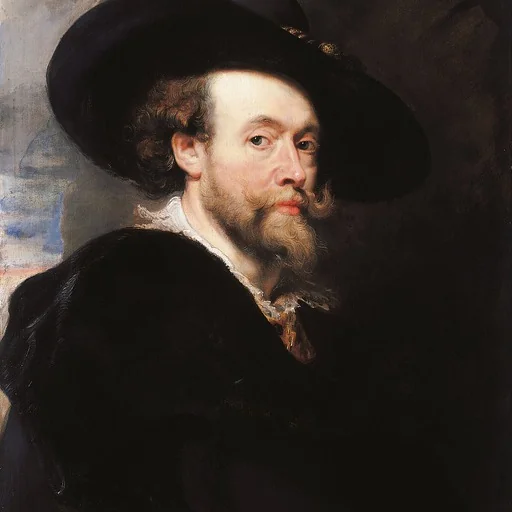
Sir Peter Paul Rubens ( ROO-bənz; Dutch: ; 28 June 1577 – 30 May 1640) was a Flemish artist and diplomat.

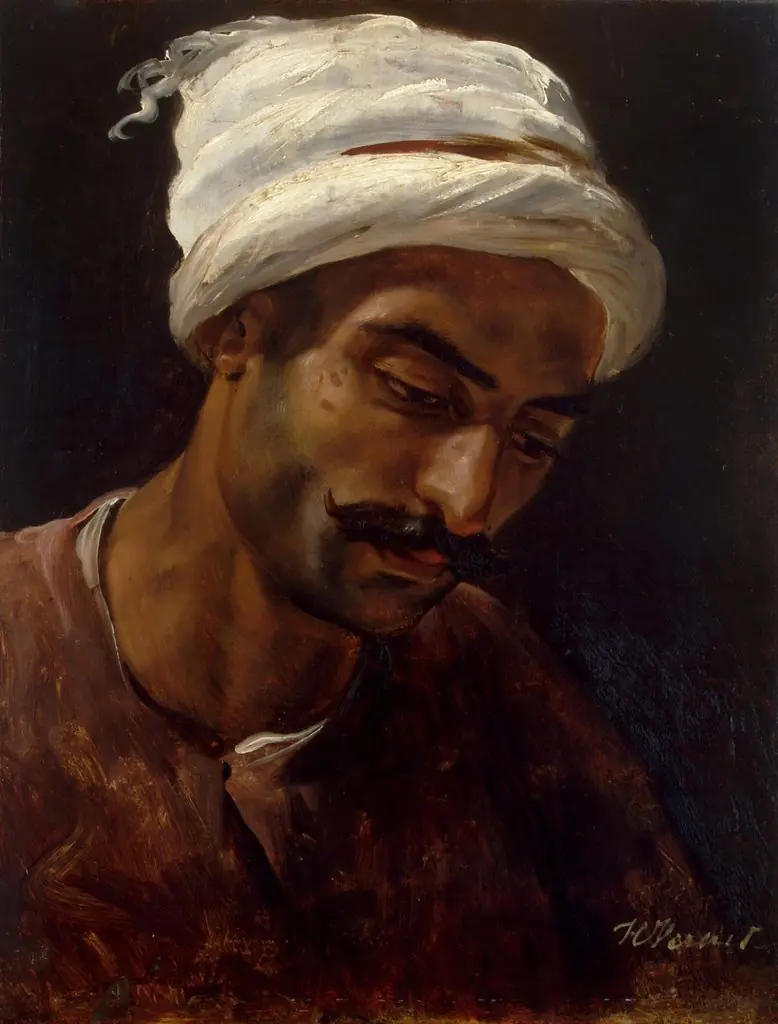 Head of an Arab
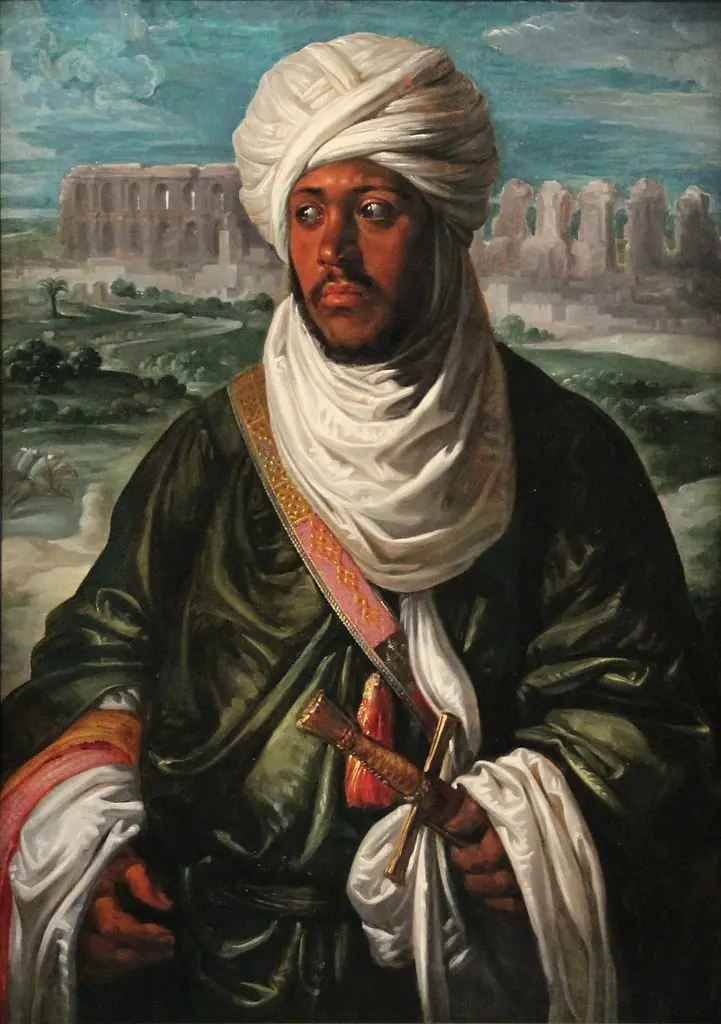 Portrait of Mulay Ahmad
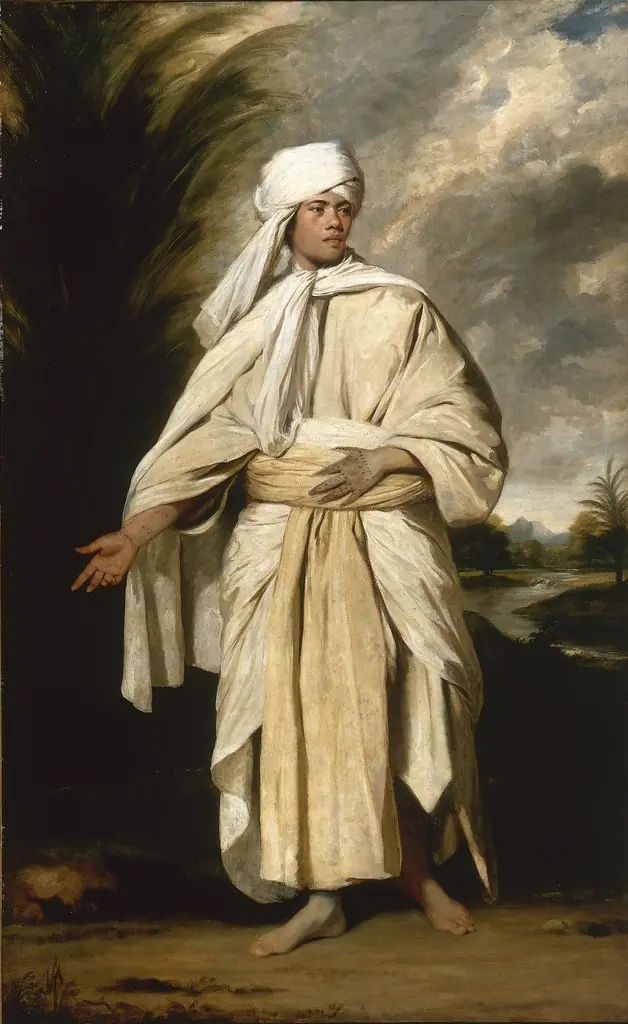 Portrait of Omai
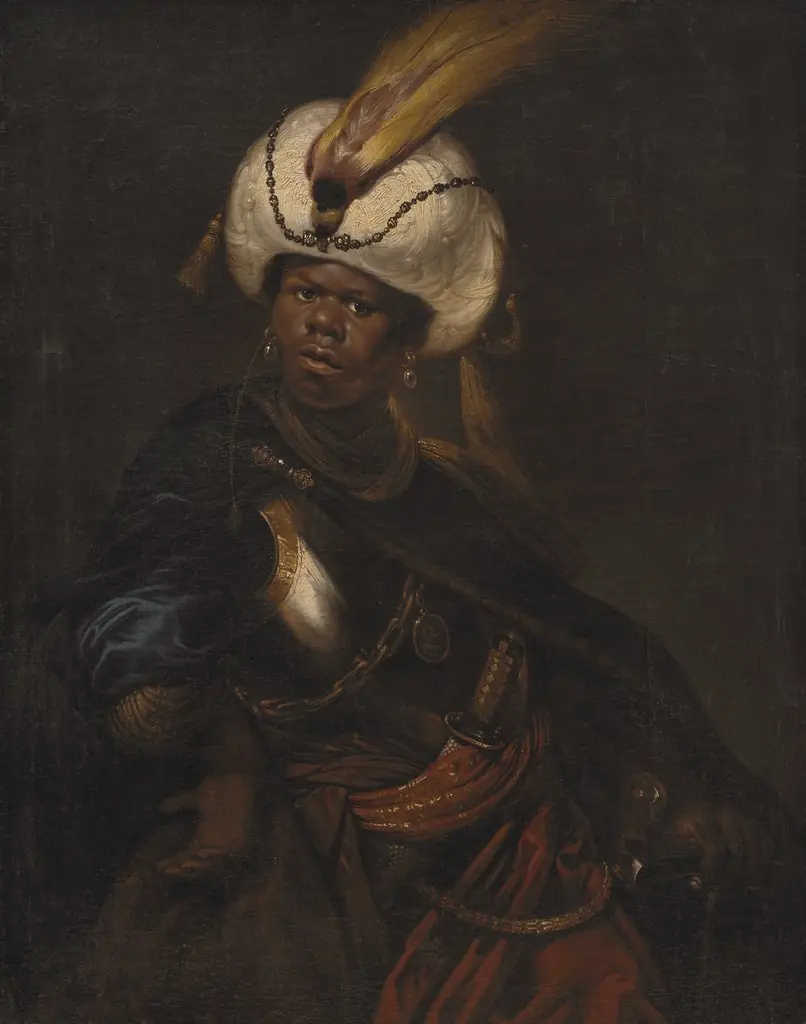 A Man Wearing a Turban and Armour
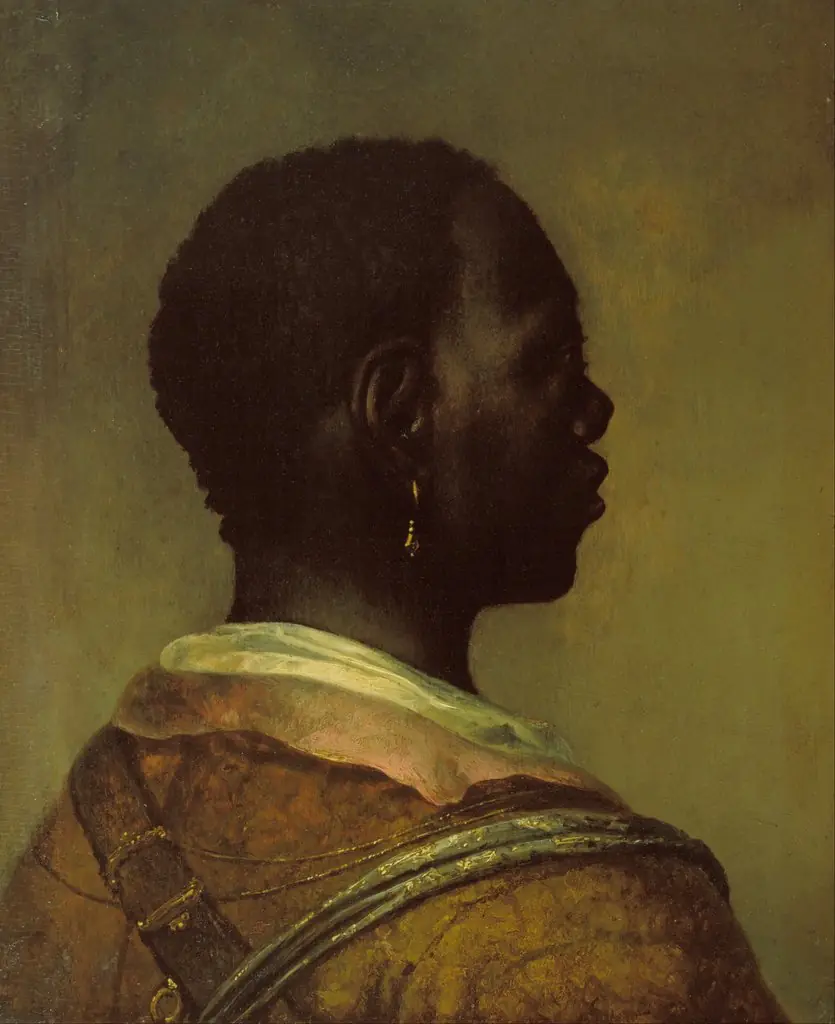 Head of a Black Man
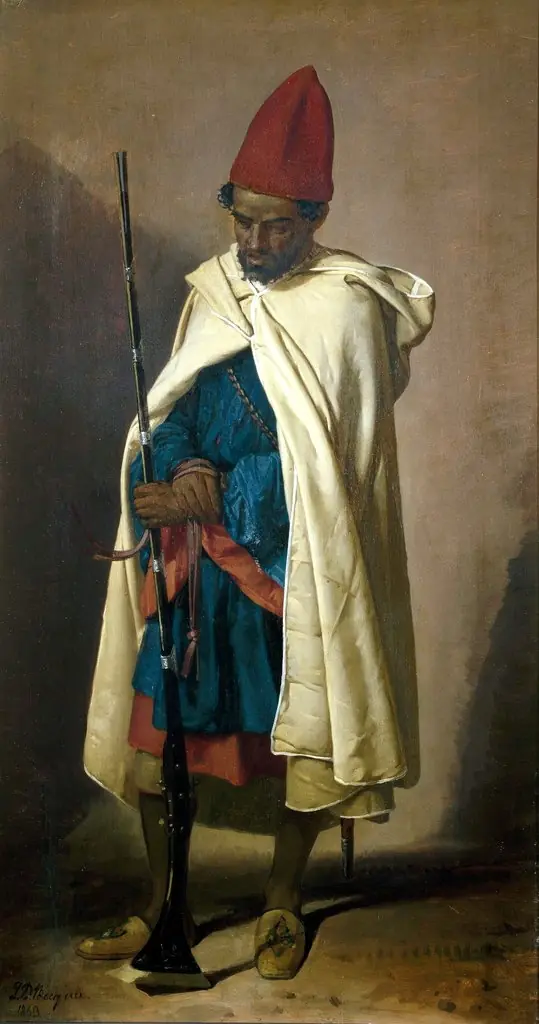 Moor
Moor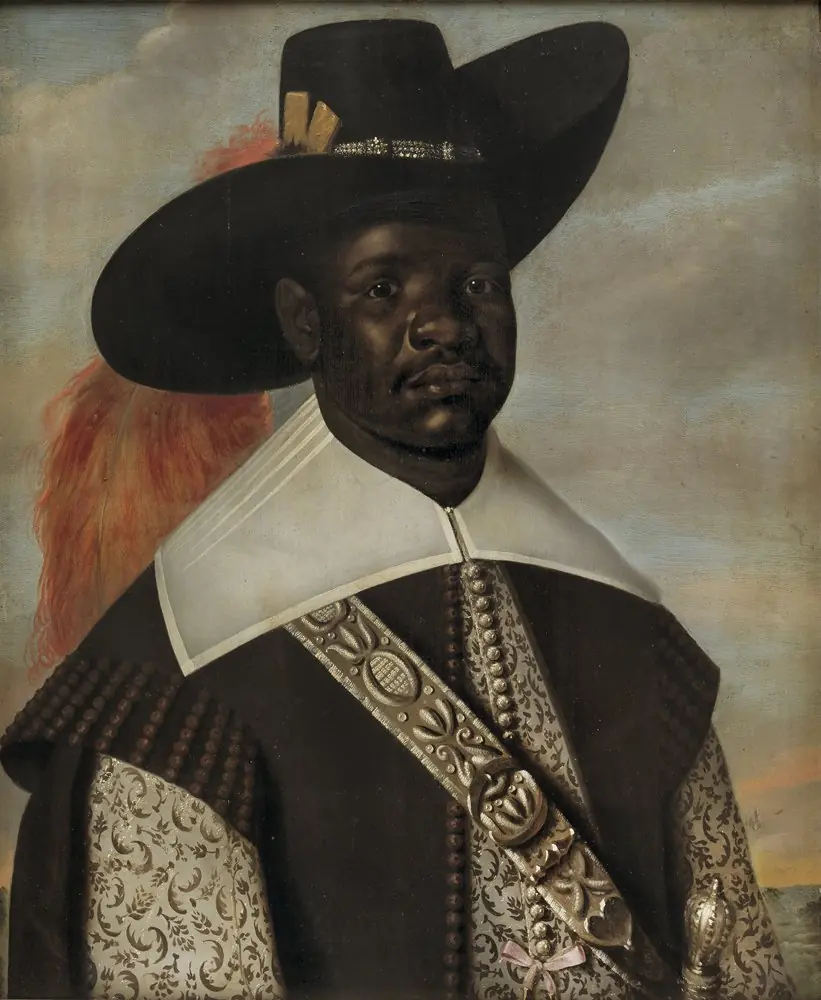 Don Miguel de Castro, Emissary of Congo
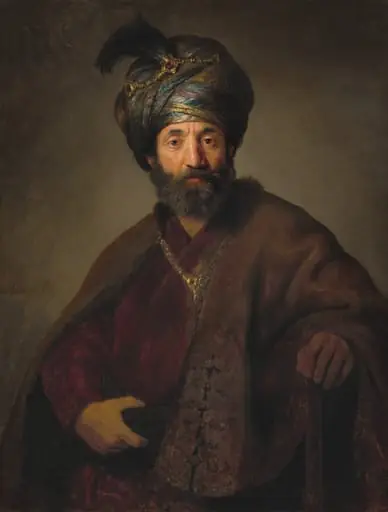 Man in Oriental Costume
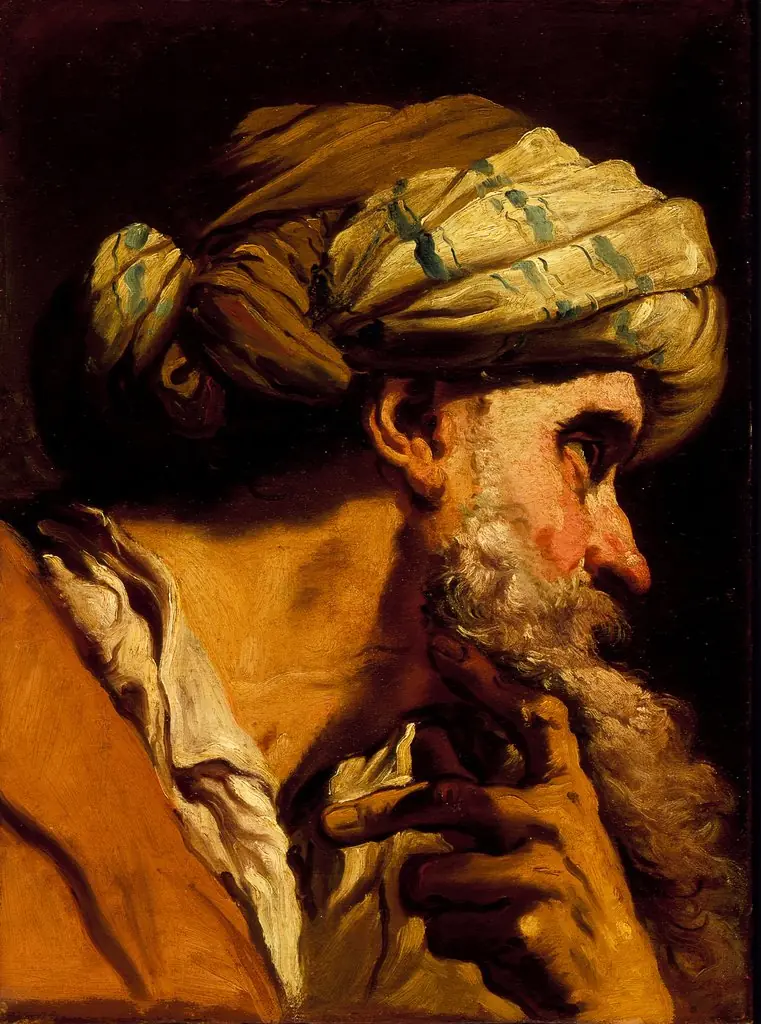 Study of an Oriental Head for 'The Marriage at Cana'
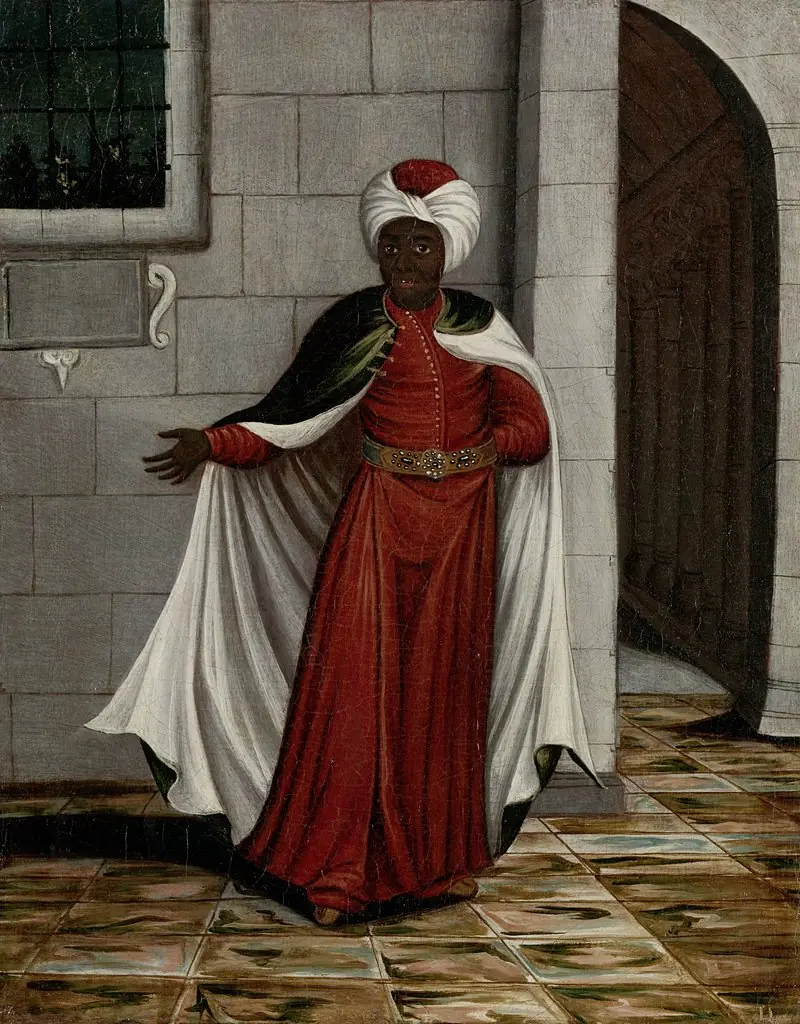 The Kislar Aghassi, Chief of the Black Eunuchs of the Sultan
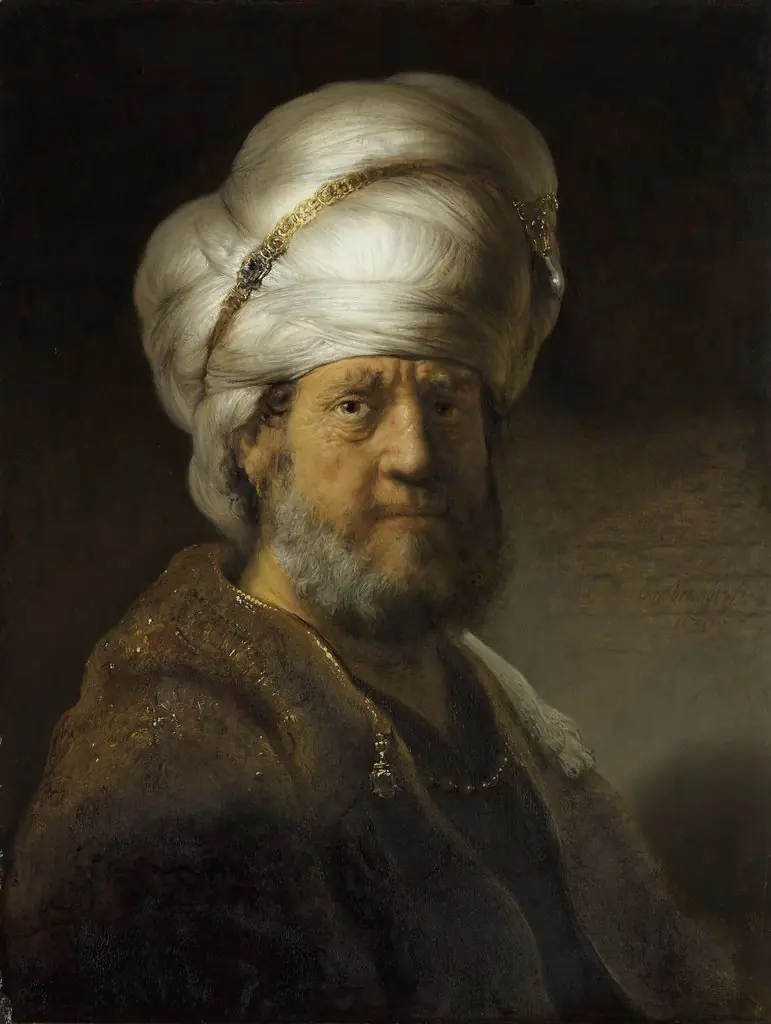 Man in Oriental Dress
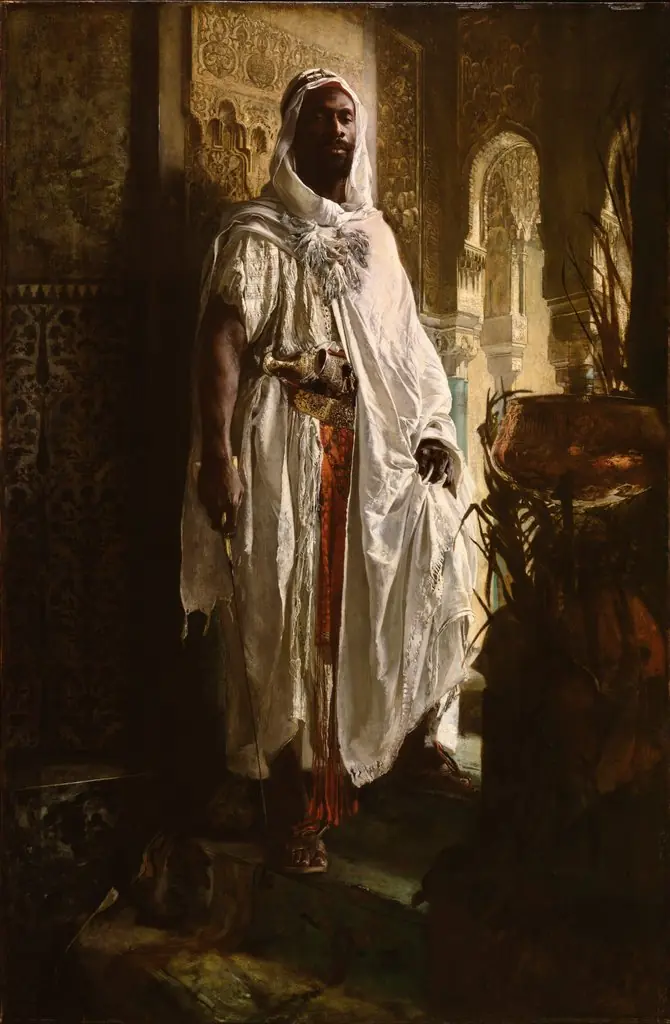 The Moorish Chief