Artwork
Portrait of Omai
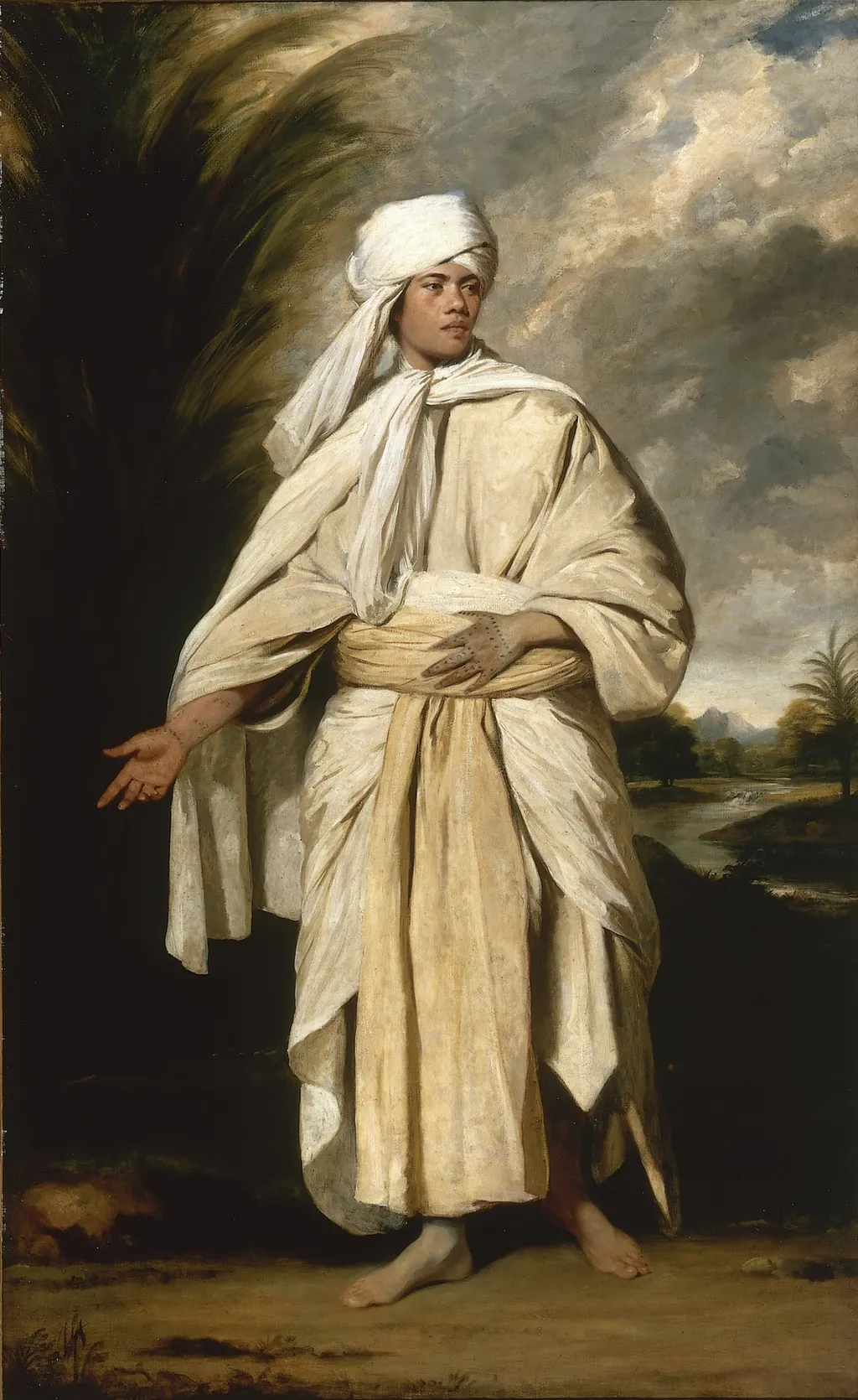
Portrait of Omai is an oil painting by the Rococo painting artist Joshua Reynolds. It dates from 1788 and is held in the collection of the National Portrait Gallery.
About this work
Reynolds chose Omai as his subject, reflecting the era’s fascination with far‑away travelers.
Portrait of Omai is a formal oil painting by Sir Joshua Reynolds, finished around 1776. The work shows Omai, a Polynesian visitor who traveled to Britain in the eighteenth century. It was created with oil paint on canvas, a common medium for Reynolds’s portraits.
The painting is part of the collection at the J. Paul Getty Museum, where it is displayed among other works from the same period. Reynolds chose Omai as his subject, reflecting the era’s fascination with far‑away travelers.
Next, check out the museum: J. Paul Getty Museum.
Overview
Painted around 1776, this oil-on-canvas portrait depicts Omai, a Polynesian man from the Society Islands who traveled to England in the 1770s. Commissioned by Sir Joseph Banks, it was executed by Sir Joshua Reynolds, a leading British portraitist of the time. The work belongs to the J. Paul Getty Museum’s collection and stands as one of the few large-scale European portraits of a Pacific Islander from the 18th century.
Subject & Meaning
Omai, also known as Mai, was brought to London after accompanying Captain James Cook’s second voyage. Reynolds portrayed him not as a curiosity but with dignity, dressed in a blend of European and Polynesian attire. The pose and setting suggest nobility, reflecting Enlightenment-era interest in cross-cultural exchange, though the image also reveals the era’s complex views on race and exoticism.
Technique & Style
Reynolds employed his signature academic style, using layered oil glazes to render texture and light with precision. The background is softly blurred, drawing focus to Omai’s poised figure and expressive face. The rich fabrics and subtle modeling reflect his training in the Grand Manner tradition, while the inclusion of a spear and distant landscape hints at his origins without overt exoticism.
History & Provenance
Commissioned by Sir Joseph Banks, the painting was completed in 1776 and remained in British private collections for over two centuries. It passed through several notable owners before being acquired by the J. Paul Getty Museum in 1980. Its journey from London drawing rooms to a major American institution reflects shifting attitudes toward colonial-era portraiture and global representation.
Context
Omai’s presence in Britain coincided with heightened European interest in Pacific exploration. His arrival sparked public fascination, and Reynolds’s portrait became part of a broader cultural moment in which foreign visitors were displayed as symbols of scientific curiosity and imperial reach. The painting sits at the intersection of ethnographic interest and aristocratic patronage.
Legacy
The portrait remains a significant artifact of 18th-century cross-cultural encounter. While it reflects the limitations of its time—framing Omai through a European lens—it also challenges simplistic narratives by presenting him with psychological depth. Today, it invites critical dialogue about representation, agency, and the role of art in colonial histories.
Artist & collection
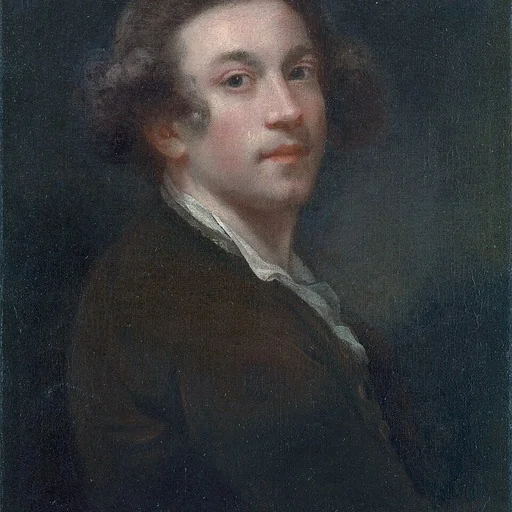
Artist
Sir Joshua Reynolds (16 July 1723 – 23 February 1792) was an English painter who specialised in portraits.

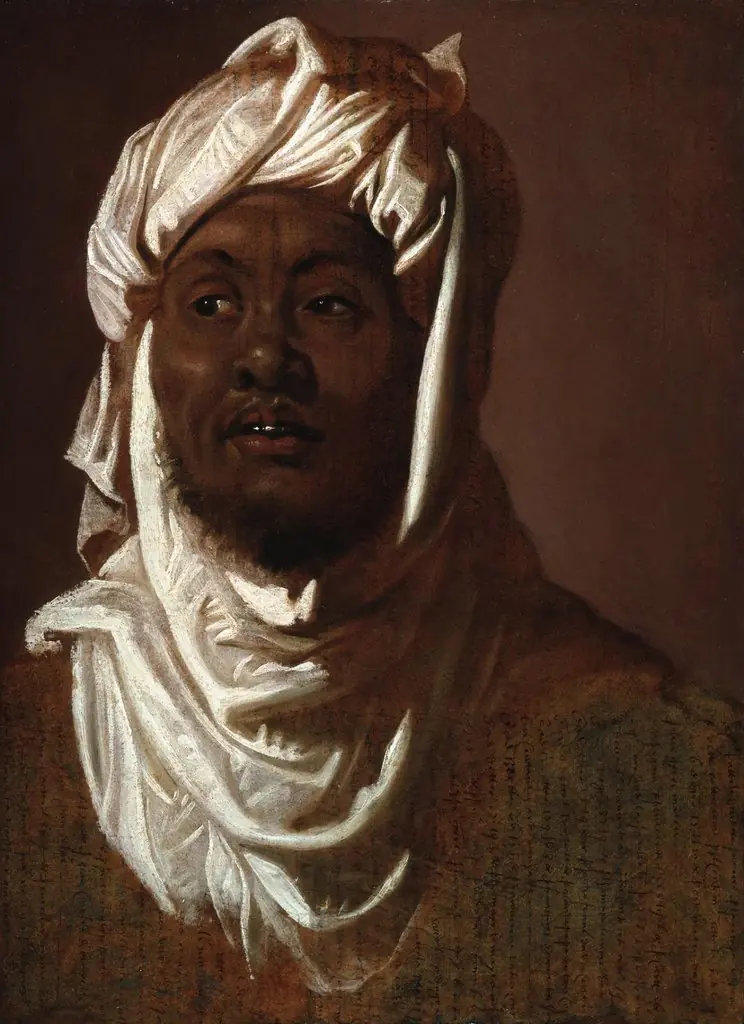 Study for the Head of a Moorish King
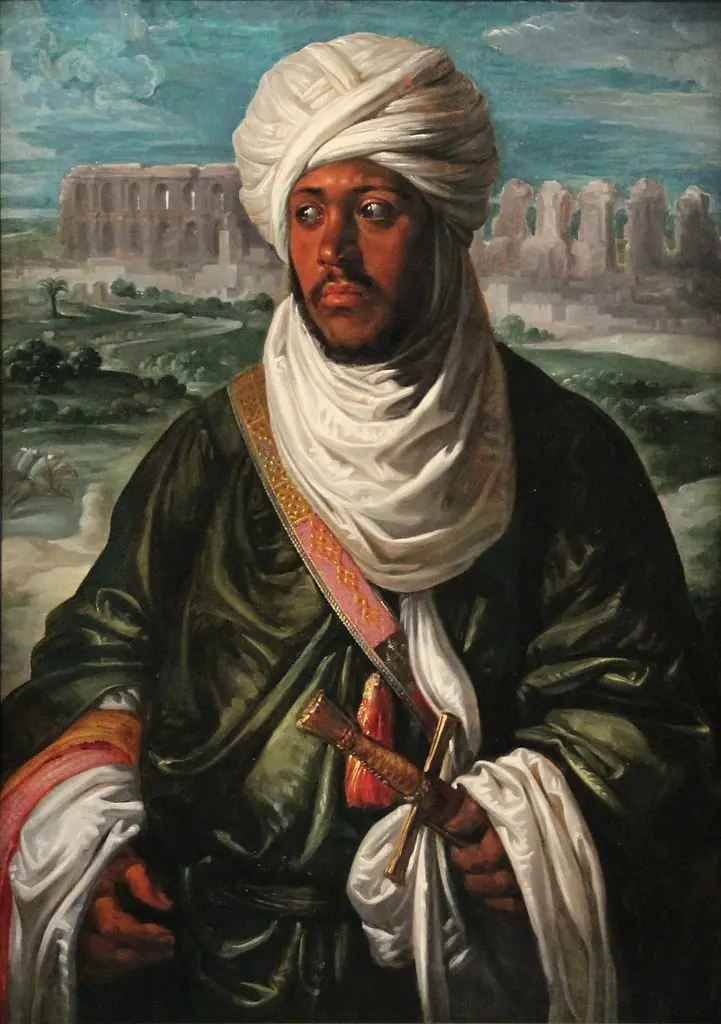 Portrait of Mulay Ahmad
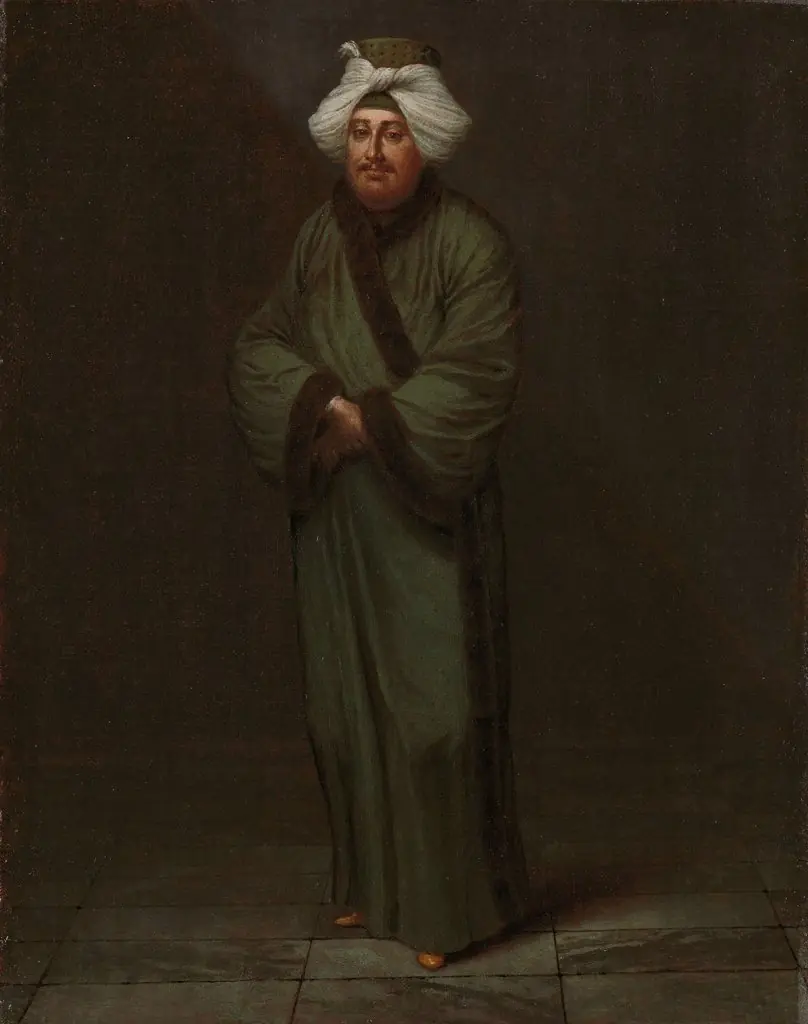 Mehmet, the vizir kâhyasi
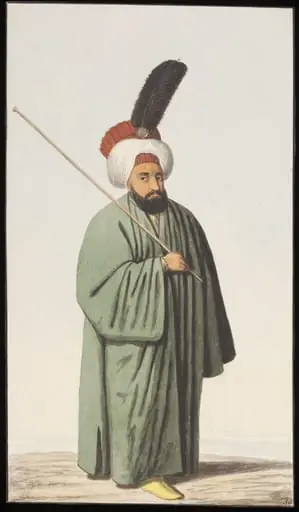 Basçavus, or Palace Usher
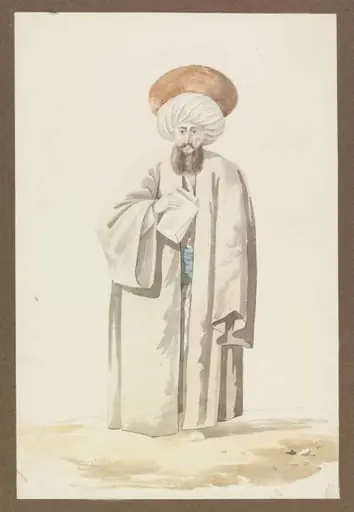 A Religious Dignitary
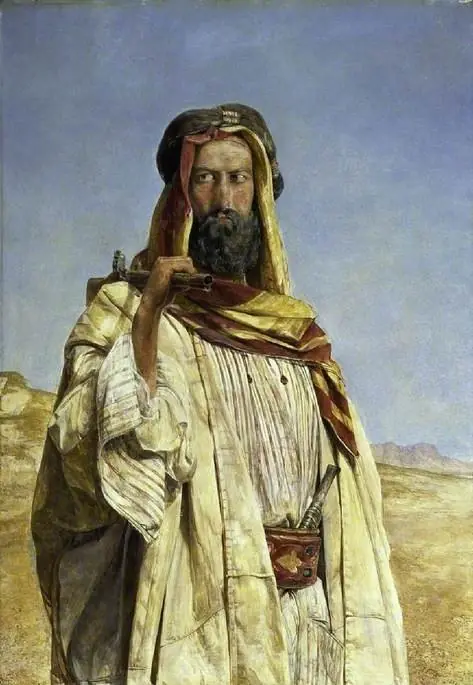 A Syrian Sheik, Egypt
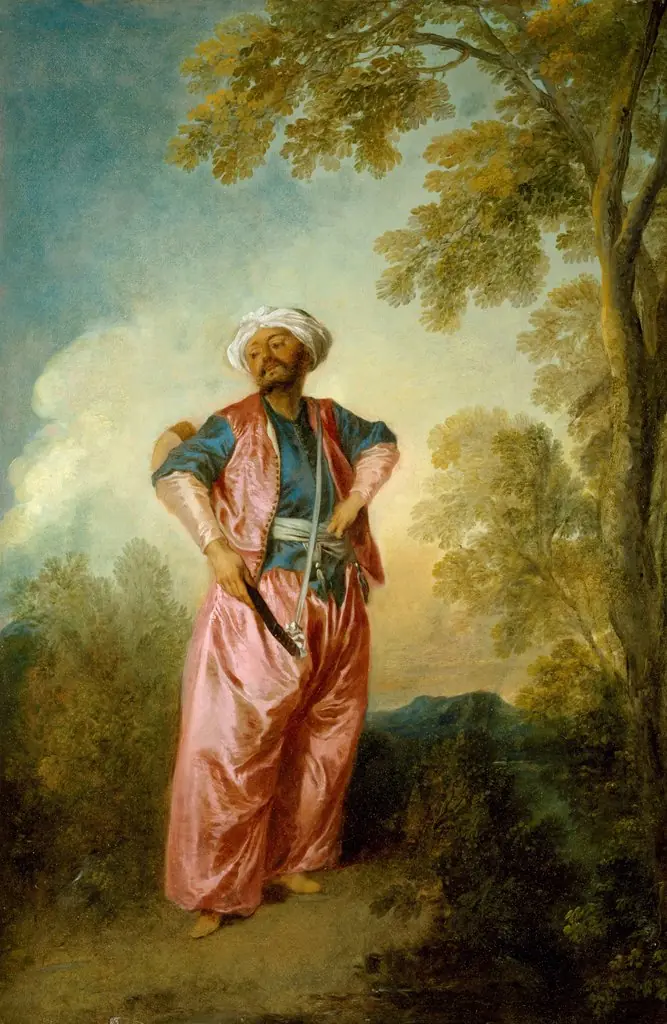 The Amorous Turk
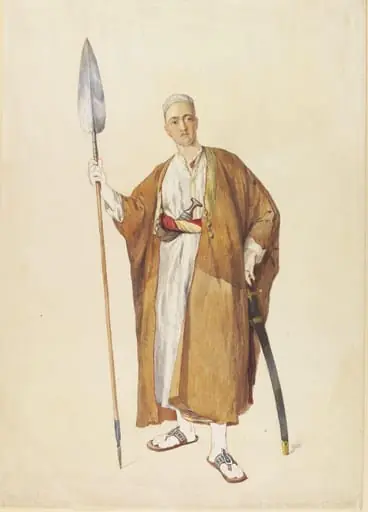 Vika Viswahali. Dress of an (E) Mswahali of Zanzibar - About 1866. Arthur Ackland Hunt
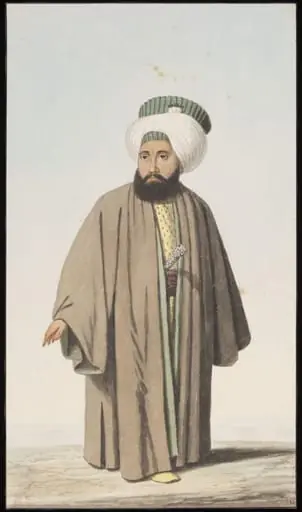 Defterdar, or Minister of Finance
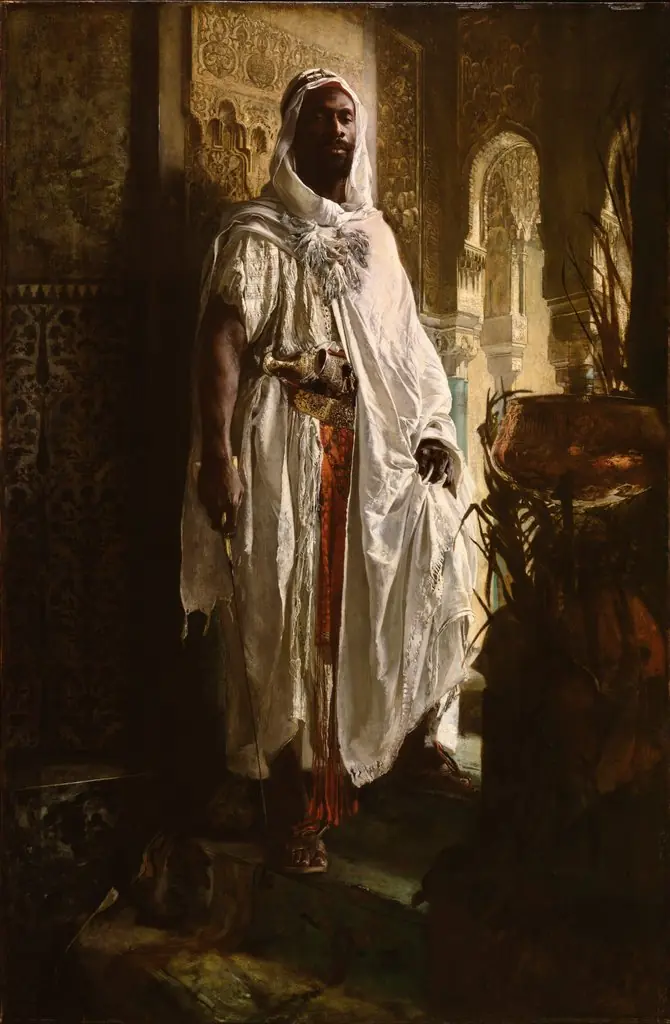 The Moorish Chief
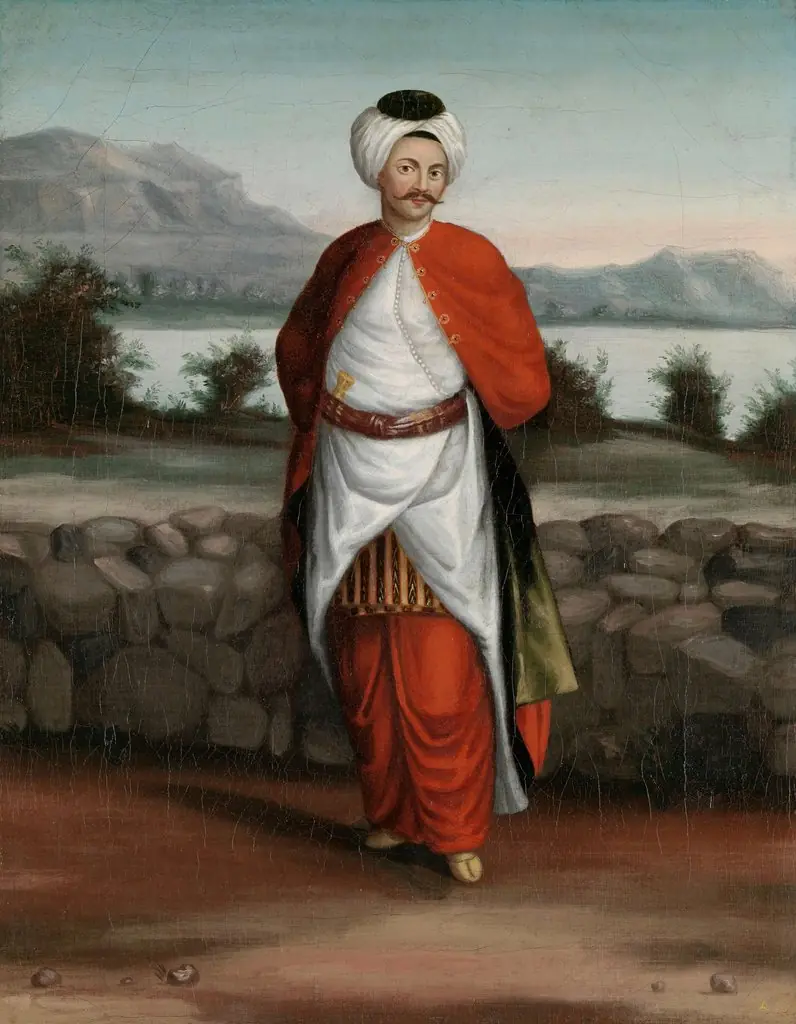 Choadar, Servant of the Ambassador
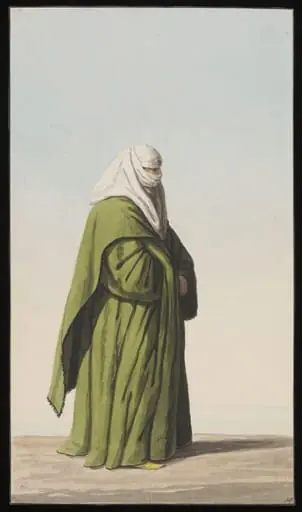 A veiled Turkish woman