Artwork
The Rape of Hippodamia
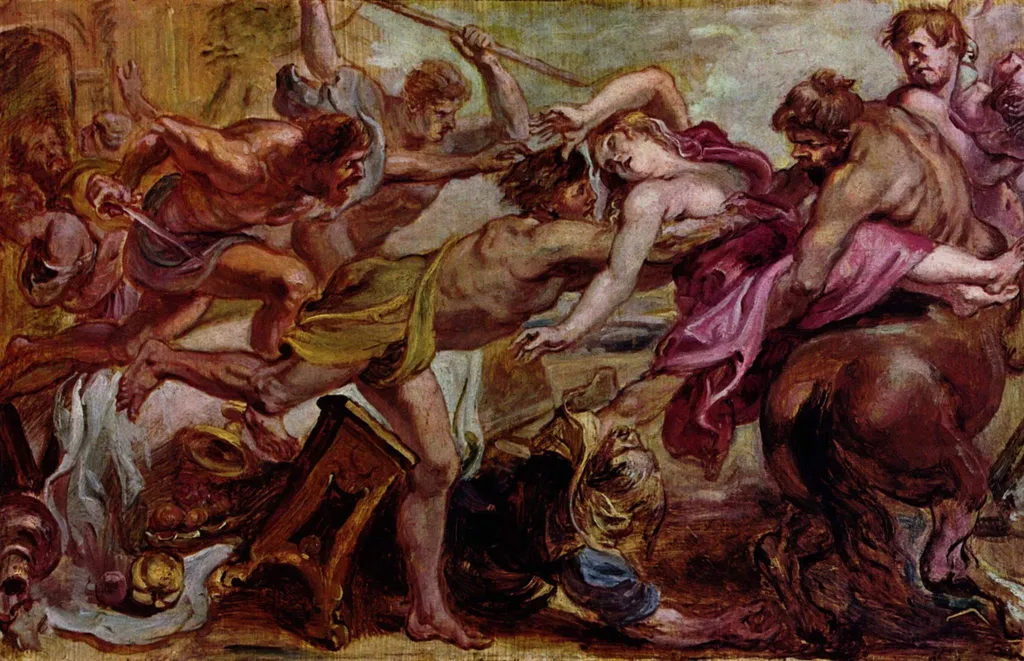
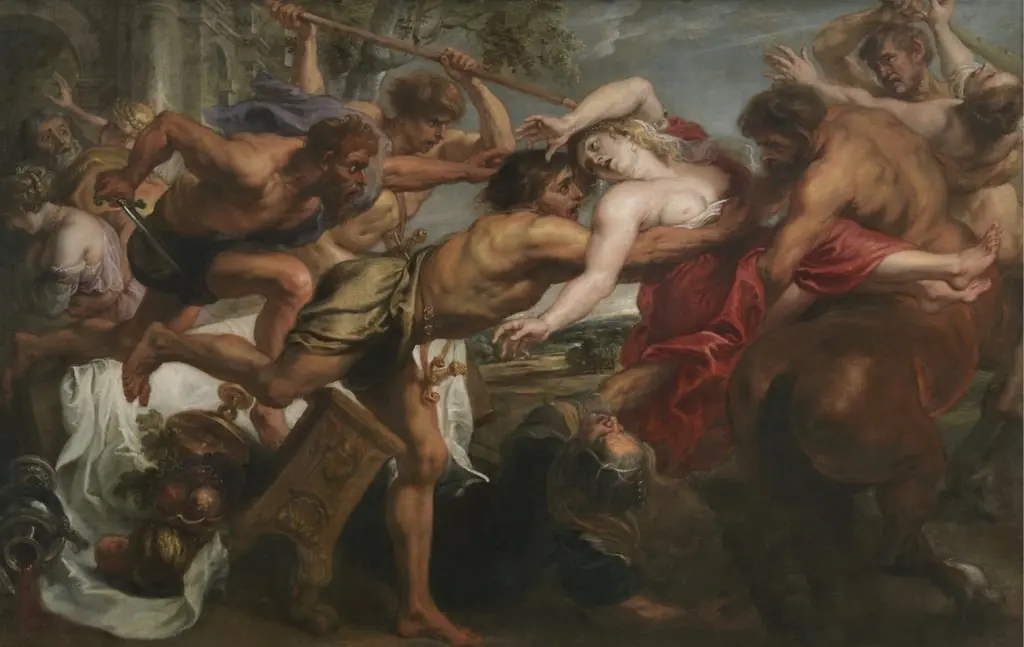
The Rape of Hippodamia is an oil painting by the Flemish Baroque painting artist Peter Paul Rubens. It dates from 1637 and is held in the collection of the Royal Museums of Fine Arts of Belgium.
About this work
Overview
The Rape of Hippodamia is a 1637 oil painting by Peter Paul Rubens, falling within his series of mythological history paintings. It exemplifies the Flemish Baroque style through its energetic composition, vibrant palette, and intense dynamism.
Subject & Meaning
The painting depicts a chaotic mythological scene centered on Hippodamia, involving a centaur and multiple figures in turmoil. The subject matter draws from classical mythology, with the composition emphasizing struggle and movement.
Technique & Style
Characterized by thick, expressively applied paint (impasto) and uneven color mixing, the work embodies the lively, dynamic qualities of Flemish Baroque. The rough, textured brushstrokes and blended colors enhance the scene's energy.
History & Provenance
Created in 1637, The Rape of Hippodamia is part of the Royal Museums of Fine Arts of Belgium's collection, highlighting its significance within Rubens' oeuvre and Flemish art heritage.
Context
As a Flemish Baroque piece, it reflects the period's artistic preferences for dramatic, emotionally charged, and highly expressive works, often inspired by classical themes.
Legacy
While the painting's direct influence is not broadly documented, it contributes to the broader legacy of Rubens' mythological works, influencing subsequent generations in depicting dynamic, emotionally intense scenes from mythology.
Own this work as a print
Artist & collection
Artist
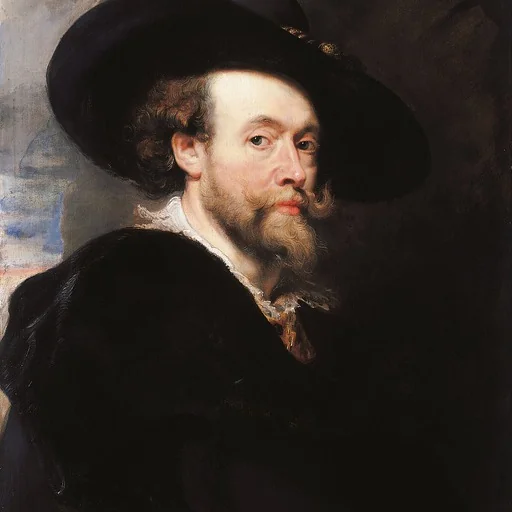
Sir Peter Paul Rubens ( ROO-bənz; Dutch: ; 28 June 1577 – 30 May 1640) was a Flemish artist and diplomat.

Museum
Royal Museums of Fine Arts of Belgium
Continue through works from the same source collection.