Artwork
The Rape of Europe
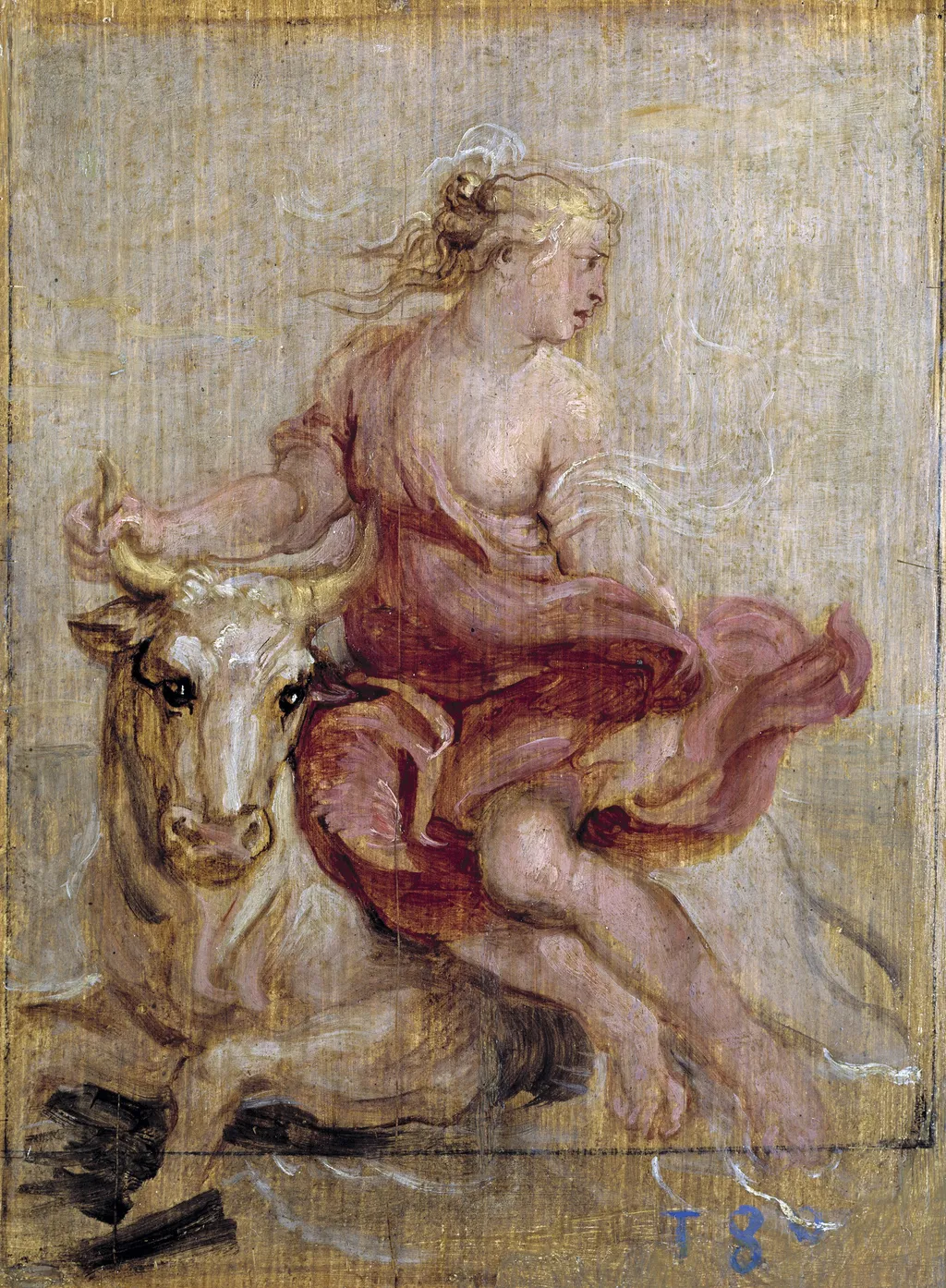
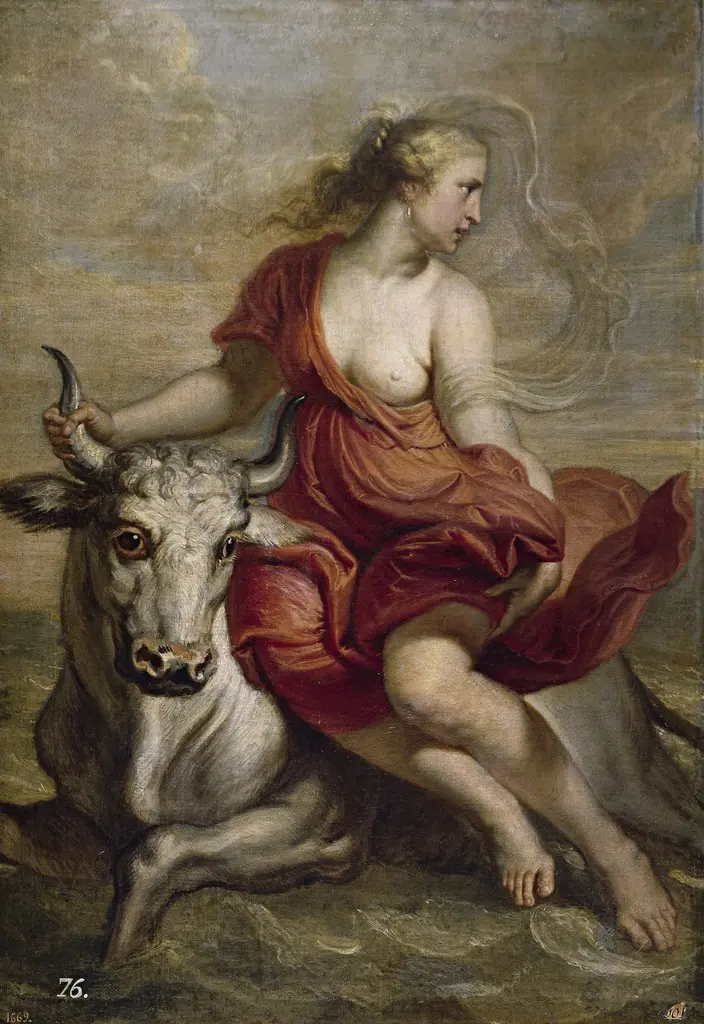
The Rape of Europe is an oil painting by the Flemish Baroque painting artist Peter Paul Rubens. It dates from 1636 and is held in the collection of the Museo del Prado.
About this work
Overview
Created in 1636 by the Flemish painter and diplomat Peter Paul Rubens, this oil on canvas illustrates the classical tale of Europa’s abduction. Executed in the vigorous Flemish Baroque idiom, the composition captures a moment of intense motion, with the heroine clinging to a charging bull against a plain, golden‑brown backdrop. The work is part of the Museo del Prado’s permanent collection.
Subject & Meaning
The painting visualizes the myth in which Zeus, transformed into a bull, seizes the Phoenician princess Europa and carries her away. Rubens emphasizes the tension between the creature’s raw power and Europa’s desperate grip, suggesting both the divine force of the god and the human vulnerability of the mortal figure.
Technique & Style
Rubens employs a thick impasto to render the bull’s muscular torso and the swirling folds of Europa’s garment, giving the forms a tactile, almost three‑dimensional presence. The palette is dominated by warm earth tones, while the dynamic brushwork and dramatic chiaroscuro heighten the sense of movement characteristic of Baroque painting.
History & Provenance
After its completion, the canvas entered various private collections before being acquired by the Spanish national museum in the 19th century. It now resides in the Prado, where it is displayed among other works that illustrate Rubens’ engagement with classical mythology and his influence on European art.
Own this work as a print
Artist & collection
Artist
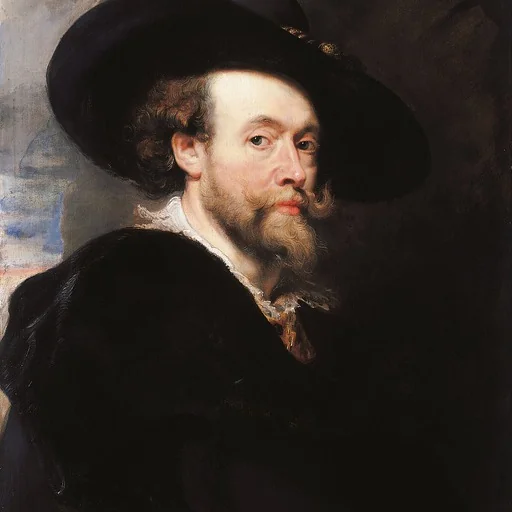
Sir Peter Paul Rubens ( ROO-bənz; Dutch: ; 28 June 1577 – 30 May 1640) was a Flemish artist and diplomat.