Artwork
The Triumph of the Eucharist over Philosophy and Science
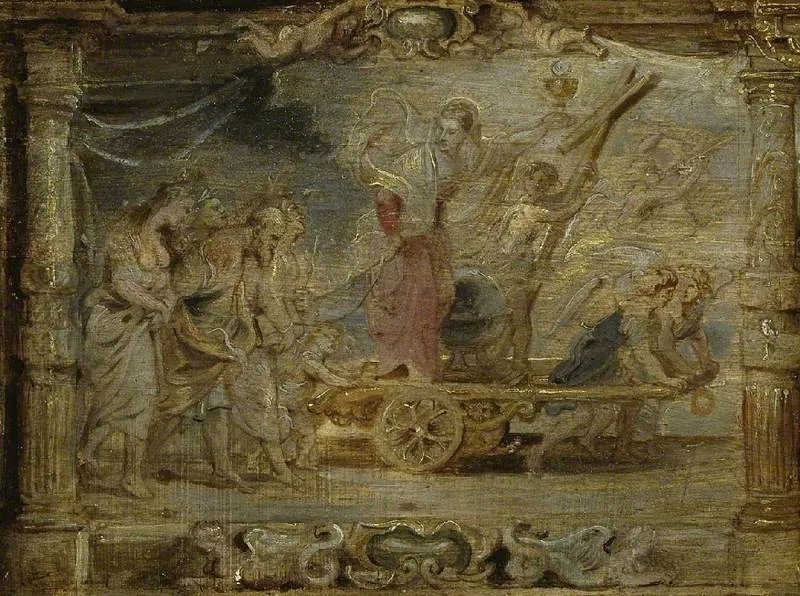
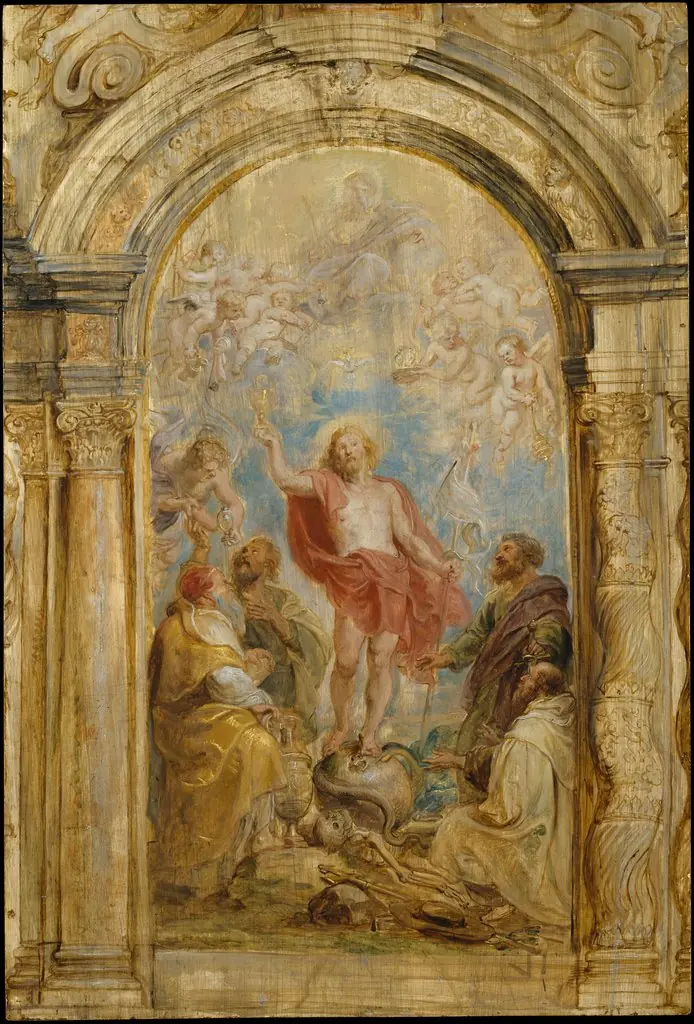
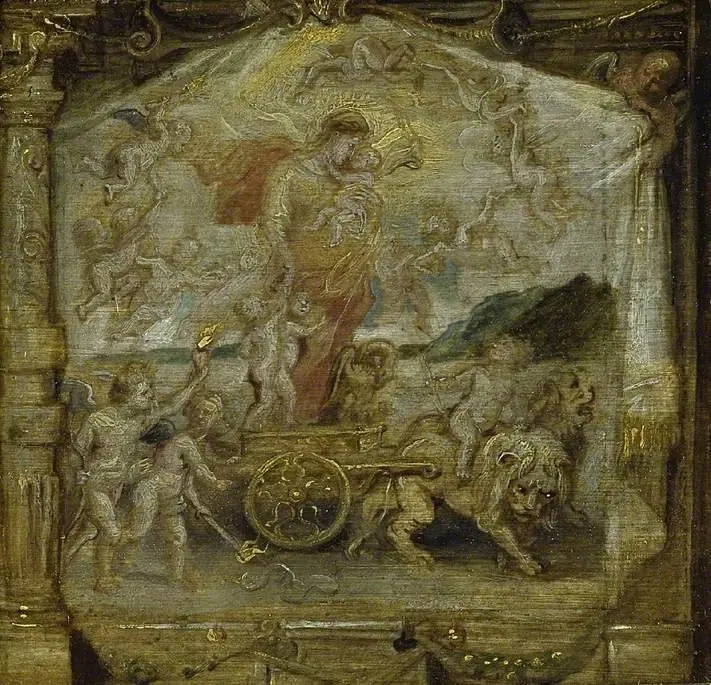
The Triumph of the Eucharist over Philosophy and Science is an oil painting by Peter Paul Rubens. It is held in the collection of the Fitzwilliam Museum.
About this work
Overview
Around 1650, Peter Paul Rubens painted The Triumph of the Eucharist over Philosophy and Science, an oil work now in the Fitzwilliam Museum. The composition centers on a chariot drawn by two horses, surrounded by a crowd of figures beneath a sky filled with clouds. Rubens employs his hallmark dynamism and rich coloration to convey a narrative steeped in religious symbolism.
Subject & Meaning
The scene celebrates the triumph of the Catholic sacrament of the Eucharist over the realms of philosophy and science, reflecting Counter‑Reformation ideals. The chariot, likely representing the Eucharist, is flanked by allegorical figures who embody the defeat of secular knowledge, underscoring the era’s emphasis on the supremacy of faith.
Technique & Style
Rubens’ brushwork renders the folds of garments and the horses’ manes with meticulous detail, while a muted palette of browns and golds creates a cohesive tonal harmony. Subtle chiaroscuro models the figures, lending a three‑dimensional presence that heightens the painting’s dramatic impact.
History & Provenance
Created during Rubens’ late period, the work entered the collection of the Fitzwilliam Museum, where it remains on display. Its provenance traces back to the artist’s own workshop, illustrating the continued patronage of religious commissions in the mid‑17th‑century Flemish context.
Context
The painting belongs to the broader Counter‑Reformation movement, which encouraged vivid, emotionally charged imagery to reaffirm Catholic doctrine. Rubens, both a painter and diplomat, infused his work with classical references while aligning with the Church’s call for visual persuasion.
Artist & collection
Artist
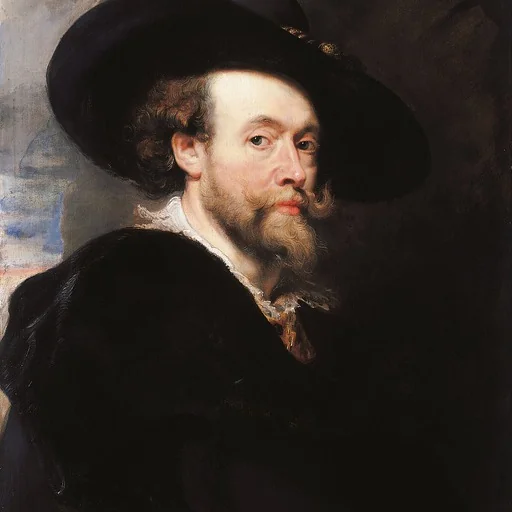
Sir Peter Paul Rubens ( ROO-bənz; Dutch: ; 28 June 1577 – 30 May 1640) was a Flemish artist and diplomat.

 The Triumph of Divine Love
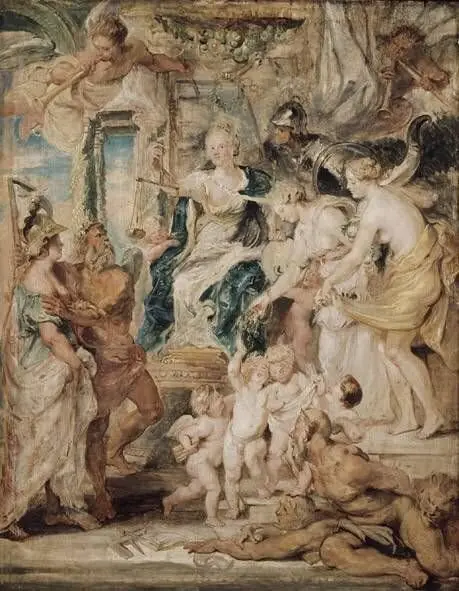 The Felicity of the Regency
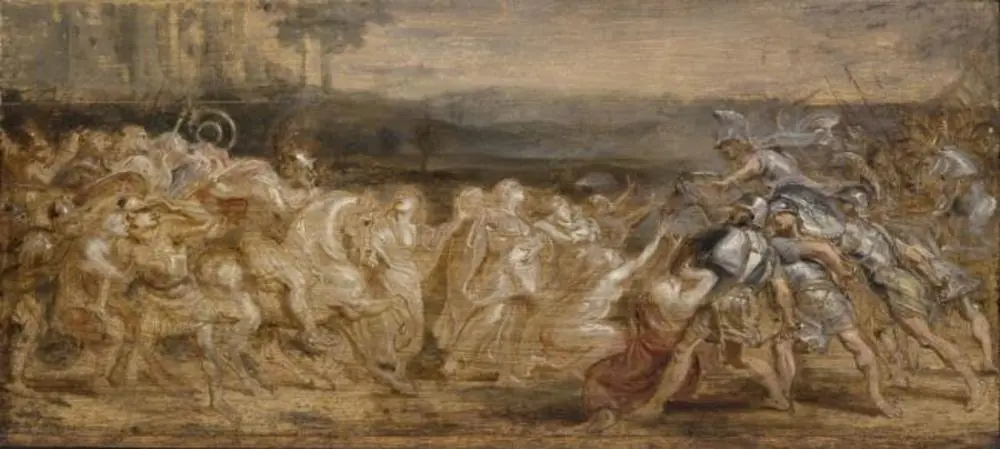 The Reconciliation of the Romans and Sabines
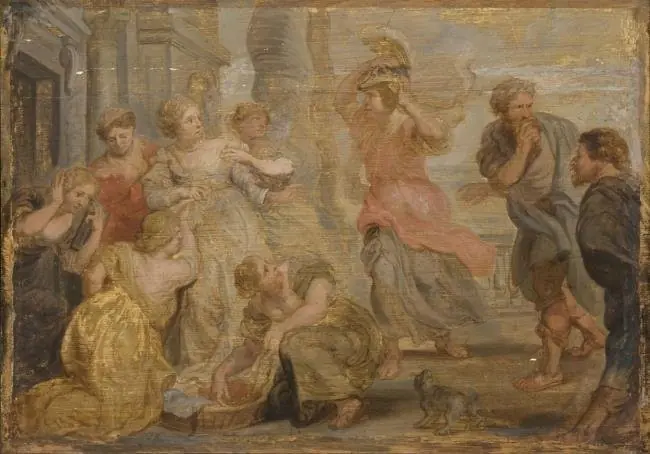 Achilles Discovered among the Daughters of Lycomedes
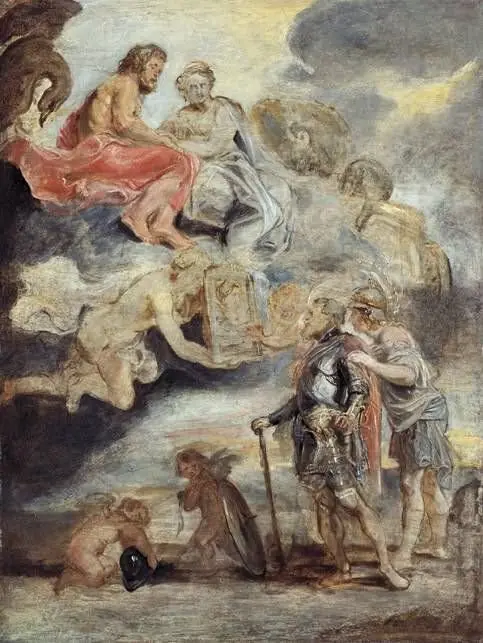 Minerva presents the portrait of Maria de' Medici to King Henry IV of France (sketch)
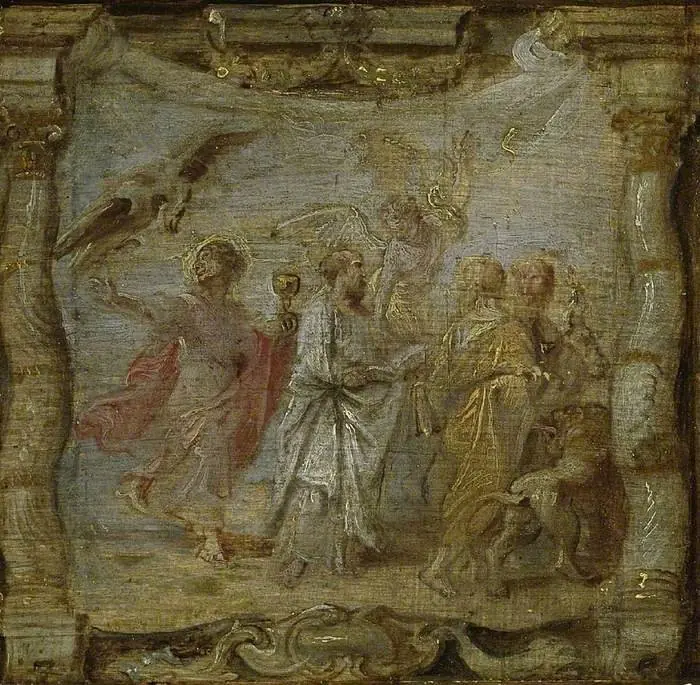 The Four Evangelists
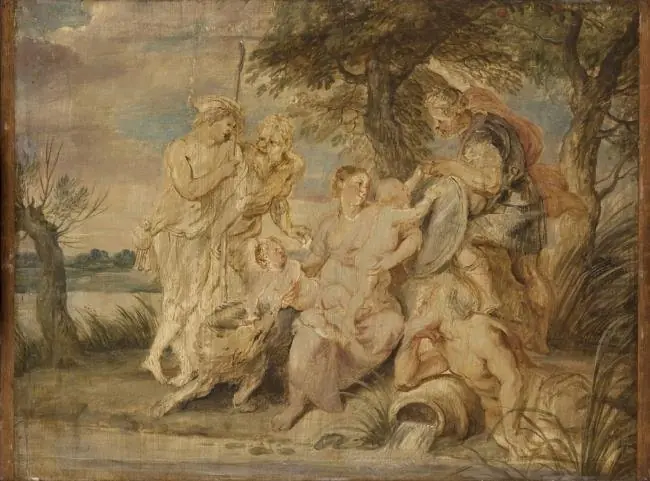 Romulus and Remus
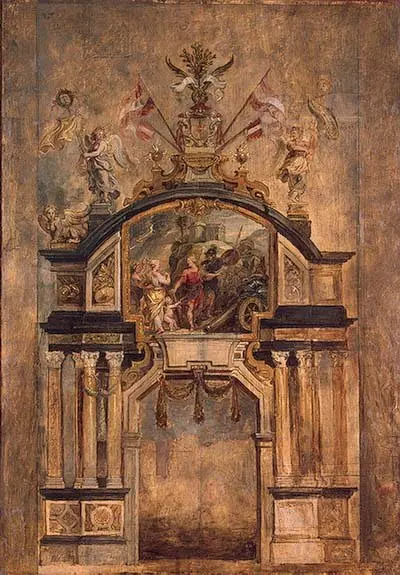 Arch of Hercules, the Right Side (Hercules Prodicius, pars anterior)
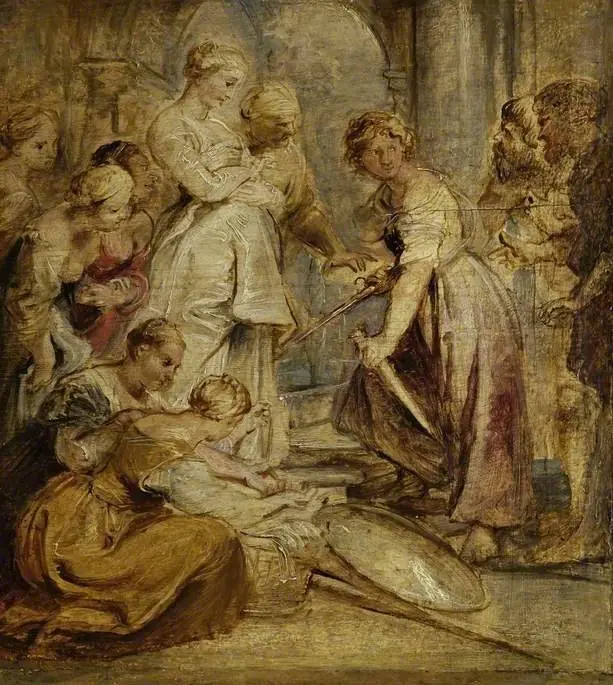 The Discovery of Achilles among the daughters of Lykomedes