Artwork
Venus Frigida
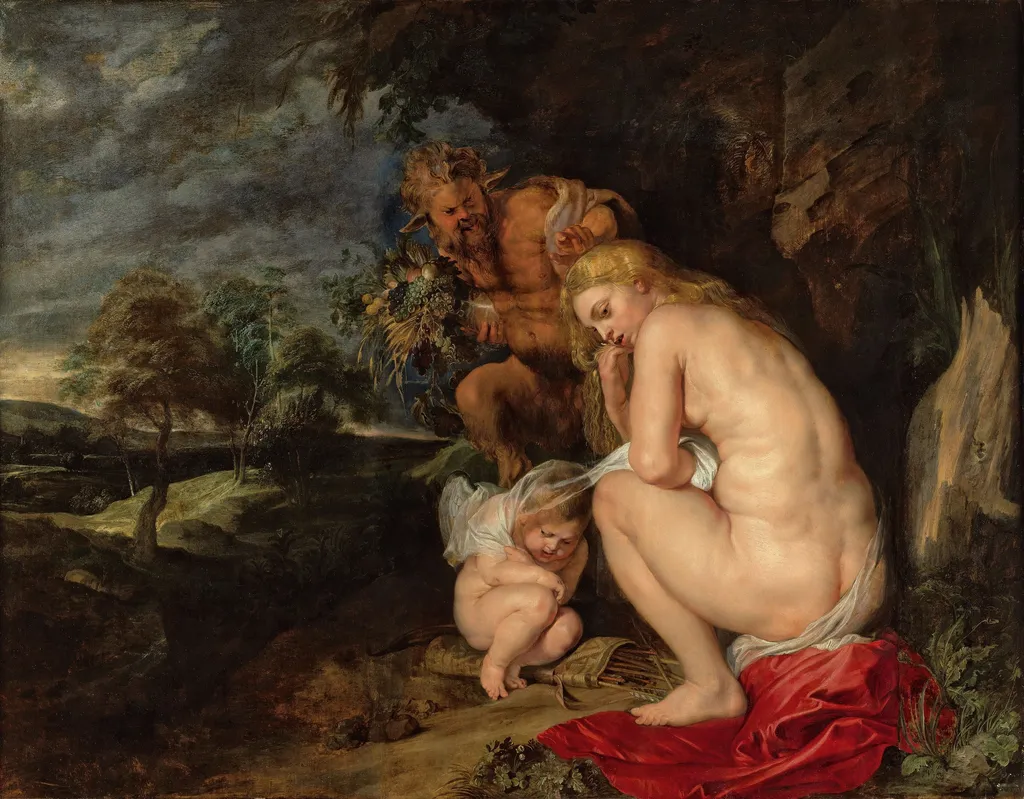
Venus Frigida is an oil painting by the Flemish Baroque painting artist Peter Paul Rubens. It dates from 1614 and is held in the collection of the Royal Museum of Fine Arts Antwerp.
About this work
This painting shows a woman curled up tight. Rubens painted it in oil in 1614. It sits today in Antwerp’s Royal Museum of Fine Arts.
The title comes from an old Roman line: without food and wine, love grows cold. Rubens borrowed the curled-up pose from another artist’s Venus he once saw in Italy.
Next door, check out the same museum’s room with Rubens’ other big works.
Overview
Venus Frigida is an oil on panel painting created by Peter Paul Rubens in 1614. The work is signed and dated by the artist and is currently housed in the Royal Museum of Fine Arts Antwerp.
Subject & Meaning
The painting depicts Venus in a crouched pose, illustrating the theme that love (Venus) cannot thrive without the necessities of life (symbolized by the absence of Cerere, the goddess of agriculture, and Baccho, the god of wine), as referenced by the Roman playwright Terence's quote, 'sine Cerere et Baccho friget Venus'.
Technique & Style
Executed in oil paint on panel, the work showcases Rubens' technical proficiency. The crouched figure of Venus draws visual inspiration from an earlier depiction known as the Lely Venus.
History & Provenance
Rubens encountered the Lely Venus during his time in Mantua, where it was part of the Gonzaga collection. He incorporated the pose into Venus Frigida, signing and dating the piece upon completion in 1614. It is now part of the Royal Museum of Fine Arts Antwerp's collection.
Context
Within the Royal Museum of Fine Arts Antwerp, Venus Frigida is contextualized alongside other significant works by Rubens, offering a broader view of the artist's oeuvre.
Own this work as a print
Artist & collection
Artist
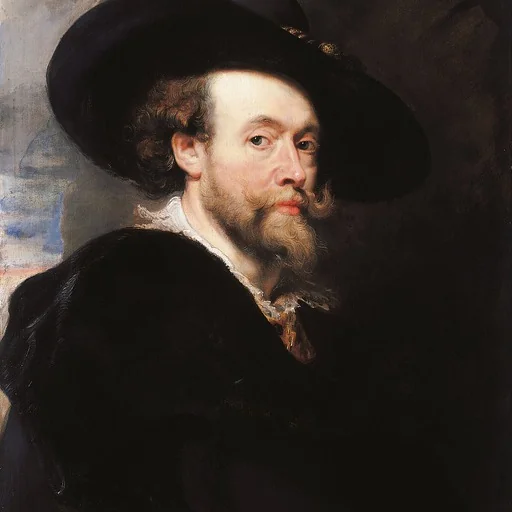
Sir Peter Paul Rubens ( ROO-bənz; Dutch: ; 28 June 1577 – 30 May 1640) was a Flemish artist and diplomat.

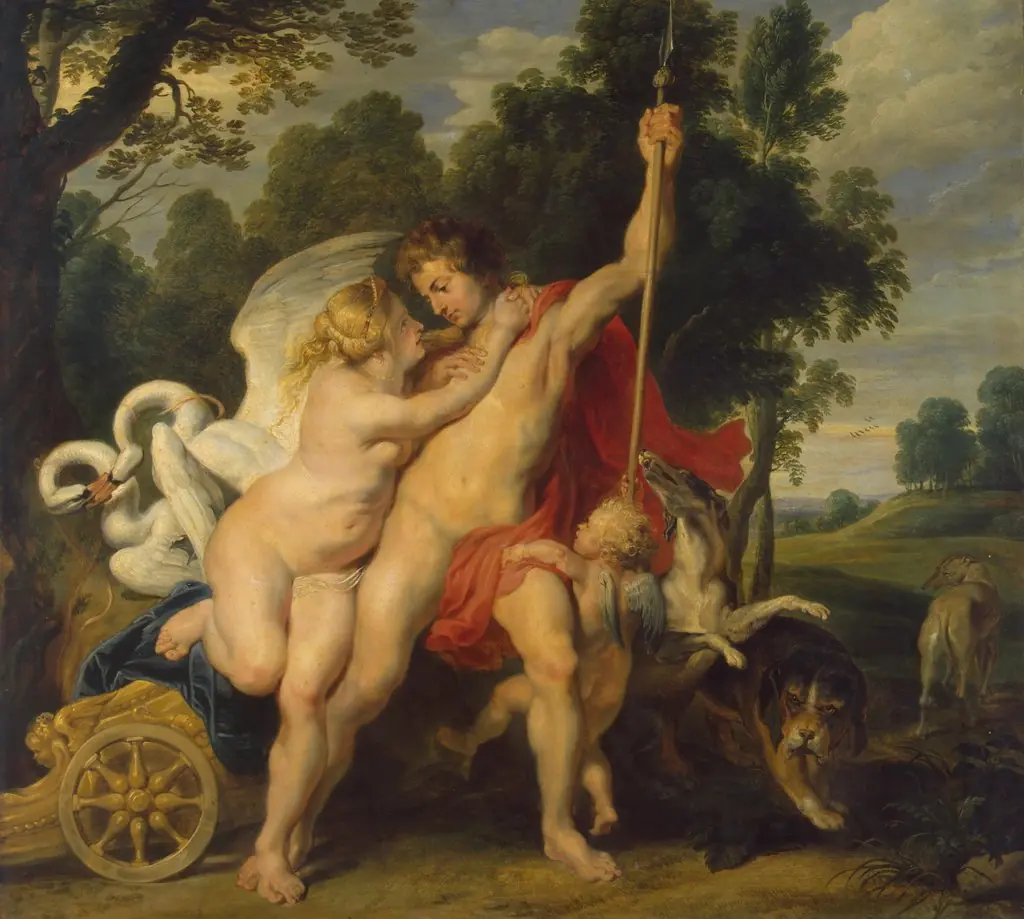
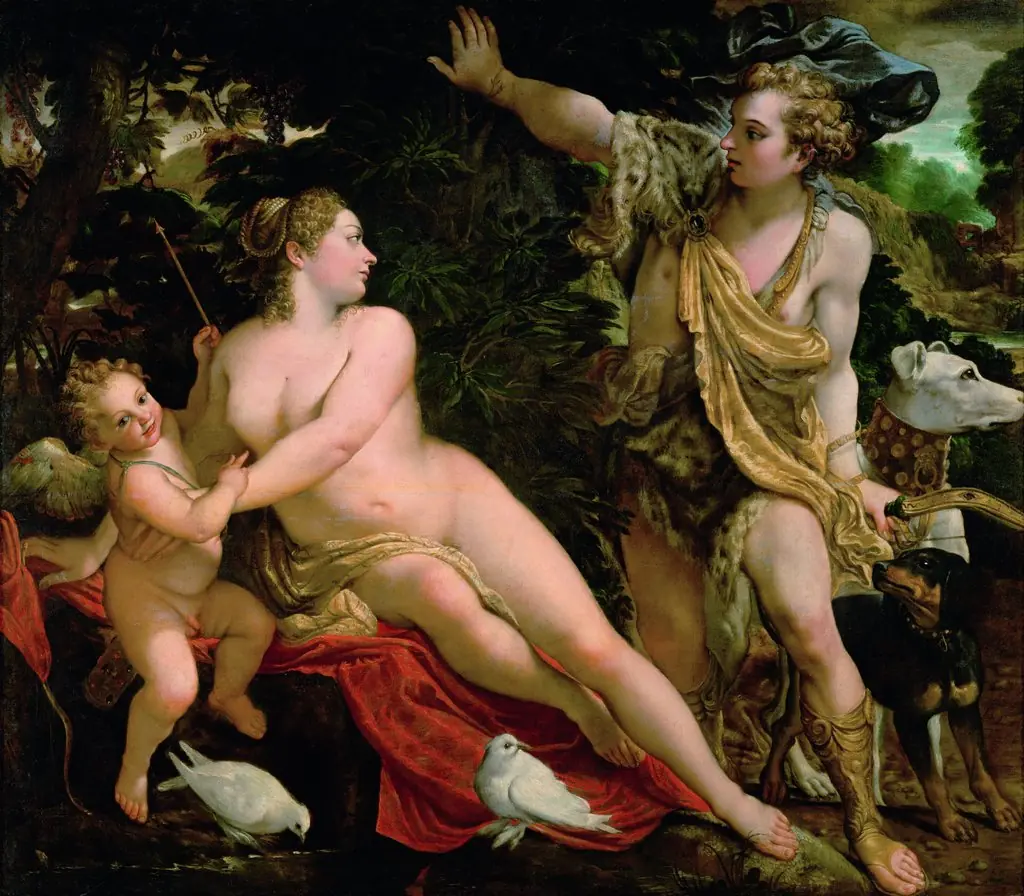 Venus, Adonis and Cupid
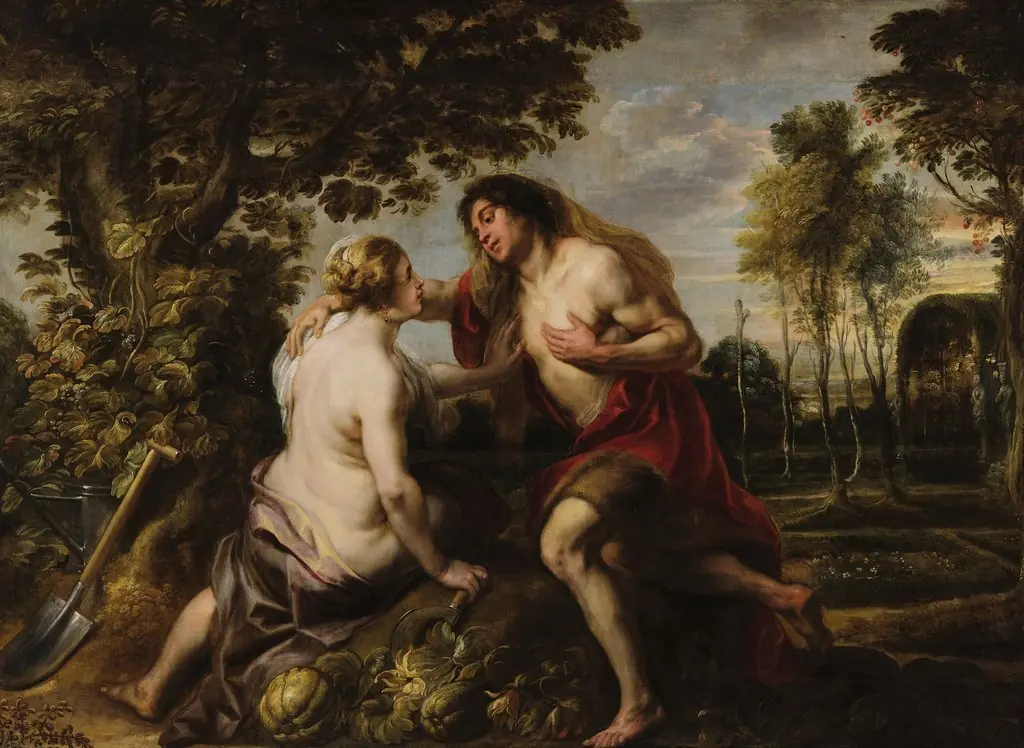 Vertumnus and Pomona
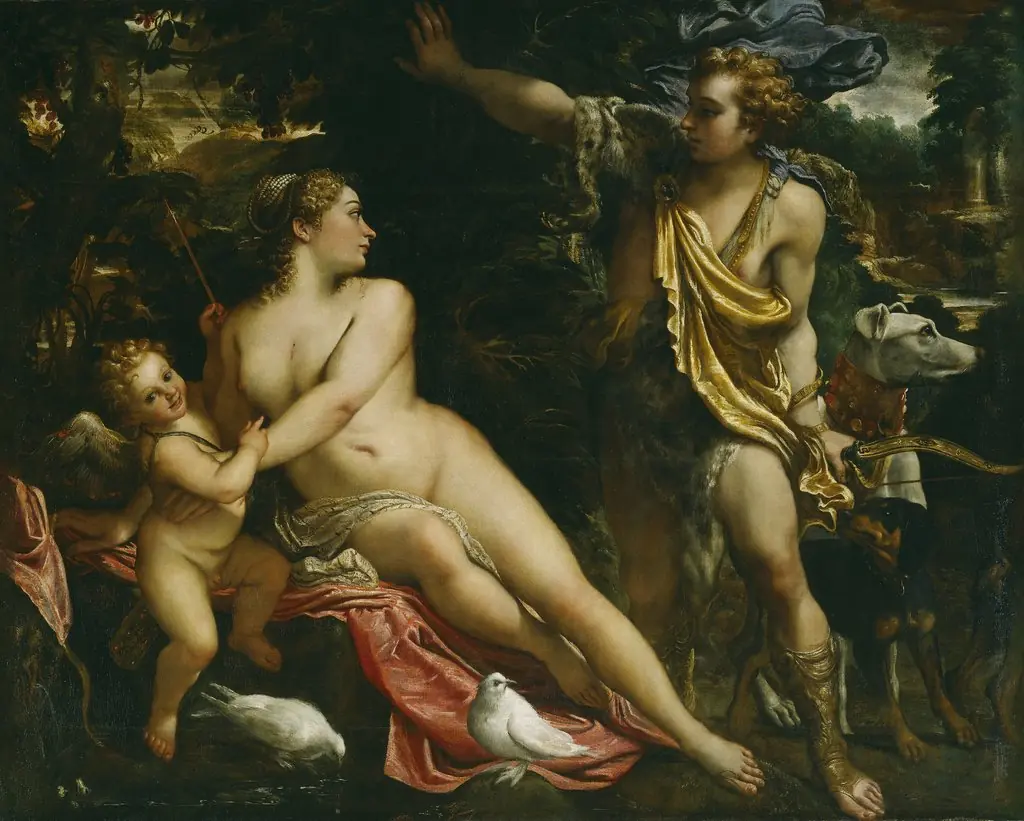 Venus, Adonis and Cupid
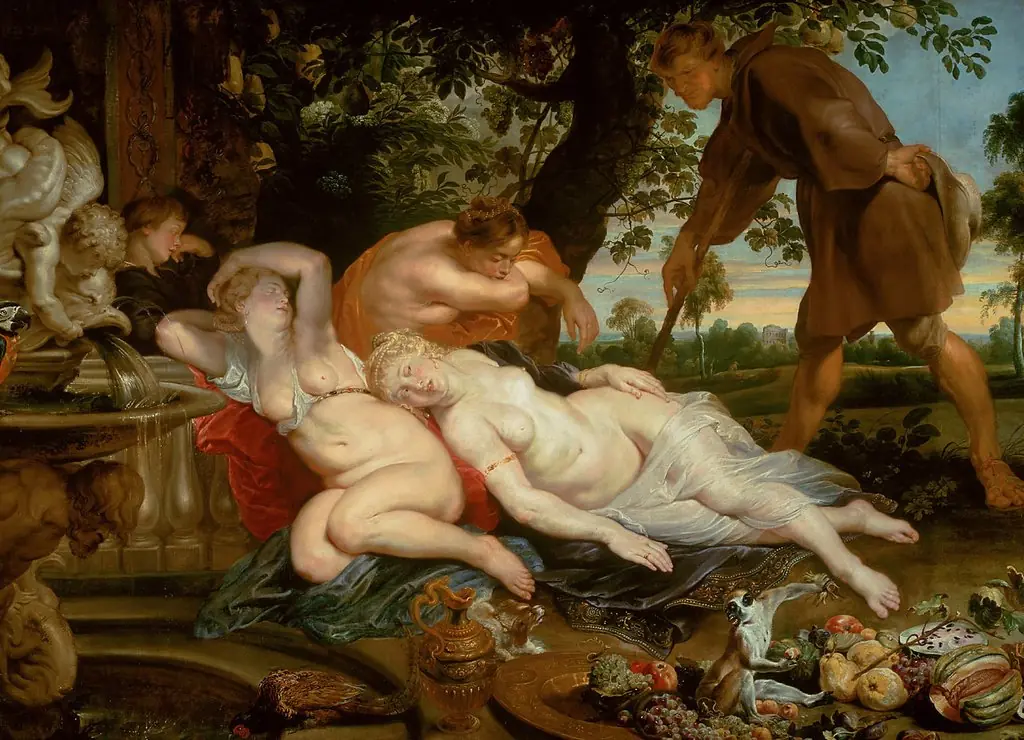 Cimone and Efigenia
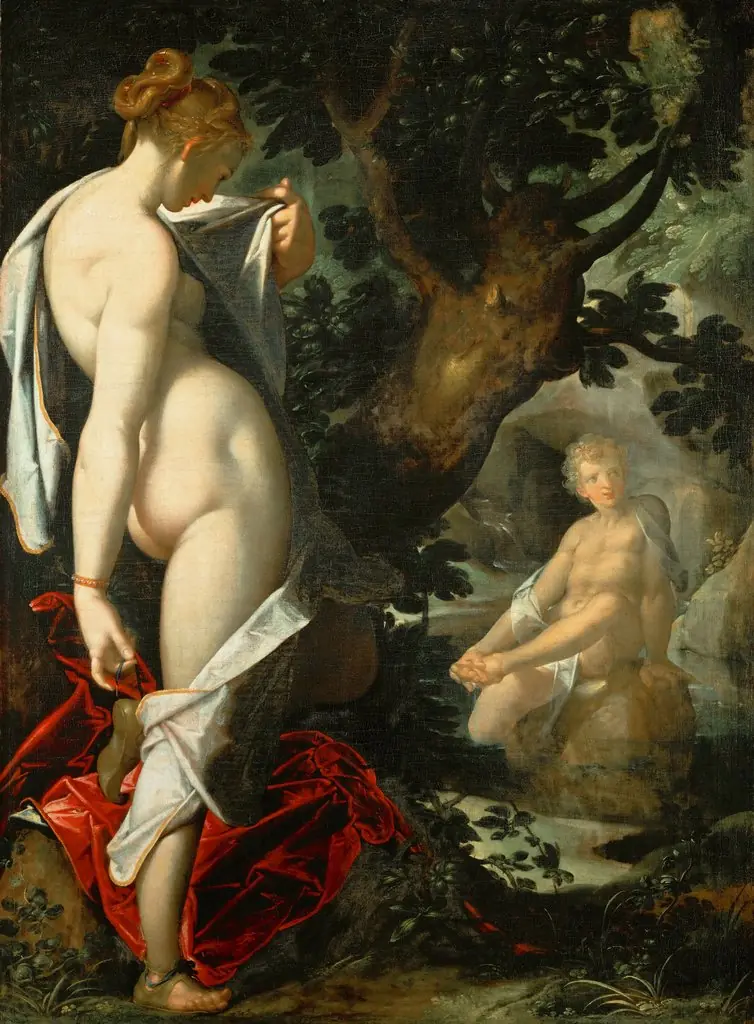 Hermaphroditus and the nymph Salmacis
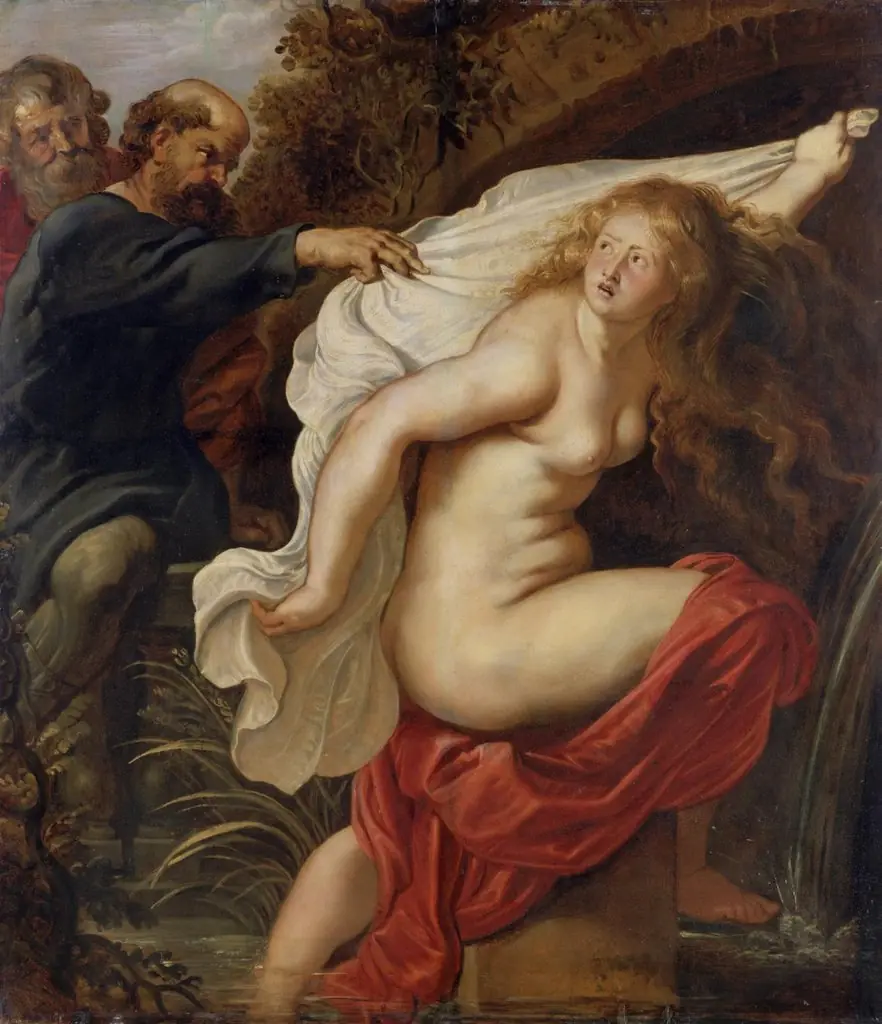 Susanna and the Elders
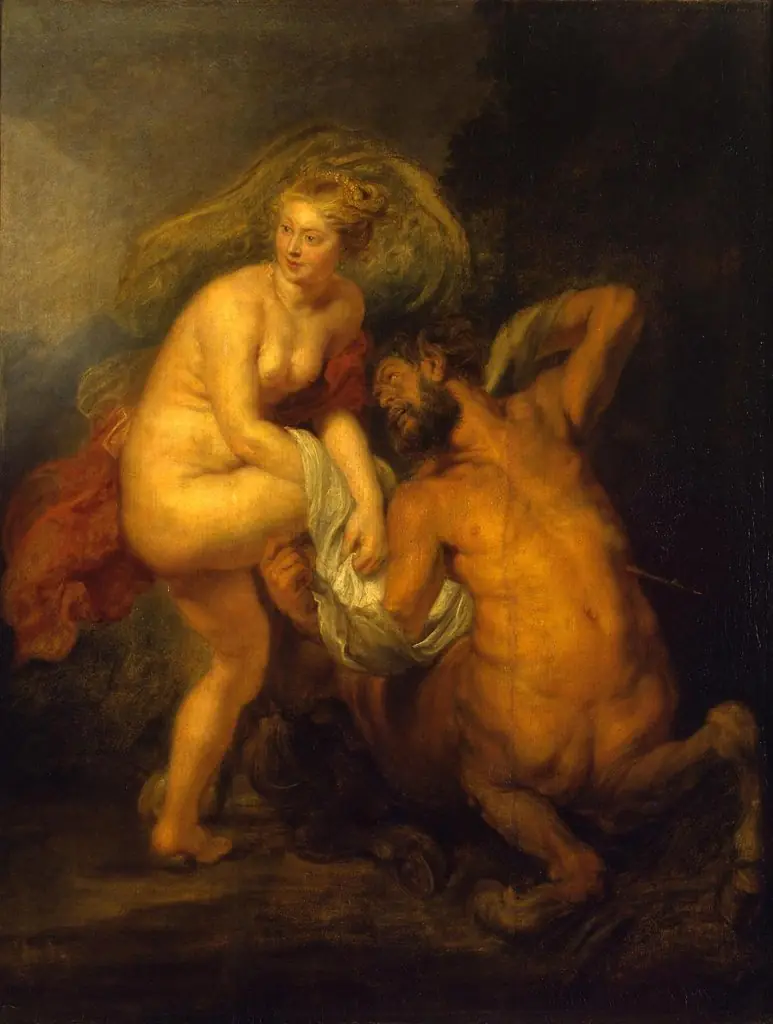 Nessus and Dejanira
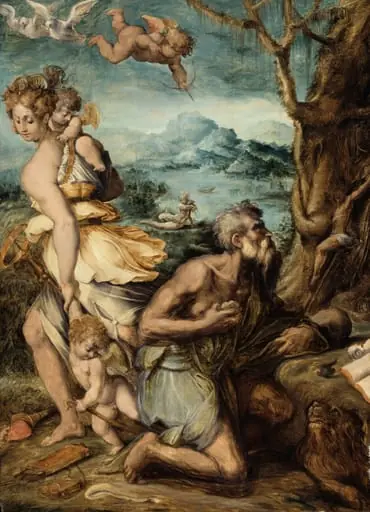 The Temptation of Saint Jerome
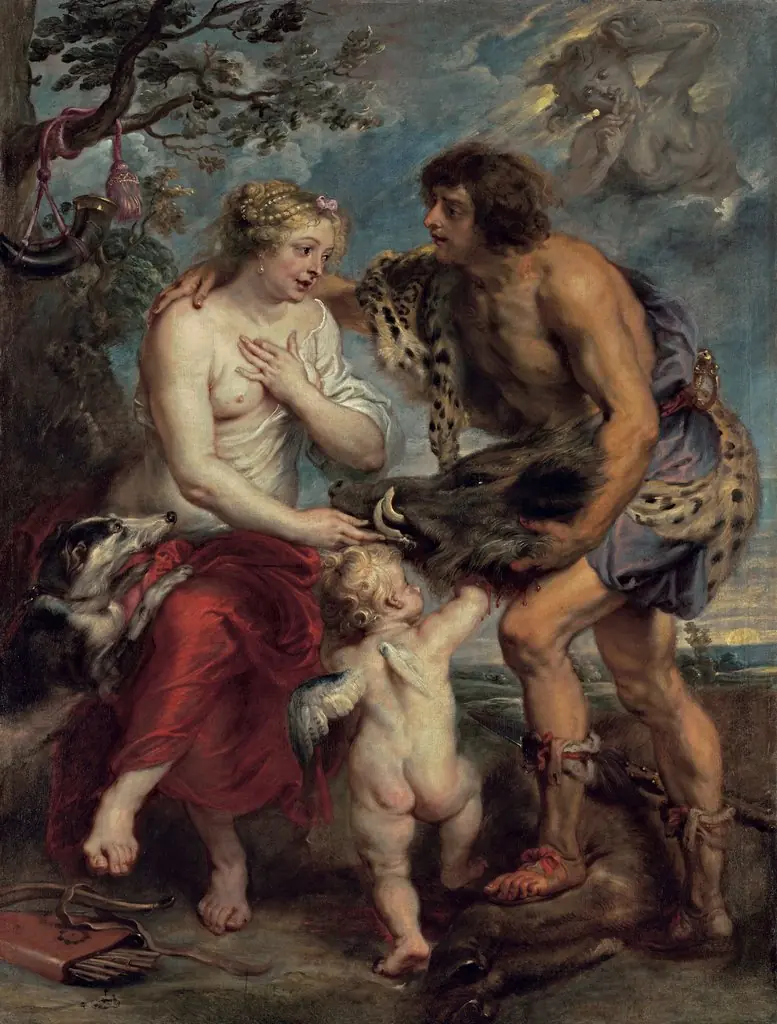 Meleager and Atalante
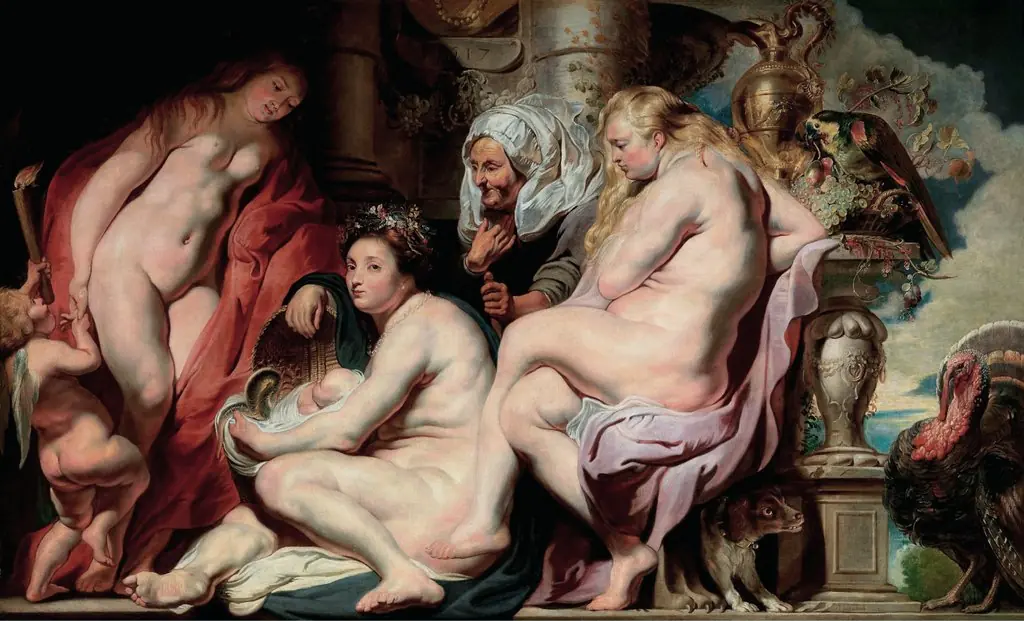 The Daughters of Cecrops Finding the Child Erichthonius
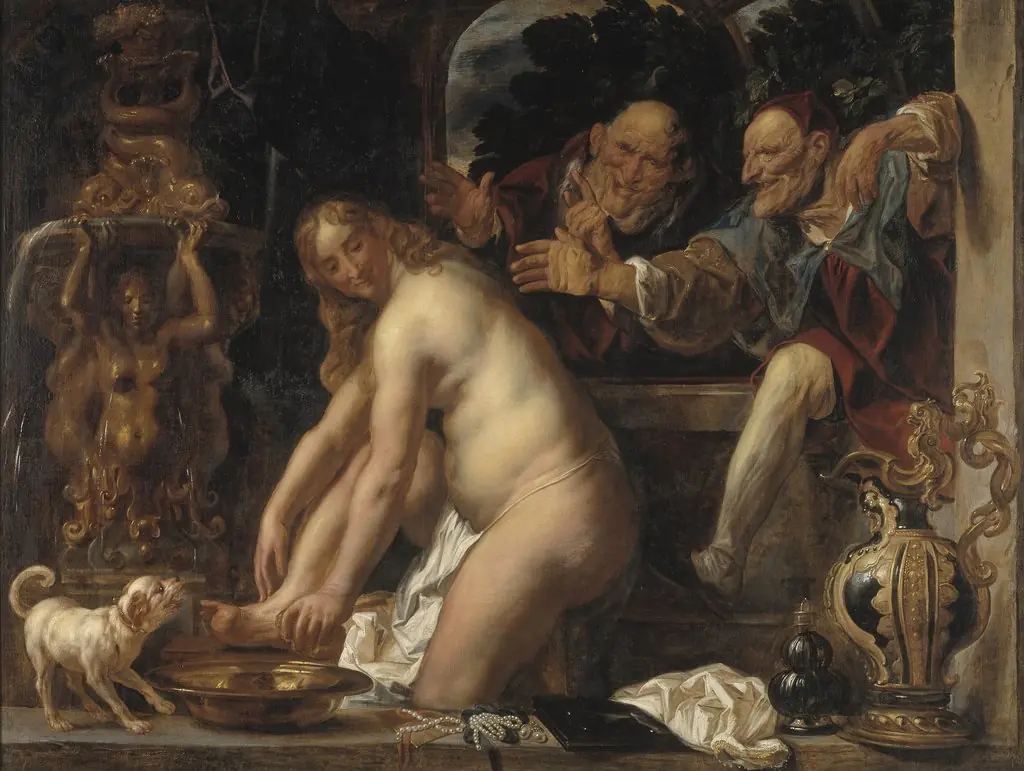 Susanna and the Elders
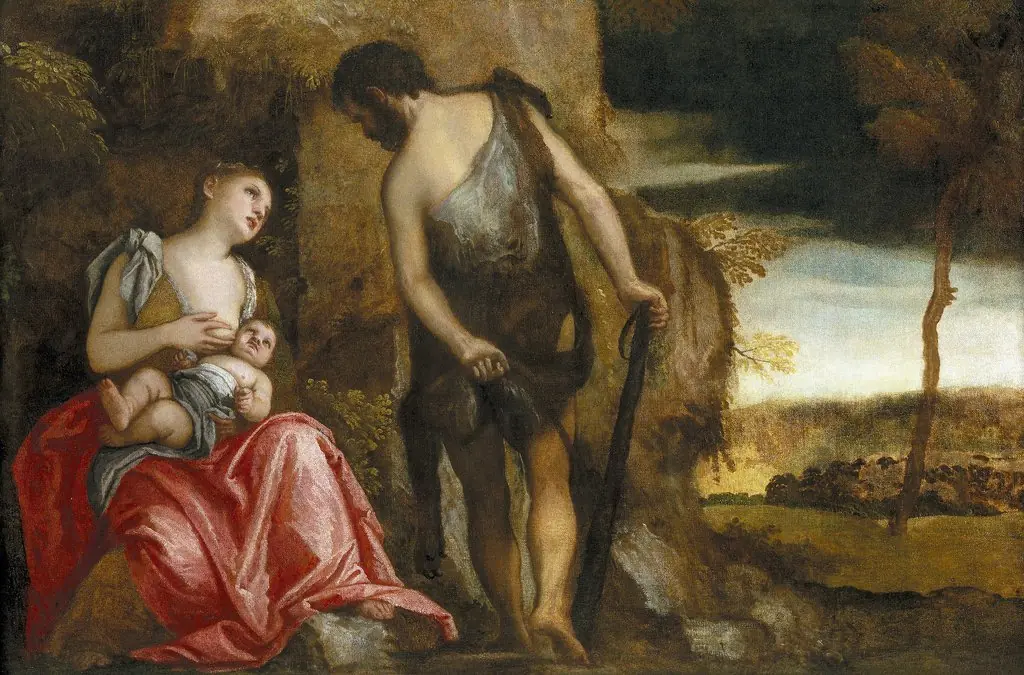 The homeless Cain and his Family