Artwork
Vertumnus and Pomona
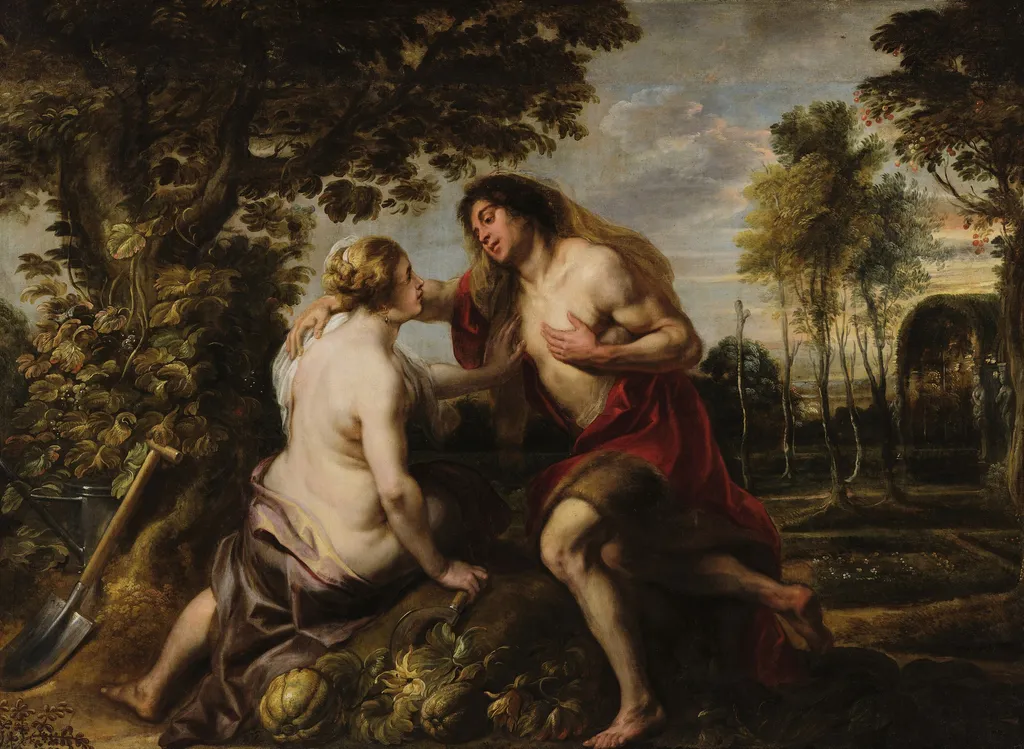
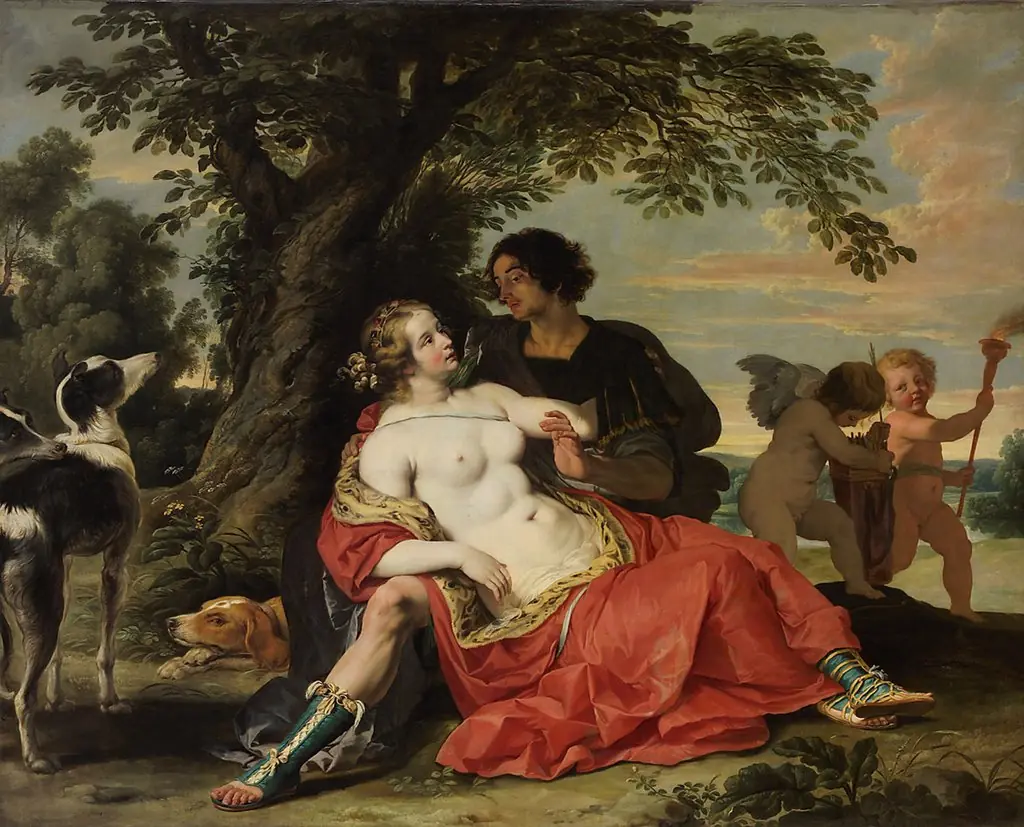
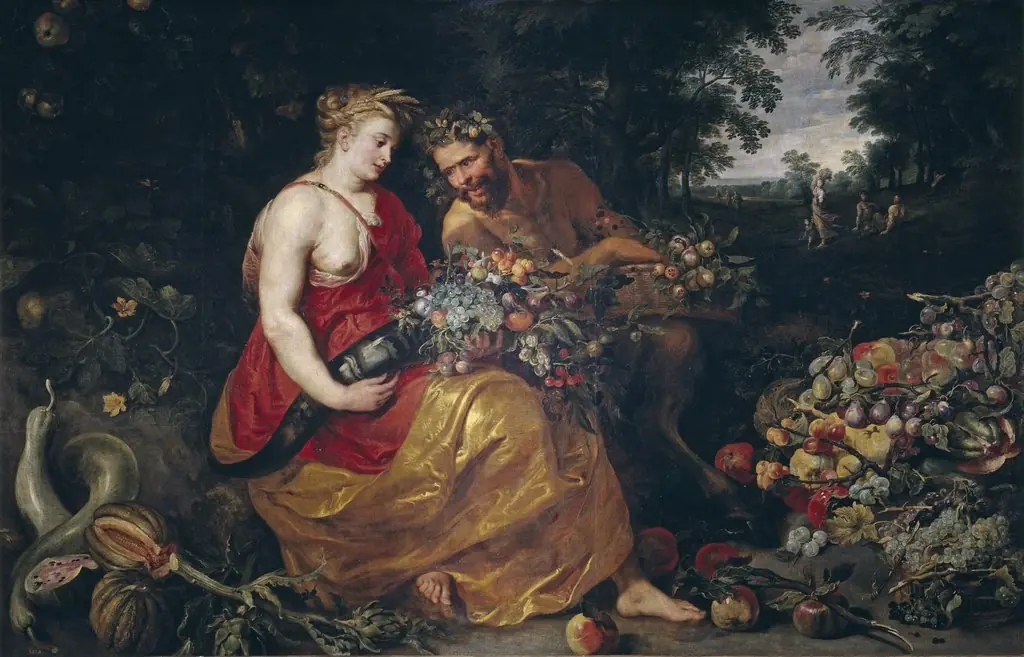
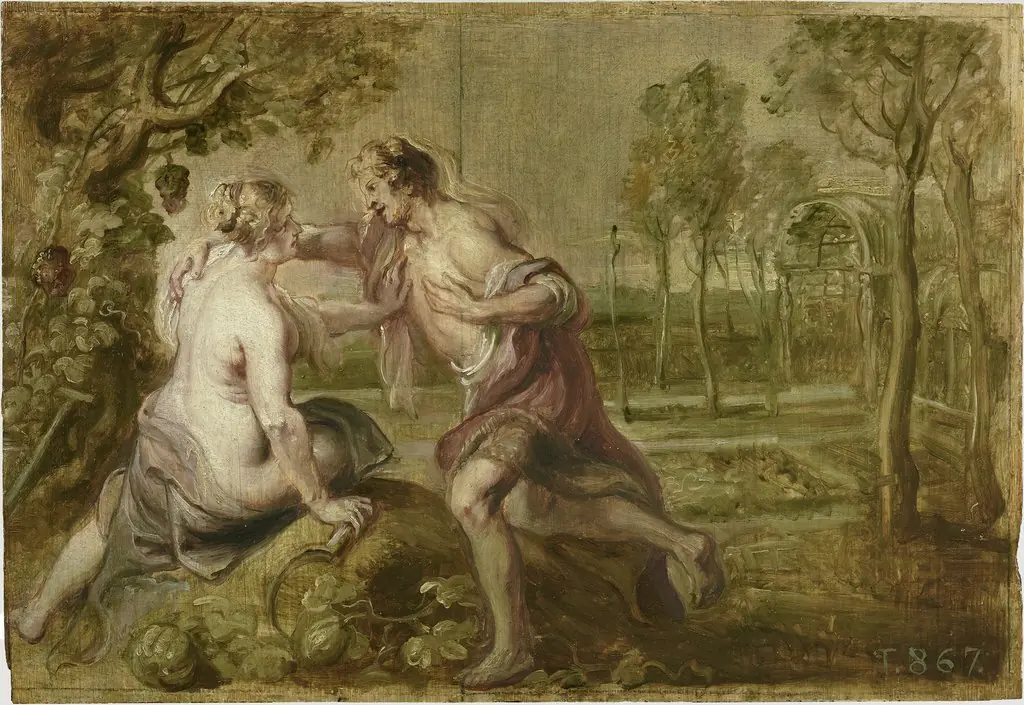
Vertumnus and Pomona is an oil painting by Jacob Jordaens. It dates from 1638 and is held in the collection of the National Museum of Ancient Art.
About this work
Overview
The painting reflects his interest in narrative depth and naturalistic detail, distinguishing his approach within the broader Flemish tradition.
Painted in 1638 by Jacob Jordaens, Vertumnus and Pomona is an oil-on-canvas work rooted in classical mythology. Jordaens, a prominent Flemish artist of the Baroque era, produced this piece during a period when he emerged as a leading figure in Antwerp’s art scene following the deaths of Rubens and van Dyck. The painting reflects his interest in narrative depth and naturalistic detail, distinguishing his approach within the broader Flemish tradition.
Subject & Meaning
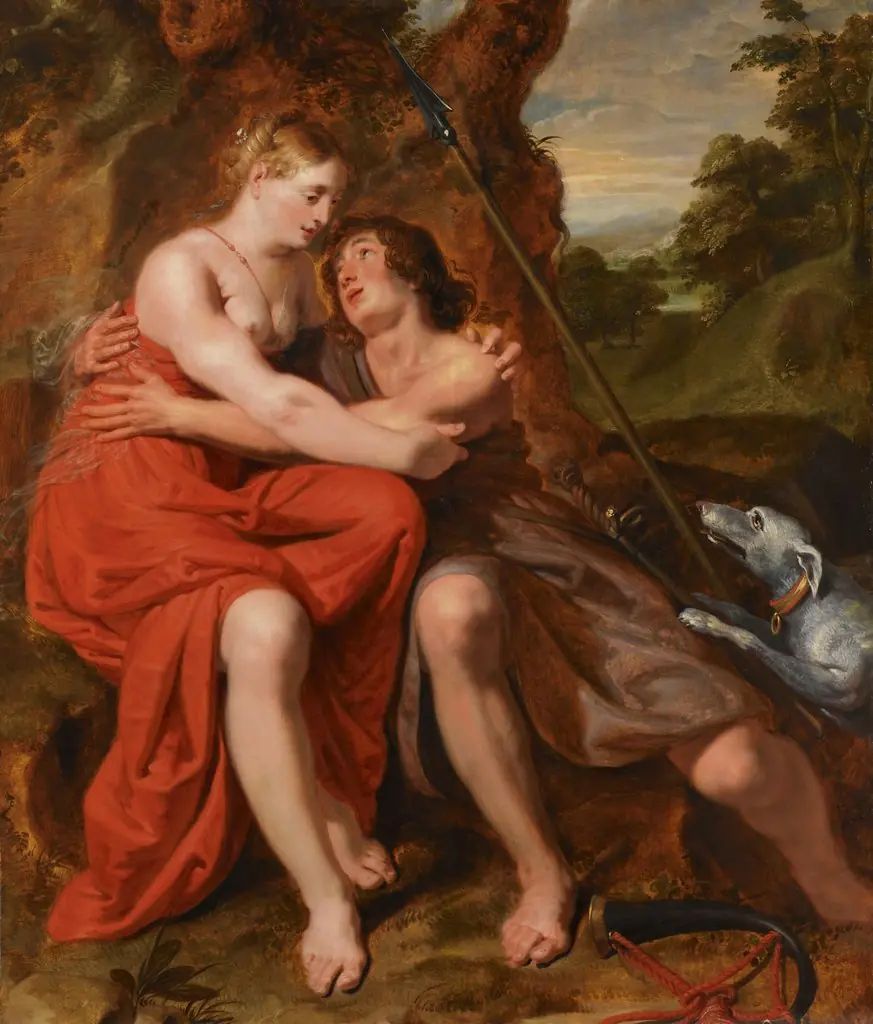
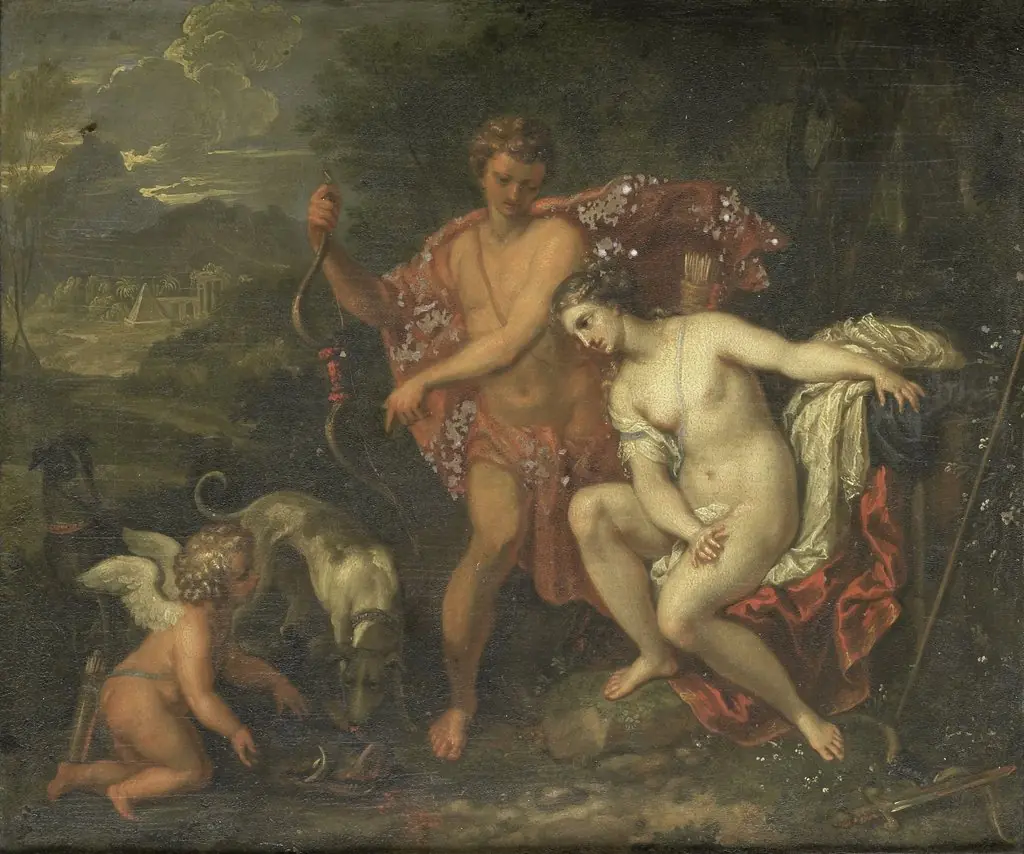
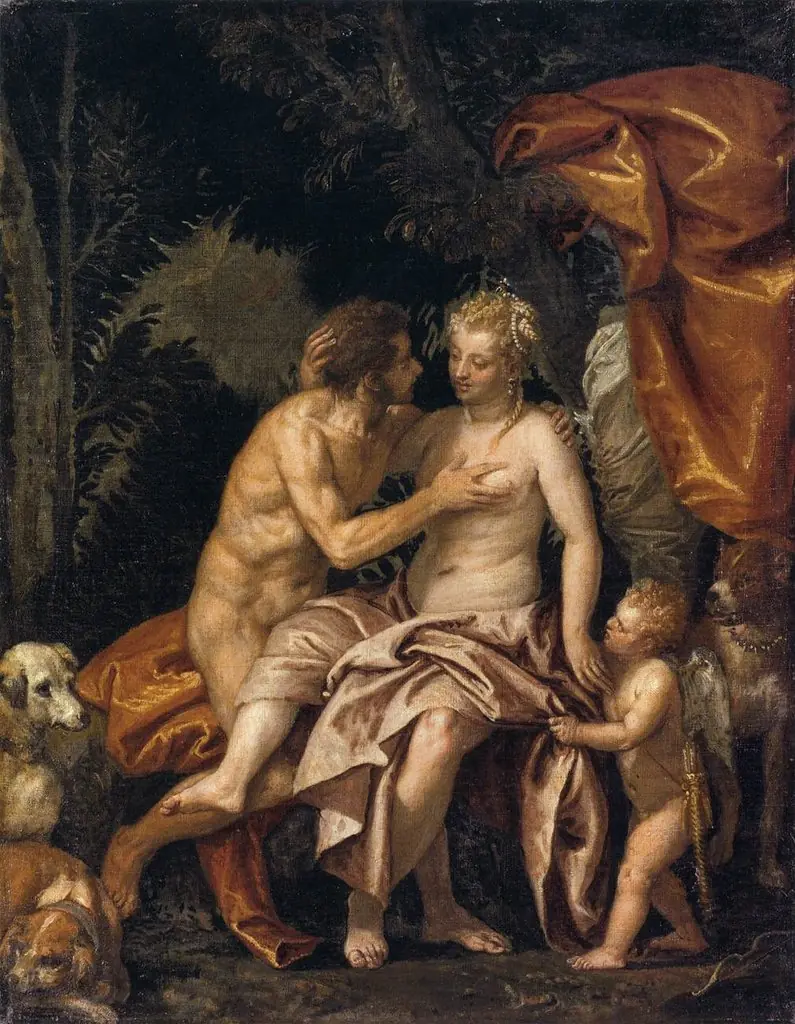
The scene illustrates the Roman myth of Vertumnus, the god of seasons and change, who disguises himself to court Pomona, the goddess of orchards. Here, he approaches her in a pastoral setting, his gesture toward her shoulder suggesting quiet persuasion rather than force. The narrative emphasizes themes of transformation and gentle seduction, aligning with Renaissance humanist ideals that valued subtlety in emotional expression over overt drama.
Technique & Style
Jordaens employs rich, earthy tones and loose brushwork to render the figures and landscape with a sense of immediacy. The figures are grounded in a naturalistic environment, their clothing and posture conveying realism rather than idealization. Tools like a shovel and basket are rendered with tactile detail, reinforcing Pomona’s connection to cultivation. The composition avoids theatricality, favoring intimacy through restrained movement and soft lighting.
History & Provenance
The painting entered the collection of the National Museum of Ancient Art in Lisbon, where it remains today. While its early ownership is not fully documented, its presence in the museum’s holdings since the 19th century suggests it was acquired during a period of increased interest in Flemish Old Master paintings. Its survival in relatively intact condition reflects careful preservation over centuries.
Context
Created during the height of the Flemish Baroque, the painting responds to a cultural climate that valued mythological subjects as vehicles for moral and philosophical reflection. Jordaens, working in Antwerp, drew from both classical literature and contemporary genre painting traditions. Unlike the grandeur of Rubens, his style leaned toward the intimate and the everyday, blending myth with observable human behavior.
Legacy
Vertumnus and Pomona exemplifies Jordaens’ ability to infuse classical themes with psychological nuance and domestic realism. While less celebrated than his contemporaries, his approach influenced later generations of Flemish painters who prioritized emotional subtlety over spectacle. The work continues to be studied for its quiet narrative power and its role in redefining mythological painting beyond grandiosity.
Own this work as a print
Artist & collection
Artist
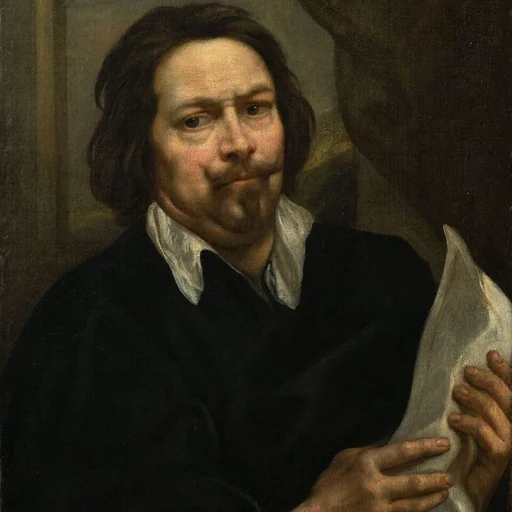
Jacques (Jacob) Jordaens (19 May 1593 – 18 October 1678) was a Flemish painter, draughtsman and a designer of tapestries and prints.

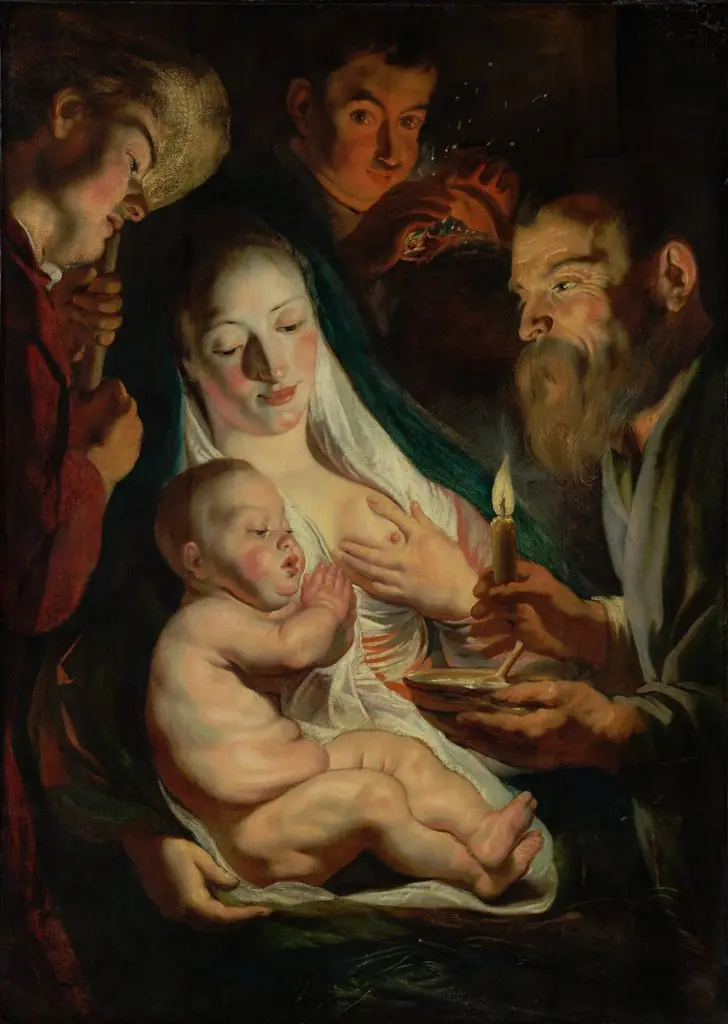 The Holy Family with Shepherds
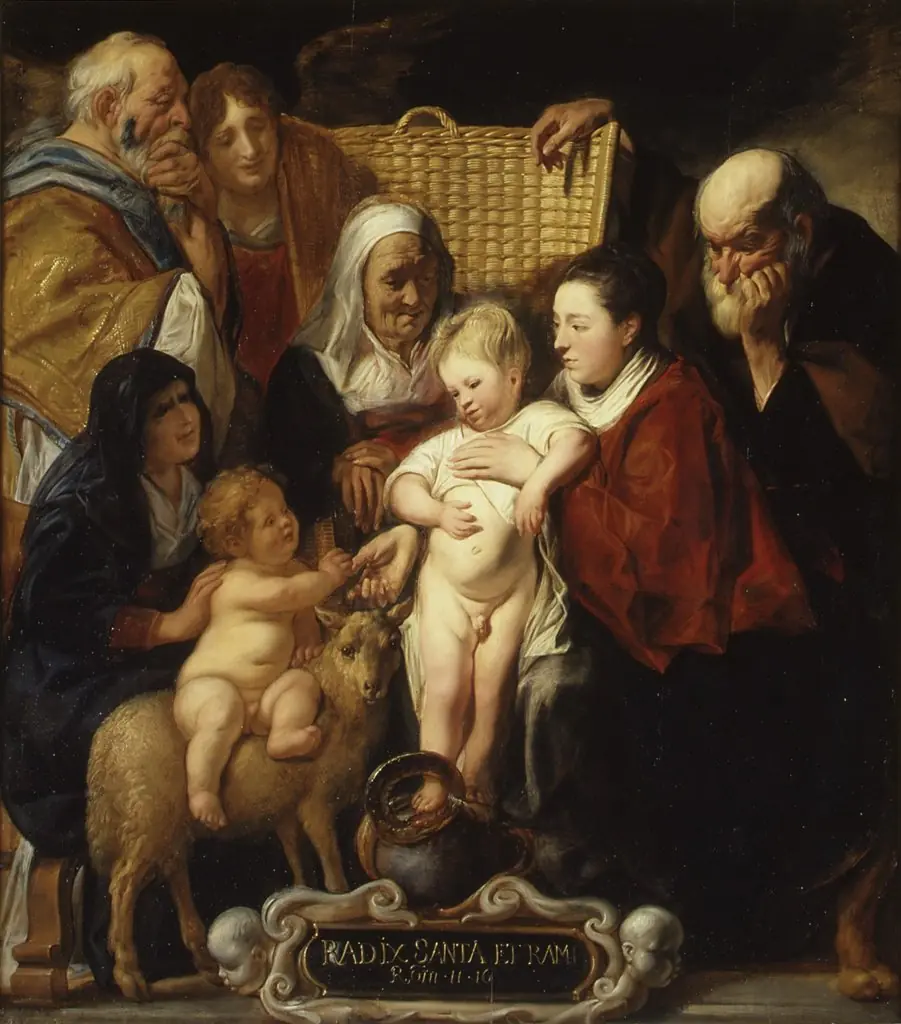 The Holy Family with Saint Anne and the Young Baptist and His Parents
 Untitled
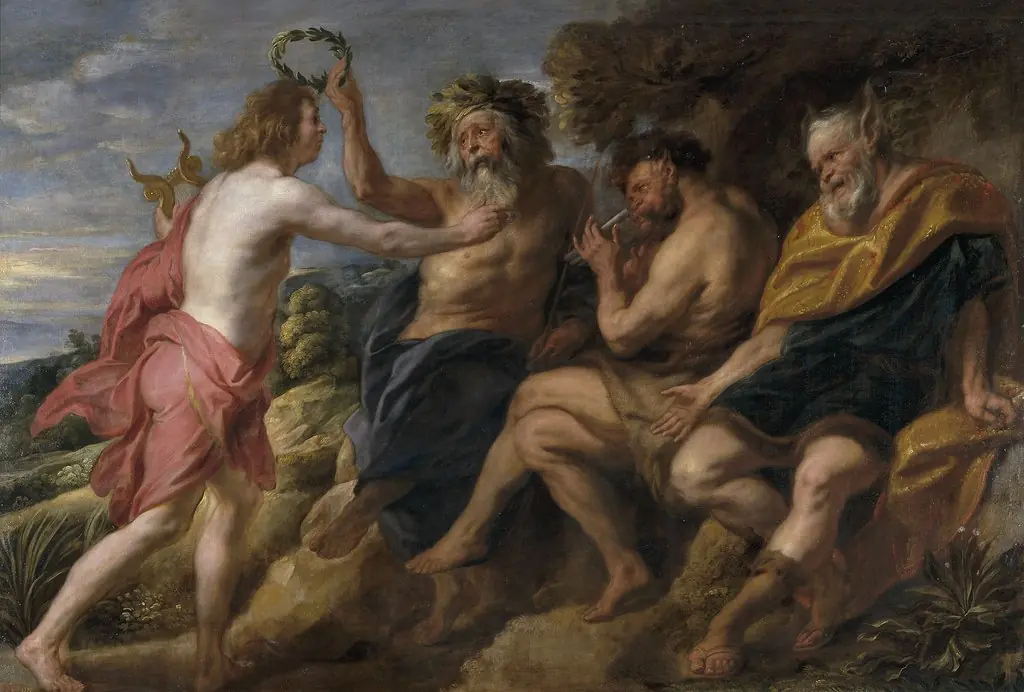 Apollo as Victor over Pan
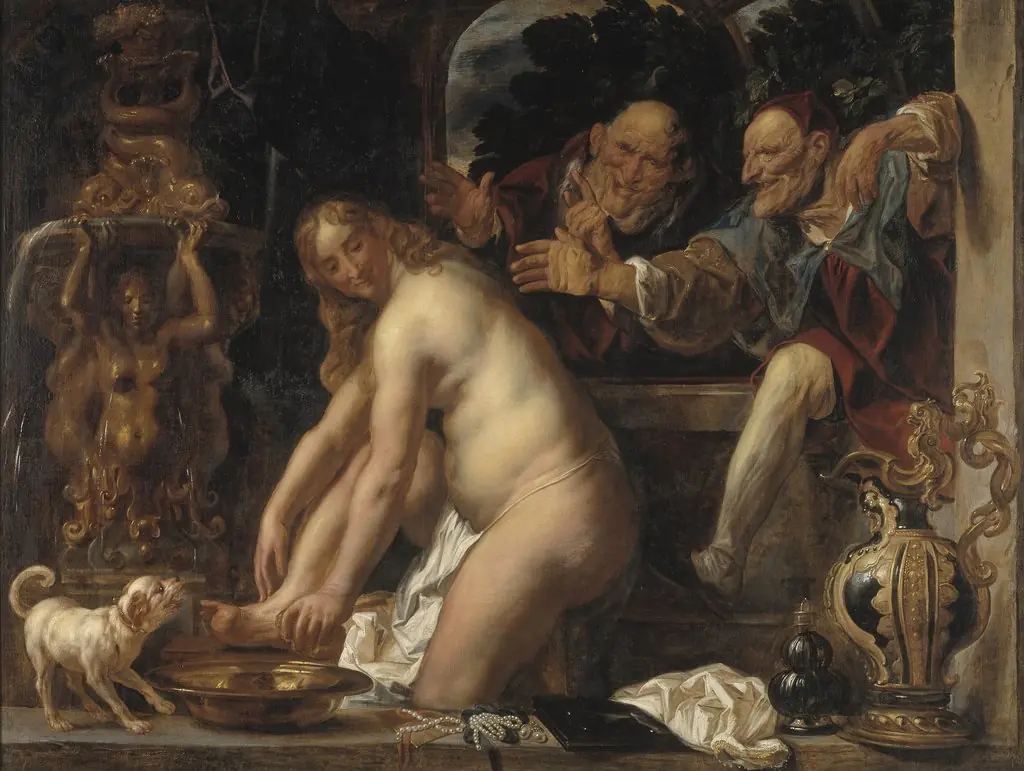 Susanna and the Elders
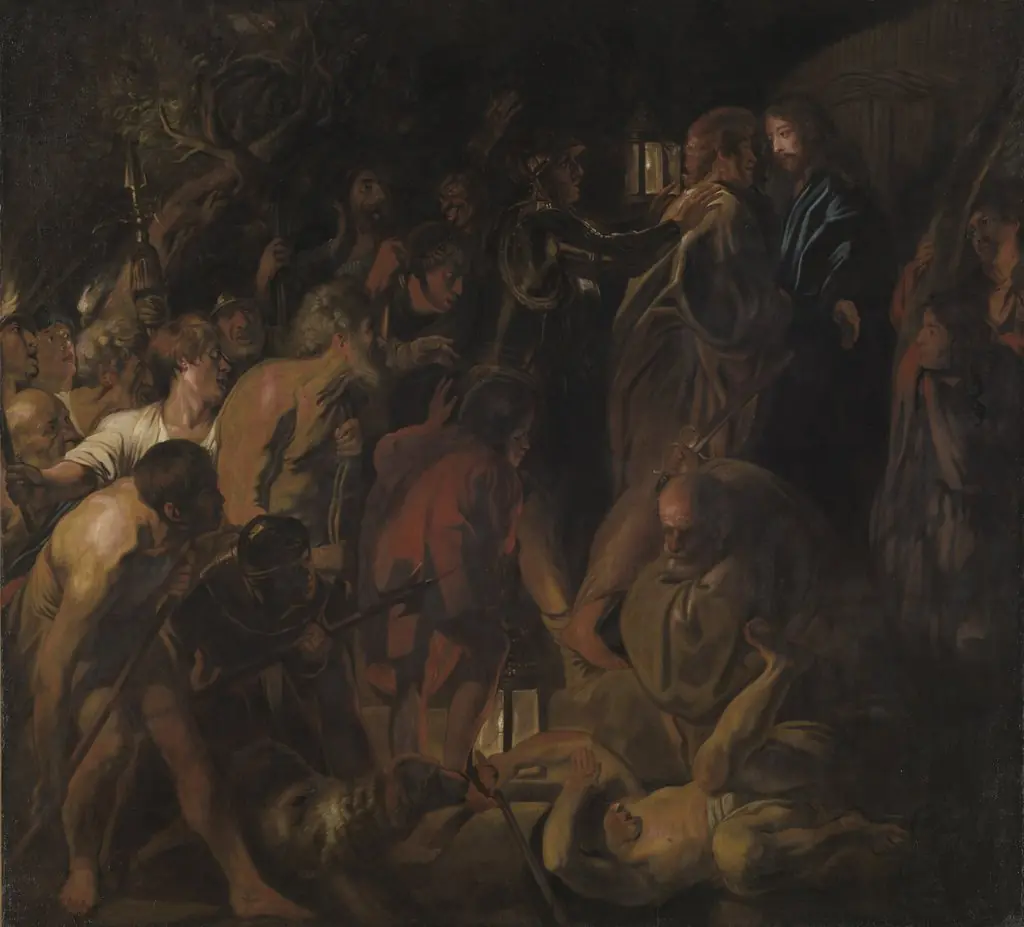 The Betrayal of Christ
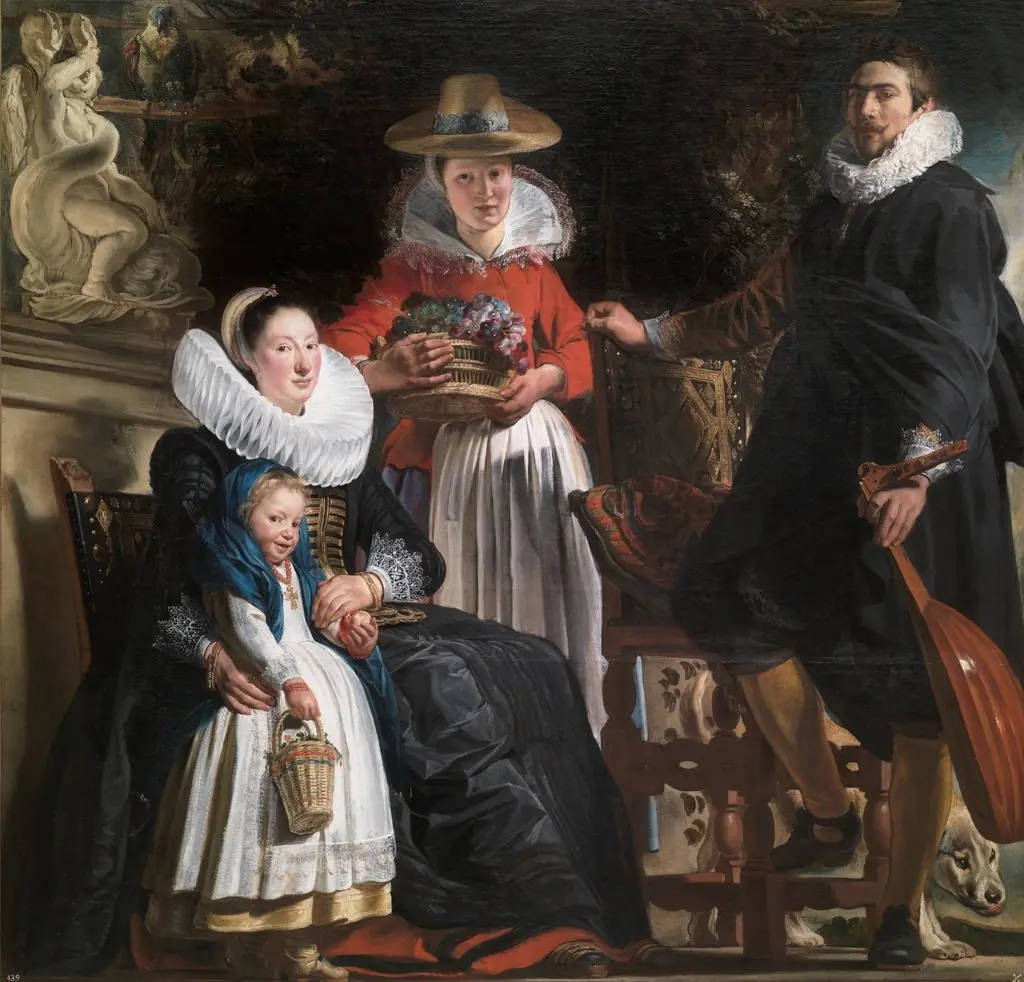 Portrait of the artist with his family
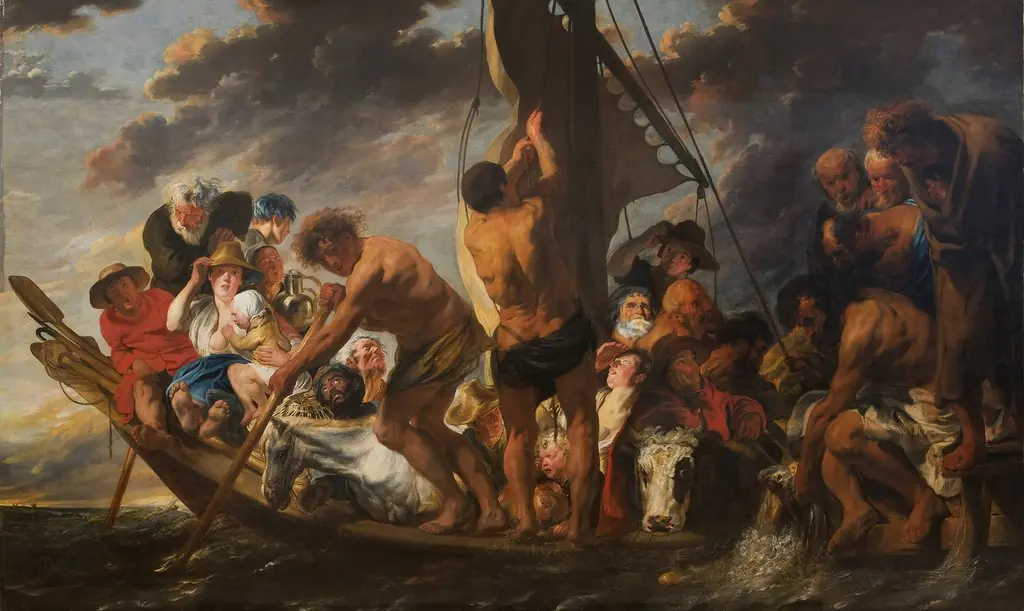 The Tribute Money. Peter Finding the Silver Coin in the Mouth of the Fish. Also called "The Ferry Boat to Antwerp"