Artwork
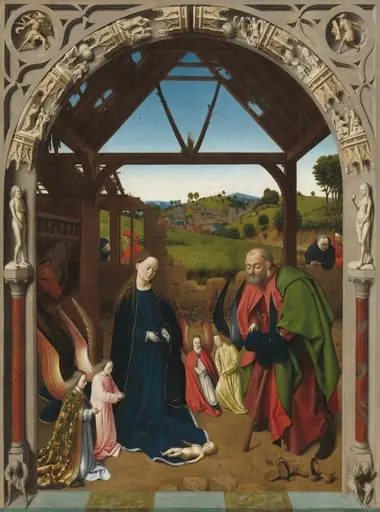
The adoration of the Christ Child; in the background the annunciation to the shepherds
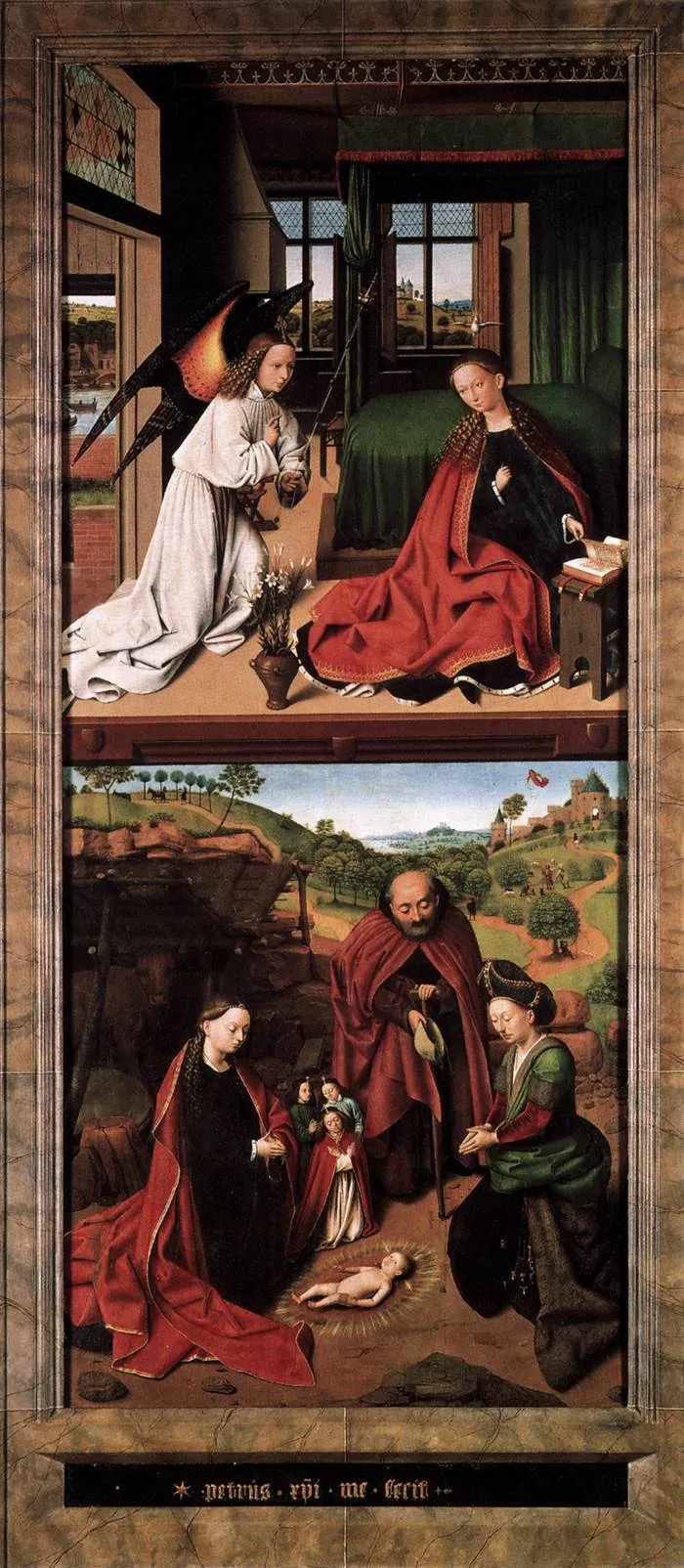
The adoration of the Christ Child; in the background the annunciation to the shepherds is a paint painting by the Early Renaissance artist Petrus Christus. It dates from 1452 and is held in the collection of the Gemäldegalerie Berlin.
About this work
Overview
The piece resides in the Gemäldegalerie, Berlin, and exemplifies Christus’s skill in integrating narrative and perspective within a compact format.
Painted in 1452 by Petrus Christus, this work combines two biblical episodes in a single composition: the Annunciation to the Virgin and the Adoration of the Christ Child. Executed in oil on panel, it reflects the meticulous detail and spatial innovation characteristic of Early Netherlandish painting. The piece resides in the Gemäldegalerie, Berlin, and exemplifies Christus’s skill in integrating narrative and perspective within a compact format.
Subject & Meaning
The upper register depicts the Annunciation, with the angel Gabriel presenting a lily to the Virgin Mary in a domestic interior, symbolizing purity. The lower scene shows Joseph and Mary kneeling before the newborn Christ, who lies on the ground, surrounded by a humble landscape. The dual scenes link divine revelation with earthly devotion, emphasizing the Incarnation’s dual nature—celestial announcement and human reception.
Technique & Style
Christus employs fine brushwork and layered glazes to render textures with precision—fabric folds, wood grain, and skin tones. He uses linear perspective to create depth, particularly in the architectural space of the Annunciation and the receding landscape of the Adoration. The composition is divided horizontally, yet unified by consistent lighting and a muted palette, reinforcing the quiet solemnity of both moments.
History & Provenance
Commissioned in the early 1450s, likely for private devotion, the painting entered the collection of the Gemäldegalerie Berlin in the 19th century. Its survival in good condition reflects its careful preservation in ecclesiastical or aristocratic hands. No early documentation survives, but its style aligns with other dated works by Christus, confirming its attribution and chronology.
Context
Created in Bruges, a center of trade and artistic innovation, the painting reflects the growing demand for intimate religious imagery among wealthy patrons. Christus, influenced by van Eyck’s realism and van der Weyden’s emotional restraint, adapted these elements into a more structured spatial framework. This work exemplifies how Netherlandish artists merged theological themes with domestic realism.
Legacy
Christus’s integration of multiple narratives within a single panel influenced later Northern Renaissance painters seeking to compress complex stories into unified compositions. His use of perspective and attention to material detail became benchmarks for regional art. Though less widely known than his contemporaries, his technical precision left a lasting imprint on the development of panel painting in the Low Countries.
Artist & collection
Artist
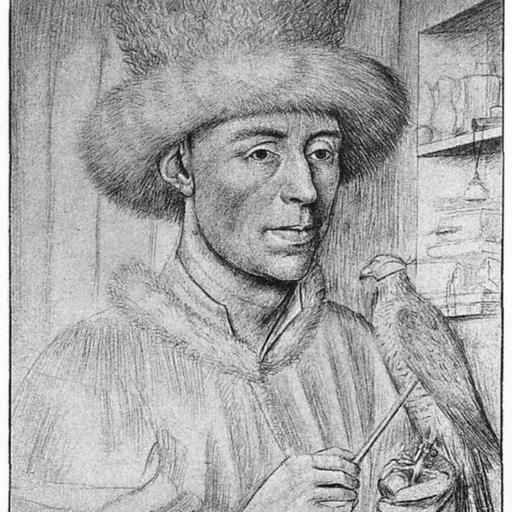
Petrus Christus (Dutch: ; c. 1410/1420 – c. 1475/1476) was an Early Netherlandish painter active in Bruges from 1444, where, along with Hans Memling, he became the leading painter after the death of Jan van Eyck. He was…

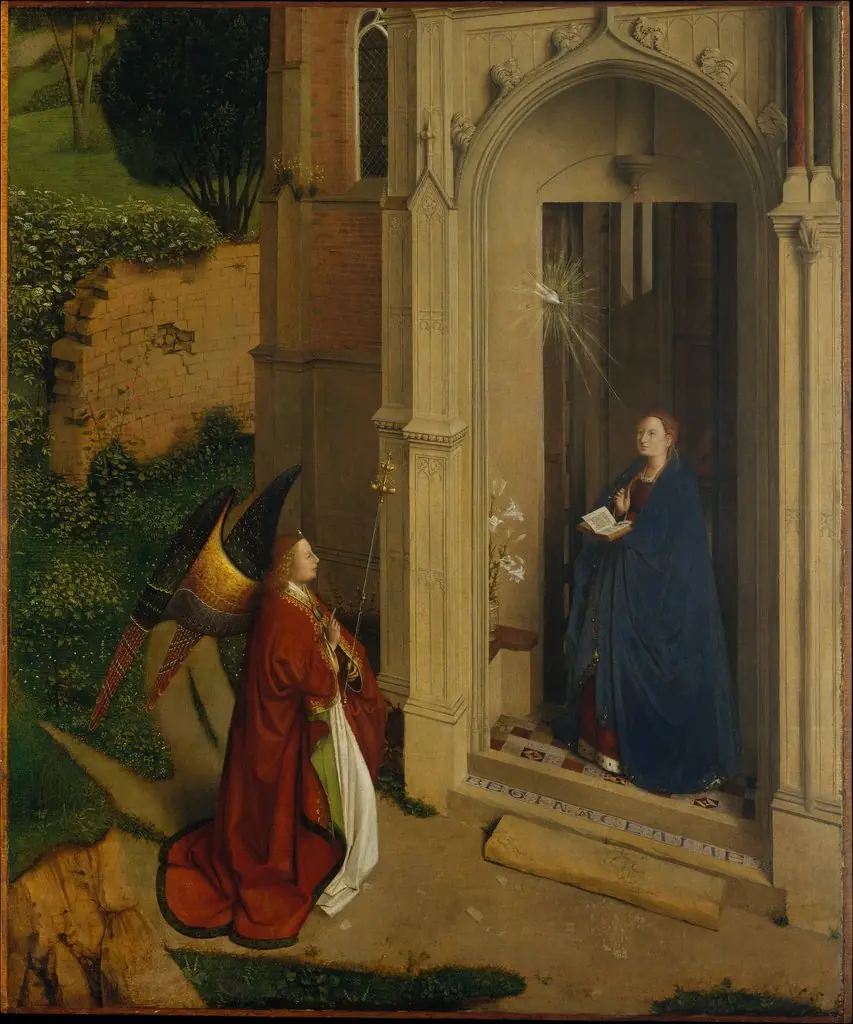
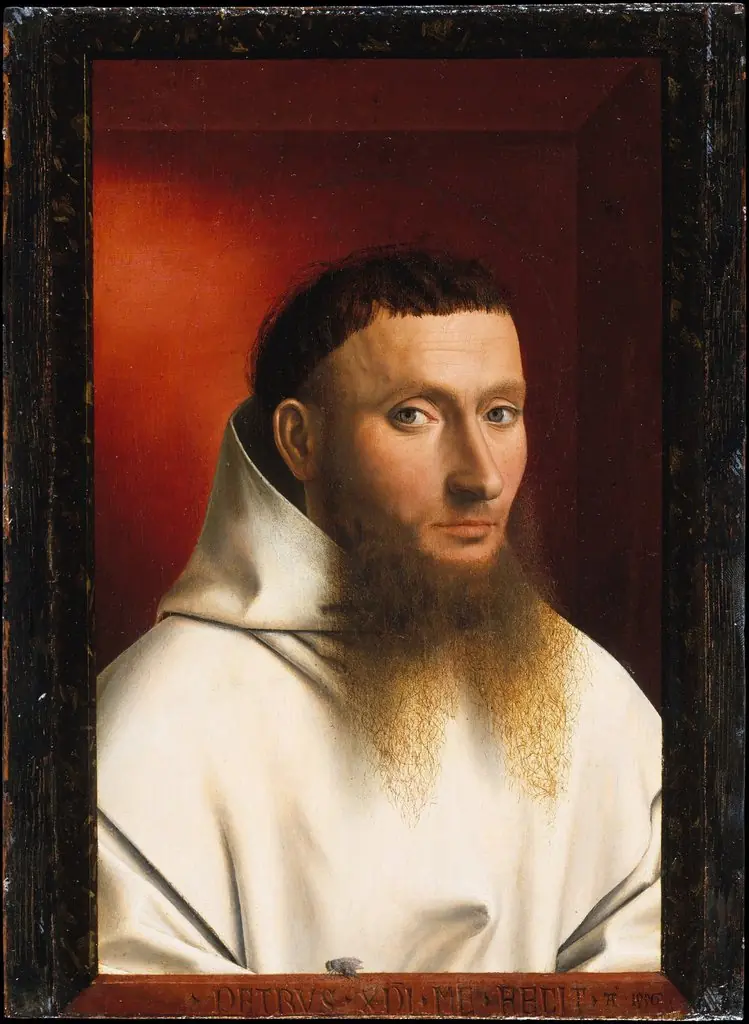
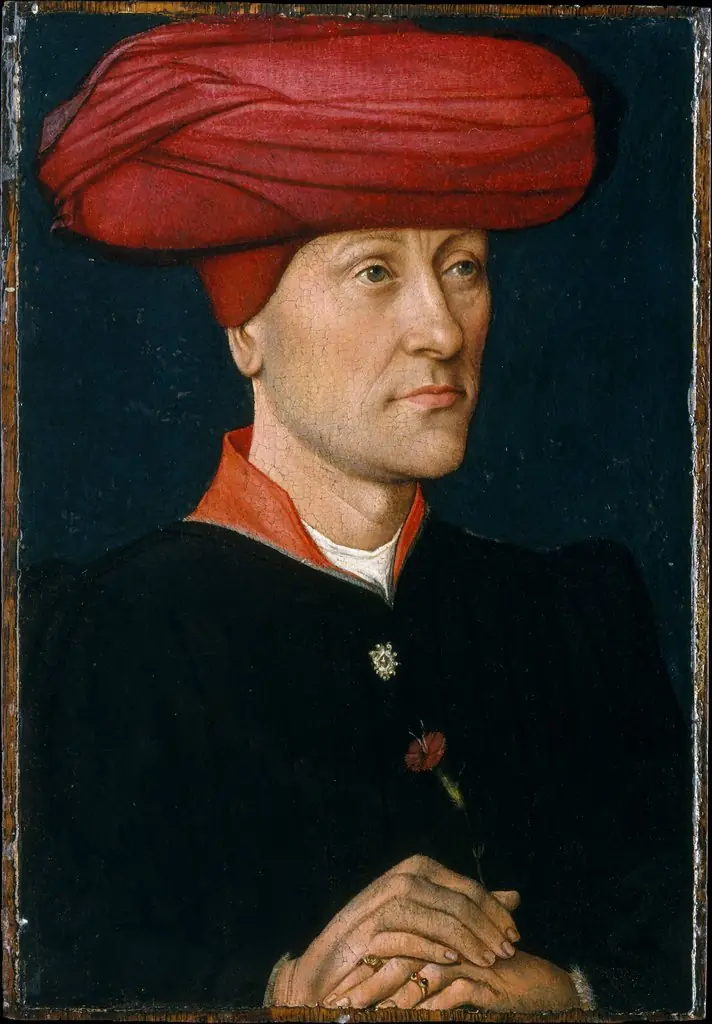
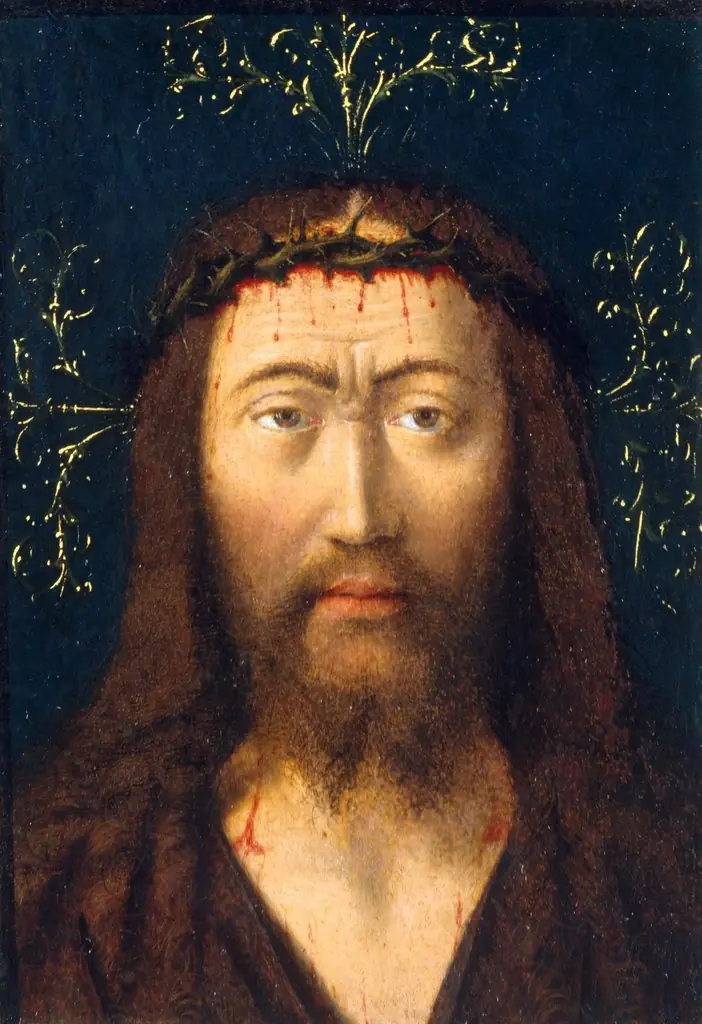
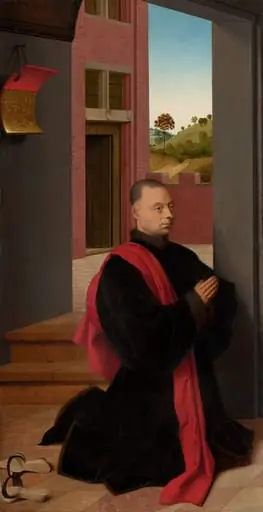
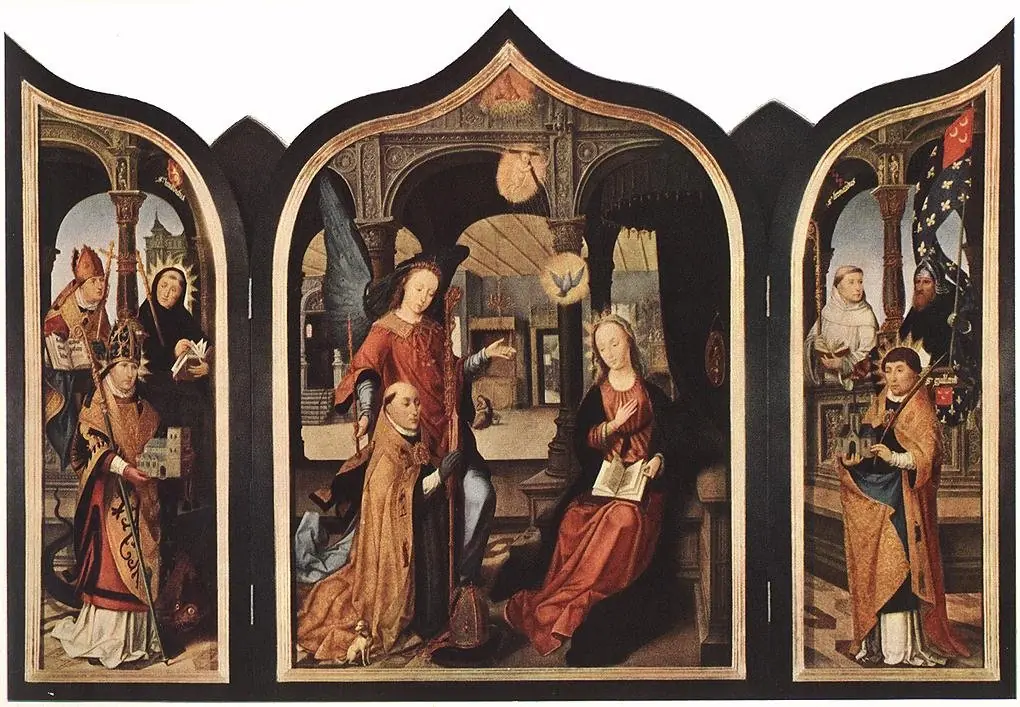 Annunciation
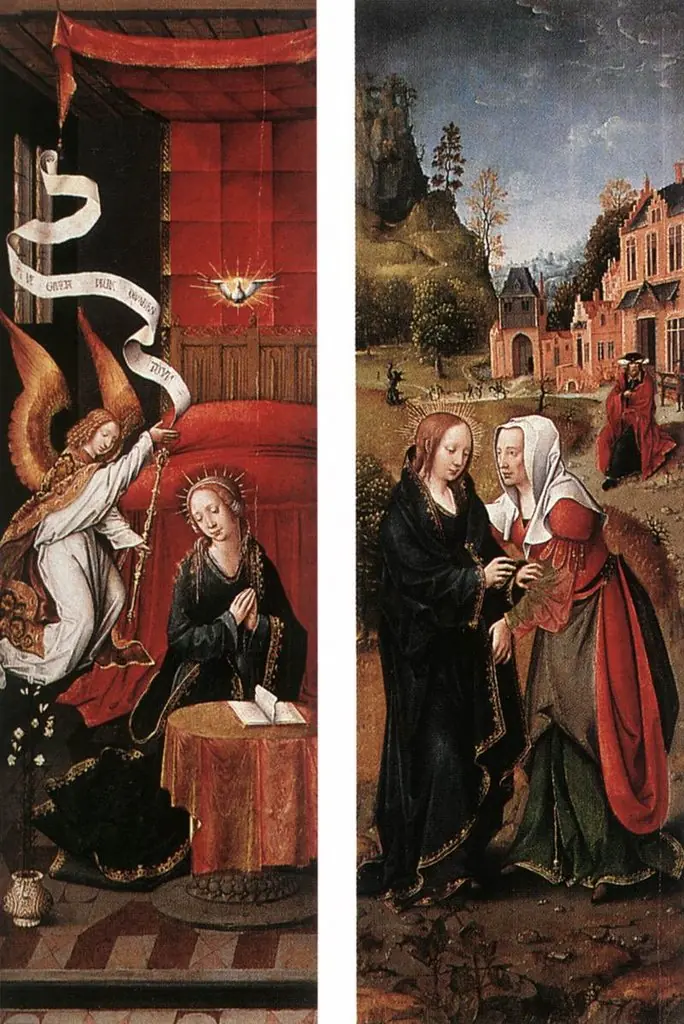 Annunciation and Visitation
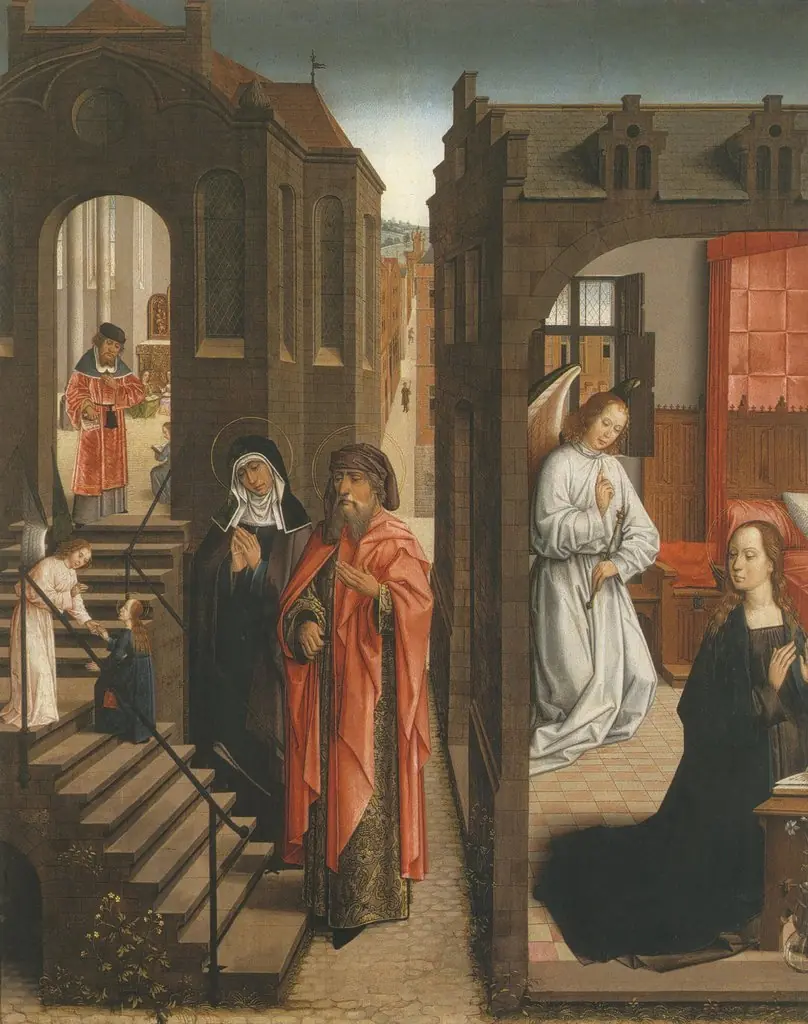 Opdracht van Maria en Annuntiatie
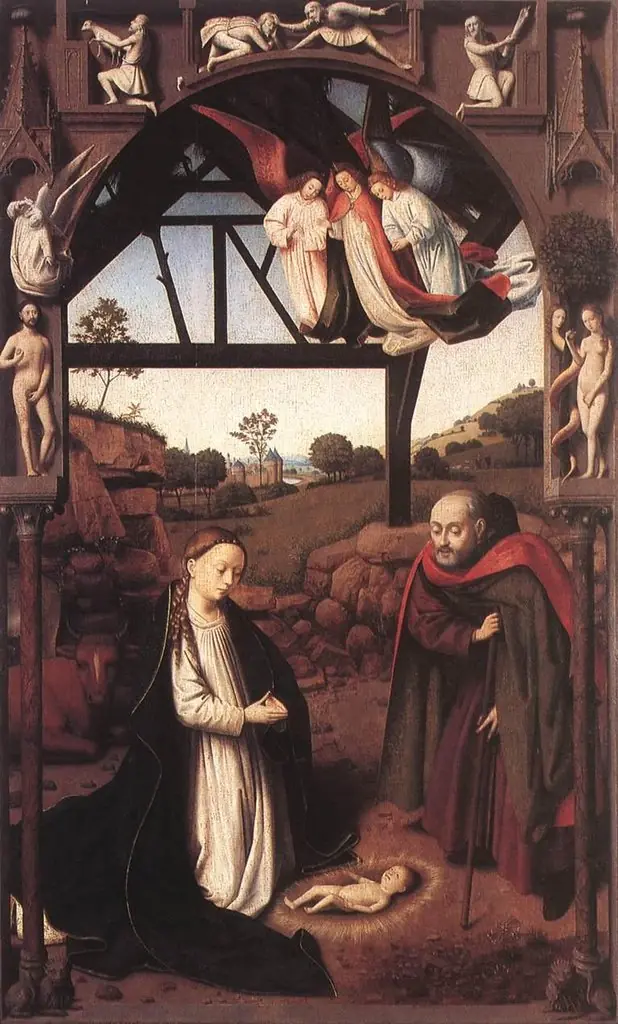 Adoration of the Christ Child
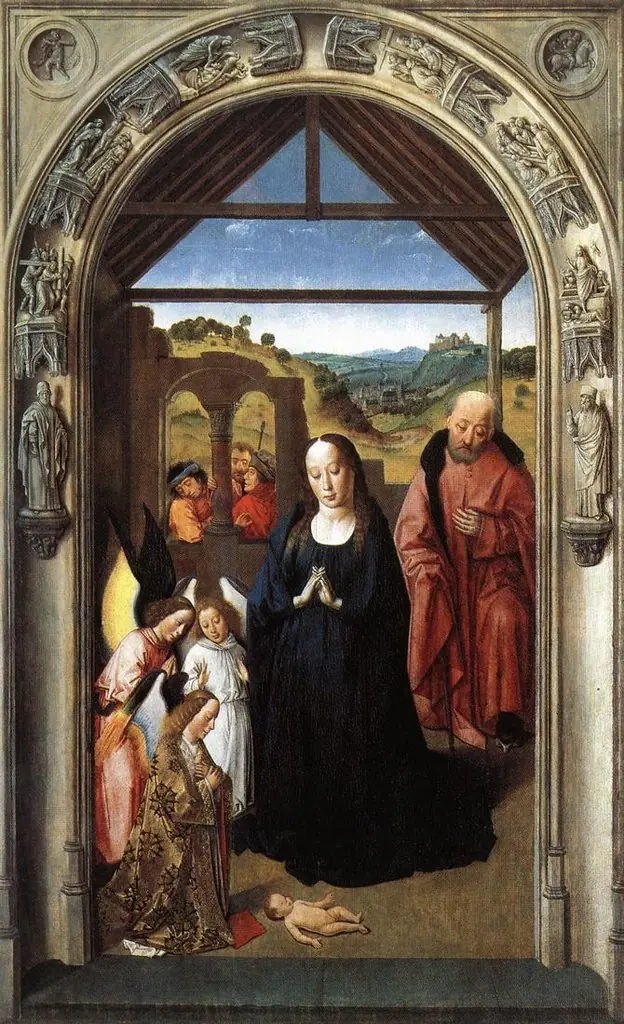 Nativity
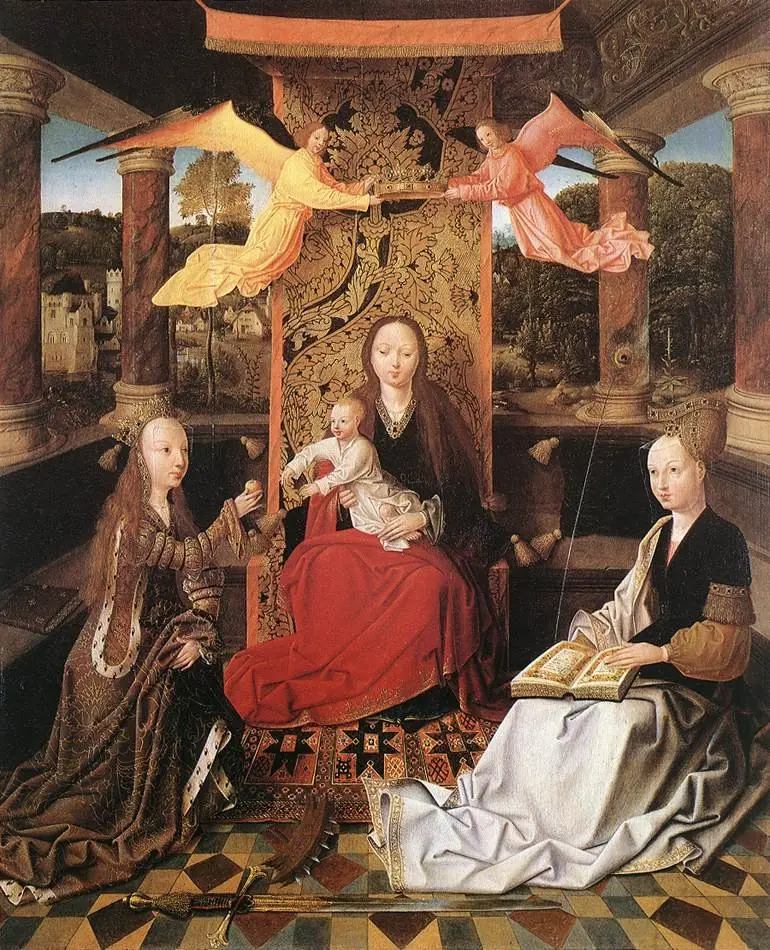 Madonna and Child with Sts Catherine and Barbara
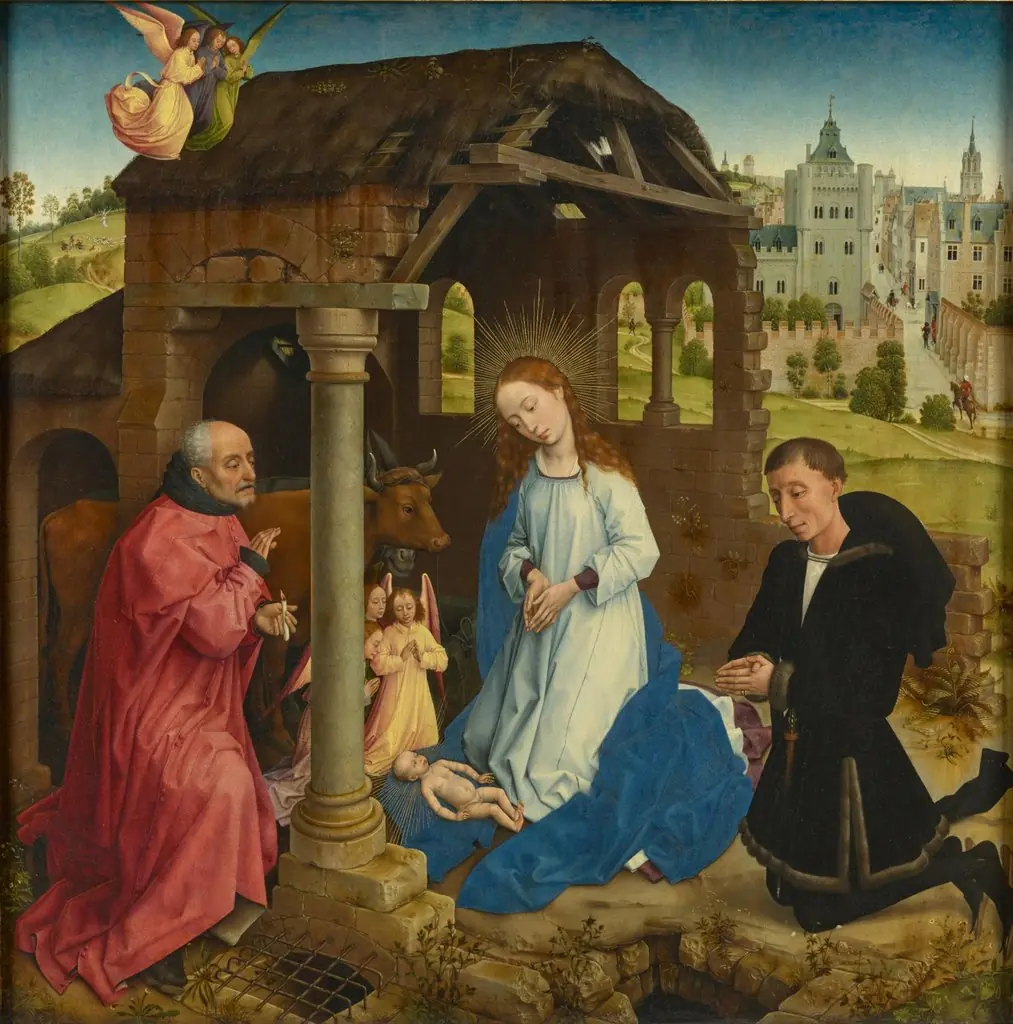 Bladelin Triptych Nativity (central panel)
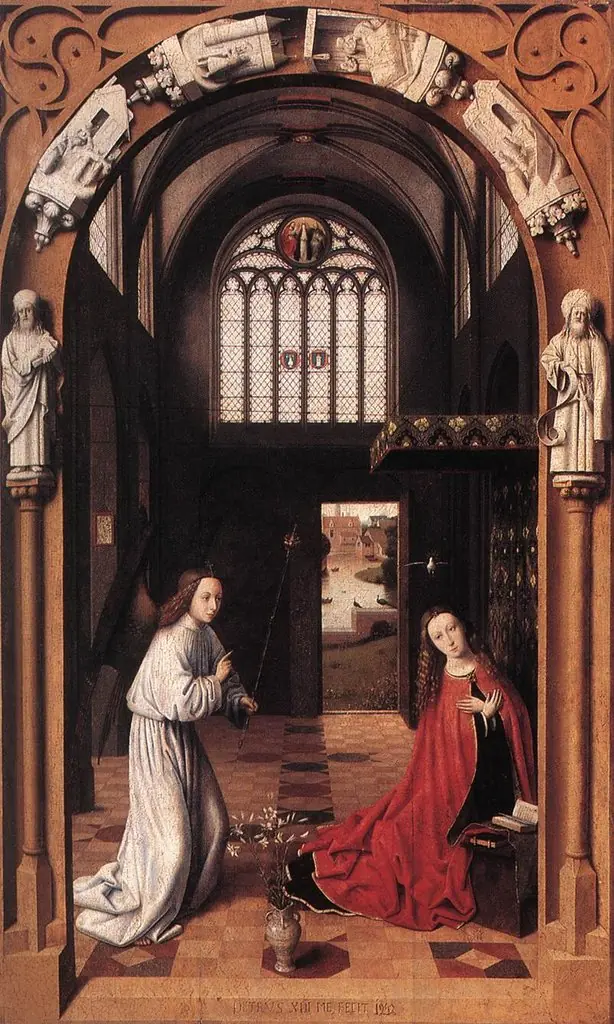 Annunciation
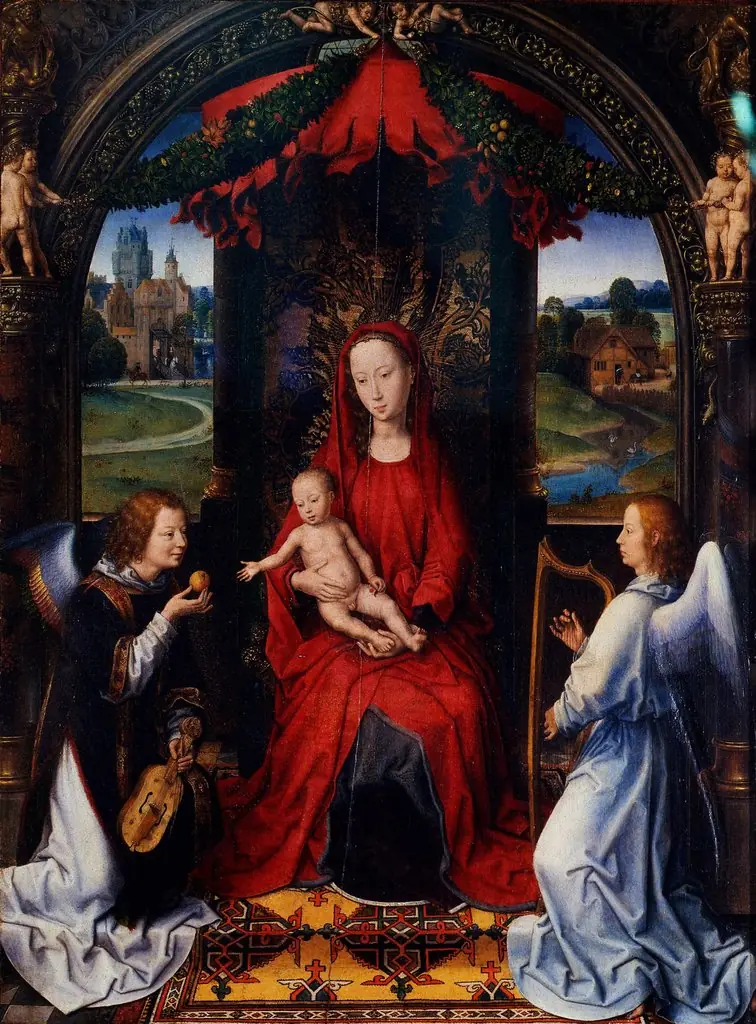 Madonna enthroned with child and two musical angels
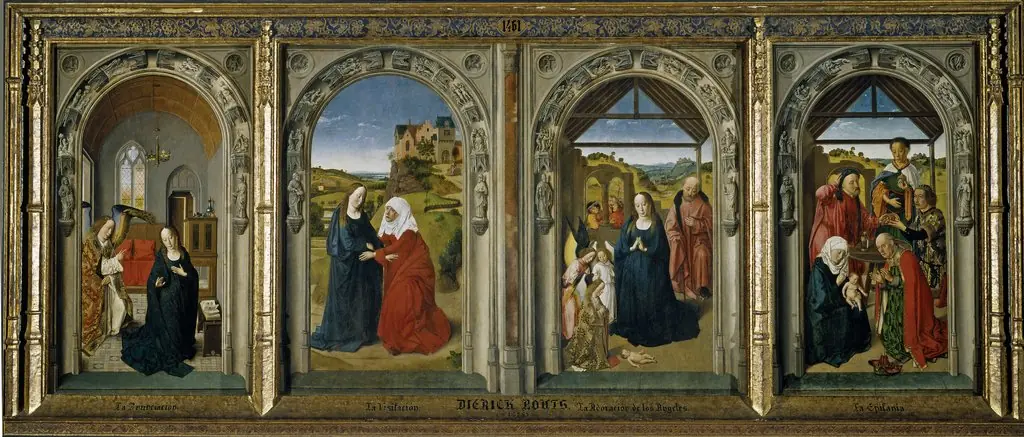 Triptych with Scenes from the Life of the Virgin
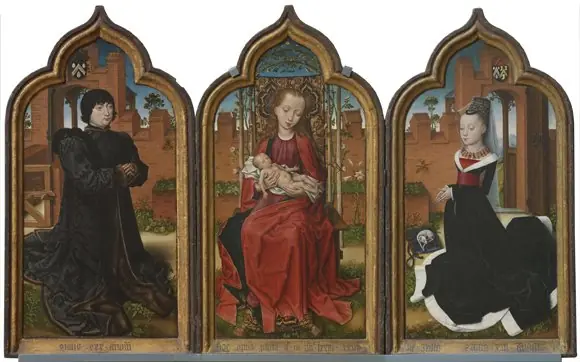 Triptych of Jean de Witte and Maria Hoose
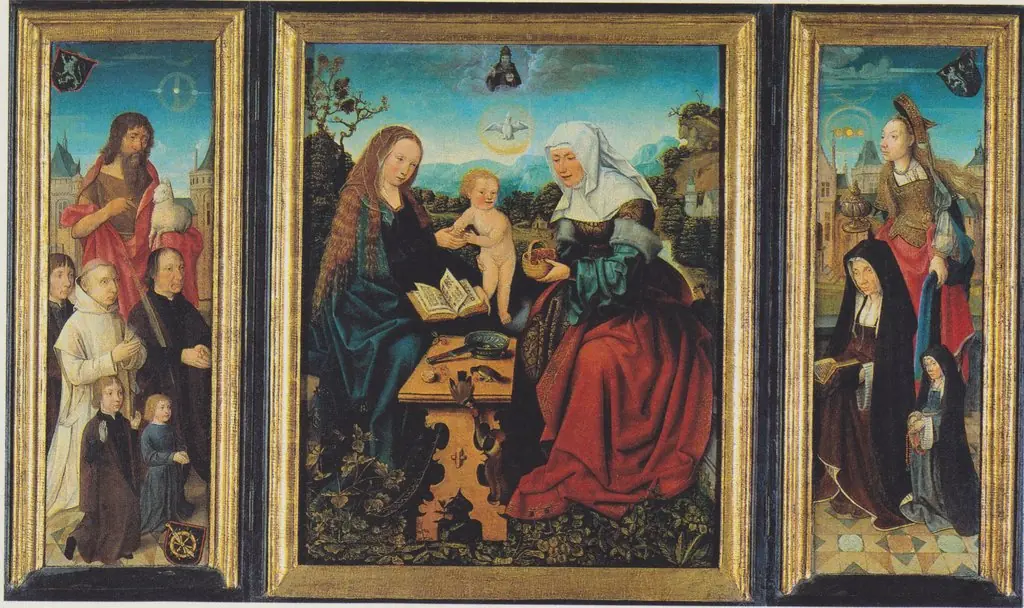 Portrait of Dirck van Heemskerck van Beest & sons with John the Baptist, Madonna and Child with St Anne, and Gertruid van Diemen & daughter with Mary Magdalene