Artwork
Portrait of Artúr Görgey
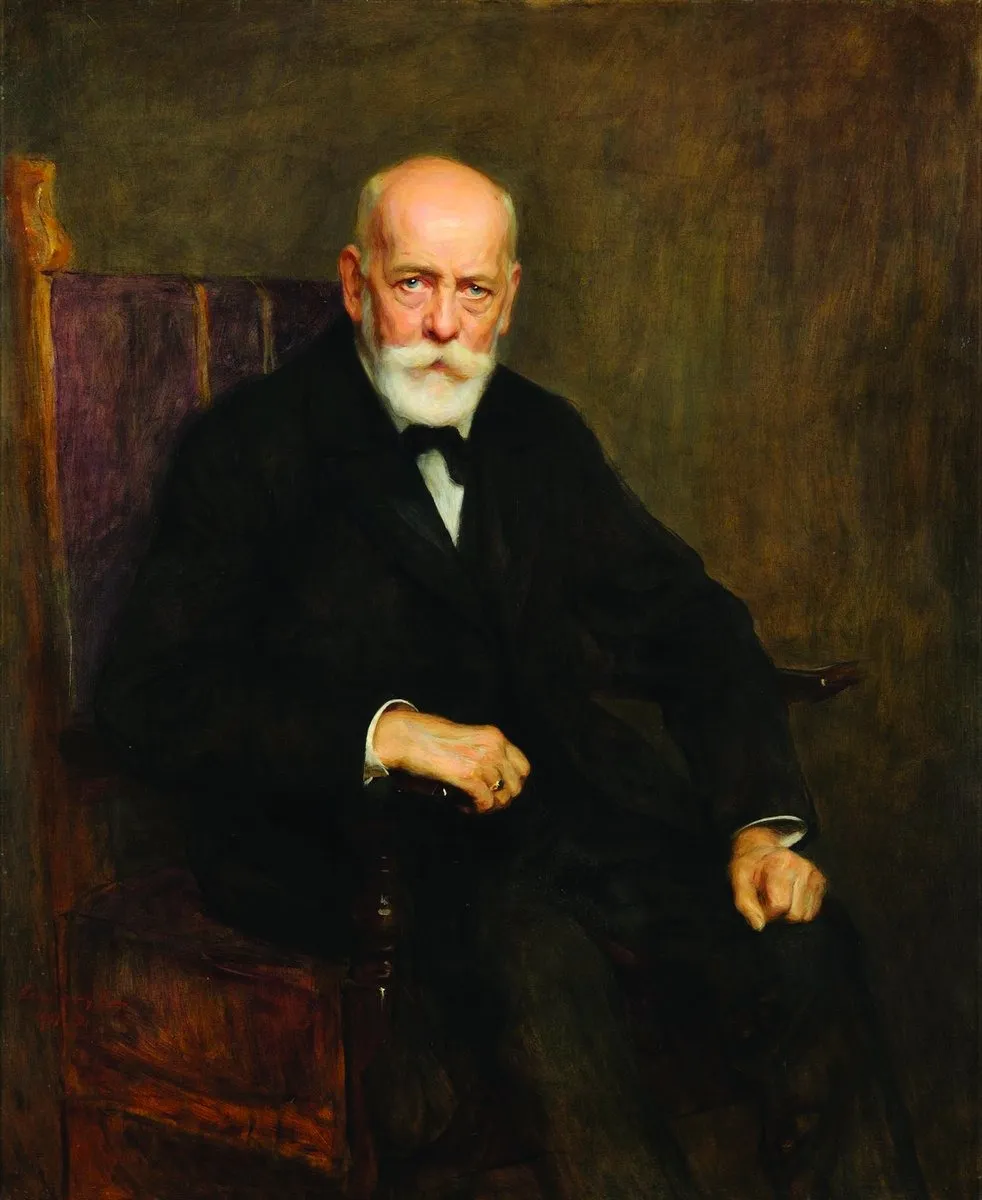
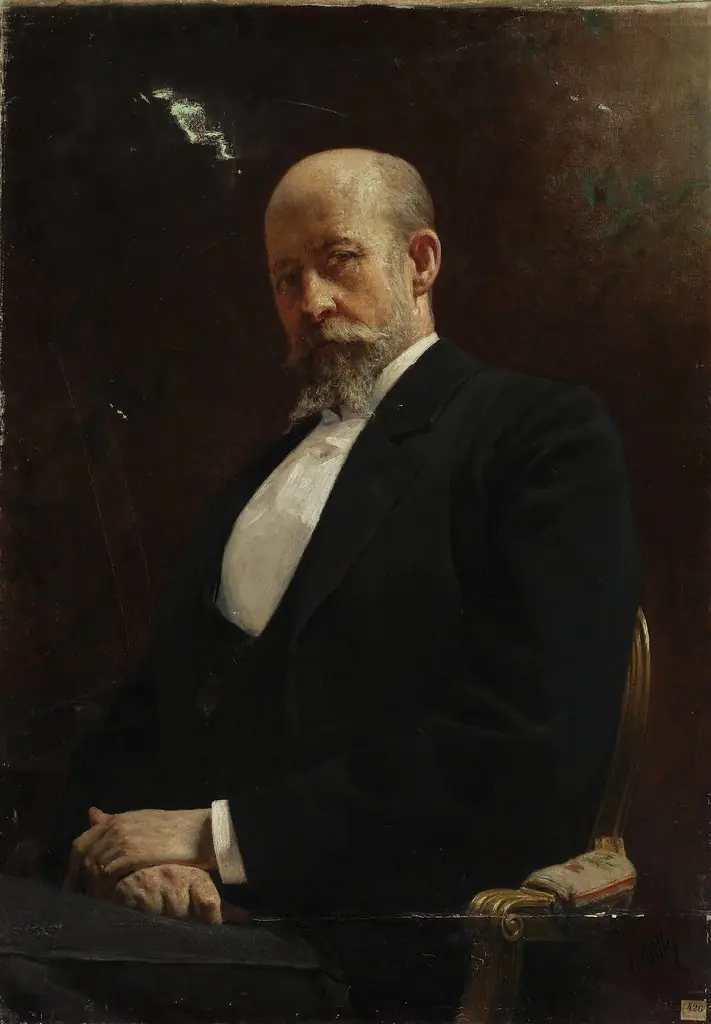
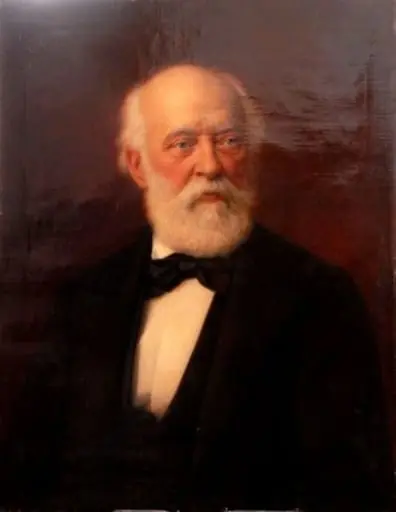
Portrait of Artúr Görgey is an oil painting by the Impressionist artist Philip de László. It dates from 1901 and is held in the collection of the Hungarian National Gallery.
About this work
Overview
Painted in 1901 by Philip de László, this oil-on-canvas portrait captures Artúr Görgey, a prominent Hungarian military figure. De László, born in Hungary and later naturalized as a British subject, was known for his precise portraiture of European elites. The work resides in the Hungarian National Gallery, reflecting its cultural significance within Hungary’s national memory.
Subject & Meaning
The composition avoids symbolism, focusing instead on the quiet presence of a historical figure in later life.
Artúr Görgey, a key leader in the 1848–49 Hungarian Revolution, is portrayed with solemn dignity. His white beard and mustache, formal black attire, and direct gaze convey authority and gravitas. The absence of military regalia emphasizes his civilian legacy, suggesting reflection rather than triumph. The composition avoids symbolism, focusing instead on the quiet presence of a historical figure in later life.
Technique & Style
De László employed chiaroscuro to model the subject’s face and hands with subtle tonal shifts, lending volume and realism. The muted brown background and restrained palette direct focus to the figure. Brushwork is controlled yet fluid, avoiding overt Impressionist looseness; the style aligns more closely with academic portraiture, refined through careful lighting and texture.
History & Provenance
Commissioned during de László’s rise as a sought-after portraitist, the painting was completed a decade after Görgey’s death. It entered the Hungarian National Gallery’s collection as part of efforts to preserve national heroes’ likenesses. The work’s provenance remains unbroken, with no record of private ownership after its initial acquisition by the state.
Context
In early 20th-century Hungary, portraits of revolutionary figures served as cultural anchors amid political change. De László, though internationally connected, maintained ties to Hungarian identity. This portrait emerged during a period of renewed national pride, where visual representations of past leaders reinforced collective memory and civic values.
Legacy
The portrait endures as a definitive image of Görgey, frequently reproduced in historical texts and exhibitions. De László’s ability to convey character without embellishment contributed to its lasting authority. Though not stylistically radical, the work exemplifies the role of portraiture in shaping national iconography in modern Hungary.
Artist & collection
Artist
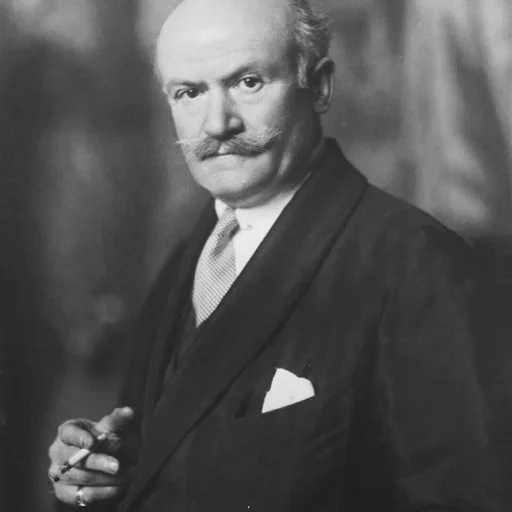
Philip Alexius László de Lombos (born Fülöp Laub; Hungarian: László Fülöp Elek; 30 April 1869 – 22 November 1937), known professionally as Philip de László, was an Anglo-Hungarian painter known particularly for his…

 Portrait of Teodor Rygier, sculptor
 Pyotr Tchaikovsky
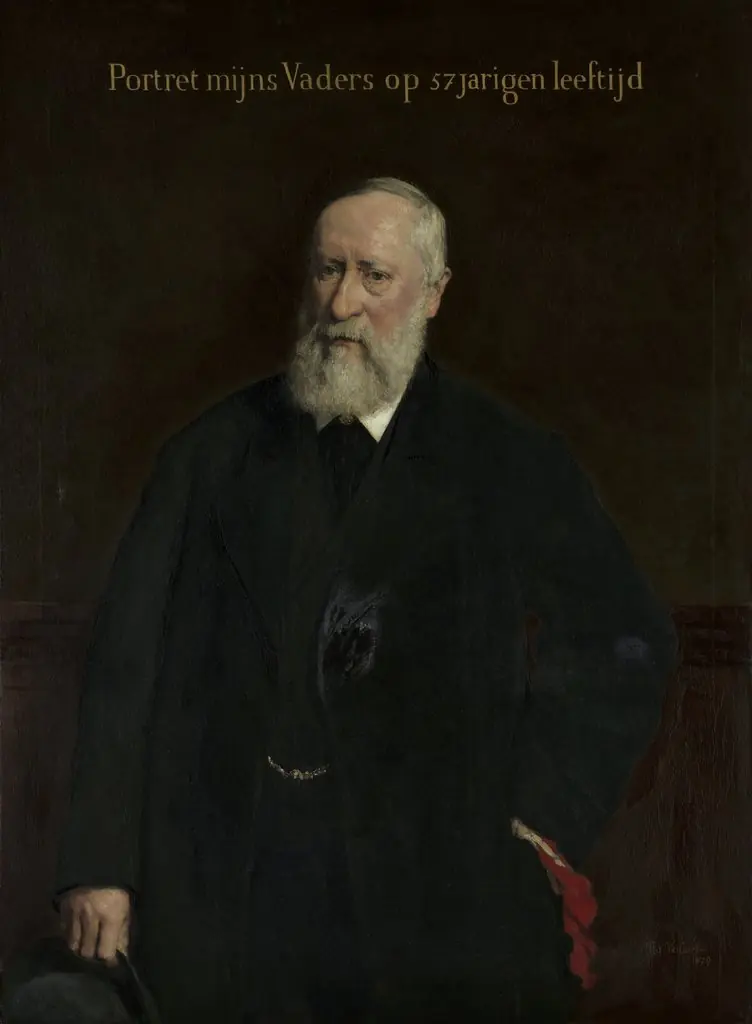 Jan Verhaert, the Artist's Father
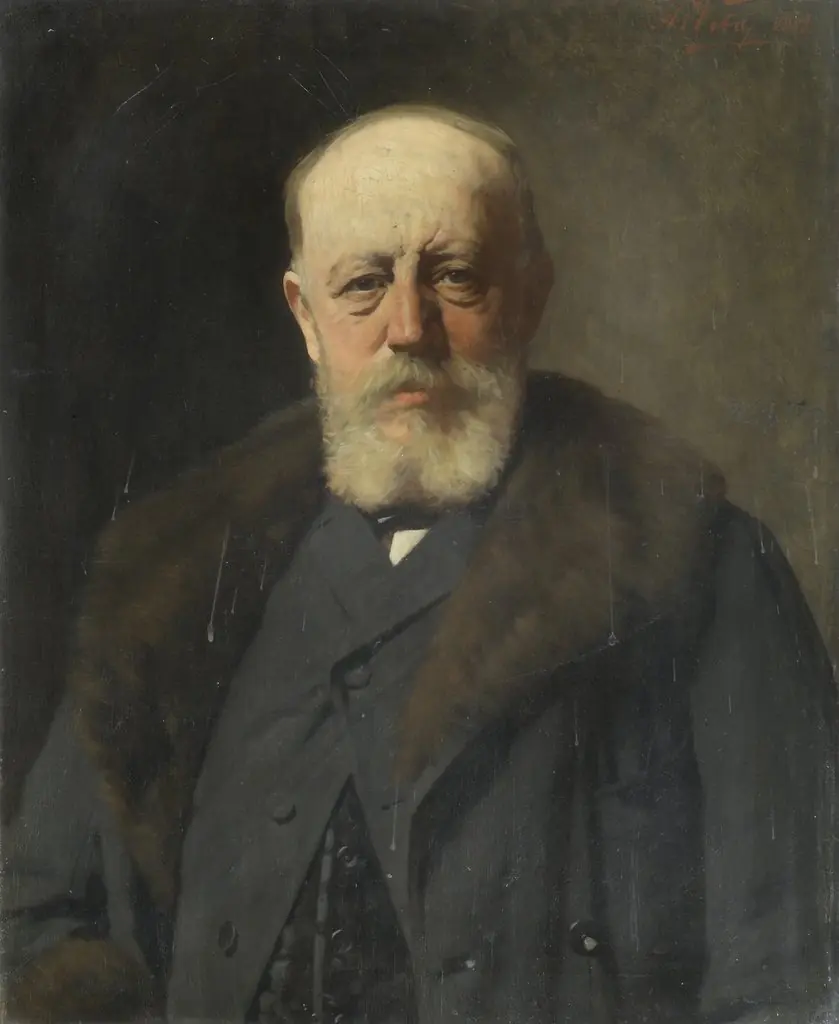 Dr. Thaddäus Vita
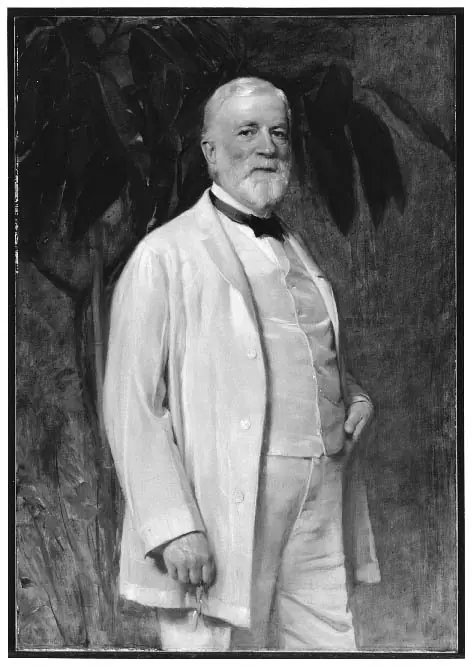 James Brown Case
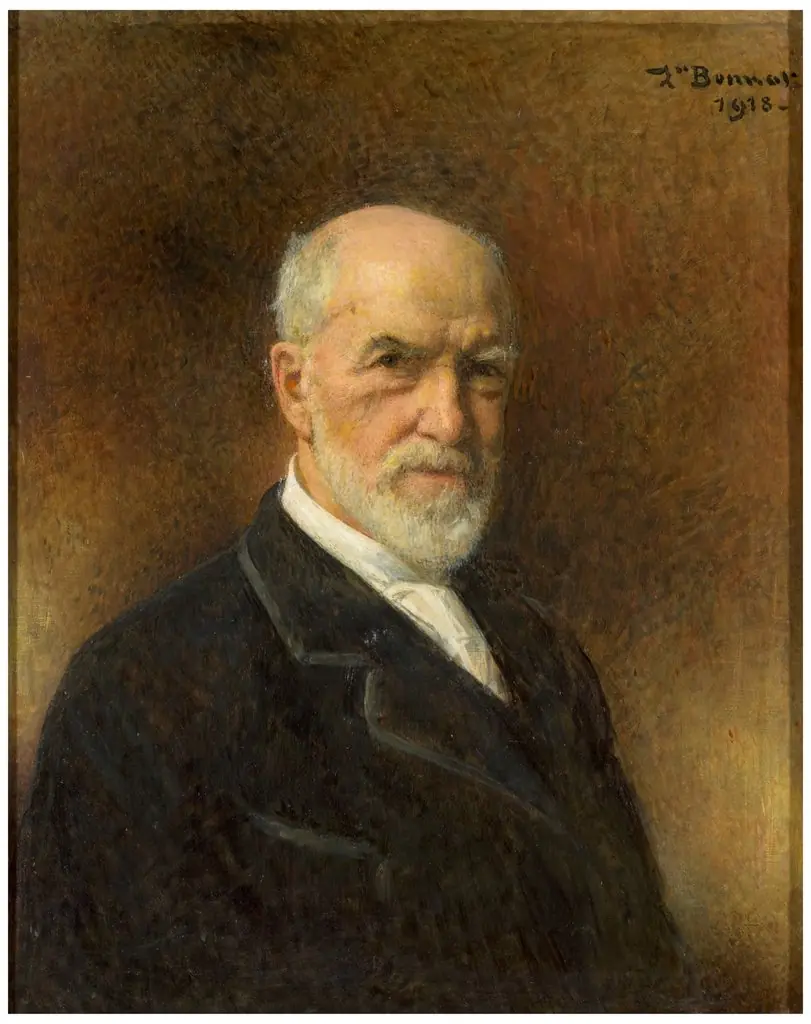 Self-portrait (1918)
 Portrait of Frederik Daniël Otto Obreen (1840-96), director Rijksmuseum
 Portrait of Władysław Bogusławski
 Portretul lui Kossuth Lajos
 Self-portrait
 Portretul lui Kossuth Lajos
 Pictorul Szinyeu