Artwork
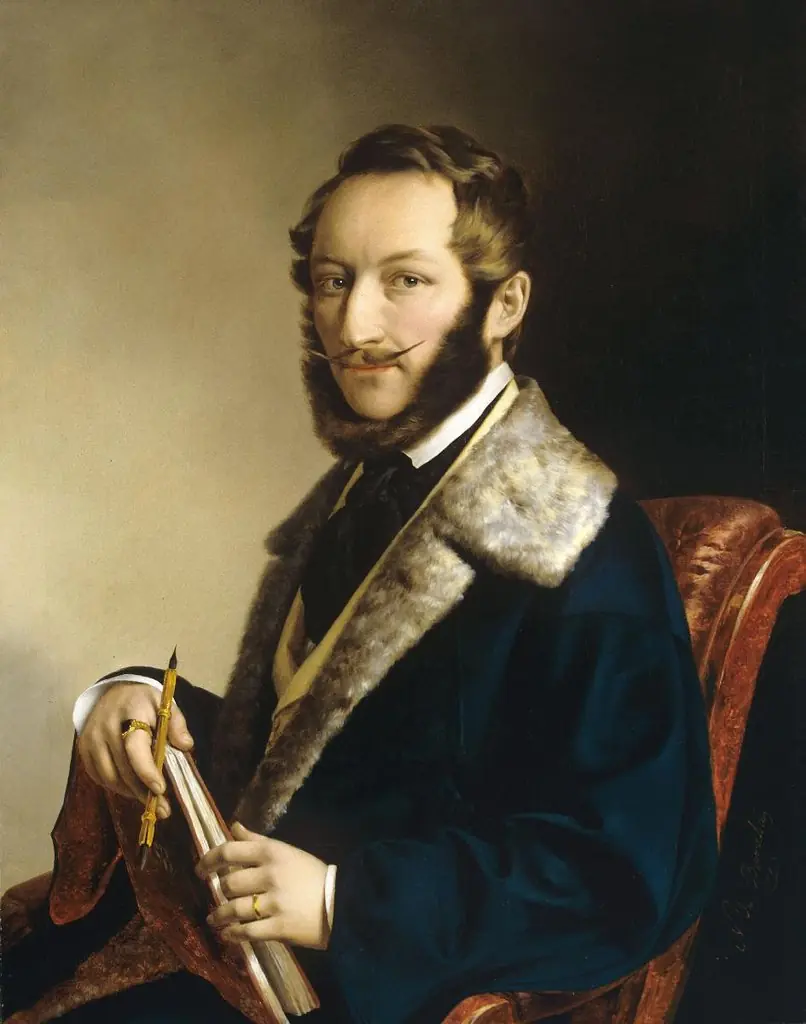
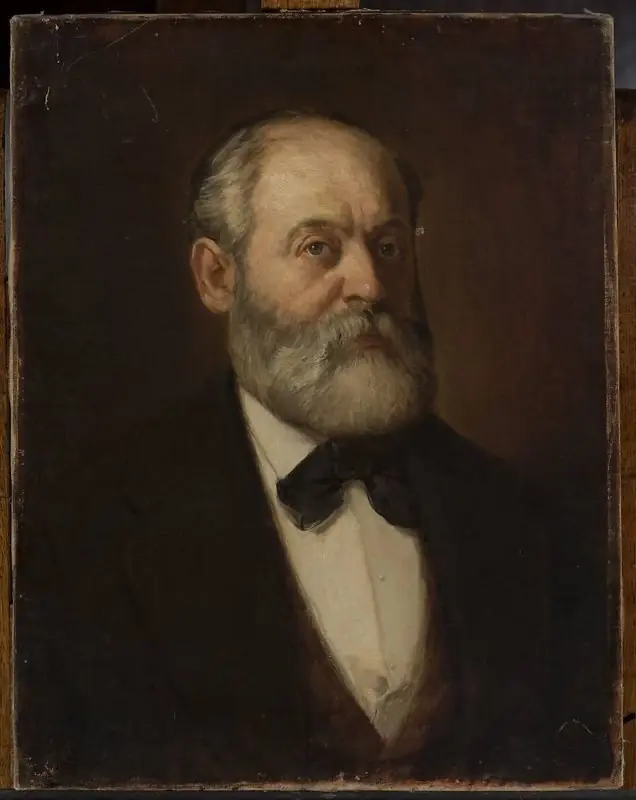
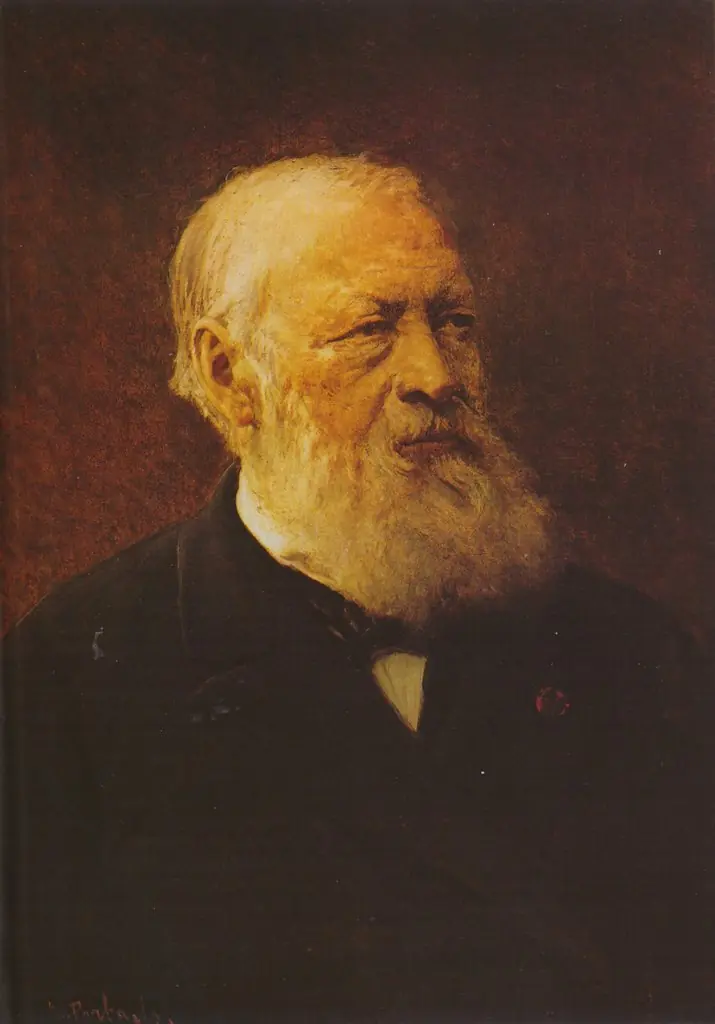
Portretul lui Kossuth Lajos
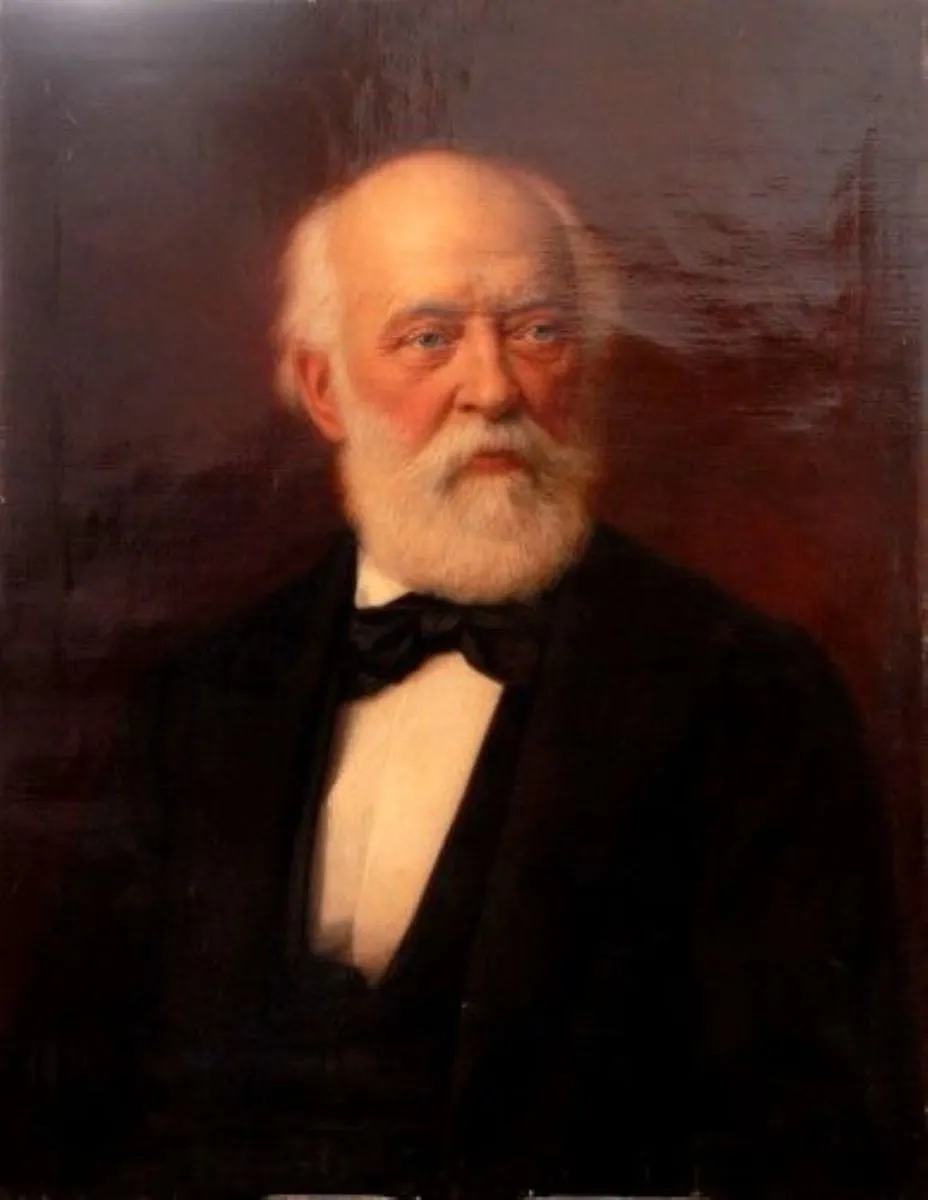
Portretul lui Kossuth Lajos is an unspecified painting by the Biedermeier artist Miklós Barabás. It dates from 1885 and is held in the collection of the Țării Crișurilor Museum.
About this work
Overview
Miklós Barabás, a Hungarian portraitist active in the mid‑19th century, completed the oil painting *Portretul lui Kossuth Lajos* in 1885. Executed during the Biedermeier era, the work exemplifies Barabás’s focus on precise, intimate likenesses of prominent individuals. The portrait is part of the Museum of Ethnography’s collection.
Subject & Meaning
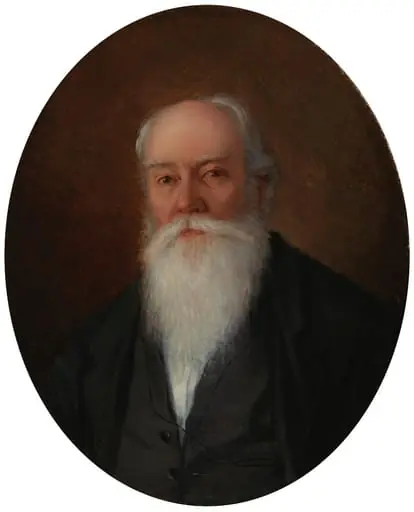
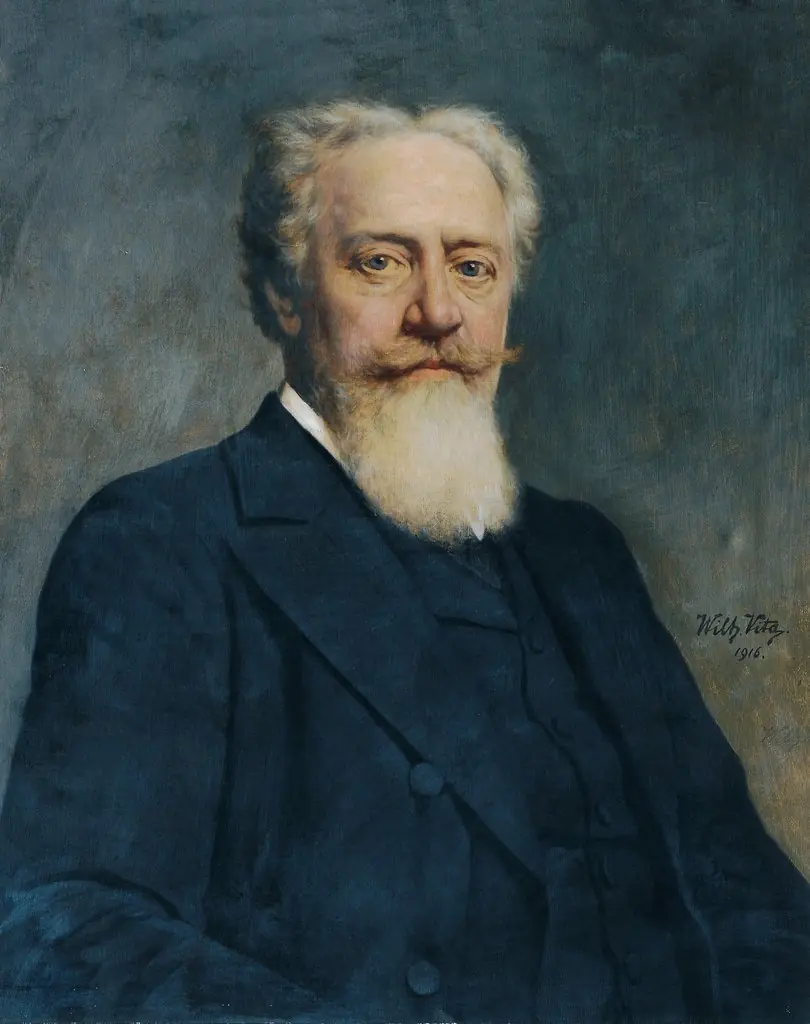
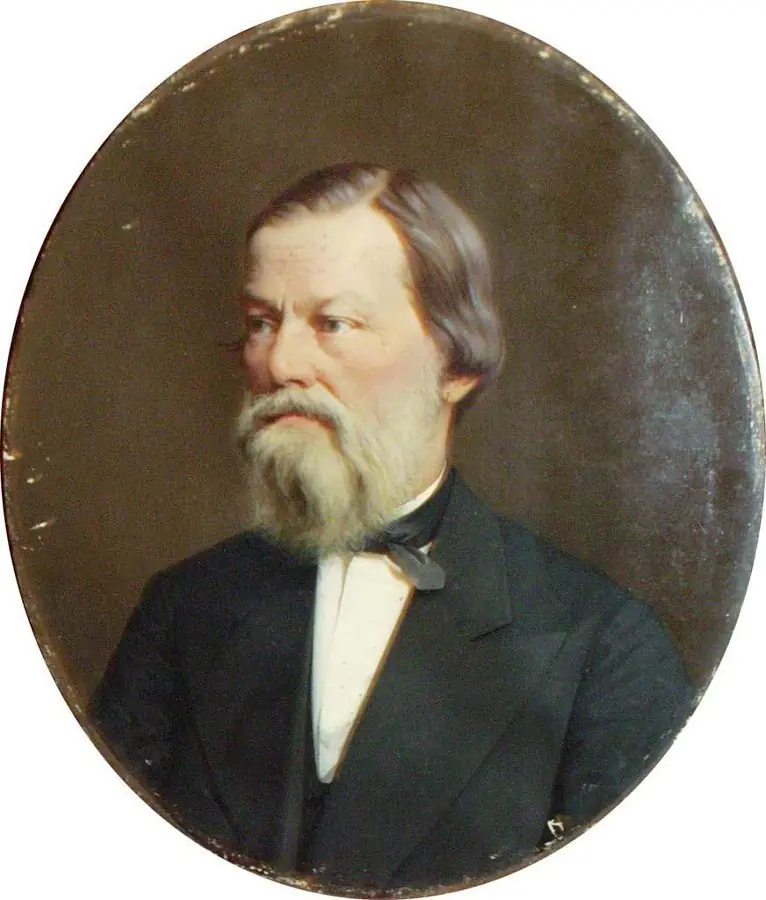
The canvas depicts Lajos Kossuth, the 19th‑century Hungarian statesman, rendered with a white beard and hair, dressed in a black suit, white shirt and black bow tie. His solemn expression and direct gaze convey a dignified authority, while the subdued palette reinforces the gravitas associated with his political legacy.
Technique & Style
Barabás employs a restrained palette and careful modeling to achieve a realistic flesh tone against a dark, subtly graded background. Fine brushwork delineates the textures of fabric and facial hair, reflecting the Biedermeier preference for clarity, detail, and a calm, domestic atmosphere within portraiture.
History & Provenance
Created in 1885, the portrait entered the Museum of Ethnography’s holdings at an unspecified date, where it remains on display. Barabás’s earlier commissions—such as his 1847 portrait of Franz Liszt and the 1853 likeness of Emperor Franz Joseph I—established his reputation for capturing leading figures of his era.
Artist & collection
Artist
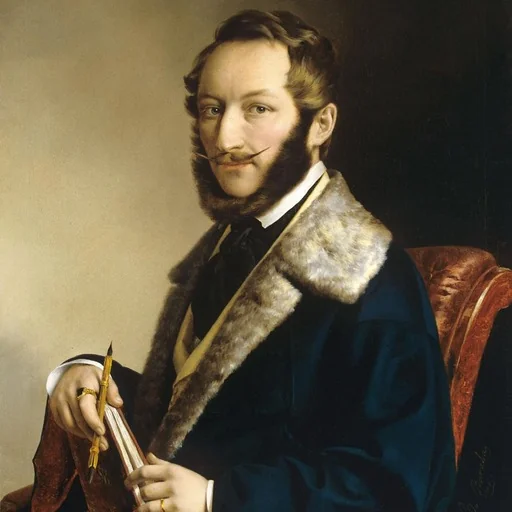
Miklós Barabás (10 February 1810, in Márkosfalva (rom. Mărcușa), Háromszék County, Hungary – 12 February 1898, in Budapest, Hungary) was a Hungarian painter. He is mostly known for his portrait paintings, including a…