Artwork
Portrait of Leo XIII
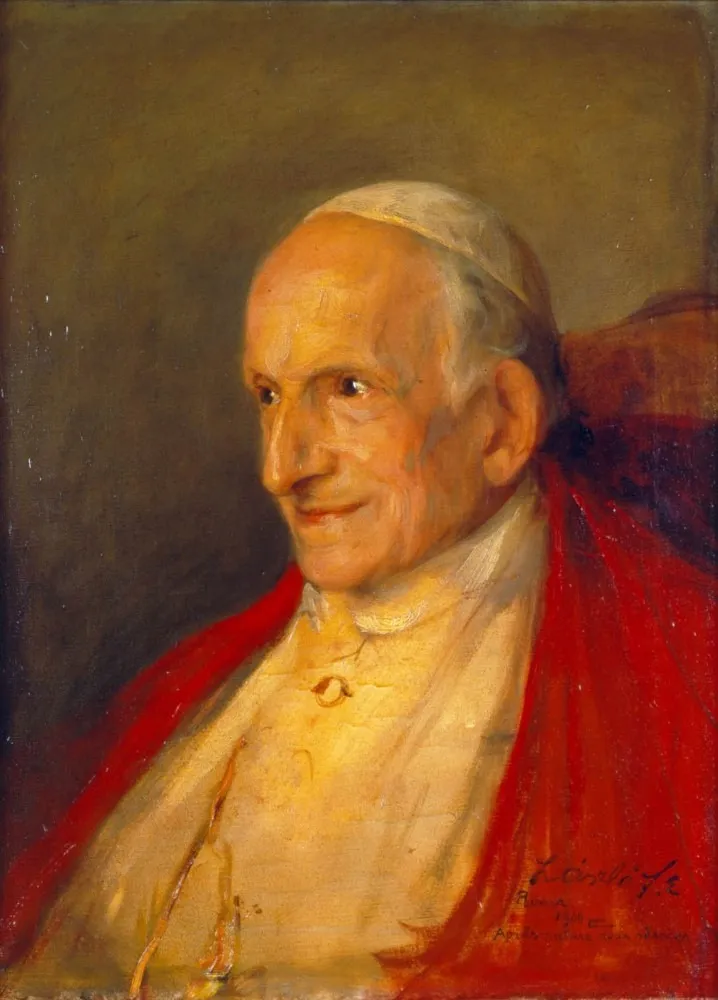
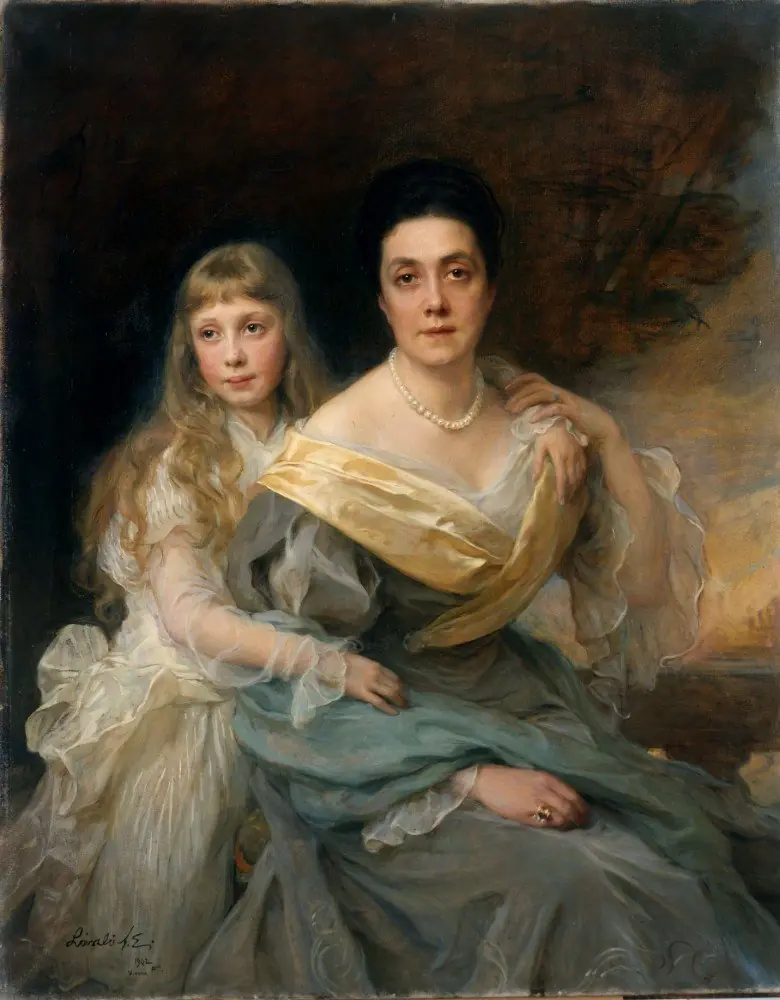
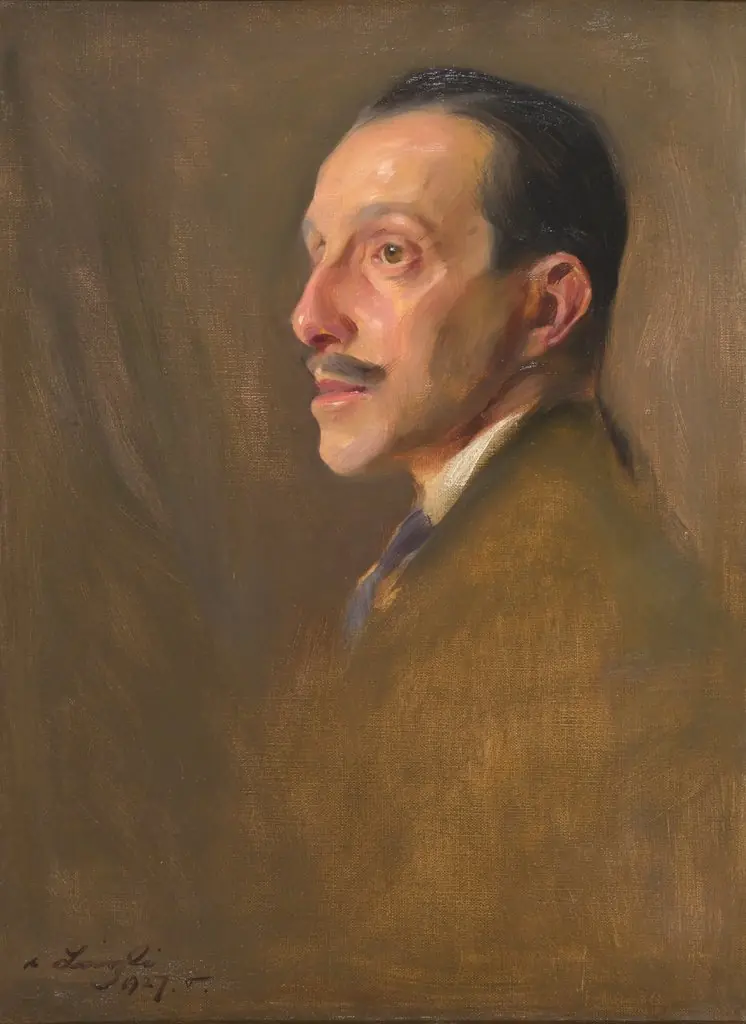
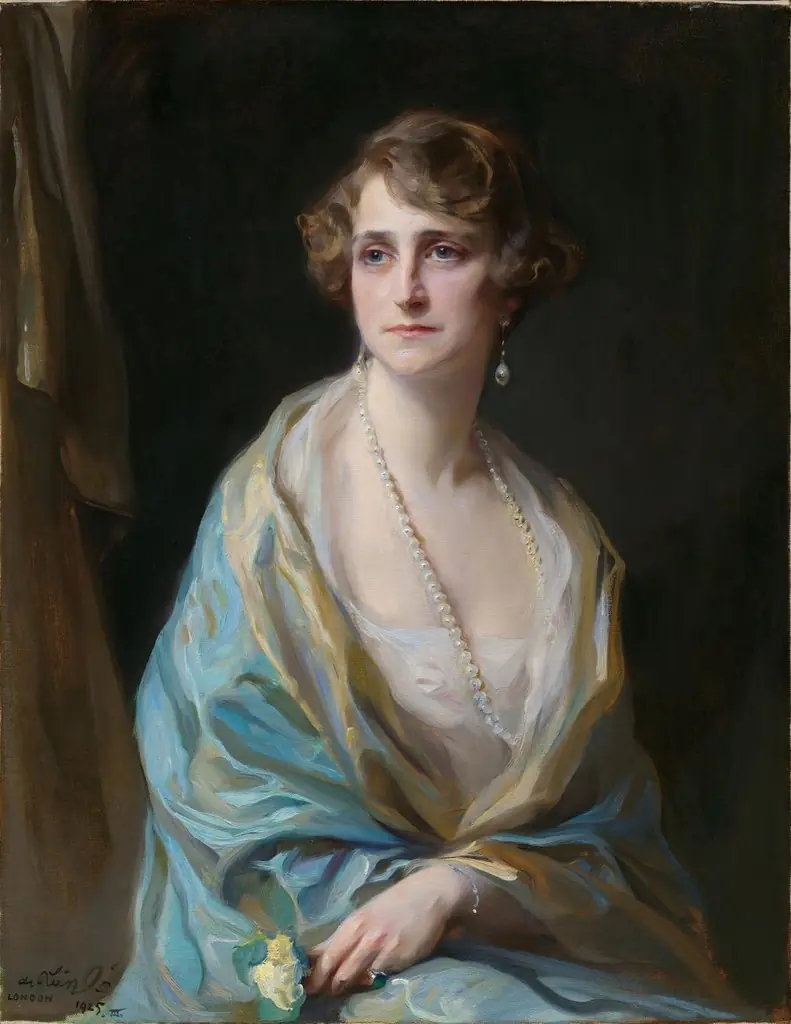
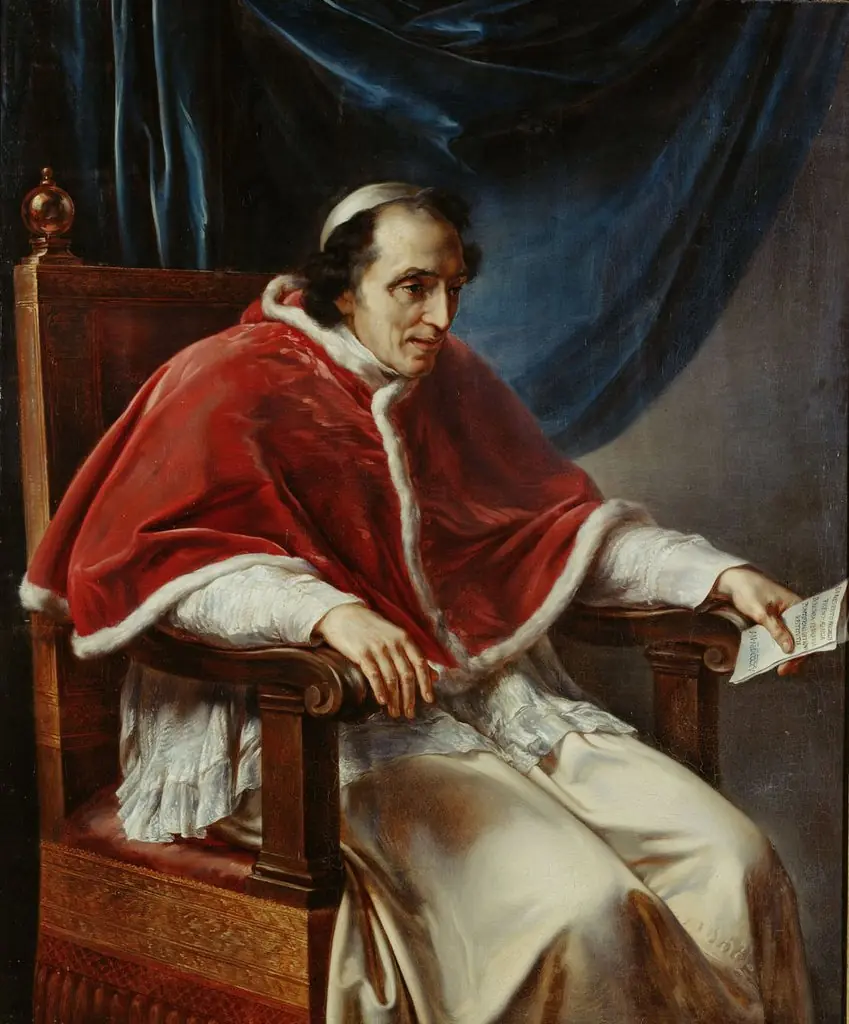
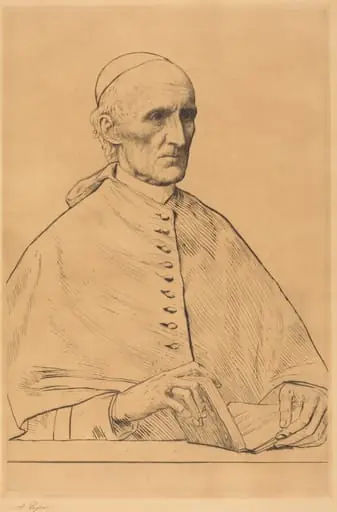
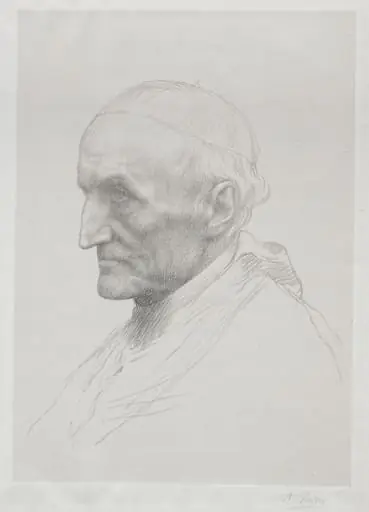
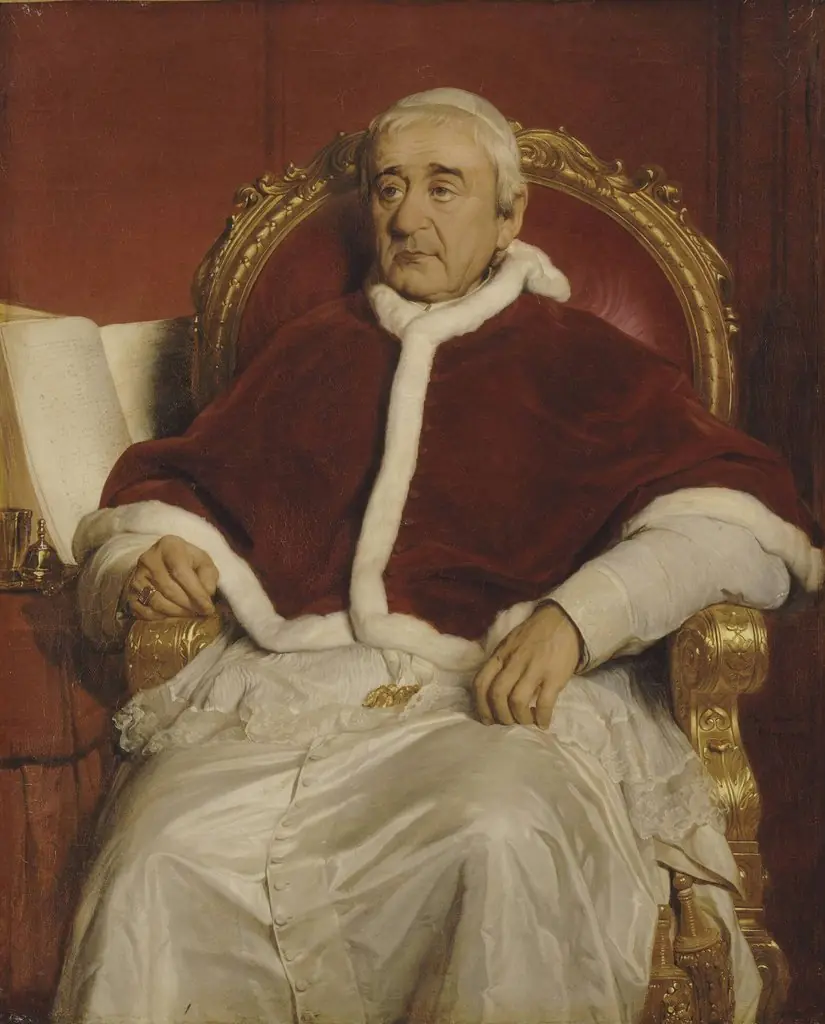
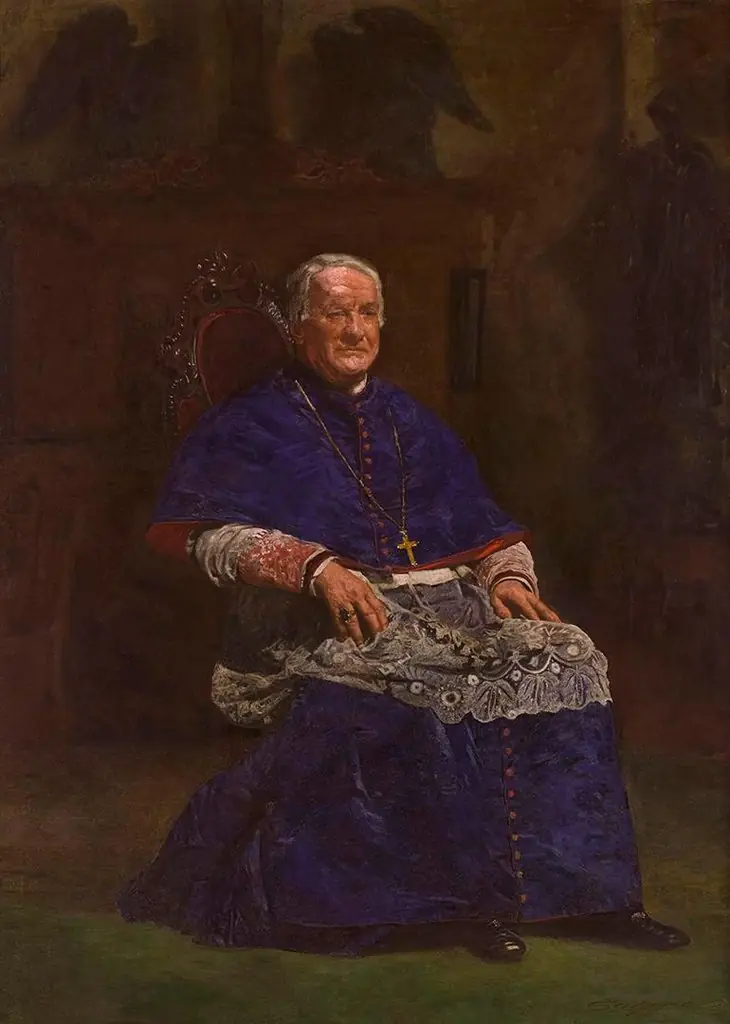
Portrait of Leo XIII is an oil painting by the Impressionist artist Philip de László. It dates from 1900 and is held in the collection of the Vatican Museums.
About this work
Overview
Philip de László’s 1900 oil portrait of Pope Leo XIII is part of the Vatican Museums’ collection. Executed in the late‑19th‑century Impressionist idiom, the work captures the pontiff in a dignified yet intimate manner, reflecting the artist’s reputation for portraying members of royalty and the aristocracy.
Subject & Meaning
The painting shows the elderly pope with a gentle smile, his gaze directed downward in quiet contemplation. He wears a white shirt beneath a red papal robe that falls loosely over his shoulders, set against a muted brown backdrop that emphasizes his serene demeanor.
Technique & Style
De László employs a soft palette of warm tones to model the pope’s face, giving the skin a subtle sheen. The use of chiaroscuro—contrasting light and shadow—creates depth, while loose brushwork typical of Impressionism conveys a sense of immediacy and atmospheric presence.
History & Provenance
Completed in 1900, the portrait entered the Vatican Museums shortly after its creation, where it remains on display. Its acquisition reflects the Vatican’s interest in contemporary representations of its leaders during the turn of the century.
Context
At the time of the portrait’s execution, Pope Leo XIII was a prominent figure in European religious and political life. De László, an Anglo‑Hungarian artist known for his court commissions, was among the few non‑Italian painters invited to depict the pontiff, underscoring the pope’s international stature.
Artist & collection
Artist
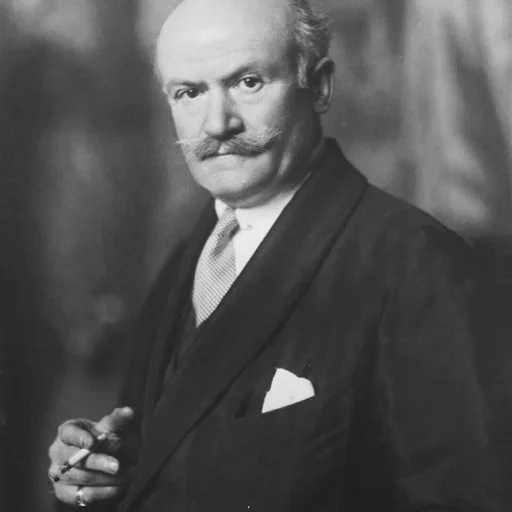
Philip Alexius László de Lombos (born Fülöp Laub; Hungarian: László Fülöp Elek; 30 April 1869 – 22 November 1937), known professionally as Philip de László, was an Anglo-Hungarian painter known particularly for his…