Artwork
William Richard Morris, Viscount Nuffield
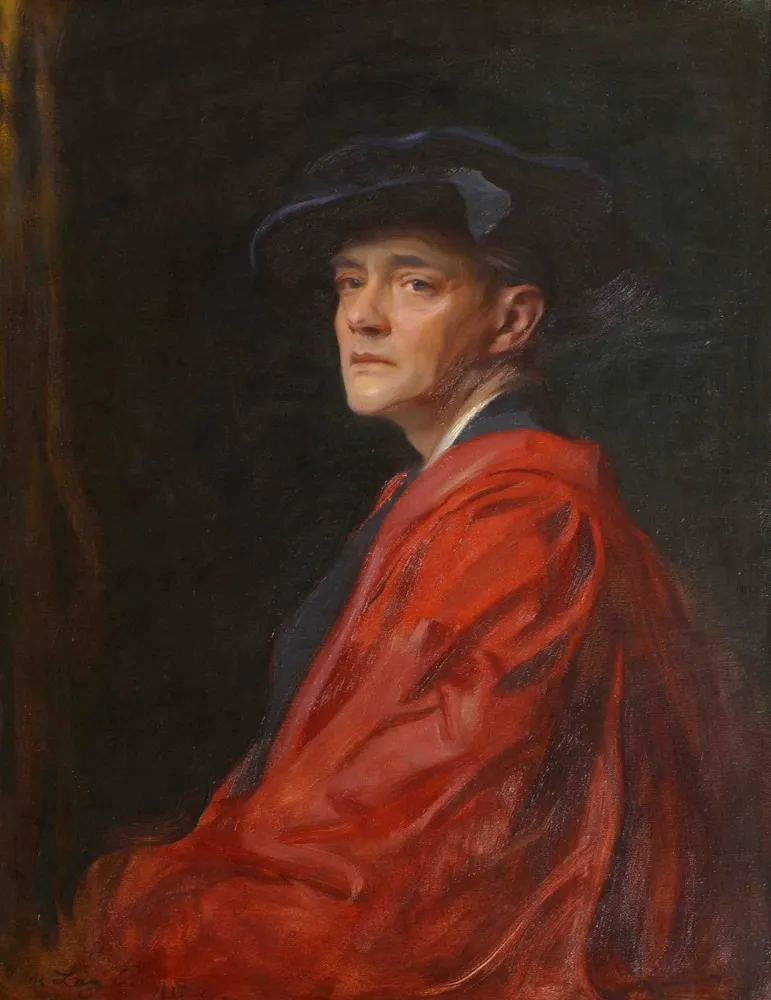
William Richard Morris, Viscount Nuffield is an oil painting by the Impressionist artist Philip de László. It dates from 1937 and is held in the collection of the Ashmolean Museum.
About this work
Overview
This portrait, created in 1937 by Philip de László, is an oil painting depicting William Richard Morris, 1st Viscount Nuffield. It is part of the Ashmolean Museum's collection.
Subject & Meaning
The subject, Viscount Nuffield, is portrayed in a formal, three-quarter view, wearing a red academic robe and black hat, conveying a sense of solemnity through his serious expression.
Technique & Style
Executed in an impressionist style, the painting utilizes chiaroscuro to achieve depth and volume, set against a dark background that accentuates the subject's features.
History & Provenance
Painted by de László, a renowned Anglo-Hungarian portraitist of nobility and royalty, the work reflects his characteristic approach to capturing high-society figures.
Context
De László's work was influenced by his connections to European aristocracy and honors, including the Royal Victorian Order and a Hungarian noble title, which likely informed his portrayal of Viscount Nuffield.
Legacy
As part of the Ashmolean Museum's collection, the portrait contributes to the institution's holdings of 20th-century portraiture, reflecting the artistic and social intersections of the time.
Artist & collection
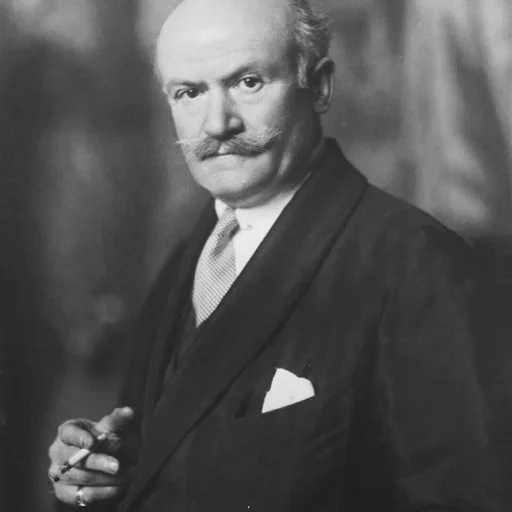
Artist
Philip Alexius László de Lombos (born Fülöp Laub; Hungarian: László Fülöp Elek; 30 April 1869 – 22 November 1937), known professionally as Philip de László, was an Anglo-Hungarian painter known particularly for his…

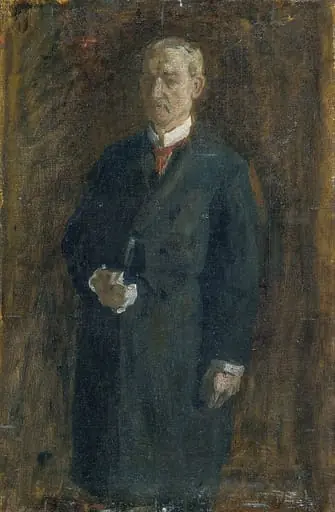 James MacAlister (Sketch)
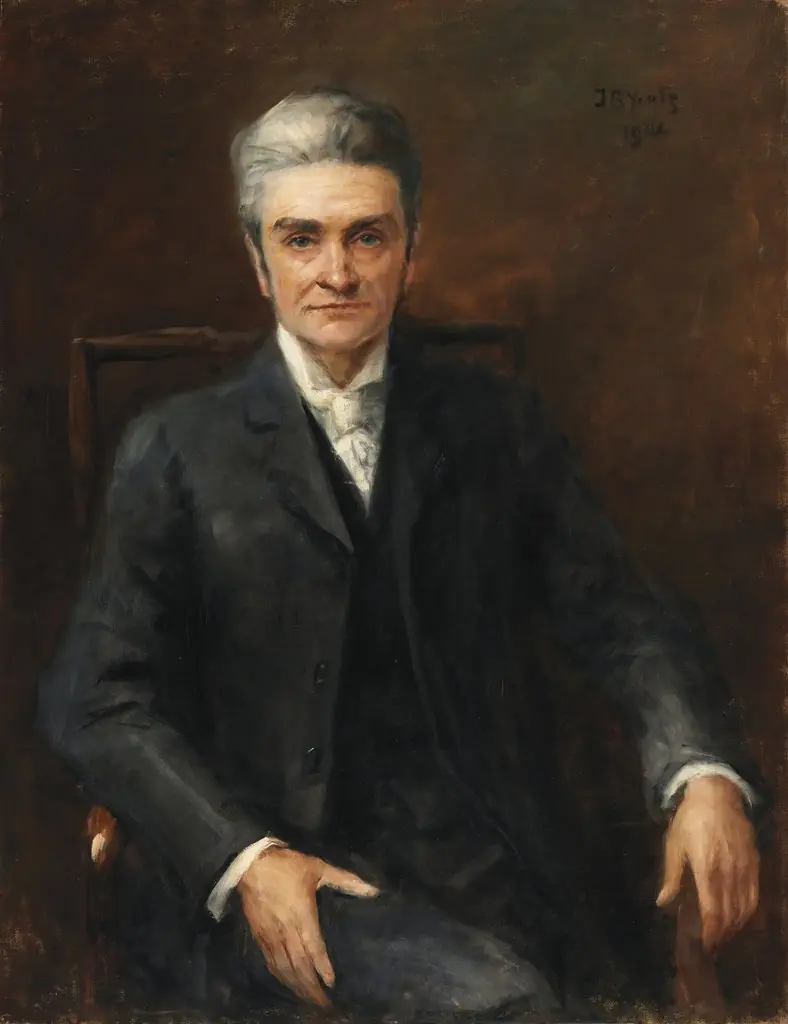 Portrait of Standish James O'Grady (1832-1915), Author
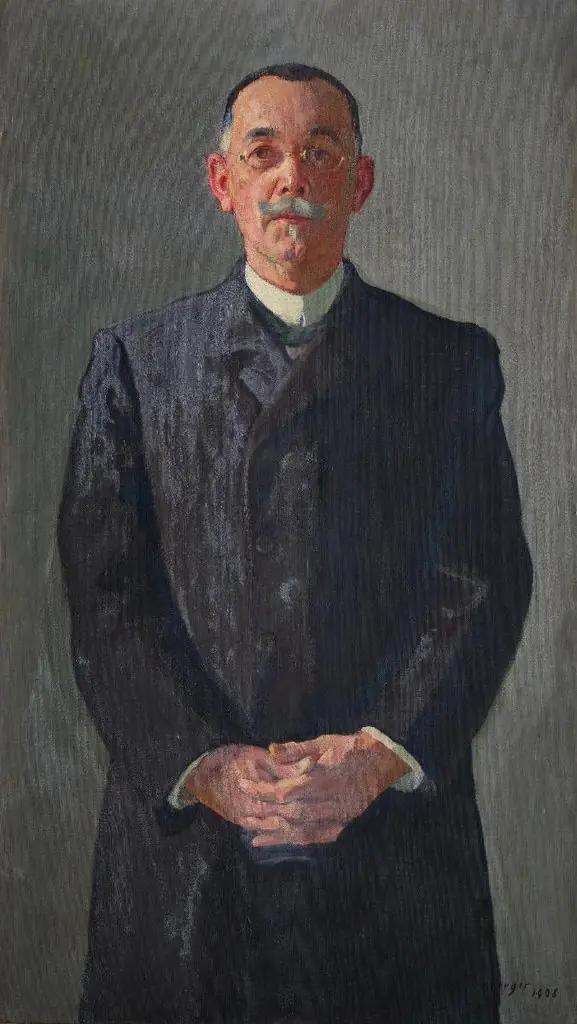 Bildnis Adolf Frey
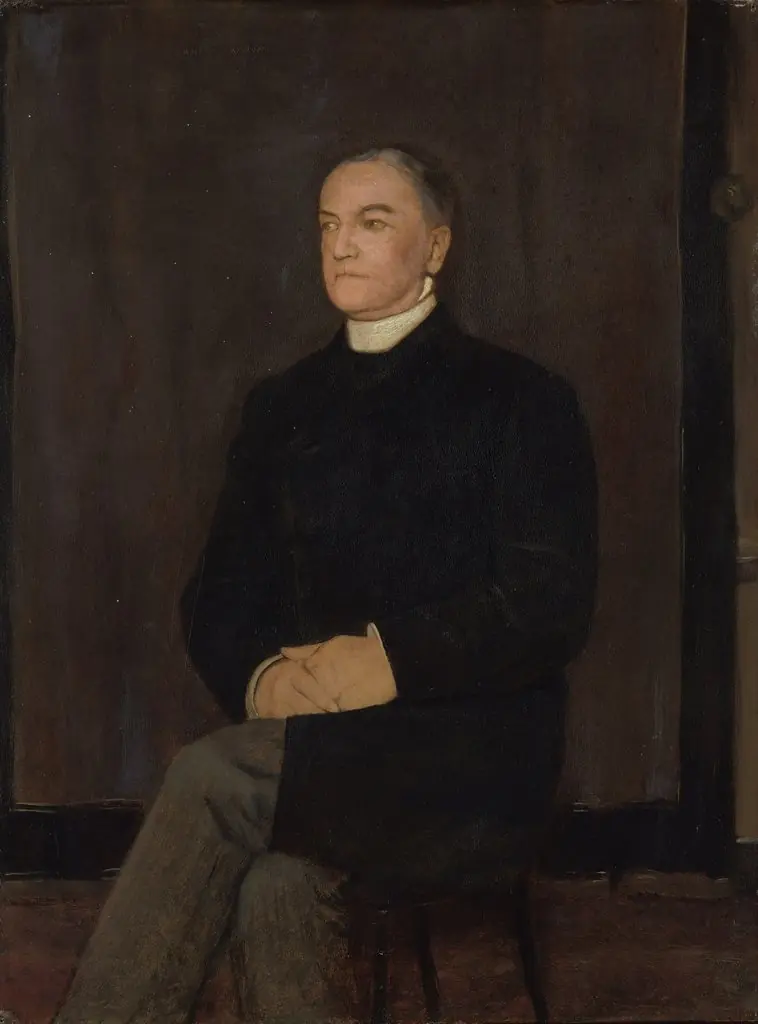 Portret van Augustinus Gerardus Hubertus van Rijckevorsel (1828 - ’s-Hertogenbosch - 1891)
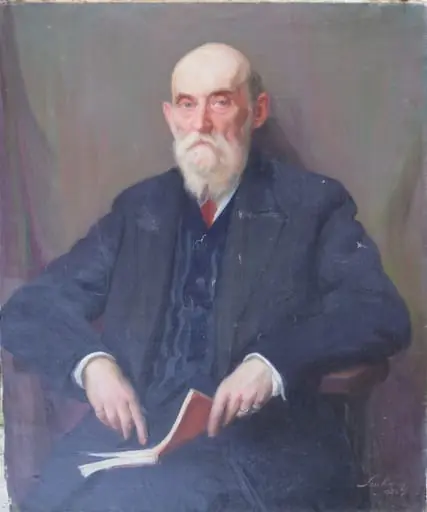 Portret (Constantin Lahovari, fost președinte al societății Ileana?)
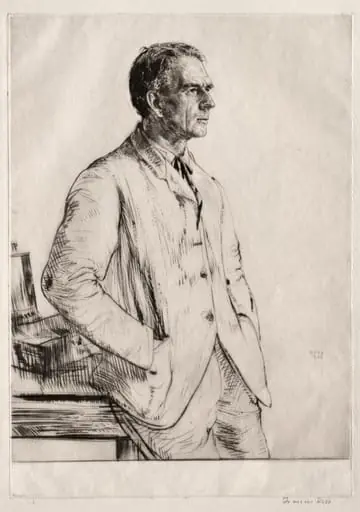 Reverend C. H. Grinling
 Gregorio Salcedo Viana
 Kalman Ze'ev Wissotzky
 Portrait of an old man
 Portrait of a man
 John Galsworthy
 Portrait of Otto Eckmann