Artwork
The Apotheosis of Saint Antony of Padua
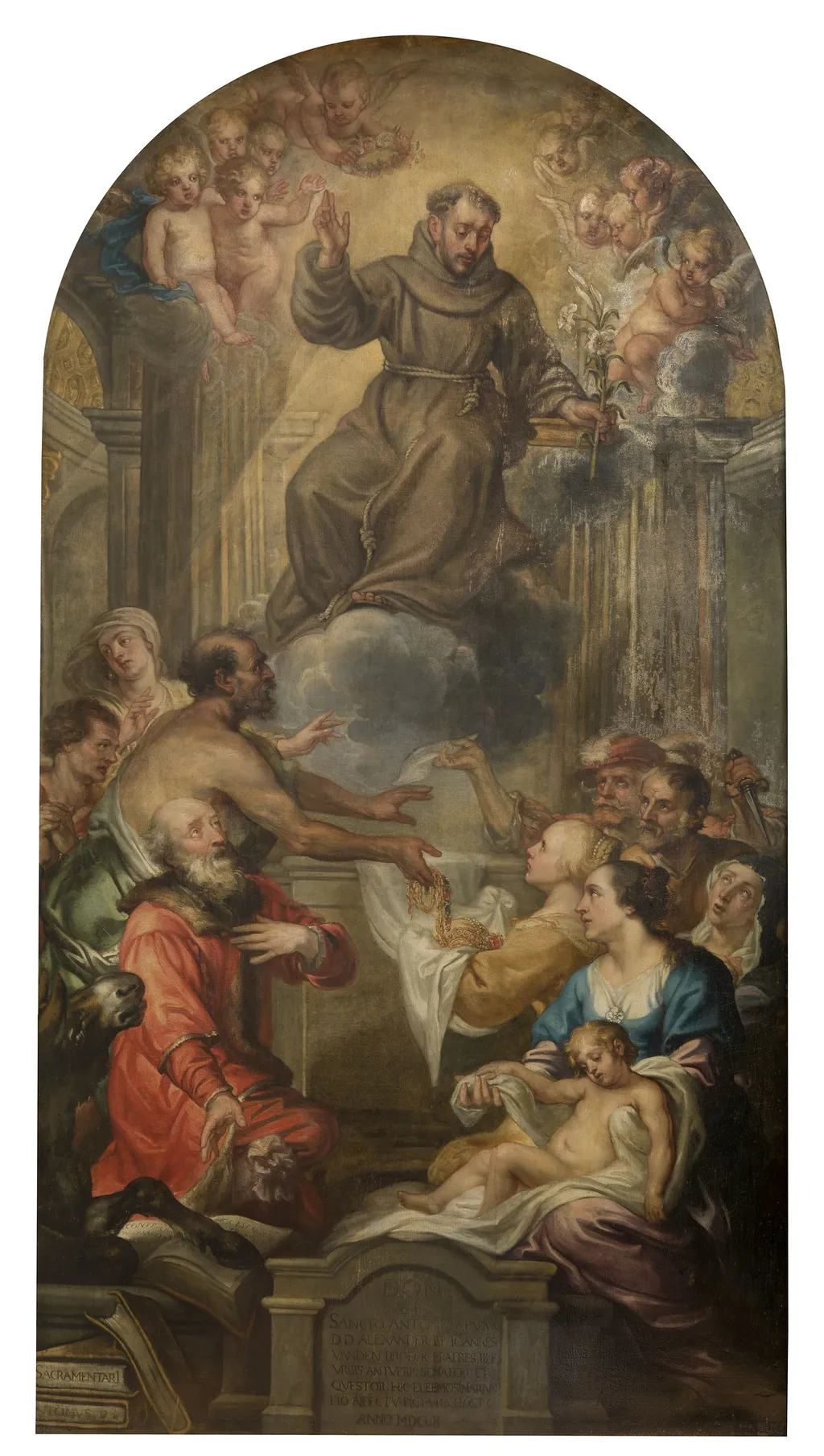
The Apotheosis of Saint Antony of Padua is an oil painting by the Flemish Baroque painting artist Philip Fruytiers. It dates from 1652 and is held in the collection of the Royal Museum of Fine Arts Antwerp.
About this work
Overview
Painted in 1652 by the Flemish artist Philip Fruytiers, this oil-on-canvas work depicts the heavenly elevation of Saint Antony of Padua.
Painted in 1652 by the Flemish artist Philip Fruytiers, this oil-on-canvas work depicts the heavenly elevation of Saint Antony of Padua. Fruytiers, previously known for small-scale portraits, turned to larger religious compositions in his later career, often signing them with a distinctive monogram. The painting is part of the Royal Museum of Fine Arts Antwerp’s collection and exemplifies the devotional intensity characteristic of 17th-century Flemish Baroque art.
Subject & Meaning
The scene captures Saint Antony ascending toward heaven, surrounded by angels who lift him upward. Below, a group of onlookers gazes upward in quiet reverence, their expressions conveying awe and spiritual wonder. The saint, clad in the brown habit of the Franciscan order, raises his right hand in blessing, reinforcing his role as an intercessor between the divine and the faithful. The composition emphasizes his sanctity and the moment of divine favor.
Technique & Style
Fruytiers employs chiaroscuro to model the figures with strong contrasts of light and shadow, drawing focus to the saint’s radiant form against a darker, receding background. Warm tones of gold, amber, and beige unify the scene, enhancing its celestial atmosphere. The detailed rendering of fabrics, facial expressions, and angelic wings reflects the meticulous craftsmanship typical of Flemish Baroque painting, balancing emotional gravity with technical precision.
History & Provenance
Commissioned during the height of Fruytiers’s transition from miniatures to large-scale religious works, the painting was likely intended for a church or monastic setting. It entered the Royal Museum of Fine Arts Antwerp’s collection in the 19th century, where it remains today. Its survival in good condition offers insight into the devotional art produced in Flanders during the Counter-Reformation era.
Context
Created in the mid-17th century, the painting aligns with the Catholic Church’s emphasis on visual piety following the Council of Trent. Saint Antony, a popular Franciscan saint known for miracles and preaching, was frequently depicted in Flemish art as a symbol of divine grace. Fruytiers’s work reflects the broader regional trend of using dramatic, emotionally charged imagery to inspire devotion among the faithful.
Legacy
Though Fruytiers is less widely known than his contemporaries, this painting stands as a significant example of his mature style. It illustrates the fusion of intimate detail and grand religious narrative that defined Flemish Baroque devotion. The work continues to serve as a reference for understanding how local artists interpreted saintly apotheoses within the broader context of Counter-Reformation visual culture.
Artist & collection
Artist
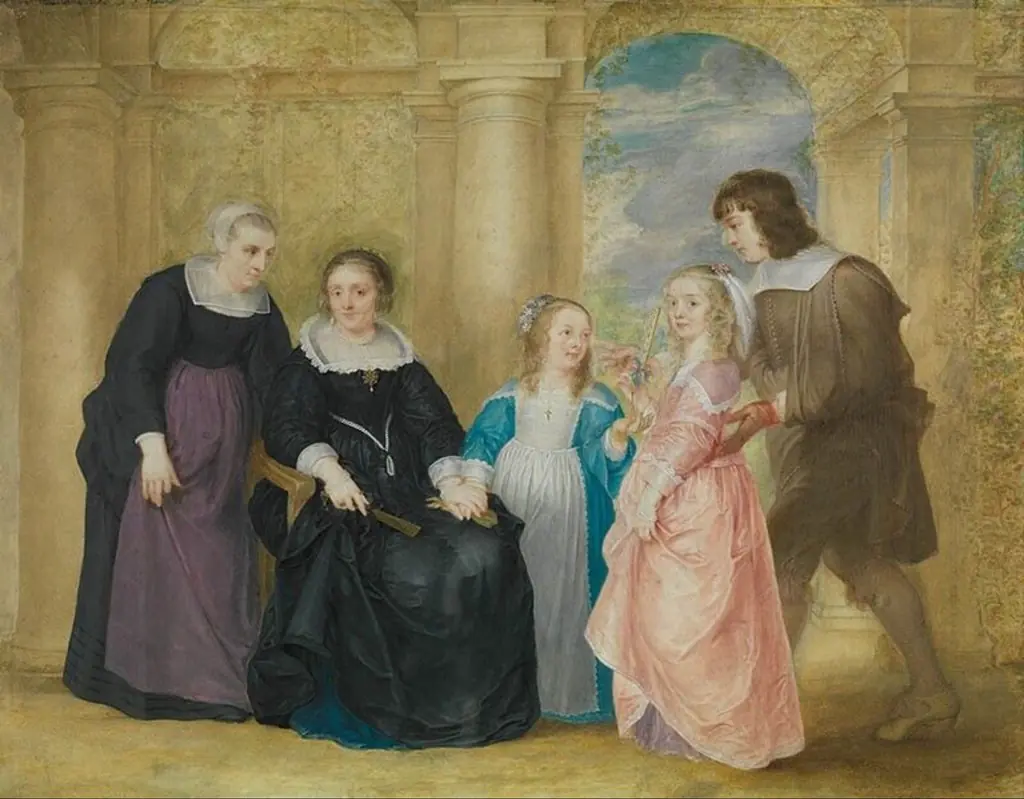
Philip Fruytiers (1610–1666) was a Flemish Baroque painter and engraver. Until the 1960s, he was especially known for his miniature portraits in watercolor and gouache. Since then, several large canvases signed with the…

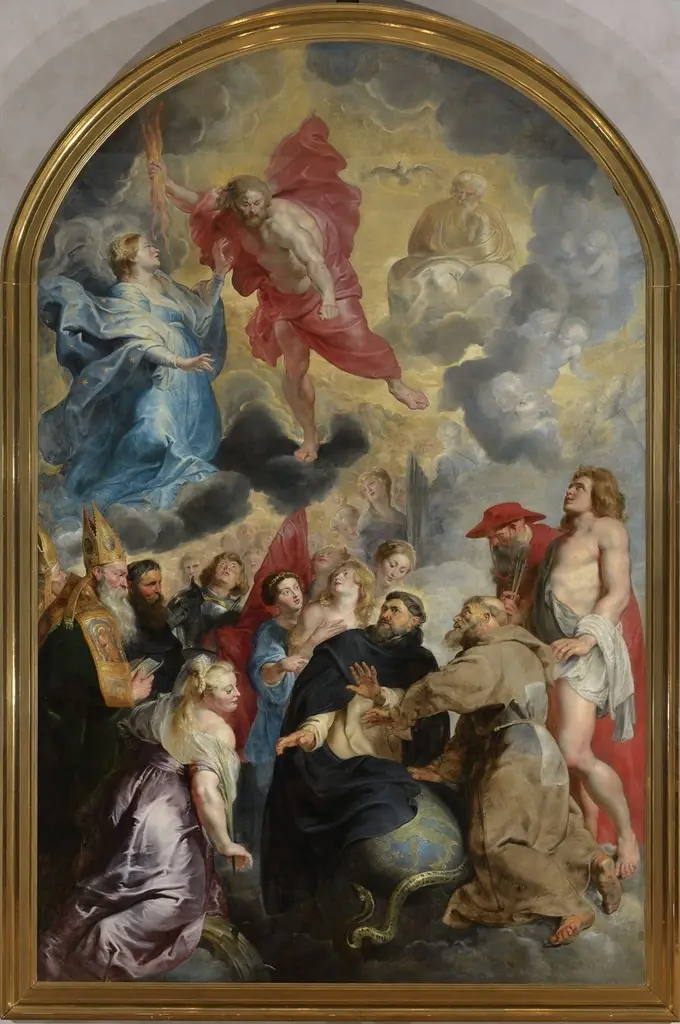 Saint Dominic and Saint Francis Protecting the World from the Wrath of Christ
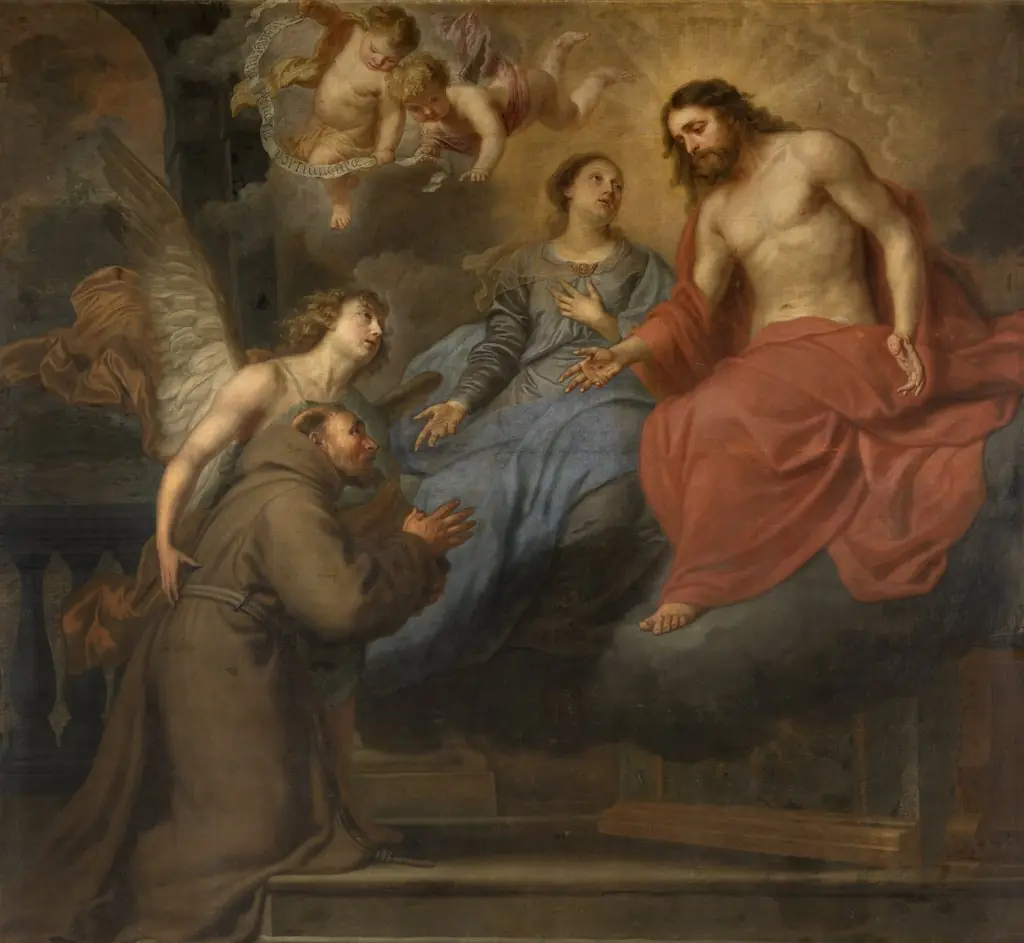 Portiuncula
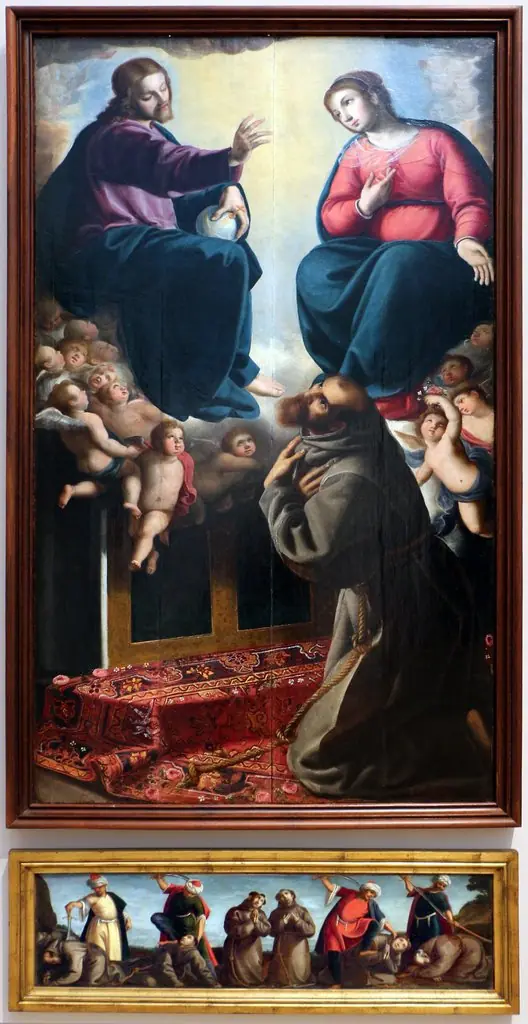 Visão de São Francisco de Assis e os Sete Mártires de Marrocos
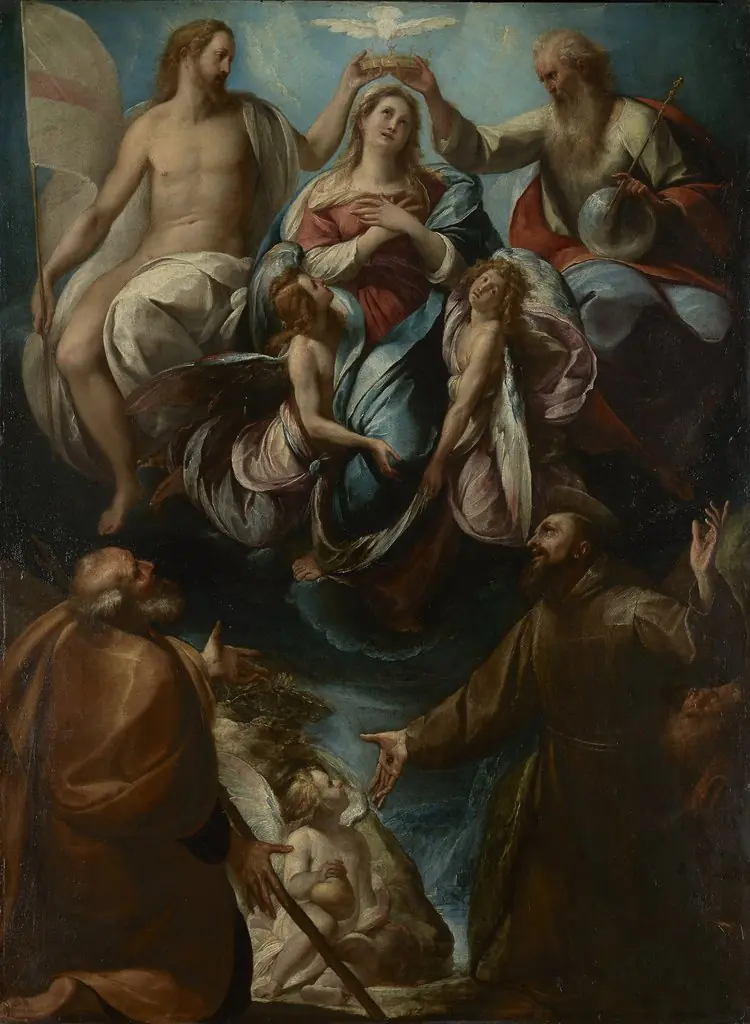 Coronation of the Virgin with Saints Joseph and Francis of Assisi
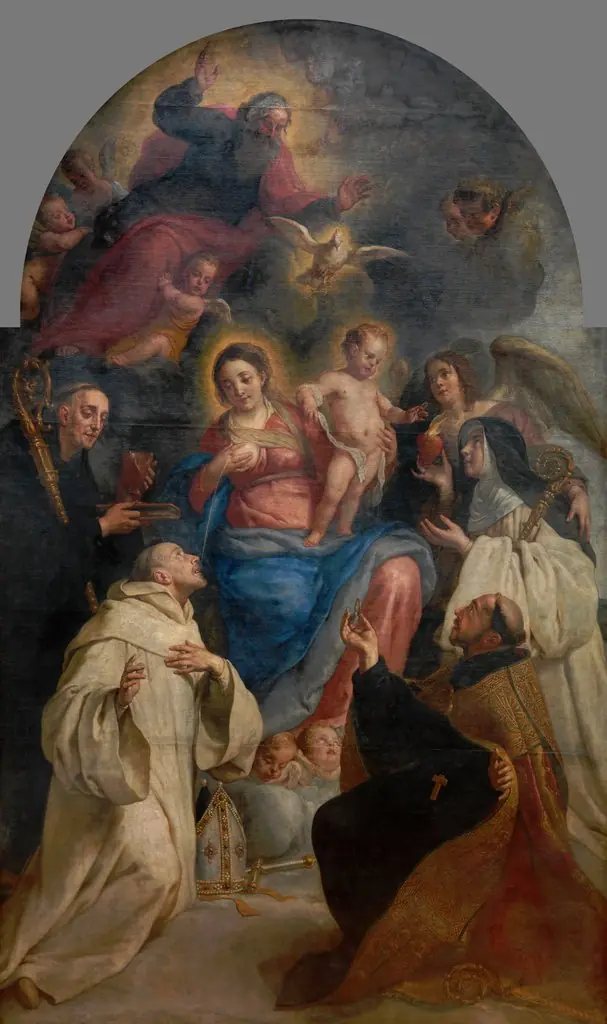 Lactatio of Saint Bernard of Clairvaux
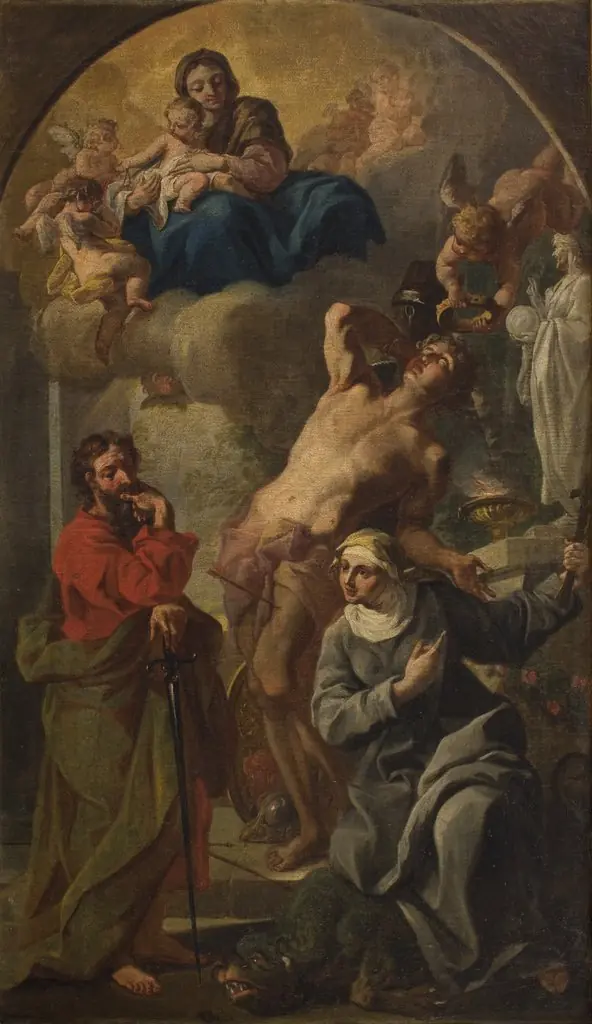 Madonna and Child with Saints Sebastian, Paul and Martha (Acceptance of Saint Sebastian Into the Group of Holy Martyrs)
 Assumption of Mary
 A Miracle of Saint Joseph of Cupertino (1603–1663)
 Portiuncula
 The Virgin Presenting the Portrait of Saint Dominic to the Friar of Soriano
 Madonna and Child with Saints Francis and Dominic and Angels
 Assumption of the Virgin