Artwork
The Lake
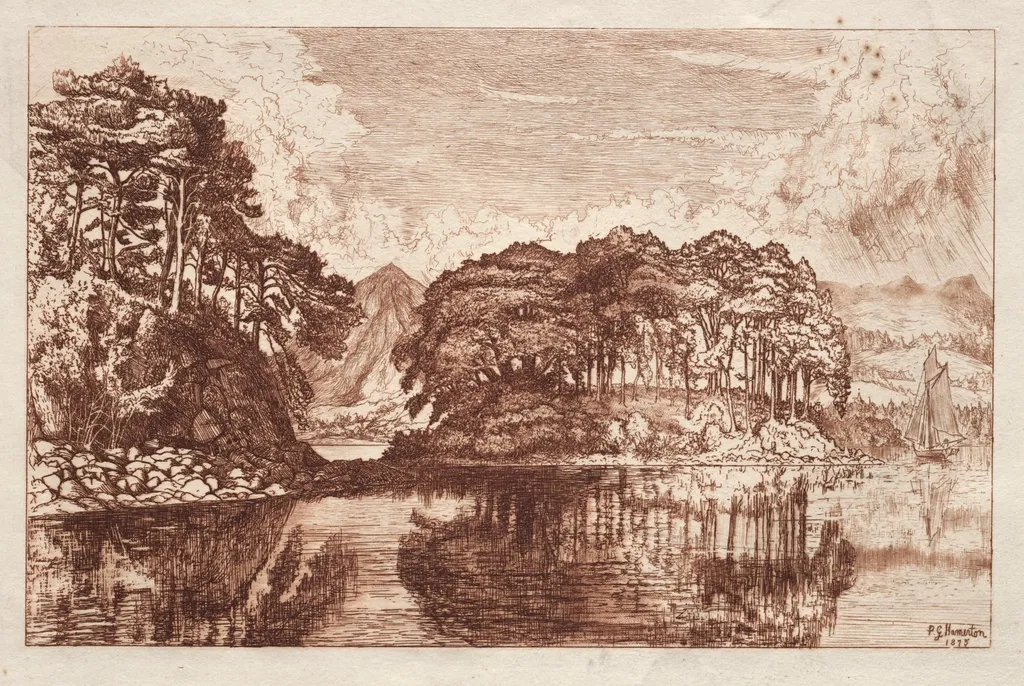
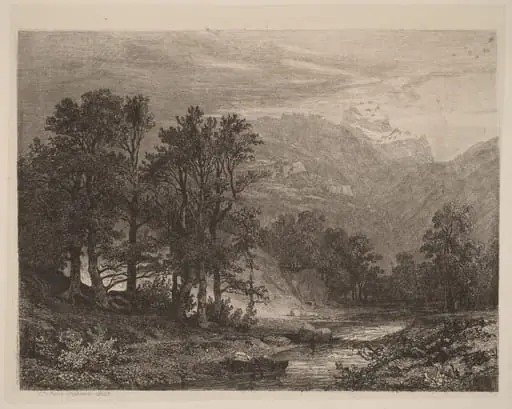
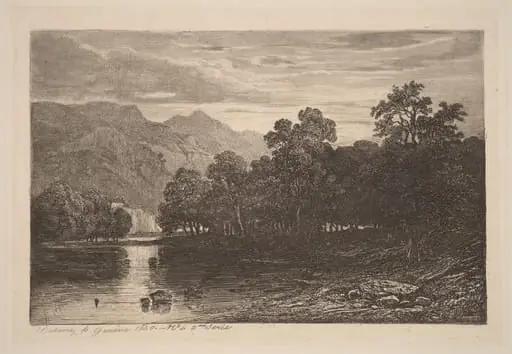
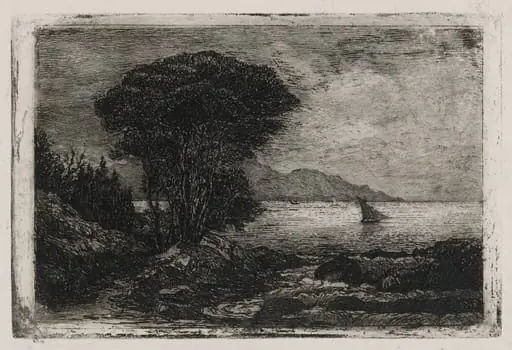
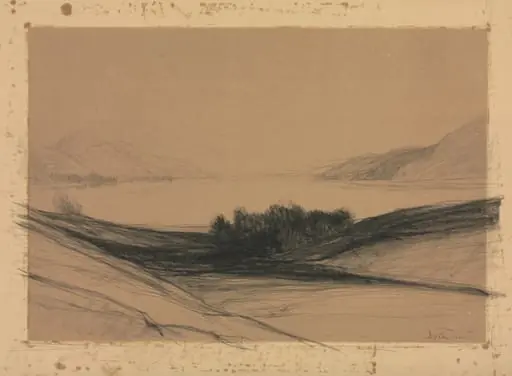
The Lake is a print by the Impressionist artist Philip Gilbert Hamerton. It dates from 1875 and is held in the collection of the Cleveland Museum of Art.
About this work
Overview
This piece, held by The Cleveland Museum of Art, captures a tranquil natural scene with minimal detail, emphasizing atmosphere over finish.
Created in 1875 by Philip Gilbert Hamerton, *The Lake* is a printed work that reflects his engagement with the English Etching Revival. Though often recognized as a critic and advocate for printmaking, Hamerton also produced intimate landscape studies. This piece, held by The Cleveland Museum of Art, captures a tranquil natural scene with minimal detail, emphasizing atmosphere over finish. Its sketch-like quality aligns with the artist’s interest in spontaneous visual recording.
Subject & Meaning
The scene depicts a quiet lake bordered by sparse trees and distant hills, with a solitary boat positioned near the right edge. No human figures are present, and the composition avoids narrative or symbolic intent. The focus lies in the quietude of the landscape — a moment of stillness observed rather than interpreted. The faintness of the hills and the soft transitions between elements suggest a fleeting impression of nature, not a constructed ideal.
Technique & Style
Hamerton employed etching to render the scene with loose, fluid lines that suggest rather than define form. The water’s surface is indicated by irregular, quick strokes, while the trees are rendered in dense, dark clusters that recede into lighter, attenuated backgrounds. The overall effect is deliberately blurred and incomplete, evoking the immediacy of a sketch. This approach prioritizes tonal variation and movement over precise detail, aligning with emerging aesthetic values of the time.
History & Provenance
The work entered the collection of The Cleveland Museum of Art as part of its broader commitment to 19th-century printmaking. Hamerton’s role in promoting etching as a legitimate artistic medium helped elevate such works in institutional collections. While specific details of its early ownership are not widely documented, its presence in the museum underscores its significance within the context of the English Etching Revival and Hamerton’s influence on print culture.
Context
Created during a period when artists across Europe were redefining landscape representation, *The Lake* reflects the influence of emerging sensibilities that valued observation over idealization. Though not formally part of Impressionism, its emphasis on transient light, loose handling, and atmospheric effect resonates with contemporaneous trends. Hamerton’s work contributed to a broader shift in British art toward personal, intimate responses to nature, distinct from academic traditions.
Legacy
Hamerton’s *The Lake* exemplifies the quiet revolution in printmaking he championed — one that valued the artist’s direct hand and subjective perception. While not widely reproduced or celebrated in popular discourse, the piece remains a key example of how etching could convey mood and immediacy. It continues to inform scholarly understanding of 19th-century British print culture and the evolving boundaries between sketch and finished work.
Own this work as a print
Artist & collection
Artist
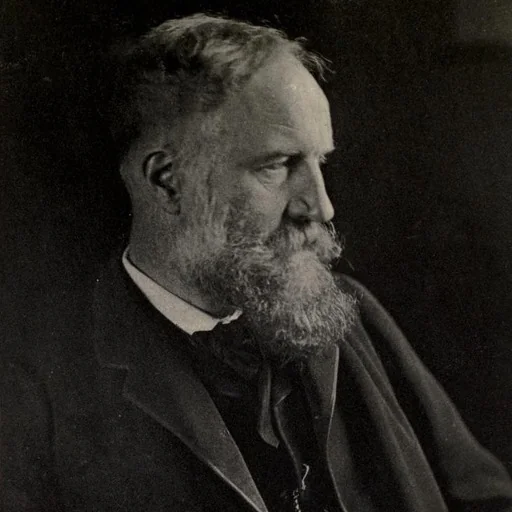
Philip Gilbert Hamerton (10 September 1834 – 4 November 1894) was an English artist, art critic and author.