Artwork
Portrait of Mathias Lambertus Singendonck (1648-1742)
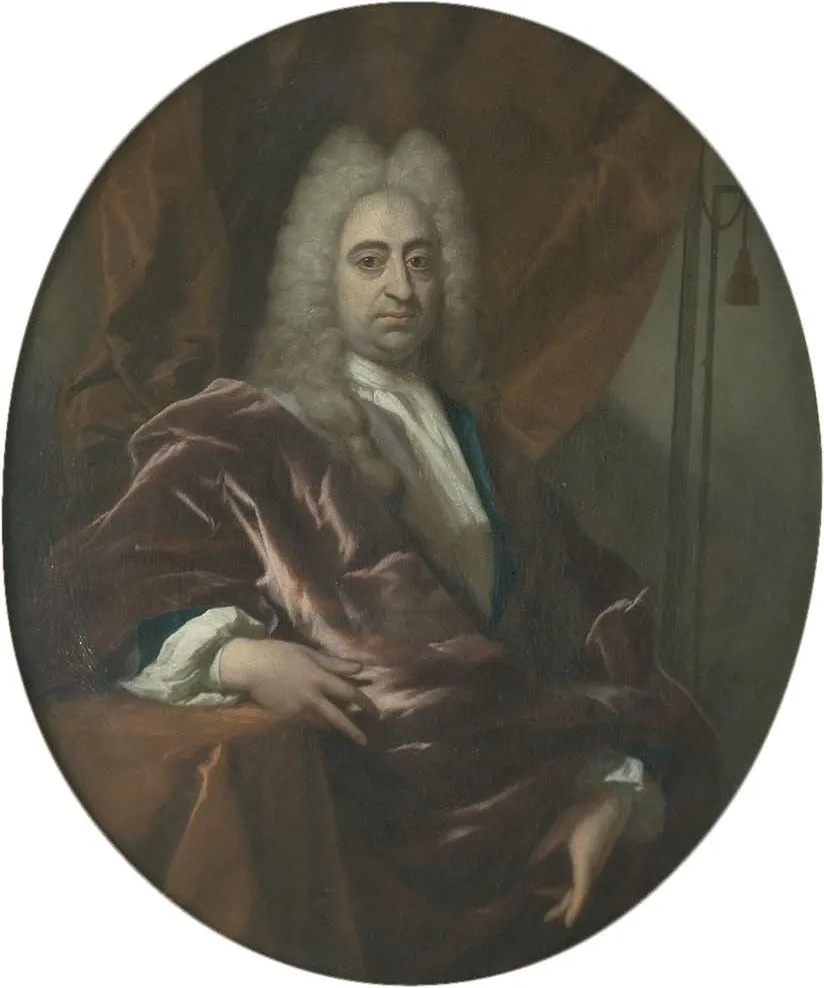
Portrait of Mathias Lambertus Singendonck (1648-1742) is an oil painting by the Rococo painting artist Philip van Dijk. It dates from 1715 and is held in the collection of the Mauritshuis.
About this work
Overview
Painted in 1715 by Philip van Dijk, this oil portrait captures Mathias Lambertus Singendonck, a Dutch figure of some social standing.
Painted in 1715 by Philip van Dijk, this oil portrait captures Mathias Lambertus Singendonck, a Dutch figure of some social standing. The work is part of the Mauritshuis collection in The Hague. Rendered with careful attention to texture and posture, the painting reflects the conventions of Dutch portraiture in the early 18th century, emphasizing composure and quiet authority rather than flamboyance.
Subject & Meaning
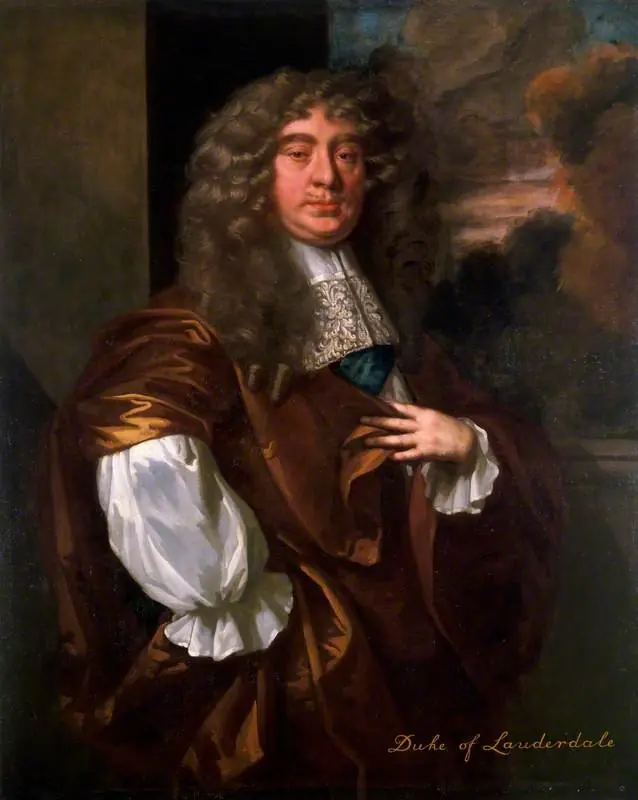
Singendonck is portrayed as a man of age and refinement, his white curls and rich red velvet robe suggesting status and experience. His serious expression and restrained gesture—hand resting on his lap, the other holding the robe—convey dignity and self-possession. The absence of symbolic objects or elaborate settings shifts focus entirely to his presence, implying character over circumstance.
Technique & Style
Van Dijk employs chiaroscuro to model the figure against a dark, neutral background, enhancing the three-dimensionality of the face and fabric. The texture of the velvet, the sheen of the silk undergarment, and the softness of the hair are rendered with precise brushwork. The palette is muted yet rich, dominated by deep reds, blues, and browns, reinforcing the portrait’s solemn tone without overt ornamentation.
History & Provenance
The portrait entered the Mauritshuis collection in the 19th century, likely through acquisition from a Dutch private collection. Its early ownership is undocumented, but its survival in good condition suggests it remained in familial or institutional care after Singendonck’s death in 1742. No records indicate it was commissioned for public display, implying a private, domestic origin.
Context
In early 18th-century Holland, portraiture remained a respected genre, often used to affirm social identity among the urban elite. Van Dijk, though less prominent than contemporaries like Rembrandt, worked within this tradition, favoring restrained compositions and psychological subtlety. This portrait aligns with a broader trend of introspective, non-idealized depictions of individuals in their later years.
Legacy
The portrait stands as a quiet example of Dutch civic portraiture during a period of artistic transition. While not widely reproduced or studied, it contributes to the understanding of how lesser-known artists like van Dijk sustained the genre’s conventions. Its preservation in a major public collection ensures continued access for scholarly and public engagement with 18th-century Dutch visual culture.
Artist & collection

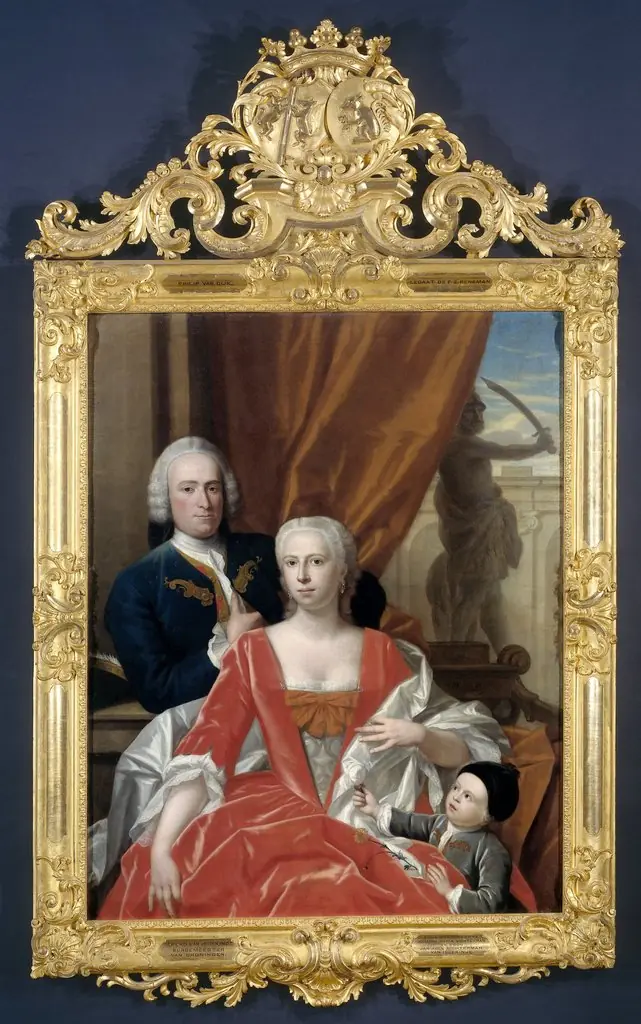 Berend van Iddekinge with his Wife and their Son
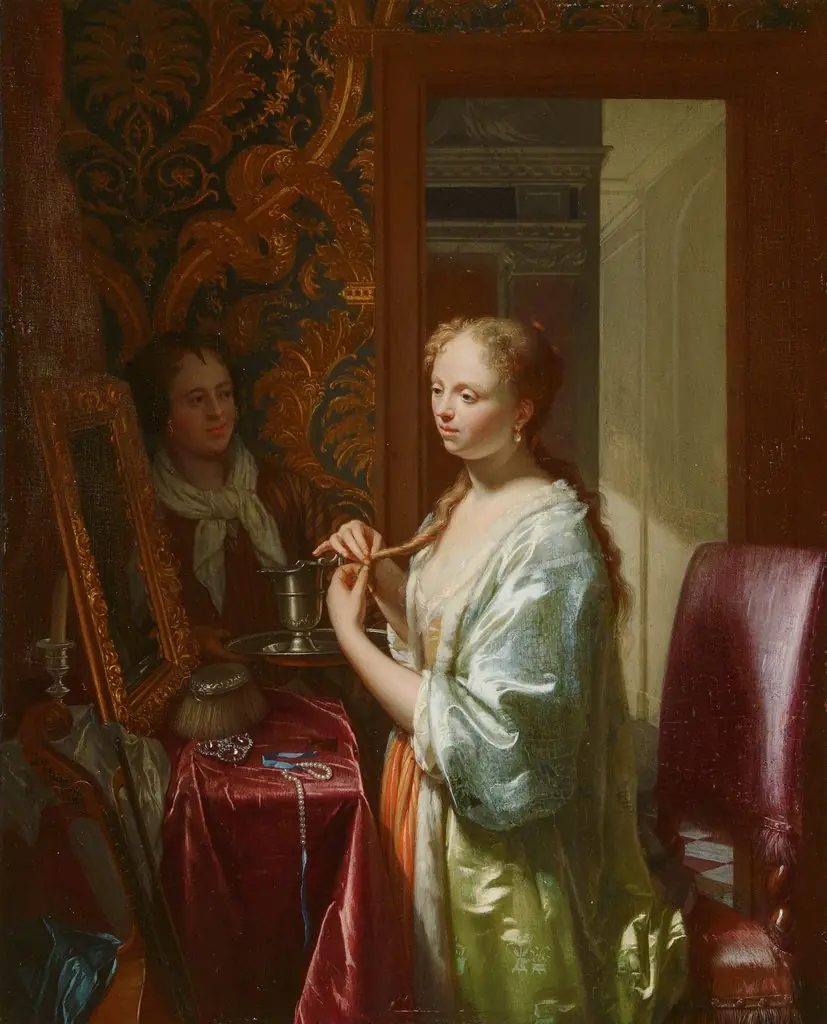 Lady attending to her toilet
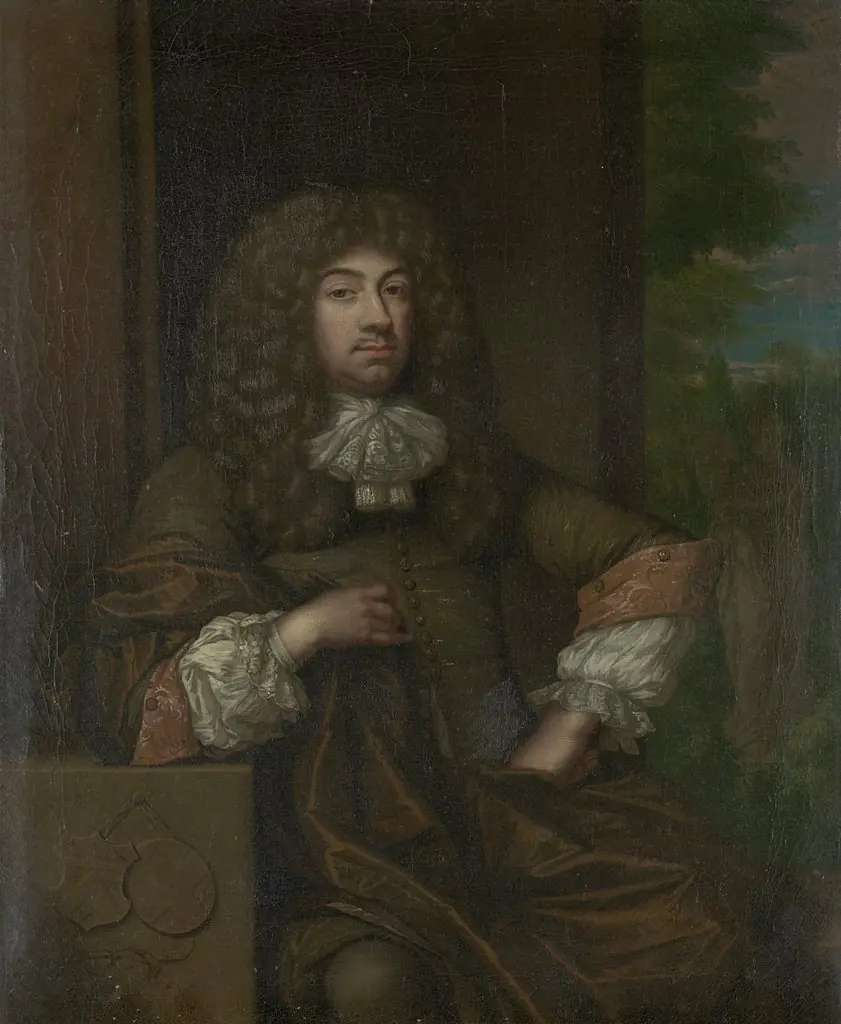 Portrait of Jan Boudaen Courten (1635-1716), lord of St. Laurens, Schellach and Popkensburg, Judge and alderman of Middelburg
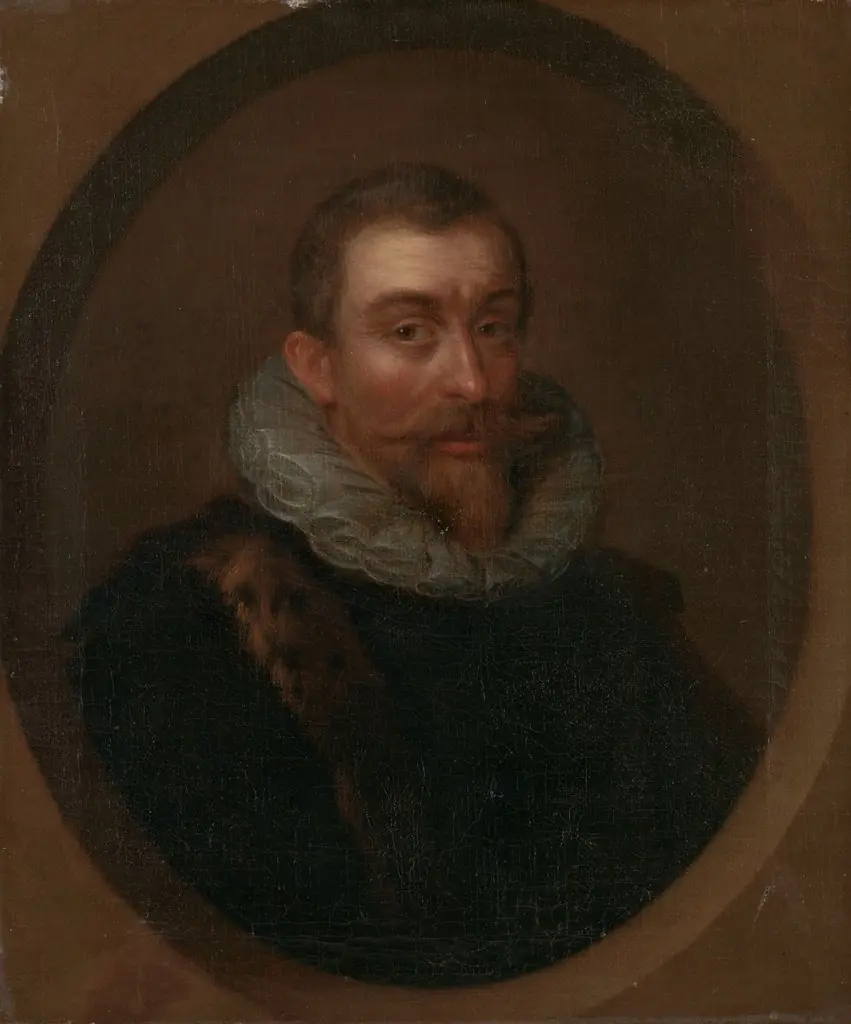 Portrait of Aernout van Citters, Lord of Gapinge
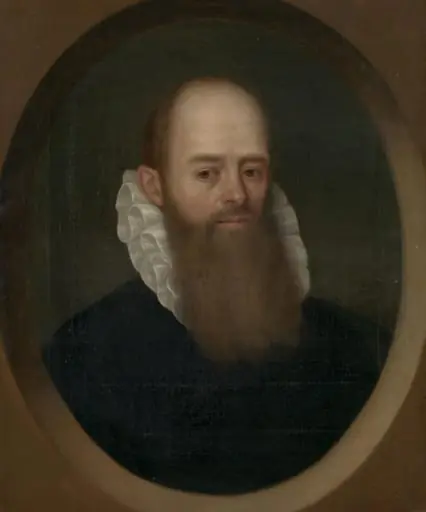 Cornelis van Ceters (1503-99)
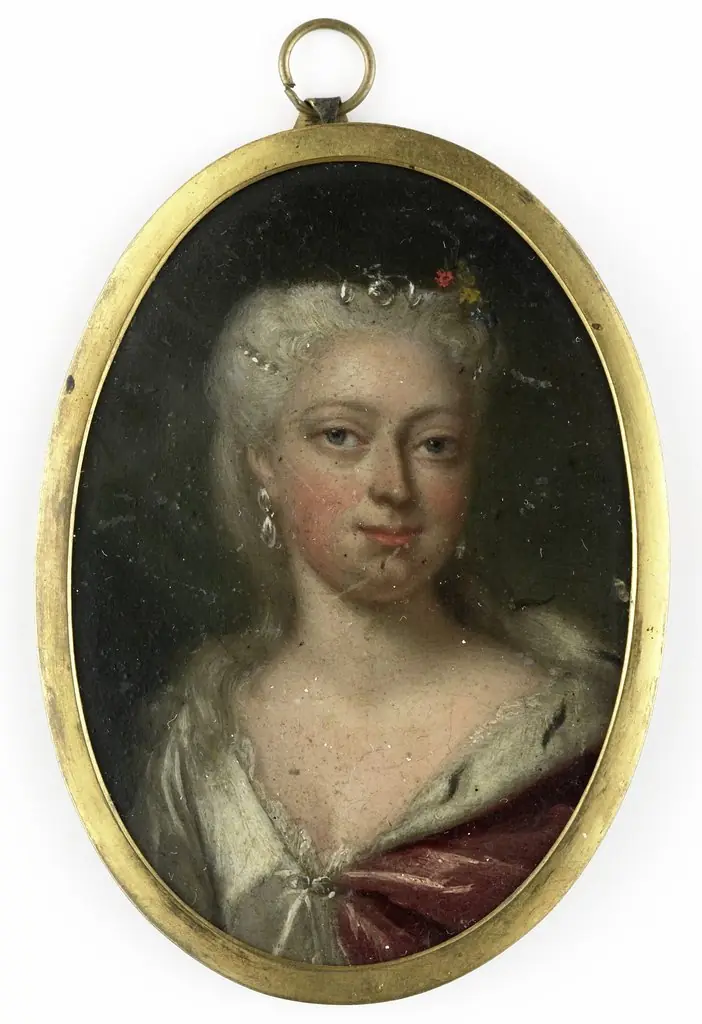 Anna van Hannover (1709-59). wife of Prince Willem IV
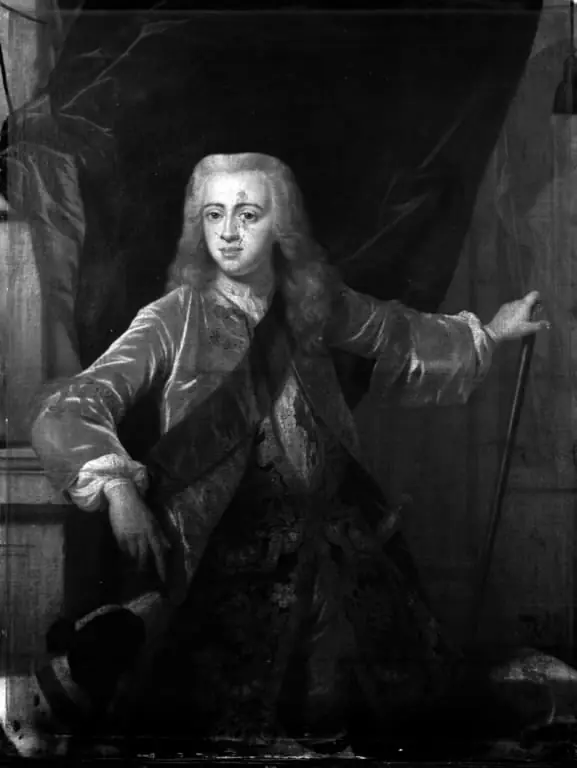 William IV of Orange
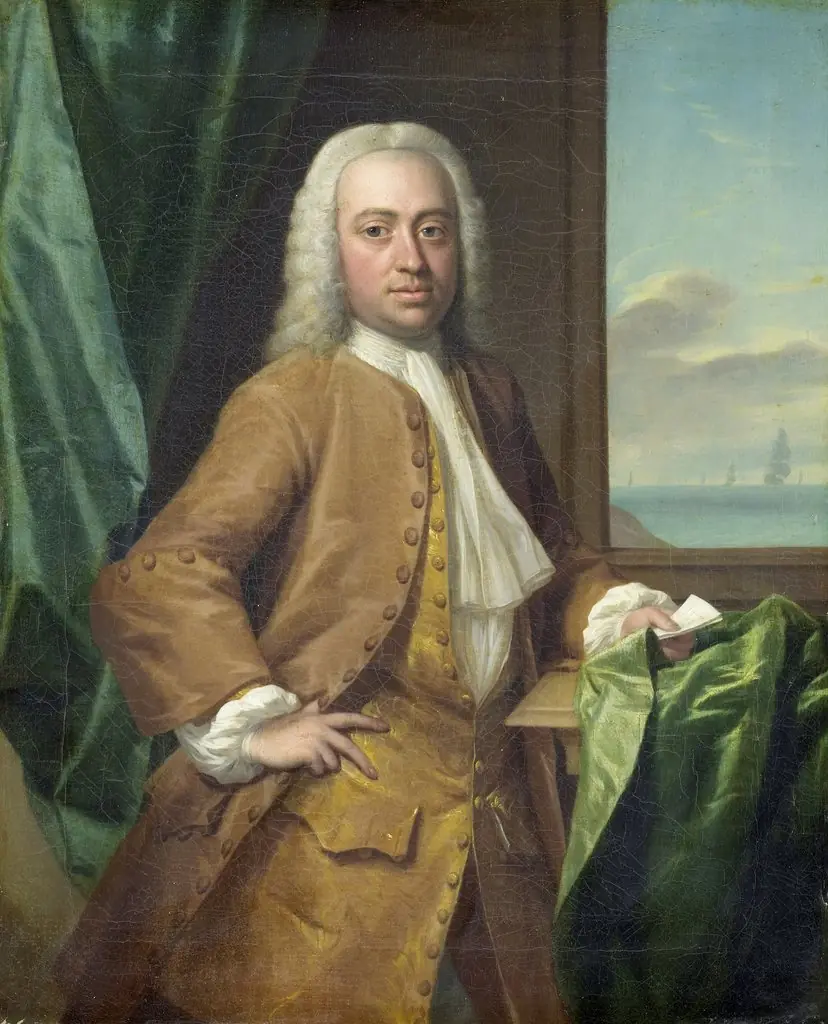 Portrait of Isaac Parker, Merchant from Middelburg
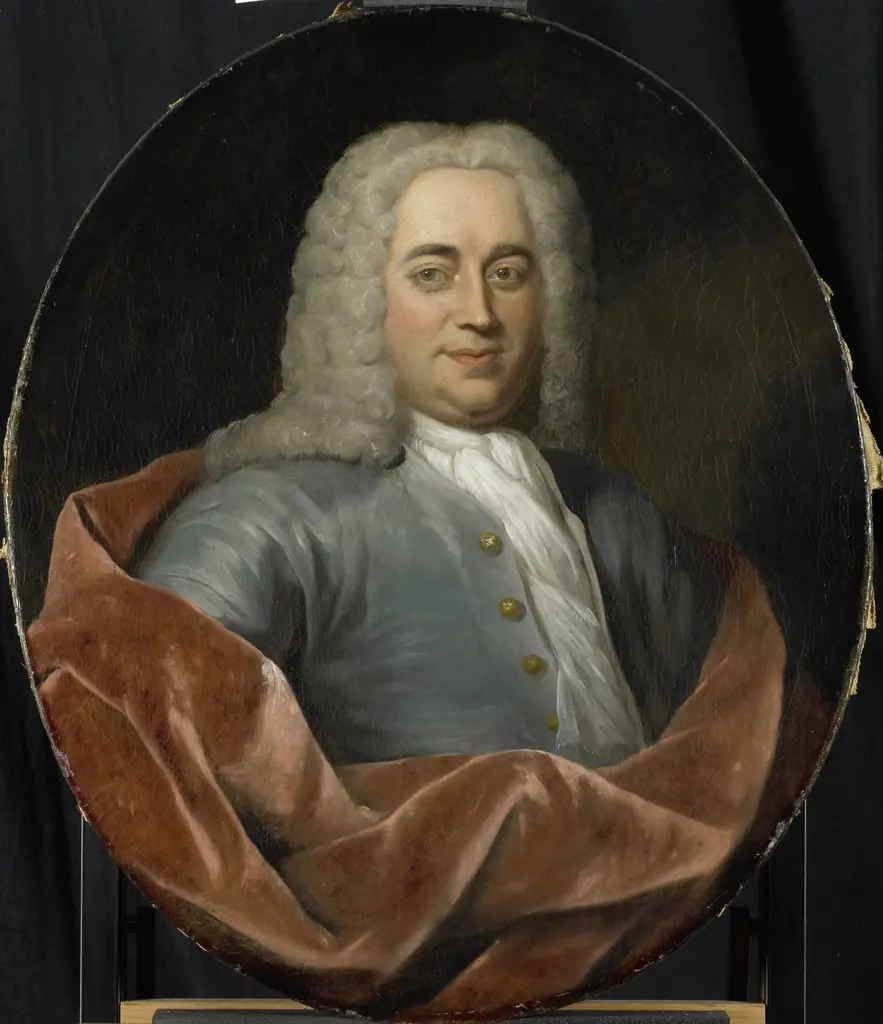 Portrait of Walter Senserff, Director of the Rotterdam Chamber of the Dutch East India Company, elected 1731
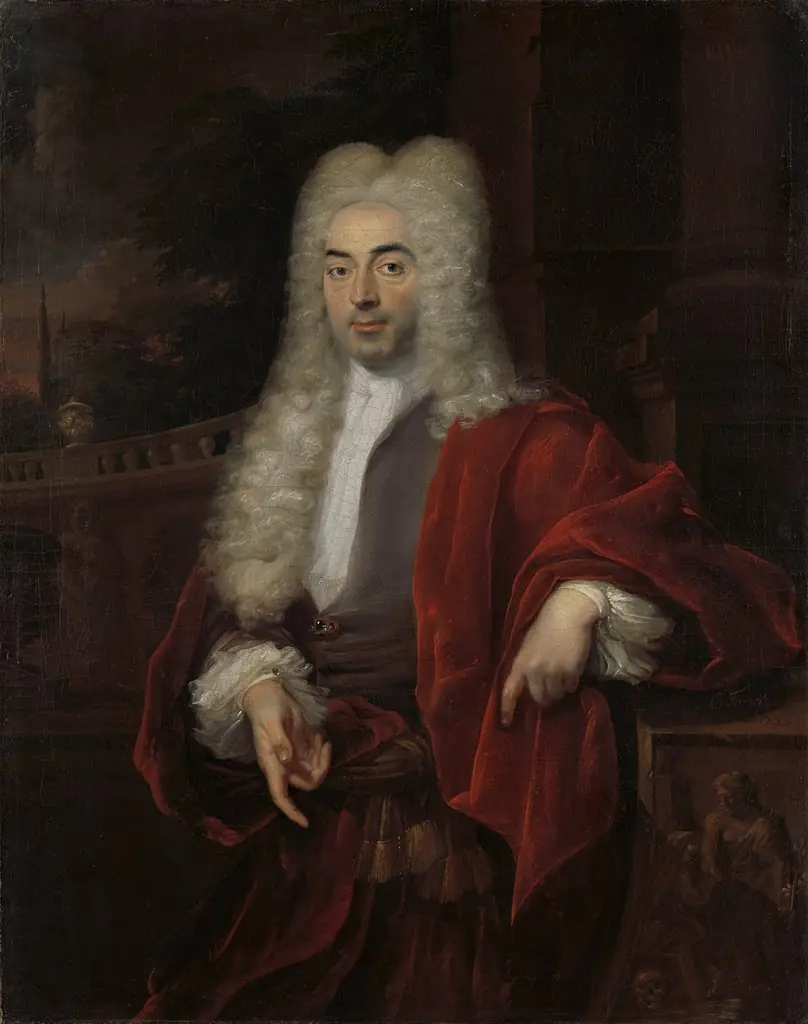 Portrait of a Man
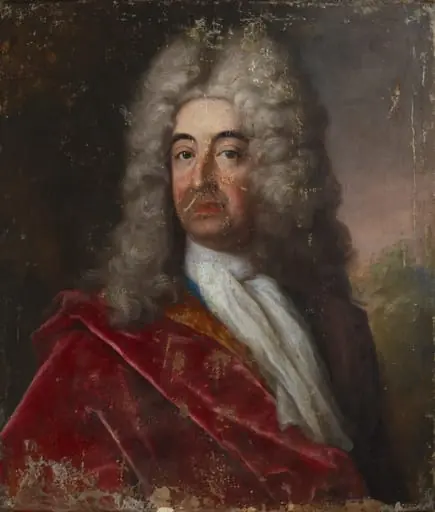 Tuntematon neuvosherra
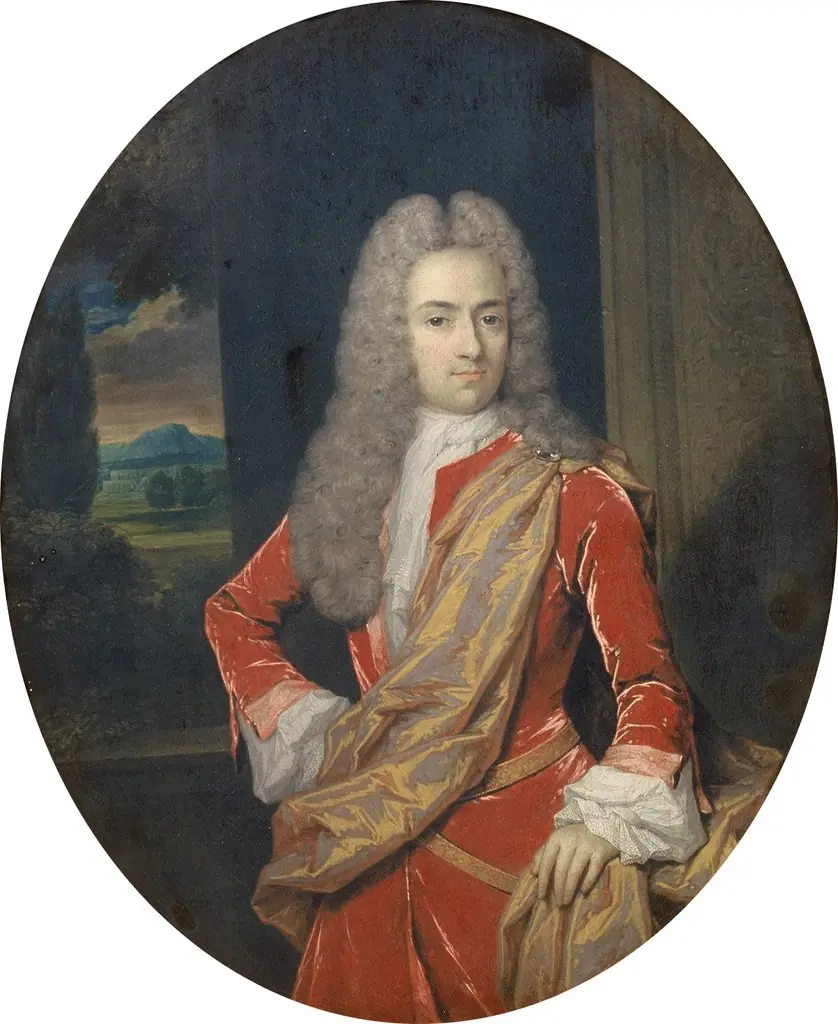 Portrait of a Man
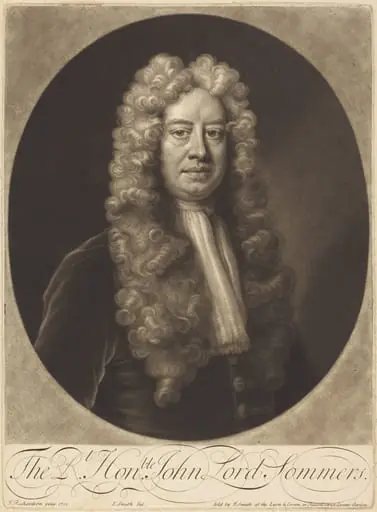 John Lord Sommers
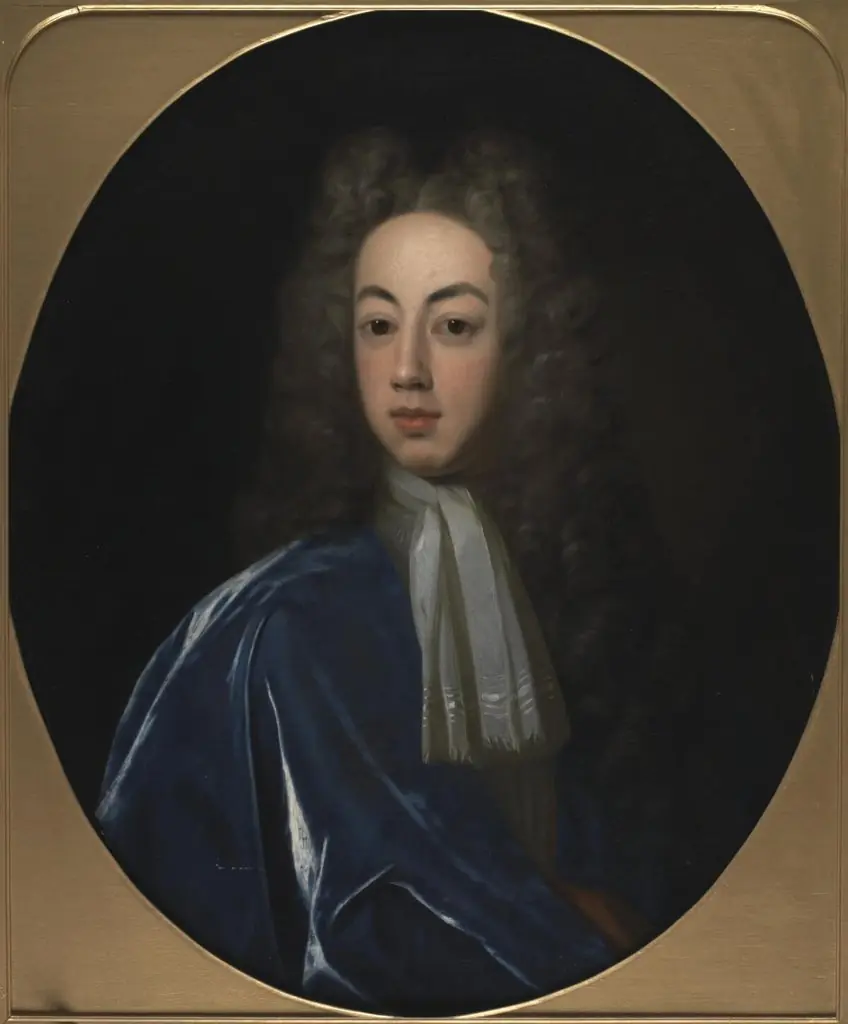 William Owen, son of Sir Robert Owen
 Portrait of a Gentleman
 Captain Thomas Coram
 Portrait of a man in a grey wig
 Porträt des Elias Ashmole (1617-1692)
 John, Duke of Lauderdale (1616–1682)