Artwork
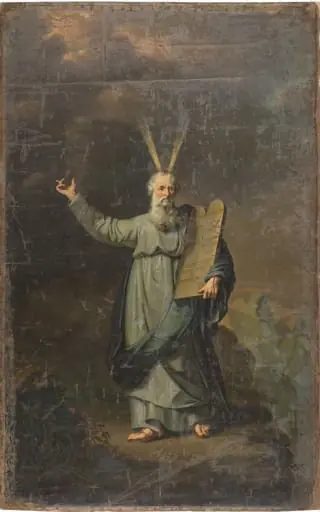
Moses with the Ten Commandments
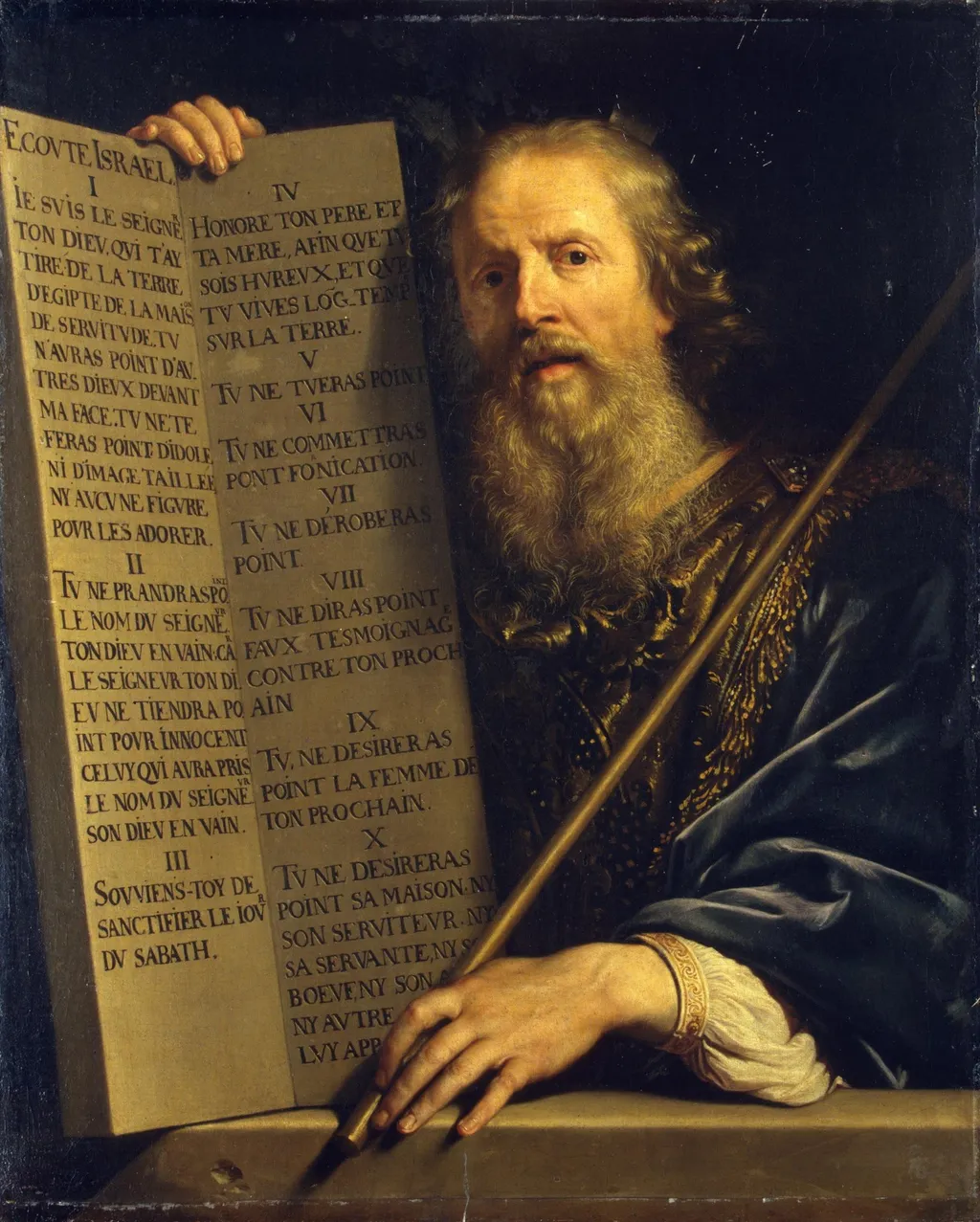
Moses with the Ten Commandments is an oil painting by the French Classical Baroque artist Philippe de Champaigne. It dates from 1648 and is held in the collection of the Hermitage Museum.
About this work
Overview
Philippe de Champaigne, a French painter of Flemish origin, completed the oil painting *Moses with the Ten Commandments* in 1648. Executed within the French Classical Baroque idiom, the work portrays the biblical prophet in a moment of solemn instruction. The canvas is part of the State Hermitage Museum’s collection.
Subject & Meaning
The composition centers on a bearded Moses, robed in a long garment and a gold chain, holding the stone tablets that bear the Ten Commandments. He points to the inscriptions with a finger, his expression austere, suggesting a didactic role as he explains the law to an unseen audience.
Technique & Style
Champagne employs a pronounced chiaroscuro, contrasting illuminated areas with deep shadows to model Moses’s form and emphasize the texture of the stone tablets. The brushwork is smooth and controlled, reflecting the restrained classicism typical of mid‑seventeenth‑century French Baroque painting.
History & Provenance
Created during Champaigne’s mature period as a court painter of religious subjects, the painting later entered the collection of the State Hermitage Museum in Saint Petersburg, where it remains on display.
Own this work as a print
Artist & collection
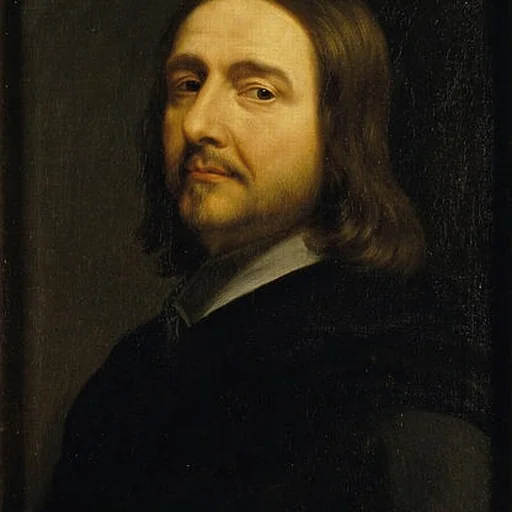
Artist
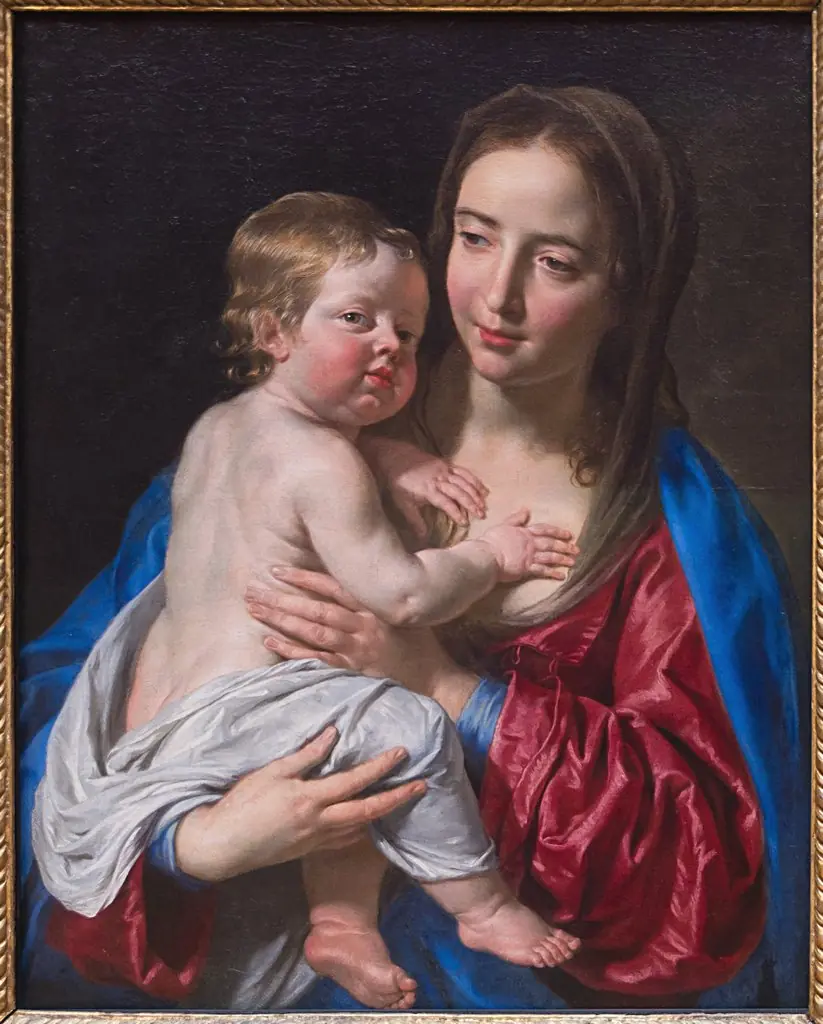
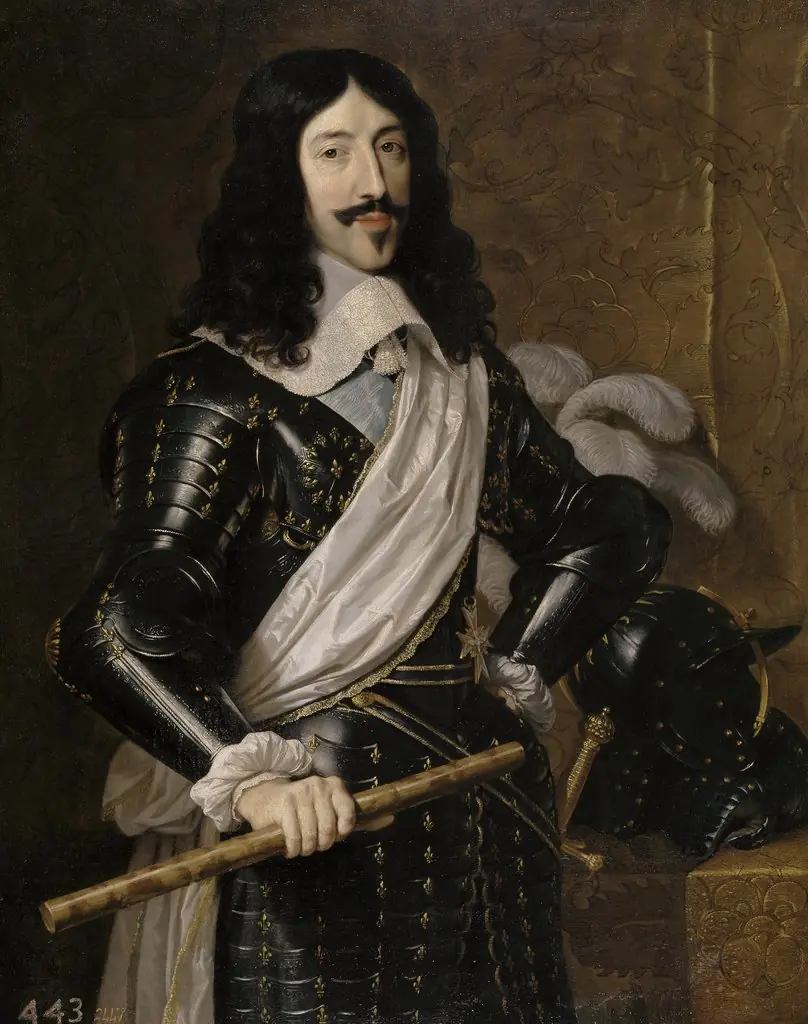
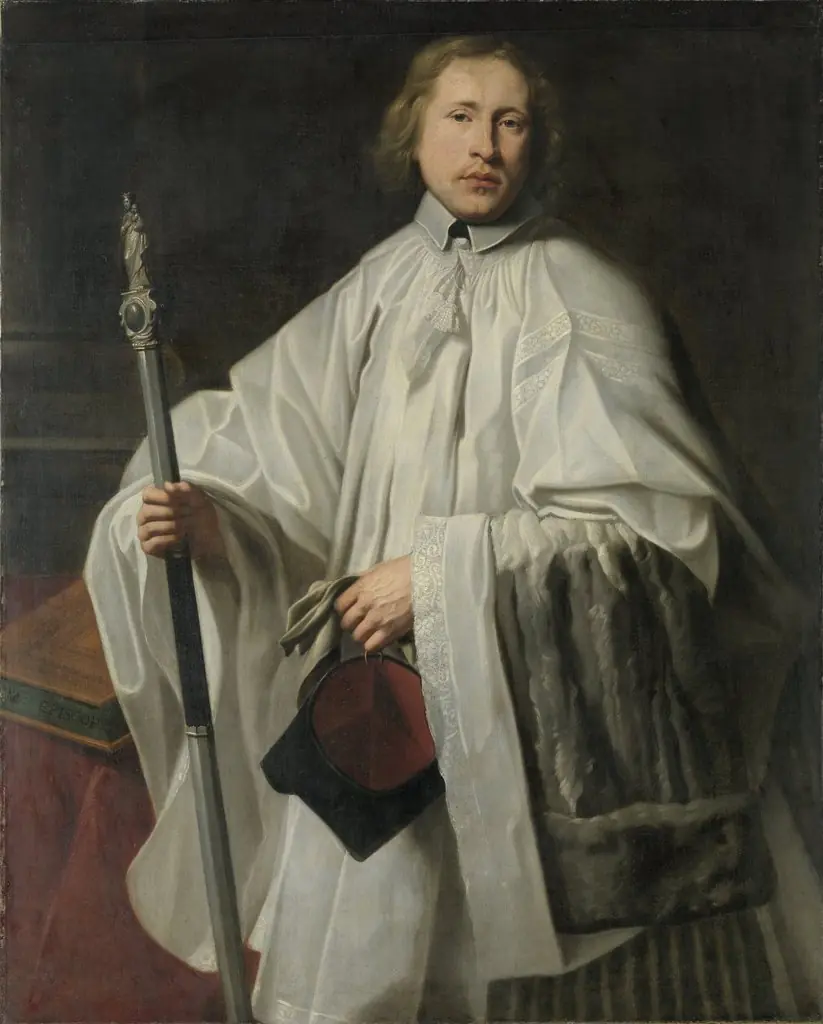
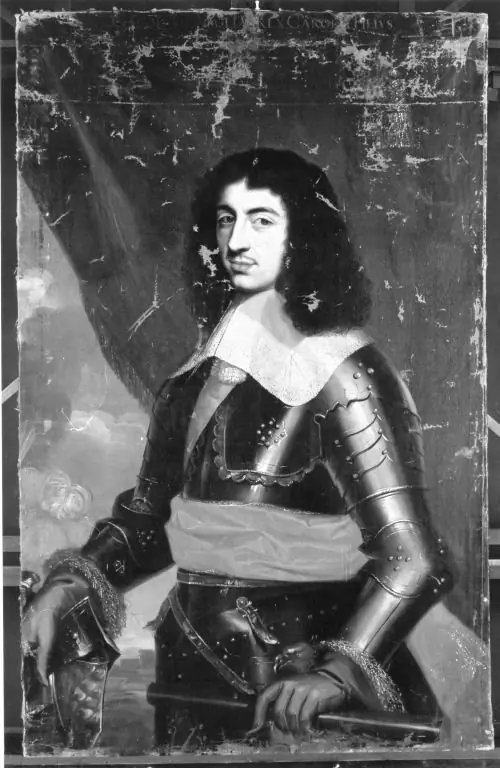
Philippe de Champaigne (French pronunciation: ; 26 May 1602 – 12 August 1674) was a Brabant-born French Baroque era painter, a major exponent of French Baroque painting.