Artwork
Moïse brisant les Tables de la Loi
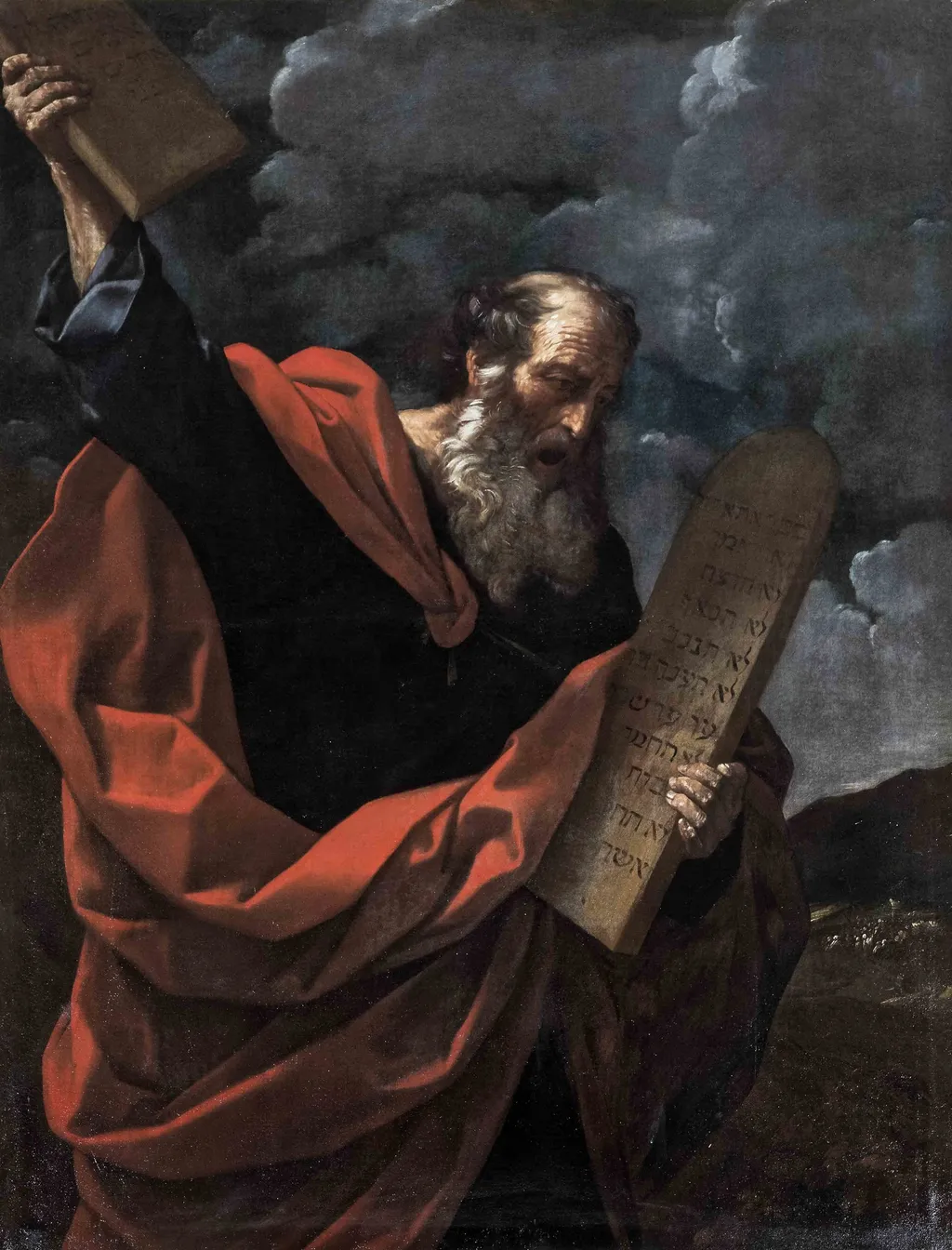
Moïse brisant les Tables de la Loi is an oil painting by Guido Reni. It dates from 1624 and is held in the collection of the Galleria Borghese.
About this work
Overview
Painted in 1624 by Guido Reni, this oil-on-canvas work portrays Moses at the moment he shatters the Tablets of the Law. Executed in the Baroque style, it is part of the Galleria Borghese collection in Rome. The composition centers on a powerful, solitary figure against a storm-lit sky, emphasizing emotional intensity and divine confrontation through controlled lighting and dramatic gesture.
Subject & Meaning
His clenched fists and furrowed brow convey righteous anger, while the broken tablets symbolize the rupture of the covenant.
The scene captures Moses’ reaction to the Israelites’ worship of the golden calf, as described in Exodus. His clenched fists and furrowed brow convey righteous anger, while the broken tablets symbolize the rupture of the covenant. The Hebrew inscriptions on the stone reinforce the sacredness of the law now violated. The figure’s physical dominance underscores his role as both lawgiver and enforcer of divine will.
Technique & Style
Reni employs chiaroscuro to model Moses’ form with sharp contrasts between light and shadow, lending volume and gravitas. The crimson cloak, vivid against the dark sky, draws immediate attention to the figure’s motion. Brushwork is precise in the facial features and fabric folds, while the background remains loosely rendered, enhancing the figure’s psychological presence and isolating the moment of crisis.
History & Provenance
Commissioned during Reni’s mature period, the painting entered the Borghese collection shortly after its completion. It remained in the family’s private holdings until the state acquired the gallery in the early 20th century. Its documented presence in Rome since the 1620s confirms its early reception among Roman patrons who valued religious narratives rendered with classical restraint and emotional clarity.
Context
Created during the Counter-Reformation, the painting aligns with Church efforts to use art as moral instruction. Reni’s approach, blending classical idealism with Baroque drama, responded to demands for clarity and emotional impact in sacred imagery. Unlike more theatrical contemporaries, he favored controlled expression, reflecting his training under the Bolognese school and his reputation for dignified religious subjects.
Legacy
The work influenced later depictions of Moses in European art through its balance of psychological depth and formal harmony. While not as widely reproduced as other religious scenes, its restrained power made it a reference for artists seeking to convey divine authority without melodrama. It remains a key example of Reni’s ability to merge spiritual gravity with painterly precision.
Own this work as a print
Artist & collection
Artist
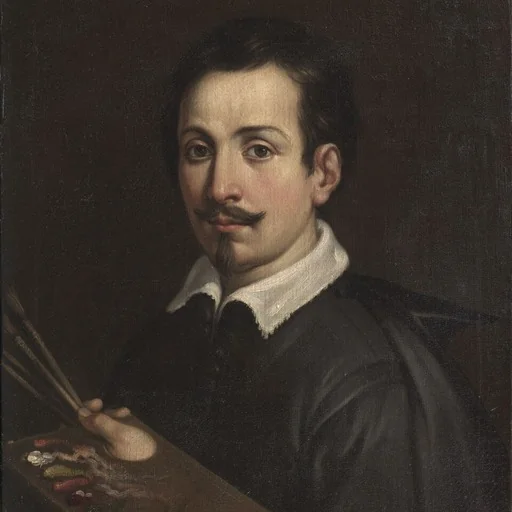
Guido Reni was an Italian Baroque painter, although his works showed a classical manner, similar to Simon Vouet, Nicolas Poussin, and Philippe de Champaigne.

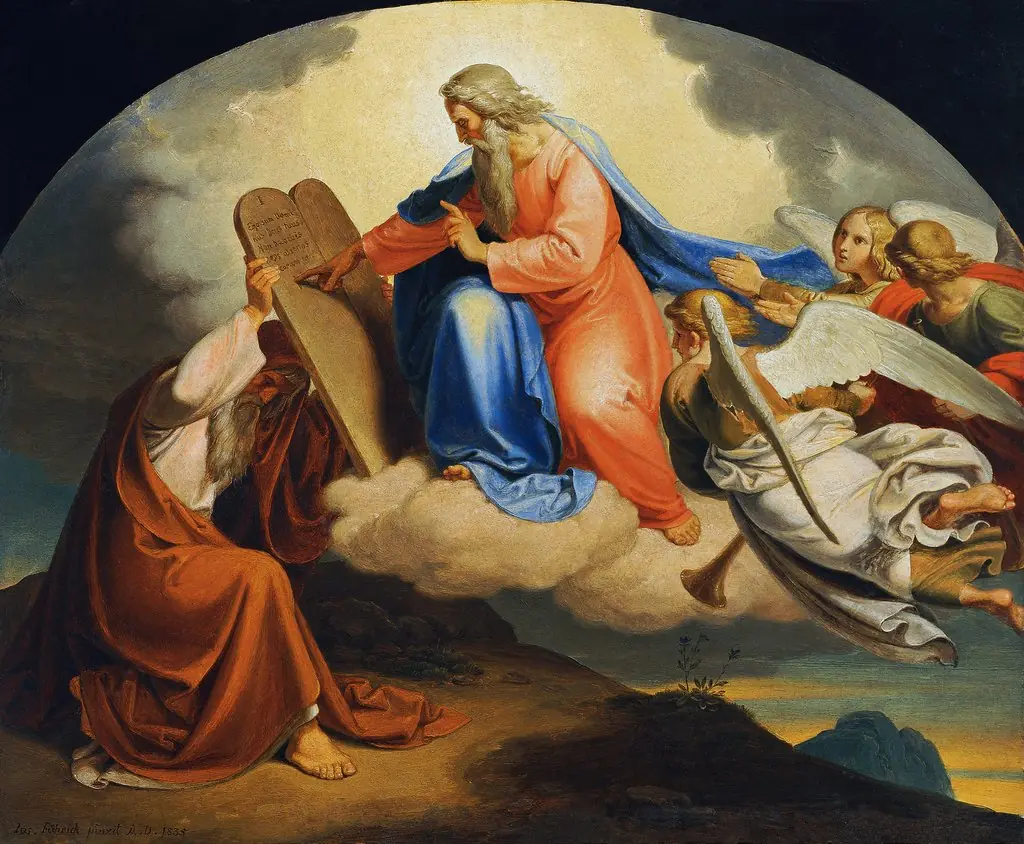 God Writes the Ten Commandments to Moses on Two Tablets of Stone on Mount Sinai
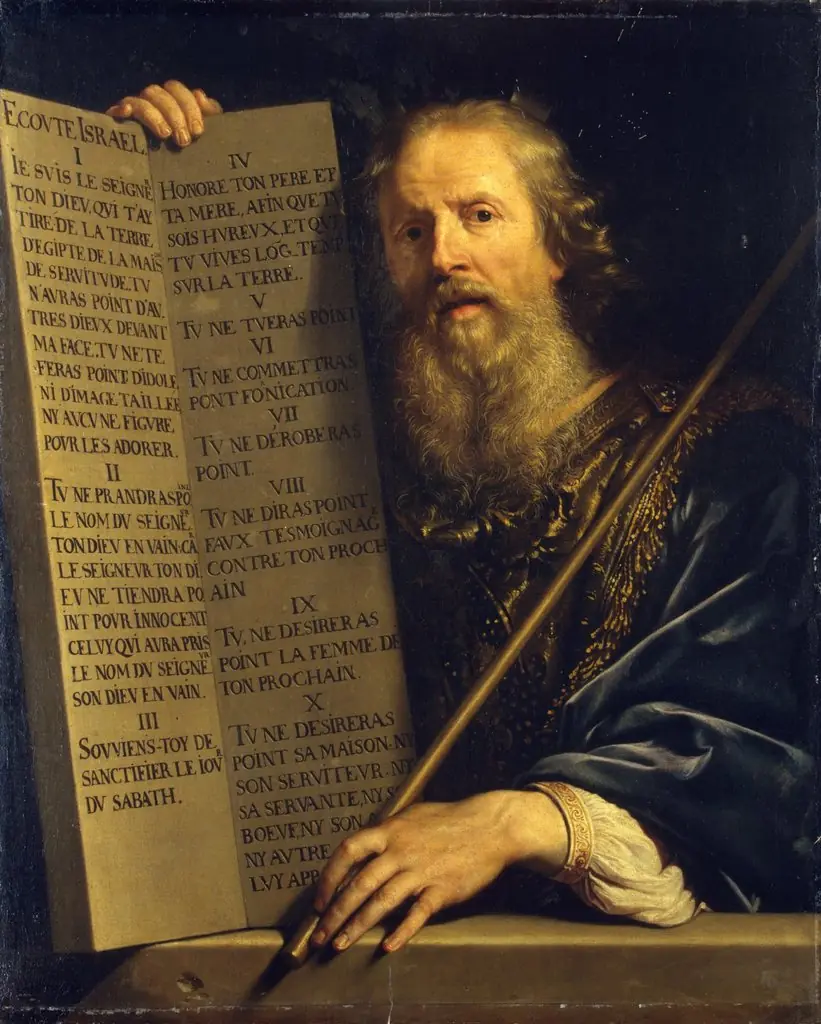 Moses with the Ten Commandments
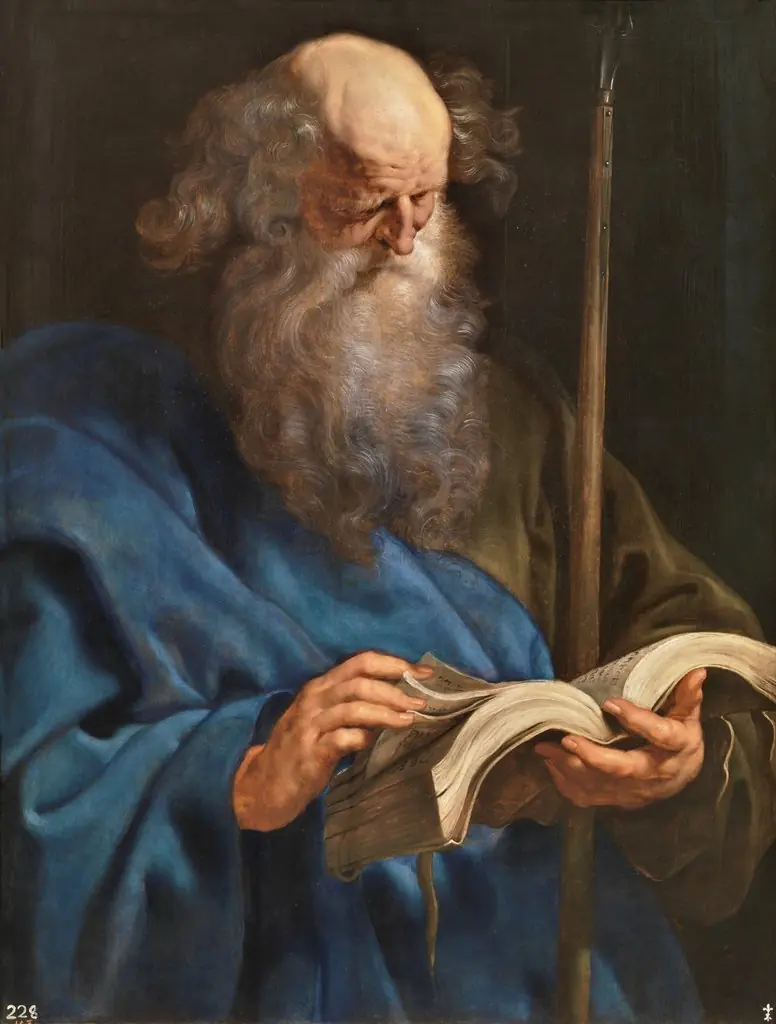 Saint Thomas
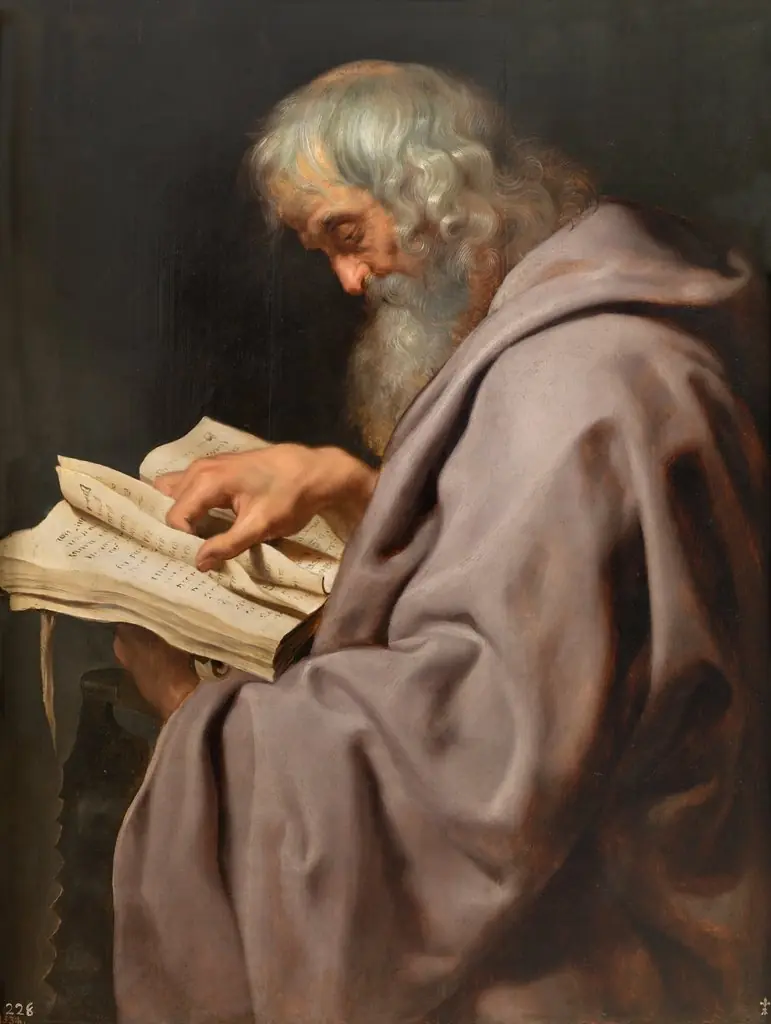 Saint Simon
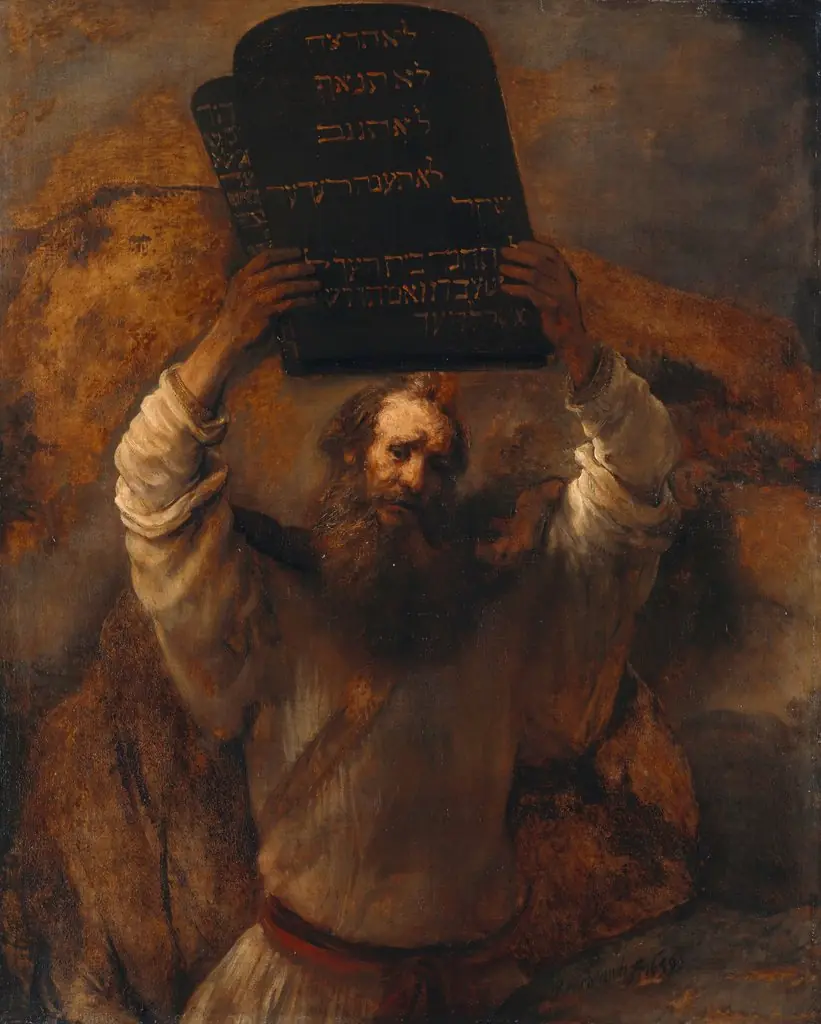 Moses Smashing the Tablets of the Law
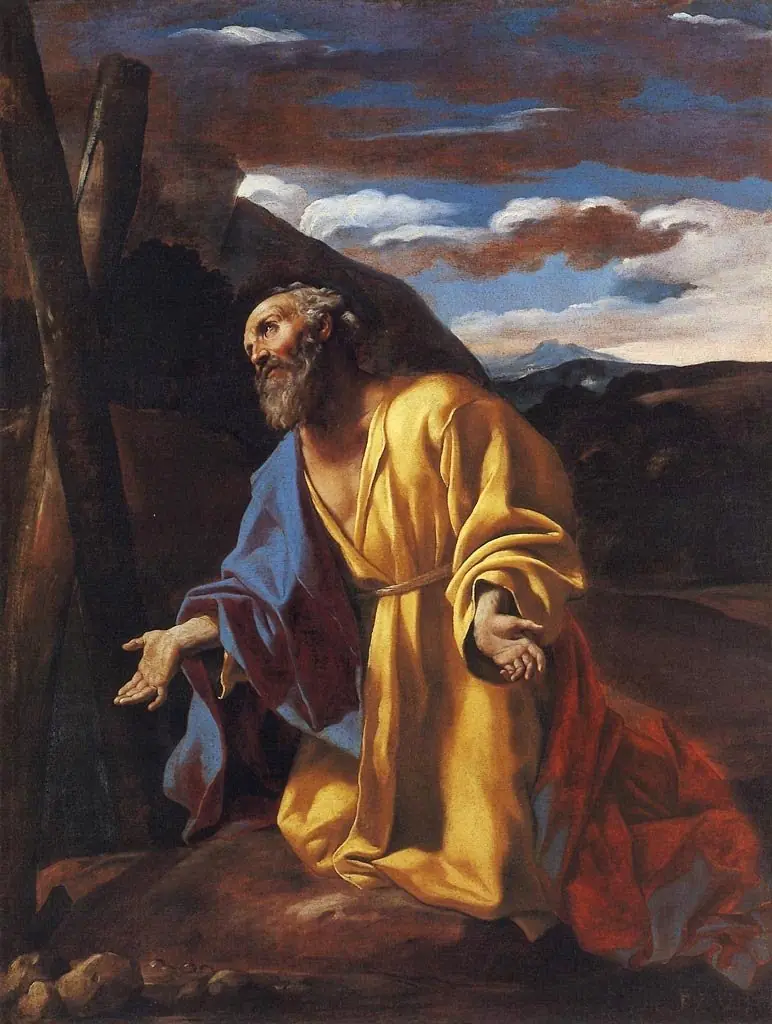 Der Heilige Andreas, vor dem Kreuz kniend
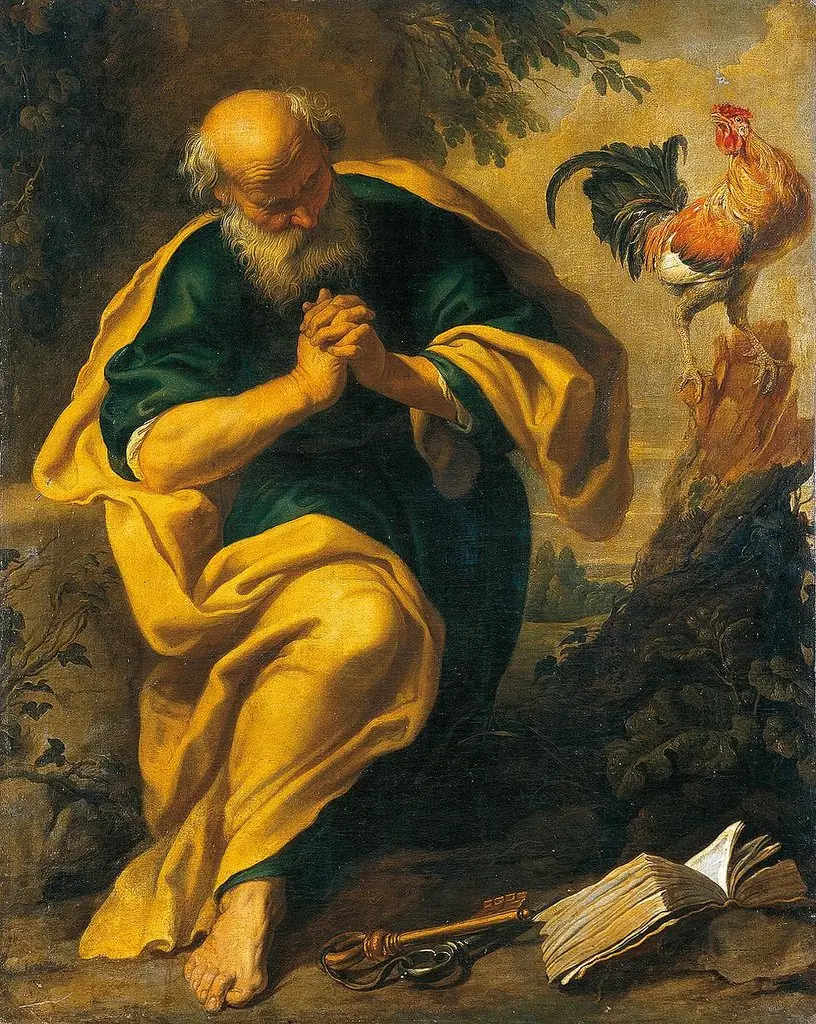 Repentance of St Peter
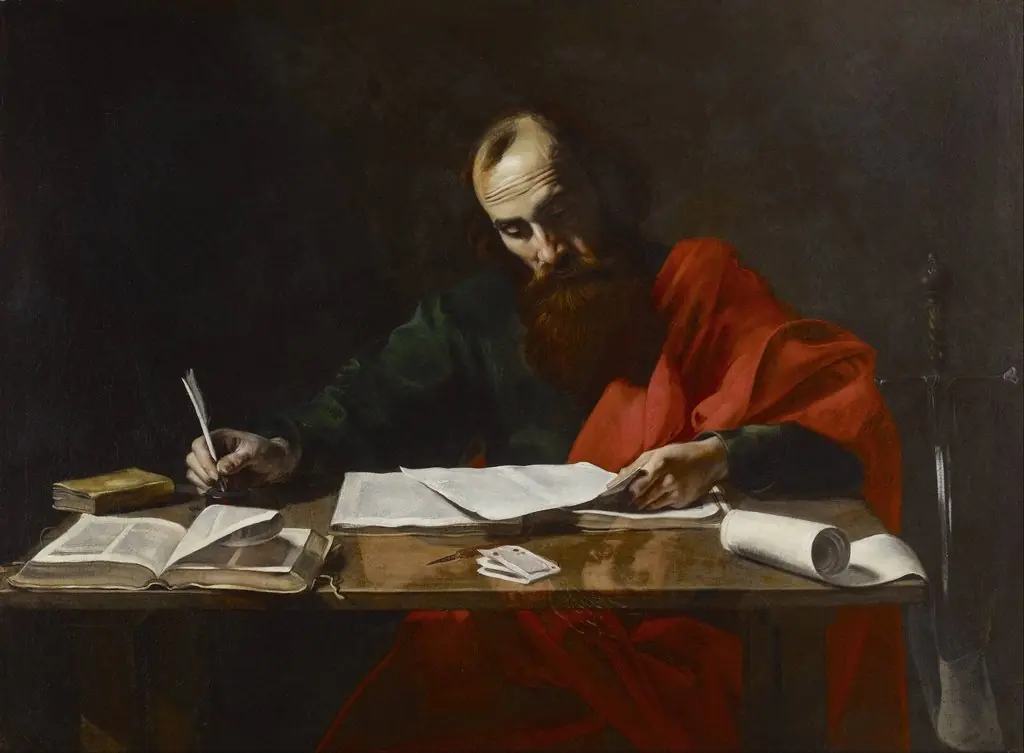 Saint Paul Writing His Epistles
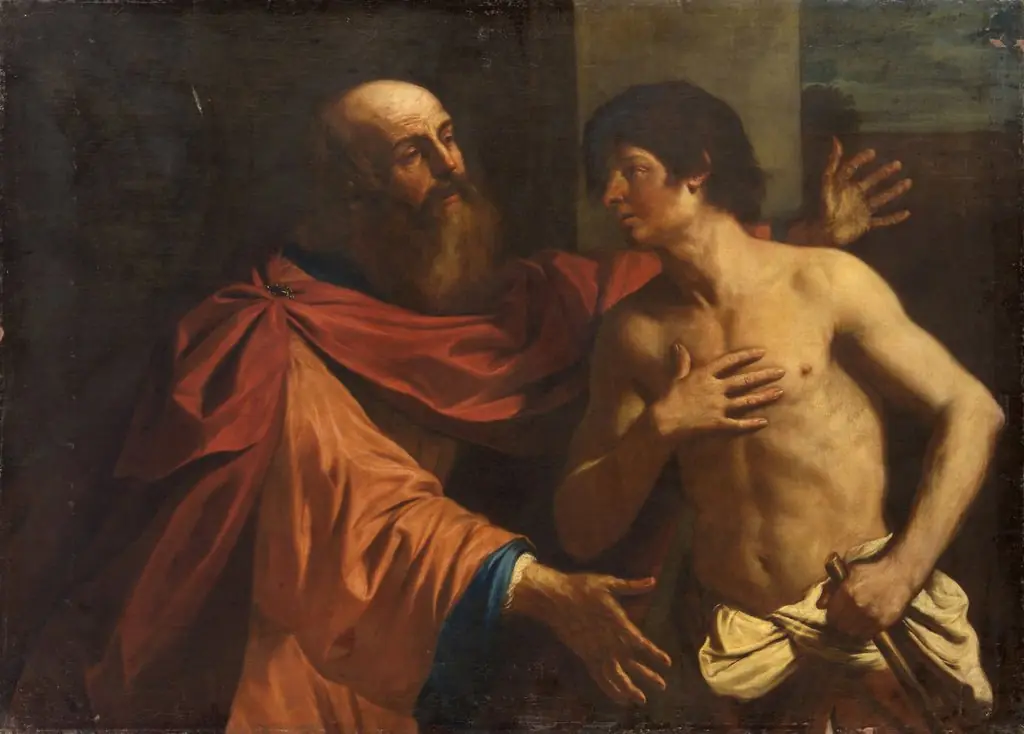 The Return of the Prodigal son
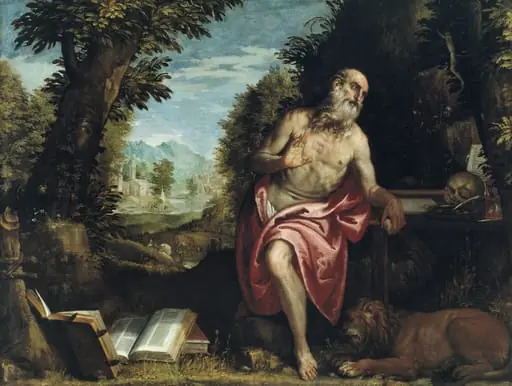 Saint Jerome in the Wilderness
 St. Jerome
 Saint Matthew and the Angel