Artwork
Beweinung Abels
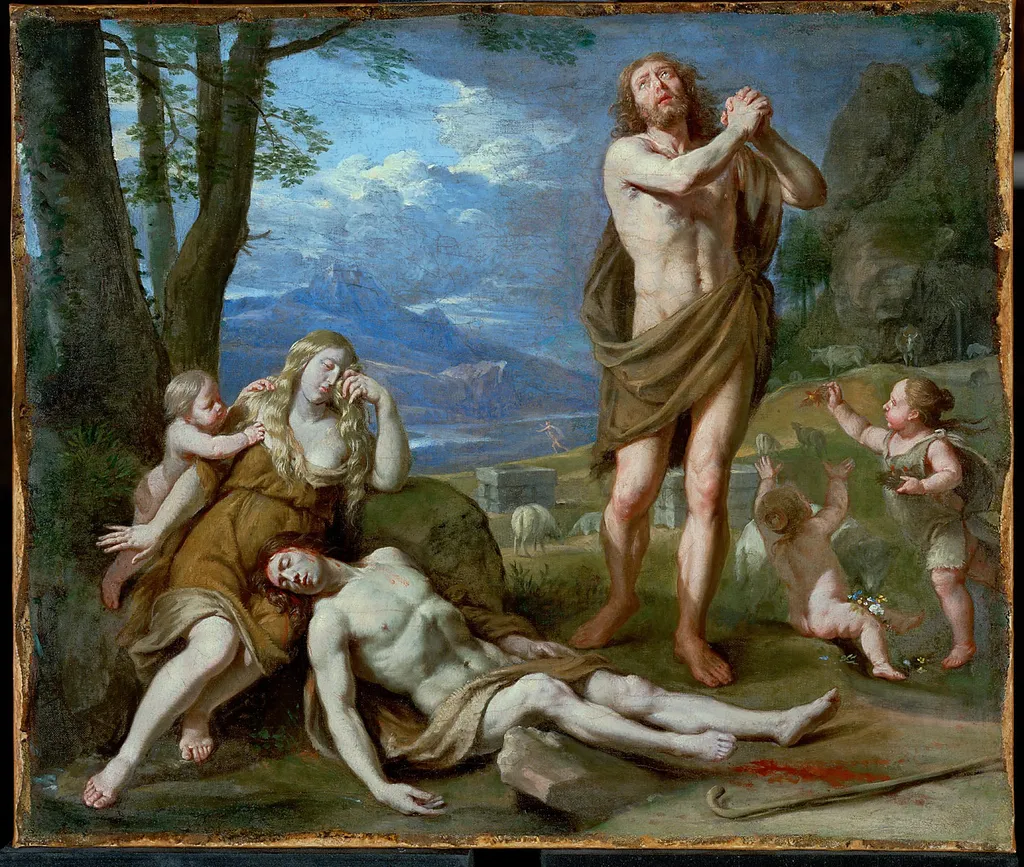
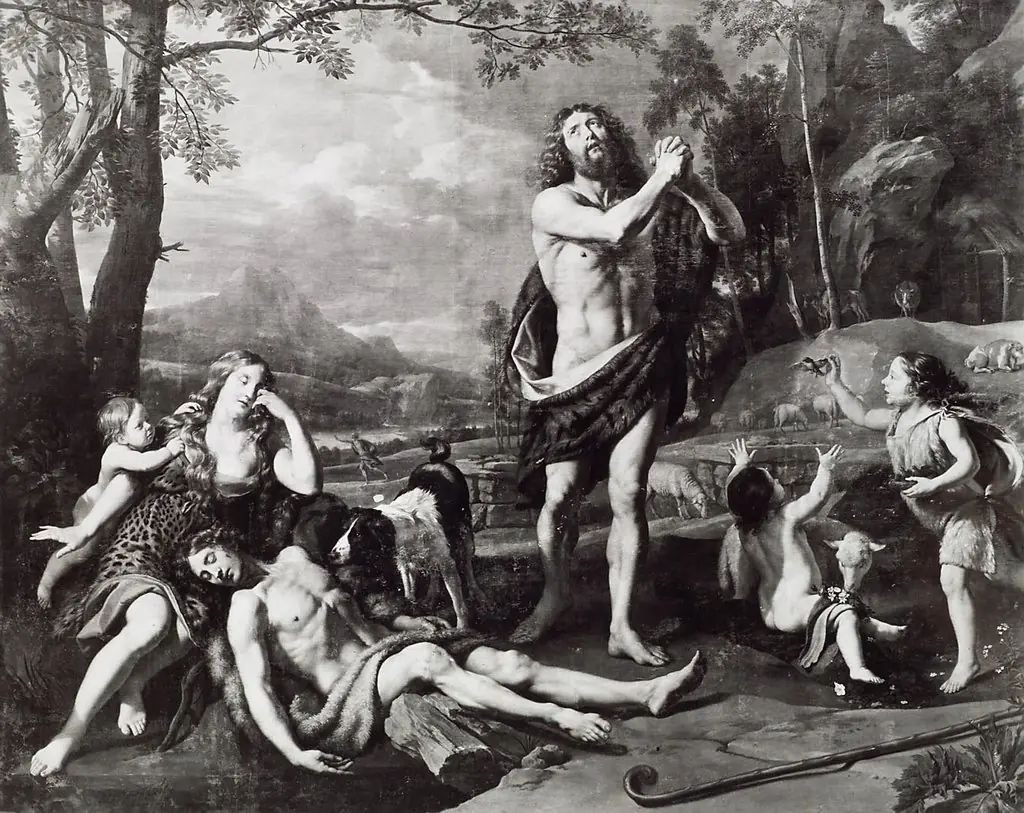
Beweinung Abels is an unspecified painting by the French Classical Baroque artist Philippe de Champaigne. It dates from 1656 and is held in the collection of the Kunsthistorisches Museum.
About this work
Overview
Philippe de Champaigne’s 1656 oil painting *Beweinung Abels* presents a quiet, mournful tableau set against a tranquil landscape.
Philippe de Champaigne’s 1656 oil painting *Beweinung Abels* presents a quiet, mournful tableau set against a tranquil landscape. Central to the composition is a barefoot, long‑haired man in a brown cloth, clasping his hands in a gesture of prayer. To his left a seated woman cradles the head of a lifeless figure, whose pallid body lies on the ground. The scene is rendered in muted tones and softened light, emphasizing contemplation over drama.
Subject & Meaning
The work visualizes the biblical episode of Abel’s lament after his death, focusing on the human response to loss rather than the act of violence itself. By placing the grieving figures in a calm natural setting, Champaigne underscores the universality of sorrow and the spiritual appeal for solace, inviting viewers to reflect on mortality and divine justice.
Technique & Style
Executed in the French Classical Baroque idiom, the painting combines precise draftsmanship with a restrained palette. Champaigne employs subtle chiaroscuro to model the figures, while the background landscape—trees, distant mountains, and a cloud‑dotted sky—provides a gentle atmospheric perspective. The soft lighting and careful rendering of fabrics and flesh convey a quiet dignity characteristic of his religious oeuvre.
History & Provenance
Created during Champaigne’s mature period as a court painter and co‑founder of the Académie royale de peinture et de sculpture, the canvas remained in private collections before entering the Kunsthistorisches Museum in Vienna. The museum’s acquisition reflects the work’s status as a representative example of mid‑17th‑century French religious painting.
Context
*Beweinung Abels* belongs to a broader series of biblical scenes that Champaigne produced for ecclesiastical patrons. The painting aligns with the Counter‑Reformation’s emphasis on clear, emotionally resonant imagery designed to inspire piety. Its restrained composition contrasts with the more theatrical Baroque works of contemporaries, illustrating the French preference for classical balance.
Artist & collection
Artist
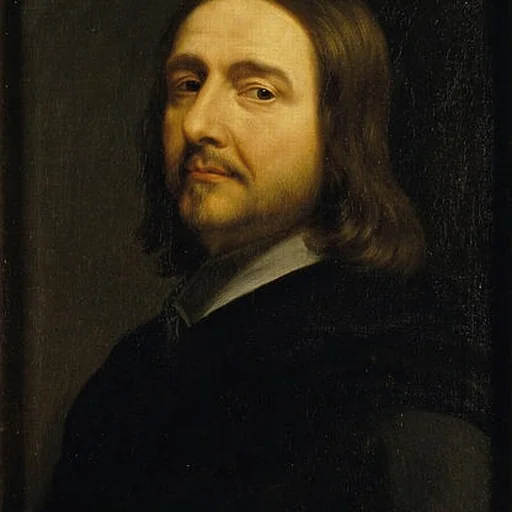
Philippe de Champaigne (French pronunciation: ; 26 May 1602 – 12 August 1674) was a Brabant-born French Baroque era painter, a major exponent of French Baroque painting.

 Adam and Eve Lamenting over the Body of Abel
 Beweinung Abels
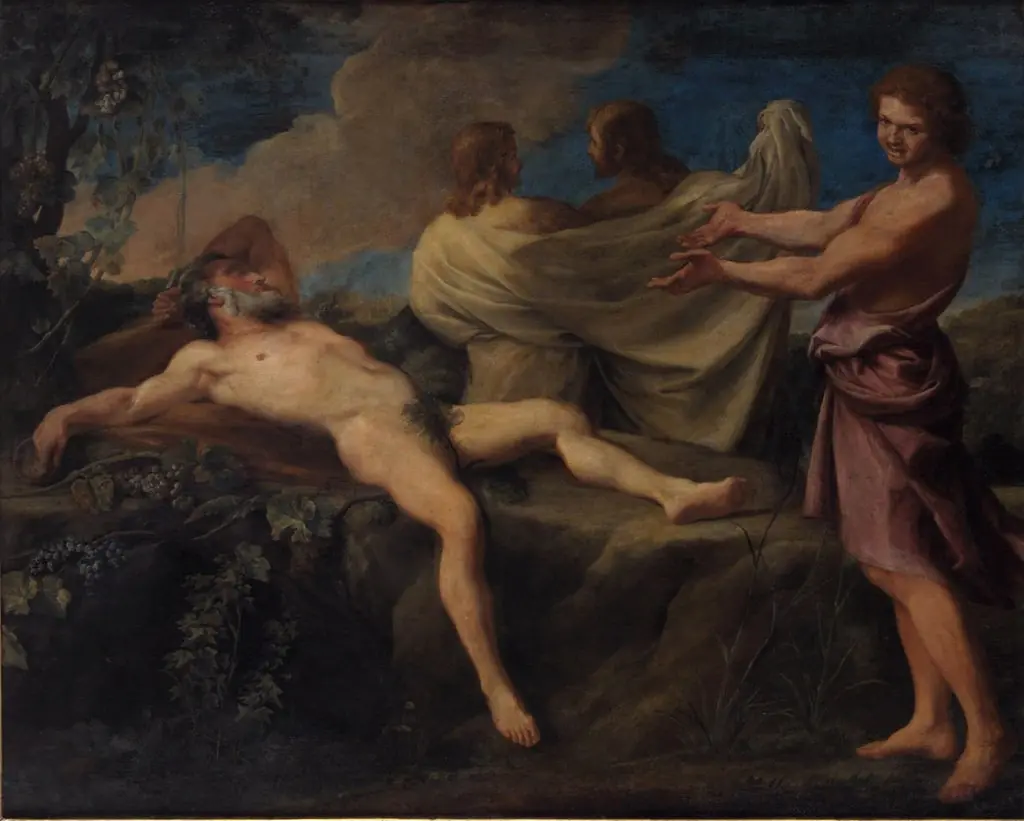 Drunkenness of Noah
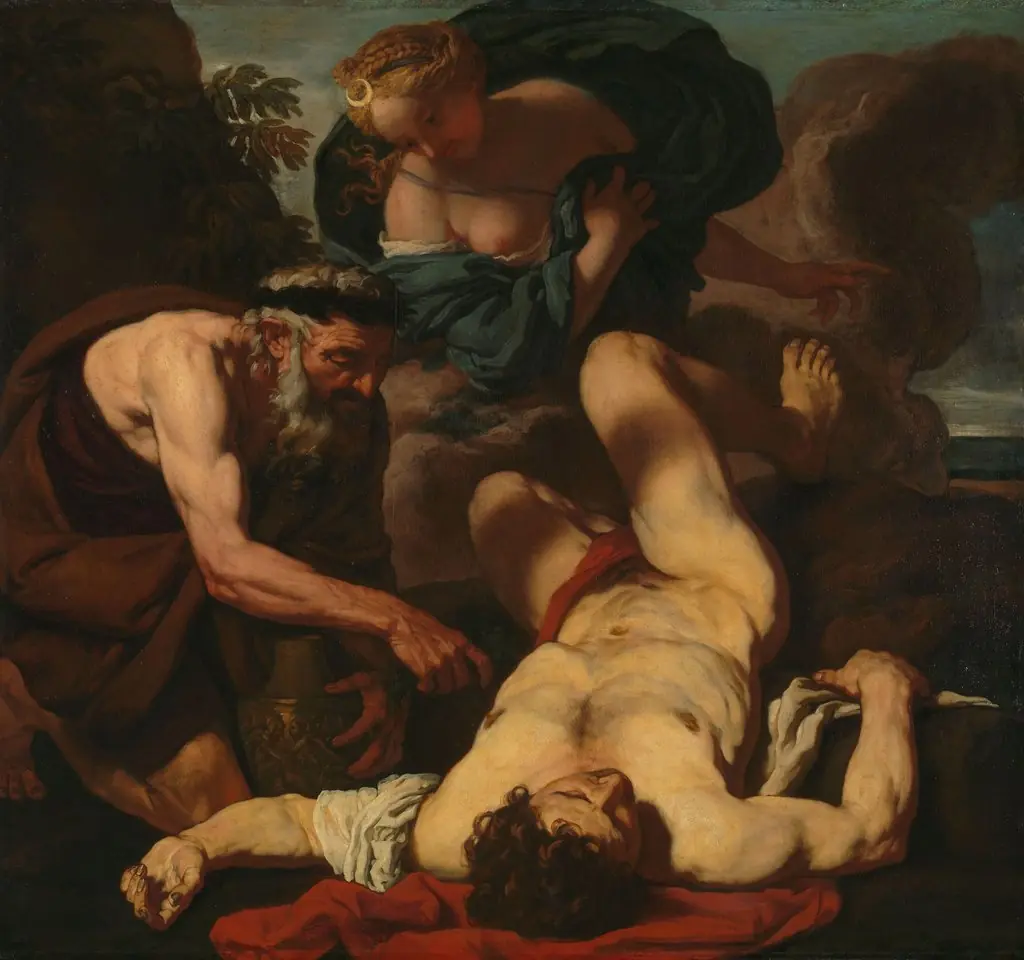 Selene and Endymion
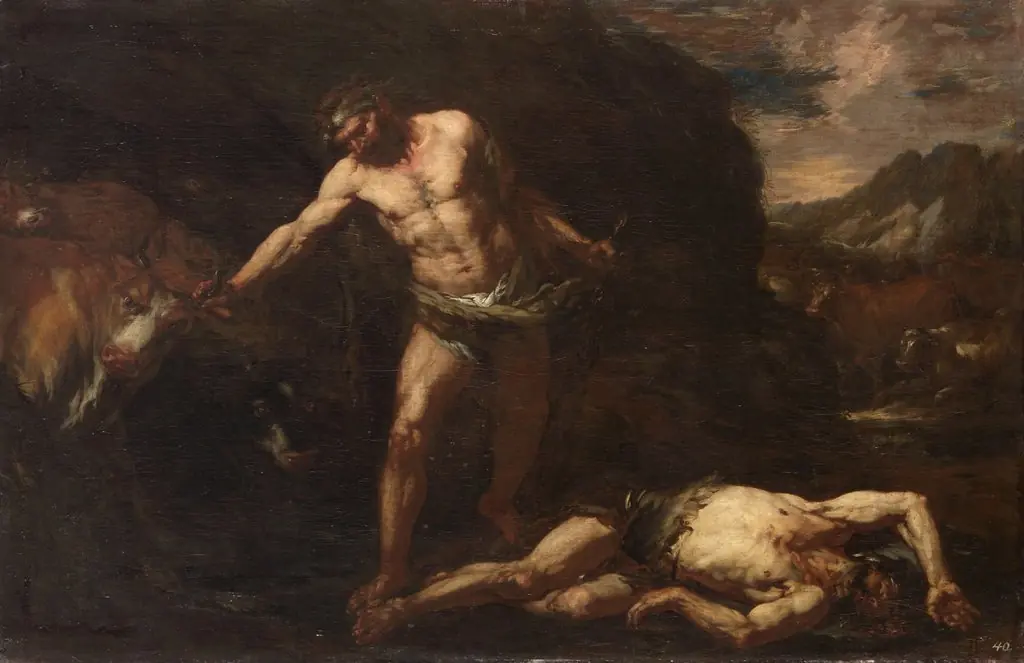 Hercules tötet den Riesen Cacus und raubt die Rinder des Geryoneus
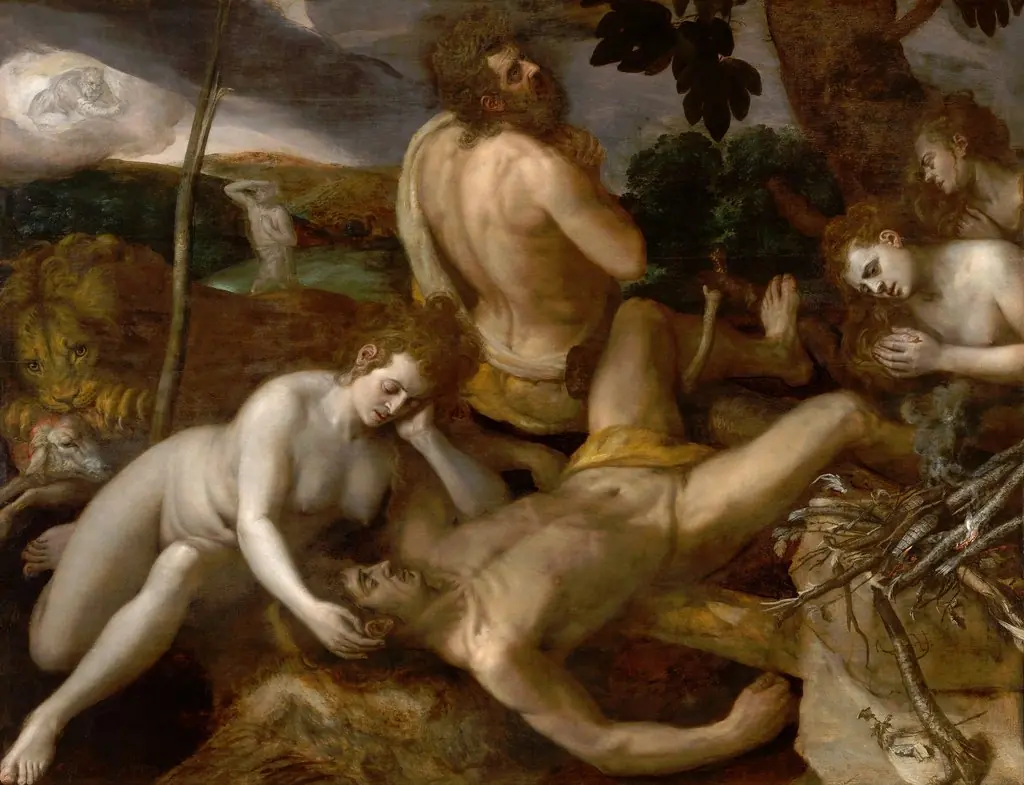 Adam and Eve grieve over the Dead Body of Abel
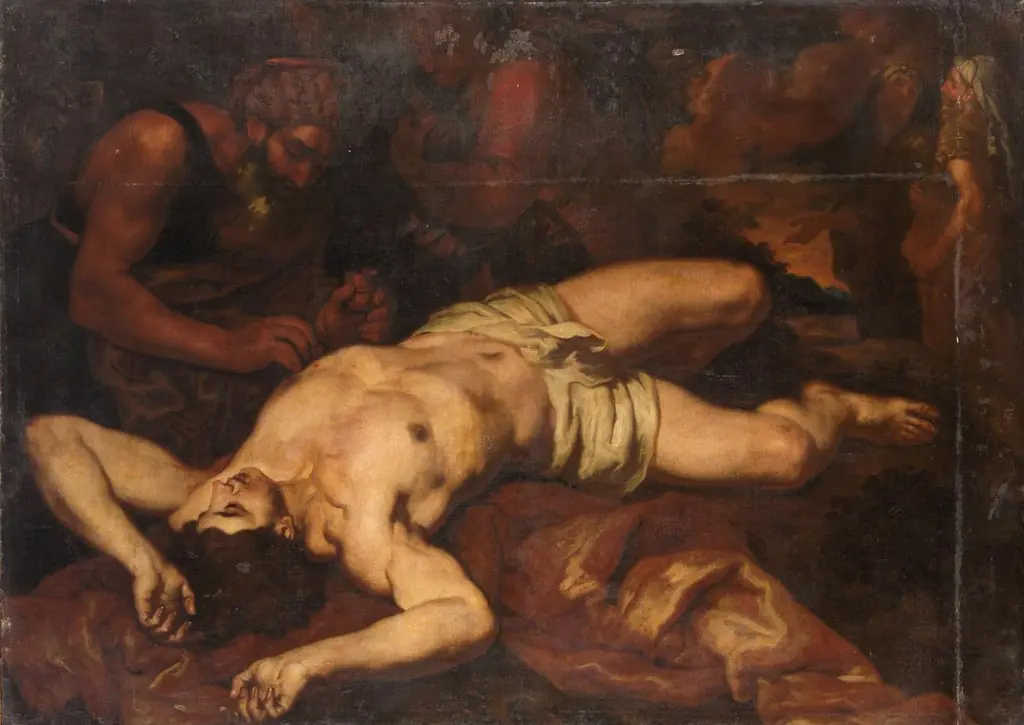 The Good Samaritan
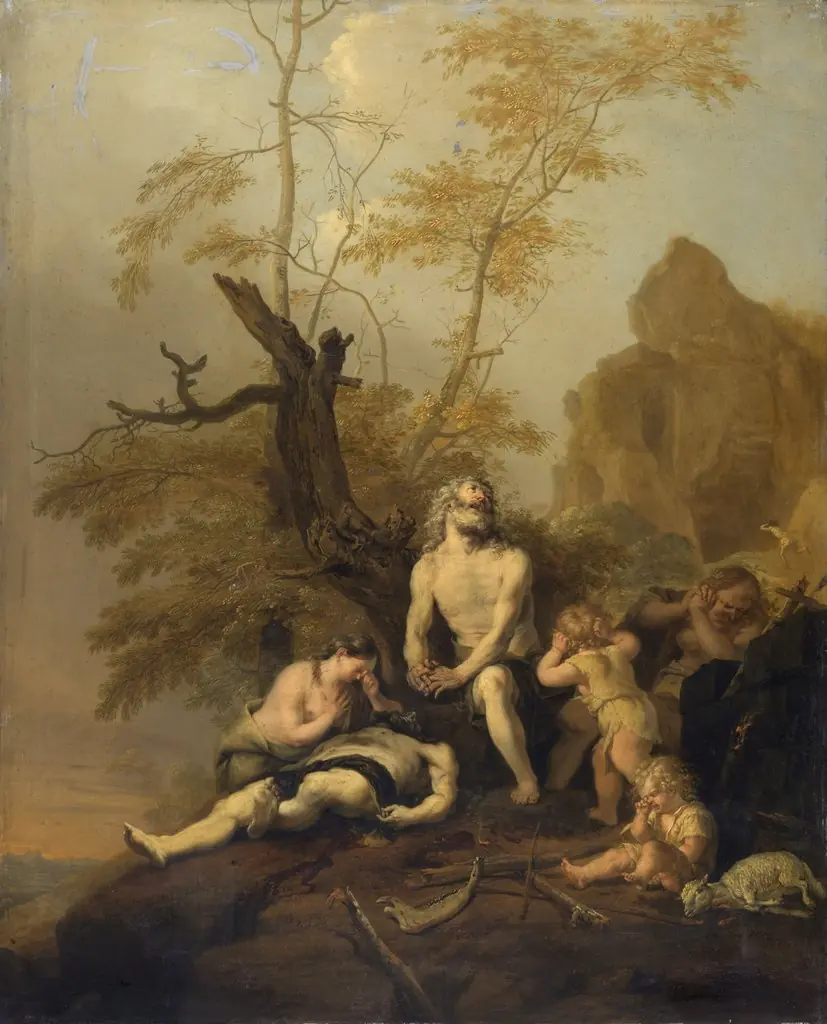 The Death of Abel
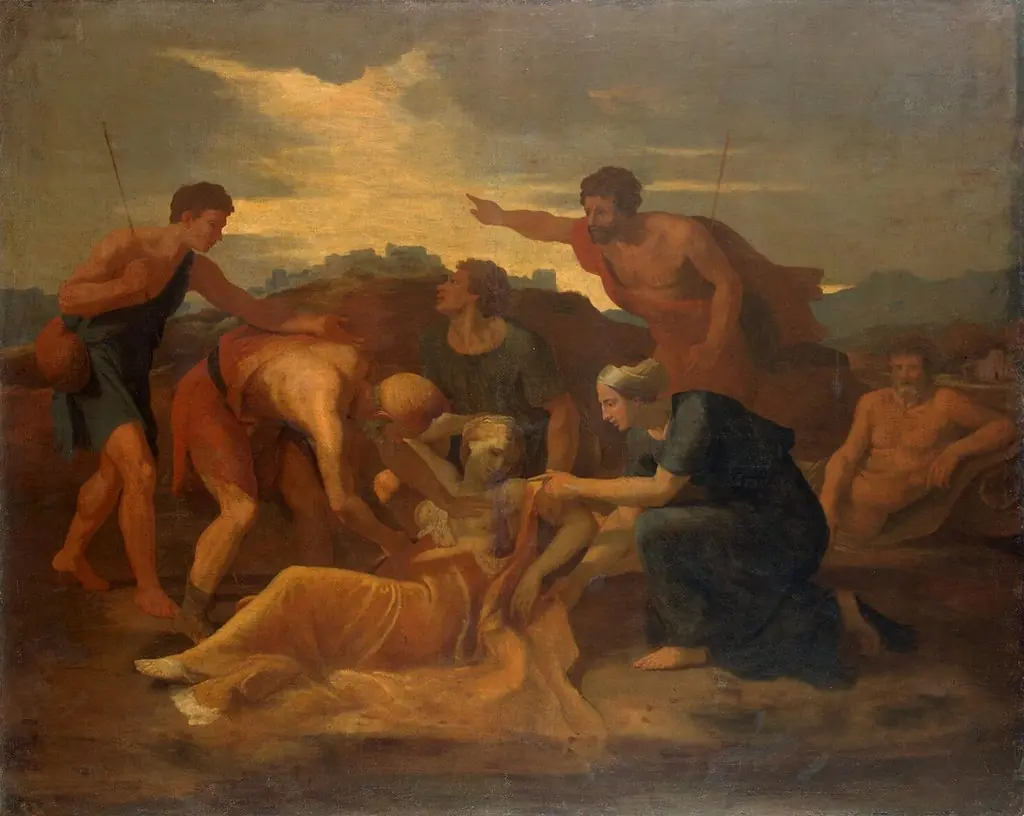 Queen Zenobia Found on the Banks of the Arax
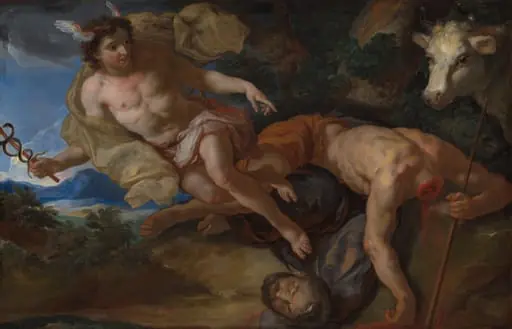 Mercury Rescues the Disguised Io after Beheading Argus
 Miracle of the loaves (Jesus feeds the five thousand)
 Venus Bewailing the Death of Adonis