Artwork
Beweinung Abels
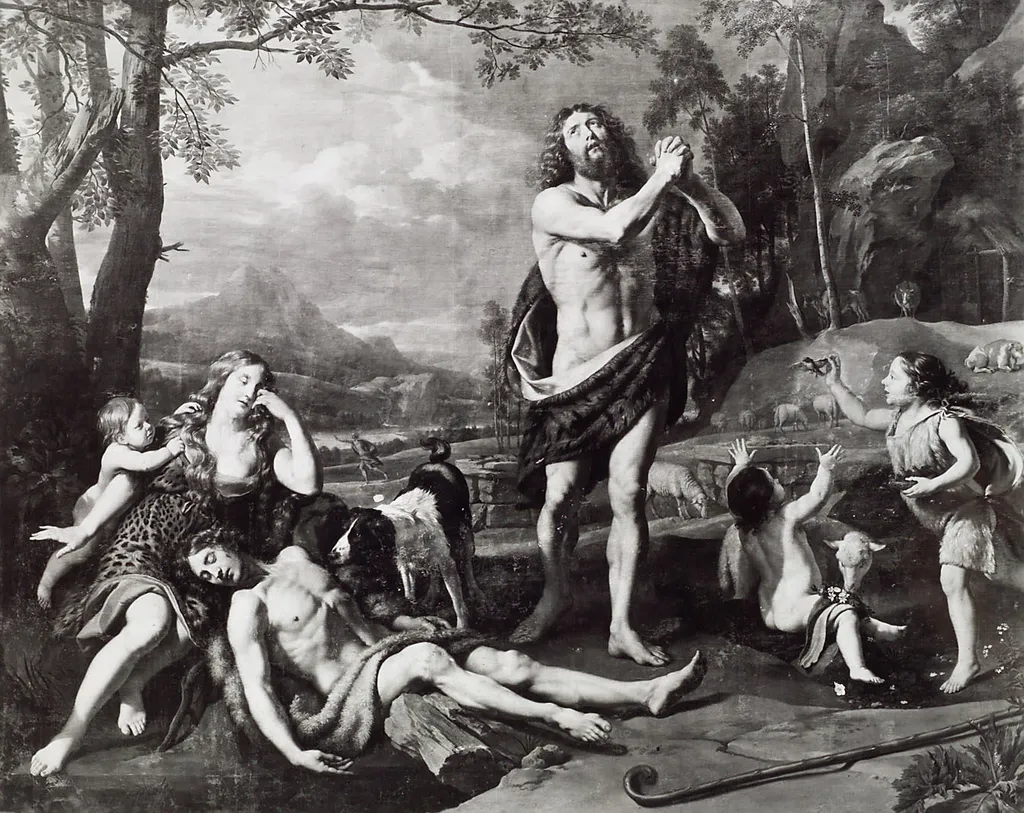
Beweinung Abels is an unspecified painting by the French Classical Baroque artist Philippe de Champaigne. It dates from 1656 and is held in the collection of the Kunsthistorisches Museum.
About this work
Overview
Philippe de Champaigne’s *Beweinung Abels* (1656) is an oil painting that belongs to the French Classical Baroque tradition.
Philippe de Champaigne’s *Beweinung Abels* (1656) is an oil painting that belongs to the French Classical Baroque tradition. Executed toward the end of the artist’s prolific period, it is now part of the Kunsthistorisches Museum’s collection. The work portrays the biblical scene of Abel’s mourning after his death at the hands of his brother Cain, rendered in Champaigne’s restrained yet expressive manner.
Subject & Meaning
The central figure, a bearded man holding an object and gesturing upward, is commonly interpreted as a religious archetype, perhaps a priest or a prophetic witness to the tragedy. Surrounding figures—both seated and standing—react with varied gazes, emphasizing the collective grief and moral weight of fratricide. The inclusion of a sheep and a dog adds symbolic resonance, recalling Abel’s role as a shepherd.
Technique & Style
Champaigne employs a chiaroscuro scheme that models the figures through stark contrasts of light and shadow, heightening the drama of the scene. The composition is anchored by a rocky outcrop and a dark, cloud‑filled sky, while the surrounding trees frame the group. The painter’s precise brushwork and subdued palette reflect the Classical Baroque emphasis on clarity and controlled emotion.
History & Provenance
Created during Champaigne’s mature phase, the painting was likely intended for a private devotional setting or a church commission. After the artist’s death in 1674, the work entered various collections before being acquired by the Kunsthistorisches Museum, where it remains on display as part of the museum’s Baroque holdings.
Context
*Beweinung Abels* fits within Champaigne’s broader output of religious subjects, produced alongside his celebrated portraiture for the French court. The painting exemplifies the 17th‑century French shift toward a more restrained, classical interpretation of Baroque drama, aligning with the aesthetic standards of the Académie royale de peinture et de sculpture, of which Champaigne was a founding member.
Artist & collection
Artist
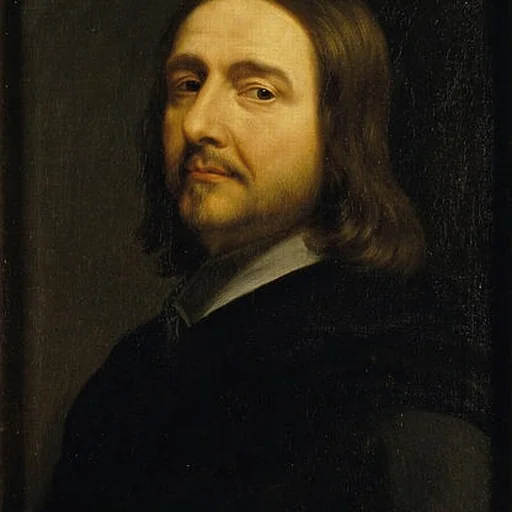
Philippe de Champaigne (French pronunciation: ; 26 May 1602 – 12 August 1674) was a Brabant-born French Baroque era painter, a major exponent of French Baroque painting.

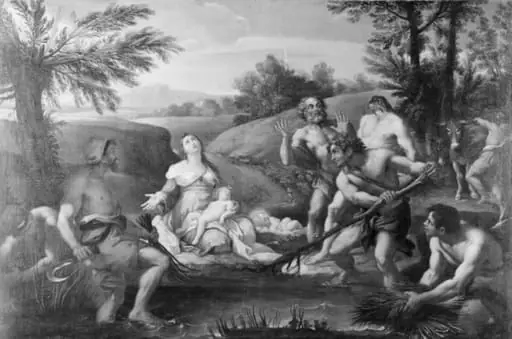 Latona forvandler Licias hyrder til frøer. Motiv fra Ovids "Metamorfoser", VI sang
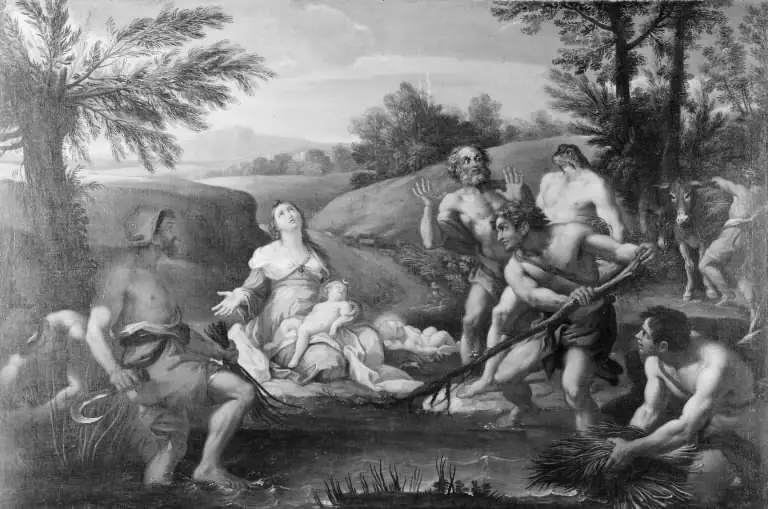 Latona forvandler Licias hyrder til frøer. Motiv fra Ovids "Metamorfoser", VI sang
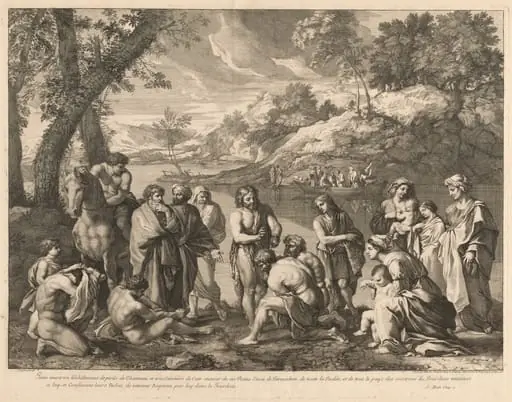 Saint John the Baptist in the River Jordan
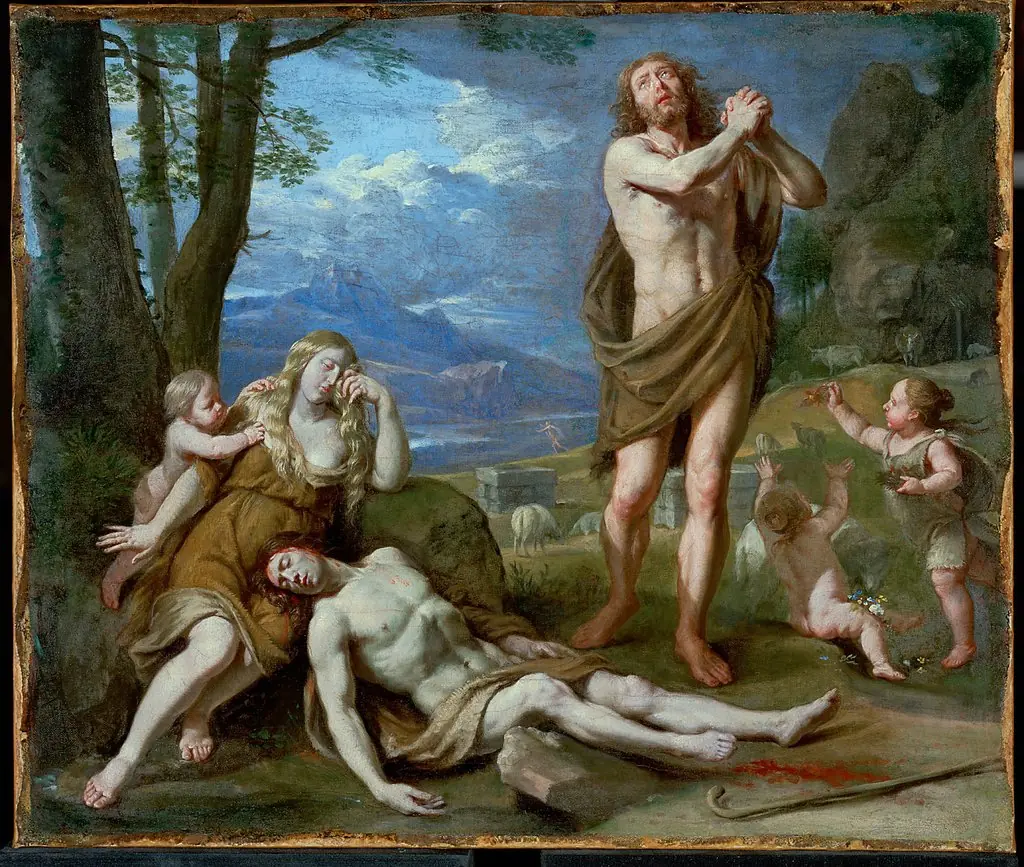 Beweinung Abels
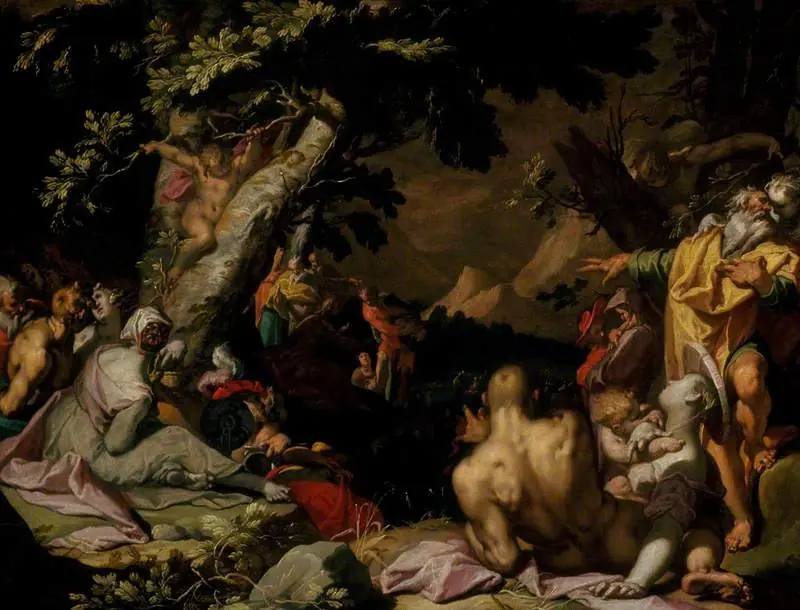 Miracle of the loaves (Jesus feeds the five thousand)
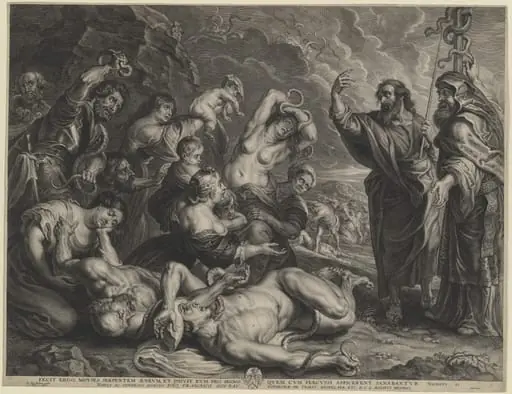 Moses and the Brazen Serpent
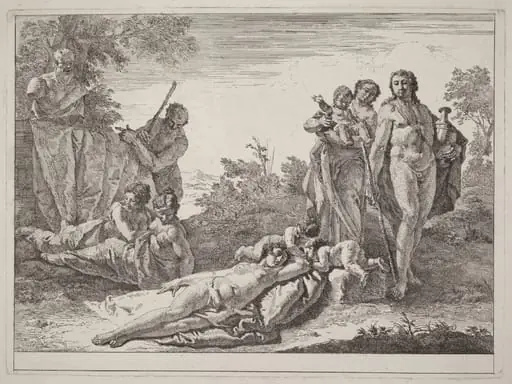 Apollo and Nymphs in a Landscape with a Bust of Pan
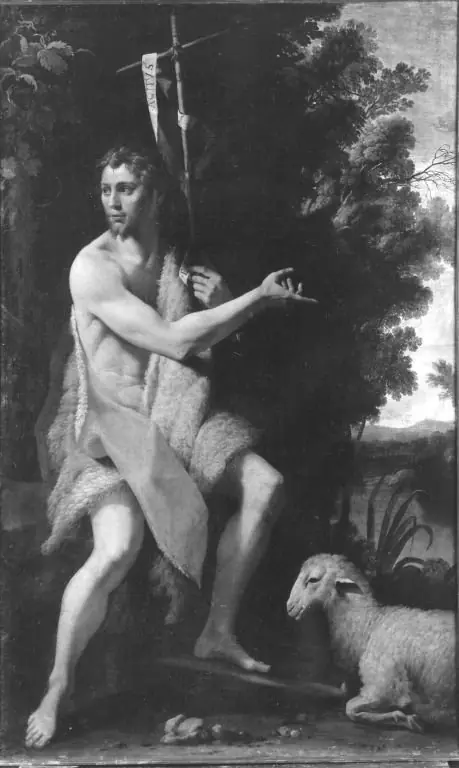 Johannes der Täufer mit Lamm
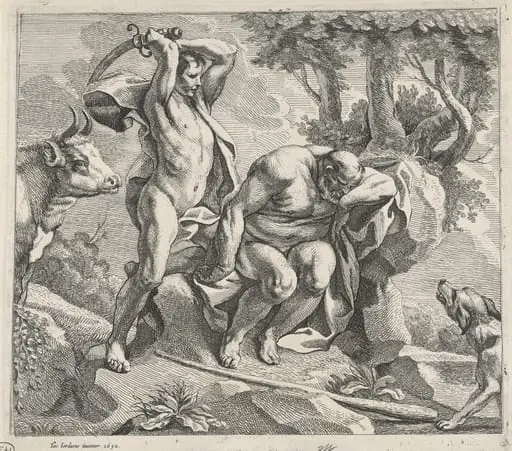 Mercury Killing Argus
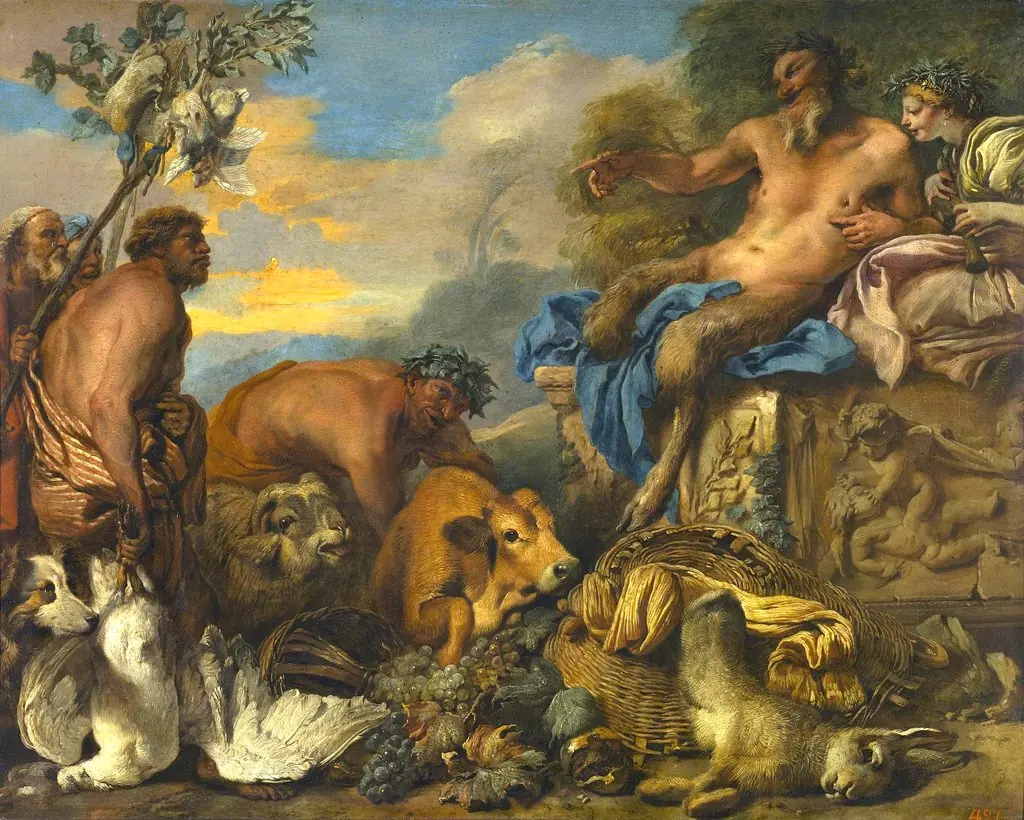 Satyrs Bringing their Gifts
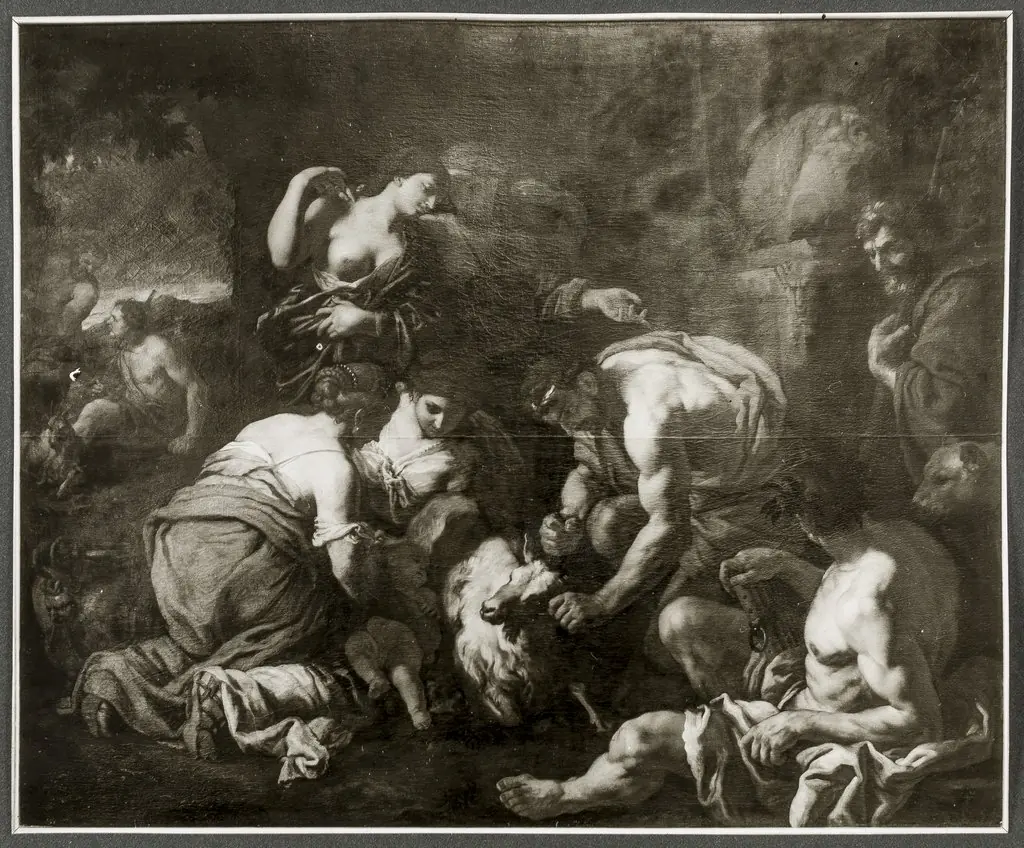 Jupiter Suckling from the Goat Amalthea
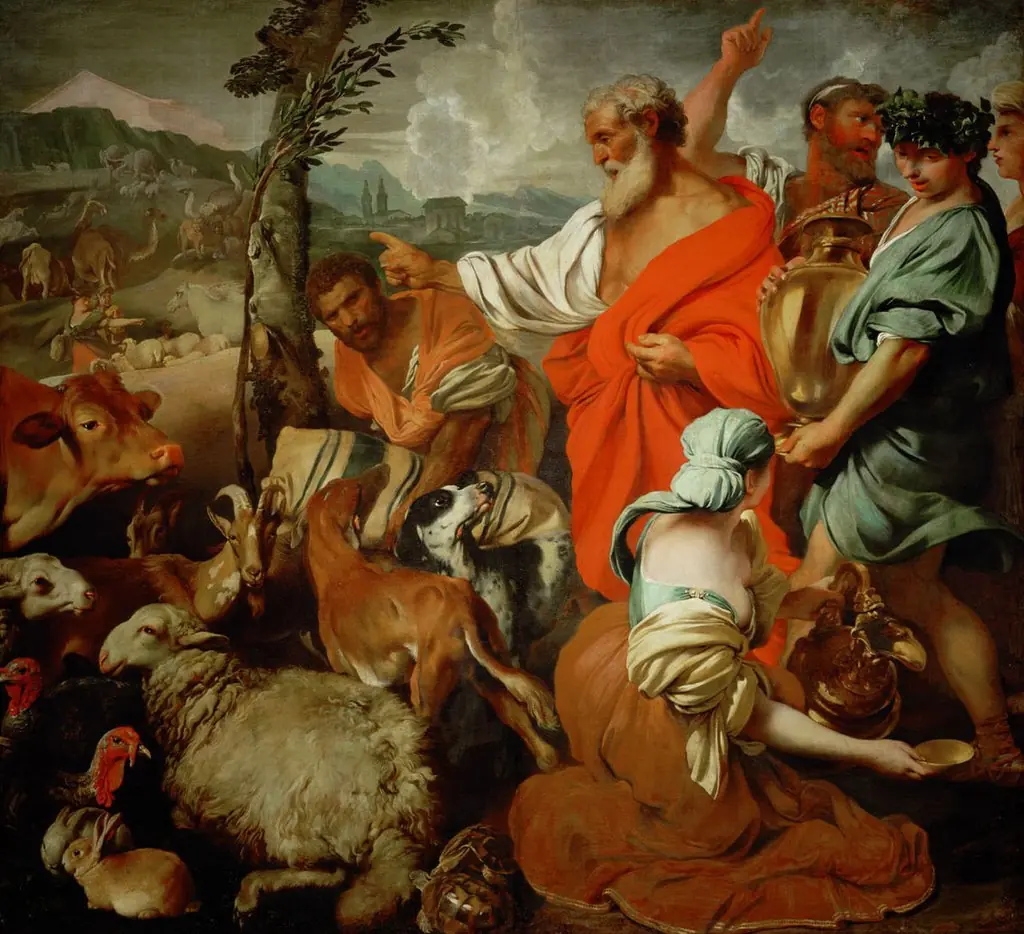 Einzug der Tiere in die Arche Noah