Artwork
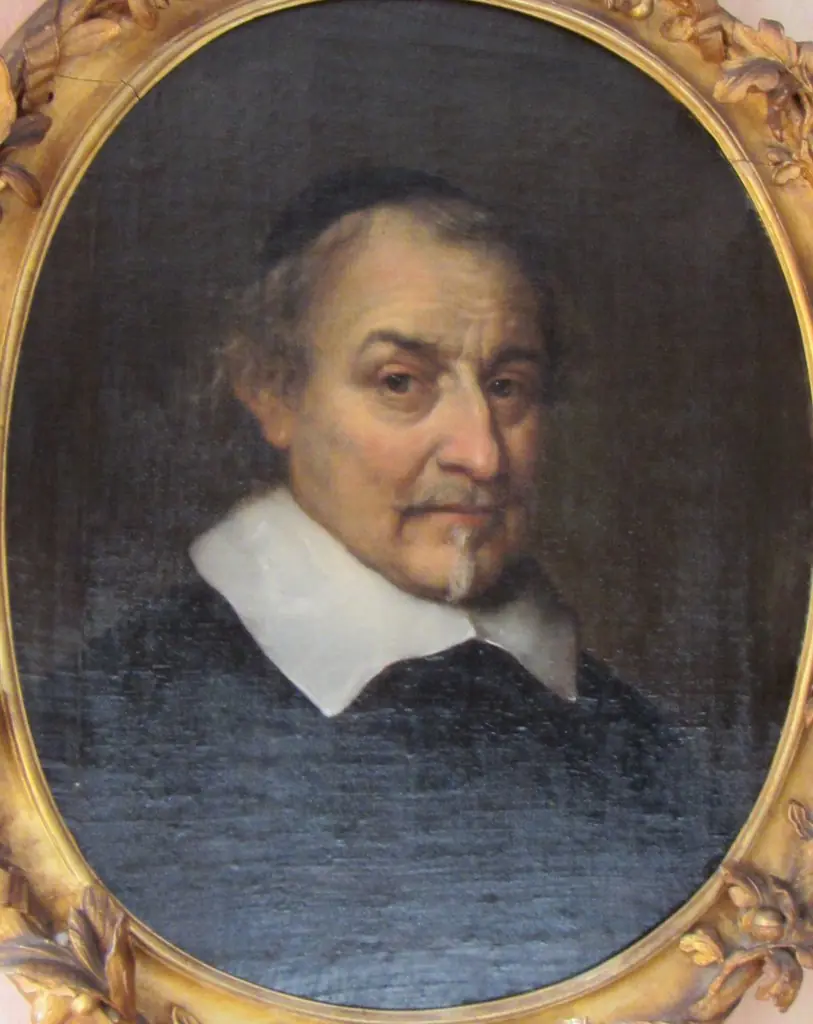
Self-portrait of Philips Koninck (1619-1688)
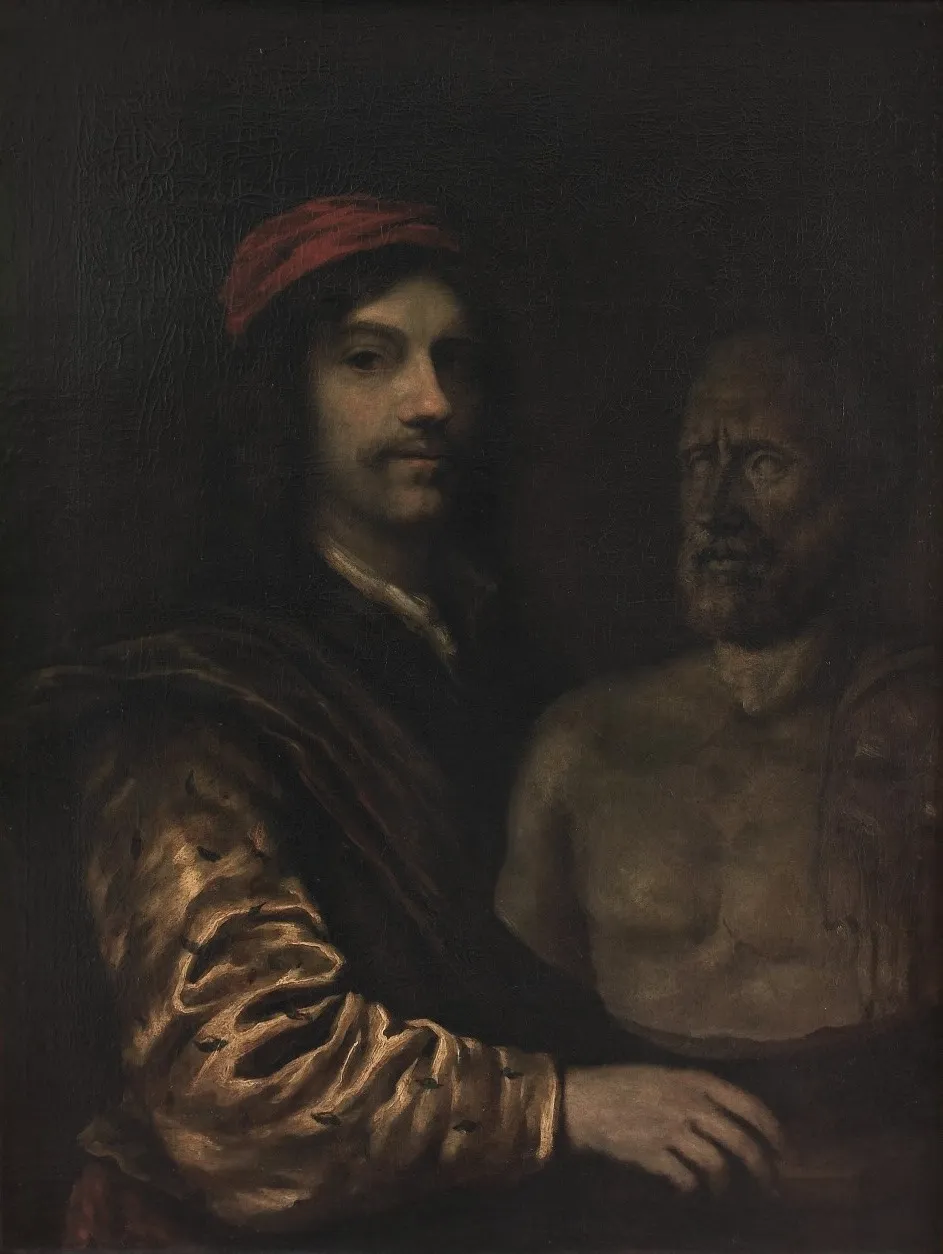
Self-portrait of Philips Koninck (1619-1688) is an oil painting by the Dutch Golden Age artist Philips Koninck. It dates from 1661 and is held in the collection of the Uffizi Gallery.
About this work
Overview
Painted in 1661, this oil portrait by Philips Koninck presents the artist in a contemplative pose, flanked by a classical statue of Heracles.
Painted in 1661, this oil portrait by Philips Koninck presents the artist in a contemplative pose, flanked by a classical statue of Heracles. Executed during the Dutch Golden Age, the work blends portraiture with mythological reference, reflecting Koninck’s engagement with both personal identity and cultural symbolism. It resides today in the Uffizi Gallery’s collection, a rare example of his figural work among his more numerous landscapes.
Subject & Meaning
Koninck depicts himself beside a marble statue of Heracles, a figure associated with strength and endurance. The pairing suggests an alignment between the artist and the mythic hero—perhaps implying intellectual or creative fortitude. The neutral gaze and restrained posture convey introspection rather than bravado, positioning the artist not as a conqueror but as a thoughtful observer, grounded in the quiet dignity of his craft.
Technique & Style
Rendered in oil with meticulous attention to texture, the painting captures the sheen of silk, the grain of stone, and the soft fall of a dark cape. Koninck employs subtle chiaroscuro to model form, directing light toward the face and upper torso while allowing the background to recede into shadow. The realism is restrained, avoiding theatricality; details like the folds of the shirt and the weathered surface of the statue are observed with quiet precision.
History & Provenance
Created in 1661, the portrait entered the Medici collection in Florence, later becoming part of the Uffizi’s holdings. Its presence in Italy reflects the broader European appreciation for Dutch art during the 17th century. While Koninck is primarily known for his landscapes, this self-portrait stands as a documented personal statement, possibly commissioned or retained by the artist as a statement of professional identity.
Context
In mid-17th century Holland, self-portraiture was common among artists seeking to assert their status. Koninck, trained under his brother Jacob and possibly in Rembrandt’s studio, operated within a network of artistic exchange. His choice to include Heracles aligns with a broader trend of integrating classical allusions into domestic portraits, signaling cultural literacy and alignment with humanist ideals prevalent among Dutch intellectuals.
Legacy
Though Koninck’s landscapes dominate his legacy, this self-portrait remains a key document of his personal and artistic presence. It offers insight into how a landscape painter chose to represent himself—not through grandeur, but through quiet association with classical virtue. The work contributes to understanding the diversity of self-representation in Dutch art beyond the more flamboyant examples of his contemporaries.
Artist & collection
Artist
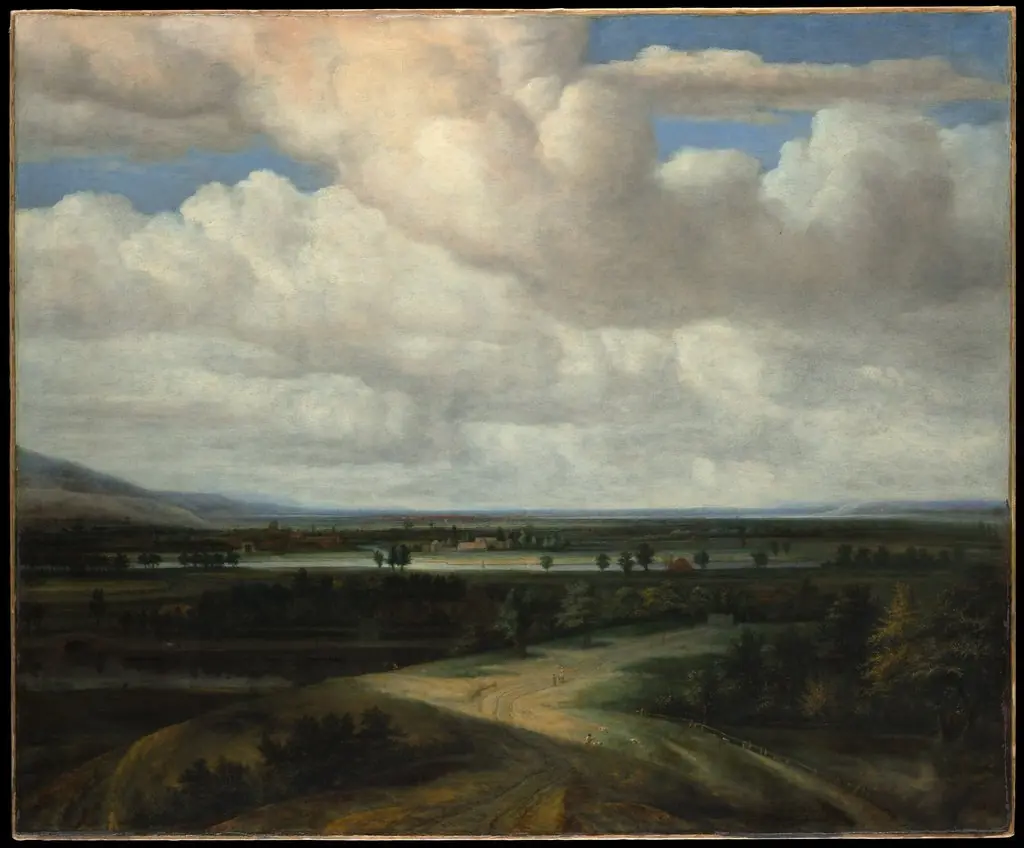
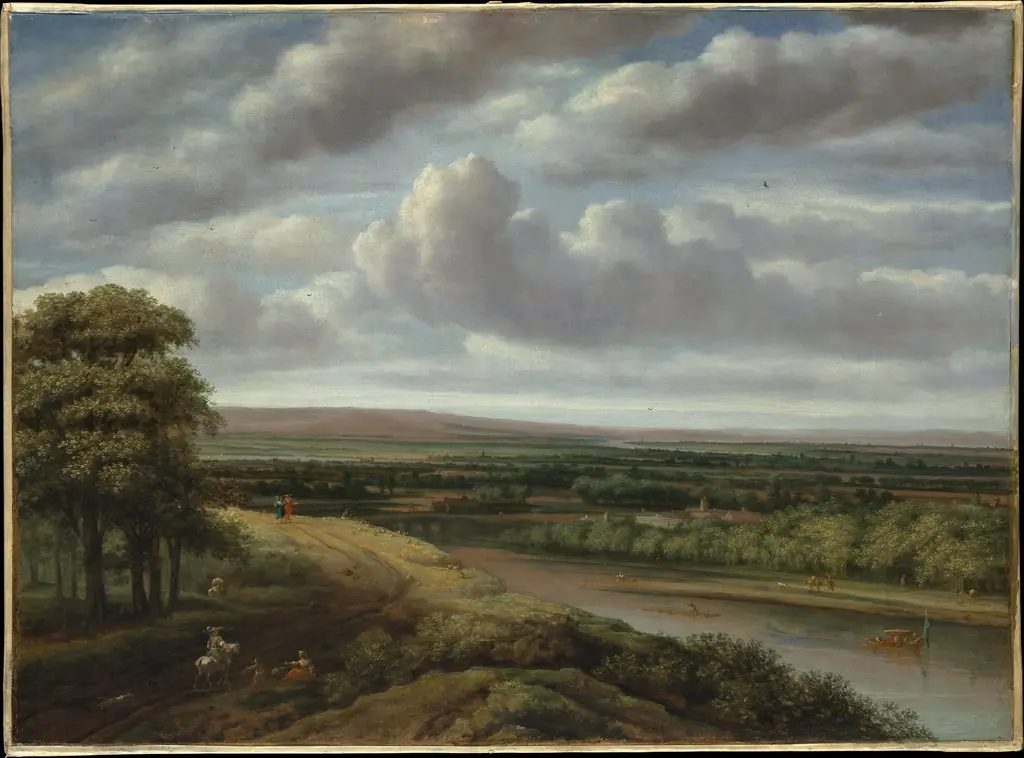
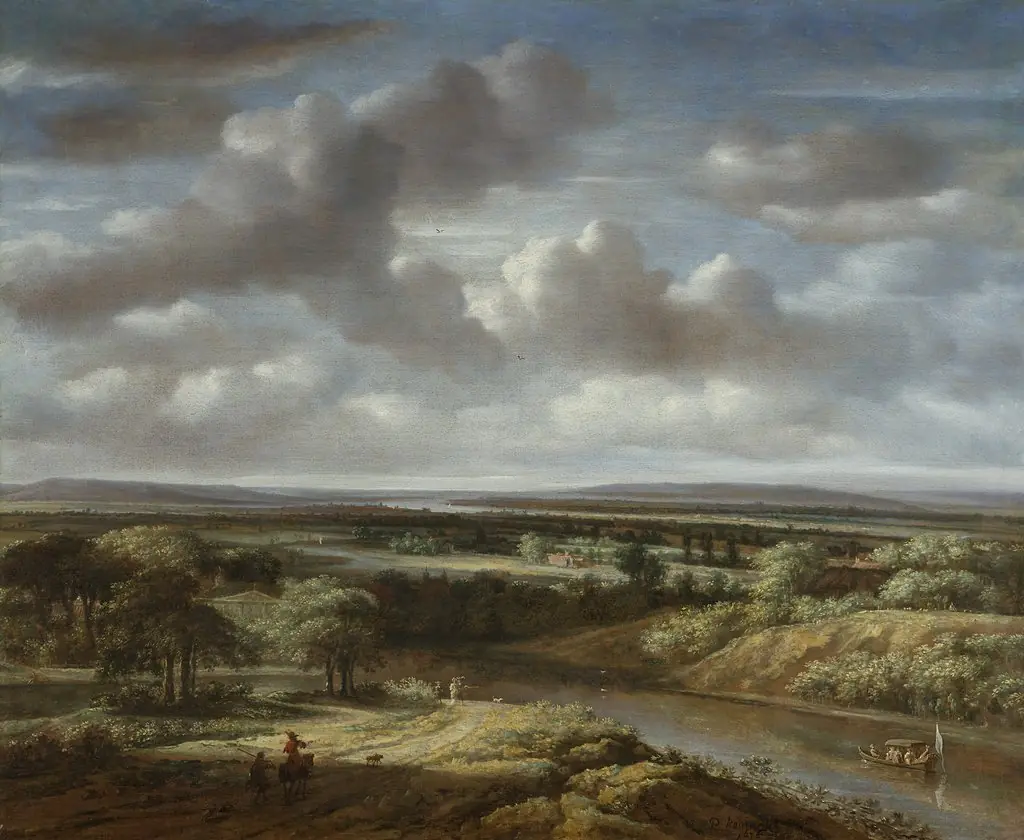
Philips Koninck (5 November 1619 – 4 October 1688), also spelled Philip de Koninck, was a Dutch landscape painter and younger brother of Jacob Koninck.

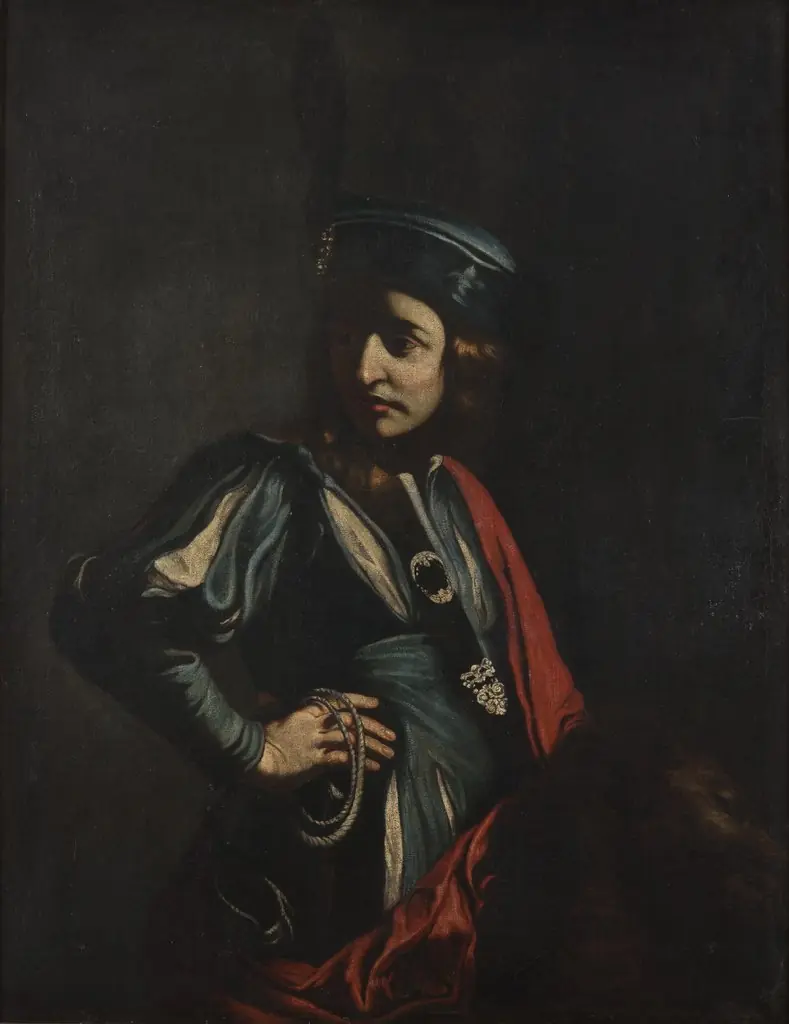 David with the Head of Goliath
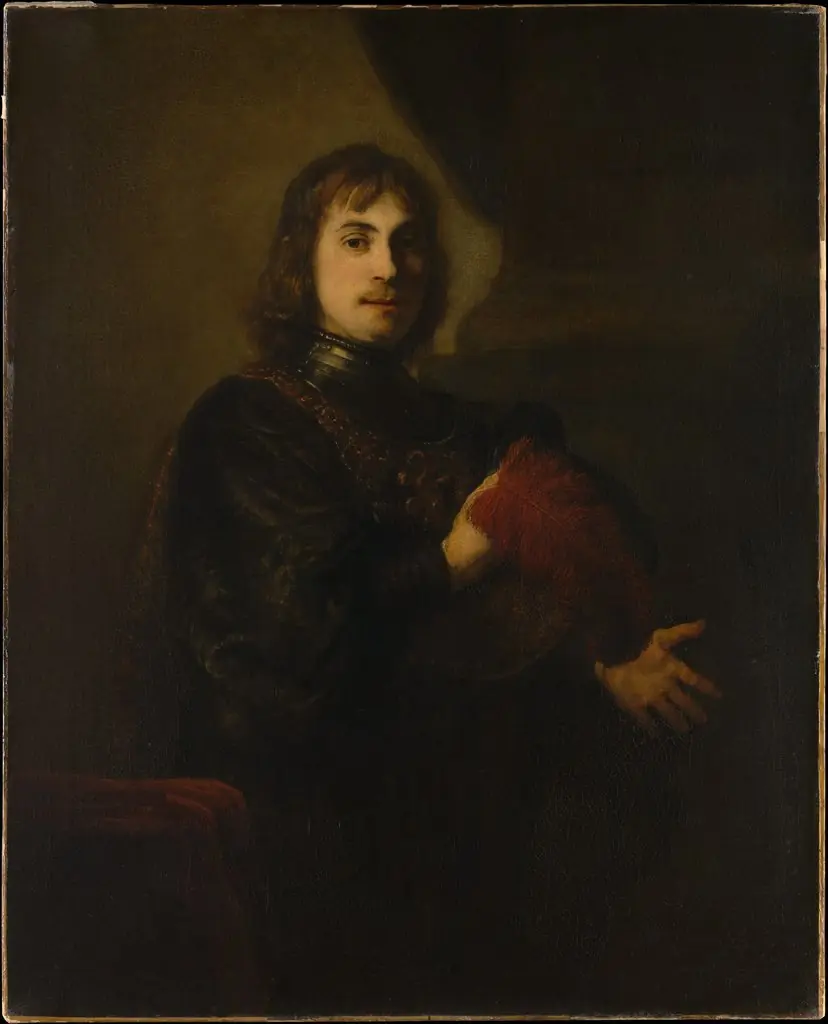 Portrait of a Man with a Breastplate and Plumed Hat
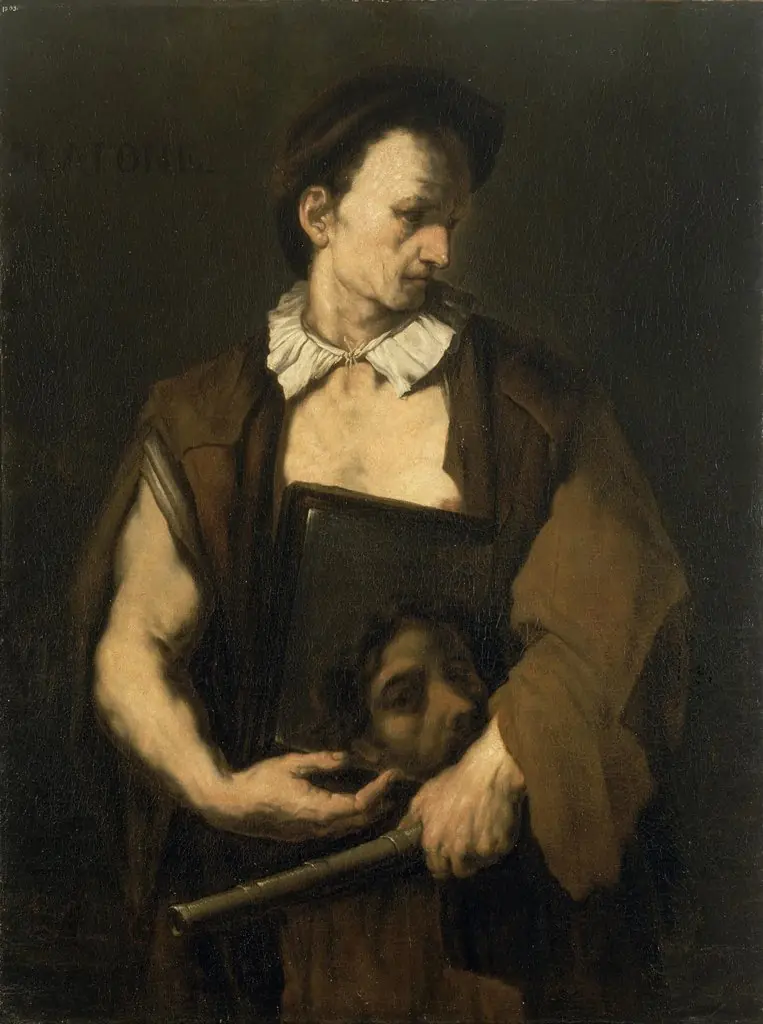 Philosopher
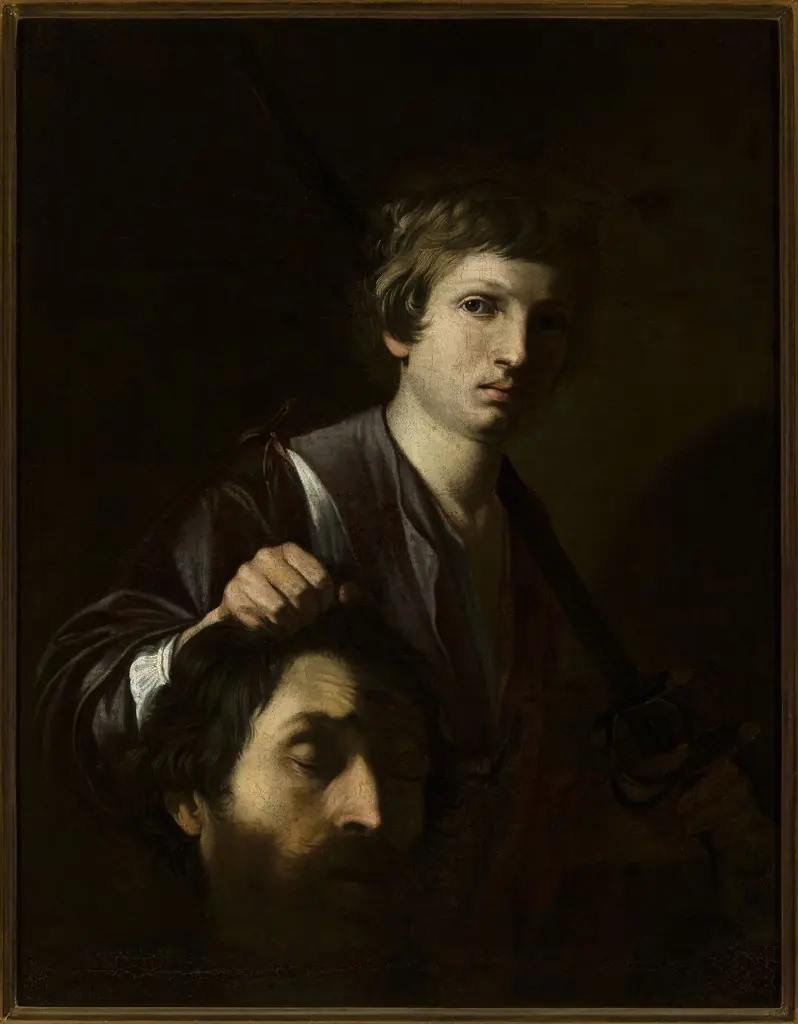 David with Goliath’s head
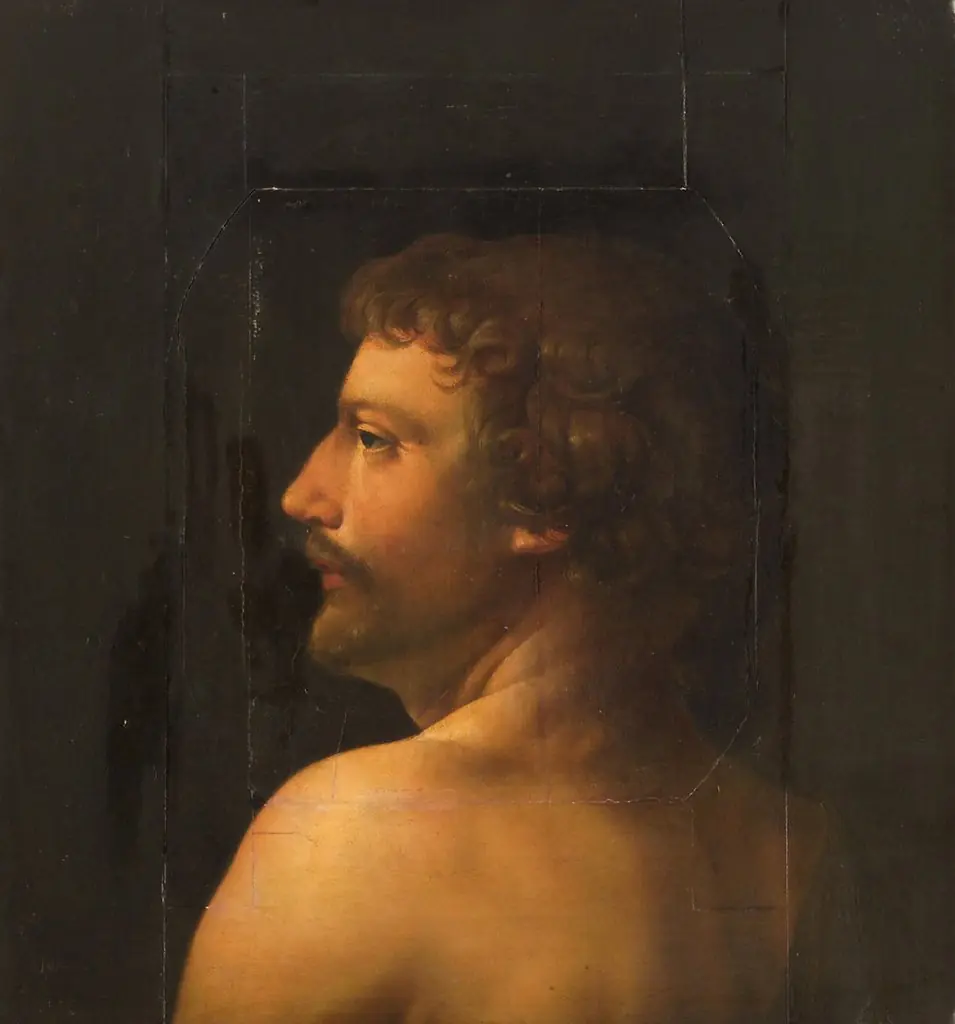 Bildnis eines jungen Mannes
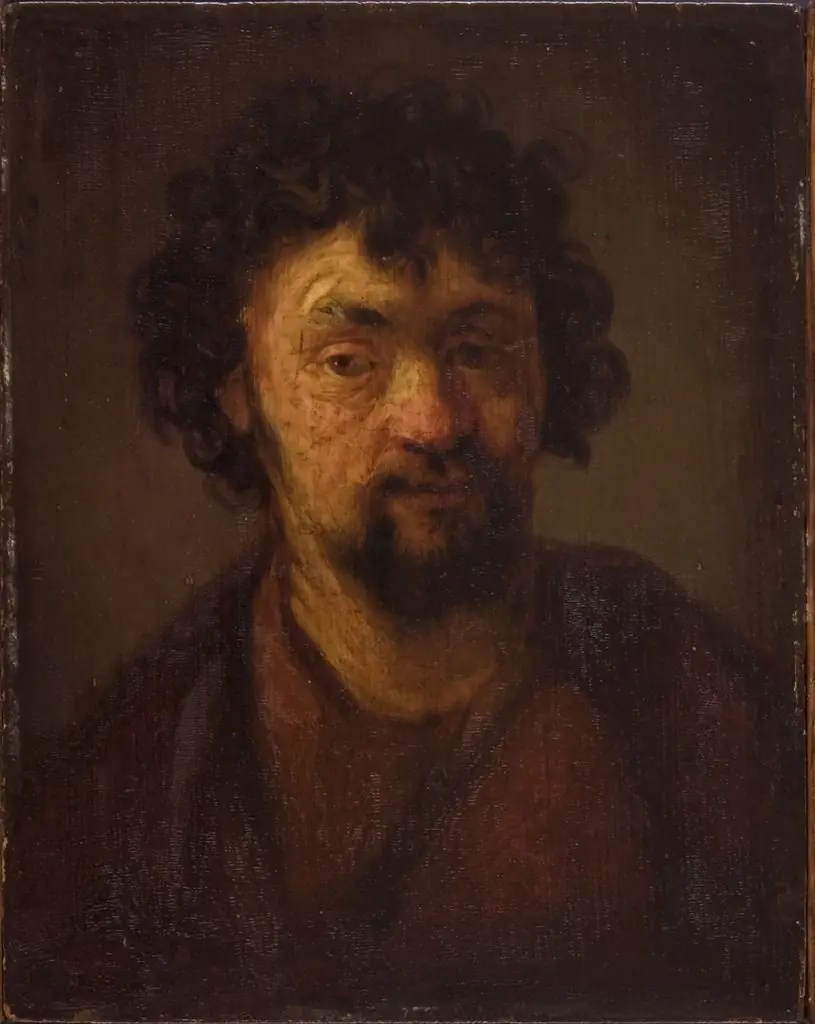 Head of a Man
 Portrait of Michel le Blon (1587-1657). Agent of Queen Christina of Sweden, goldsmith and engraver
 Portrait of a young gentleman, formerly believed to be a self-portrait
 Self-Portrait
 Self-portrait
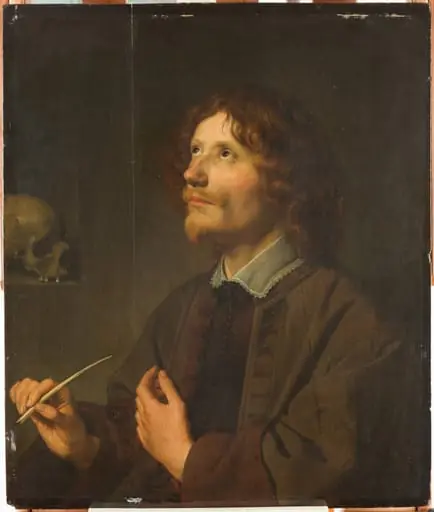 Bildnis eines Gelehrten
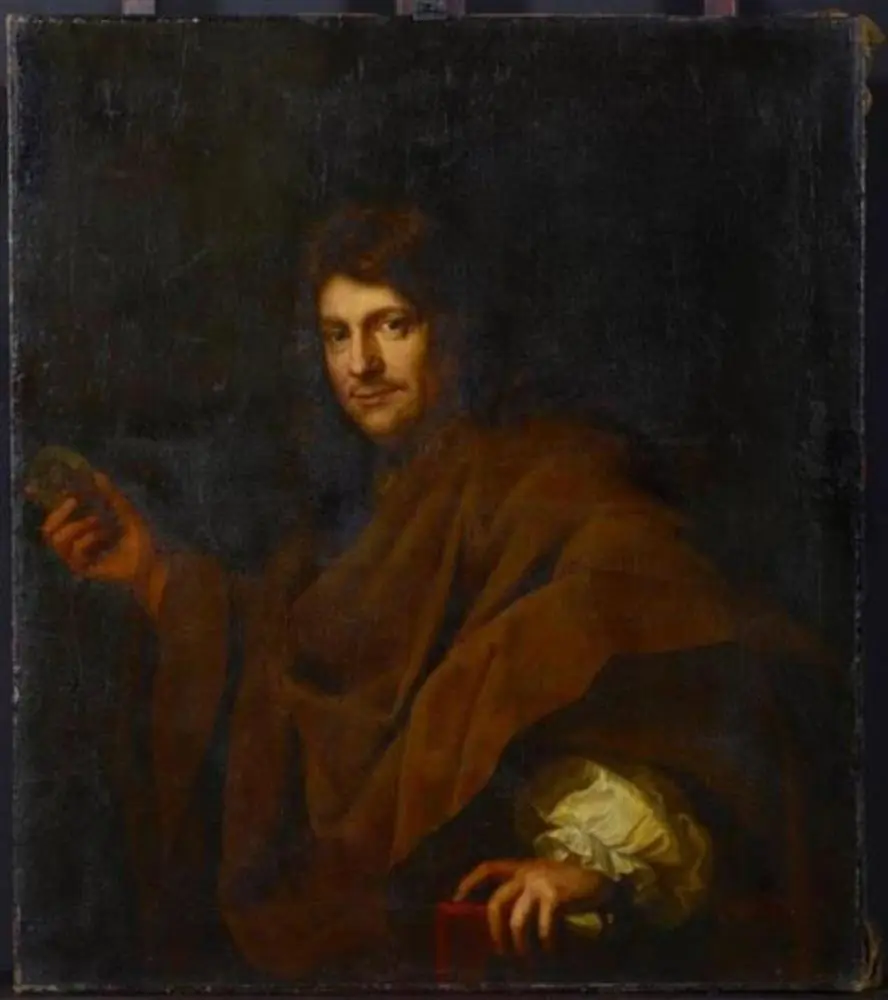 Self portrait of Jan de Baen (1633-1702)