Artwork
Self portrait of Jan de Baen (1633-1702)
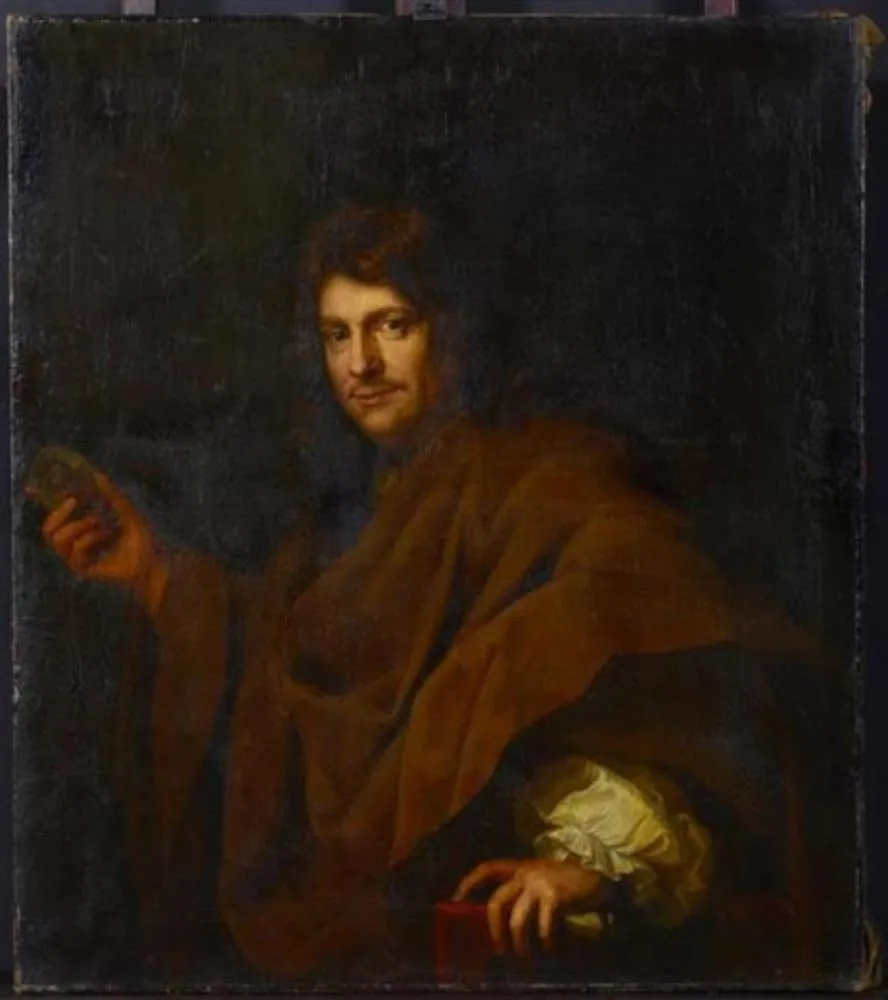
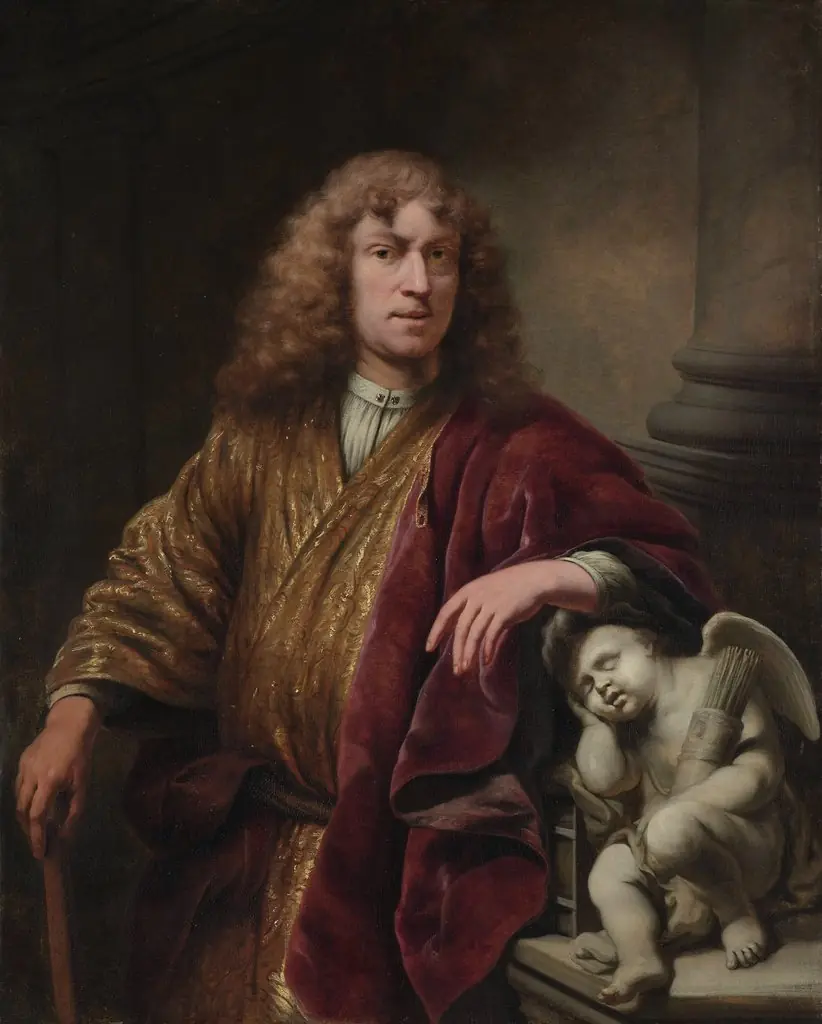
Self portrait of Jan de Baen (1633-1702) is an oil painting by the Dutch Golden Age artist Jan de Baen. It dates from 1667 and is held in the collection of the Staatliche Kunstsammlungen Dresden.
About this work
Overview
Painted in 1667, this oil-on-canvas self-portrait by Jan de Baen captures the artist in mid-career, reflecting his position within the Dutch Golden Age.
Painted in 1667, this oil-on-canvas self-portrait by Jan de Baen captures the artist in mid-career, reflecting his position within the Dutch Golden Age. De Baen, born in 1633, was trained in Amsterdam and later worked for exiled English royalty before establishing himself in The Hague. The painting is held in the Gemäldegalerie Alte Meister, where it stands as a quiet testament to his skill as a portraitist of the Dutch elite.
Subject & Meaning
De Baen presents himself with solemn composure, his direct gaze engaging the viewer without sentimentality. Dressed in a dark robe over a white linen shirt with full sleeves, he holds a small, ambiguous object—possibly a book or a case—suggesting intellectual or professional identity. The absence of symbols of status or wealth implies a focus on the artist’s presence and craft rather than social rank.
Technique & Style
The painting employs chiaroscuro to model the face and hands with subtle gradations of light, enhancing three-dimensionality against a deep, neutral background. Brushwork is restrained yet precise, particularly in the rendering of fabric textures and facial features. The muted palette and controlled composition reflect the sober aesthetic favored by Dutch portraitists of the period, emphasizing realism over ornamentation.
History & Provenance
De Baen completed this work during his tenure in The Hague, where he served as a court painter after years of travel and service to Charles II. The painting remained in private collections before entering the Gemäldegalerie Alte Meister’s holdings. Its survival and preservation offer insight into the self-representation practices of Dutch artists who navigated both local and international patronage networks.
Context
In mid-17th century the Netherlands, self-portraits were common among artists as both personal statements and professional advertisements. De Baen’s work aligns with this tradition, yet avoids theatricality. His career—spanning Amsterdam, London, and The Hague—reflects the mobility of artists during a time when political upheaval reshaped patronage across Europe.
Legacy
Though less widely known today than contemporaries like Rembrandt, de Baen was respected in his lifetime for his ability to capture likeness with dignity. This self-portrait endures as a representative example of Dutch portraiture’s understated intensity, preserving the quiet authority of an artist who documented his era’s elite without seeking to overshadow them.
Artist & collection
Artist
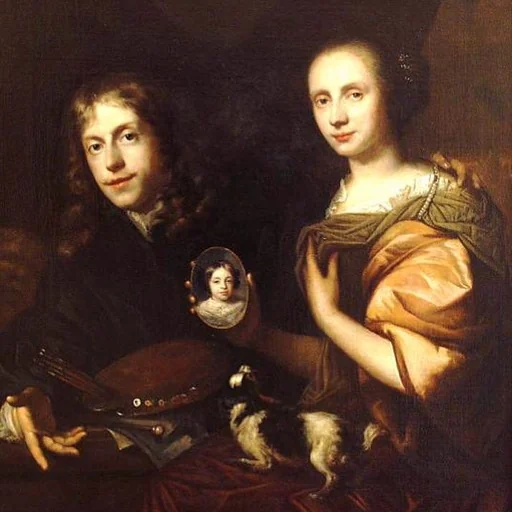
Jan de Baen (20 February 1633 – 1702) was a Dutch portrait painter who lived during the Dutch Golden Age.

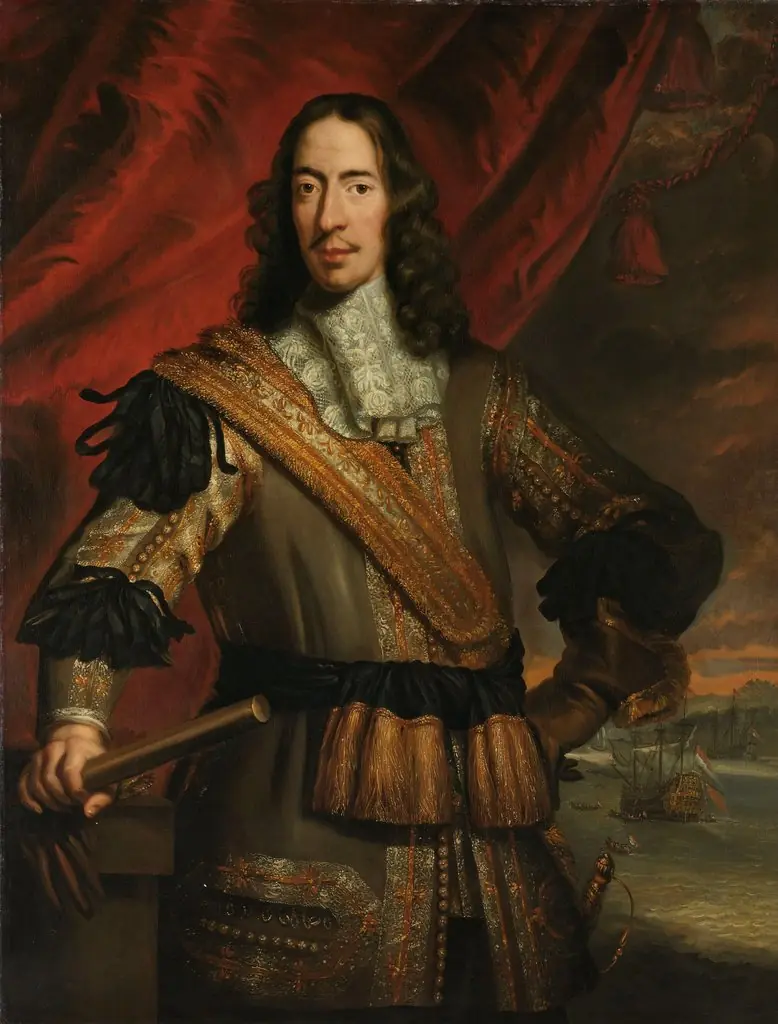 Portrait of Cornelis de Witt (1623-72), Burgomaster of Dordrecht and lord lieutenant of Putten
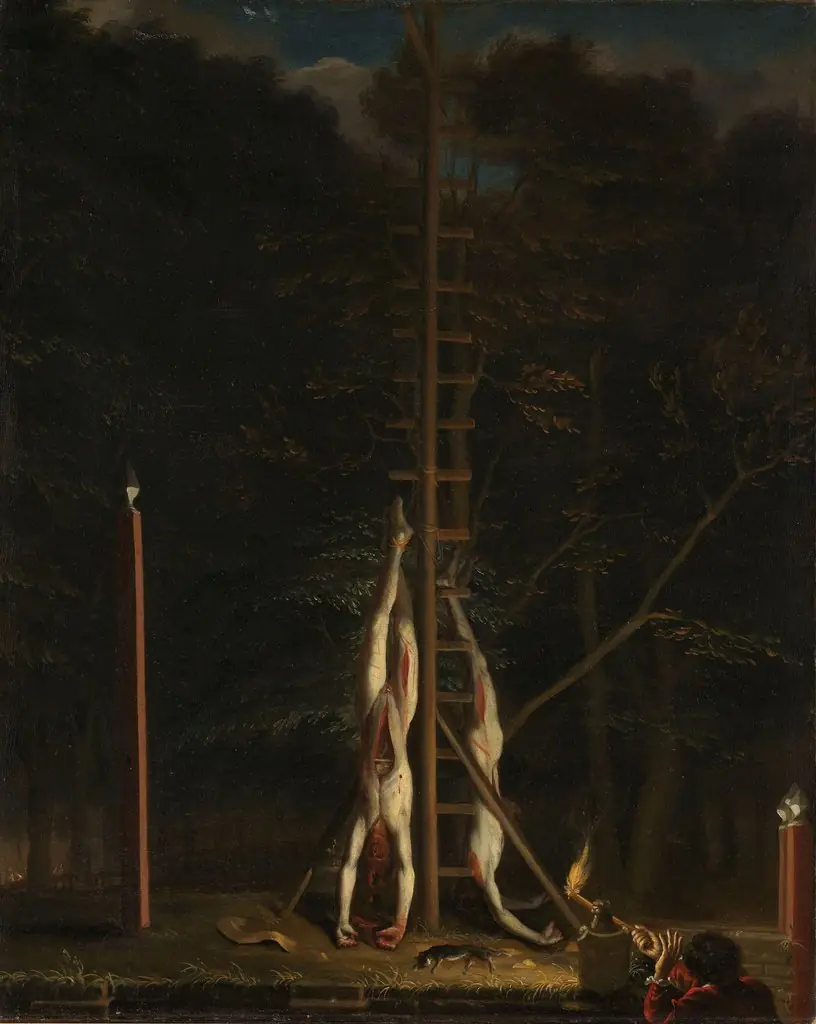 The Corpses of the De Witt Brothers
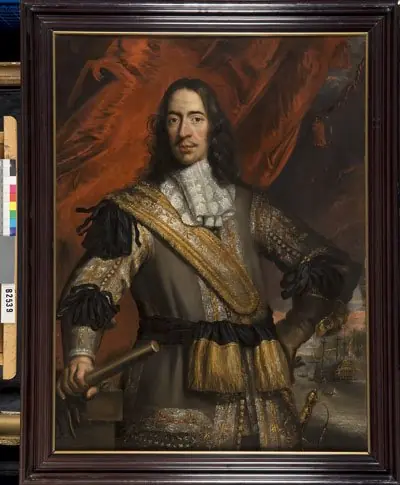 Portrait of Cornelis de Witt (1623-1672)
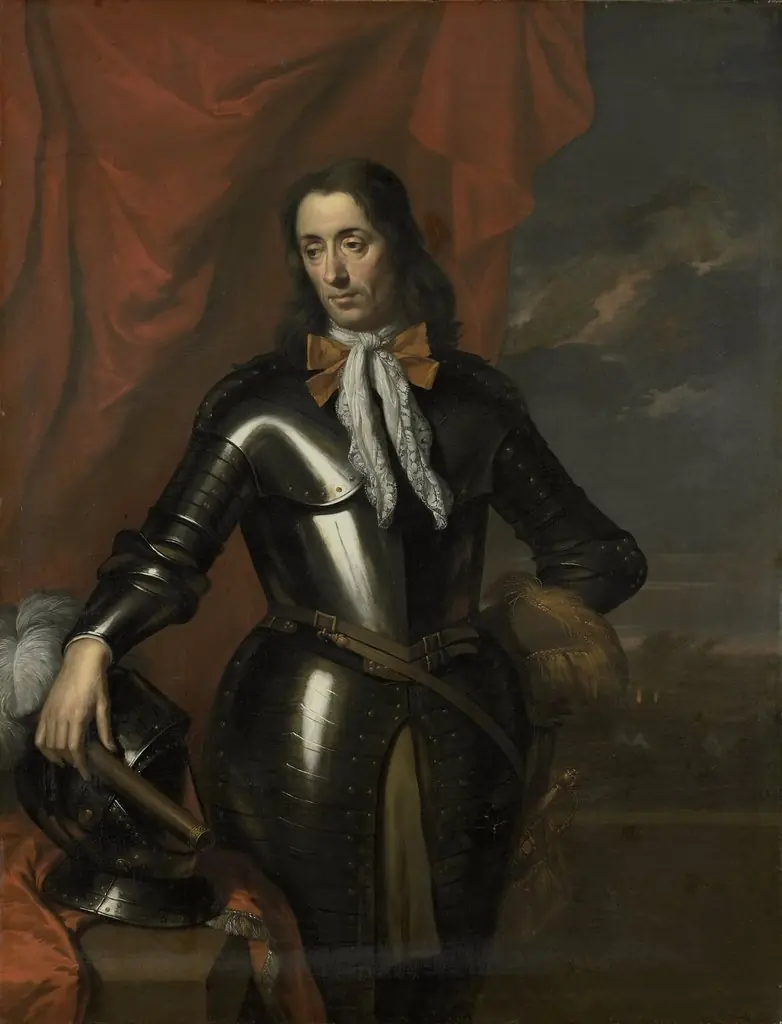 Portrait of Isaac de l'Ostal de Saint-Martin (ca 1629-96), governor of the Dutch East Indies and commander of the garrison at Batavia
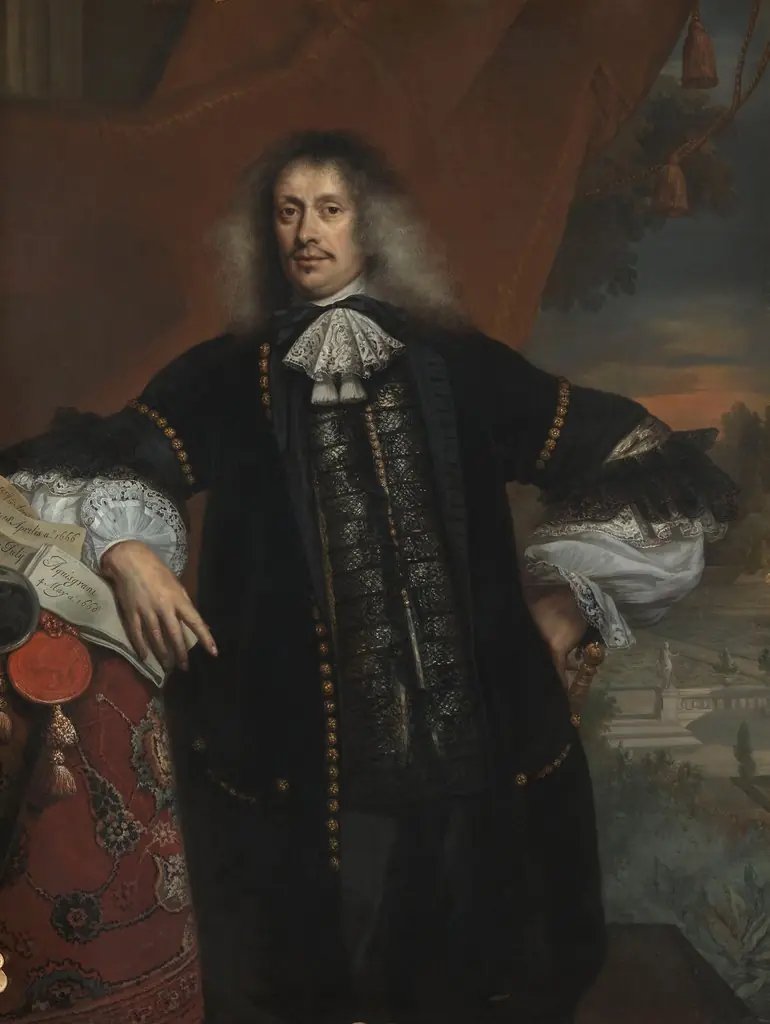 Hieronymus van Beverningk
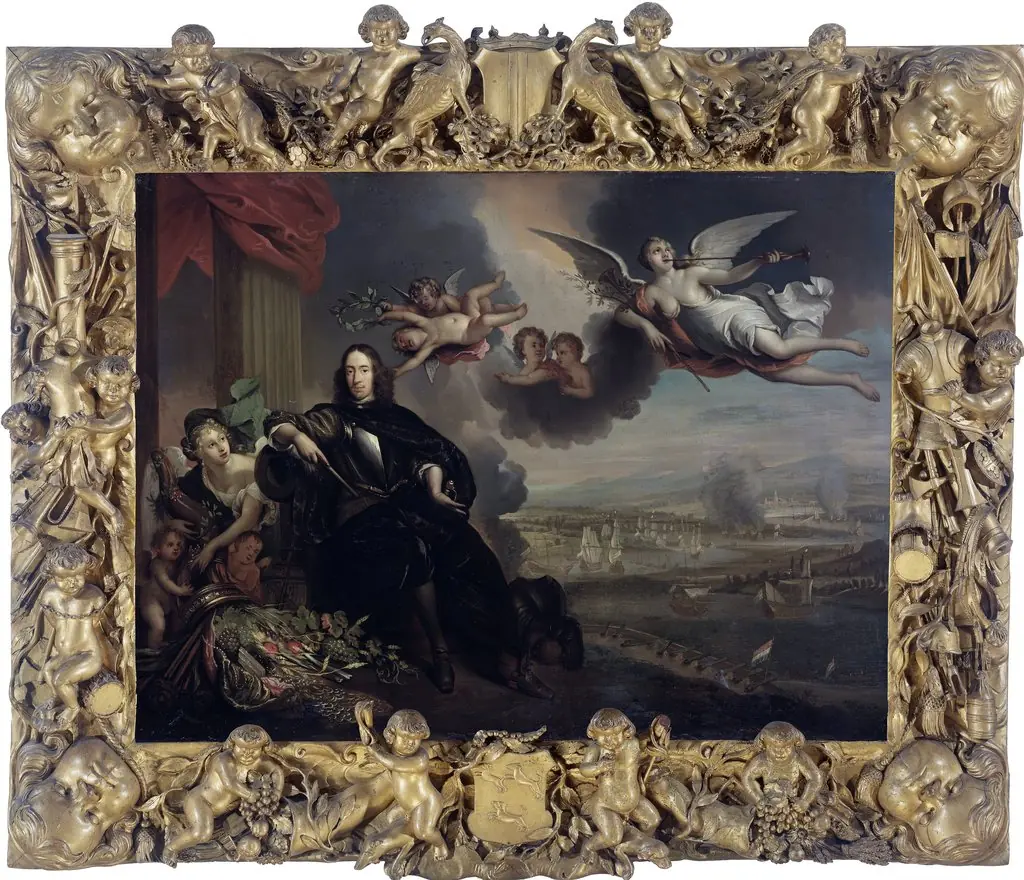 The apotheosis of Cornelis de Witt, with the raid on Chatham in the background
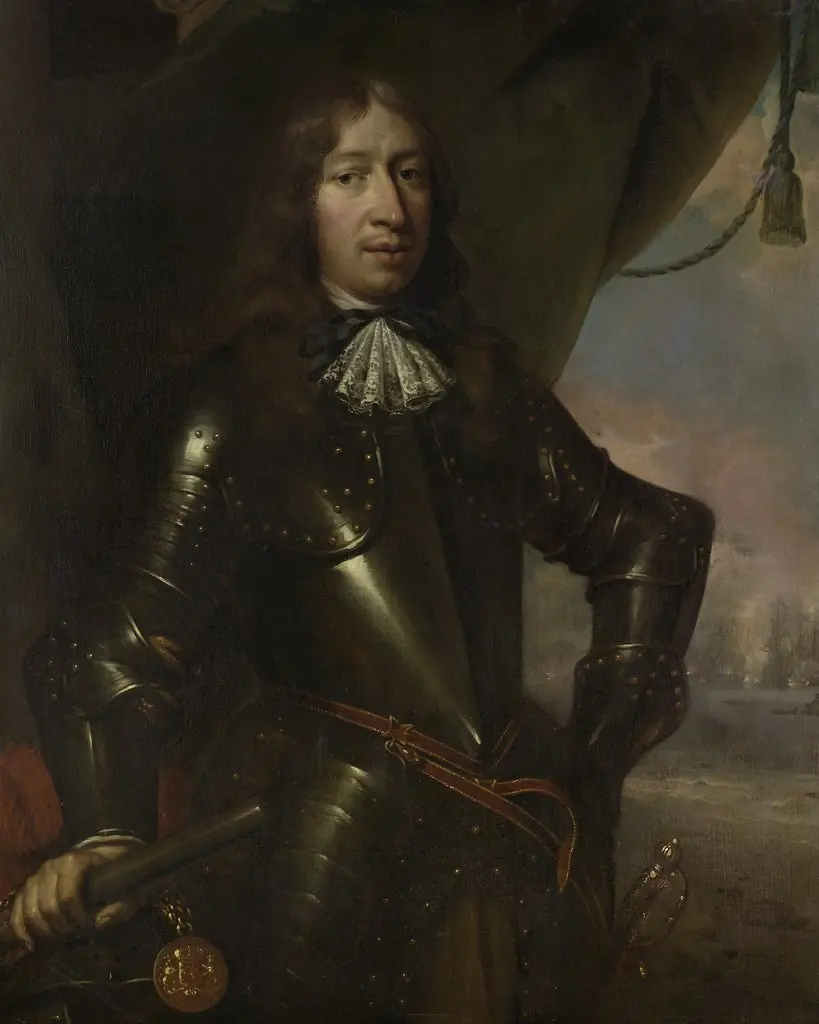 Portrait of Willem Joseph Baron van Ghent (1626-72), vice-admiral
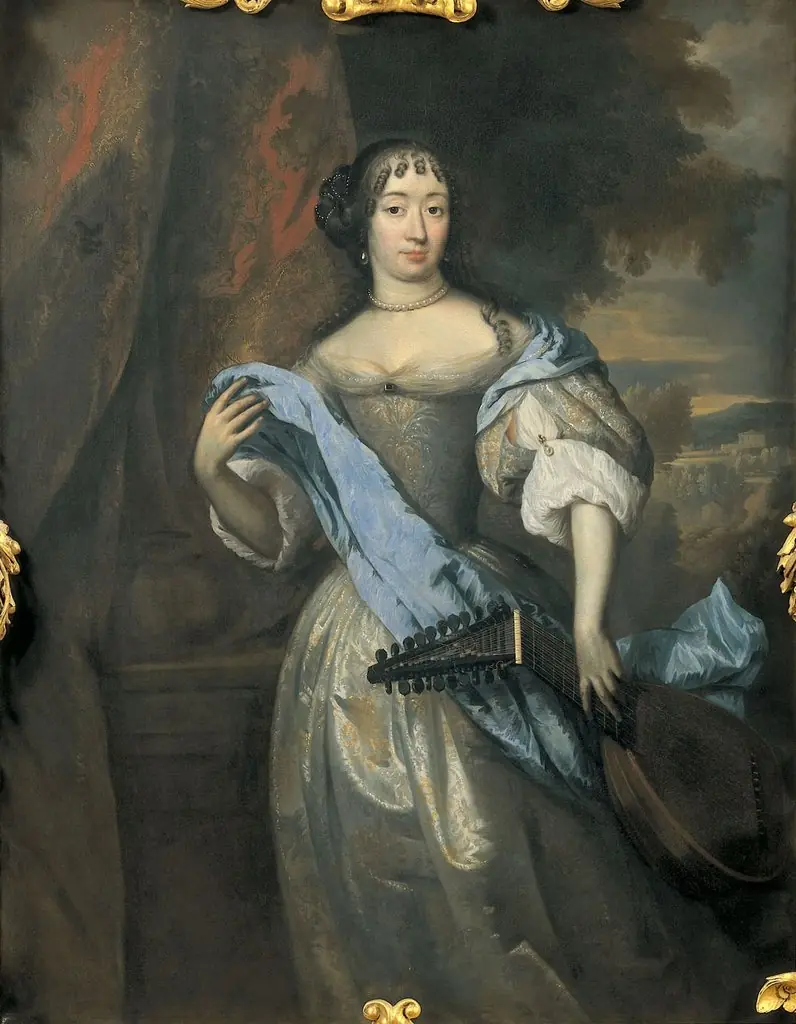 Johanna le Gillon, Wife of Hieronymus van Beverningk
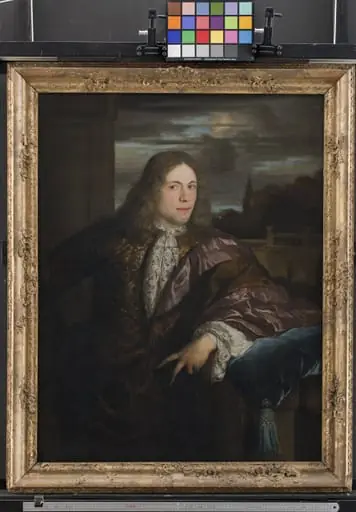 Portrait of a Young Gentleman
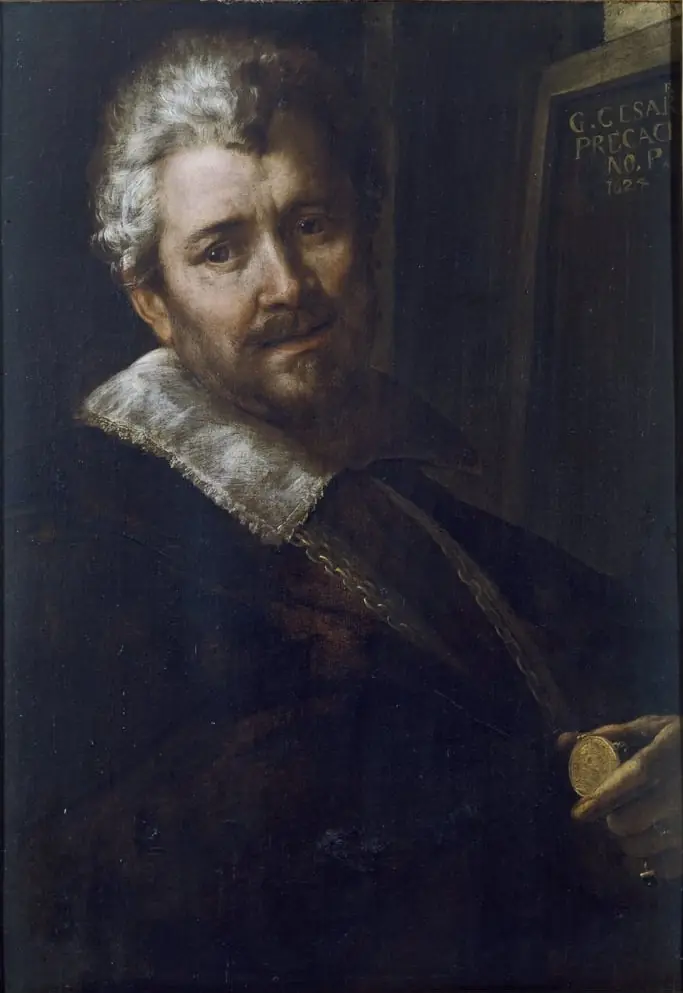 Self-portrait of Giulio Cesare Procaccini
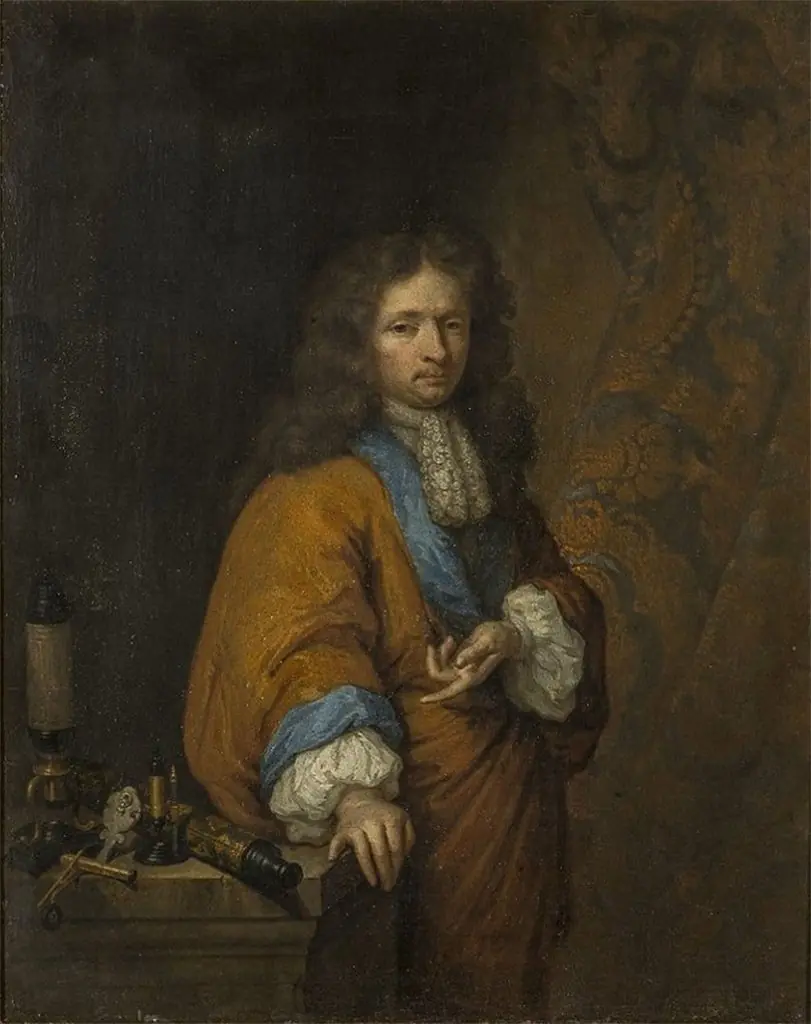 Portrait of a Scholar
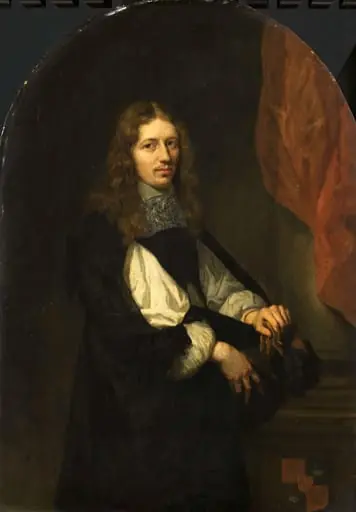 Portrait of Pieter de Graeff (1638-1707), lord of Zuid-Polsbroek, Purmerland, and Ilpendam. Alderman of Amsterdam
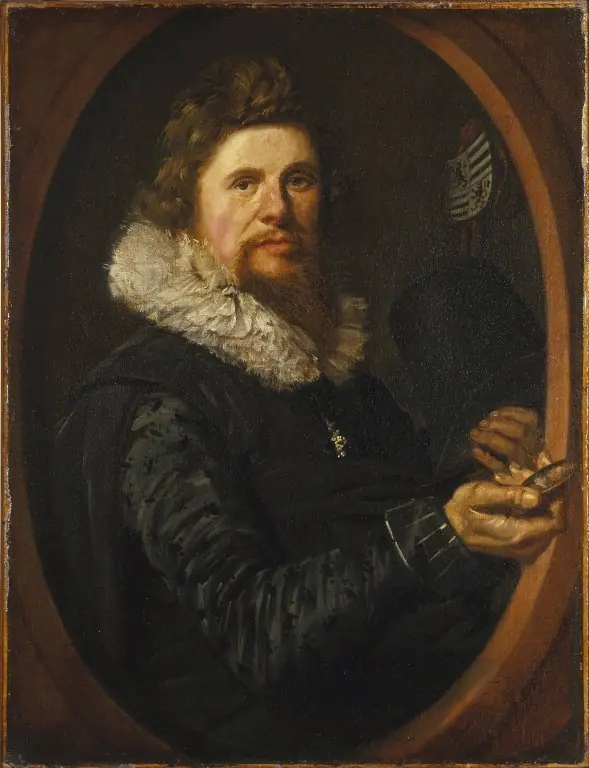 Portrait of a man
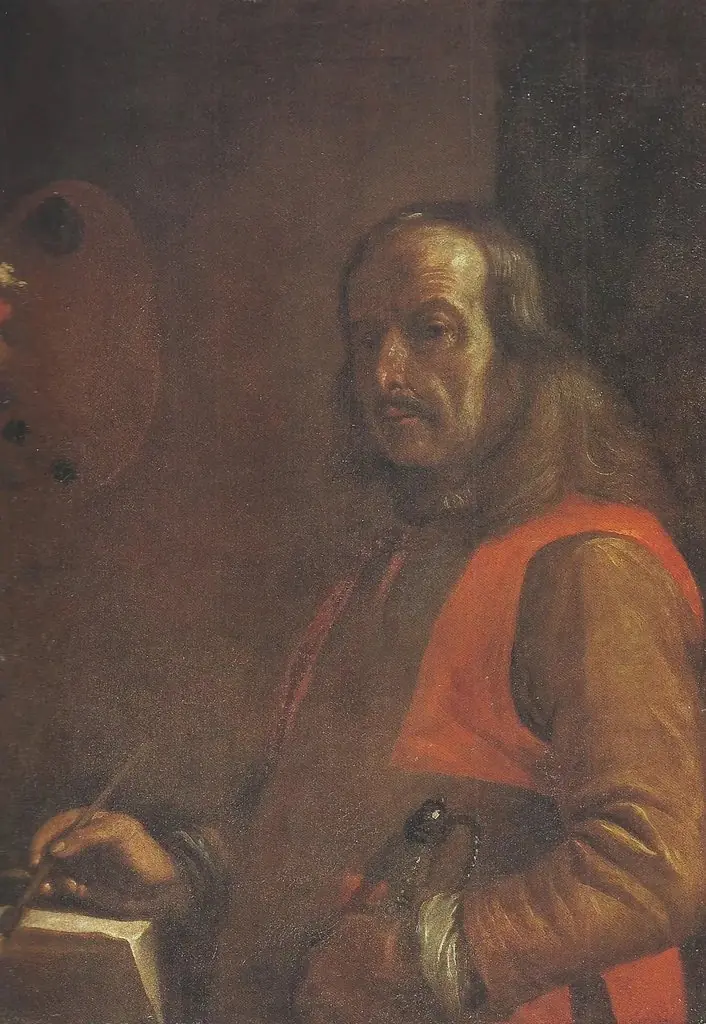 Self-portrait
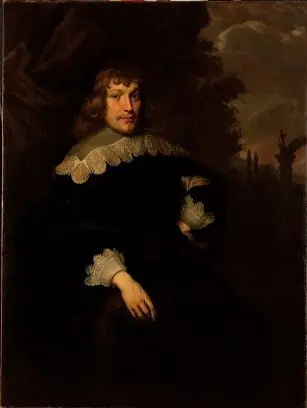 Portrait of Hendrick Bicker (1615-1651)
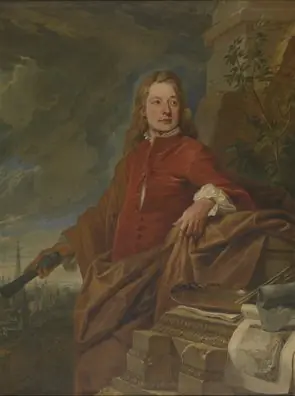 Portrait of Aurèle Augustin Coppens (1668-1740)
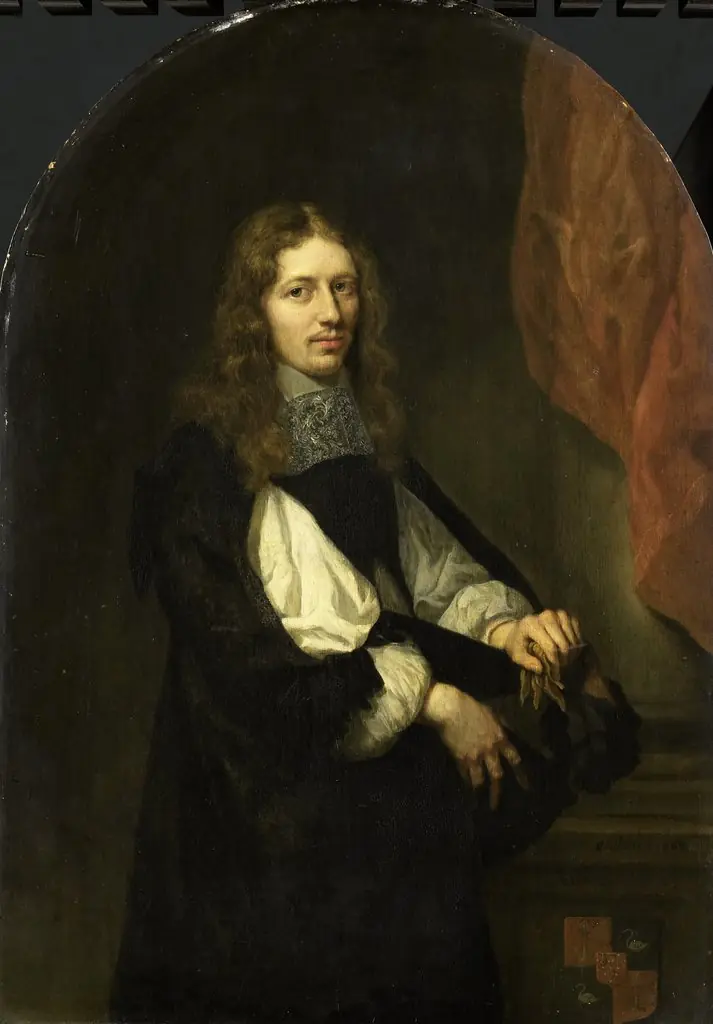 Portrait of Pieter de Graeff (1638-1707), lord of Zuid-Polsbroek, Purmerland, and Ilpendam. Alderman of Amsterdam
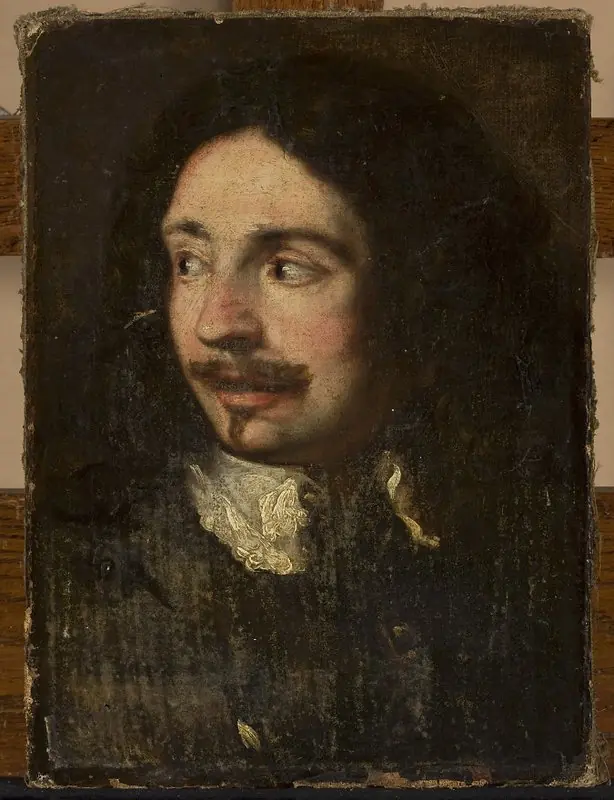 Study for a portrait of a man
 Curuț viteaz (RI: După Johann Kupetzky, Portretul lui Franz Rakoczi I)
 Self-portrait