Artwork
Assault on travellers
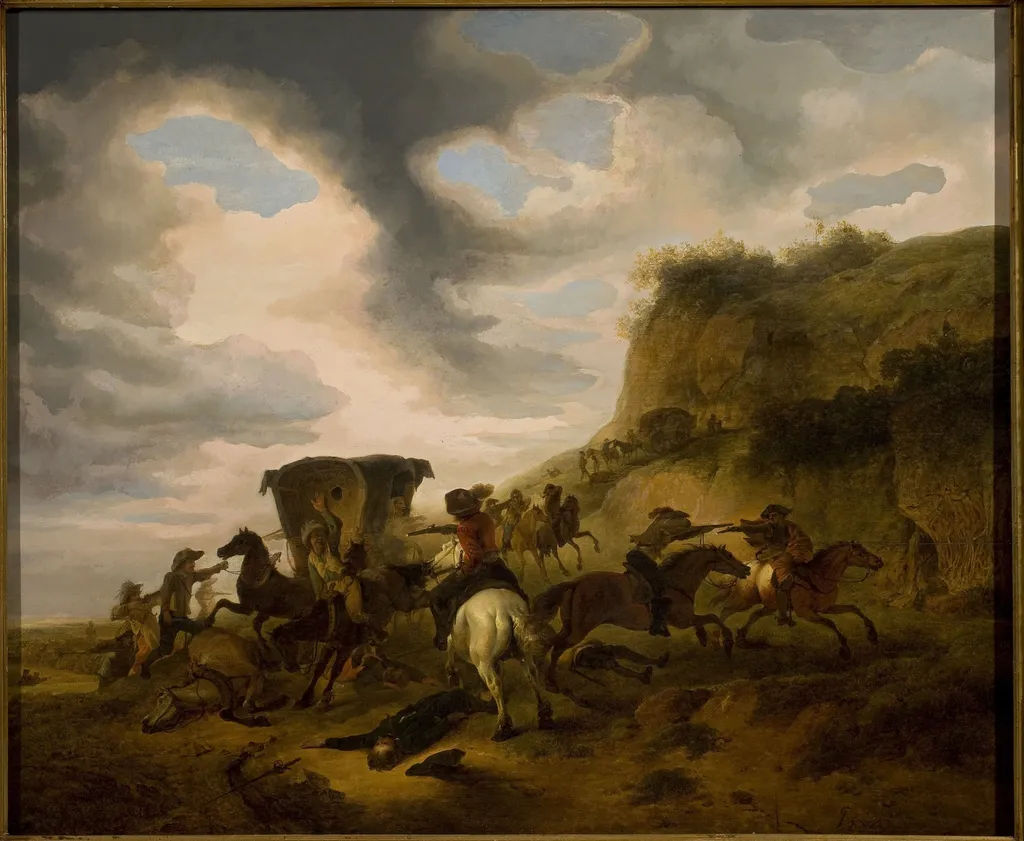
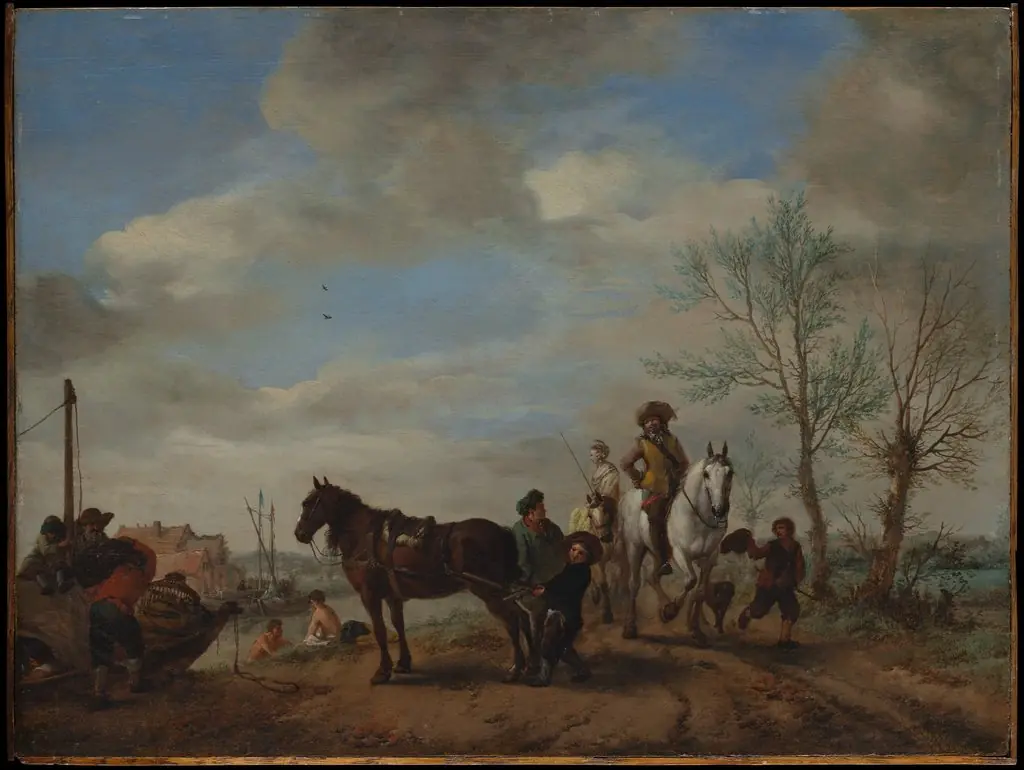
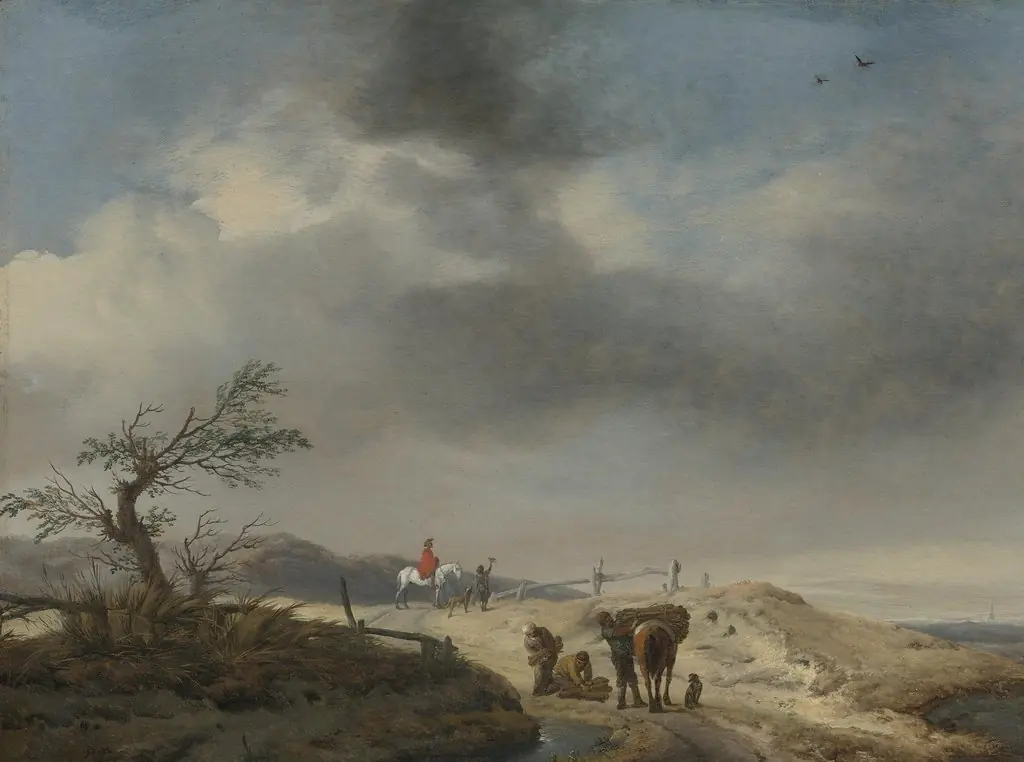
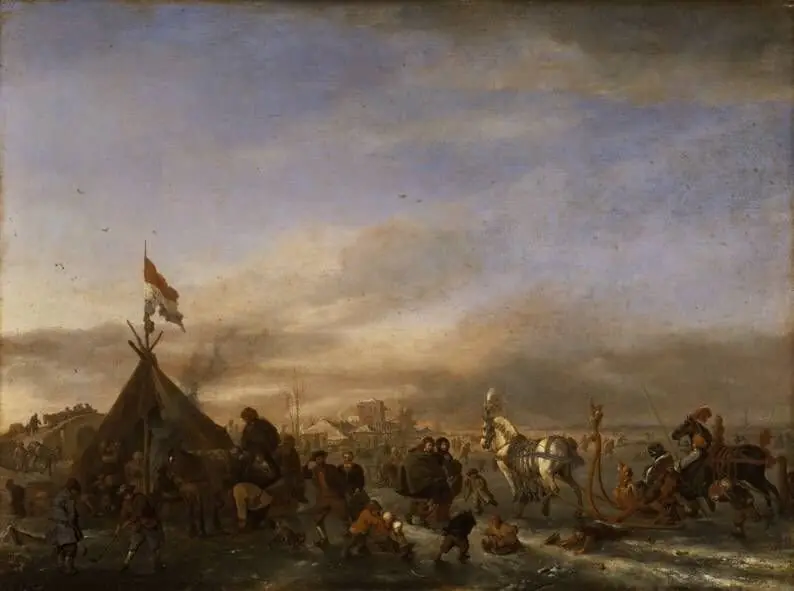
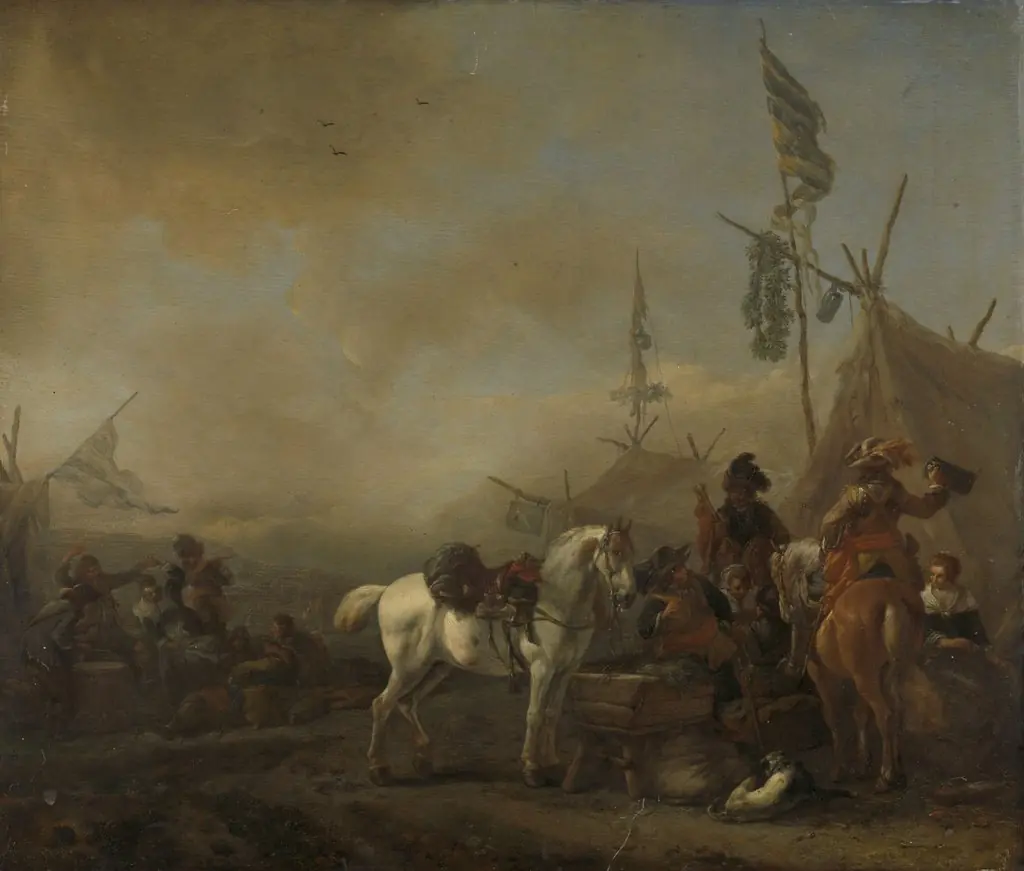
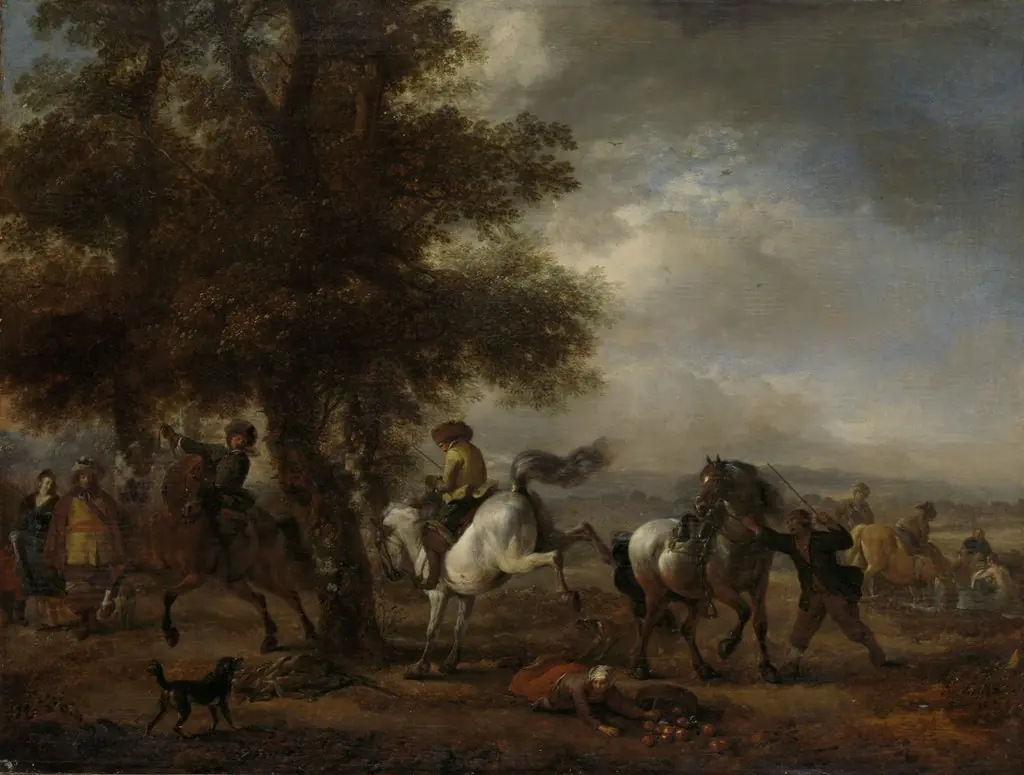
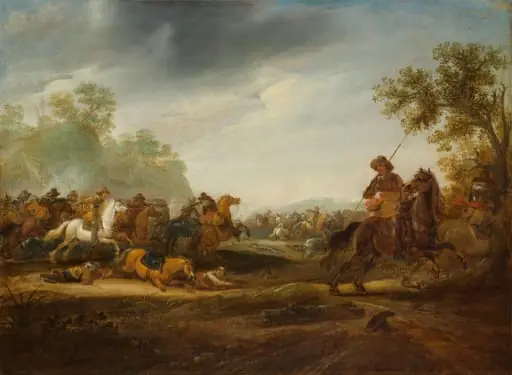
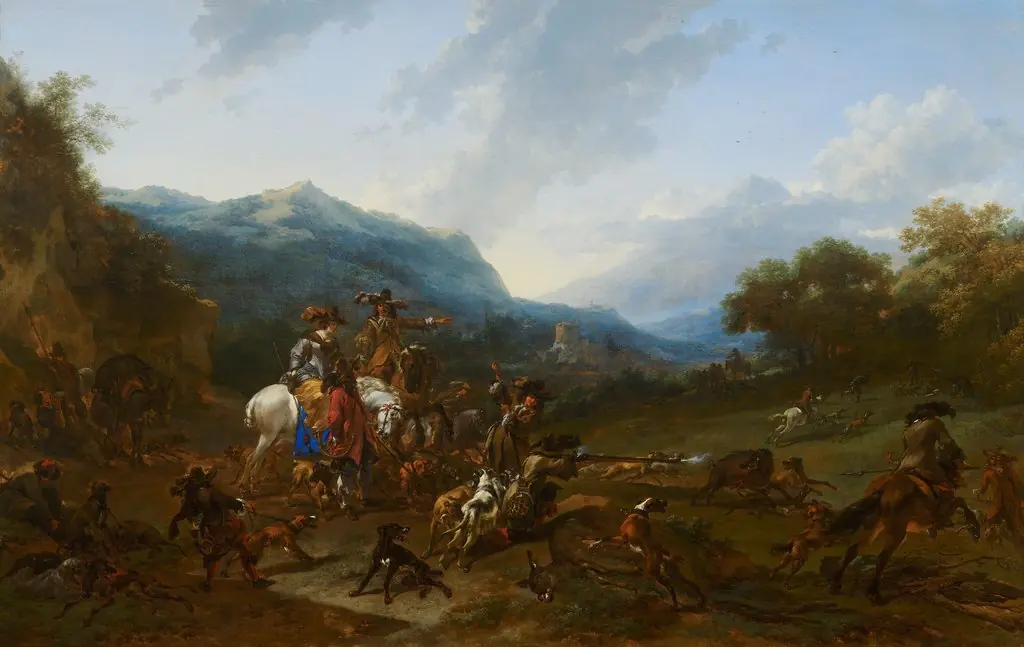
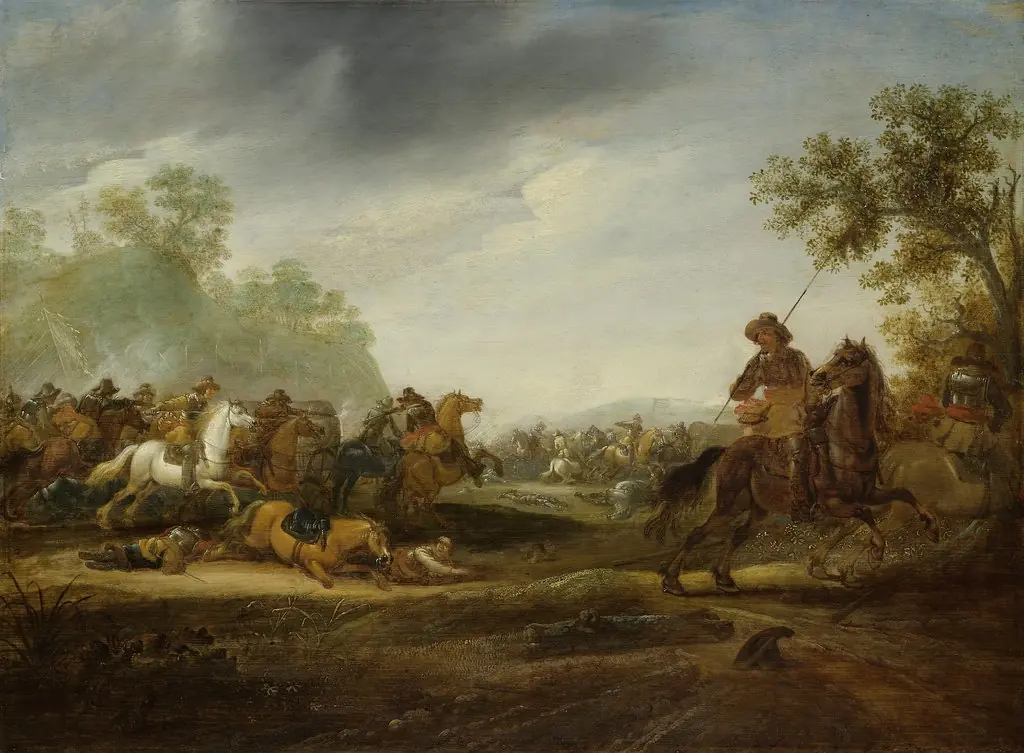
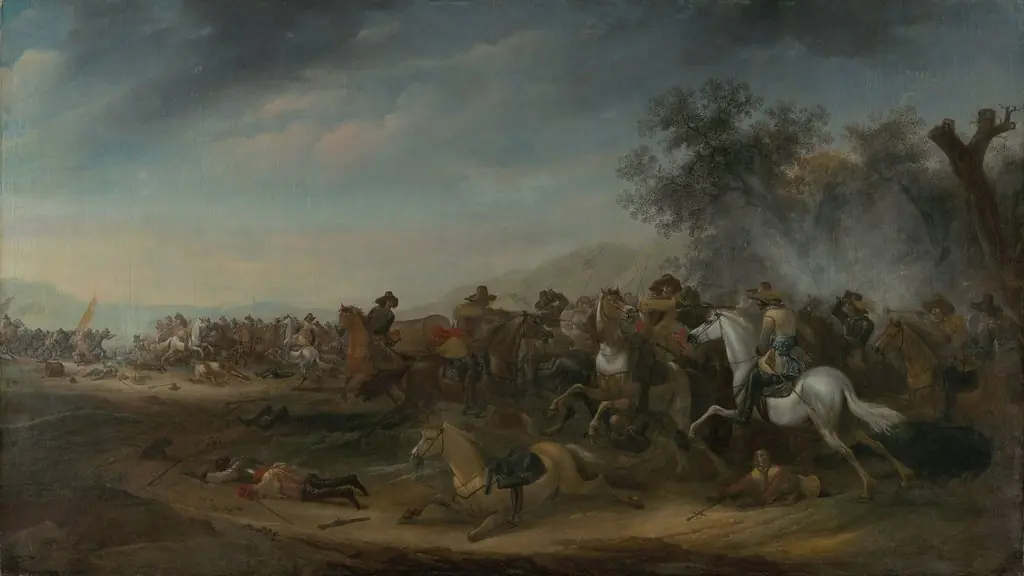
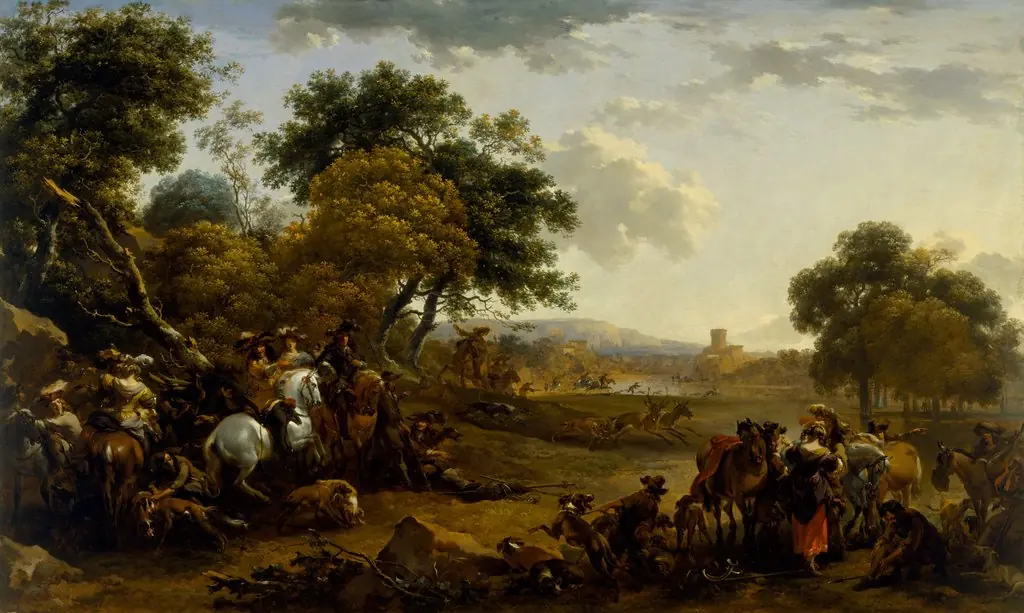
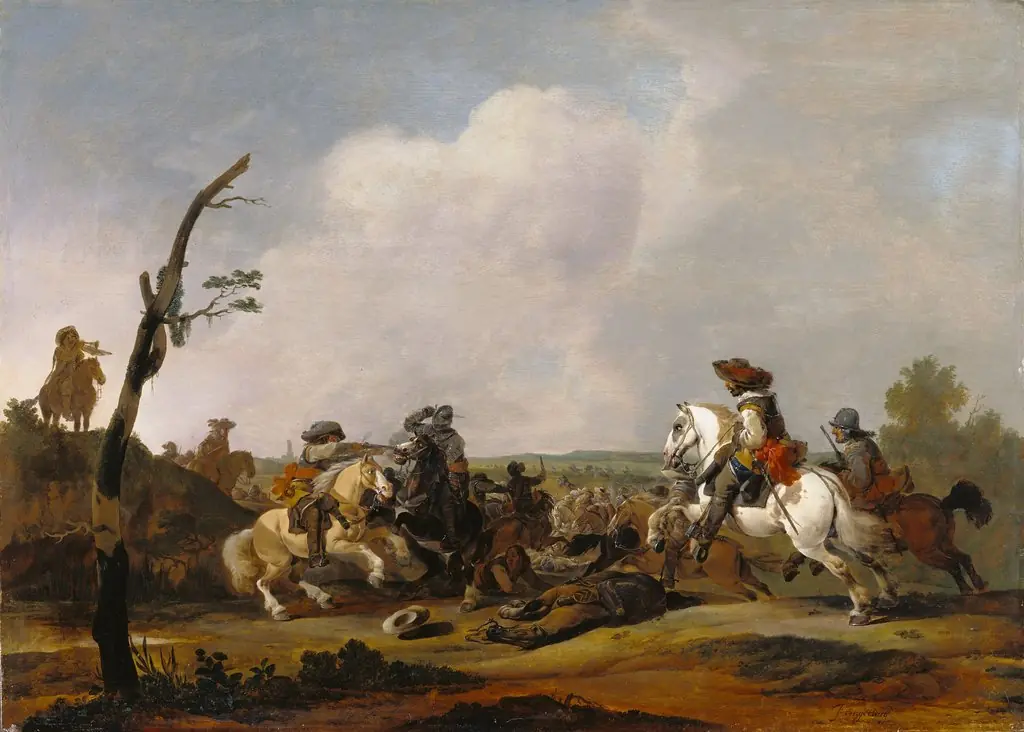
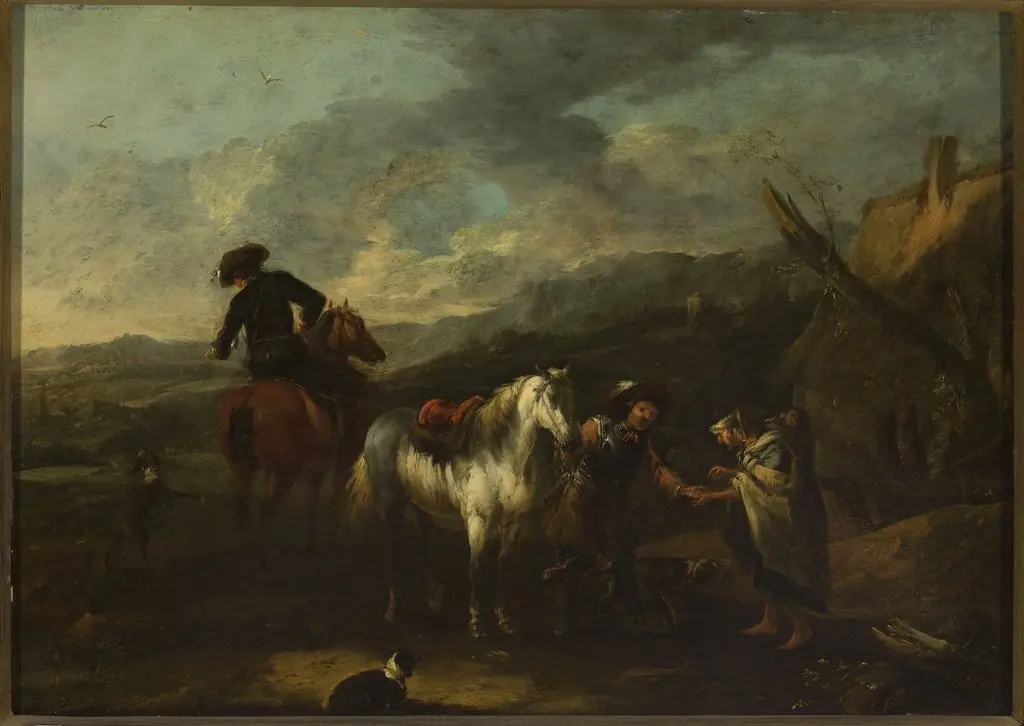
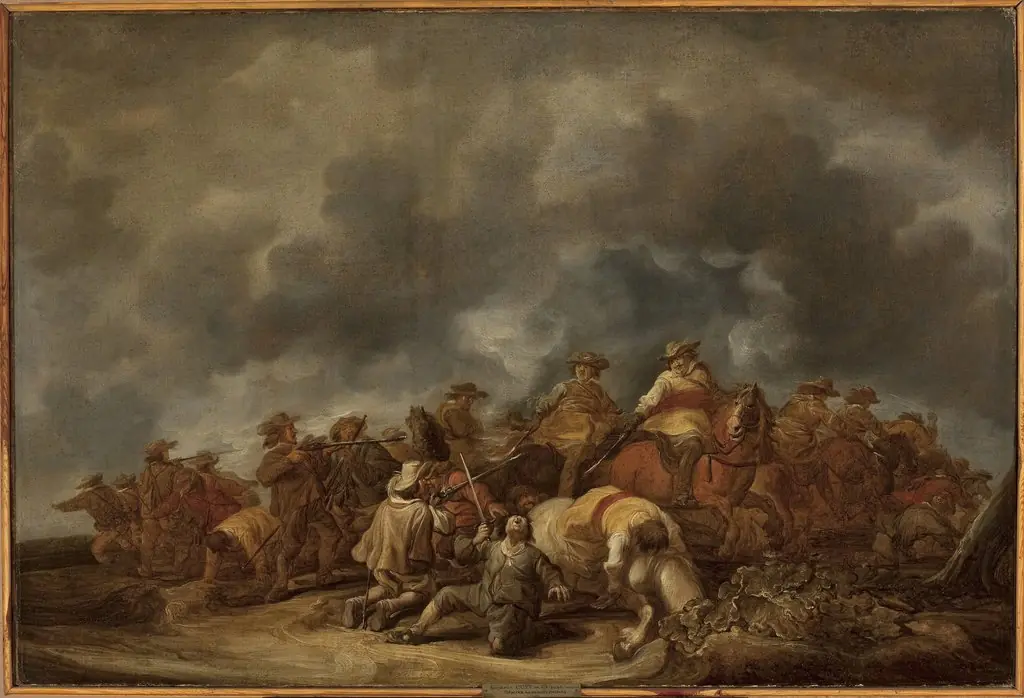
Assault on travellers is an oil painting by Philips Wouwerman. It dates from 1650 and is held in the collection of the National Museum in Warsaw.
About this work
Overview
The painting’s subject reflects a common theme in Dutch genre painting: the vulnerability of travelers in an unsettled landscape.
Painted around 1650 by Philips Wouwerman, this oil-on-canvas work captures a violent roadside ambush. Wouwerman, a member of the Haarlem Guild of St. Luke, specialized in equestrian and rural scenes, often infused with motion and tension. The painting’s subject reflects a common theme in Dutch genre painting: the vulnerability of travelers in an unsettled landscape. It is now part of the National Museum in Warsaw’s collection.
Subject & Meaning
The scene portrays a group of travelers confronted by armed bandits on a rugged path. Figures struggle in disarray—some defend themselves with weapons, others fall or flee. The attack suggests the dangers of travel in 17th-century Europe, where roads were perilous and law enforcement uneven. The painting does not idealize the event but presents it as a moment of sudden, brutal disruption.
Technique & Style
Wouwerman employs chiaroscuro to heighten the drama, contrasting dark shadows with patches of light that illuminate faces, weapons, and the rearing horse. His brushwork is brisk yet precise, capturing movement through loose strokes in clothing and fur, while details like firearms and harnesses are rendered with clarity. The composition directs the eye diagonally through the chaos, enhancing the sense of disorder.
History & Provenance
The painting entered the National Museum in Warsaw’s collection in the 20th century, though its earlier ownership is undocumented. It likely traveled through private collections in the Netherlands or Germany before being acquired by the museum. Its survival through wars and political upheavals underscores its endurance as a cultural artifact, though its exact path remains partially obscured.
Context
During the Dutch Golden Age, scenes of highway robbery and military skirmishes appealed to urban audiences familiar with the risks of commerce and travel. Wouwerman’s works, though often romanticized, drew from real anxieties. His focus on horses and action aligned with broader trends in Dutch art that celebrated equestrian skill and the unpredictability of daily life beyond the city walls.
Legacy
Wouwerman’s influence extended to later genre painters who adopted his dynamic compositions and atmospheric lighting. While not as widely studied as contemporaries like Rembrandt, his ability to convey tension in everyday violence contributed to the evolution of narrative painting in the Netherlands. This work remains a representative example of his distinctive blend of realism and theatricality.
Artist & collection
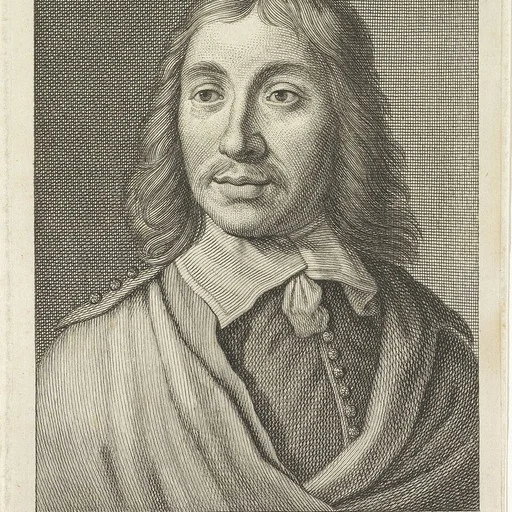
Artist
Philips Wouwerman (also Wouwermans) (24 May 1619 (baptized) – 19 May 1668) was a Dutch painter of hunting, landscape and battle scenes. He became prolific during the Dutch Golden Age and joined the Haarlem Guild of St. Luke.