Artwork
The Driving School
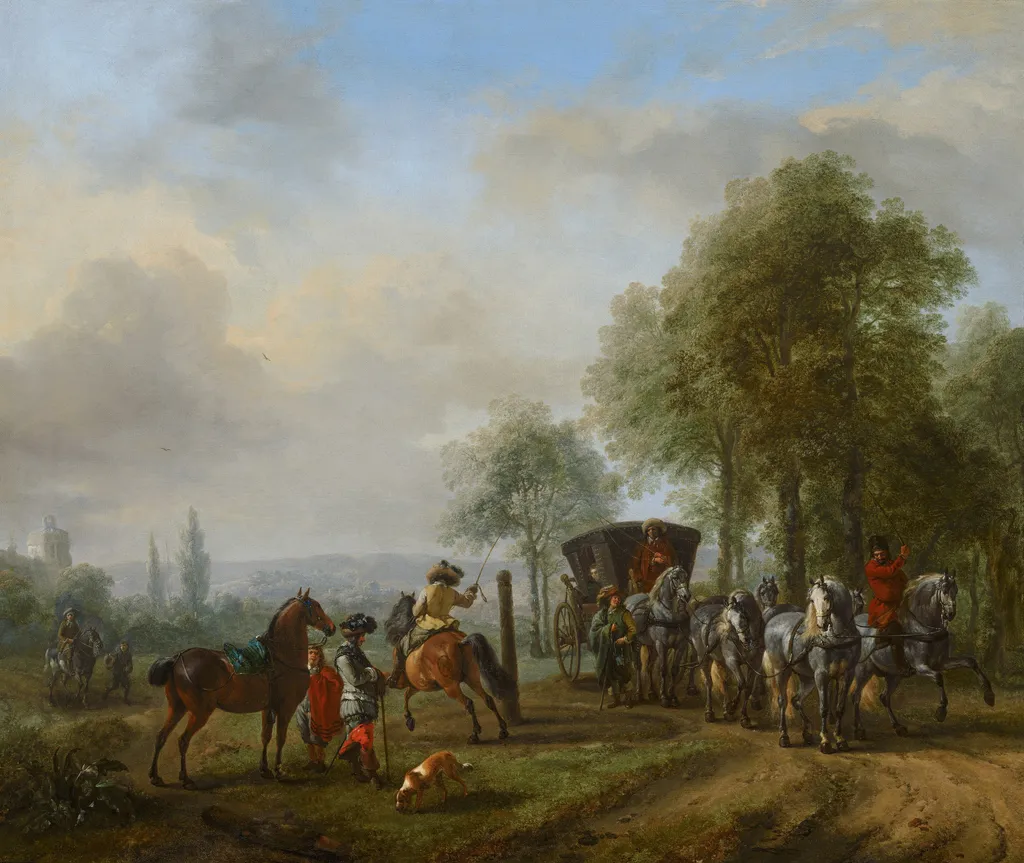
The Driving School is an oil painting by the Dutch Golden Age artist Philips Wouwerman. It dates from 1665 and is held in the collection of the Mauritshuis.
About this work
Overview
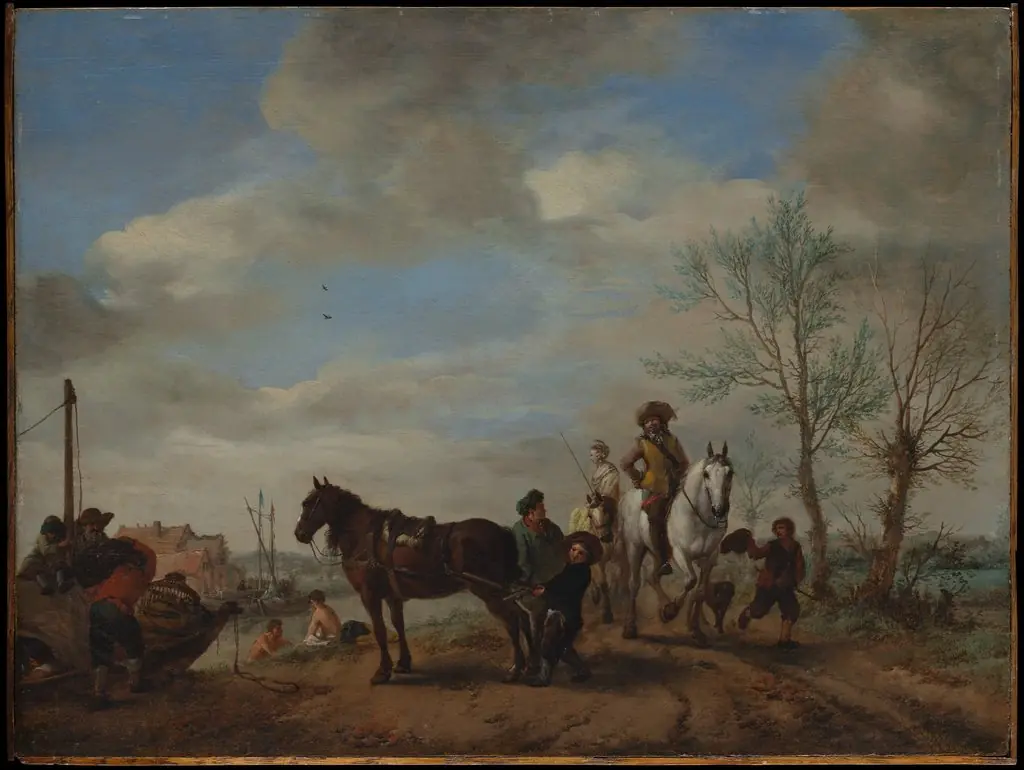
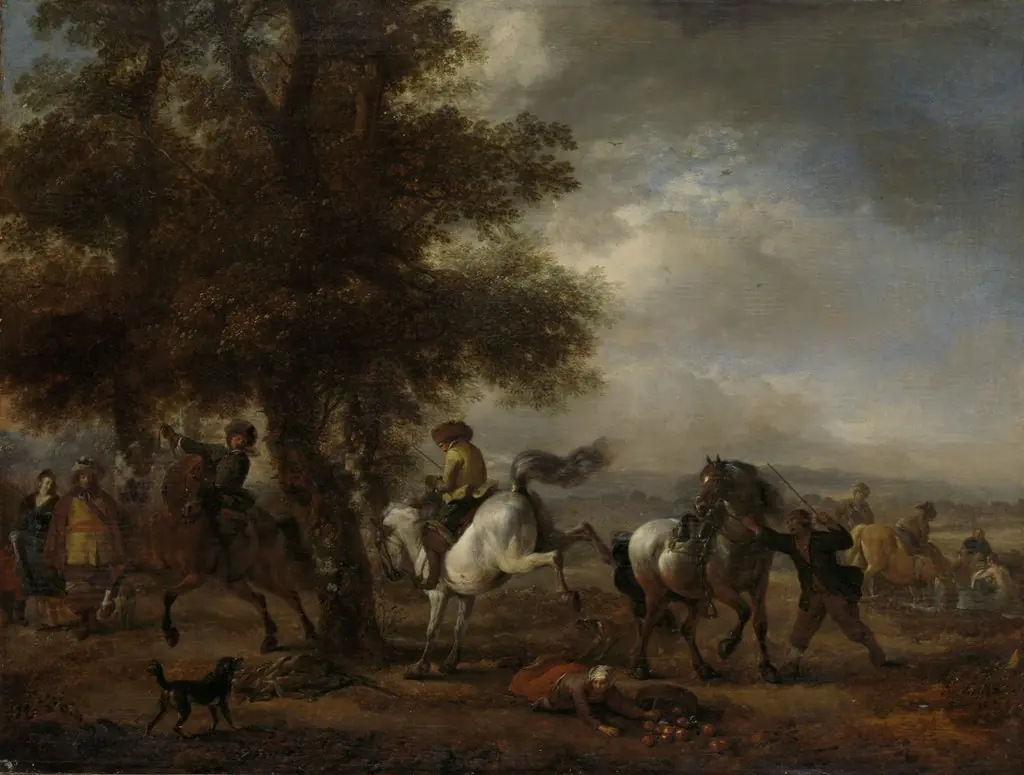
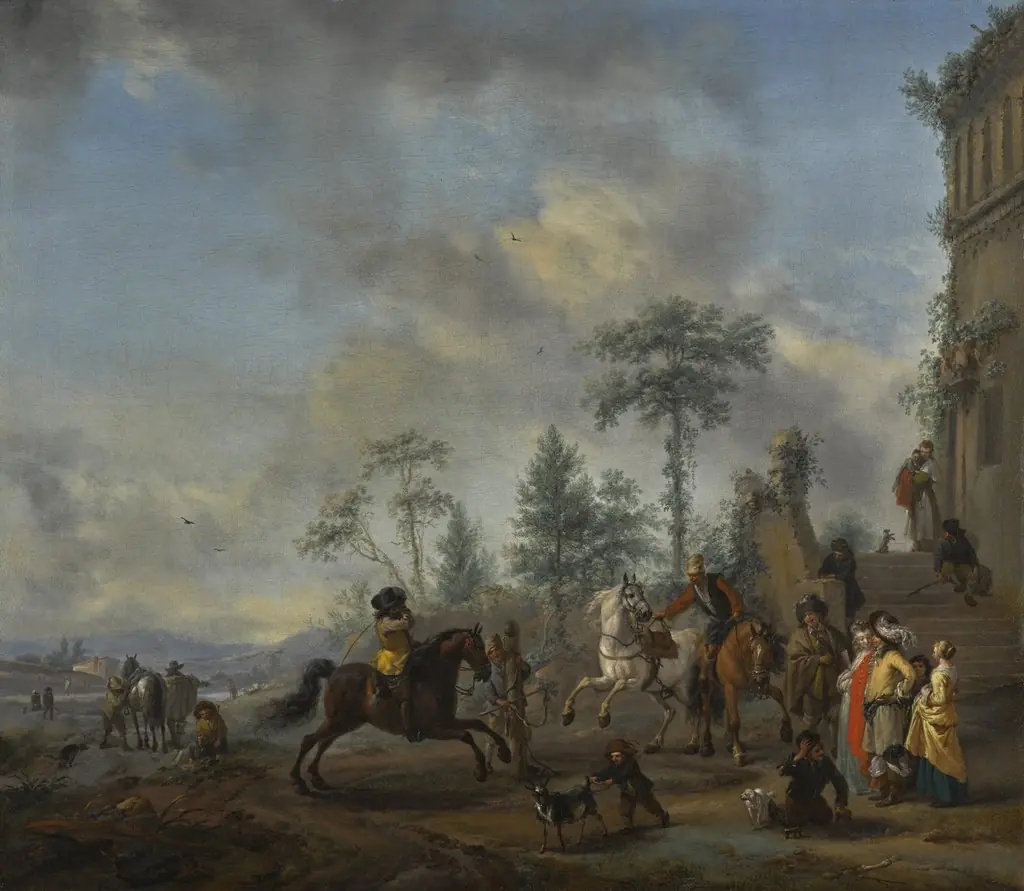
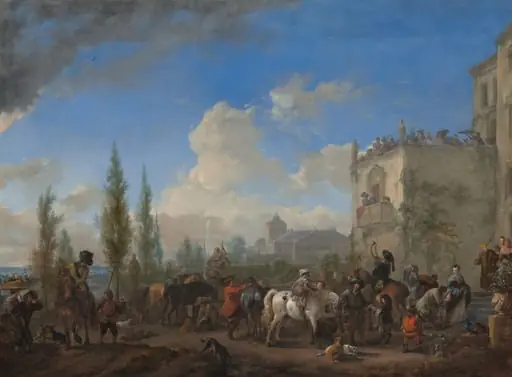
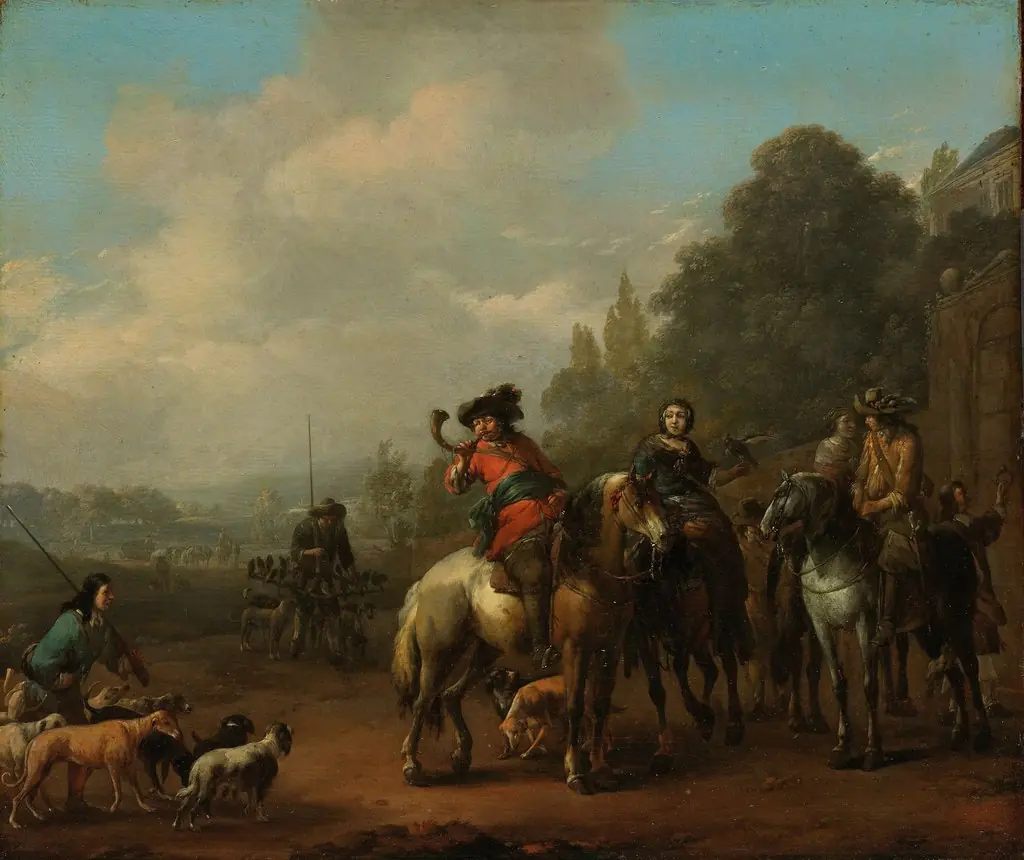
Painted in 1665 by Philips Wouwerman, *The Driving School* is an oil on canvas landscape that captures a moment of equestrian activity in a wooded setting.
Painted in 1665 by Philips Wouwerman, *The Driving School* is an oil on canvas landscape that captures a moment of equestrian activity in a wooded setting. Wouwerman, a member of the Haarlem Guild of St. Luke, specialized in scenes of rural life, animals, and outdoor movement. This work exemplifies his focus on dynamic compositions and naturalistic detail, typical of Dutch Golden Age painting. It remains part of the Mauritshuis collection in The Hague.
Subject & Meaning
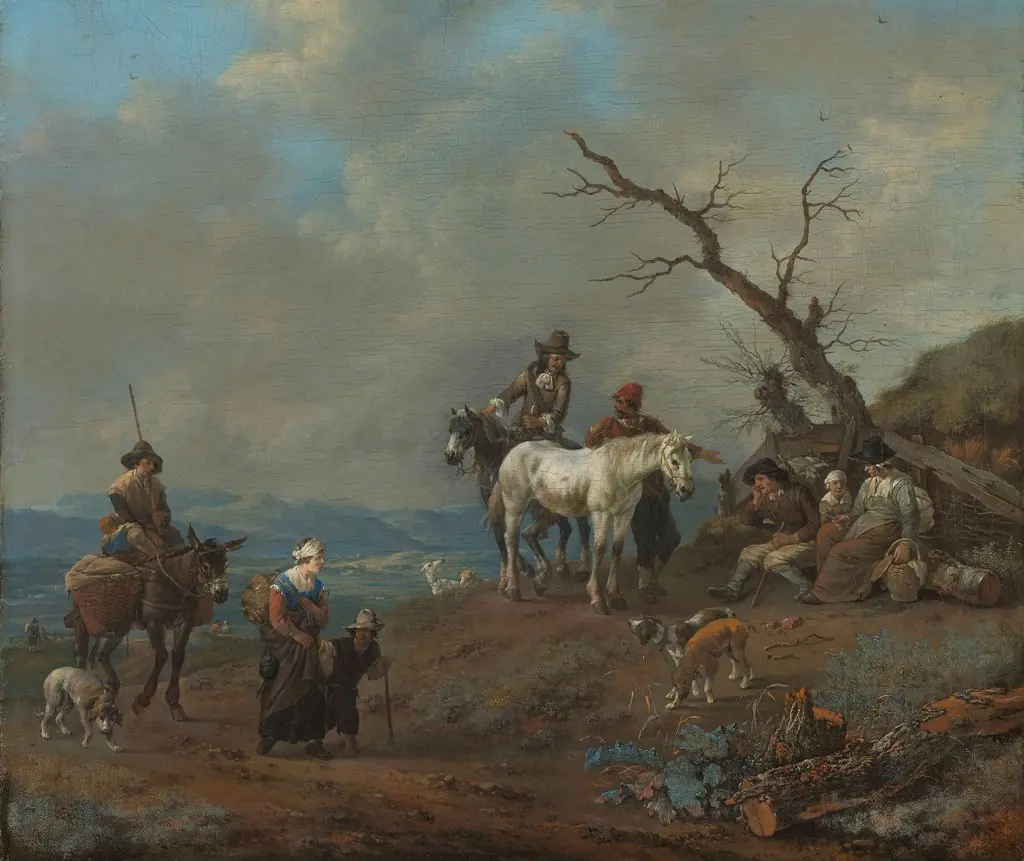
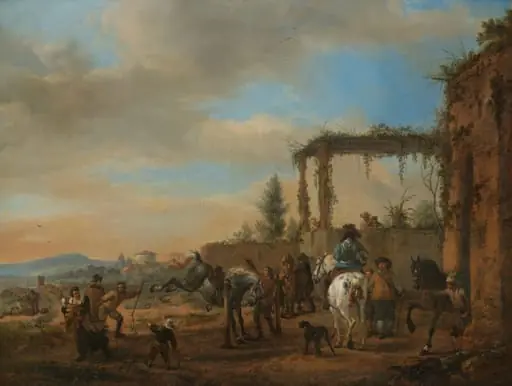
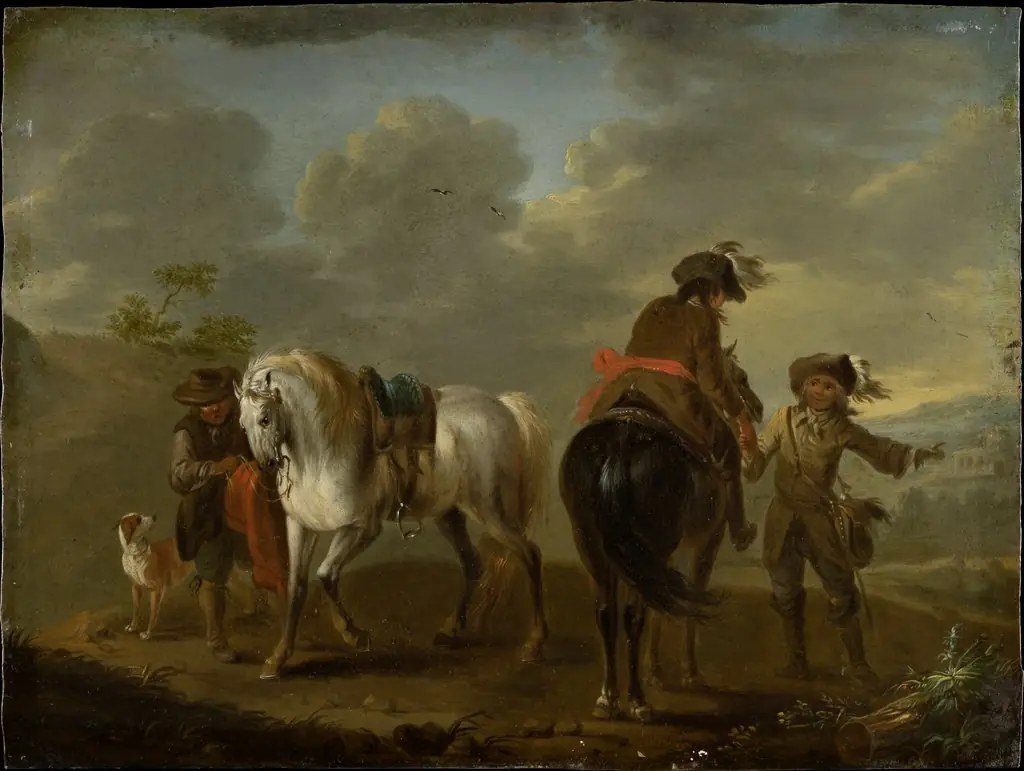
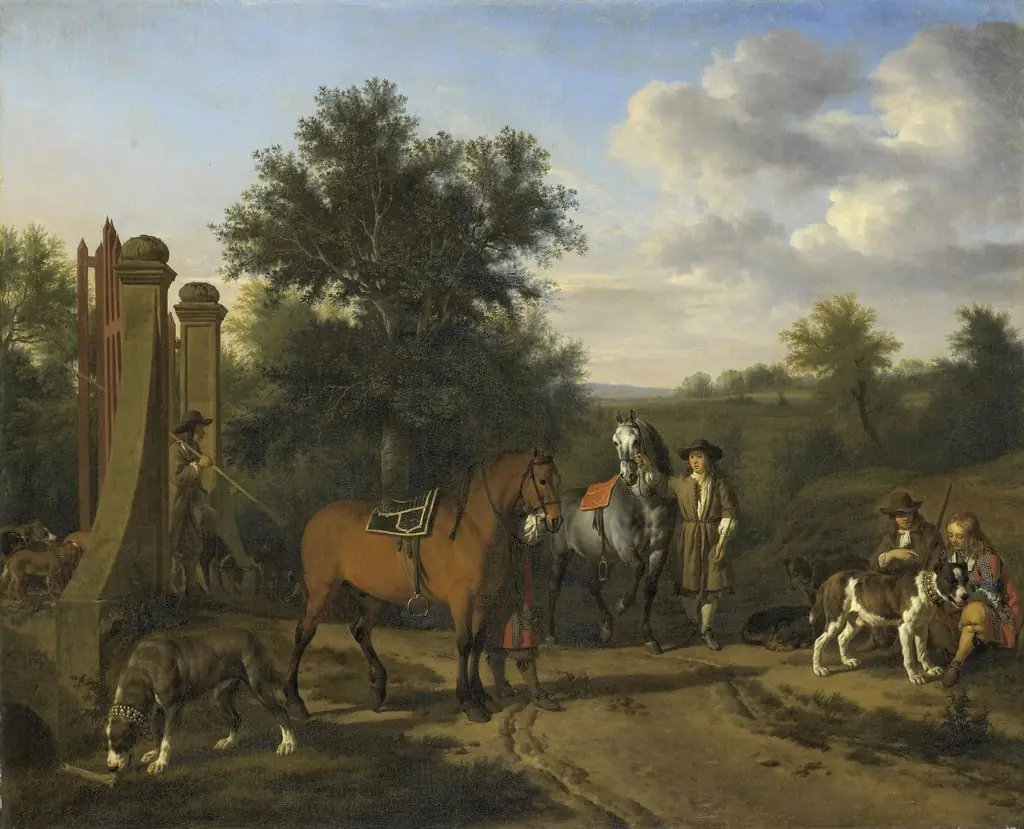
The scene depicts a group of horses and their handlers engaged in training or transit through a forested area. Riders, drivers, and onlookers interact with animals of varied coat colors—brown, gray, and white—suggesting a formal or organized equestrian exercise. The activity implies a practical or instructional context, possibly reflecting the importance of horsemanship in 17th-century Dutch society, where cavalry and transport relied on well-trained animals.
Technique & Style
Wouwerman employed fine brushwork to render textures of fur, fabric, and foliage with precision. The composition balances movement and stillness, using diagonal lines of reins and paths to guide the eye through the scene. Atmospheric perspective softens the background, where trees recede beneath a pale sky with scattered clouds. His use of light enhances the sense of depth and liveliness, characteristic of Dutch landscape traditions.
History & Provenance
Created in 1665, the painting entered the Mauritshuis collection in the 19th century, likely through acquisitions from Dutch private holdings. Wouwerman’s prolific output ensured wide circulation of his works during his lifetime and after. While no specific commission or patron is documented for this piece, its subject aligns with his established themes and the tastes of Dutch urban elites who valued depictions of rural order and animal husbandry.
Context
In mid-17th-century Holland, equestrian culture was integral to both military readiness and civilian life. The depiction of a driving school reflects broader societal interest in discipline, training, and the management of animals. Wouwerman’s focus on such scenes paralleled the era’s fascination with observable, everyday activities, aligning with the Dutch Golden Age’s emphasis on realism and detail over idealized narratives.
Legacy
Wouwerman’s influence extended through his detailed animal studies and landscape compositions, which inspired later genre painters. *The Driving School* remains a representative example of his ability to convey motion and social interaction within natural settings. While not widely exhibited as a singular highlight, it contributes to scholarly understanding of how Dutch artists documented the practical rhythms of daily life in their time.
Own this work as a print
Artist & collection
Artist
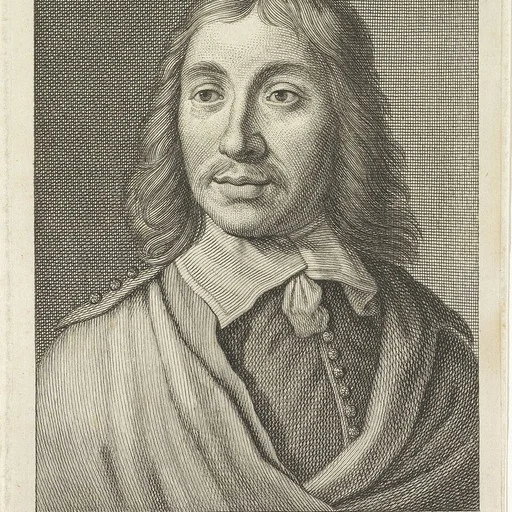
Philips Wouwerman (also Wouwermans) (24 May 1619 (baptized) – 19 May 1668) was a Dutch painter of hunting, landscape and battle scenes. He became prolific during the Dutch Golden Age and joined the Haarlem Guild of St. Luke.