Artwork
PORTUL CONSTANȚA
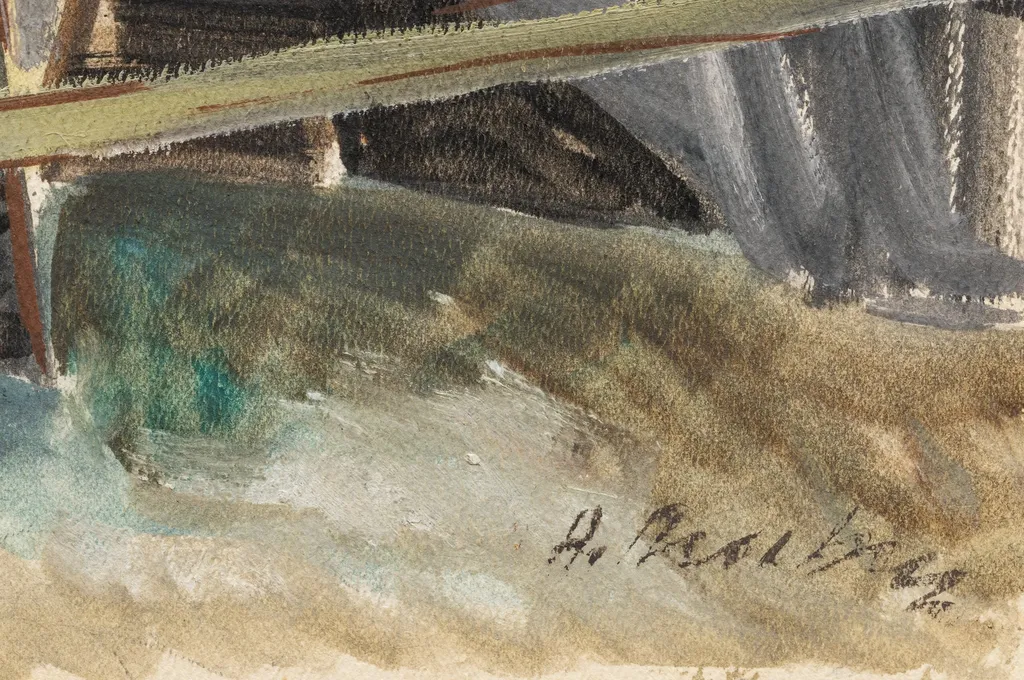
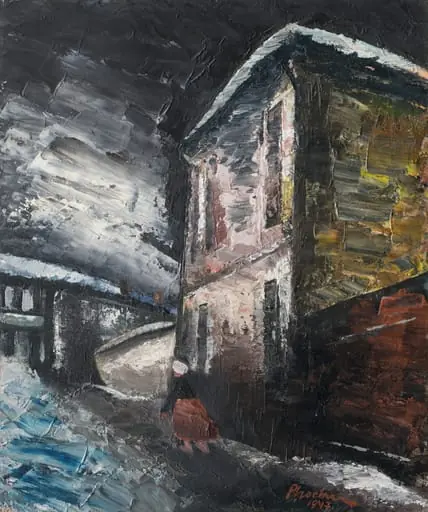
PORTUL CONSTANȚA is a print by Alexandru Phoebus. It dates from 1937 and is held in the collection of the National Museum of Art of Romania.
About this work
Overview
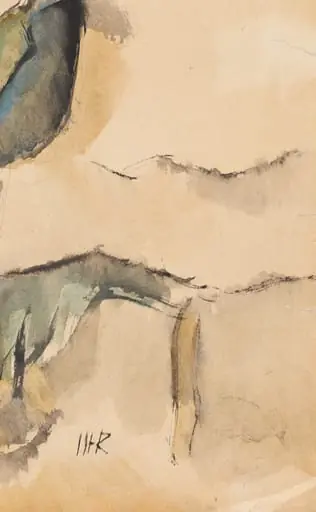
PORTUL CONSTANȚA, created circa 1937 by Alexandru Phoebus, is a coastal scene depicted in muted tones on a textured, faded print. The image features a blend of blue and green hues for the water, with visible brushstrokes merging into wave forms. A rocky shoreline in the background gives way to a dark, shadowy structure with a sloped roof, devoid of visible human activity or vessels.
Subject & Meaning
The subject is a serene, possibly abandoned harbor, emphasizing solitude and natural elements over human presence. The absence of boats or figures may suggest a focus on the timeless interaction between water, land, and architecture.
Technique & Style
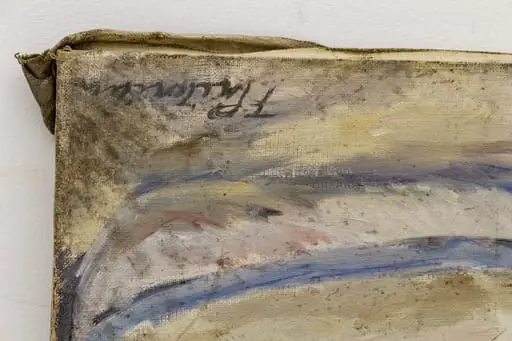
Phoebus employed expressive brushstrokes to capture the movement of waves, blending blues and greens for the water's depth. The muted color palette and textured print quality contribute to a sense of age and subtlety, while ink smudges and worn edges reflect the piece's physical deterioration over time.
History & Provenance
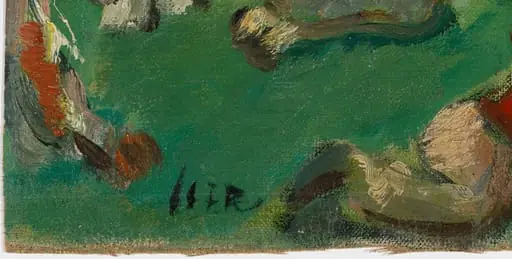
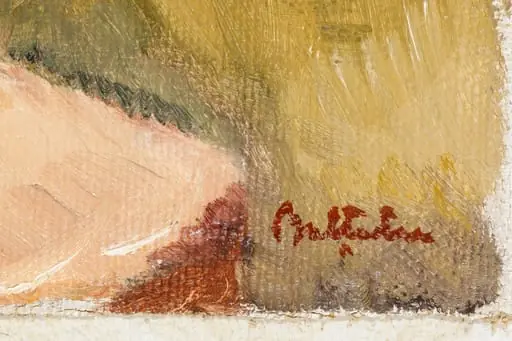
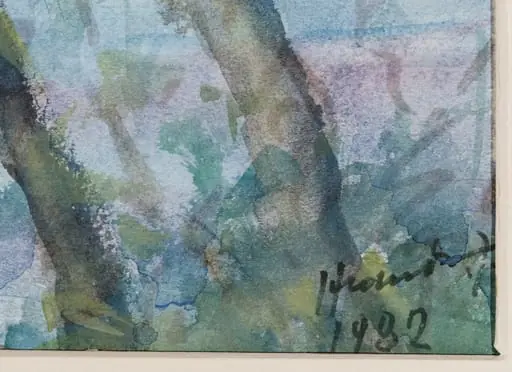
Created in the late 1930s, the work is signed 'A. Phoebus' in the bottom right corner, authenticating its attribution. Further provenance details are not provided in the available information.
Context
Within Alexandru Phoebus's broader oeuvre, PORTUL CONSTANȚA reflects his interest in capturing the Romanian landscape and coastal life, though this piece leans towards a more contemplative, less populated portrayal.
Legacy
The legacy of PORTUL CONSTANȚA is not elaborated upon in the provided sources, suggesting its significance may lie more within Phoebus's personal catalog than as a widely recognized or influential work in broader art historical narratives.
Artist & collection