Artwork
William Fich of Canfield, Essex
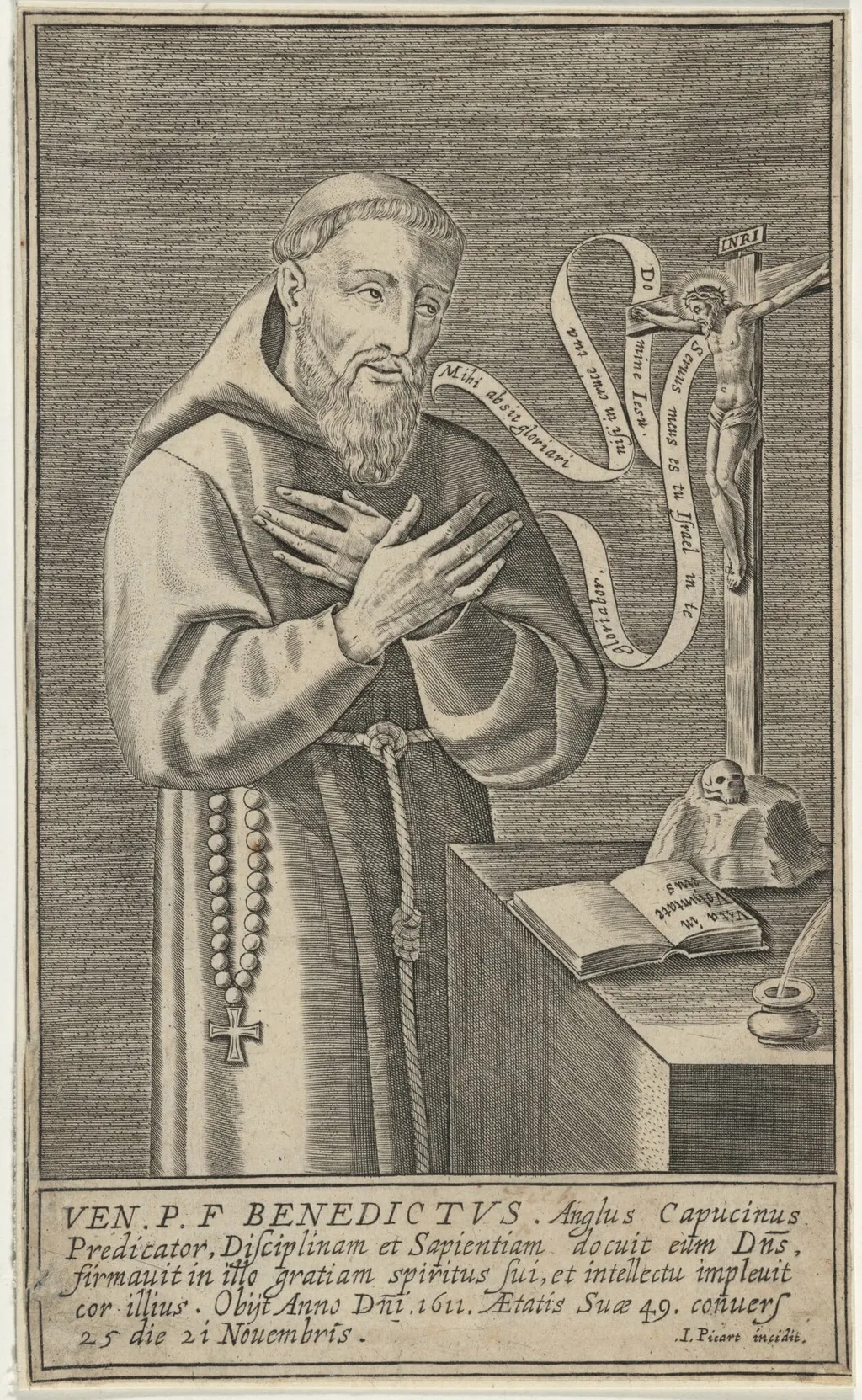
William Fich of Canfield, Essex is an ink print by the Baroque artist Jacques I Picart. It dates from 1623 and is held in the collection of the National Gallery of Art.
About this work
Overview
Created in 1623, this engraving by Jacques I Picart depicts William Fich of Canfield, Essex.
Created in 1623, this engraving by Jacques I Picart depicts William Fich of Canfield, Essex. Unlike many contemporary portraits, it emphasizes meticulous detail in both facial features and attire, reflecting the precision possible through the engraving technique. The work belongs to a tradition of printed portraiture that valued accuracy over idealization, serving as a record of an individual rather than a symbolic representation.
Subject & Meaning
William Fich, a local figure from Essex, is portrayed in clothing that appears deliberately archaic, possibly indicating his adherence to traditional customs or social standing. The portrait does not convey grandeur or allegory; instead, it presents a quiet, unembellished likeness. This focus on the ordinary suggests the image may have functioned as a personal or familial keepsake, affirming identity through visual fidelity.
Technique & Style
Executed in engraving, the portrait relies on fine lines incised into a metal plate to render texture and form. The artist’s control over line weight and density allows for subtle modeling of the face and intricate rendering of fabric folds, lace, and collar details. This level of refinement was technically demanding and uncommon in prints of the period, distinguishing the work from more generalized portraiture.
History & Provenance
The engraving was produced in 1623 by Jacques I Picart, a French artist active in the Low Countries. Its early circulation likely occurred among elite circles familiar with printed images as markers of status. While its immediate provenance is undocumented, its survival suggests it was preserved within the Fich family or a local collector’s archive, reflecting its personal rather than public significance.
Context
In early 17th-century England, engraved portraits were rare compared to painted ones, especially for non-noble individuals. Picart’s work aligns with a growing interest in documenting local gentry through print, facilitated by advances in copperplate engraving. This piece stands as an example of how print technology enabled more intimate, detailed representations beyond aristocratic circles.
Legacy
The engraving remains a rare surviving example of a non-royal, provincial portrait rendered with exceptional technical care in its time. It contributes to the study of early modern print culture and the role of engraving in preserving the likenesses of lesser-known individuals. Its precision continues to inform scholarly understanding of portraiture beyond the courtly tradition.
Artist & collection

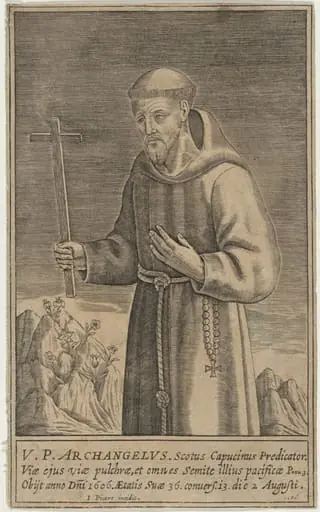 John Forbes
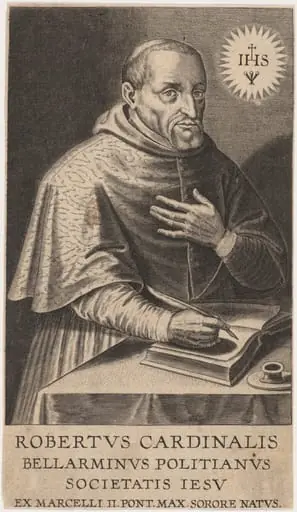 Roberto, Cardinal Bellarminus
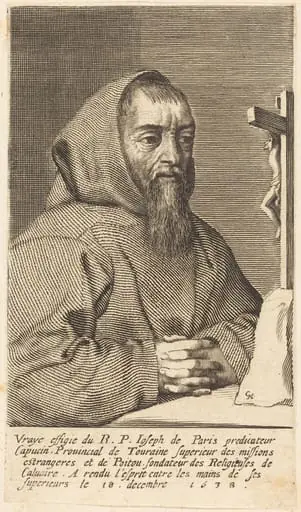 François Le Clerc Du Tremblay, Known as Père Joseph
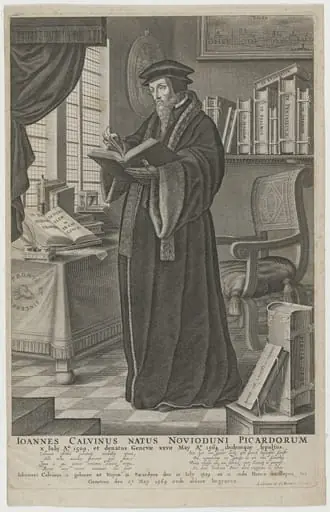 John Calvin
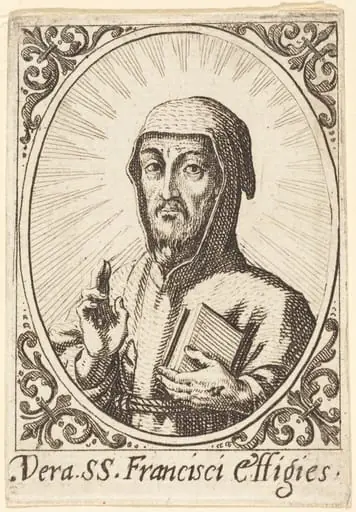 The True Effigy of Saint Francis
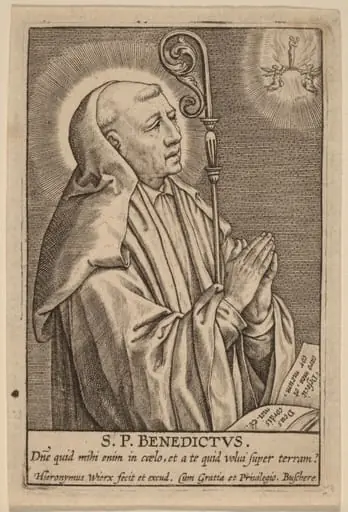 S. P. Benedictus
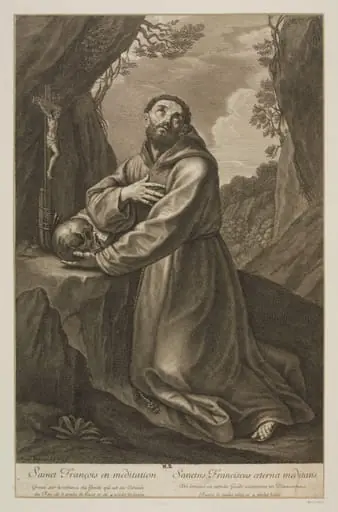 St. Francis in Ecstasy
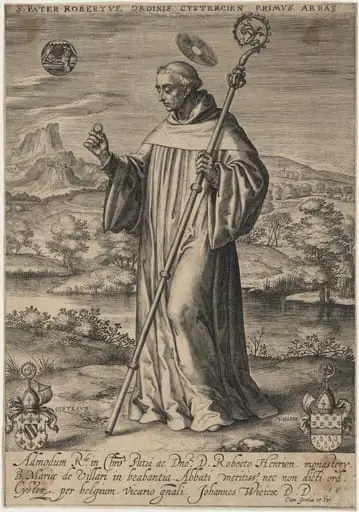 Saint Robert, Founder and First Abbot of the Cistercian Monks
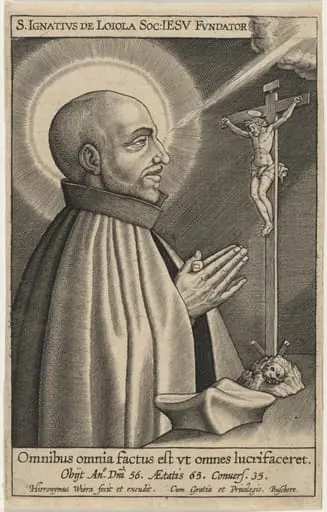 St. Ignatius de Loyola
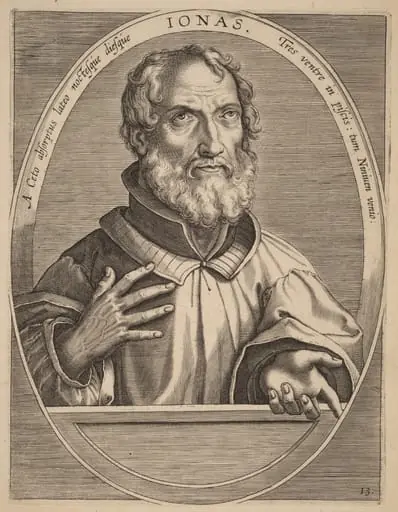 Ionas
Ionas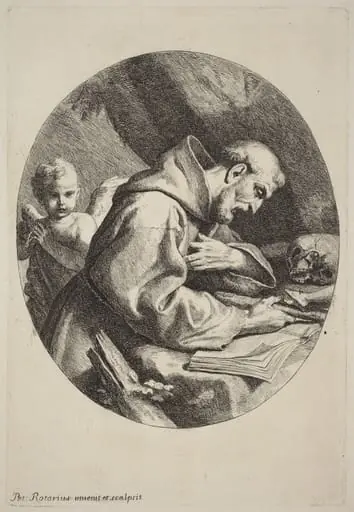 Saint Francis
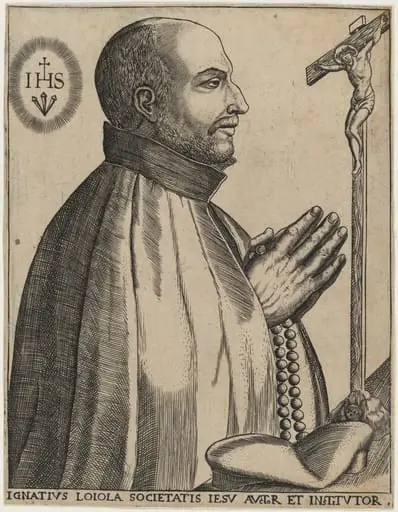 Saint Ignatius de Loyola, Founder of the Jesuits