Artwork
John Forbes
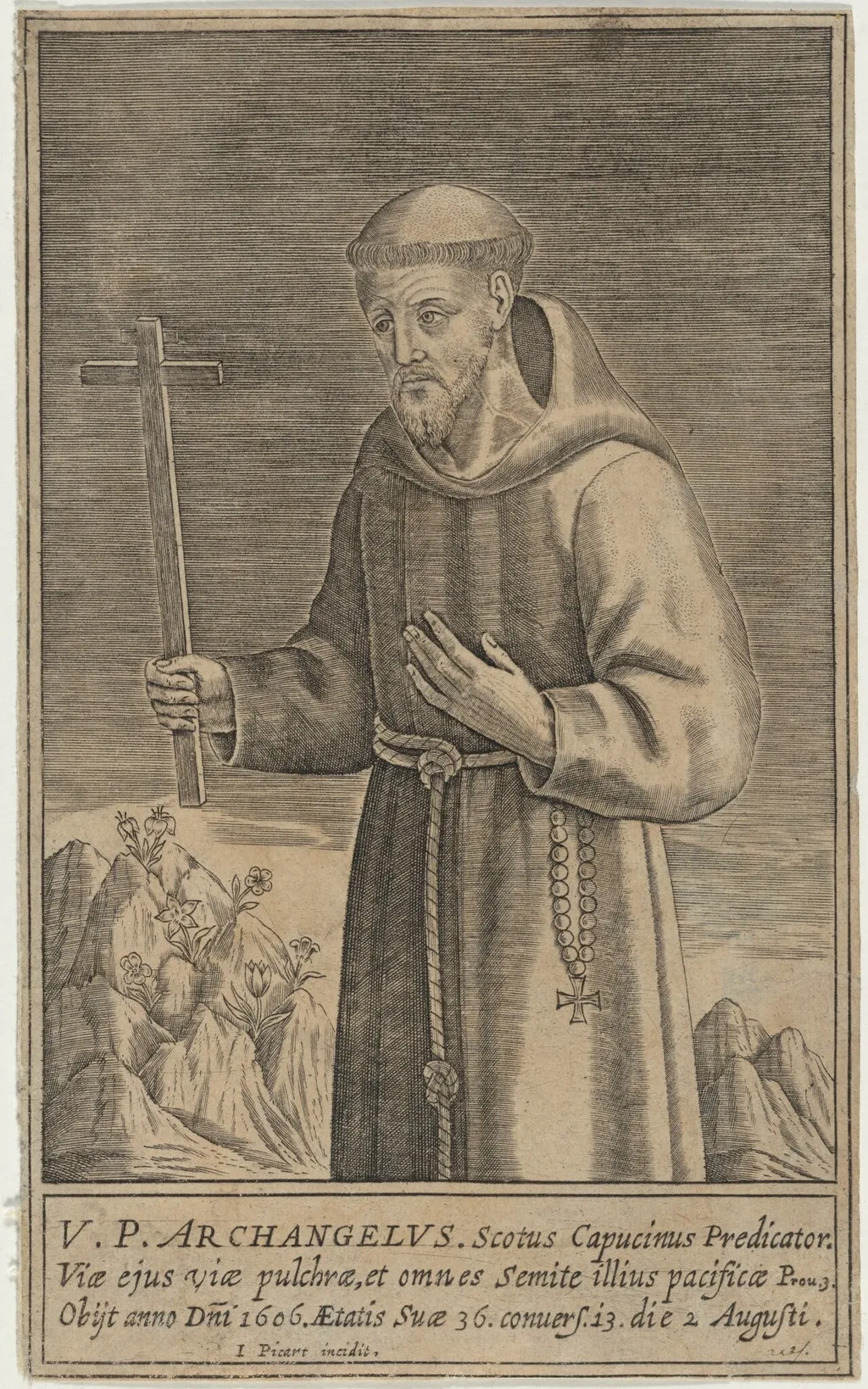
John Forbes is an ink print by the Baroque artist Jacques I Picart. It dates from 1623 and is held in the collection of the National Gallery of Art. This 1623 engraving by Jacques I.
About this work
Overview
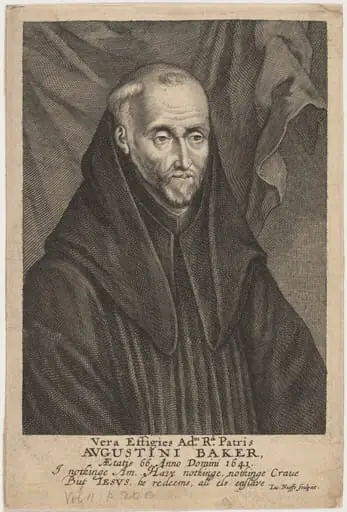
This 1623 engraving by Jacques I. Picart depicts John Forbes, a Scottish clergyman and theologian. Created as a reproductive print, it translates a painted portrait into the medium of metal engraving. The work reflects the period’s practice of disseminating likenesses of notable figures through printed images, serving both commemorative and informational purposes.
Subject & Meaning
John Forbes was a prominent figure in the early 17th-century Scottish Church, known for his theological writings and role in religious debates. The portrait presents him in formal, period attire, emphasizing his clerical status and intellectual authority. The composition avoids ornamentation, focusing instead on a restrained dignity befitting his public role and the values of his time.
Technique & Style
The technique demands meticulous handwork, as each line is incised directly into a copper plate, requiring both technical skill and artistic sensitivity.
Picart employed fine, controlled lines to model form and texture, characteristic of engraving’s precision. Shading is achieved through cross-hatching and varied line density, rendering the folds of fabric and the contours of the face with subtle gradations. The technique demands meticulous handwork, as each line is incised directly into a copper plate, requiring both technical skill and artistic sensitivity.
History & Provenance
The engraving was produced in 1623, likely to accompany or illustrate published works by Forbes. It circulated among scholarly and ecclesiastical circles in Europe, where printed portraits served as visual references for readers. Its survival suggests continued interest in Forbes’s legacy, though its early ownership records remain largely undocumented.
Context
In early 17th-century Europe, engraving was a primary means of reproducing portraits for wider distribution. Artists like Picart worked closely with publishers to translate painted likenesses into prints, meeting demand for images of religious and political figures. This practice supported the spread of ideas during a time of intense theological and cultural change.
Legacy
Though not widely known today, the engraving preserves a visual record of a significant Scottish theologian. It exemplifies the craftsmanship of Northern European printmakers and the role of reproductive prints in shaping public perception of intellectual figures. Its existence underscores the importance of print culture in early modern intellectual networks.
Artist & collection

 William Fich of Canfield, Essex
 Saint Robert, Founder and First Abbot of the Cistercian Monks
 Roberto, Cardinal Bellarminus
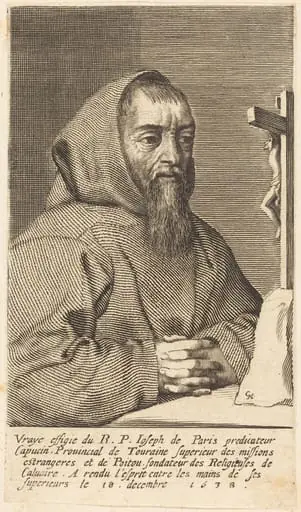 François Le Clerc Du Tremblay, Known as Père Joseph
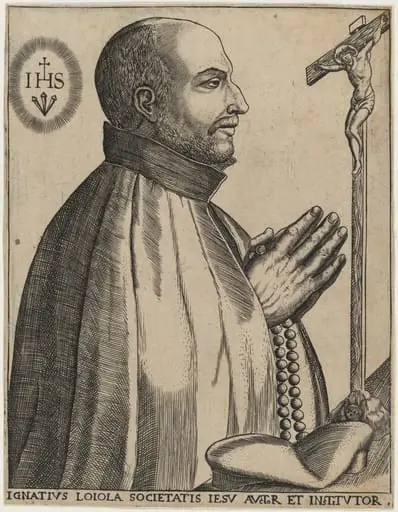 Saint Ignatius de Loyola, Founder of the Jesuits
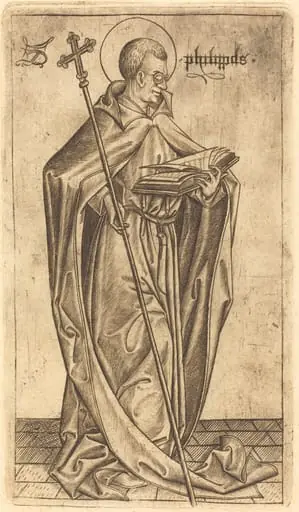 Saint Philip
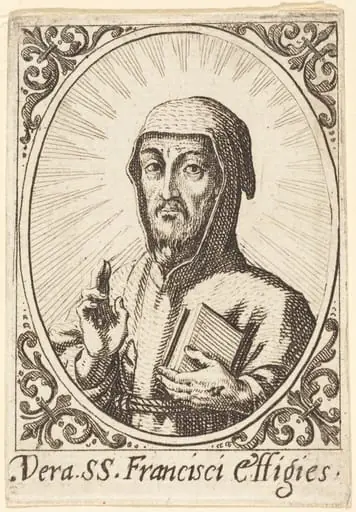 The True Effigy of Saint Francis
 Sanctus Bernhardinus
 Saint Anthony
 Ionas
Ionas S. P. Benedictus
 David Baker