Artwork
Virgin and Child
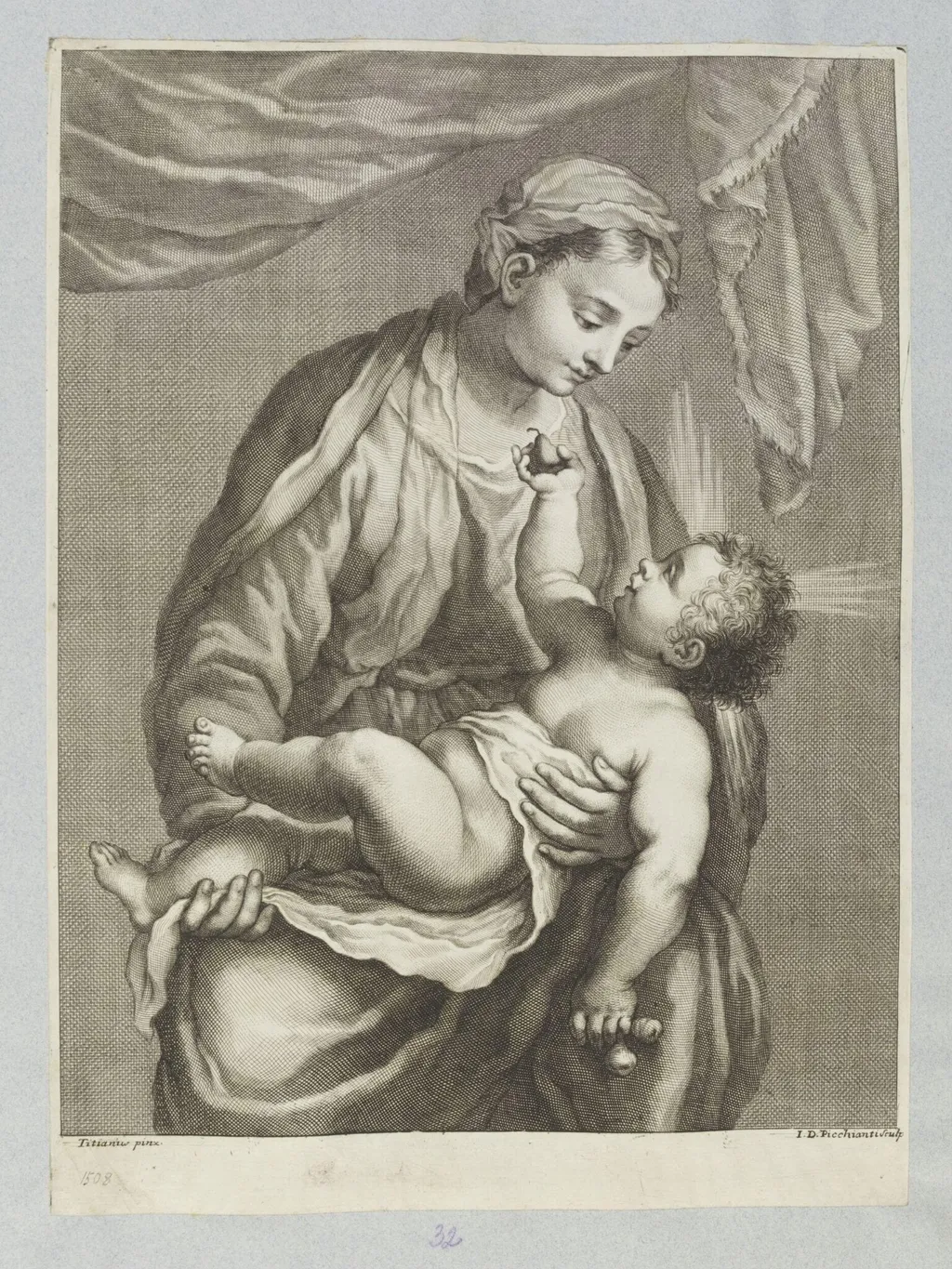
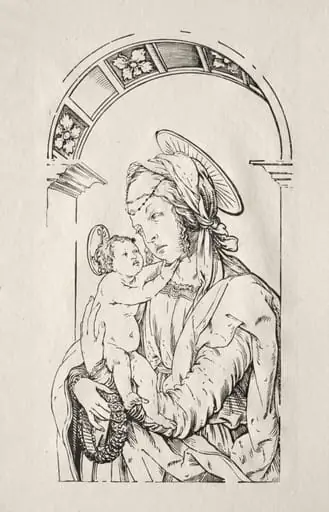
Virgin and Child is a print by Giovanni Domenico Picchianti. It dates from 1750 and is held in the collection of the Victoria and Albert Museum.
About this work
Overview
It depicts the Virgin Mary with the infant Jesus, rendered in tonal contrast to emphasize form against a neutral background.
This print on paper is a reproductive work based on a composition by Titian, executed by Giovanni Domenico Picchianti. It depicts the Virgin Mary with the infant Jesus, rendered in tonal contrast to emphasize form against a neutral background. The image was produced as part of a broader tradition of disseminating renowned paintings through printmaking, making high art accessible beyond elite collections.
Subject & Meaning
The Virgin is portrayed in quiet contemplation, holding the Christ Child who reaches toward her face with outstretched hands. Her veiled head and folded hands convey humility and devotion, while the child’s gesture suggests both innocence and divine awareness. The scene avoids dramatic narrative, instead focusing on an intimate, tender moment that underscores maternal tenderness and spiritual stillness.
Technique & Style
Picchianti employed chiaroscuro to model the figures with soft gradations of light and shadow, giving volume without harsh outlines. The absence of detailed background directs attention to the figures’ forms, enhanced by the delicate rendering of fabric folds and skin tones. The print’s restrained palette and smooth transitions reflect an adaptation of Titian’s painterly approach into the medium of engraving or etching.
History & Provenance
The original painting by Titian belonged to the Medici collection in Florence, housed in the Uffizi Gallery. Picchianti’s print was likely made to circulate the image more widely, serving devotional or educational purposes. While the print’s exact date and edition are uncertain, it aligns with 17th-century practices of reproducing celebrated works for collectors and religious institutions.
Context
During the late Renaissance and early Baroque periods, prints after major paintings were common tools for spreading artistic styles across Europe. This work reflects the enduring influence of Titian’s compositions and the role of printmakers in preserving and transmitting iconic imagery. The Virgin and Child theme remained central to religious art, valued for its emotional resonance and doctrinal clarity.
Legacy
Picchianti’s print contributed to the longevity of Titian’s composition by ensuring its visibility beyond the confines of the Uffizi. Though not widely known today, such reproductive prints played a vital role in shaping public familiarity with Renaissance ideals of beauty and piety. They remain important records of how artistic authority was reproduced and received in early modern Europe.
Artist & collection
Artist
Giovanni Domenico Picchianti made prints in late 17th to mid-18th-century Italy. His prints show everyday life and sacred scenes: try *The Husbandman*, a quiet farming scene in fine lines, or *Virgin and Child*, a…

 The Virgin adoring the Infant Jesus
 Virgin Adoring the Child
 Madonna and Child (after Francisco Bayeu y Subias)
 La Sainte Vierge
 Maria mit Johannes- und Jesusknaben
 Virgin and Child
 Holy Family
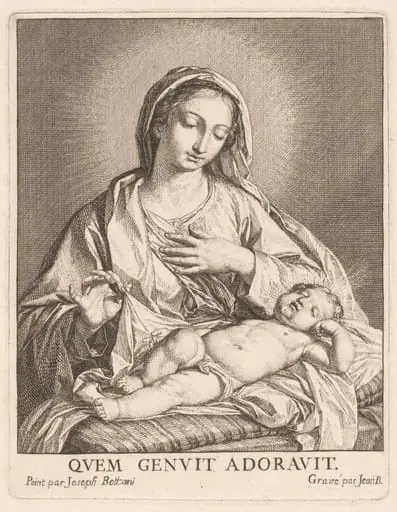 The Virgin and Sleeping Child
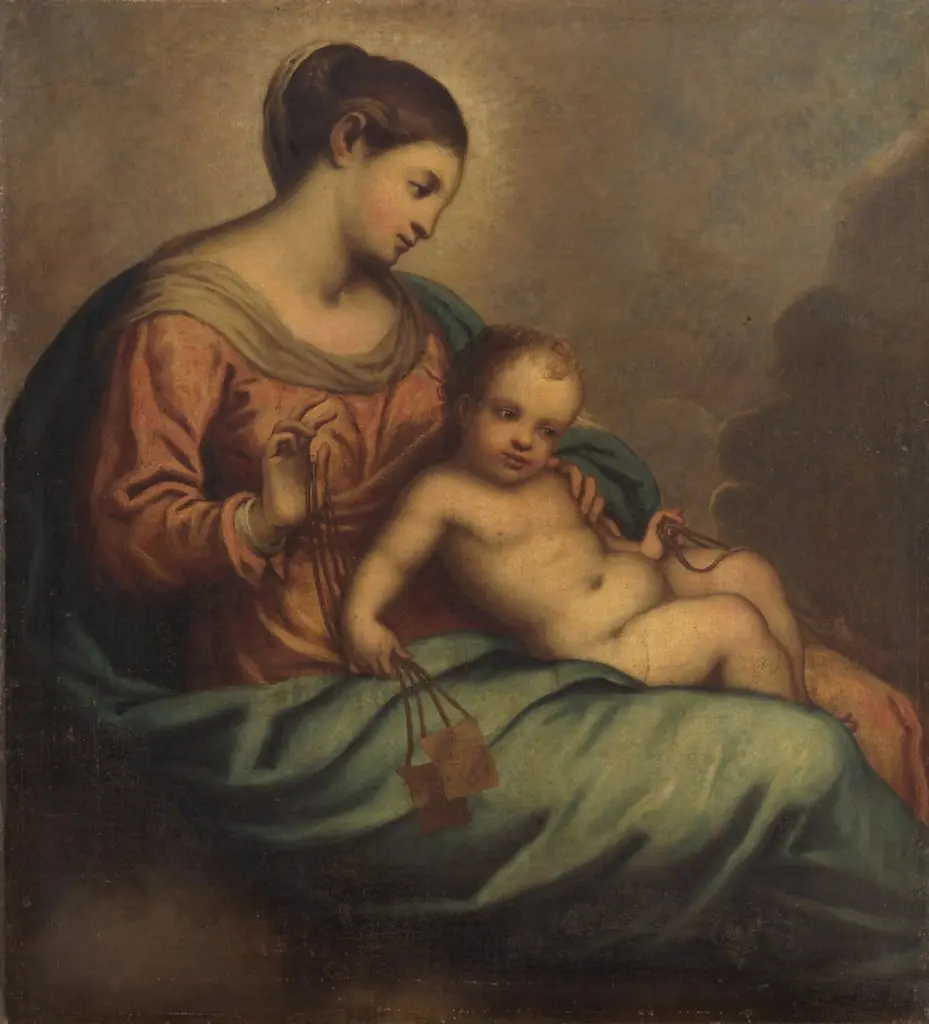 Maria mit Kind
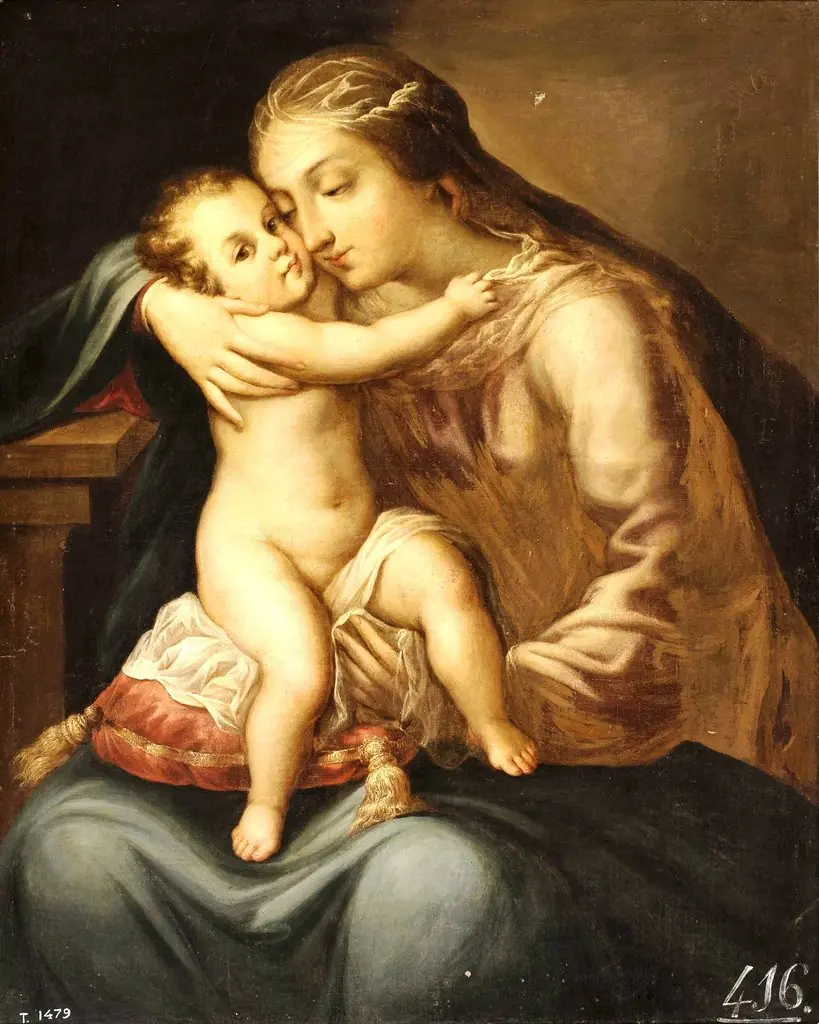 La Virgen con el Niño
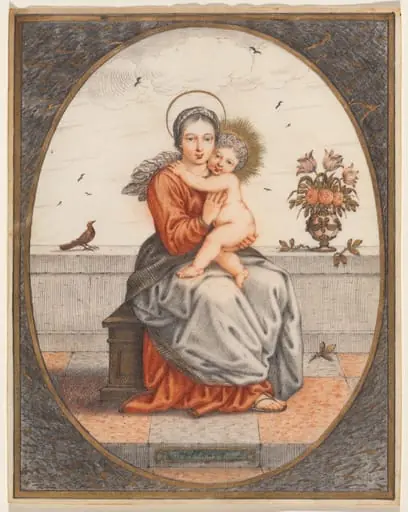 The Madonna and Child Seated before a Ledge
 The Virgin with the Child under an arch