Artwork
The Madonna and Child Seated before a Ledge
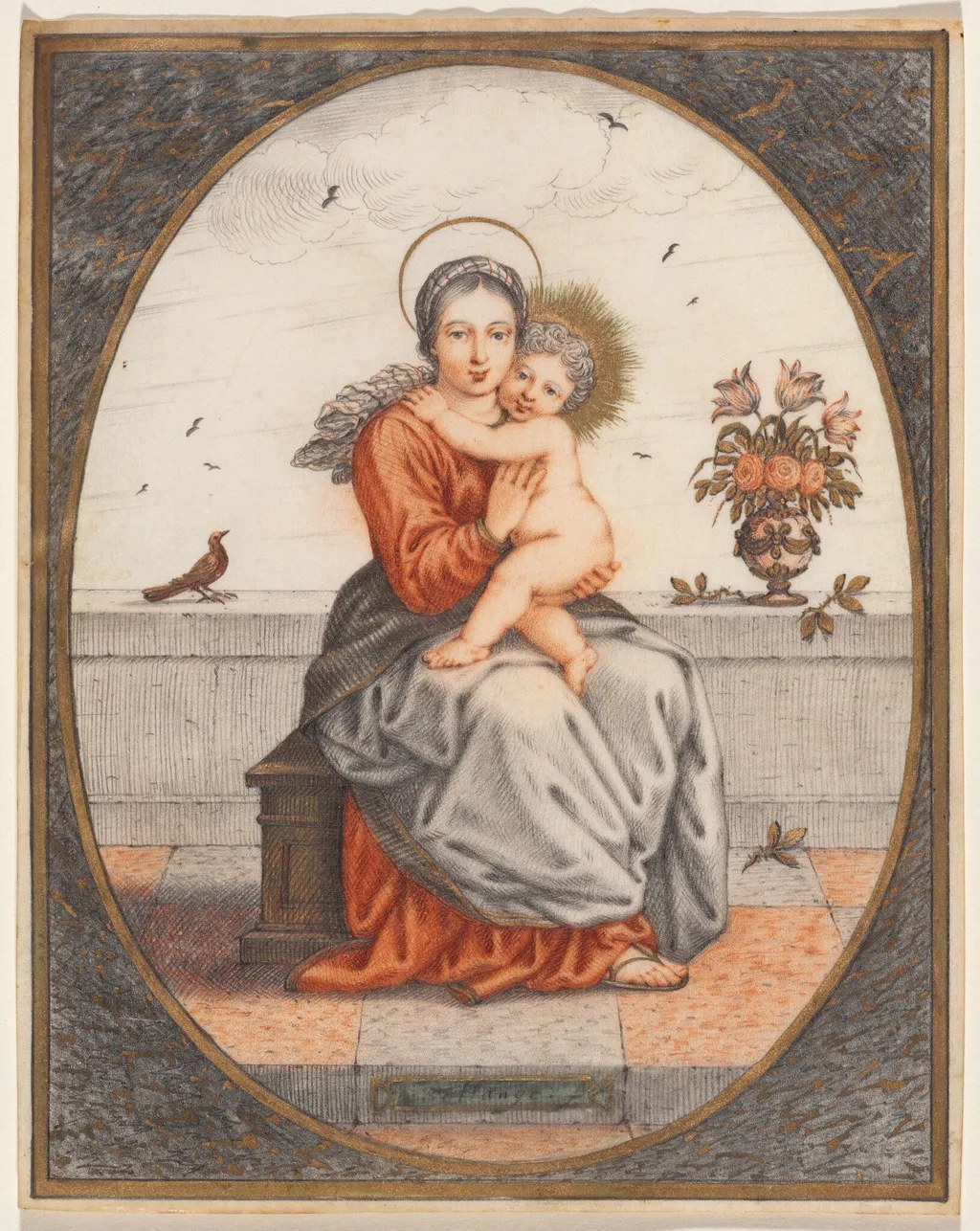
The Madonna and Child Seated before a Ledge is a graphite drawing by the Baroque artist Thierry Bellange. It dates from 1630 and is held in the collection of the National Gallery of Art.
About this work
Overview
This drawing, created around 1630 by Thierry Bellange, depicts the Virgin Mary with the infant Jesus seated before a stone ledge. Executed in black and red chalk, graphite, and gold on vellum, it is a devotional work notable for its delicate rendering and luminous metallic accents. The piece is held in the collection of the National Gallery of Art in Washington, D.C.
Subject & Meaning
The Virgin, identified by her halo and red garment, holds the Christ Child, who is adorned with a golden crown and small wings, symbolizing his divine nature. A bird rests nearby, and a vase of flowers on a shelf suggests earthly beauty alongside spiritual presence. The composition invites contemplation, blending sacred symbolism with intimate domestic quietude.
Technique & Style
Bellange employed chalk and graphite to model form with subtle gradations, while gold leaf highlights illuminate faces and fabrics, creating a radiant effect.
Bellange employed chalk and graphite to model form with subtle gradations, while gold leaf highlights illuminate faces and fabrics, creating a radiant effect. The vellum surface enhances the warmth of the tones, and the dark, gilded border frames the scene like a reliquary. Light falls selectively, emphasizing the figures through a restrained chiaroscuro that softens shadows without dramatic contrast.
History & Provenance
The drawing entered the National Gallery of Art’s collection in the 20th century, though its earlier ownership remains undocumented. Its survival in good condition suggests it was carefully preserved, likely within a private devotional context before becoming part of a public collection. No records indicate it was part of a larger altarpiece or manuscript.
Context
Created in early 17th-century France, the work reflects the enduring influence of Northern Renaissance devotional imagery, even as Baroque tendencies emerged. Artists like Bellange continued to produce intimate religious drawings for personal meditation, favoring refined materials and quiet compositions over theatricality, aligning with Counter-Reformation ideals of reverence and accessibility.
Legacy
Though not widely reproduced, the drawing exemplifies the quiet sophistication of French draftsmanship in the early Baroque period. Its use of gold and chalk on vellum connects it to medieval illumination traditions, while its emotional restraint distinguishes it from more dramatic contemporaries. It remains a testament to the enduring power of small-scale sacred imagery.
Artist & collection

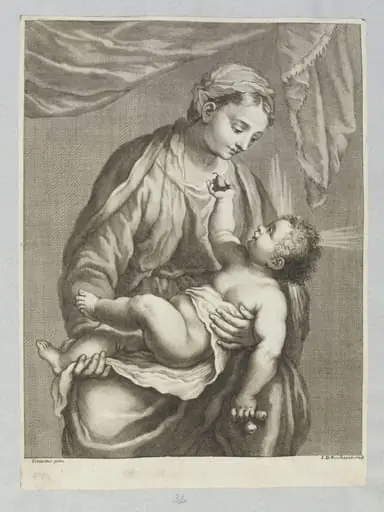 Virgin and Child
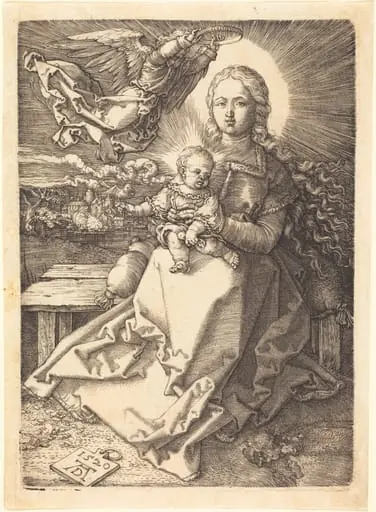 The Virgin and Child Crowned by One Angel
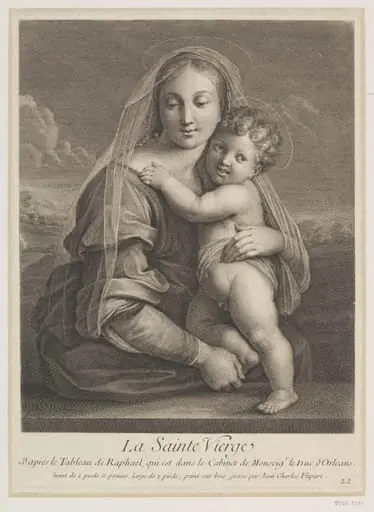 La Sainte Vierge
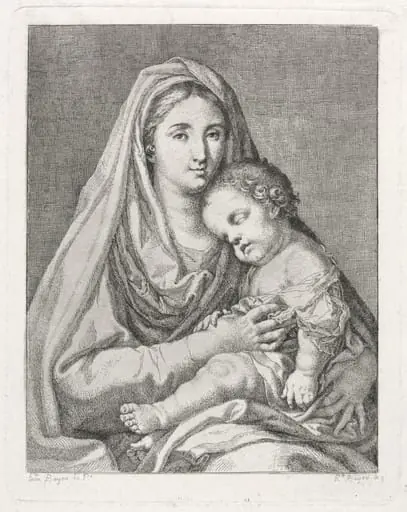 Madonna and Child (after Francisco Bayeu y Subias)
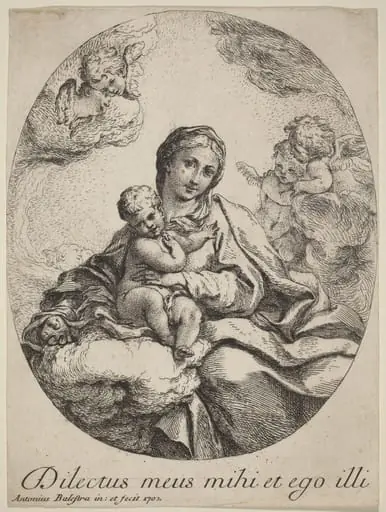 Virgin and Child on a Cloud
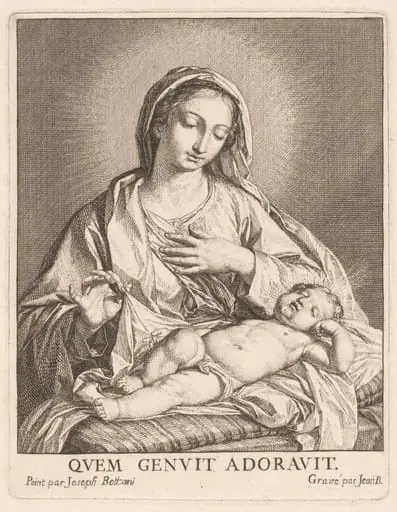 The Virgin and Sleeping Child
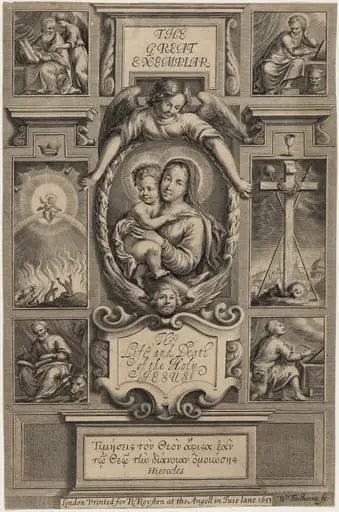 Title Page to Jeremy Taylor, The Great Exemplar
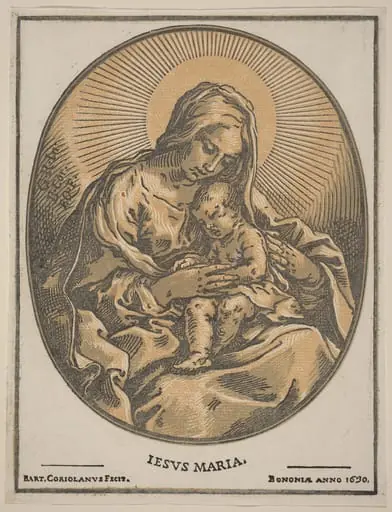 Virgin and Child
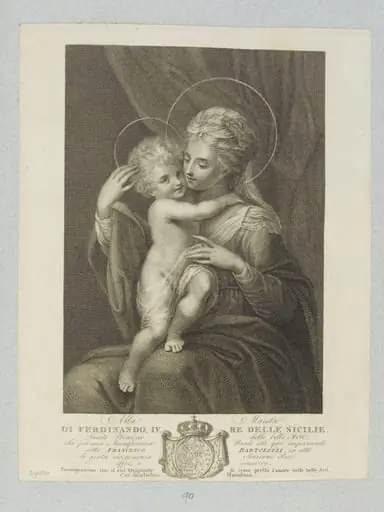 Virgin and Child
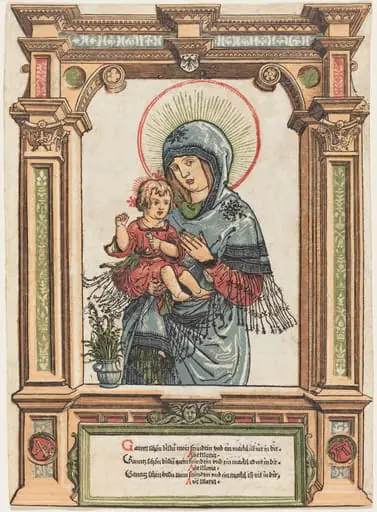 The Beautiful Virgin of Regensburg
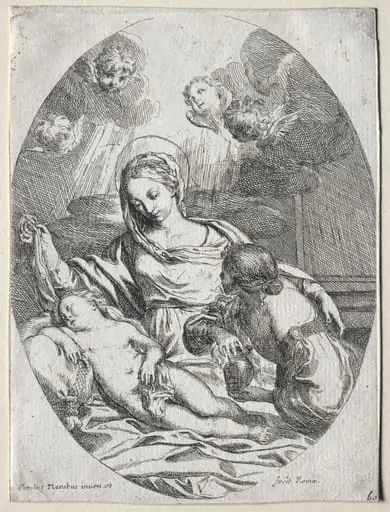 Madonna and Child with the Magdalen
 Immaculate Conception