Artwork
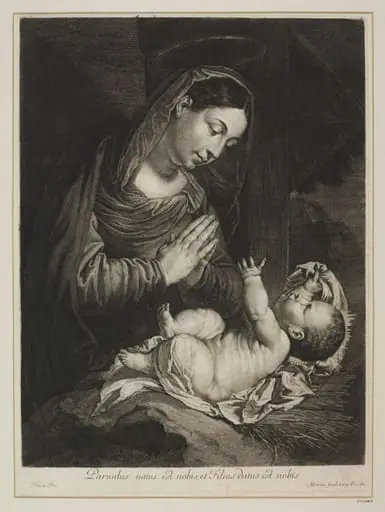
Virgin Adoring the Child
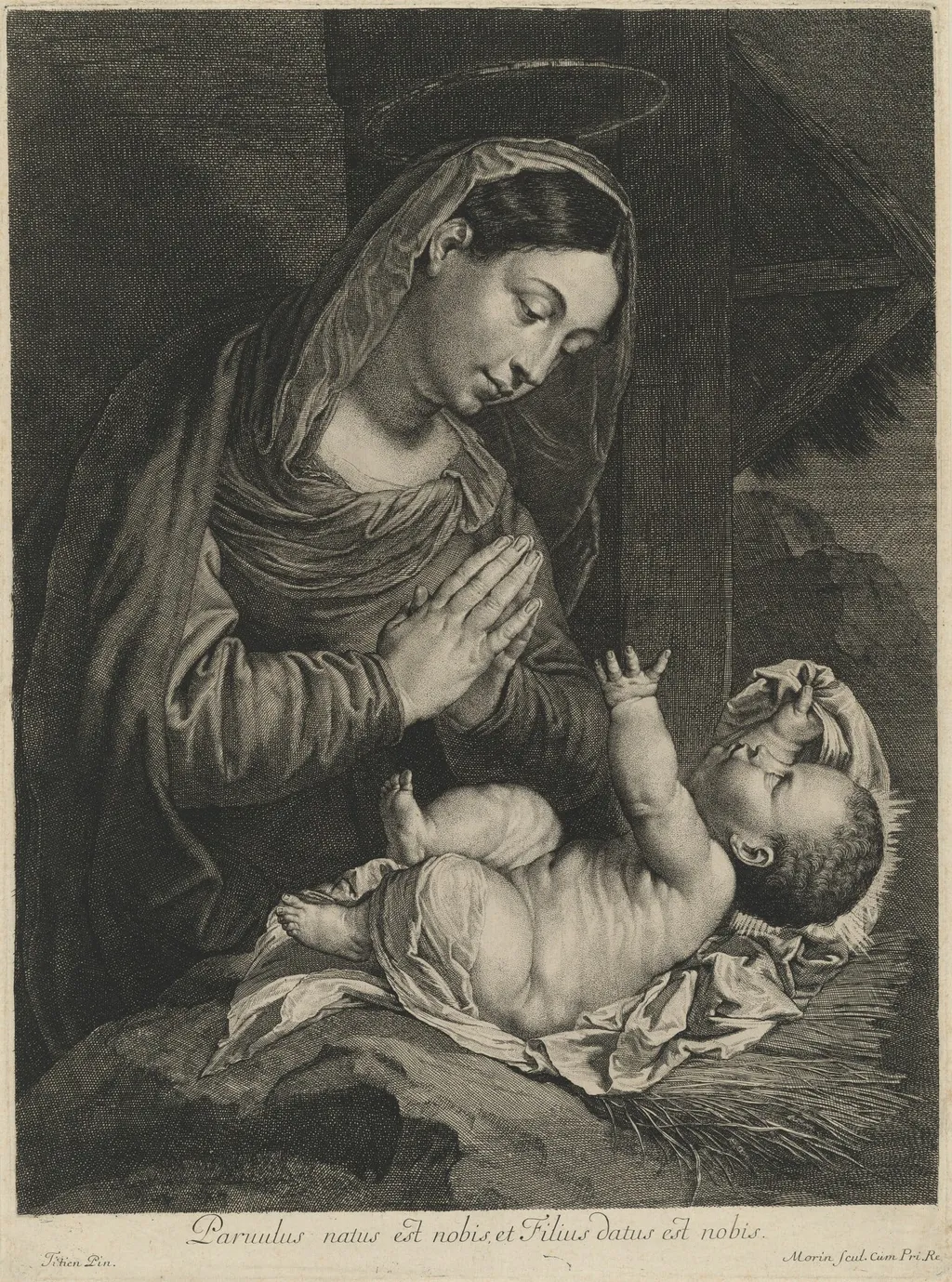
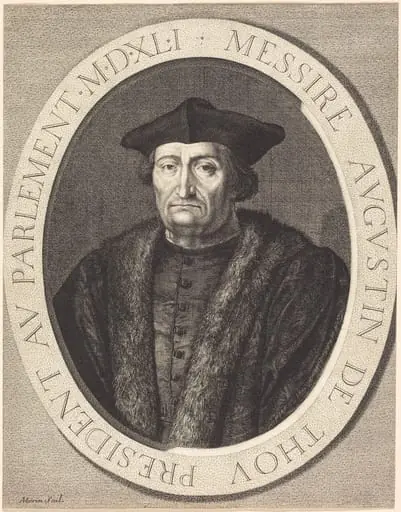
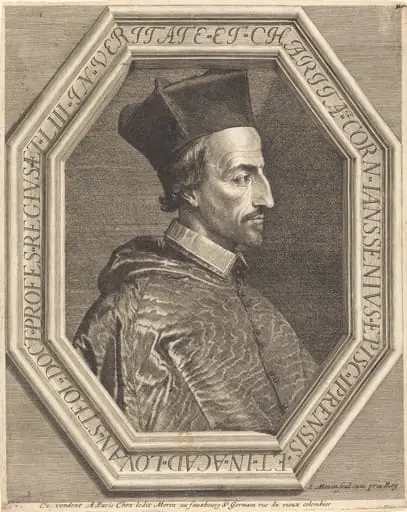
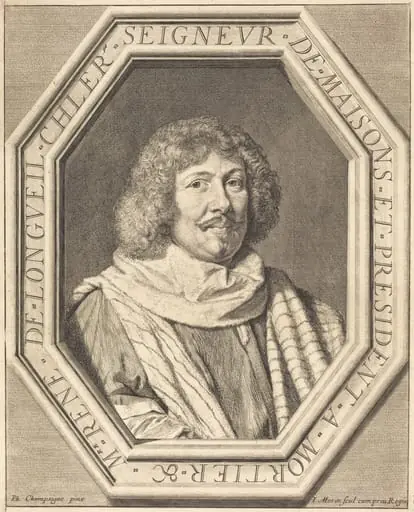
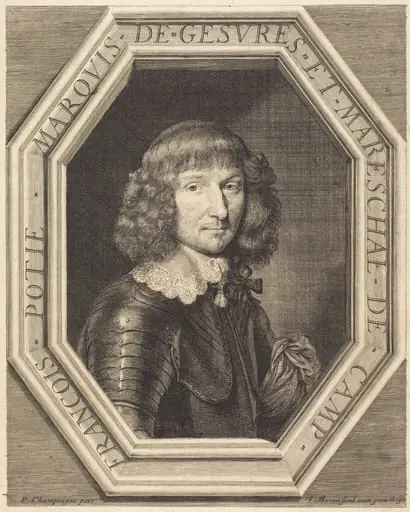
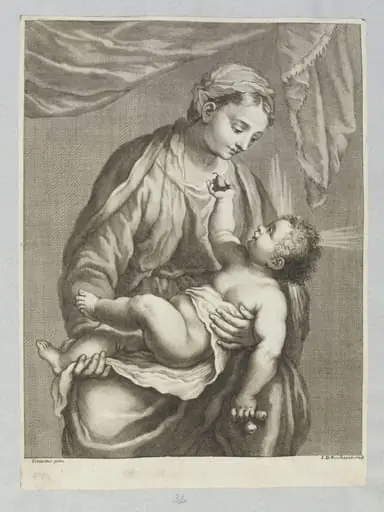
Virgin Adoring the Child is an ink print by the Baroque artist Jean Morin. It dates from 1638 and is held in the collection of the National Gallery of Art.
About this work
Overview
The composition emphasizes intimacy over grandeur, reflecting his preference for quiet religious scenes over theatrical narratives common in the period.
Created in 1638 by the French artist Jean Morin, this print combines etching and engraving on laid paper to depict the Virgin Mary in contemplative devotion before the infant Jesus. Morin, recognized for his technical innovations in printmaking, used layered line work to achieve subtle tonal gradations. The composition emphasizes intimacy over grandeur, reflecting his preference for quiet religious scenes over theatrical narratives common in the period.
Subject & Meaning
The image portrays the Virgin Mary kneeling in silent prayer before the Christ Child, who rests on a bed of straw. Her clasped hands and lowered gaze convey deep reverence, while the absence of halos or celestial elements grounds the scene in human tenderness. This intimate moment underscores a devotional tradition focused on Mary’s maternal awe, aligning with Counter-Reformation ideals that emphasized personal piety and emotional connection to sacred figures.
Technique & Style
Morin employed both etching and engraving on a single copper plate, blending the fluid lines of etching with the precise, incised strokes of engraving. This hybrid method allowed for nuanced shading and fine detail, particularly in the folds of Mary’s veil and the texture of the straw. The dark, indistinct background enhances the luminosity of the figures, directing focus to their quiet interaction through controlled contrast rather than dramatic chiaroscuro.
History & Provenance
The print entered the collection of the National Gallery of Art in Washington, D.C., where it remains part of its holdings of early modern European prints. While Morin’s works were widely circulated in his time, few signed impressions survive in public collections. This example is among the better-preserved prints from his 1630s output, offering insight into the dissemination of religious imagery in 17th-century France.
Context
In early 17th-century France, printmaking was increasingly used to make devotional imagery accessible beyond church walls. Morin’s work emerged amid a surge in private piety and the influence of Jesuit spirituality, which encouraged personal meditation on sacred scenes. His prints, though less monumental than contemporary paintings, fulfilled a growing demand for intimate, portable religious objects for domestic worship.
Legacy
Morin’s fusion of etching and engraving influenced a generation of French printmakers who sought greater expressive range in graphic art. While he did not achieve the fame of his Italian or Dutch contemporaries, his technical approach became a model for combining precision with atmospheric depth. His prints, including this one, remain studied for their quiet emotional resonance and refined craftsmanship within the Baroque print tradition.
Artist & collection
Artist
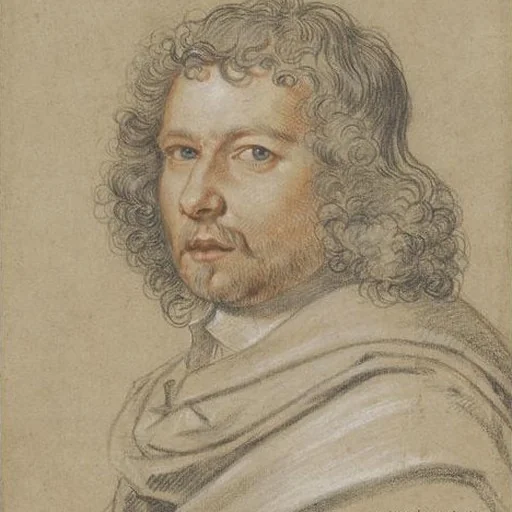
Jean Morin (c.1595 or 1605 – 1650) was a French baroque painter, printmaker, painter, etcher, engraver and publisher.