Artwork
Venus and Amor
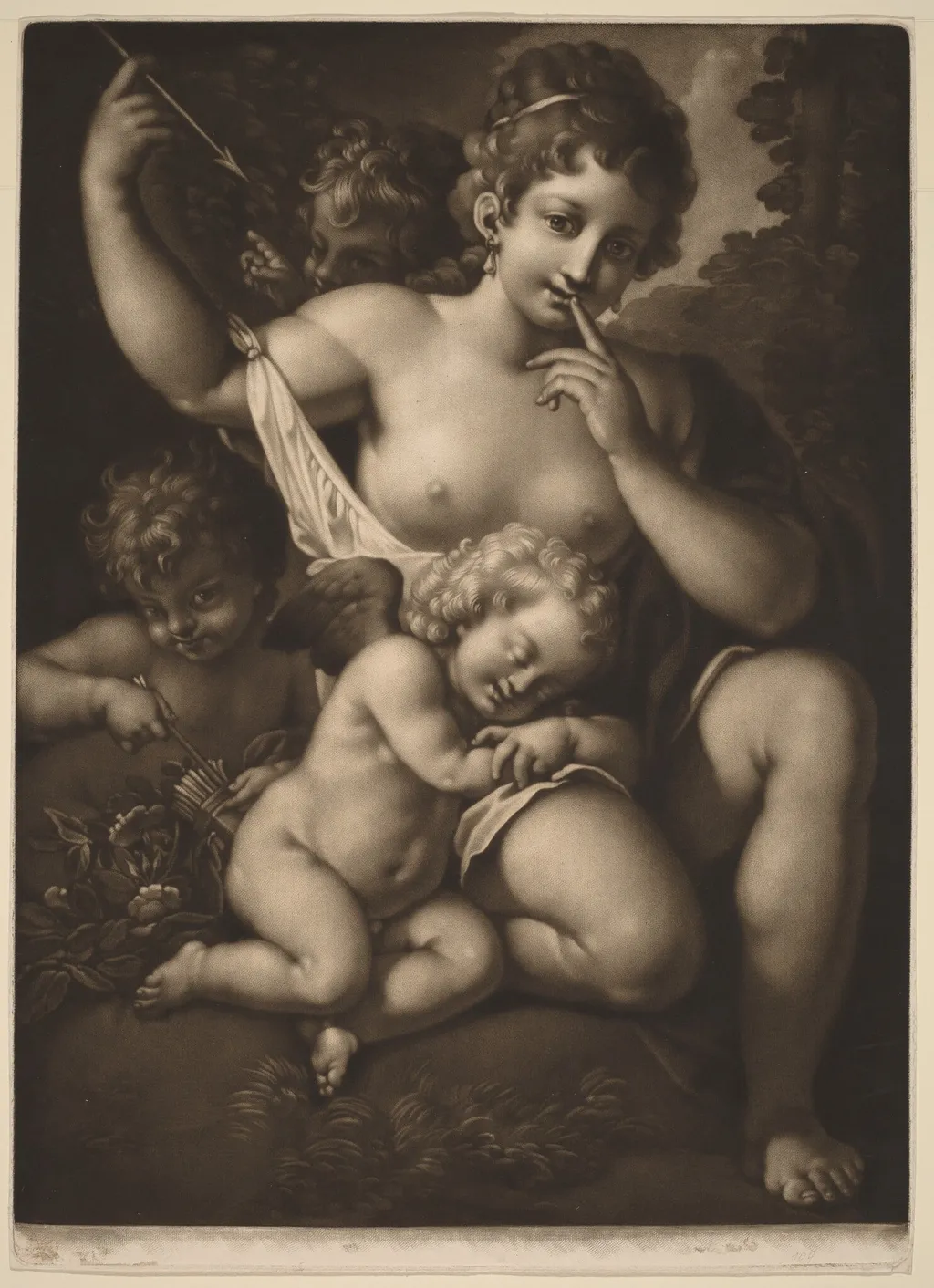
Venus and Amor is an ink print by the Romanticist artist Johann Peter Pichler. It dates from 1800 and is held in the collection of the National Gallery of Art.
About this work
Overview
Johann Peter Pichler created this mezzotint around 1800, depicting a mythological scene centered on Venus and her son Amor. The work is a print made using the mezzotint technique, known for its rich tonal gradations and deep blacks. Its composition emphasizes contrast between light and shadow, drawing attention to the figures against a dark, atmospheric background.
Subject & Meaning
The central figure is Venus, goddess of love, portrayed with wings and a contemplative expression, her hand resting near her chin. A child, likely Amor, clings to her shoulder, while another small figure peeks from behind, possibly symbolizing the dual nature of desire—visible and hidden. The scene evokes quiet intimacy rather than grandeur, suggesting reflection on love’s complexity.
Technique & Style
Pichler employed mezzotint, a printmaking method that achieves subtle transitions between light and dark by roughening a metal plate. The deep shadows and soft highlights create a sculptural quality in the figures, enhancing their three-dimensionality. The swirling clouds and sparse foliage in the background add movement without distraction, focusing attention on the central group.
History & Provenance
The print dates to the turn of the 19th century, a period when mythological subjects remained popular in European print culture. Pichler, an Austrian artist active in Vienna, produced works for collectors interested in classical themes rendered with technical precision. While specific early ownership records are scarce, the print aligns with the tastes of educated patrons of the time.
Context
This work emerged during a time when neoclassical ideals still influenced visual culture, even as Romanticism began to shift artistic priorities.
This work emerged during a time when neoclassical ideals still influenced visual culture, even as Romanticism began to shift artistic priorities. Mezzotint was favored for its ability to mimic the tonal richness of oil paintings, making it suitable for reproducing or interpreting classical subjects for private collections. Pichler’s approach reflects a continuation of 18th-century traditions in printmaking.
Legacy
Pichler’s Venus and Amor exemplifies the quiet elegance of late Enlightenment printmaking. Though not widely reproduced or studied today, it stands as a refined example of how mythological themes were adapted for intimate, domestic viewing. Its technical mastery and restrained emotional tone offer insight into the aesthetic values of early 19th-century Central European print culture.
Artist & collection


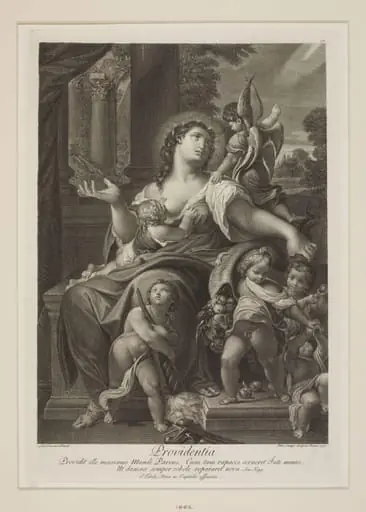 Providentia
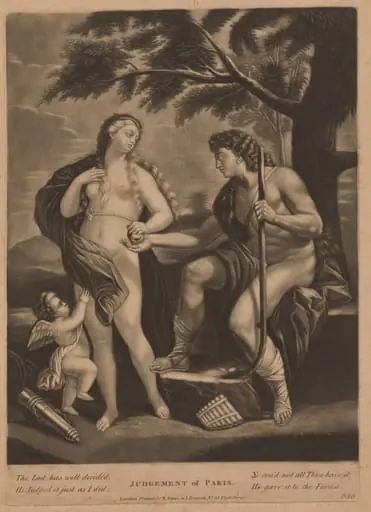 Judgment of Paris
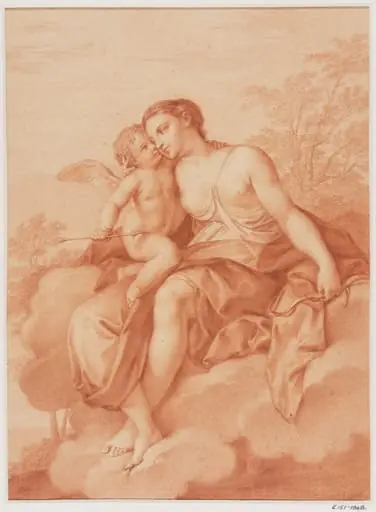 Venus reclining on a cloud, embracing Cupid and holding his bow in her left hand.
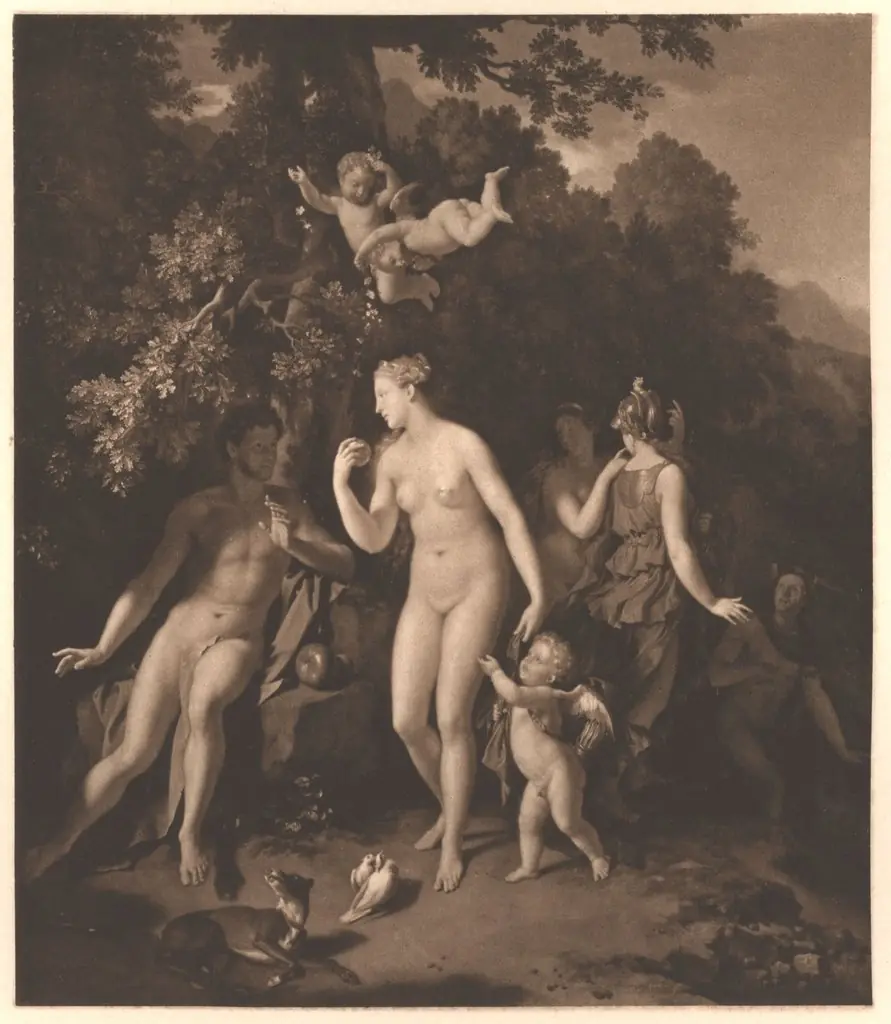 Judgement of Paris
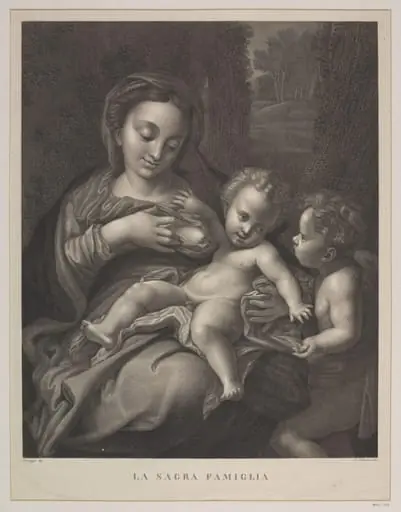 Holy Family
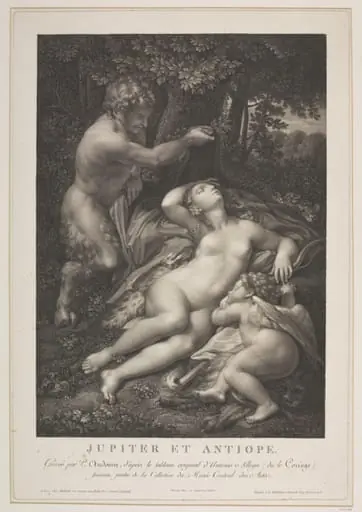 Jupiter as a Satyr, and Antiope
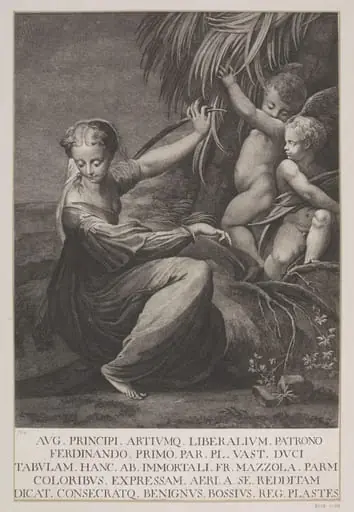 St. Catherine
 Jupiter and Antiope
 Clytie Repulsing Cupid
 Venus et les amours
 Venus en reflection
 A Couple Making Love in a Park Spied on by Children