Artwork
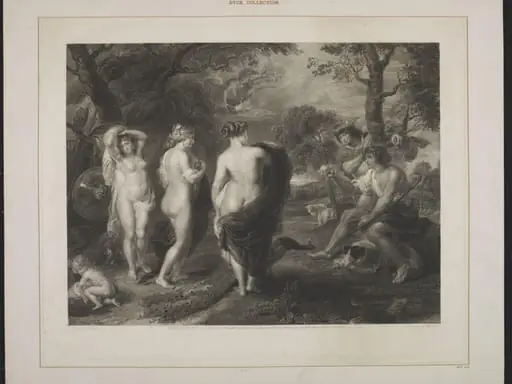
Judgement of Paris
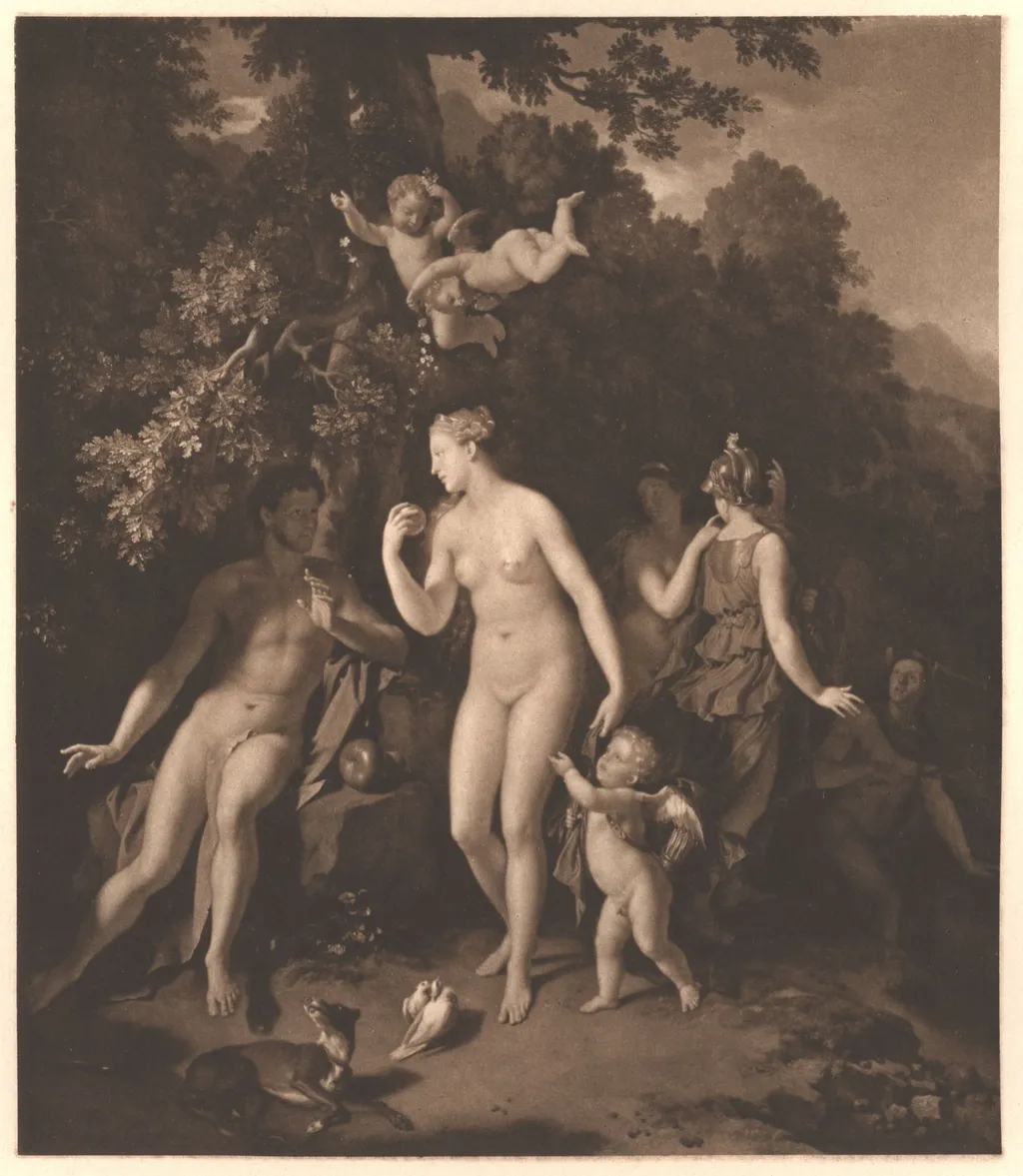
Judgement of Paris is an oil painting by the Rococo painting artist Adriaen van der Werff. It dates from 1712 and is held in the collection of the Gemäldegalerie Alte Meister.
About this work
Overview
It resides today in the Gemäldegalerie Alte Meister in Dresden, part of a broader corpus of mythological subjects the artist produced for European collectors.
Adriaen van der Werff painted *Judgement of Paris* in 1712 using oil on panel, capturing a classical myth in the refined manner characteristic of early 18th-century Dutch art. Though associated with the Rococo sensibility through its delicate treatment of form and soft lighting, the work retains a restrained elegance distinct from the more ornate French Rococo. It resides today in the Gemäldegalerie Alte Meister in Dresden, part of a broader corpus of mythological subjects the artist produced for European collectors.
Subject & Meaning
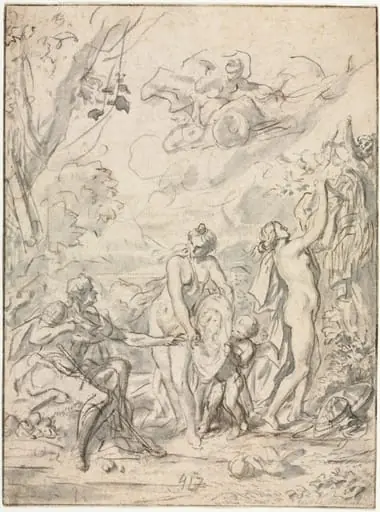
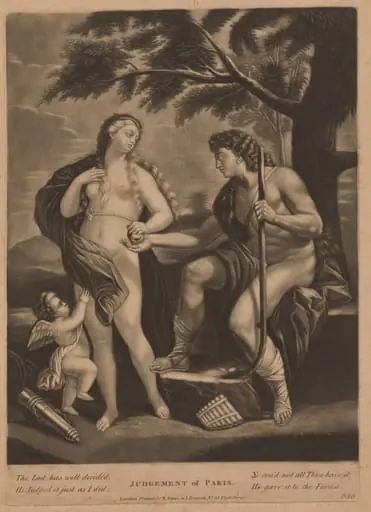
The scene illustrates the moment when Paris, a Trojan prince, is tasked with awarding a golden apple to the most beautiful goddess among Hera, Athena, and Aphrodite. In this depiction, Paris stands nude at the center, holding the apple, while the three goddesses are represented in varying states of dress and posture. Their gazes fix on him, emphasizing the weight of his choice—a decision that, in myth, would trigger the Trojan War. The presence of cherubs and a dog suggests divine oversight and earthly presence, reinforcing the myth’s layered significance.
Technique & Style
Van der Werff employed fine brushwork and subtle gradations of tone to render the human form with smooth, almost porcelain-like skin. The forest backdrop is rendered with loose, atmospheric strokes, contrasting with the precise modeling of the figures. His use of light softens contours and enhances the tactile quality of fabrics and flesh. The composition is balanced yet intimate, with figures arranged in a quiet triangle that directs attention to the central figure and the apple, the narrative’s pivotal object.
History & Provenance
Commissioned during van der Werff’s peak years, the painting likely originated in the Netherlands before entering a German collection. It was acquired by the Saxon royal family in the early 18th century and integrated into the Gemäldegalerie Alte Meister’s holdings, where it remains. Van der Werff’s reputation as a painter of mythological and devotional subjects, along with his documented commissions for Italian patrons, supports the likelihood of international interest in this work during its early circulation.
Context
In early 18th-century Europe, mythological themes remained popular among aristocratic patrons seeking refined, allegorical subjects. Van der Werff’s approach blended Dutch realism with classical idealism, appealing to collectors who valued both technical precision and intellectual allusion. His work stood apart from the theatricality of Italian Baroque, offering instead a quiet, psychologically nuanced interpretation of myth—a style that resonated in Central European courts.
Legacy
Though van der Werff’s fame waned after his death, *Judgement of Paris* endures as a representative example of Dutch mythological painting in the transition from Baroque to Rococo. Its restrained eroticism and careful composition reflect a broader trend in Northern European art toward intimate, contemplative treatments of classical narratives. The painting continues to be studied for its synthesis of technical mastery and narrative subtlety, offering insight into how myth was reinterpreted in private, collector-driven contexts.
Artist & collection
Artist
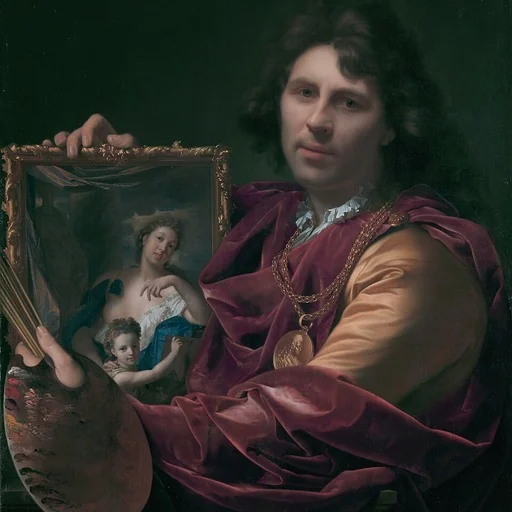
Adriaen van der Werff (21 January 1659 – 12 November 1722) was a Dutch painter of portraits and erotic, devotional and mythological scenes.

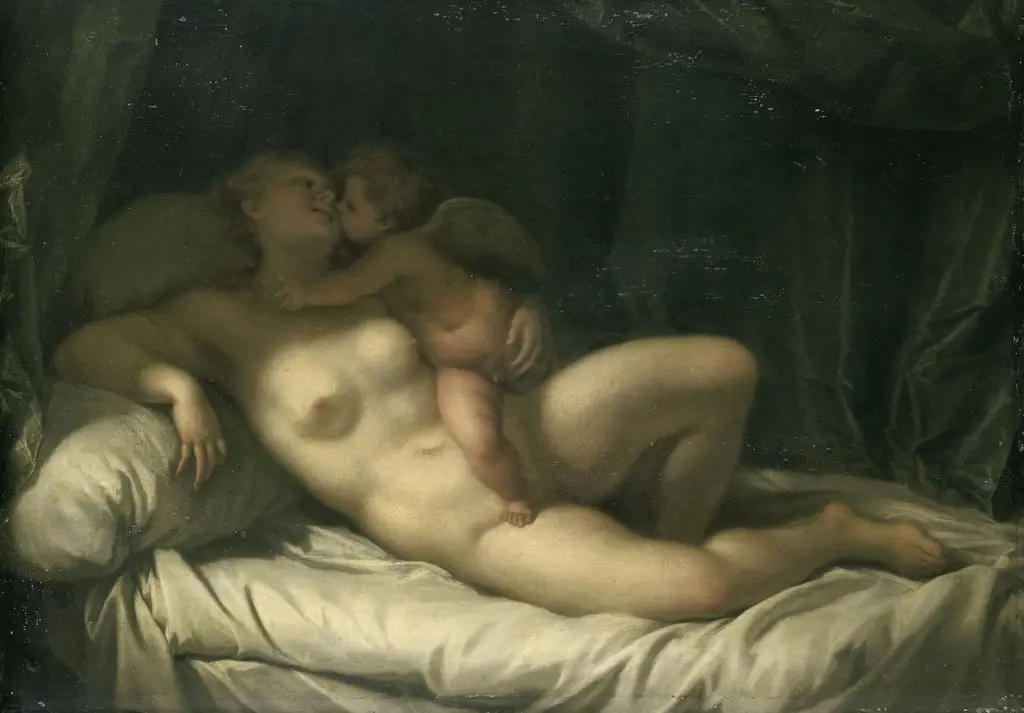 Cupid Kissing Venus (Venus Kissed by Amor)
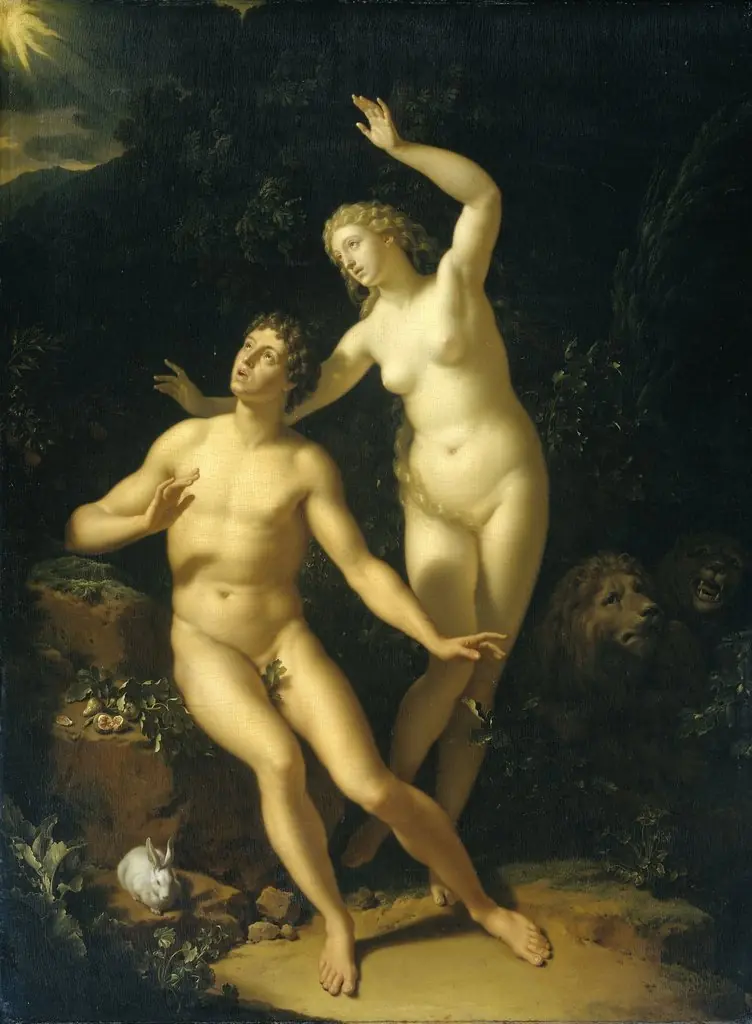 God Holds Adam and Eve Responsible
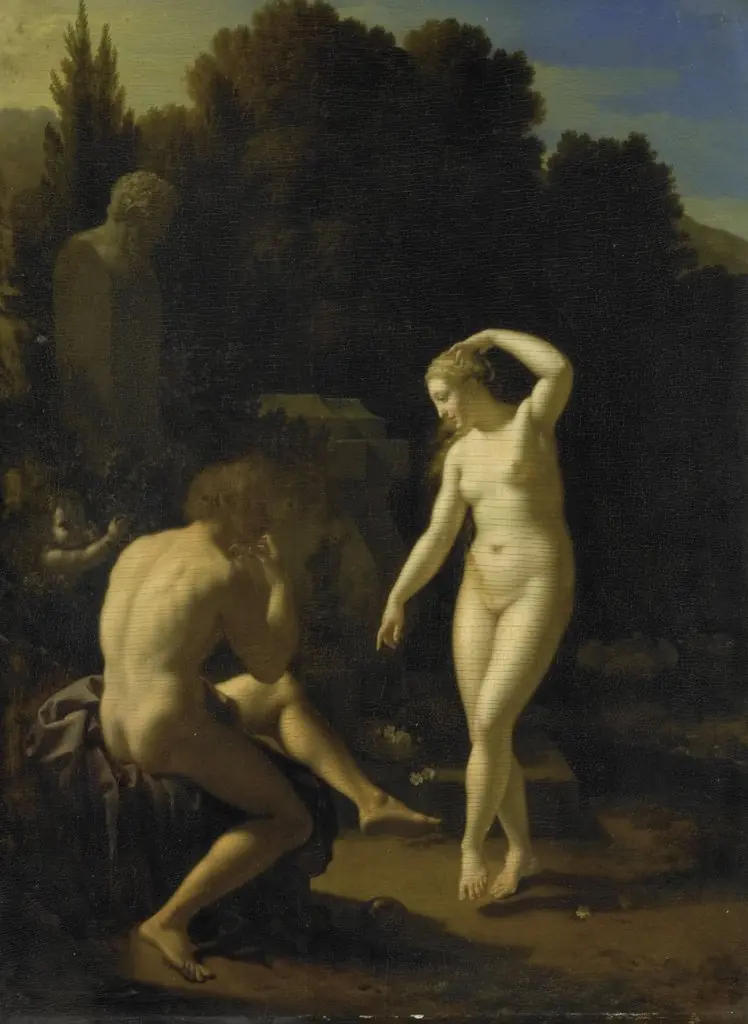 A Nymph Dancing to a Shepherd's Flute-Playing
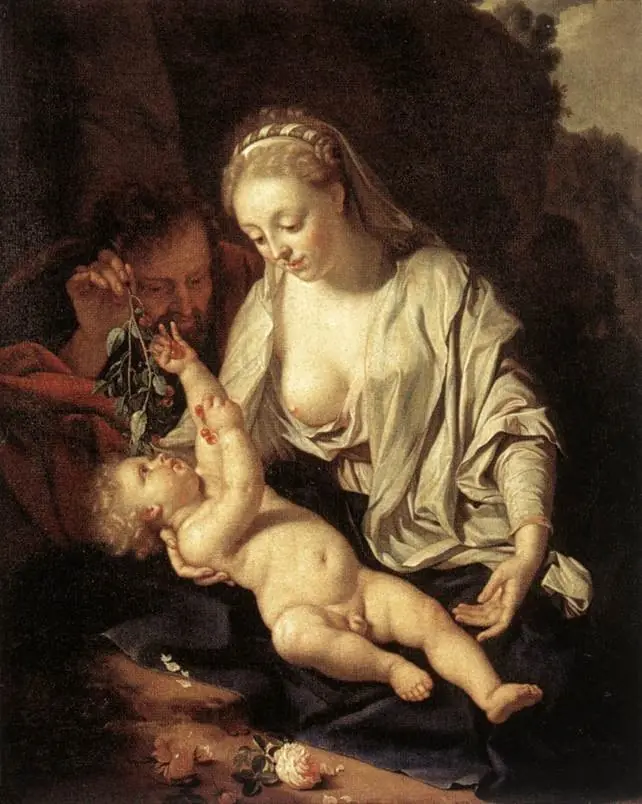 The Holy Family
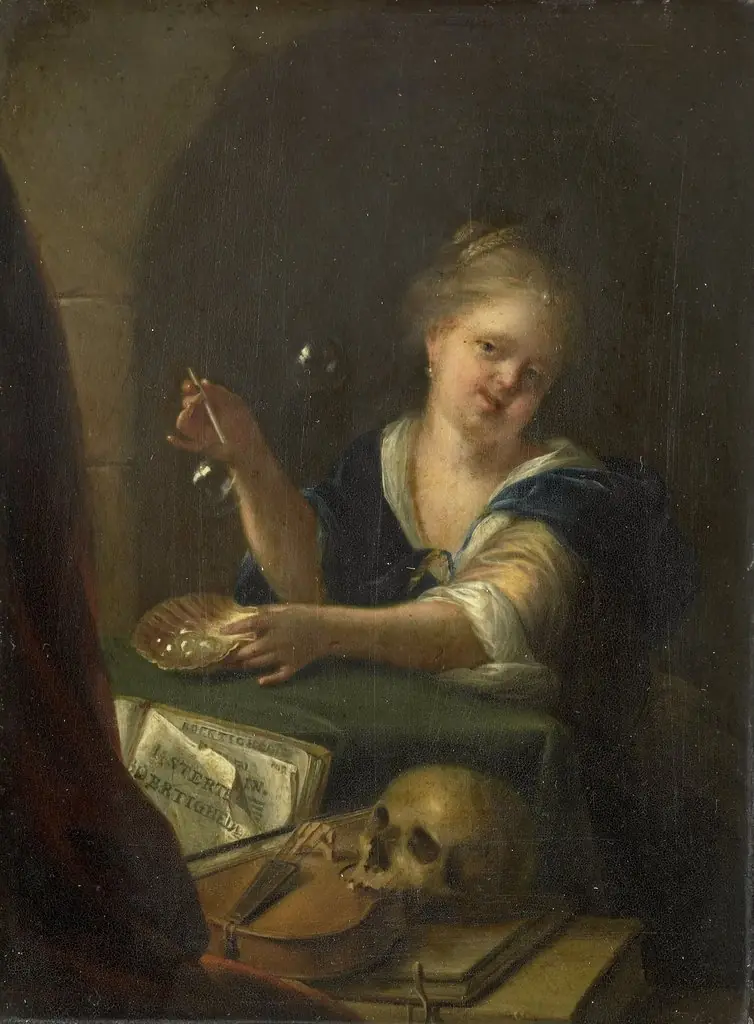 Bubble-blowing Girl with a Vanitas Still Life
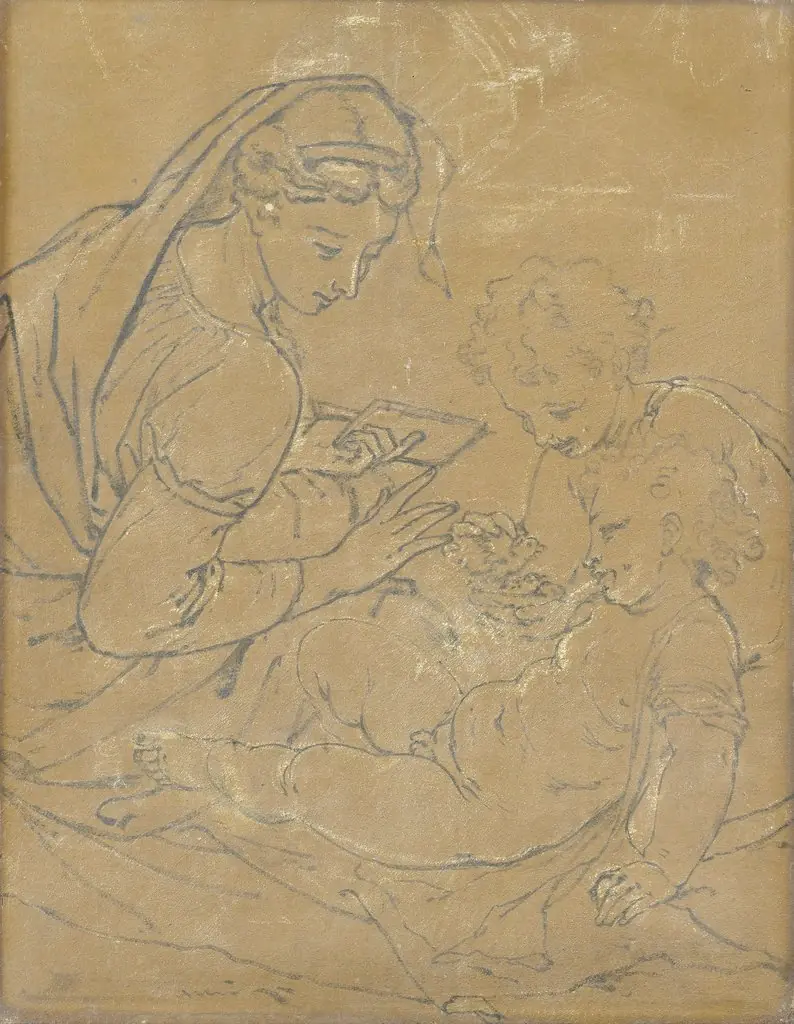 Virgin and Child with Saint John (chalk sketch)
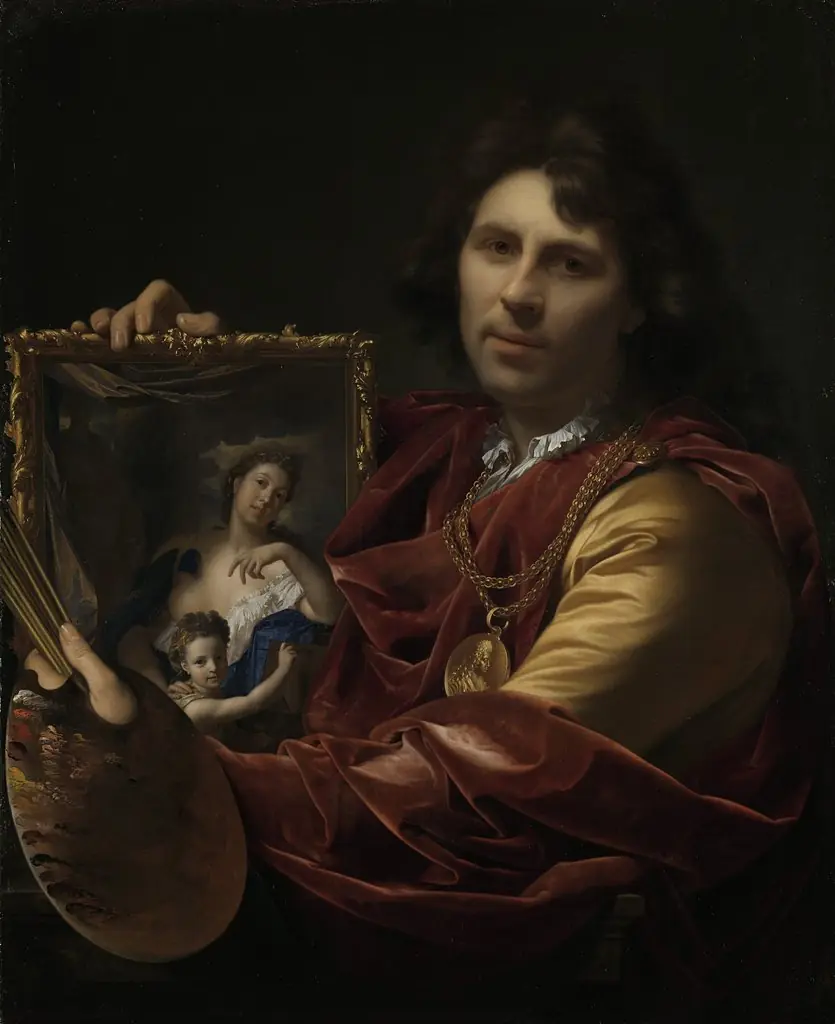 Self-portrait with the Portrait of his Wife, Margaretha van Rees, and their Daughter Maria
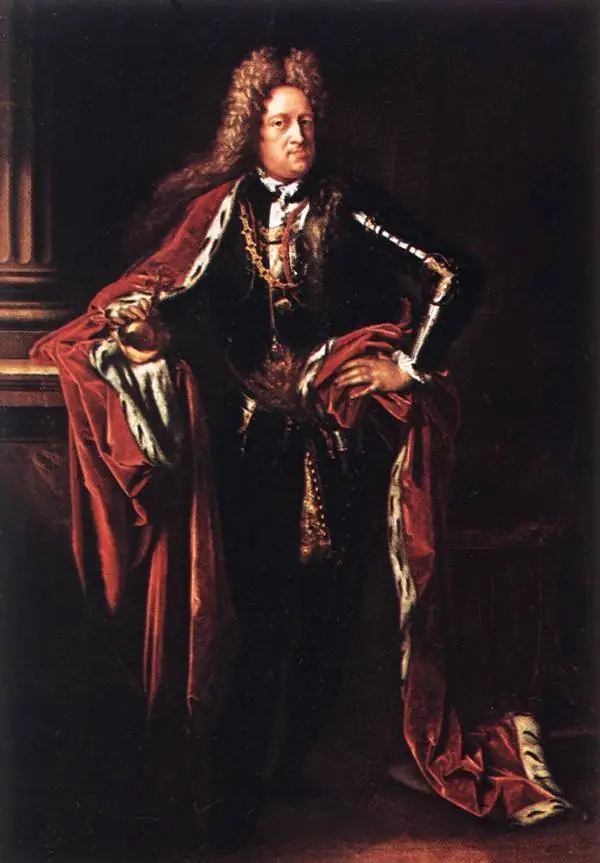 Portrait of Johann Wilhelm Elector of Palatine (1658-1716)