Artwork
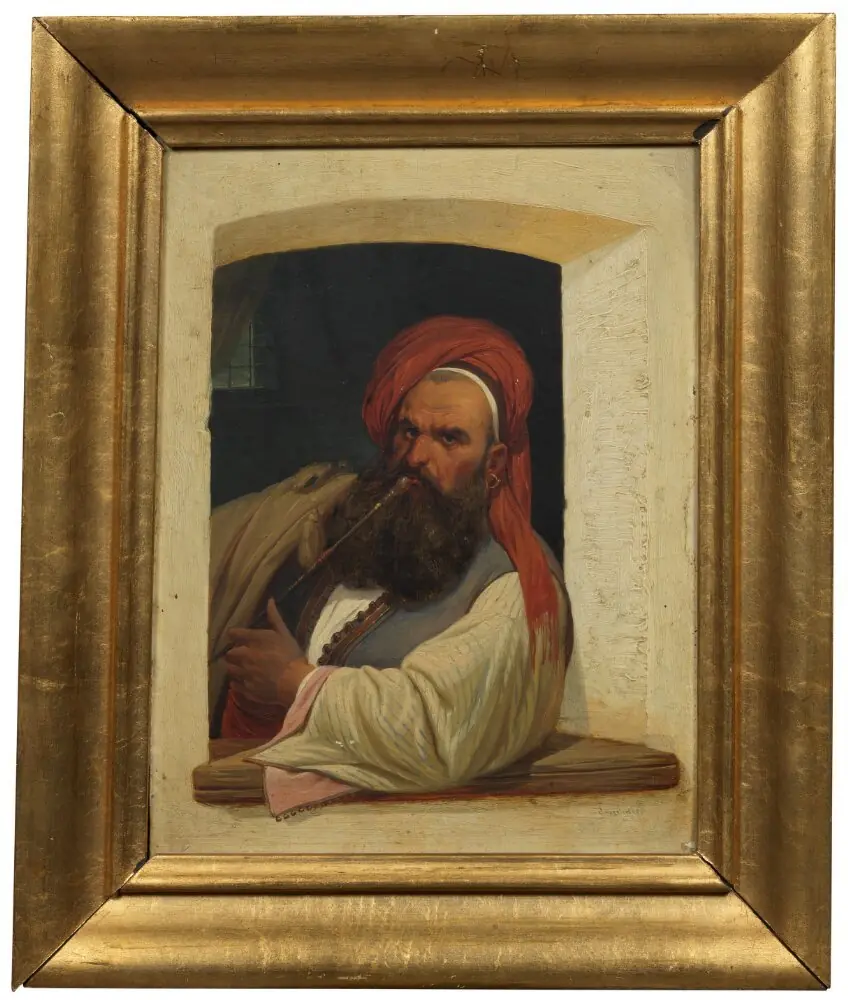
Study of a man smoking a pipe
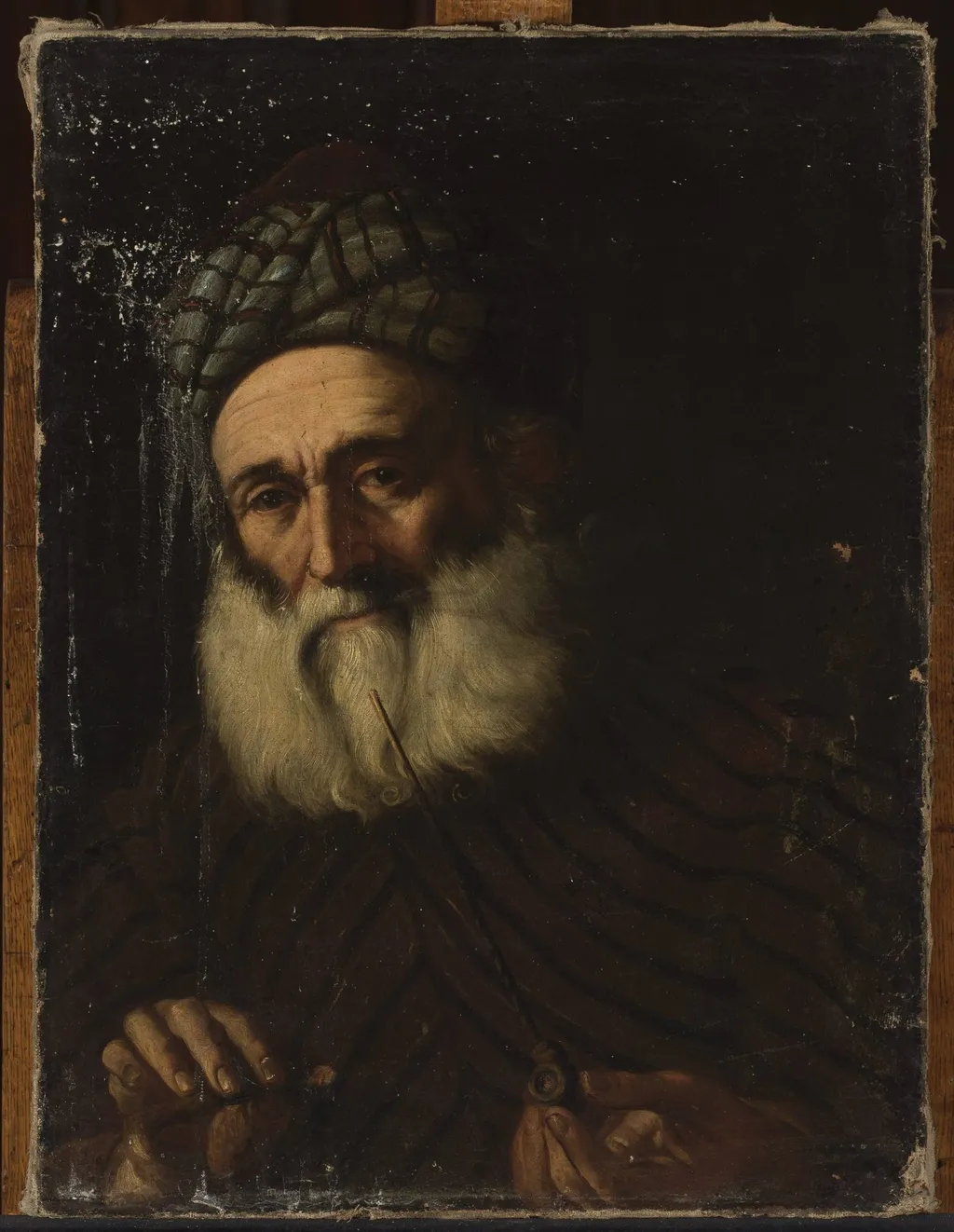
Study of a man smoking a pipe is an oil painting by Feliks Pęczarski. It dates from 1843 and is held in the collection of the National Museum in Warsaw.
About this work
Overview
This oil painting, dated around 1843, is a portrait study by Polish artist Feliks Pęczarski. It depicts a middle-aged or elderly man in quiet repose, rendered with restrained brushwork and a limited palette. The work is part of the collection at the National Museum in Warsaw, where it is preserved as an example of 19th-century Polish figurative painting.
Subject & Meaning
The figure is a man with a long white beard, dressed in a dark turban and jacket, holding a pipe. His downward gaze and still posture suggest introspection rather than narrative action. The absence of context or identifiable setting shifts focus to the individual’s presence, inviting contemplation of inner life rather than social identity or story.
Technique & Style
Pęczarski employs a dark, neutral background to isolate the figure, enhancing the contrast with the man’s face and hands. Brushstrokes are deliberate but unobtrusive, emphasizing texture in skin and fabric without overt detail. The lighting is soft and directional, modeling form subtly to convey volume and stillness, characteristic of academic portraiture of the period.
History & Provenance
The painting was created circa 1843 and entered the collection of the National Museum in Warsaw at an early date. While specific acquisition records are not widely documented, its preservation within the museum’s holdings suggests it was recognized as a representative work by Pęczarski during the 19th century, possibly acquired through institutional or donor channels.
Context
Pęczarski worked during a time when Polish artists often turned to intimate portraiture amid political suppression, using personal subjects to preserve cultural identity. This study reflects a broader trend in Eastern European art of the era: quiet, psychologically grounded depictions of ordinary individuals, distinct from grand historical or mythological themes.
Legacy
Though not widely exhibited outside Poland, the painting remains a noted example of Pęczarski’s skill in capturing quiet dignity. It contributes to the understanding of 19th-century Polish academic painting, particularly in its focus on individual character over spectacle. The work continues to be referenced in studies of regional portraiture and domestic realism.
Artist & collection

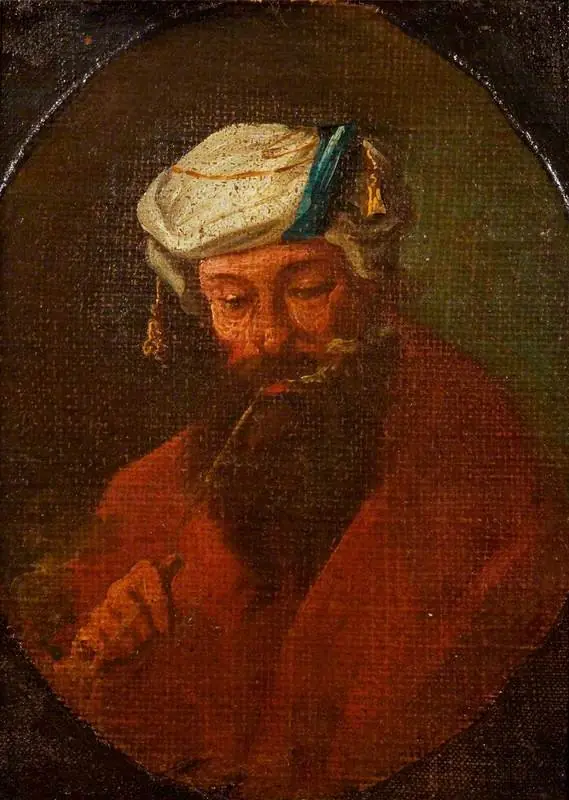 An Arab Smoking a Pipe
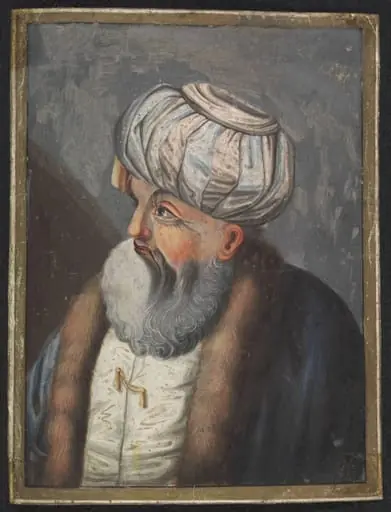 Portrait, head and shoulders, facing left, possibly of an Ottoman Pasha
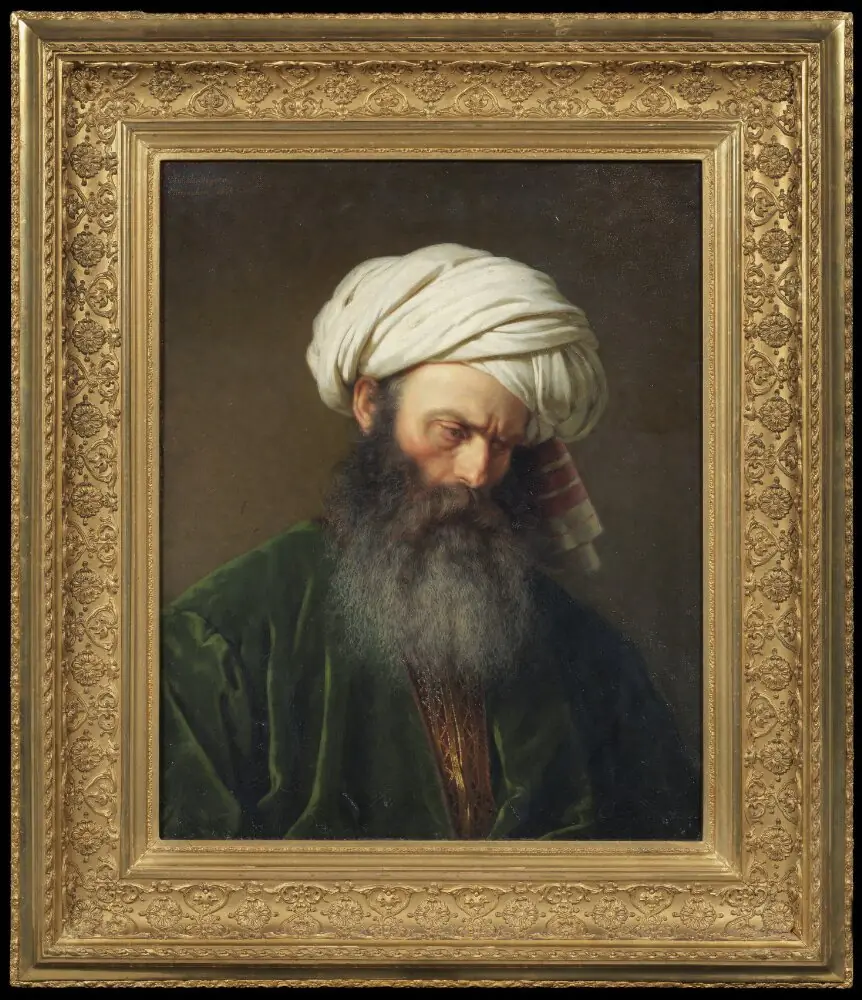 Study of a Man in Turkish Dress
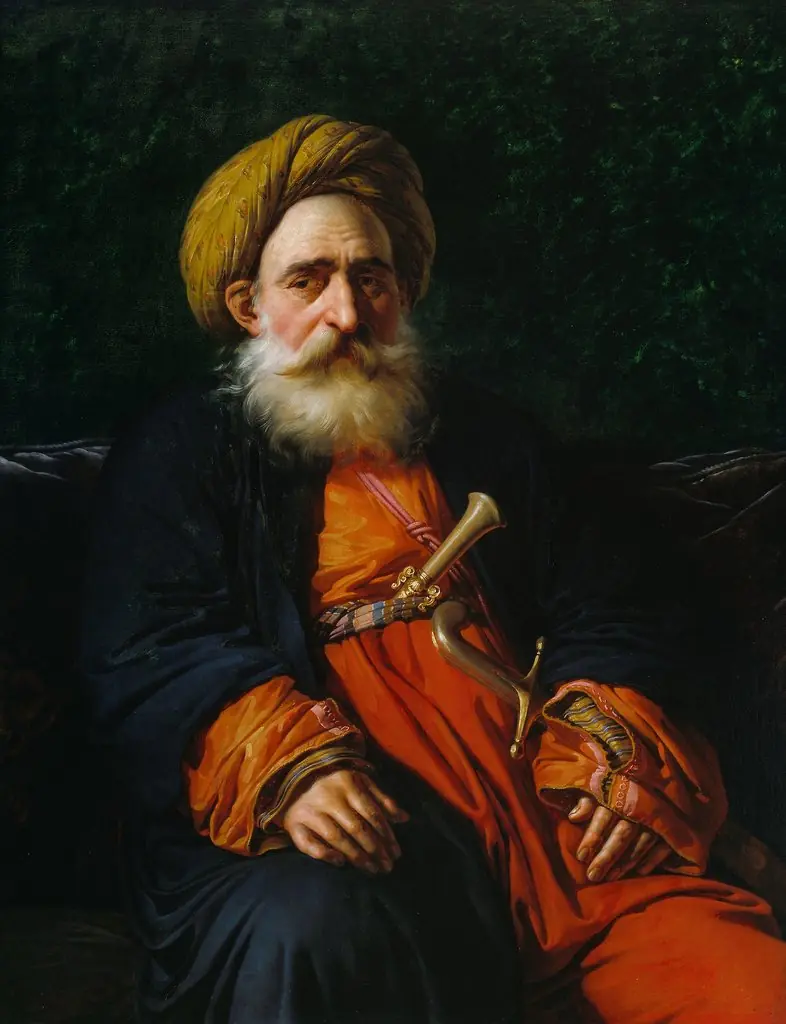 Portrait of the Katchef Dahouth, Christian Mameluke
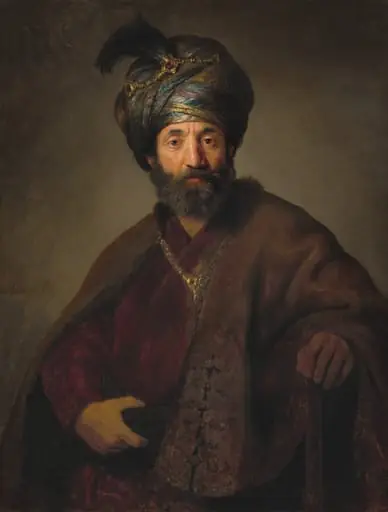 Man in Oriental Costume
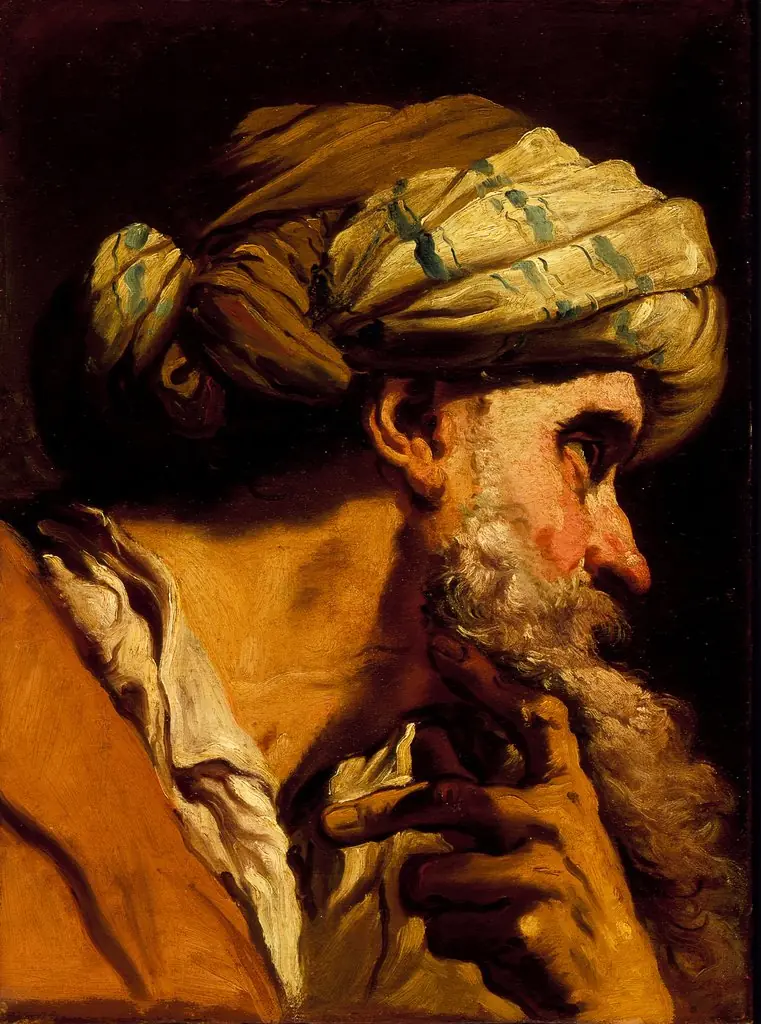 Study of an Oriental Head for 'The Marriage at Cana'
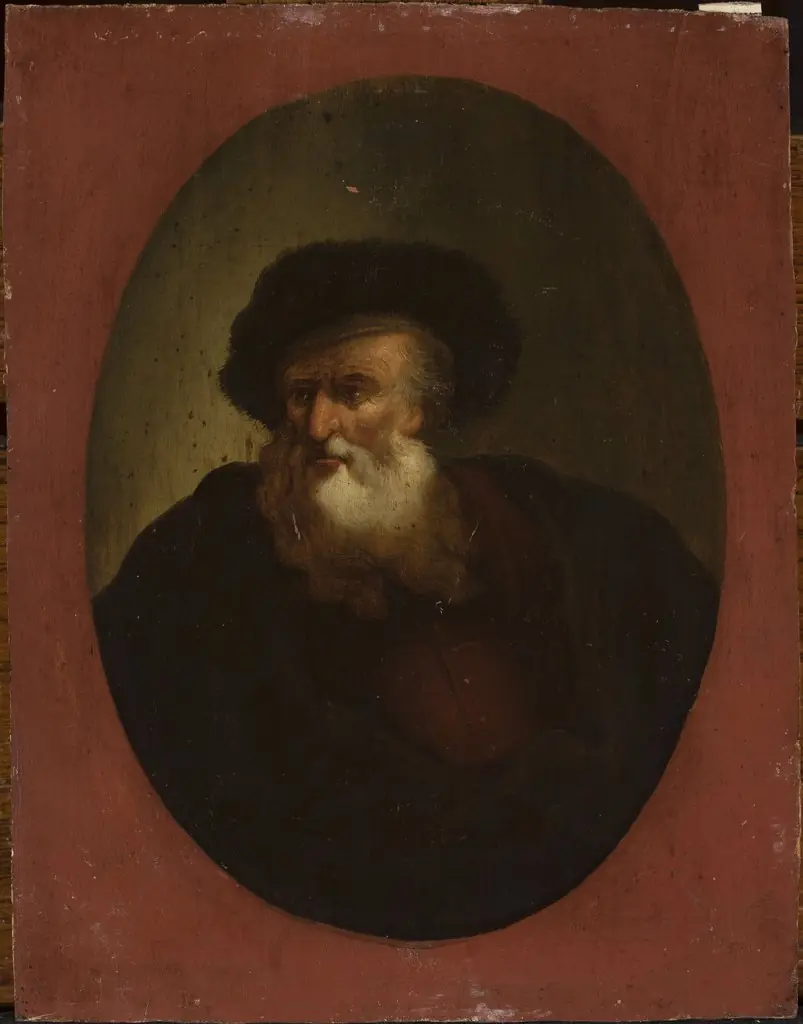 Old man turned to the left
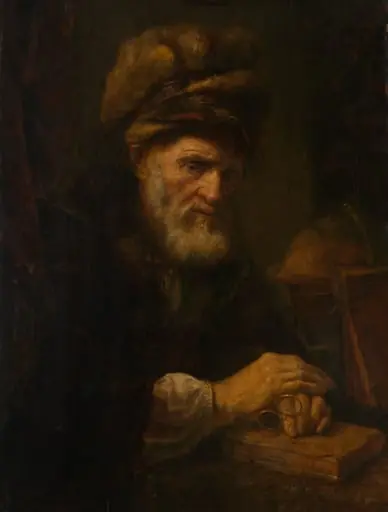 An Old Man in a Fur Cap
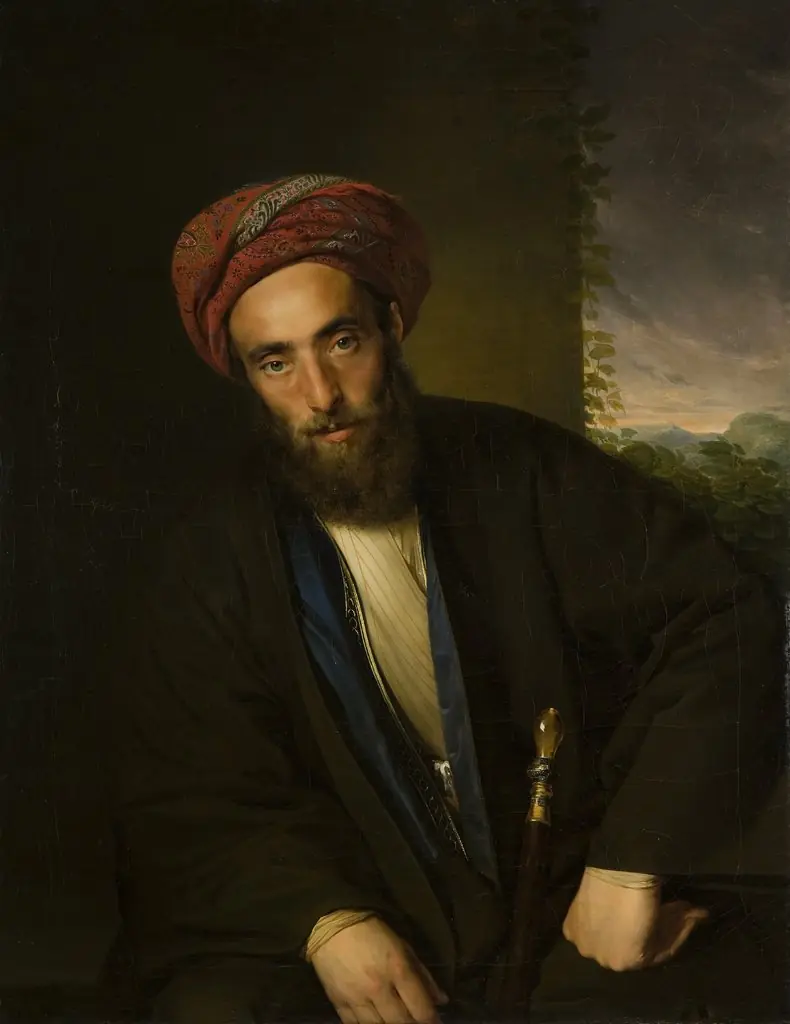 Seated Armenian
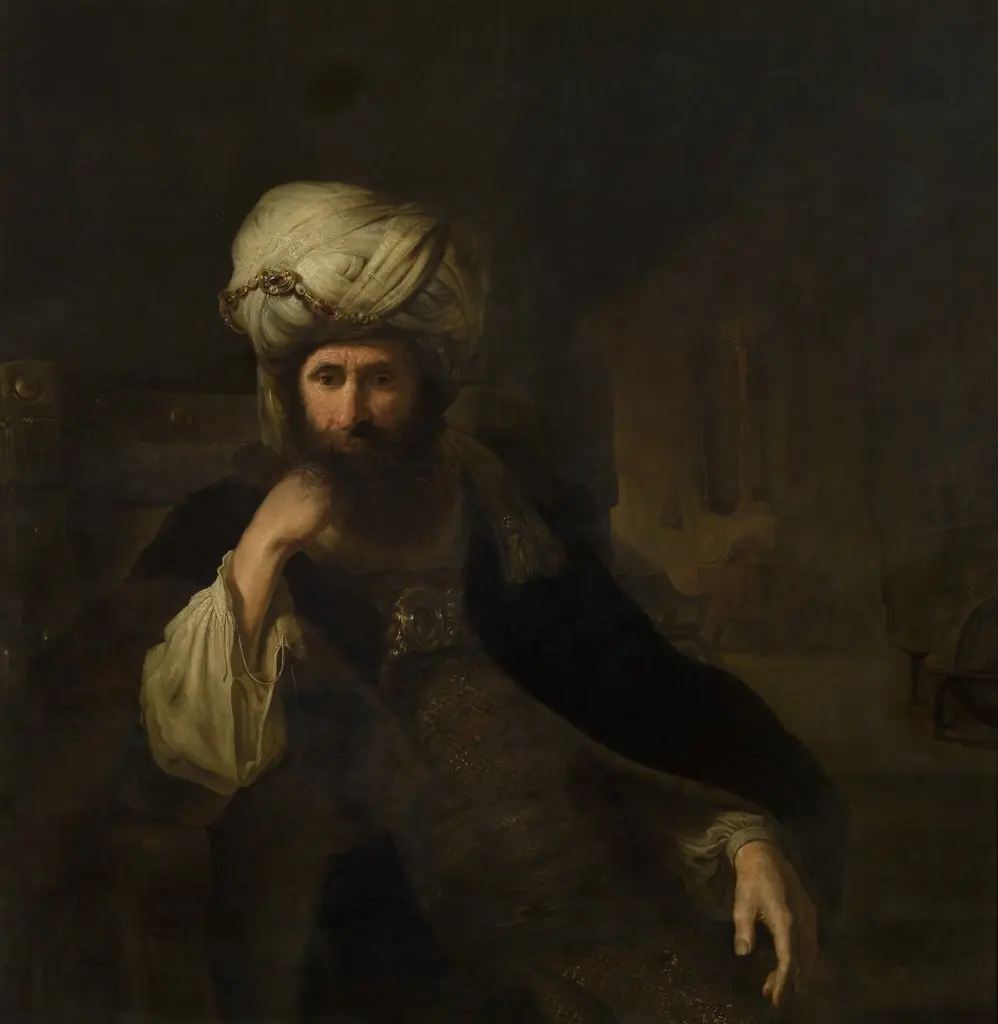 Portrait of a Man in Eastern Attire
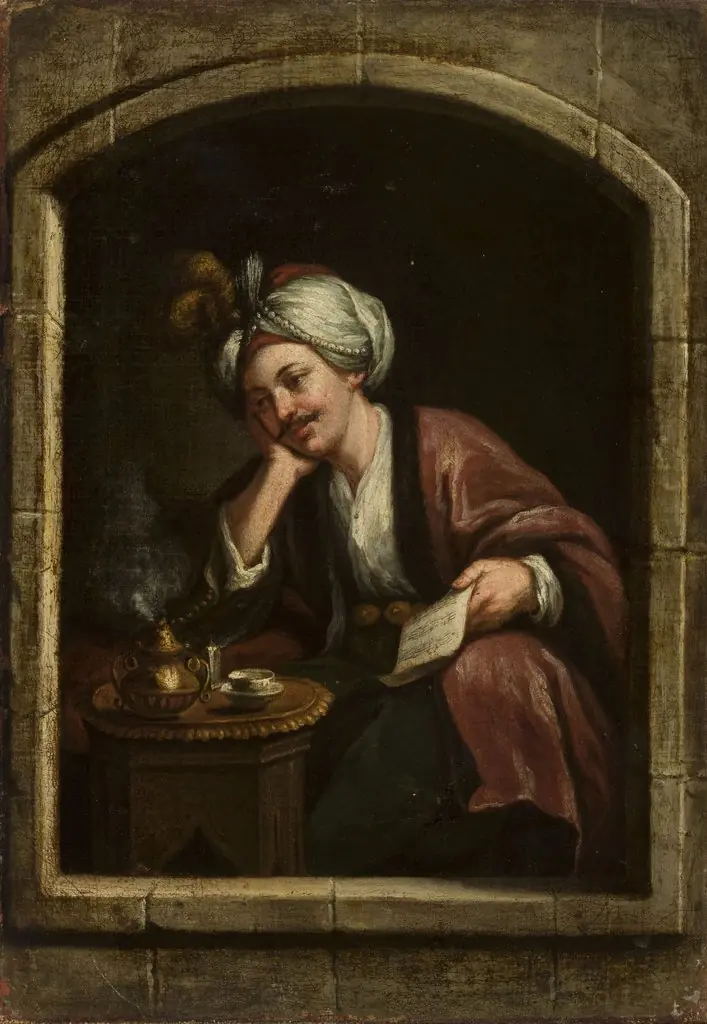 Turk drinking coffee
 Pipe-Smoking Algerian Man