Artwork
Saint Augustin
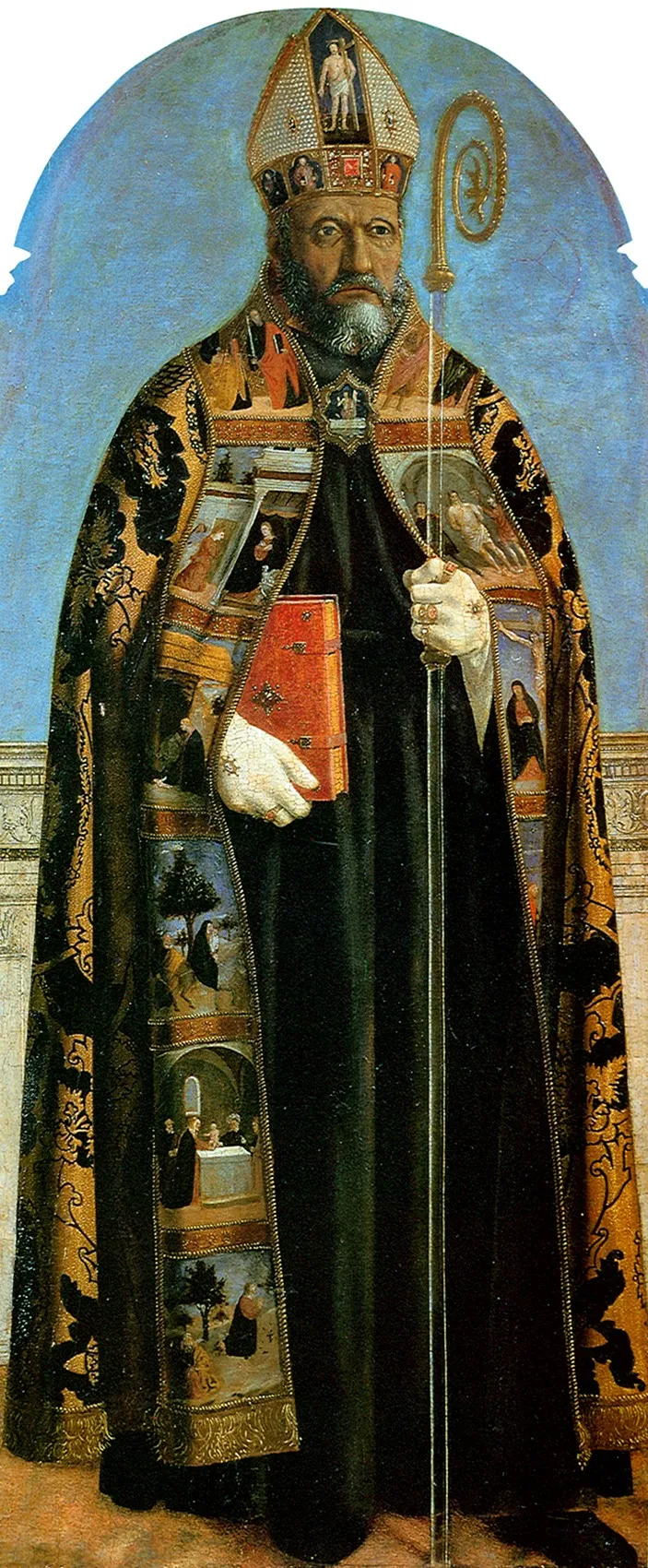
Saint Augustin is a tempera painting by the Early Renaissance artist Piero della Francesca. It dates from 1454 and is held in the collection of the National Museum of Ancient Art. Created in 1454, this tempera panel portrays Augustine of Hippo, a prominent figure in early Christian theology.
About this work
Overview
Created in 1454, this tempera panel portrays Augustine of Hippo, a prominent figure in early Christian theology. Executed by the Italian painter Piero della Francesca, the work belongs to the Early Renaissance period and is currently displayed in the National Museum of Ancient Art.
Subject & Meaning
The central figure is identifiable as Saint Augustine by his scholarly demeanor: he holds a book, symbolizing his theological writings, and a staff, a common attribute of ecclesiastical authority. The pointed hat decorated with miniature motifs further emphasizes his clerical status.
Technique & Style
Rendered in tempera, the painting showcases della Francesca’s precise handling of color and form. The delicate modeling of the robes and the intricate patterns on the dark garment reflect the artist’s interest in geometry and spatial clarity, hallmarks of Early Renaissance aesthetics.
History & Provenance
Since its creation, the panel has remained within the collection of the National Museum of Ancient Art, where it is presented as part of the museum’s holdings of Renaissance religious works, offering insight into the period’s devotional art.
Artist & collection


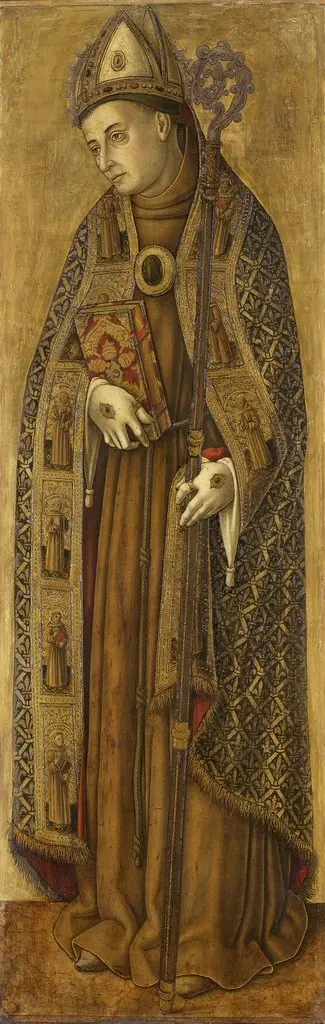 St. Louis of France, pendant to St. Bonaventure
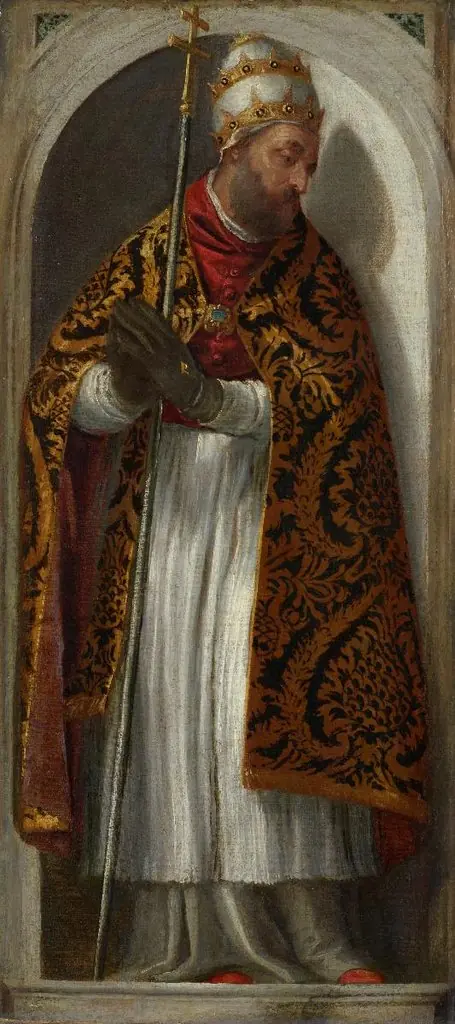 Papa Gregorio Magno
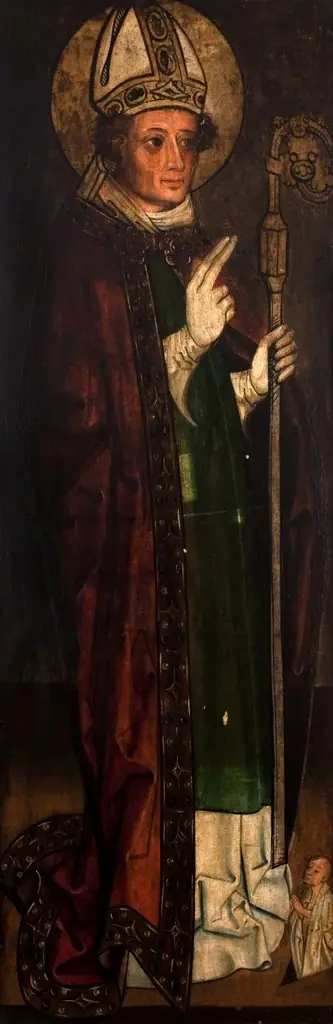 St Stanislaus (obverse); Archangel Gabriel from the Scene of the Annunciation (reverse). Wing of the altar retable from Snoza
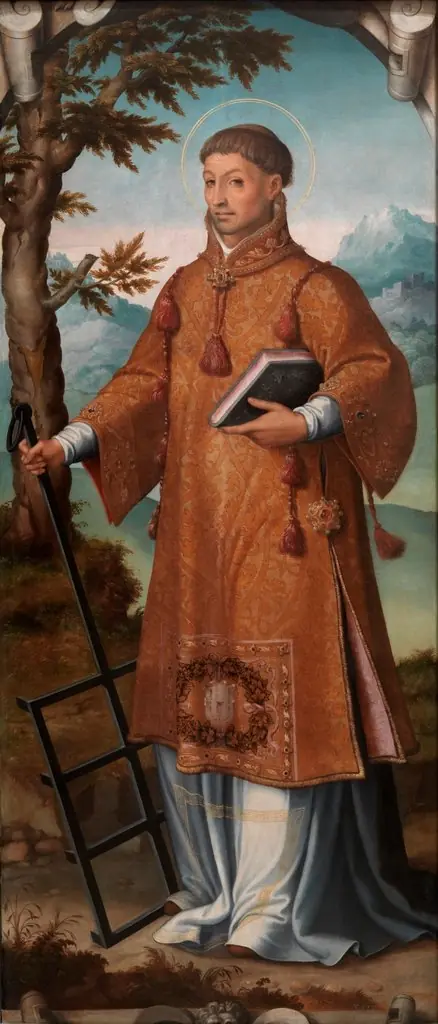 Saint Lawrence
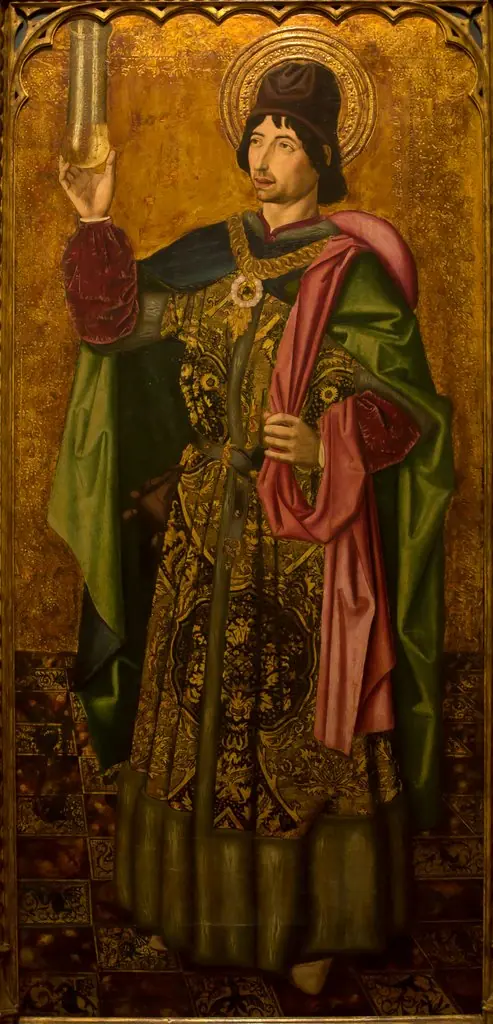 Saint Damian
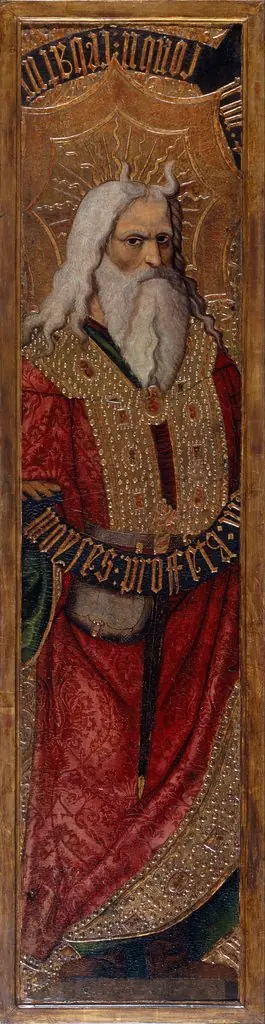 Moses
Moses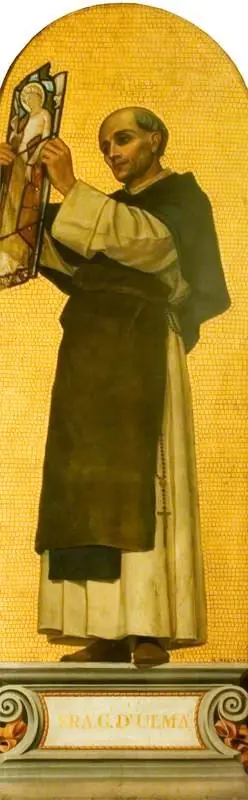 Fra Giacomo da Ulma (design for a mosaic in the Victoria and Albert Museum)
 Henry I, Duke of Brabant, 1220
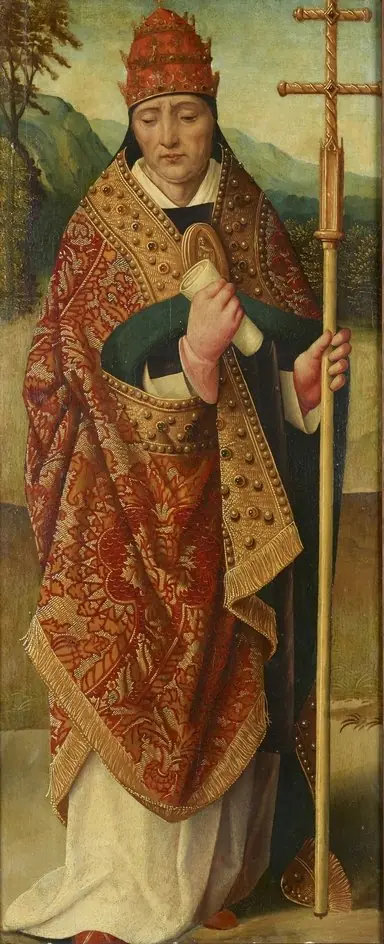 A papal Saint