Artwork
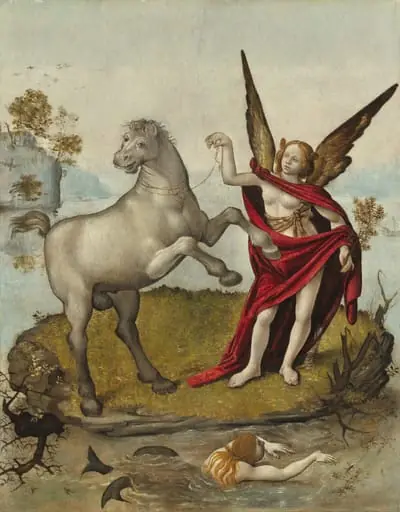
Perseus Freeing Andromeda
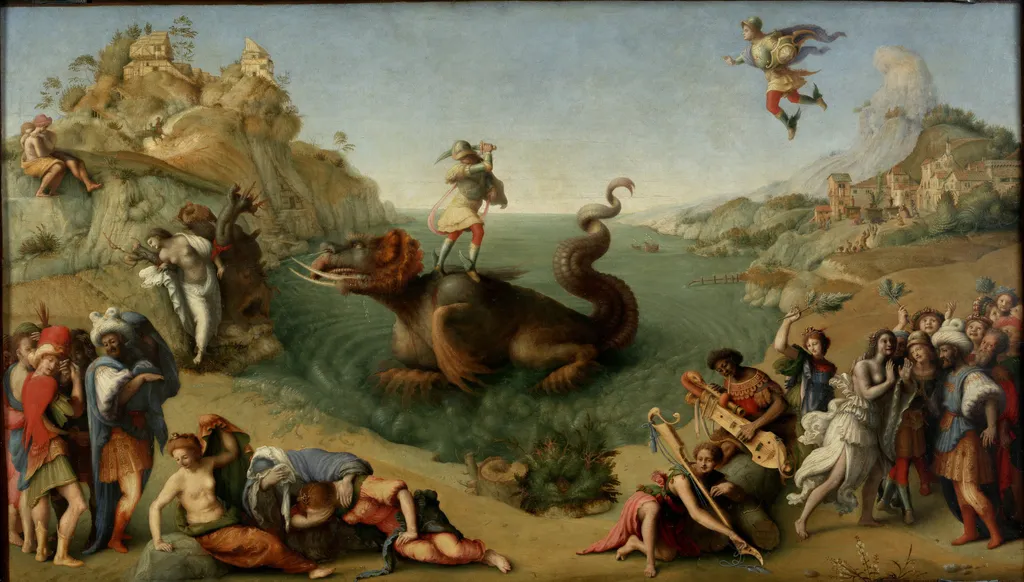
Perseus Freeing Andromeda is an oil painting by the Early Renaissance artist Piero di Cosimo. It dates from 1510 and is held in the collection of the Uffizi Gallery.
About this work
Overview
Piero di Cosimo's 'Perseus Freeing Andromeda' is a Renaissance oil painting depicting a pivotal moment from Ovid's Metamorphoses. The work showcases the artist's interpretation of the mythological tale of Perseus rescuing Andromeda from a sea monster.
Subject & Meaning
The painting explores themes of platonic love, ideal beauty, marriage, and natural beauty through its mythological narrative. Figures from the Medici family and Florentine elite are incorporated as characters, adding a layer of contemporary social context.
Technique & Style
While specific technical details are not highlighted, the work is noted for engaging in a 'paragone' - a comparative demonstration of the capabilities of painting versus sculpture, showcasing Cosimo's skill in the former.
History & Provenance
Created during the Italian Renaissance, the painting is now part of the Uffizi Gallery's collection in Florence, Italy.
Context
Commissioned in a context where patronage by noble families like the Medici was common, the inclusion of their portraits reflects the artistic practice of catering to patron interests while exploring broader thematic concerns.
Legacy
The painting has been praised for its aesthetic, cosmological, and political implications, contributing to its recognition among art historians and critics.
Own this work as a print
Artist & collection

Artist
Piero di Cosimo, also known as Piero di Lorenzo, was an Italian Renaissance painter, who continued to use an essentially Early Renaissance style into the 16th century.

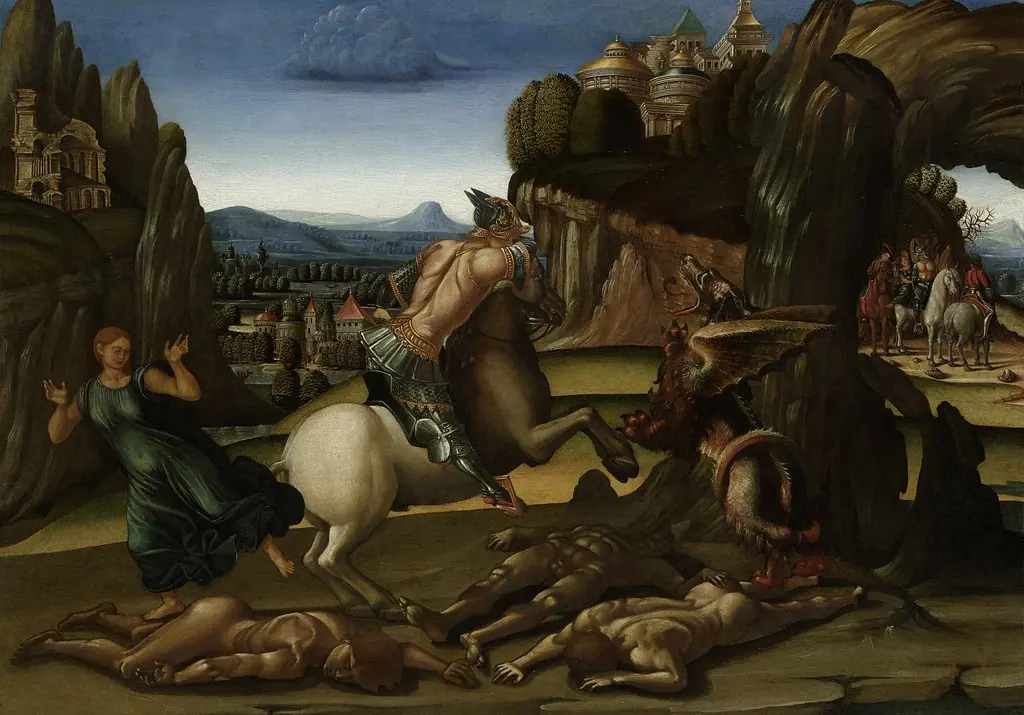 Saint George and the Dragon
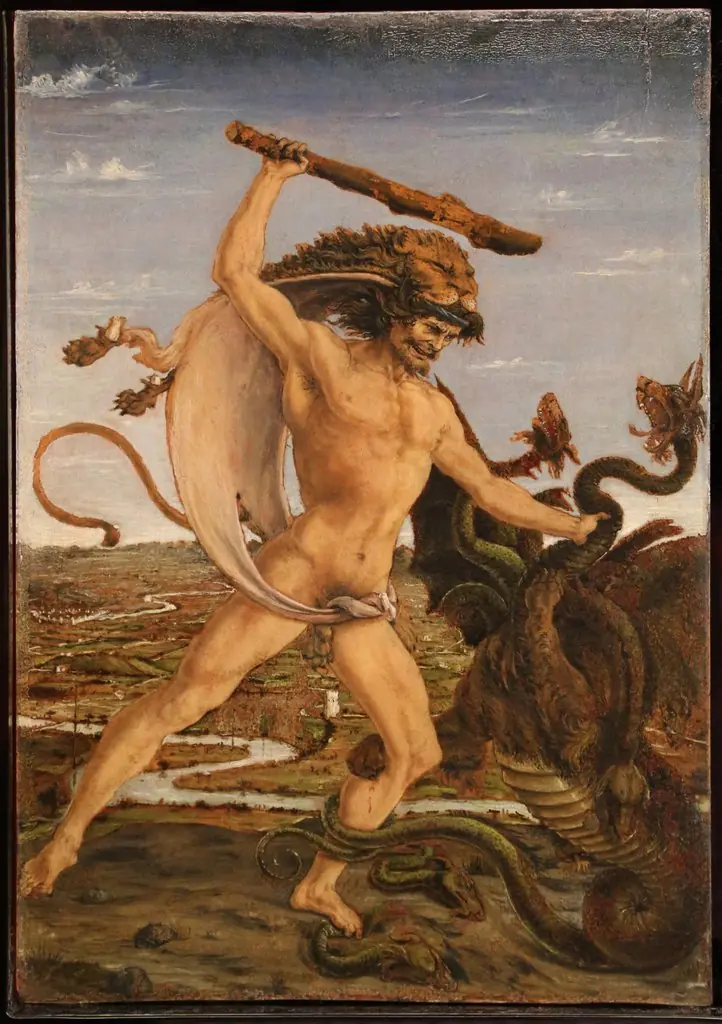 Hercules and the Hydra
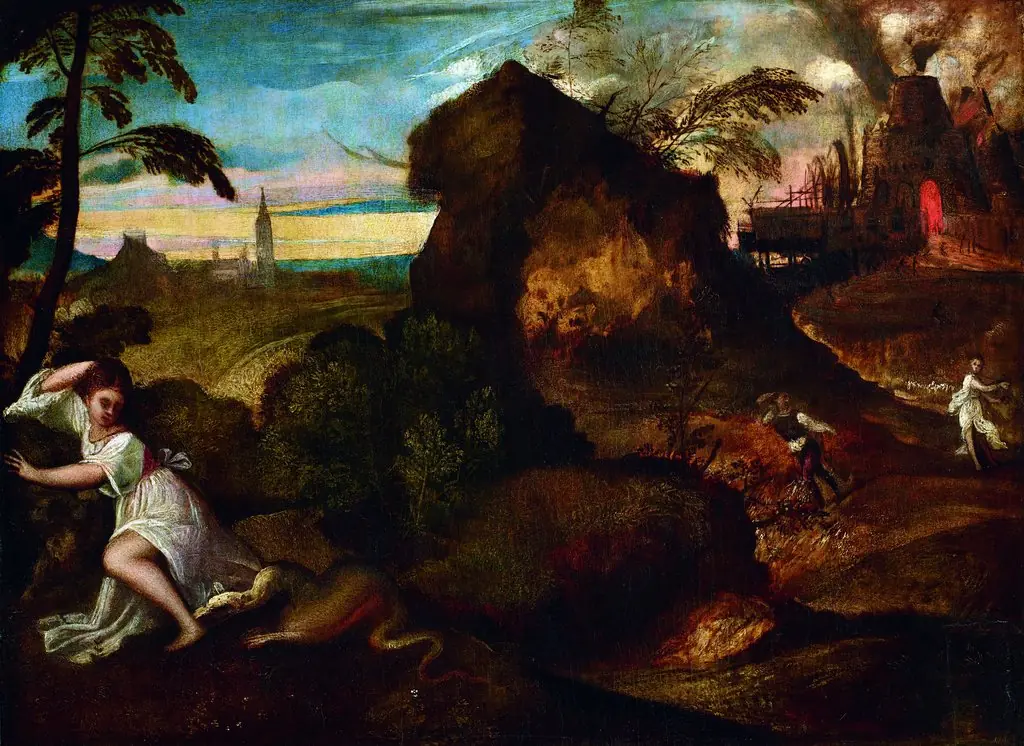 Orpheus and Eurydice
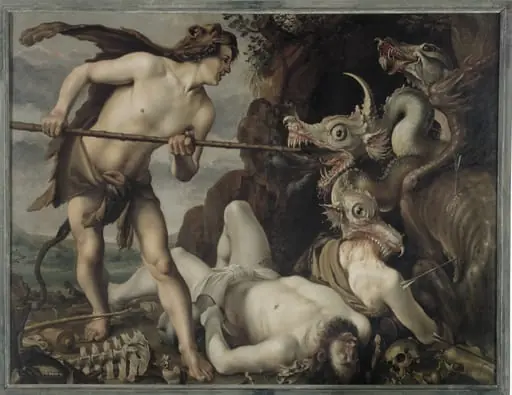 Cadmus Slaying the Dragon
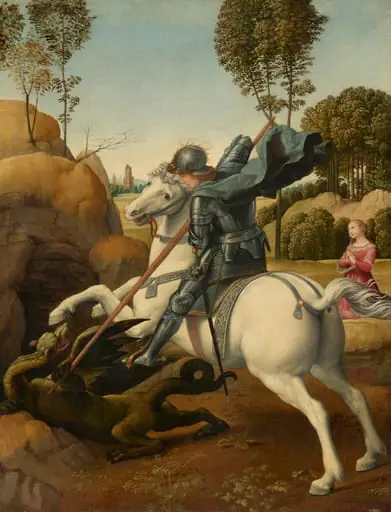 Saint George and the Dragon
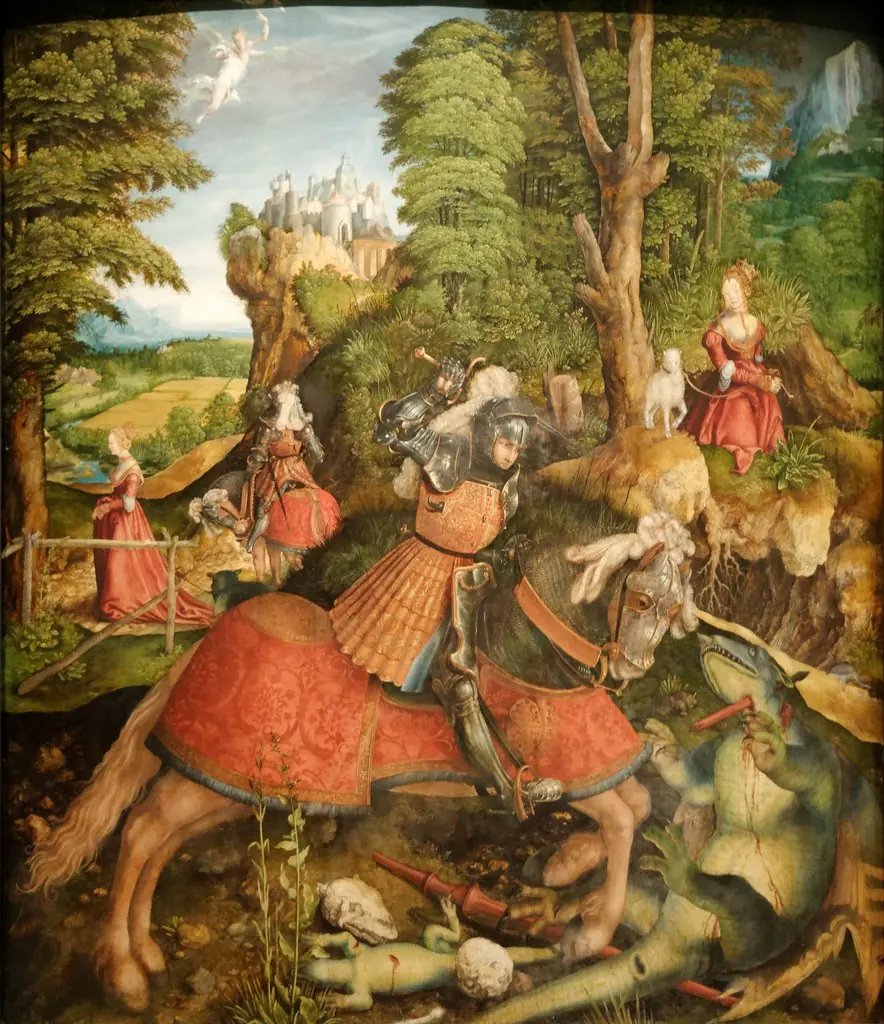 Saint George fighting the dragon
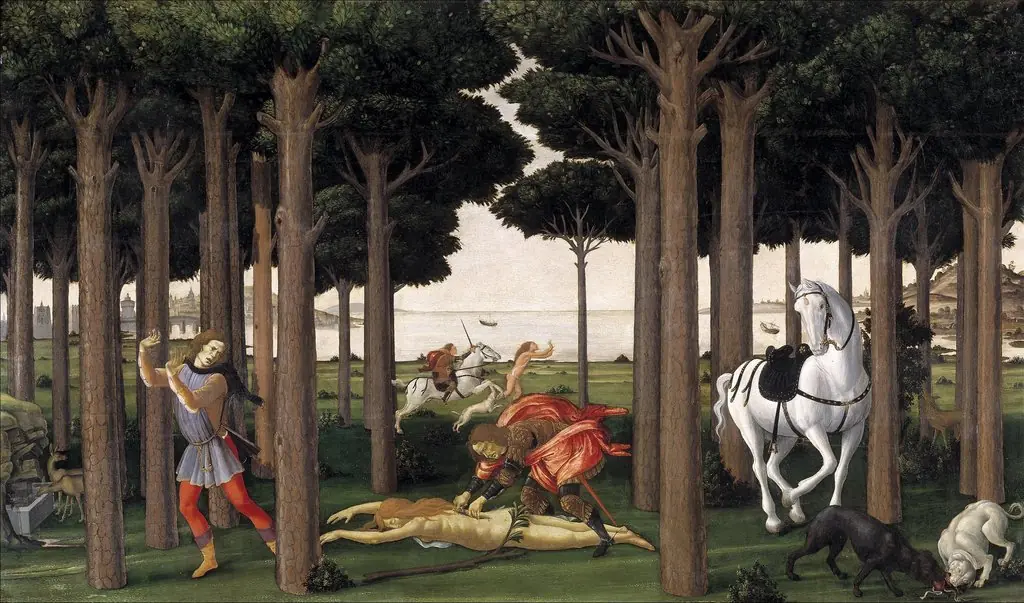 The Story of Nastagio Degli Onesti, part two
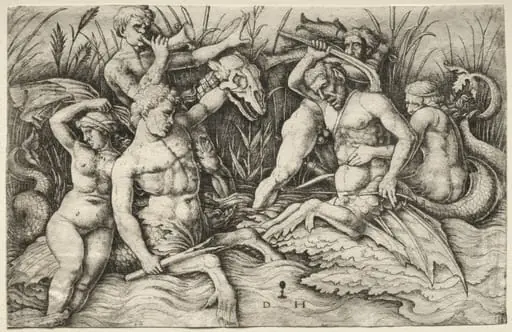 Two Tritons fighting - Battle of the Sea Gods (right portion)
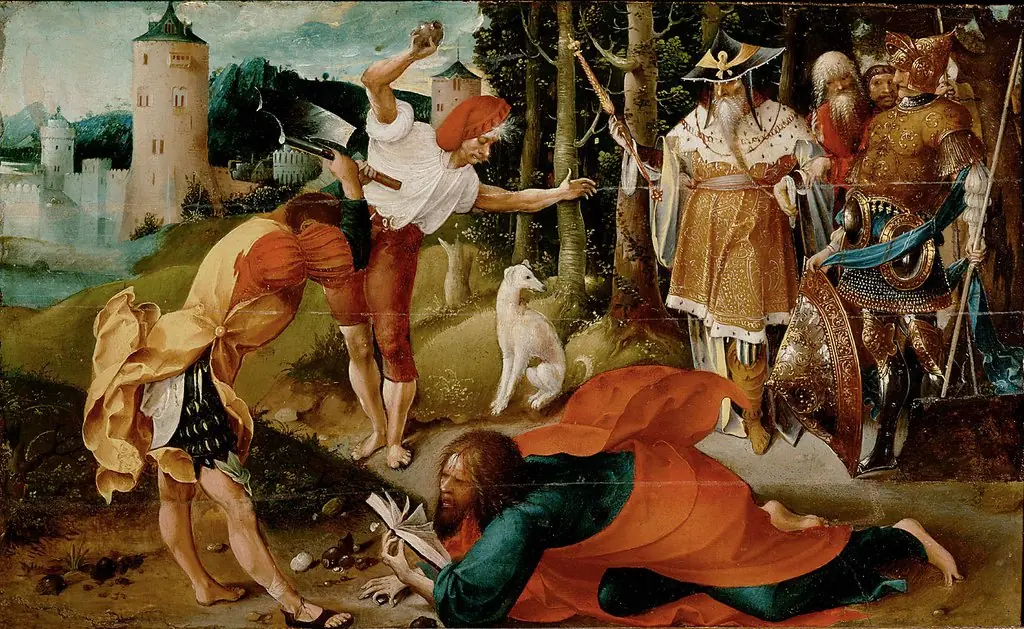 Marter des Apostels Matthias
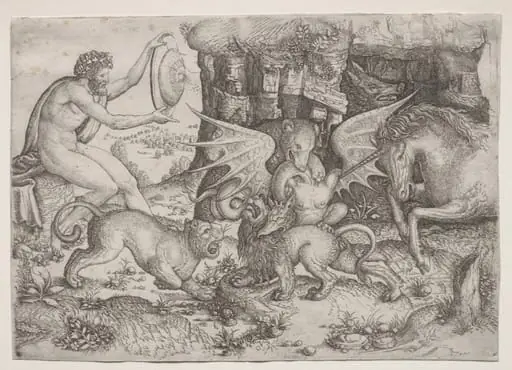 Allegorical Theme: Combat of Animals
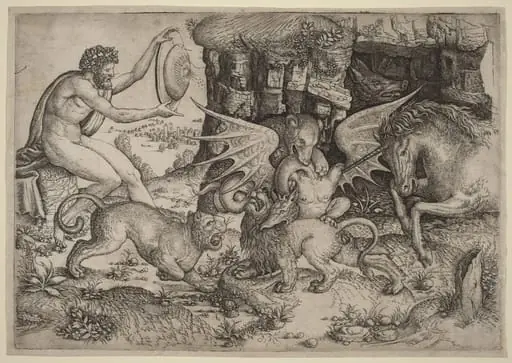 Allegorical Theme: Combat of Animals
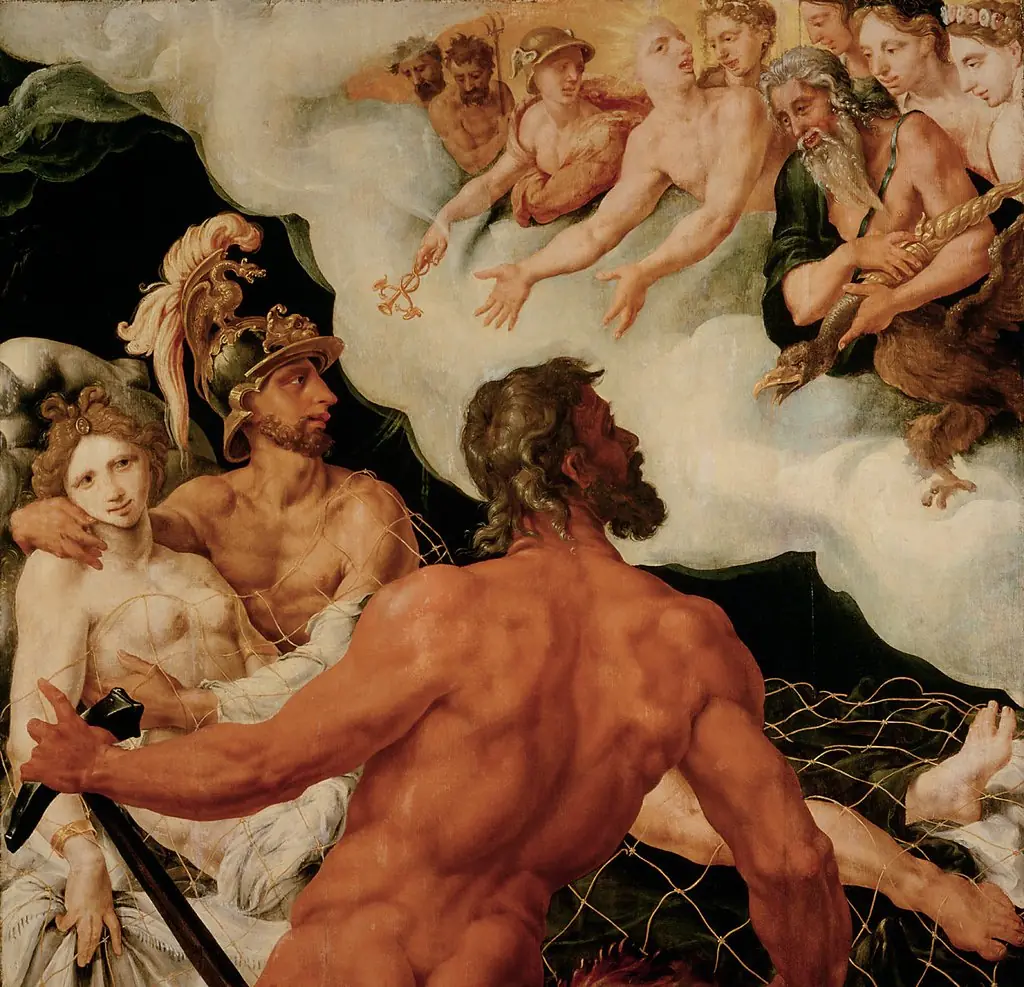 Vulcan showing the captured Mars and Venus to the gods