Artwork
Landscape at Beaulieu
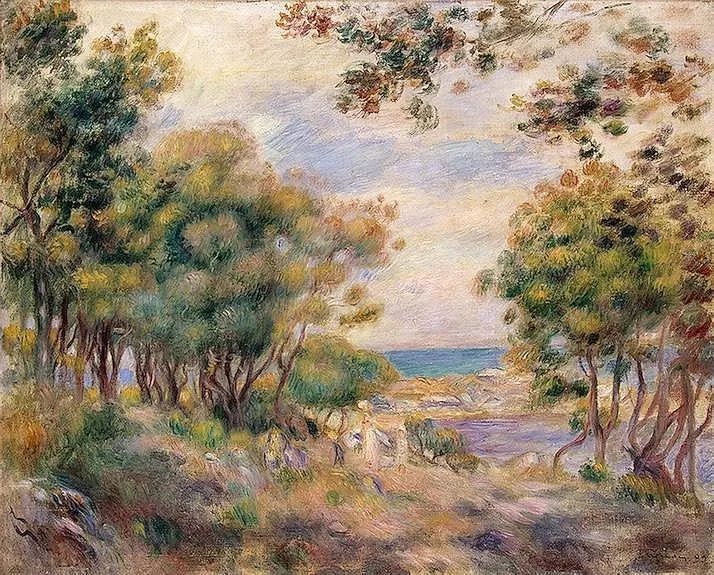
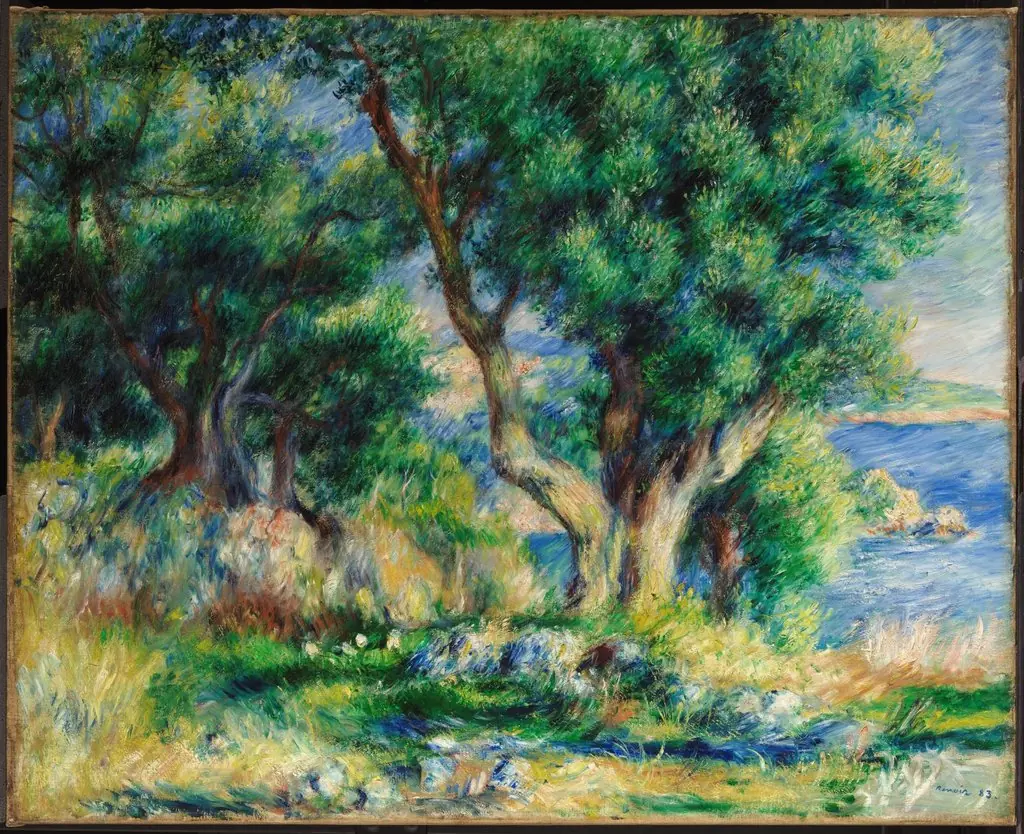
Landscape at Beaulieu is an oil painting by the Impressionist artist Auguste Renoir. It dates from 1900 and is held in the collection of the Hermitage Museum.
About this work
Overview
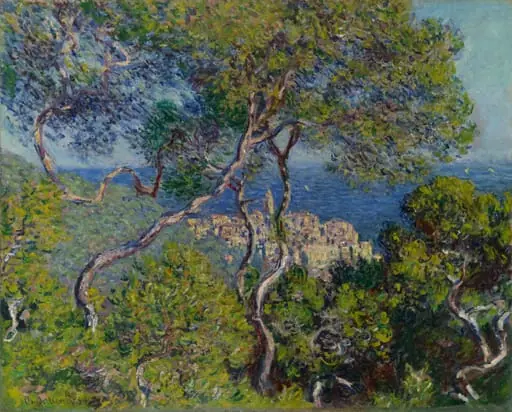
Painted in 1900, Landscape at Beaulieu is an oil on canvas work by Pierre-Auguste Renoir, depicting a wooded path leading toward a coastal vista. The painting resides in the State Hermitage Museum in Saint Petersburg. It reflects Renoir’s late-period interest in natural light and atmospheric depth, moving away from figure-focused compositions toward immersive landscapes.
Subject & Meaning
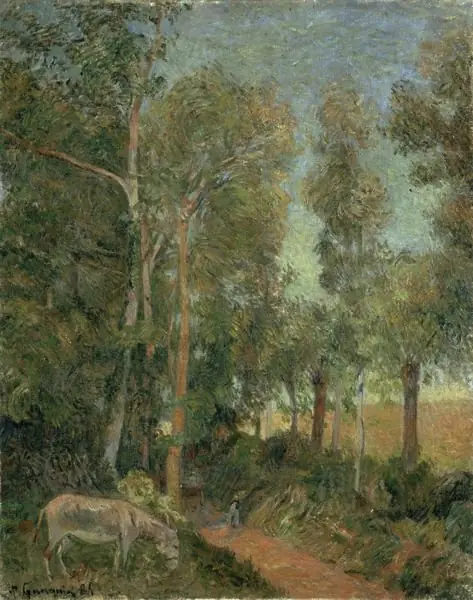
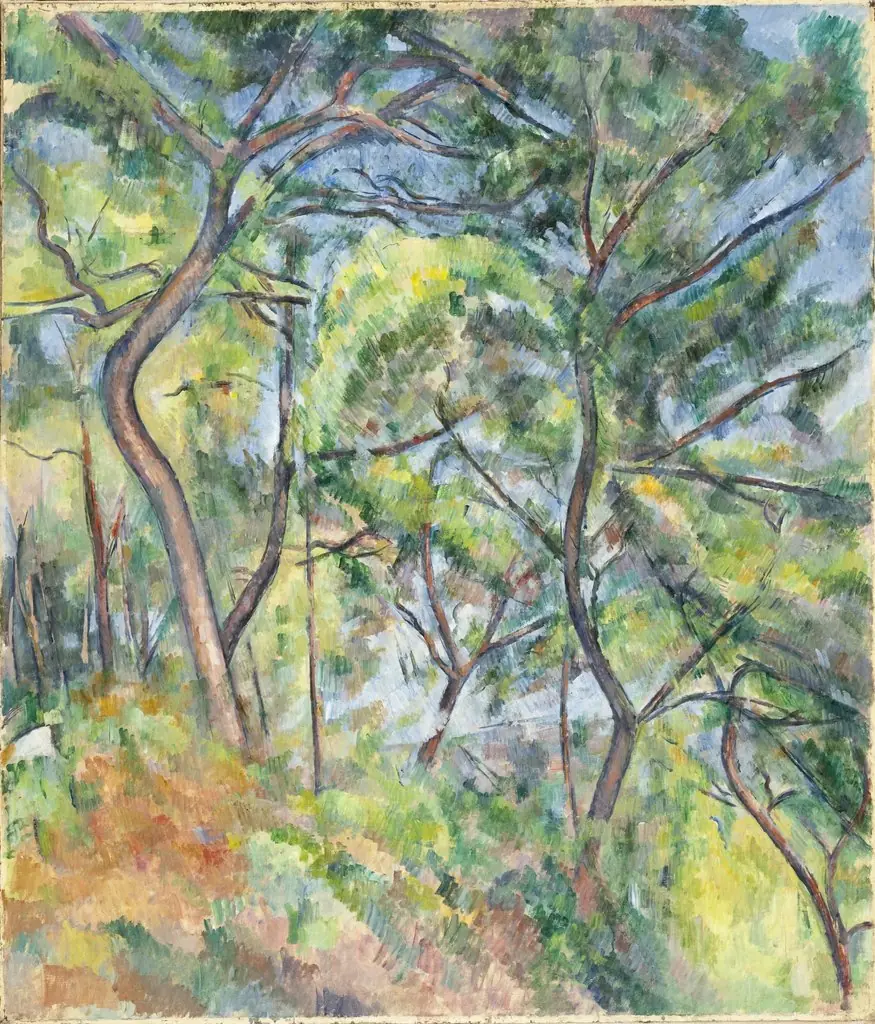
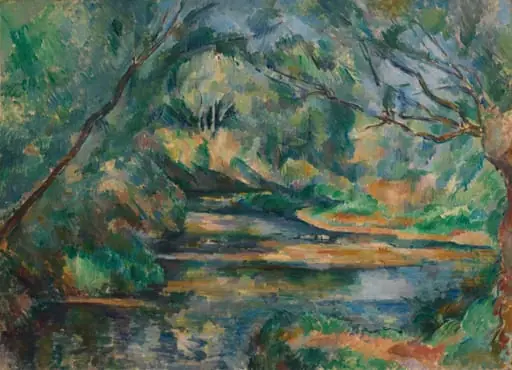
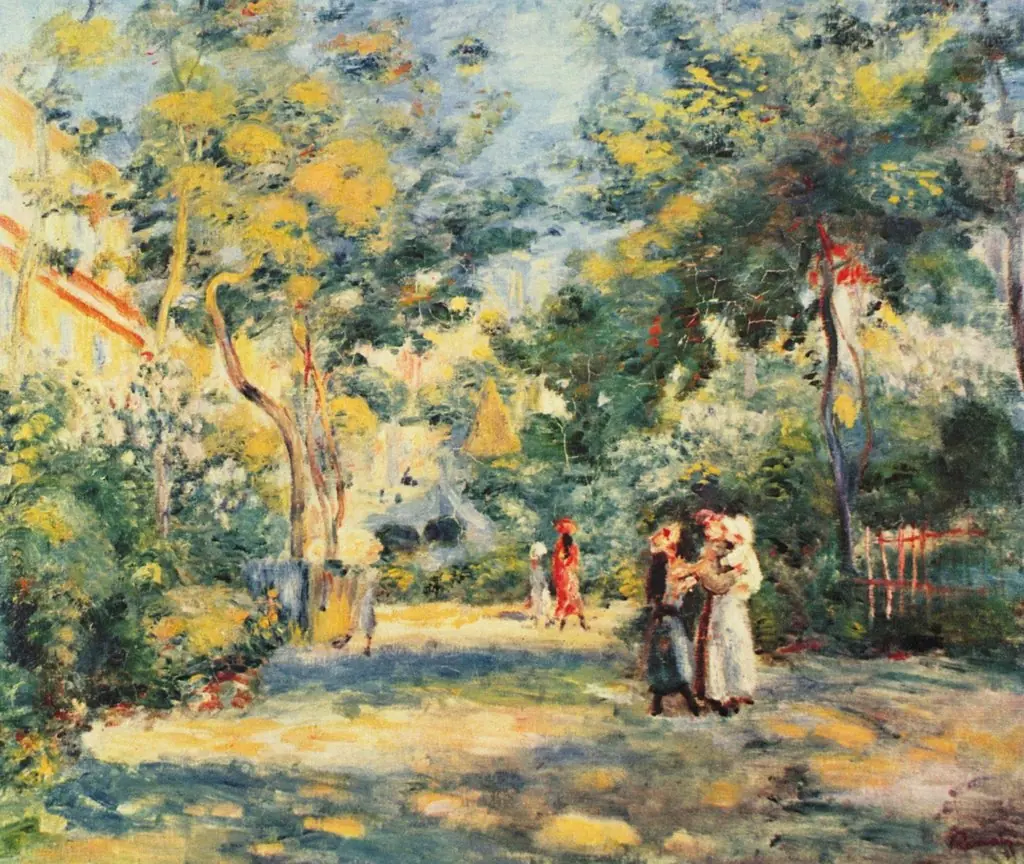
The scene portrays a winding forest trail, flanked by dense foliage, opening toward a hazy beach and pale sky. There is no human presence, emphasizing solitude and the quiet rhythm of nature. The path invites the viewer’s gaze inward, suggesting a contemplative journey through light and leaf, rather than a narrative or symbolic event.
Technique & Style
Renoir employed loose, rapid brushwork to capture the movement of light through trees. Thick applications of paint, particularly in the foliage, create a tactile surface, enhancing the sense of texture and volume. Soft yellows and greens dominate, while the sky remains muted, allowing the dappled sunlight to feel both transient and intimate.
History & Provenance
The painting was acquired by the State Hermitage Museum in the early 20th century, likely through a private collector or dealer. Its presence in Russia reflects broader interest in French Impressionism during that period. No significant alterations or restorations are documented, and it has remained in the museum’s collection since acquisition.
Context
Created during Renoir’s later years, this work aligns with his increasing focus on landscape after health issues limited his mobility. Beaulieu, a coastal town in southern France, was a favored retreat where he painted numerous scenes of light-dappled woods. The piece reflects a shift from urban and figure subjects to tranquil, natural environments.
Legacy
Landscape at Beaulieu exemplifies Renoir’s mature approach to color and light, influencing later artists interested in the emotional resonance of natural settings. Though less celebrated than his portraits, the painting contributes to understanding his evolving relationship with plein air painting and the expressive potential of brushwork in late Impressionism.
Artist & collection
Artist
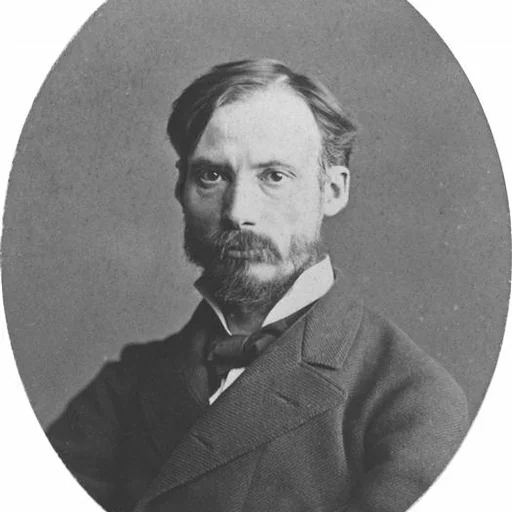
Pierre-Auguste Renoir was born on 25 February 1841 in Limoges, the son of a tailor and a seamstress.