Artwork
Napoleon dismounting with an injured foot at Regensburg, aided by the Surgeon, Yvan, April 23, 1809
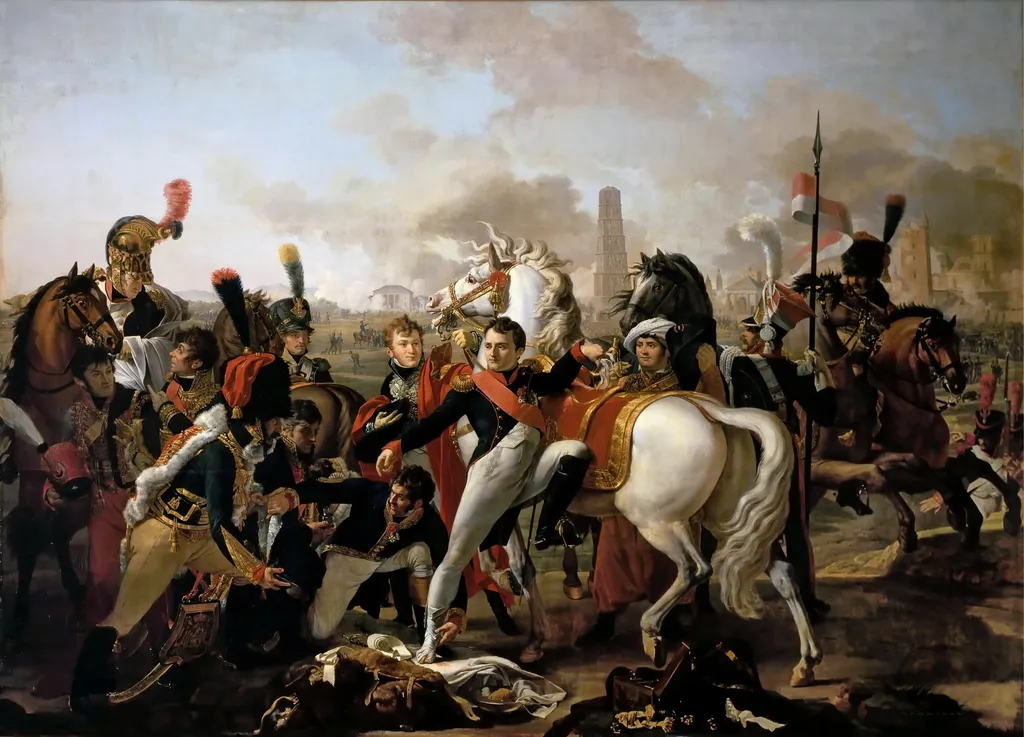
Napoleon dismounting with an injured foot at Regensburg, aided by the Surgeon, Yvan, April 23, 1809 is an oil painting by Pierre-Claude Gautherot. It dates from 1810 and is held in the collection of the Palace of Versailles.
About this work
Overview
Claude Gautherot’s 1810 oil painting records a moment from the Battle of Ratisbon on 23 April 1809, when the French emperor, having sustained an ankle wound from artillery, is assisted in mounting a fresh horse. The composition centers on the wounded leader, a surgeon attending his foot, and two prominently dressed riders amid a tumult of soldiers, smoke, and ruined architecture.
Subject & Meaning
The work captures the immediacy of Napoleon’s injury and the swift support provided by his entourage, emphasizing both the personal vulnerability of the commander and the collective resolve of his forces. Figures such as his valet Roustam Raza, Chief of Staff Louis‑Alexandre Berthier, and Polish general Dezydery Chłapowski appear, underscoring the network of loyalty surrounding the emperor during the Fifth Coalition campaign.
Technique & Style
Rendered in a dynamic, high‑contrast palette, the painting juxtaposes the white horse bearing the wounded emperor with a dark‑dressed rider, creating visual tension. Gautherot employs vigorous brushwork to convey the chaos of battle—rearing horses, clashing infantry in red coats, and billowing smoke—while maintaining a clear focal point on the central figures through careful lighting and compositional balance.
History & Provenance
Commissioned by Napoleon for display in the Tuileries Palace, the canvas was first exhibited at the 1810 Salon held at the Louvre. In 1835, it was transferred to the Palace of Versailles, where it remains part of the museum’s collection of Napoleonic-era artworks.
Context
The Battle of Ratisbon was a decisive French victory over Archduke Charles’s Austrian army during the War of the Fifth Coalition. Gautherot’s depiction aligns with contemporary French efforts to glorify the emperor’s leadership, even in moments of physical peril, reinforcing the narrative of heroic resilience that underpinned imperial propaganda.
Legacy
As one of several visual records of Napoleon’s wartime injuries, the painting contributes to the broader iconography of the emperor as both a military strategist and a figure of personal endurance. Its presence in Versailles situates it among state-sponsored artworks that shaped public memory of the Napoleonic Wars.
Own this work as a print
Artist & collection
Artist
Pierre-Claude Gautherot (1769–1825), usually referred to as either Claude Gautherot or Pierre Gautherot, was a French artist.

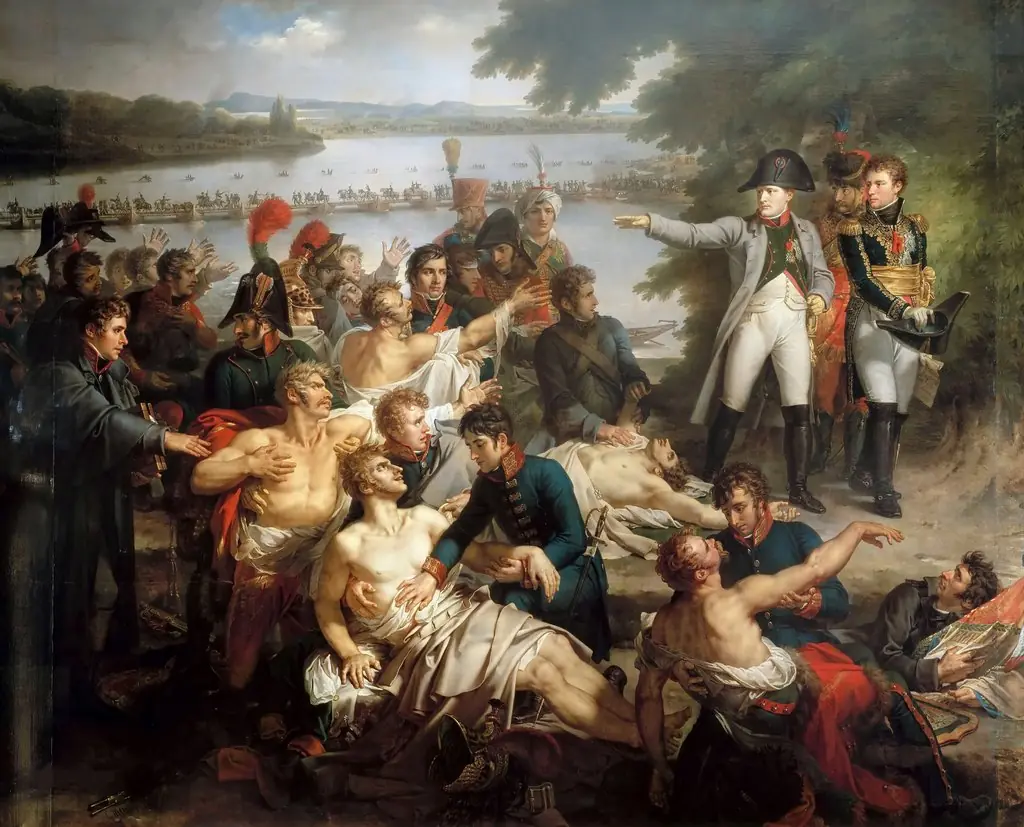 Napoleon's Return to the Island of Lobau After the Battle of Essling
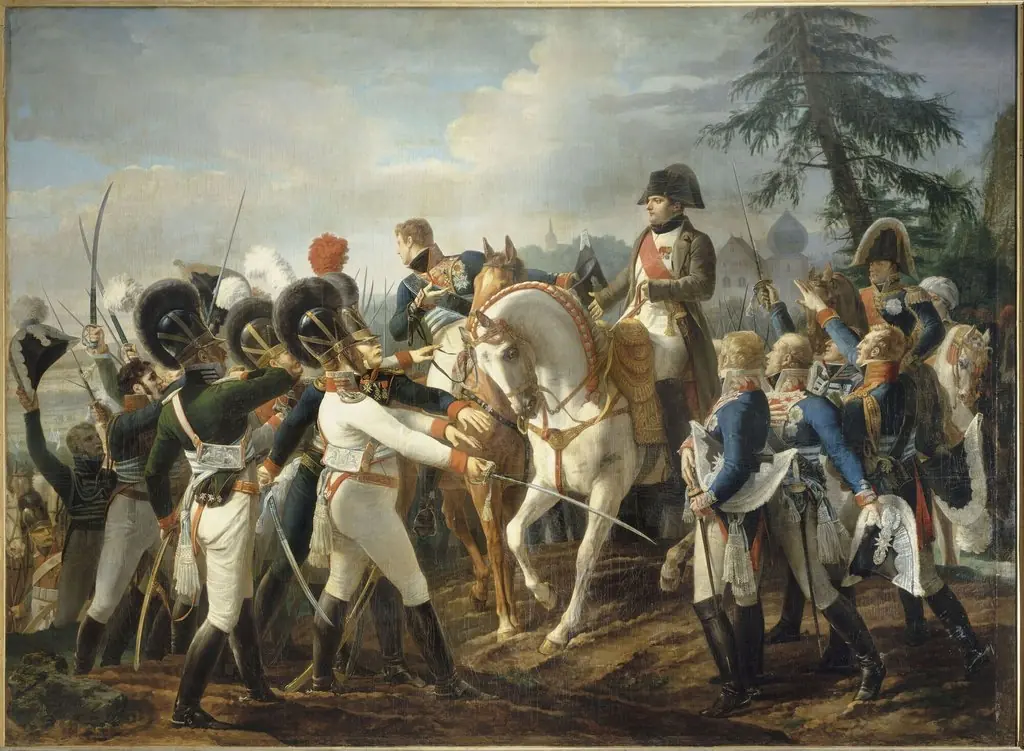 Napoléon harangue les troupes bavaroises et wurtembourgeoises à Abensberg, 20 avril 1809
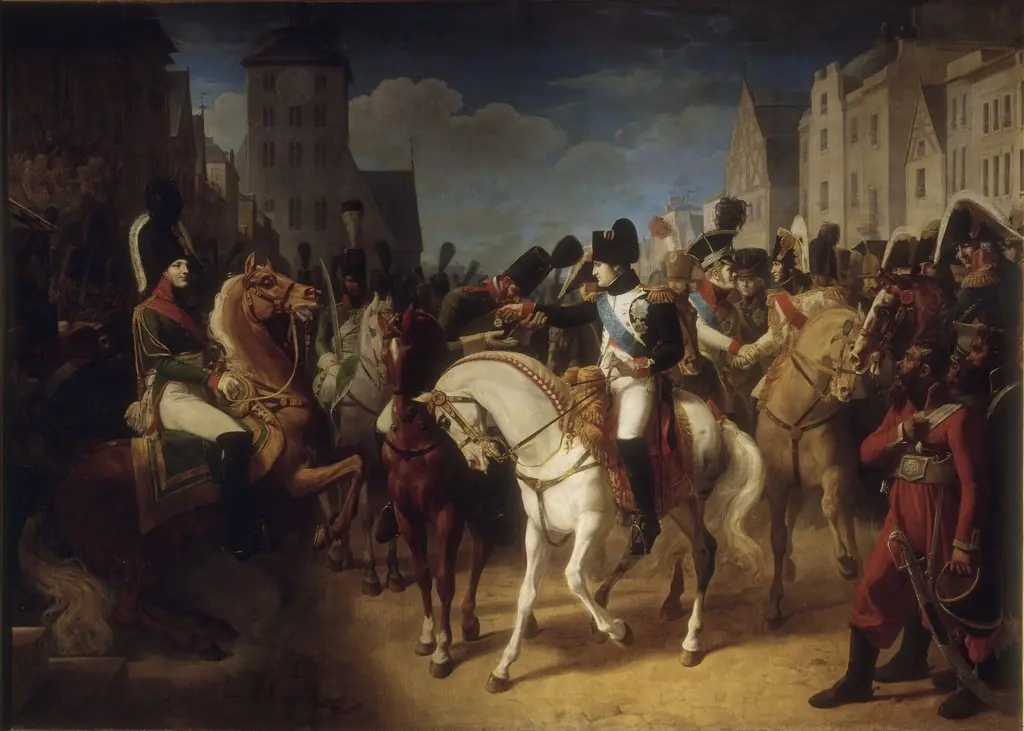 Napoleon I decorated a soldier of the Russian army in Tilsitt with the cross of the Legion of Honor
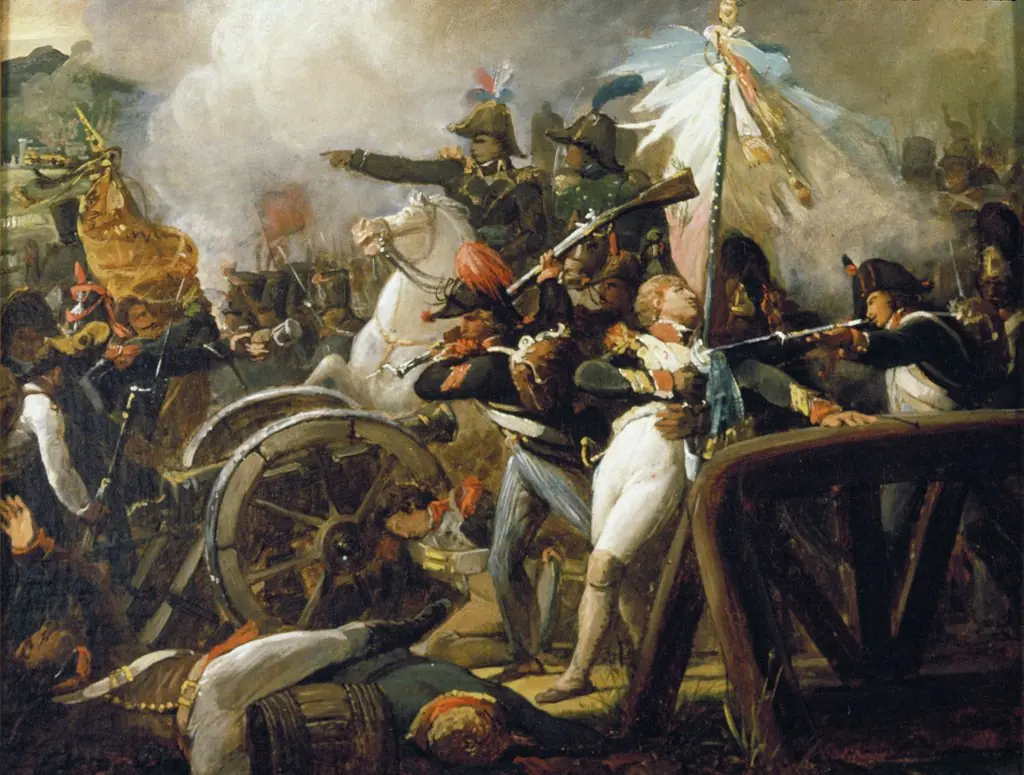 Battle on a Bridge
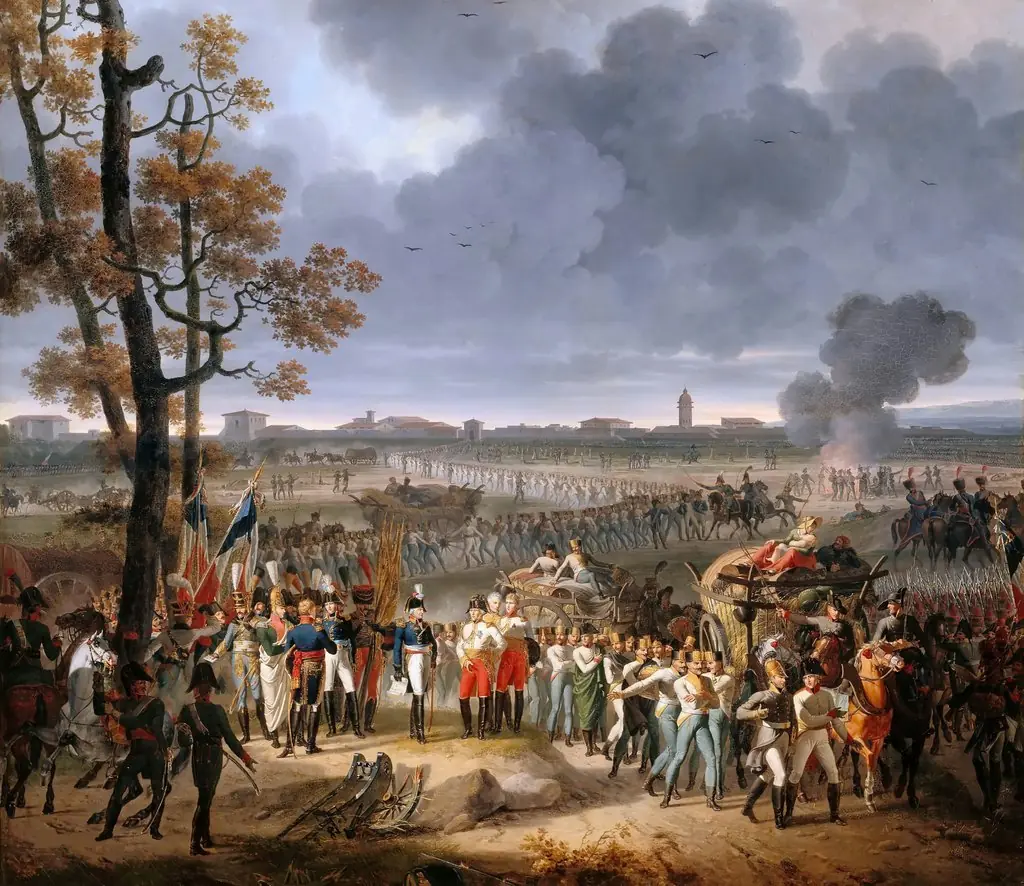 Surrender of Mantua, February 2, 1797
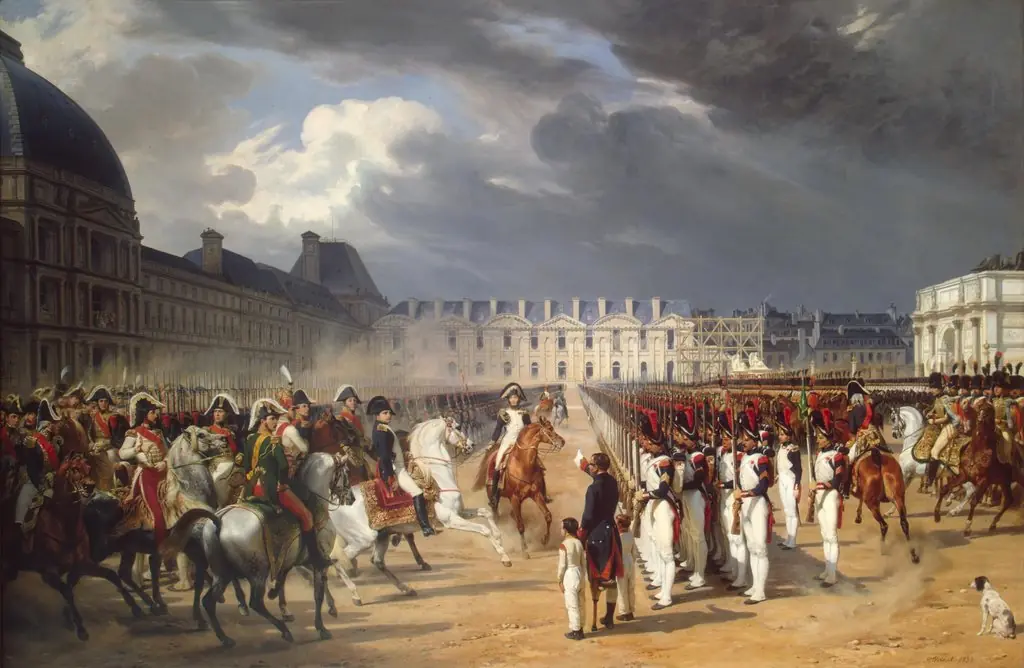 Invalid handing a petition to Napoleon at the parade in the court of the Tuileries Palace
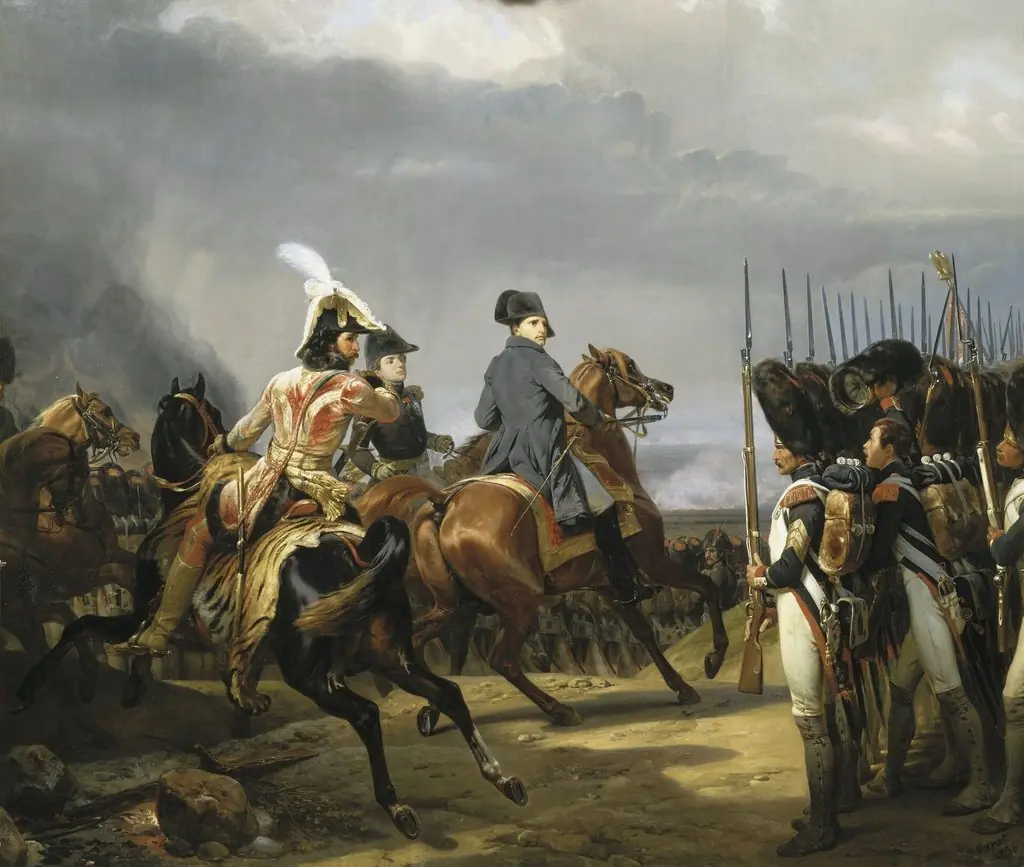 The battle of Jena, October 14, 1806
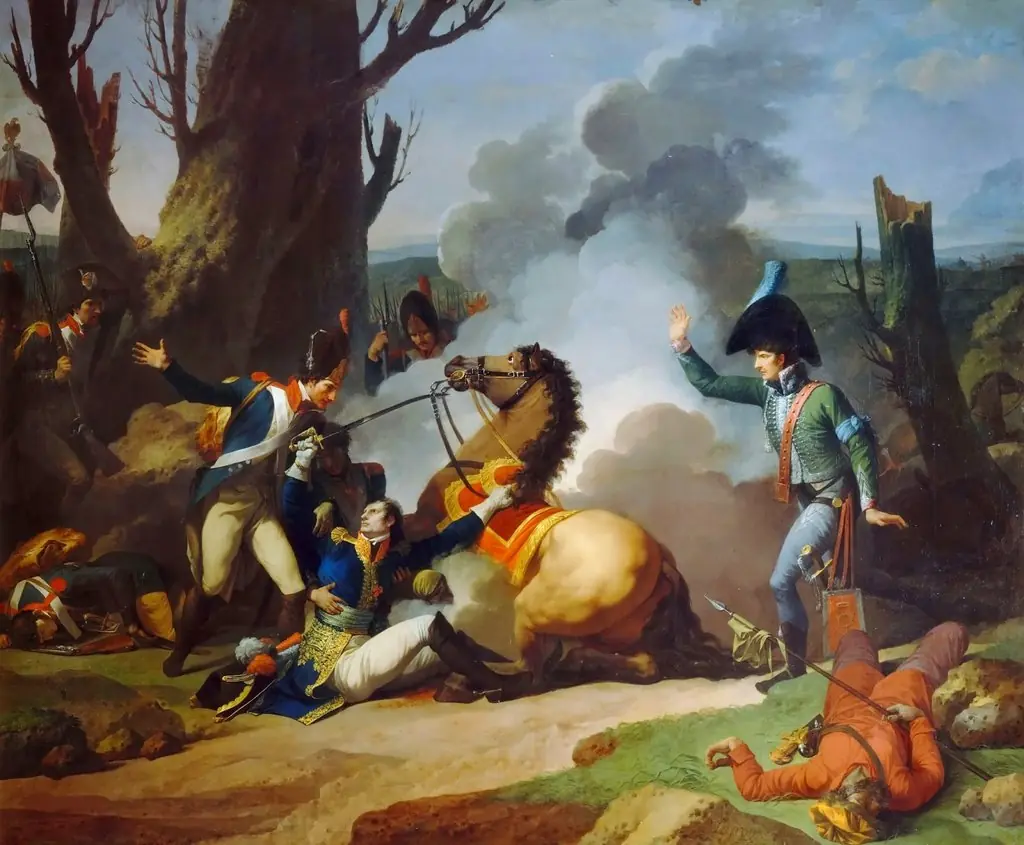 Death of General Valhubert, December 2, 1805
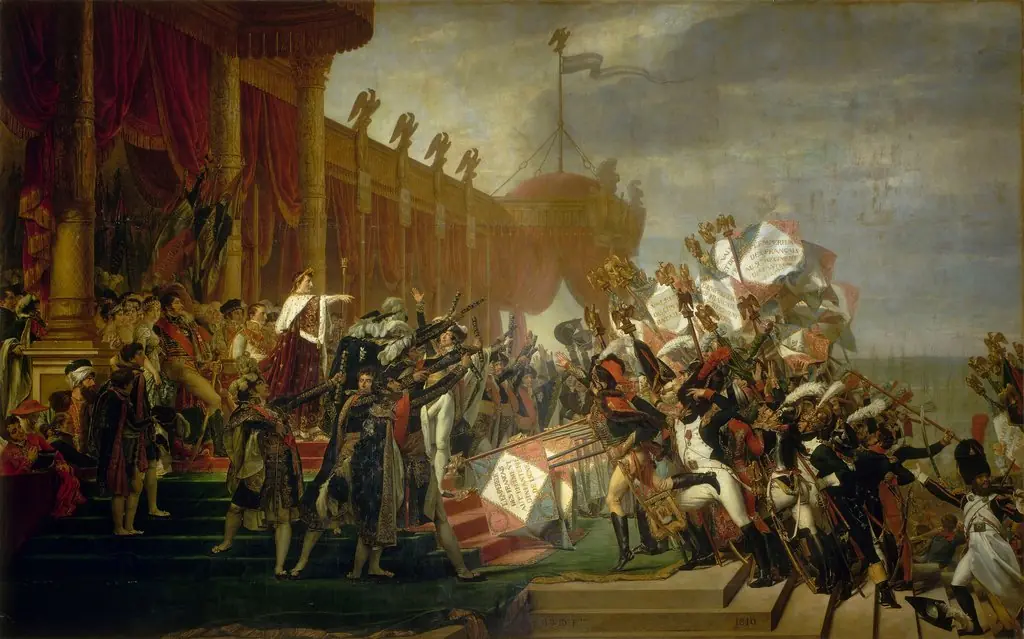 The Distribution of the Eagle Standards
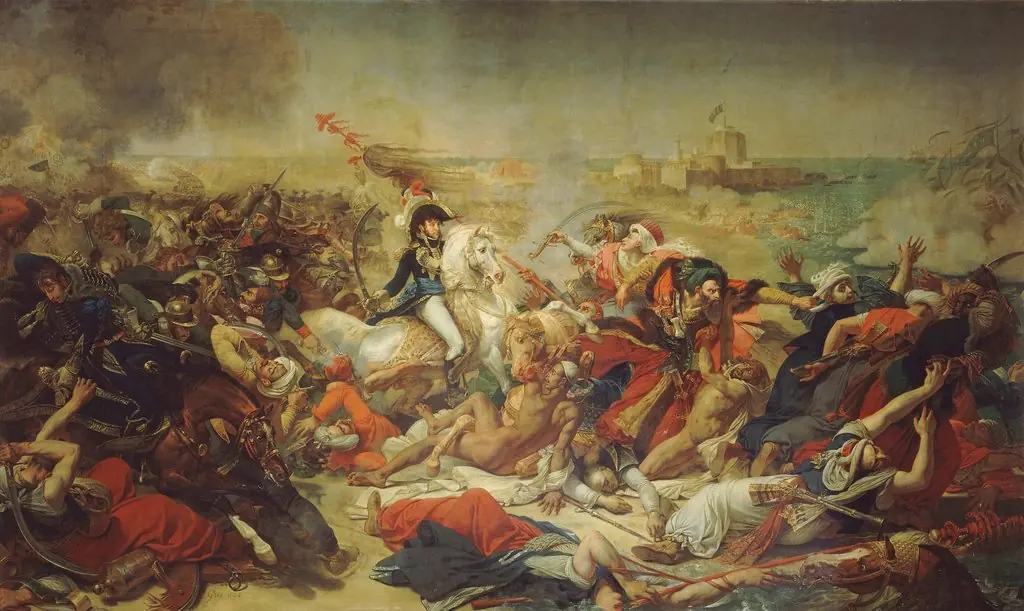 Bataille d'Aboukir, 25 Juillet 1799